Top 20 Castles around Domleschg
Castles around Domleschg, located in Graubünden, Switzerland, feature a significant concentration of historical sites. This valley is known for its diverse collection of castles and palaces, offering insights into the region's past. Many of these structures are publicly accessible, while others can be viewed from public paths. The area provides a unique historical and cultural landscape for exploration.
Best castles around Domleschg
- The most popular castles is View of Hohen Rätien Castle Ruins, a castle that offers views of…
Last updated: October 4, 2026
View of Hohen Rätien Castle Ruins
Highlight • Castle
Translated by Google •
Tip by

Hohen Rätien Castle
Highlight • Castle
Showing Translation
Tip by

Sign up now to discover places like this
Get recommendations on the best single tracks, peaks, & plenty of other exciting outdoor places.
Confluence of the Vorderrhein and Hinterrhein
Highlight • River
Dominated by Reichenau Castle, the hamlet lies at the confluence of the Vorderrhein and Hinterrhein rivers, making it virtually the birthplace of the …
Translated by Google •
Tip by

Episcopal Court
Highlight • Castle
At the top left the square is closed off by the episcopal castle. The secular counterpart to the …
Translated by Google •
Tip by
Rietberg Castle
Highlight • Castle
Rietberg war der Sitz der Herren von Rietberg, die in einer Urkunde vom 29. Juli 1286 als Vasallen der Herren von Sax-Misox erwähnt werden und im 13. …
Tip by
Sign up for free to discover even more castles around Domleschg.
Already have an account?
Start today with a free account
Your next adventure awaits.
Popular around Domleschg
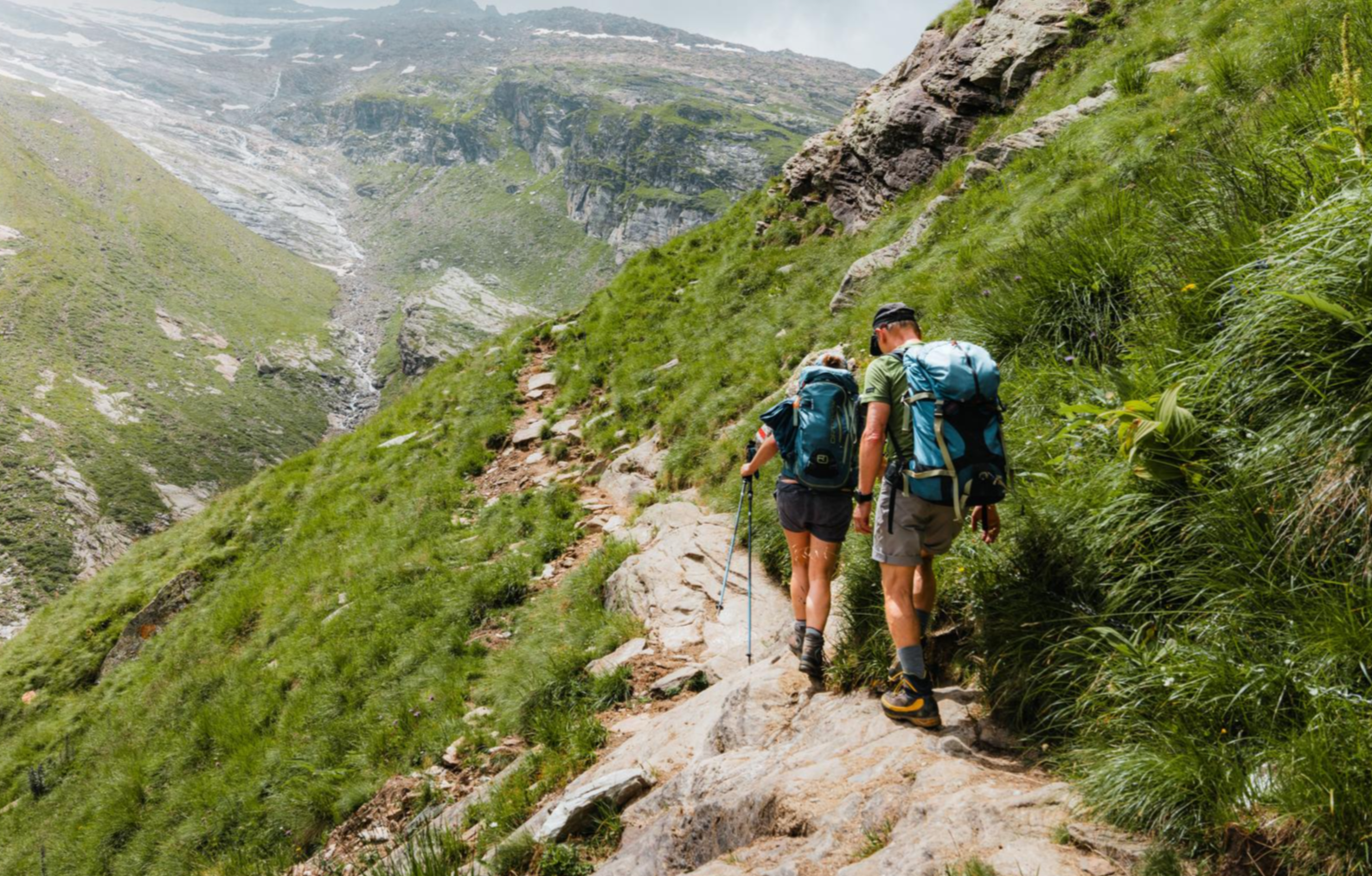
Mountain worlds and gorge magic – adventure hikes in the Viamala Region
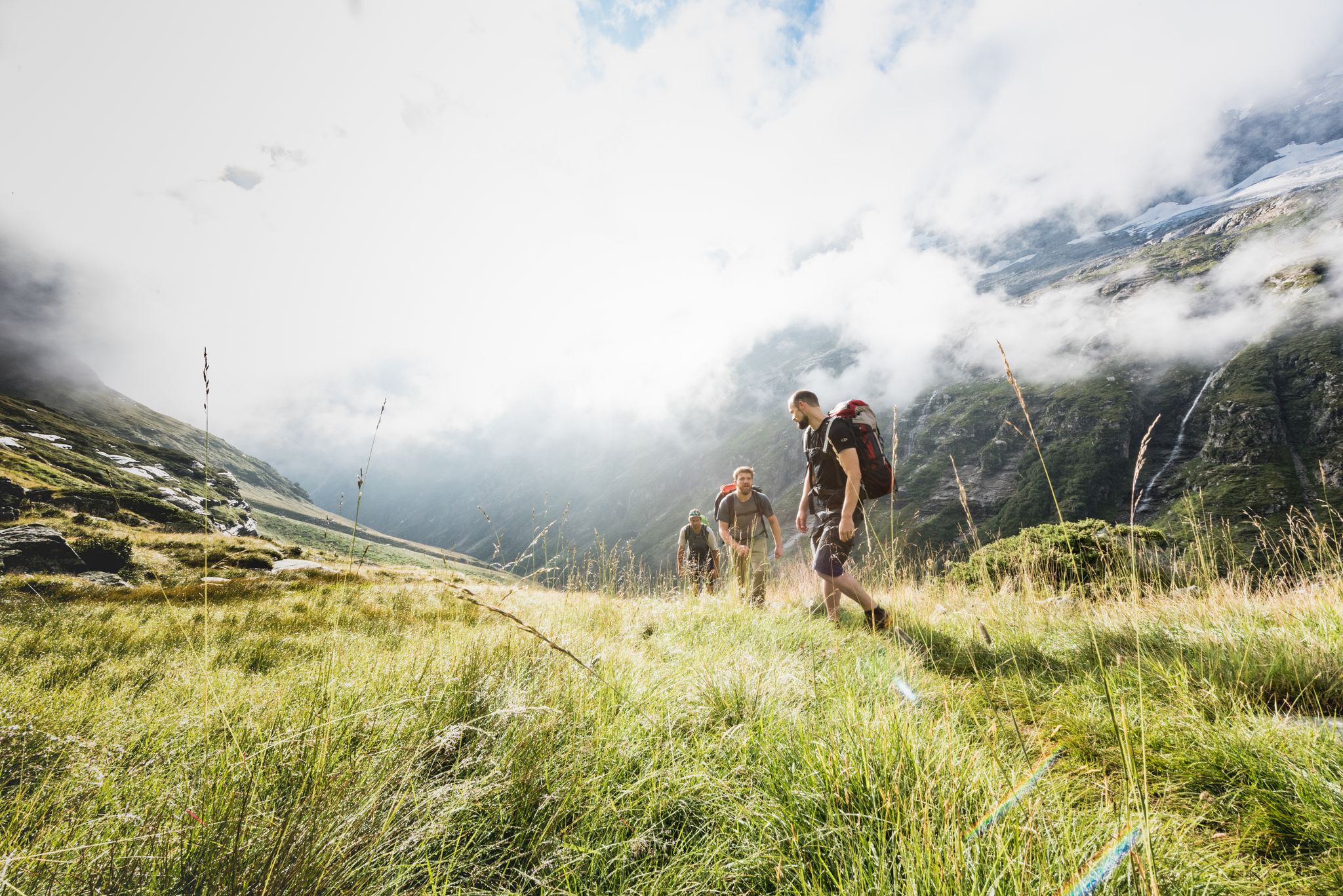
Over hill & dale – Viamala Hiking Paradise
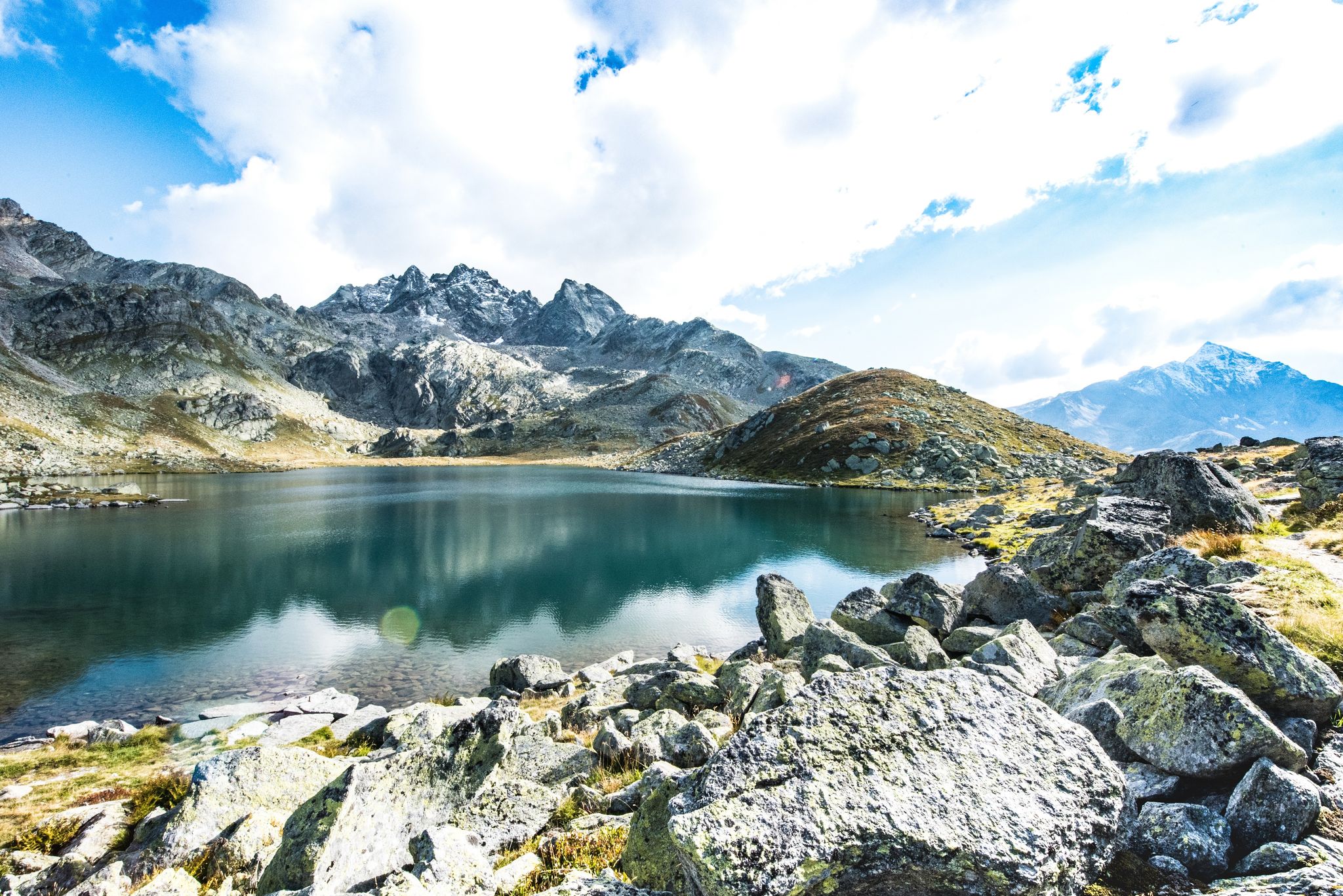
Viamala – a hiking paradise in the heart of the Grisons in Switzerland
Hiking around Domleschg
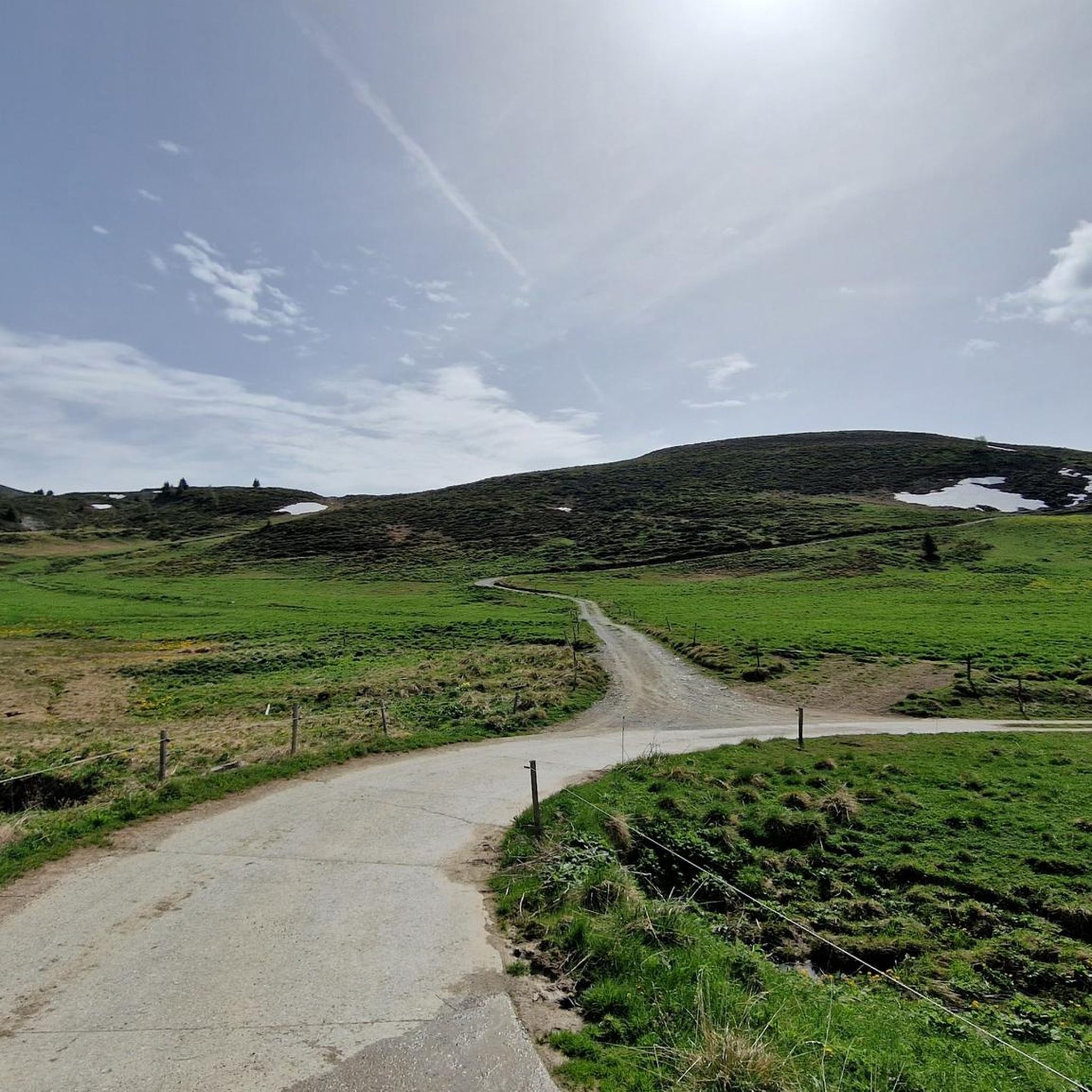
Cycling around Domleschg
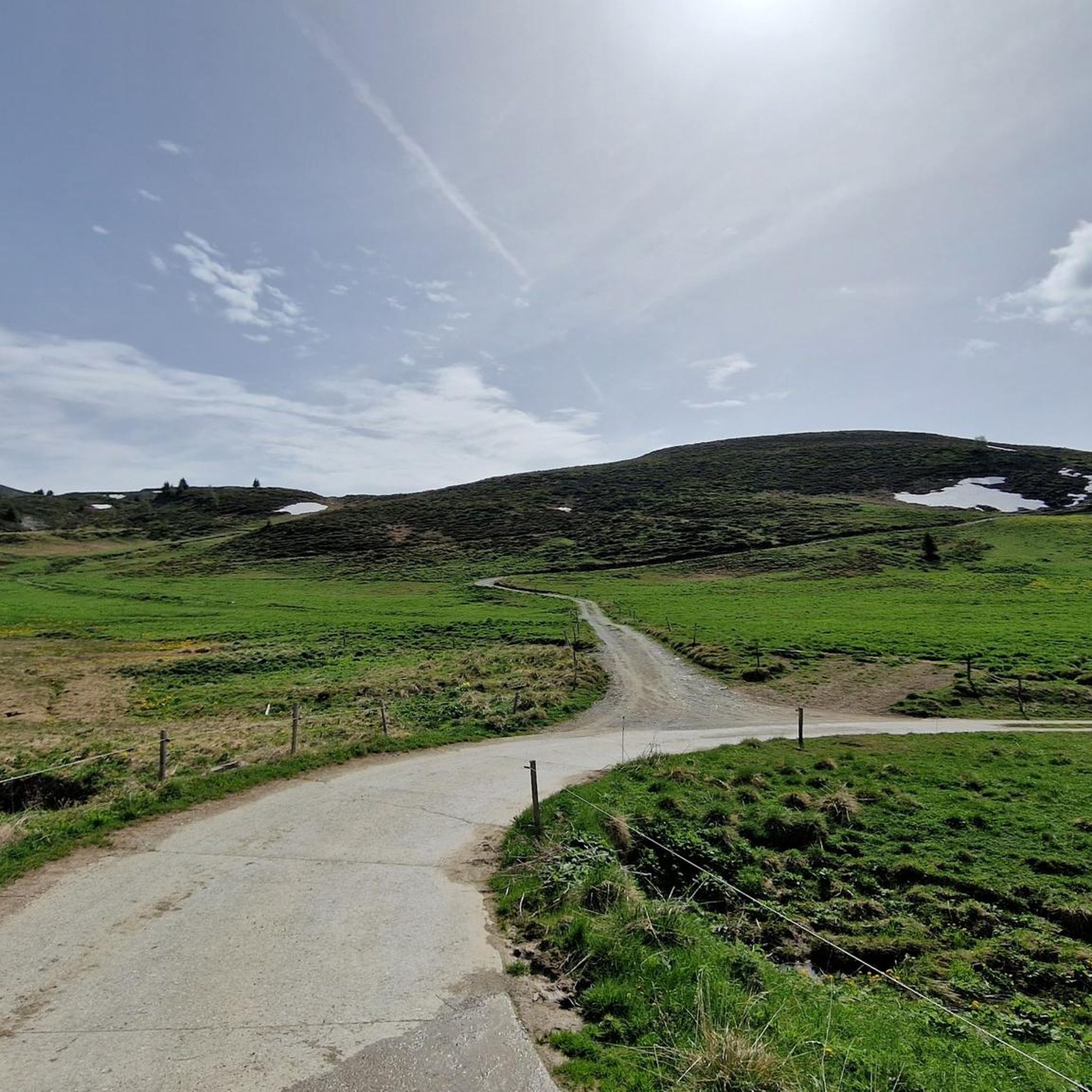
MTB Trails around Domleschg
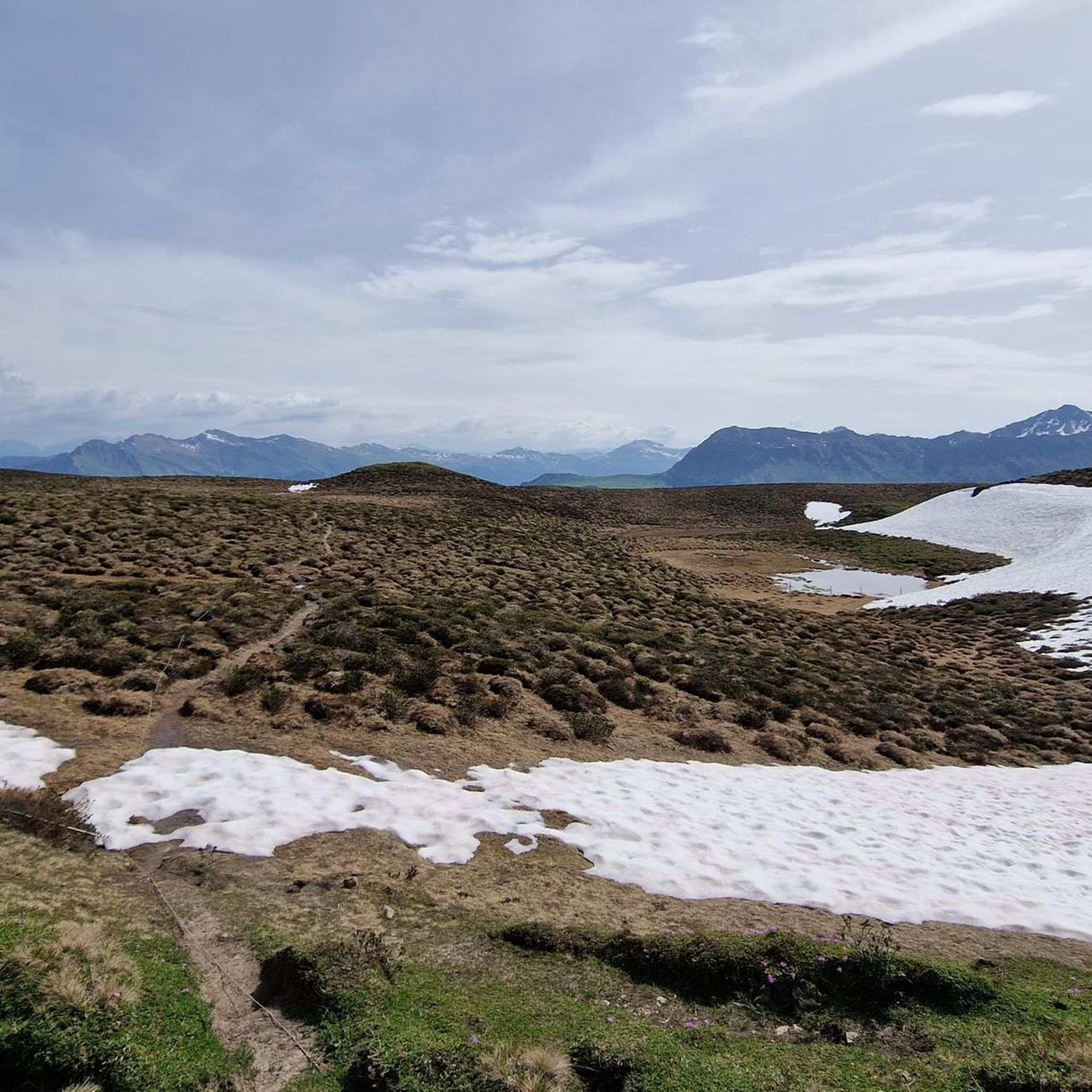
Road Cycling Routes around Domleschg

Gravel biking around Domleschg
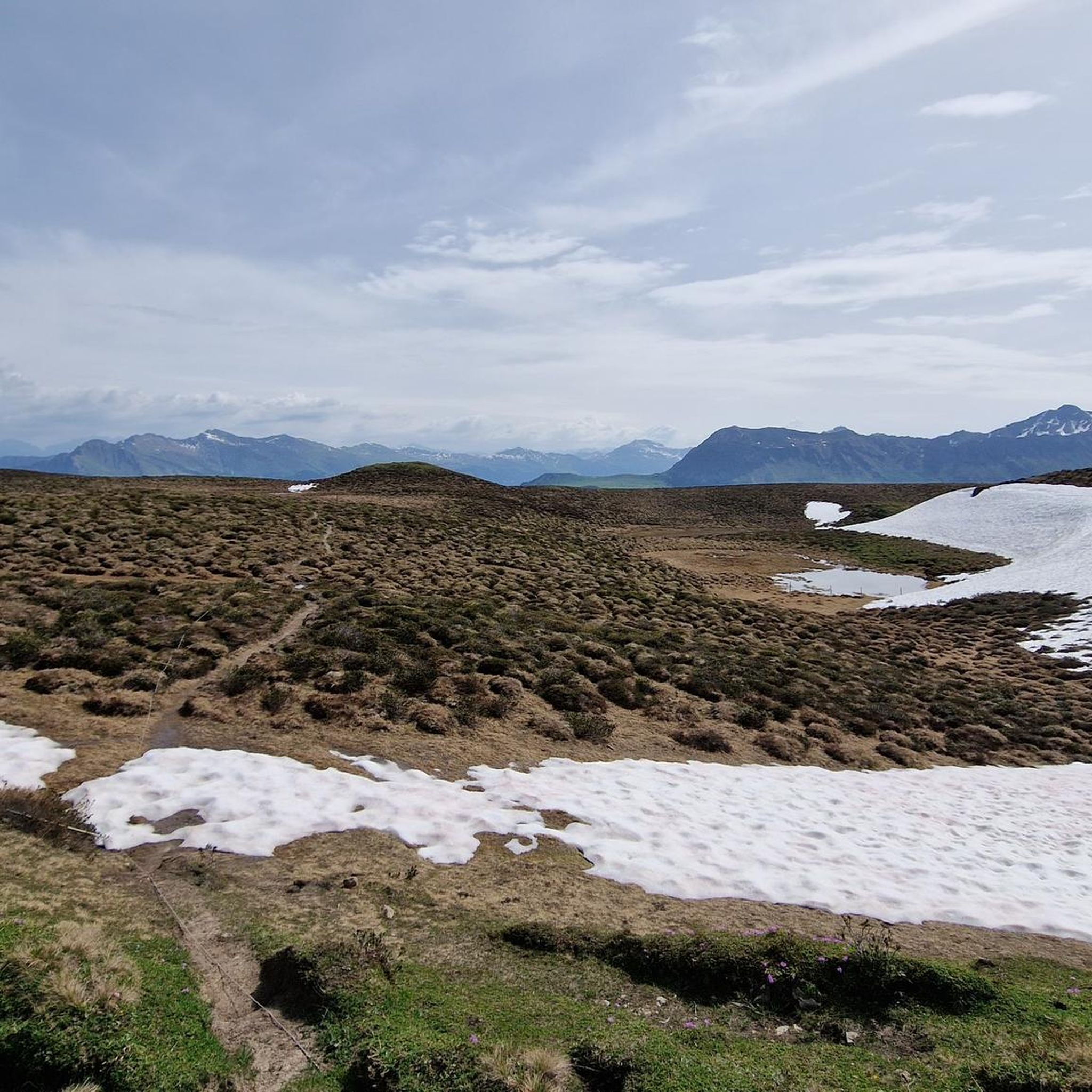
Running Trails around Domleschg
Mountain Hikes around Domleschg
Other adventures around Domleschg

Tips from the Community

A place of power in a special class
0
0

The first building was constructed after 1272, following the consecration of the cathedral. Its current appearance dates back to the Baroque redesign of 1732/33 under Bishop Joseph von Rost, a Tyrolean native (serving as Bishop of Chur as Benedikt von Rost from 1728 to 1754), who incorporated architectural ideas from his homeland into the building. The cookbook "Ein schön Kochbuch 1559" (A Beautiful Cookbook 1559) was created in the Episcopal Palace between 1559 and around 1610. It is considered the oldest cookbook in Switzerland. In 2020, the Cathedral Treasury Museum, featuring the cathedral treasury and the death pictures dated 1543, will open in the Episcopal Palace. Source: https://de.wikipedia.org/wiki/Bisch%C3%B6fliches_Schloss_(Chur)
0
0

Ruinaulta Rhine Gorge The Ruinaulta, or Rhine Gorge, is a gorge of the Vorderrhein River, up to 400 meters deep and approximately 13 kilometers long, between Ilanz and the mouth of the Hinterrhein River near Reichenau in the canton of Graubünden in Switzerland. The Romansh name 'Ruinaulta' is composed of the two words ruina (scree slope, quarry) and aulta (high). The Ruinaulta was formed after the Flims Landslide almost 10,000 years ago. At that time, over 10 billion cubic meters of rock broke off between the Flimserstein and Piz Grisch, burying the Vorderrhein Valley between the present-day villages of Castrisch and Reichenau under a mass of debris several hundred meters thick. Because the Vorderrhein River could no longer drain away, a lake was dammed over a length of approximately 25 kilometers. Over time, the river cut deep into the landslide, and the resulting lake drained away completely. What remained was the Ruinaulta, with its steep limestone scree cliffs in impressive erosion formations. Text / Source: Wikipedia https://de.wikipedia.org/wiki/Ruinaulta
16
0
Confluence of the Vorderrhein and Hinterrhein, Reichenau Dominated by Reichenau Castle, the hamlet lies at the confluence of the Vorderrhein and Hinterrhein rivers, making it virtually the birthplace of the Rhine. It all began 10,000 years ago. Between the Flimserstein (a high plateau) and Piz Grisch, over 10,000 cubic meters of rock broke off and thundered down into the valley. Towards Reichenau, the Vorderrhein valley disappears under a gigantic mass of rubble. From there, the Rhine diligently ate its way through the rock, creating the spectacular Swiss "Grand Canyon" – the Ruinaulta. Text / Source: myswitzerland.com https://www.myswitzerland.com/de-ch/erlebnisse/route/vom-zusammenfluss-der-rheine-in-die-rheinschlucht/
16
0

A magical place. Admission is paid via Twint, CHF 5 per adult.
1
0

very nice on sunny days
0
0

Not only is the ensemble above the old town of Chur very impressive as a whole building and bulwark, the view is also wonderful!
1
0

This castle is located 250m above the Oden valley. It is privately owned and is very well preserved. Inside there is seating and a fireplace. Entrance fee is 5 francs to help maintain this beautiful castle.
1
0
Frequently Asked Questions
What are some publicly accessible castles or ruins in the Domleschg valley?
The Domleschg valley offers several publicly accessible historical sites. You can explore the ruins of Hohen Rätien Castle, which provides extensive views high above Thusis. Other accessible ruins include Obertagstein Castle (Thusis), Campi castle ruin (Sils i.D.), Hasensprung ruin (Rodels), Neu Sins ruin (Paspels), Alt Sins ruin (Paspels), and Hochjuvalt ruin (Rothenbrunnen). Campell Castle in Sils im Domleschg is also open to visitors after extensive stabilization.
Are there any castles in Domleschg that are privately owned but still notable?
Yes, several significant castles and palaces in Domleschg are privately owned and not publicly accessible, but are still integral to the valley's character. These include Ortenstein Castle (Tomils), Ehrenfels Castle (Sils i.D.), Baldenstein Palace (Sils i.D.), Episcopal Palace (Fürstenau), Schauenstein Palace (Fürstenau), Rietberg Castle (Pratval), Sins Palace (Paspels), and Innerjuvalt Castle (Rothenbrunnen). While you can't enter, their exteriors are often visible from public roads or paths.
What makes Campell Castle worth visiting?
Campell Castle, located in Sils im Domleschg, is a significant example of medieval architecture. After extensive stabilization and repair, its ruins opened to visitors in 2001. Much of the castle is still standing, with the original tower and east wing retaining their medieval character, offering a tangible connection to its long history. The west palas, built when the castle transitioned from a fortification to a nobleman's residence, features large windows that once lit comfortable rooms.
What is the best time of year to visit the castles in Domleschg?
The best time to visit the castles in Domleschg is generally during the spring, summer, and autumn months (April to October). During these periods, the weather is more favorable for exploring ruins and walking the castle trails. Winter can offer a unique, snow-covered landscape, but some trails might be less accessible, and certain facilities may have reduced hours.
Are there family-friendly activities or castles in the Domleschg area?
Many of the publicly accessible castle ruins and the overall Domleschg castle trail are suitable for families who enjoy walking and exploring history. The Confluence of the Vorderrhein and Hinterrhein, near Reichenau Castle, is also listed as family-friendly and offers a natural monument and viewpoint. Exploring the ruins provides an engaging way for children to learn about medieval times.
What kind of outdoor activities can I do near the castles in Domleschg?
The Domleschg region offers a variety of outdoor activities. You can find numerous hiking trails, such as the easy Feldis Panorama Trail or the more challenging Feldis to the Dreibündenstein. For mountain biking, there are routes like the Via Mala Gorge near Thusis. Road cycling enthusiasts can enjoy routes like the Thusis – Glas Pass loop. You can find more details and routes in the Hiking around Domleschg, Mountain Hikes around Domleschg, and Road Cycling Routes around Domleschg guides.
Is there a recommended trail for exploring multiple castles in Domleschg?
Yes, the 'Domleschg castle trail' is an excellent way to explore the historical sites. This trail connects many of the publicly accessible castles and ruins, offering hikers and history enthusiasts a comprehensive experience of the valley's rich cultural landscape. It allows you to discover structures like Campell Castle, Obertagstein Castle, and various ruins strategically placed throughout the valley.
What historical significance does Ortenstein Castle hold?
Ortenstein Castle in Tomils is considered the largest castle complex in the Domleschg valley. Perched majestically on a steep rocky outcrop, its development began in the early 15th century. It was largely destroyed during the 'Schams War' in 1450 but was reconstructed, with its current external appearance largely dating to the 18th century. Its impressive size and commanding position, along with its history of destruction and rebuilding, reflect the turbulent past of the region.
Can I visit Reichenau Castle, and what is its connection to the Rhine River?
Reichenau Castle is located at the significant Confluence of the Vorderrhein and Hinterrhein, which is virtually the birthplace of the Alpine Rhine. The historic building, built in the 17th century, is now used as a winery by the von Tscharner family. While it is privately owned, you can often arrange a castle tour with wine tasting through the winery. The confluence itself is a publicly accessible natural monument and viewpoint.
What should I know about the Episcopal Court in Chur?
The Episcopal Court in Chur is a historical site featuring a castle and cathedral. This court district forms a core part of Chur's old town. The episcopal castle received its current shape in the 18th century and is notable for its rich sculptural outdoor decoration, influenced by Austrian Baroque. It is the seat of the Chur diocesan bishop and has a long history, with a palace existing on the site as early as 1272.
Are there any specific viewpoints to see multiple castles or the valley landscape?
Yes, the Domleschg valley is known for its scenic viewpoints. The View of Hohen Rätien Castle Ruins offers a great perspective of the extensive ruins high above Thusis. Additionally, the commanding position of castles like Ortenstein provides visually striking sights of the valley landscape. The Domleschg castle trail itself often leads through areas with excellent panoramic views.
What amenities are available near the castles in Domleschg?
The Domleschg valley, being a populated region, offers various amenities. While specific cafes or pubs directly at every ruin might be limited, you will find accommodation, restaurants, and cafes in the nearby villages and towns such as Thusis, Sils im Domleschg, and Paspels. It's advisable to check local listings for specific opening hours and services.
Most popular routes around Domleschg
Most popular attractions around Domleschg

Get inspired with the komoot mobile app


Explore more
Looking for the best castles somewhere else? Discover other guides around Domleschg:
