The best traffic-free bike rides in Meerdaalwoud
4.3
(927)
34,956
riders
476
rides
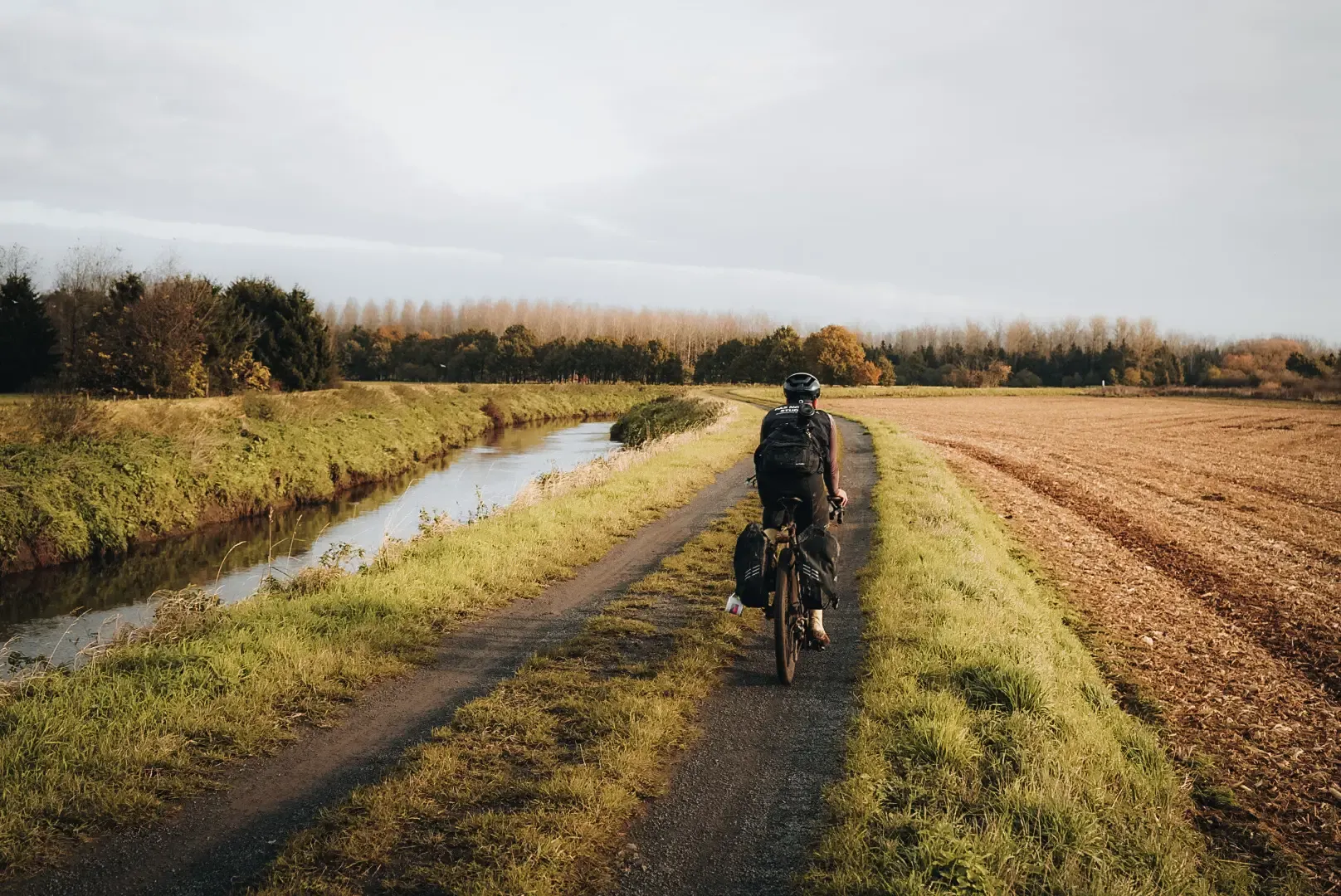
No traffic road cycling routes in Meerdaalwoud offer a diverse landscape for cyclists, situated southeast of Leuven within the National Park Forests of Brabant. The region features extensive woodlands, primarily ancient beech and oak trees, alongside half-open agricultural areas providing panoramic views. Cyclists can expect gentle rolling terrain, with routes often following well-maintained paved paths and quiet country lanes, ensuring a car-free experience.
Best no traffic road cycling routes in Meerdaalwoud
- The most popular no traffic road cycling route is…
Last updated: July 6, 2026
3.0
(1)
198
riders
99.1km
04:56
660m
660m
Moderate road ride. Good fitness required. Some segments of this route may be unpaved and difficult to ride.
5.0
(1)
34
riders
Moderate road ride. Good fitness required. Some segments of this route may be unpaved and difficult to ride.

Sign up for free
5.0
(3)
32
riders
25.8km
01:16
200m
200m
Easy road ride. Great for any fitness level. Mostly well-paved surfaces and easy to ride.
49
riders
Moderate road ride. Great for any fitness level. Some segments of this route may be unpaved and difficult to ride.
30
riders
86.4km
03:58
520m
520m
Moderate road ride. Good fitness required. Mostly well-paved surfaces and easy to ride.
Get access to more routes and recommendations from other explorers.
Sign up for free
Already have an account?
Our route recommendations are based on thousands of hikes, rides, and runs completed by other people on komoot.
Start today with a free account
Your next adventure awaits.
Login or Signup


Other adventures in Meerdaalwoud

Tips from the Community


The 2-meter-high wooden statue of Father Damien was placed on the west side of the Damien Bridge on August 22, 2013, and was donated by Lizette Cresens from Haacht. The statue was made by an artist from Wolfsdonk. Source: https://www.tremelo.be/product/2172/15-standbeeld-damiaan-damiaanbrug The bicycle and pedestrian bridge itself was put into use in 2012 and is located near the Damien Museum in Ninde (at the end of the road). The two Dijle dikes that are connected by it are called the Pater Damiaandijk (on the Ninde side) and the Schipstrekkersdijk (the Haacht side). Near the bridge, the Grote Laak flows into the Dijle. That's a river that splits off from the Demer near Aarschot and is also known as the Laak and formerly the Meetshovense Laak.
6
0

The Neoclassical building consists of a built-in, unsegmented west tower, a five-bay nave, and a single-bay, three-sided, closed choir. The church has round-arched windows and a round-arched sound hole on each side of the tower. The tower is topped by a spire with a constricted slate roof. The portal is located in the west facade. The building was constructed at the beginning of the 19th century. The choir was probably rebuilt on a late Gothic plinth. The church is the village parish church and is dedicated to Saint George. Source: https://www.coorevits-rosier.be/place/church/Sint-Joriskerk%20%E2%80%93%20Sint-Joris-Weert
0
0
The station building is a 1893 designation and was designated a protected monument in 2005. The building is unused and dilapidated. Parts of the roof had collapsed. To prevent further decay, the building was renovated. Despite this, it remains empty. The local railway buildings are also protected. The station has three platform tracks. The third track is mainly used as a terminus for a student train on Sunday evenings. This is the last station on this railway line in Flanders. It is now a stopping place. Source: Wikipedia
2
0
St. Agatha's Church is one of the oldest religious monuments in the Dijle region. This early Gothic church owes its name, as does the village where it was built: Sint-Agatha-Rode. Historical context: A church was likely built here in the 11th century by the Count of Leuven, Godfrey I, when Sint-Agatha-Rode was founded. It was likely a Romanesque church building at that time. In 1140, Godfrey II transferred the church to the chapter of the collegiate St. Peter's Church in Leuven. Around 1400, the church was renovated and given the form it still retains 600 years later. At the end of the 16th century, the Geuzen destroyed the church, which was rebuilt between 1597 and approximately 1608. Around the mid-18th century, a new sacristy was built at the request of the Chapter of St. Peter, as the old one had been in disrepair for many years. Source: Wikipedia
3
0

Along the route of the Brabantse Arrow, the pros still manage to reach the summit while admiring the wonderful surrounding scenery. It's possible to stop at the summit at the sports center on the left for a well-deserved rest.
0
0
Church and tree unite here...
0
0
The Damien Bridge is a steel girder bridge for pedestrians and cyclists over the Dijle River on the border of the municipalities of Haacht and Tremelo.
6
0
Frequently Asked Questions
How many no-traffic road cycling routes are available in Meerdaalwoud?
There are over 475 road cycling routes in Meerdaalwoud, many of which offer traffic-free sections or dedicated paths. This guide specifically focuses on routes designed to keep you away from busy roads, ensuring a peaceful ride.
What kind of terrain can I expect on these no-traffic road cycling routes?
The routes in Meerdaalwoud feature diverse landscapes. You'll find gentle rolling terrain, majestic avenues through ancient beech and oak trees, and paths that open up to half-open agricultural areas with panoramic views. Some routes also follow the picturesque Dijle river valley.
What is the best time of year to enjoy traffic-free road cycling in Meerdaalwoud?
Meerdaalwoud is beautiful year-round, but spring and autumn are particularly scenic. In spring, the forest floor is blanketed with white wood anemones, while autumn brings vibrant colors. May is ideal for seeing broom bloom in the former military domain, and August for purple heather.
Are there any challenging no-traffic road cycling routes for experienced riders?
Yes, while many routes offer gentle terrain, Meerdaalwoud also provides options for more experienced cyclists. Some routes incorporate climbs, such as those around Tomberg Hill, which was historically a place for medieval justice. You can find 62 difficult routes in the area.
What can I see along the no-traffic road cycling routes in Meerdaalwoud?
You can discover a variety of natural and historical points of interest. Highlights include the historic Minnebron spring, the unique "Pad van Ad" art trail with sculptures from dead tree trunks, and the Tomberg Summit offering views. The area also features reception zones like De Torenvalk with an observation tower, and the Zoete Waters recreation park.
Are there any circular no-traffic road cycling routes in Meerdaalwoud?
Yes, many of the no-traffic road cycling routes in Meerdaalwoud are designed as loops, allowing you to start and end at the same point. For example, the Sint-Agathakerk with plane tree – Sint-Agatha-Rode Church loop from Sint-Joris-Weert offers a shorter circular option.
Is parking available near the starting points of these routes?
Yes, reception zones like De Speelberg and De Torenvalk are excellent starting points and typically offer parking facilities. These zones are designed to be hubs for forest experiences, making them convenient for cyclists.
Can I reach these no-traffic road cycling routes using public transport?
Meerdaalwoud is well-connected to urban centers like Leuven, which can be reached by public transport. From Leuven, you can often cycle directly into the forest or find local bus connections to areas closer to the route starting points.
Are these no-traffic road cycling routes suitable for families?
Yes, many sections of Meerdaalwoud's cycling network are suitable for families, especially the dedicated cycle paths and quieter forest roads. Reception zones like De Speelberg even feature play areas like the "Everzwijnbad" play zone for children, making them great stops for family outings.
What do other road cyclists enjoy most about cycling in Meerdaalwoud?
The area is highly rated by the komoot community, with an average score of 4.3 stars from over 850 ratings. Reviewers often praise the quiet woodlands, the varied terrain, and the opportunity to enjoy nature away from traffic.
Are there any particularly long no-traffic road cycling routes for endurance training?
Absolutely. Meerdaalwoud offers several longer routes that minimize traffic exposure, perfect for endurance training. An example is the Pater Damiaan Bridge – Horst Castle loop from Sint-Joris-Weert, which covers nearly 100 km.
Are there any specific rules or permits required for cycling in Meerdaalwoud?
Generally, cycling is permitted on designated paths and roads within Meerdaalwoud. While specific permits are not typically required for general cycling, it's always good practice to stay on marked routes to protect the natural environment and respect local regulations. For more detailed information, you can consult official sources like Visit Leuven's guide to the Forests of Brabant.
Most popular routes in Meerdaalwoud
Most popular attractions in Meerdaalwoud

Get inspired with the komoot mobile app


Explore more
Browse the best Road cycling routes in other regions.
