The best traffic-free bike rides in Mechels Bos
4.4
(2819)
23,207
riders
353
rides
No traffic touring cycling routes in Mechels Bos traverse diverse landscapes within the larger Hoge Kempen National Park. The region is characterized by a varied topography, including rolling meadows, wooded banks, and extensive heathlands, grasslands, and marshlands. Its history as a former sand and gravel quarry has contributed to a distinctive landscape, while green corridors along rivers provide traffic-free towpaths for cyclists. This area is well-suited for exploring on two wheels.
Best no traffic touring cycling routes in Mechels Bos
- The most popular no traffic touring cycling route is Maas Bend – New rest stop on the Meuse loop from Eisden, a 14.6 miles (23.6 km) trail that takes 1 hour 22 minutes to complete. This easy route offers views along the Meuse loop.
- Another top favourite among local touring cyclists is As Bicycle Bridge – Heiderbos Nature Reserve loop from Vlaams Natuurreservaat Ven onder de Berg, a moderate 24.2 miles (39.0 km) path. This route leads through the Heiderbos Nature Reserve, featuring varied terrain and natural beauty.
- Local touring cyclists also love the Between Steinweg and Eisden – St. Barbara Church, Eisden loop from Eisden Damhertstraat, a 8.8 miles (14.2 km) trail leading through local areas and past St. Barbara Church, often completed in about 50 minutes.
- Touring cycling in Mechels Bos is defined by varied topography, wooded banks, and extensive heathlands, with options for different ability levels.
- The routes in Mechels Bos are highly rated by the komoot community with an average score of 4.4 stars from over 3000 reviews. More than 25000 touring cyclists have used komoot to explore Mechels Bos's varied terrain.
Last updated: May 25, 2026
4.3
(3)
43
riders
23.6km
01:22
40m
40m
Easy bike ride. Great for any fitness level. Mostly paved surfaces. Suitable for all skill levels.
4.8
(4)
22
riders
Moderate bike ride. Good fitness required. Mostly paved surfaces. Suitable for all skill levels.

Sign up for free
27
riders
Hard bike ride. Good fitness required. You may need to push your bike for some segments of this route.
4.0
(2)
24
riders
Easy bike ride. Great for any fitness level. Mostly paved surfaces. Suitable for all skill levels.
21
riders
Easy bike ride. Great for any fitness level. Mostly paved surfaces. Suitable for all skill levels.
Get access to more routes and recommendations from other explorers.
Sign up for free
Already have an account?
Our route recommendations are based on thousands of hikes, rides, and runs completed by other people on komoot.
Start today with a free account
Your next adventure awaits.
Login or Signup
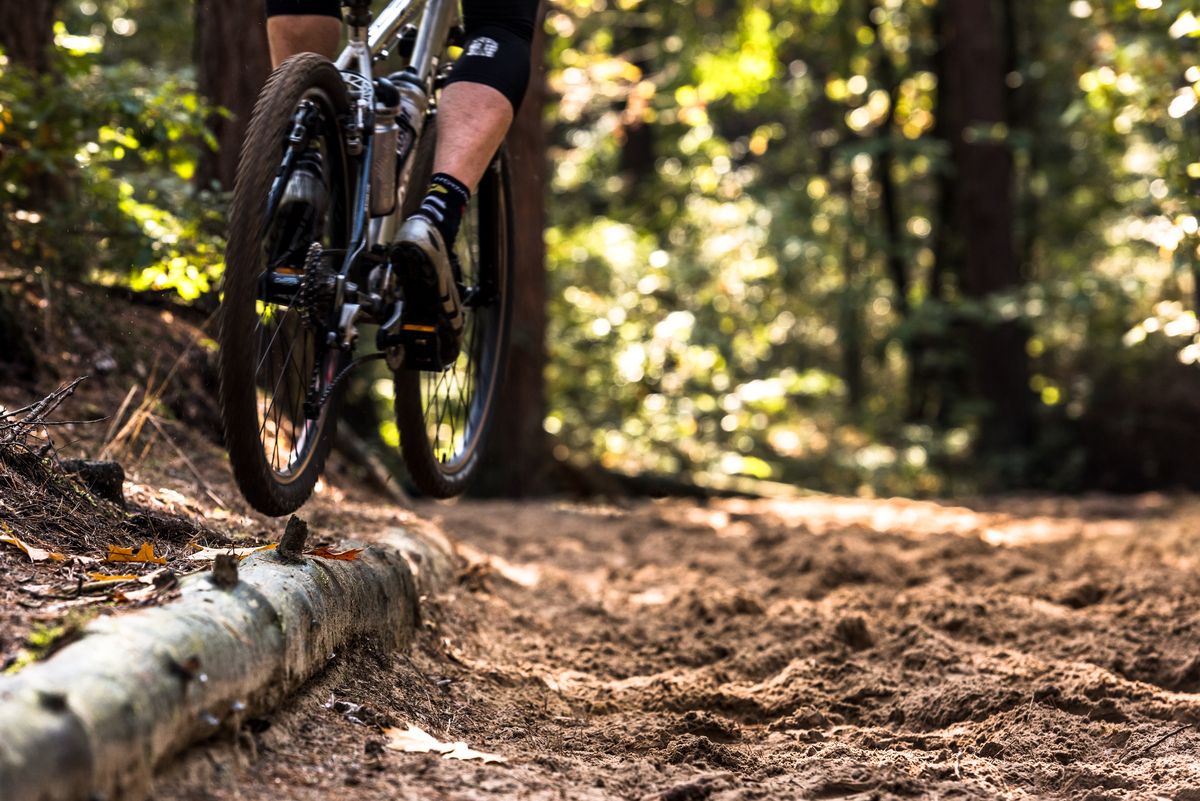
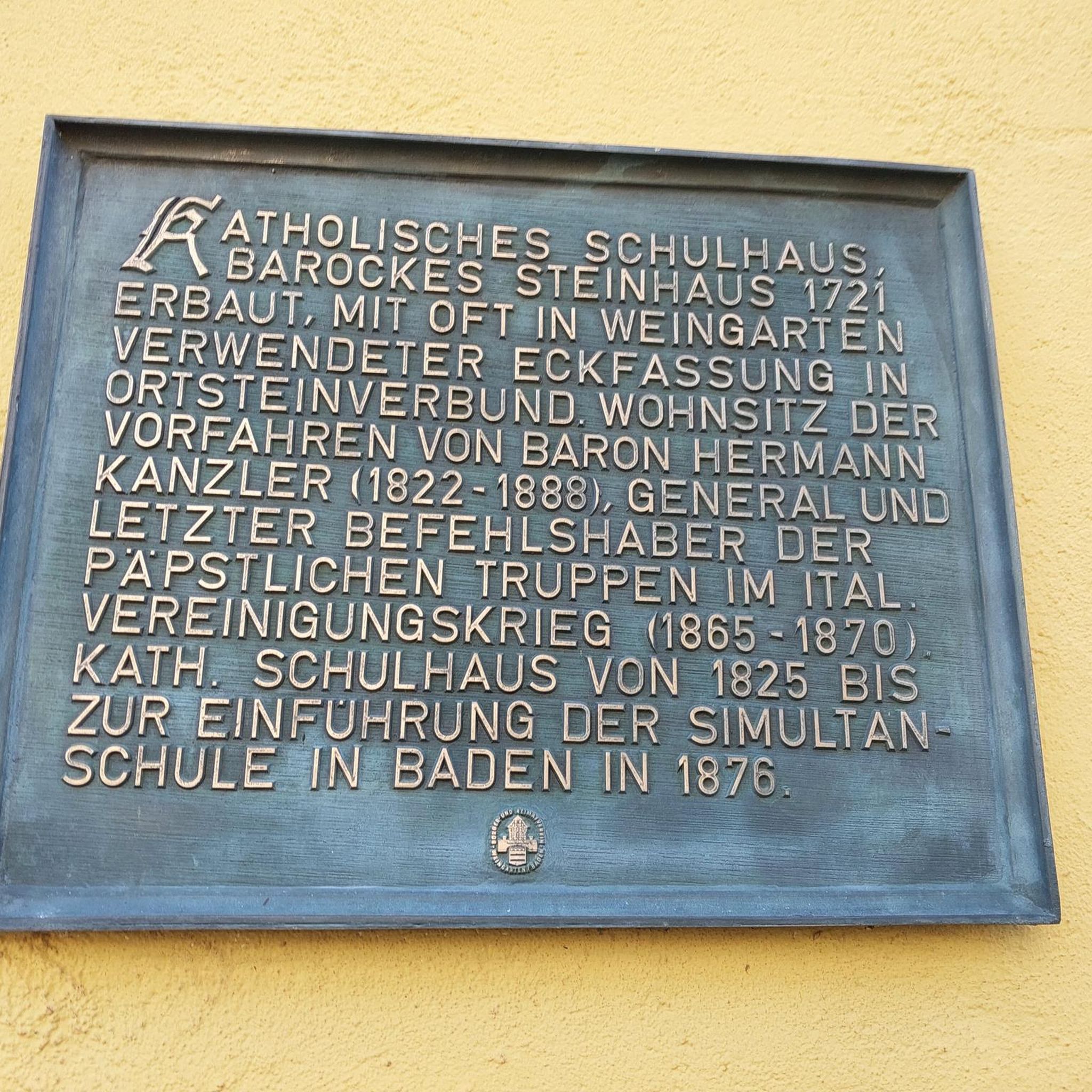
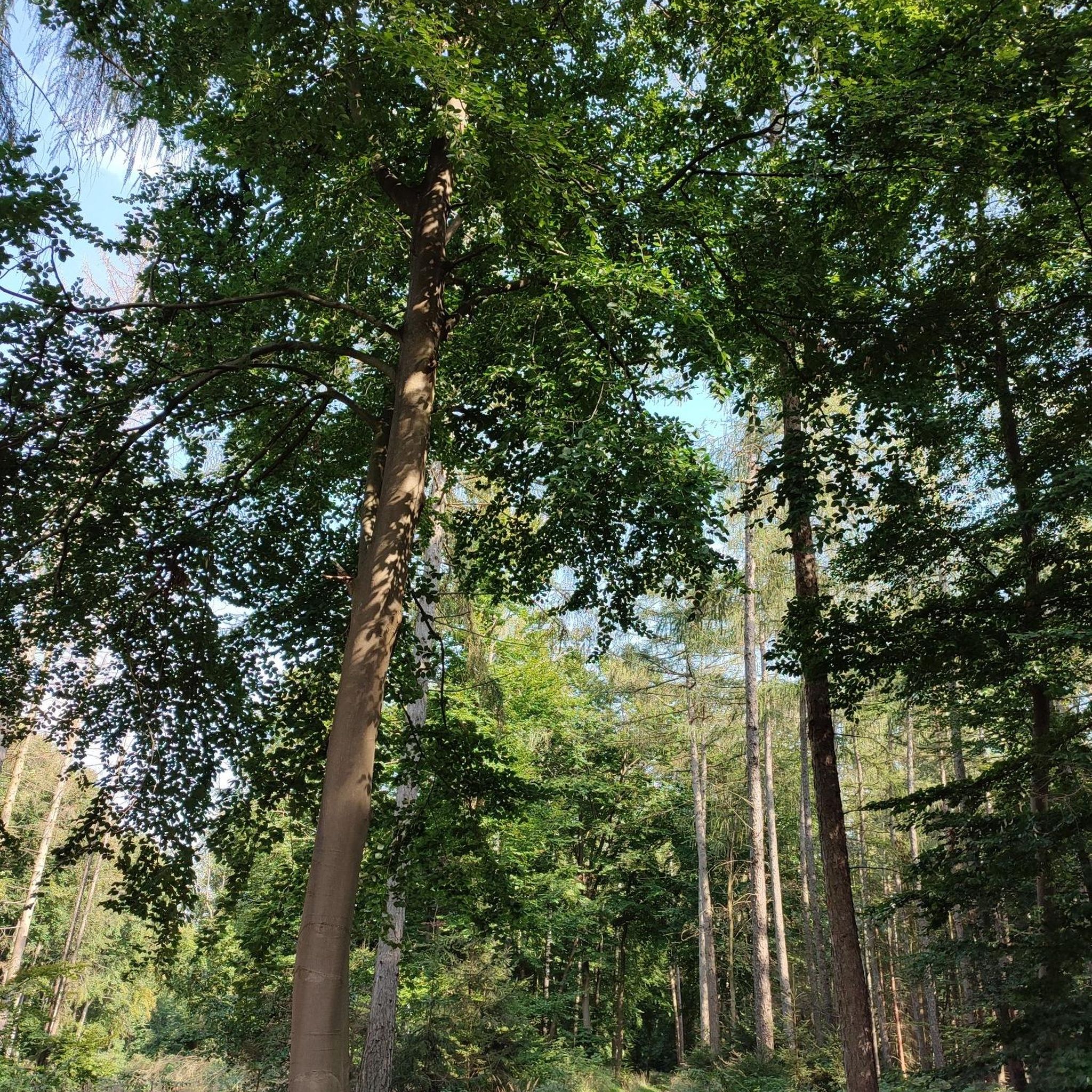
Other adventures in Mechels Bos

Tips from the Community

Station As is a former railway station on lines 21A (Hasselt-As) and 21B (As-Eisden). The station building now houses a restaurant and the Kolenspoorvereniging (Coal Railway Association) uses it for the operation of the tourist railway line Waterschei-As-Eisden. Station As is also one of the gateways to Hoge Kempen National Park and has an observation tower.
0
0

The headframe in the Hoge Kempen National Park is a powerful and recognizable symbol of Belgian Limburg's mining history. This steel structure, once located above a mine shaft, served to operate elevators with which miners transported materials and coal deep underground. Today, the headframe no longer serves the industry but serves as a monument and landmark in a landscape that has reinvented itself as a nature reserve. Within the National Park, including in the area around Eisden Waterschei and Zwartberg, headframes form a striking contrast with the surrounding heathland, forests, and slag heaps. Where noise, dust, and hard labor once defined the landscape, peace and tranquility now prevail. The headframe serves as a quiet reminder of the thousands of miners who descended into the earth here daily, keeping the region's economic engine running in the 20th century. Architecturally, headframes are functional structures constructed of steel and designed for maximum stability and load-bearing capacity. Their sleek lines and industrial appearance give them an almost sculptural quality today. That's precisely why several headframes have been protected as industrial heritage and consciously integrated into the experience of the National Park. They serve as landmarks along hiking and cycling routes and help visitors read the landscape; nature and industry are inextricably linked here. In educational contexts, headframes are often used to tell the story of coal mining, labor migration, and Limburg's social history. They symbolize an era of hard labor, but also of solidarity, community, and progress. By preserving them within a nature park, that past is given a new place, not as a scar, but as a layer in the landscape.
0
0
At the edge of the large lake lies a tranquil jetty, a spot that immediately invites you to pause for a moment. The wooden platform extends slightly out into the water, offering a beautiful, unobstructed view of the wide lake. Here, the scents of pine forest and fresh water merge, and all you hear is the gentle lapping against the jetty. It's a place where dragonflies skim low over the surface and waterfowl regularly glide by. In calm weather, the lake transforms into a mirror, sharply reflecting clouds and treetops.
1
0

Old coal winding towers near Maasmechelen
0
0

Beautiful view over the surroundings
0
0

A ride on the little train is a wonderful surprise for all ages. And those who want and are able can climb the tower, where a magnificent view of the former coal-mining region awaits.
0
0

St. Barbara's Church is the parish church of Eisden-Tuinwijk in Eisden and a so-called mining cathedral. The church was built after the Eisden coal mine was constructed and put into production in 1923, leading to the construction of several towns under the name Eisden-Tuinwijk. These were located west of the Zuid-Willemsvaart canal. This led to a sharp population increase, creating the need for a new church. Brussels architect Auguste Vanden Nieuwenborg designed a monumental church in the Brick Expressionist style, incorporating Gothic elements such as pointed arch windows. The stained-glass windows in the choir are inspired by those of Chartres Cathedral. The church, with its plump 53-meter-high tower, was built from 1934 to 1936. It is a three-aisled cruciform church. The church furnishings are almost entirely post-1945, but the organ dates from 1939 and was built by the Delmotte studio in Tournai. The Stations of the Cross are made of black marble in bas-relief, and in 1960, sculptor Mailleux created several statues. The Saint Barbara statue on the facade dates from 1982. The church is surrounded by various related buildings, such as schools, a monastery, and a parish center. Source: Wikipedia
3
0
The 'Chapel for All Peoples' was unfortunately not accessible when we passed by.
1
0
Frequently Asked Questions
How many traffic-free touring cycling routes can I find in Mechels Bos?
Mechels Bos offers a wide selection of traffic-free touring cycling routes, with over 300 options available. These routes range from quiet country lanes to dedicated cycle paths, ensuring a peaceful and enjoyable experience away from busy roads.
What are the typical difficulty levels for traffic-free touring routes in Mechels Bos?
The majority of traffic-free touring routes in Mechels Bos are considered easy, with over 200 options suitable for all skill levels. There are also around 80 moderate routes and about 40 more challenging ones, often featuring gentle elevation changes through varied landscapes like the Mechelse Heide. The region's diverse topography includes rolling meadows and wooded banks, providing a good mix of terrain.
What do other cyclists say about the traffic-free touring routes in Mechels Bos?
The traffic-free touring routes in Mechels Bos are highly regarded by the komoot community, boasting an average rating of 4.4 stars from over 3,100 reviews. Cyclists frequently praise the quiet, scenic paths, the well-maintained infrastructure, and the opportunity to explore diverse natural features like heathlands and forests without vehicle interference.
Are the traffic-free touring routes in Mechels Bos suitable for families with children?
Yes, many of the traffic-free touring routes in Mechels Bos are ideal for families. The abundance of easy routes, dedicated cycle paths, and flat sections through nature reserves like Mechels Broek and Vrijbroek Park make them safe and enjoyable for children. The region's robust cycling infrastructure, including over 30 km of bike paths in the city center, further enhances safety.
Can I bring my dog on the traffic-free touring routes in Mechels Bos?
While many natural areas in Belgium are dog-friendly, specific rules can vary within Mechels Bos and the Hoge Kempen National Park. Generally, dogs are welcome on trails but must be kept on a leash to protect wildlife. It's always best to check local signage or park regulations for the specific route you plan to take to ensure compliance.
Are there any circular traffic-free touring routes available?
Yes, the region offers several circular traffic-free touring routes. For example, the Heiderbos Nature Reserve loop from Vlaams Natuurreservaat Ven onder de Berg is a moderate 39 km option. Another easy, shorter loop is the St. Barbara Church, Eisden – Between Steinweg and Eisden loop from Eisden Sparrenstraat, covering about 10 km.
What kind of natural features can I expect to see along these routes?
The traffic-free routes in Mechels Bos traverse a rich variety of natural features. You'll encounter rolling meadows, dense woodlands, and heathlands, particularly in areas like the Mechelse Heide. The region also features unique ecosystems with marshlands, reed beds, and small ponds, such as those visible from the boardwalk in the Ven onder de Berg Nature Reserve. The Kikbeek spring is another ecologically valuable spot where water features, heathland, and forests merge.
Are there any interesting landmarks or attractions along the traffic-free routes?
Yes, several points of interest can be found along or near the traffic-free routes. You might encounter historical elements like the Old railway line for mining or the Old Railway Track As. The area also features scenic sections like Between Steinweg and Eisden, which is a dedicated cycle way. For a break, consider stopping at Café Station Eisden.
Where can I find parking for these traffic-free touring routes?
Parking is generally available at various access points to the cycling network, especially near larger nature reserves or villages. For instance, routes often start from locations like Vlaams Natuurreservaat Ven onder de Berg or specific streets in Eisden, where parking facilities are typically provided for visitors to the Hoge Kempen National Park. It's advisable to check the starting point of your chosen route for specific parking information.
Are there places to eat or stay near the traffic-free cycling routes?
Yes, the Mechelen region is well-equipped with amenities for cyclists. You'll find various restaurants, brasseries, and cafes in nearby villages and towns. The presence of campsites also caters to touring cyclists looking for accommodation, allowing for longer visits and exploration of multiple routes.
What is the best time of year to cycle the traffic-free routes in Mechels Bos?
The Mechels Bos region is enjoyable for cycling throughout much of the year. Spring and autumn offer pleasant temperatures and beautiful scenery, with blooming heathlands in late summer/early autumn. Summer is also popular, though it can be warmer. Even in winter, many paths remain accessible, offering a different, quieter experience, though conditions might require appropriate gear.
Are there any routes that offer panoramic views?
Yes, the nearby Mechelse Heide, which is part of the larger Hoge Kempen National Park, offers magnificent panoramic views from its elevated viewpoints. These spots provide extensive vistas over heathlands, grasslands, and marshlands, making for a rewarding stop on your touring cycle.
Most popular routes in Mechels Bos
Most popular attractions in Mechels Bos

Get inspired with the komoot mobile app


Explore more
Browse the best Cycling routes in other regions.
