The best hikes from bus stations around Kobarid
4.4
(4360)
22,940
hikers
38
hikes
Bus station hiking trails around Kobarid offer access to the diverse landscapes of Slovenia's Soča Valley. The region is characterized by the emerald Soča River, which carves through gorges and creates cascades, set against the backdrop of the Julian Alps. Hikers can explore a network of paths that traverse lush forests, meadows, and historical sites. The terrain includes river valleys, waterfalls, and peaks, providing varied elevation changes.
Best bus station hiking trails around Kobarid
- The most popular bus station hiking…
Last updated: October 9, 2026
4.7
(424)
1,702
hikers
7.44km
02:18
260m
260m
Moderate hike. Good fitness required. Mostly accessible paths. Sure-footedness required.
4.8
(196)
801
hikers
13.5km
03:54
330m
330m
Moderate hike. Good fitness required. Mostly accessible paths. Sure-footedness required.

4.4
(104)
482
hikers
12.0km
03:38
370m
370m
Moderate hike. Good fitness required. Easily-accessible paths. Suitable for all skill levels.
4.6
(32)
138
hikers
4.30km
01:15
100m
100m
Moderate hike. Great for any fitness level. Mostly accessible paths. Sure-footedness required.
4.3
(14)
127
hikers
4.50km
01:25
170m
170m
Moderate hike. Great for any fitness level. Mostly accessible paths. Sure-footedness required.
Get access to more routes and recommendations from other explorers.
Already have an account?
Our route recommendations are based on thousands of hikes, rides, and runs completed by other people on komoot.
Start today with a free account
Your next adventure awaits.
Popular around Kobarid
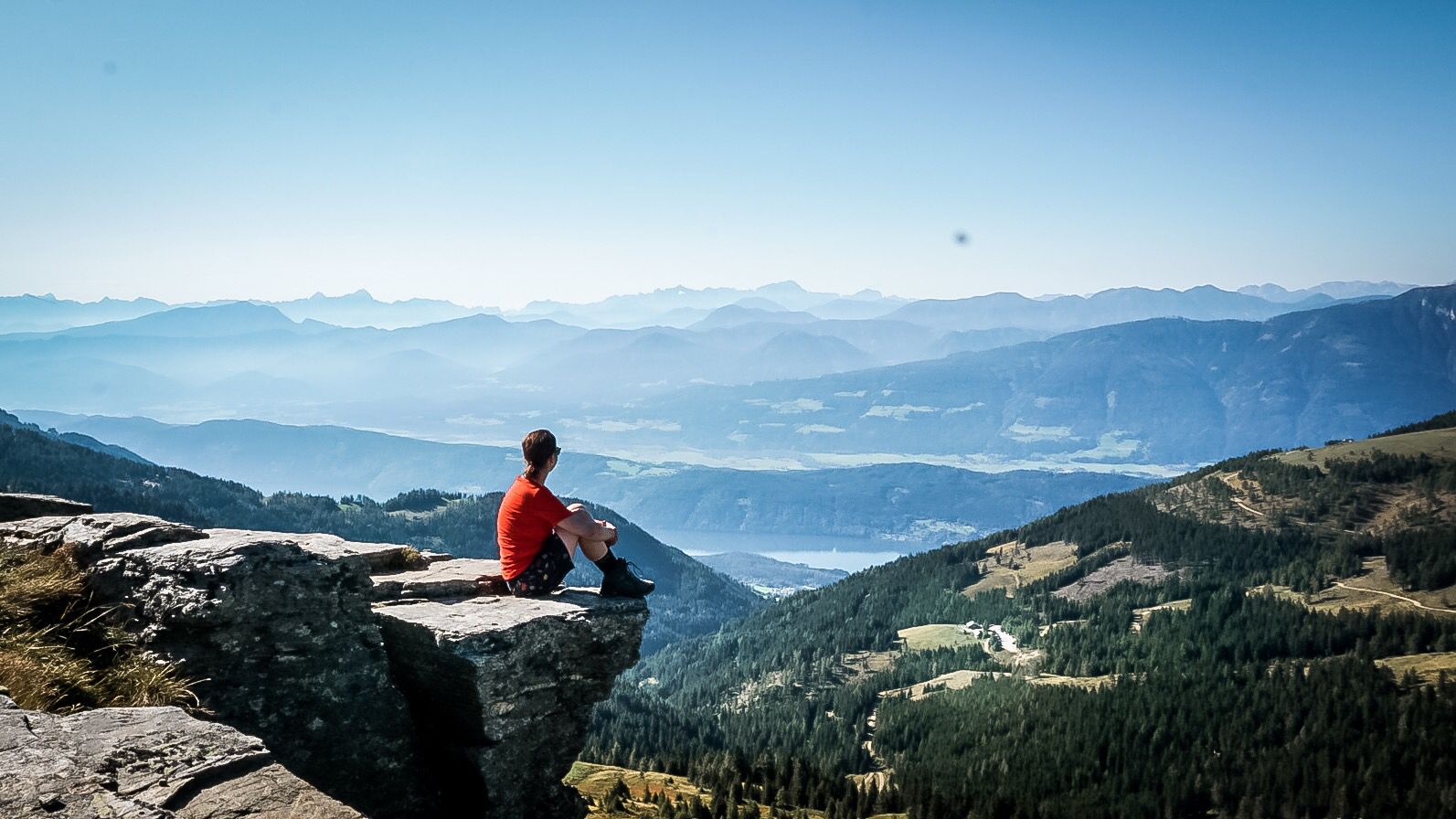
Alpe-Adria-Trail: My long-distance hike from the glacier to the sea
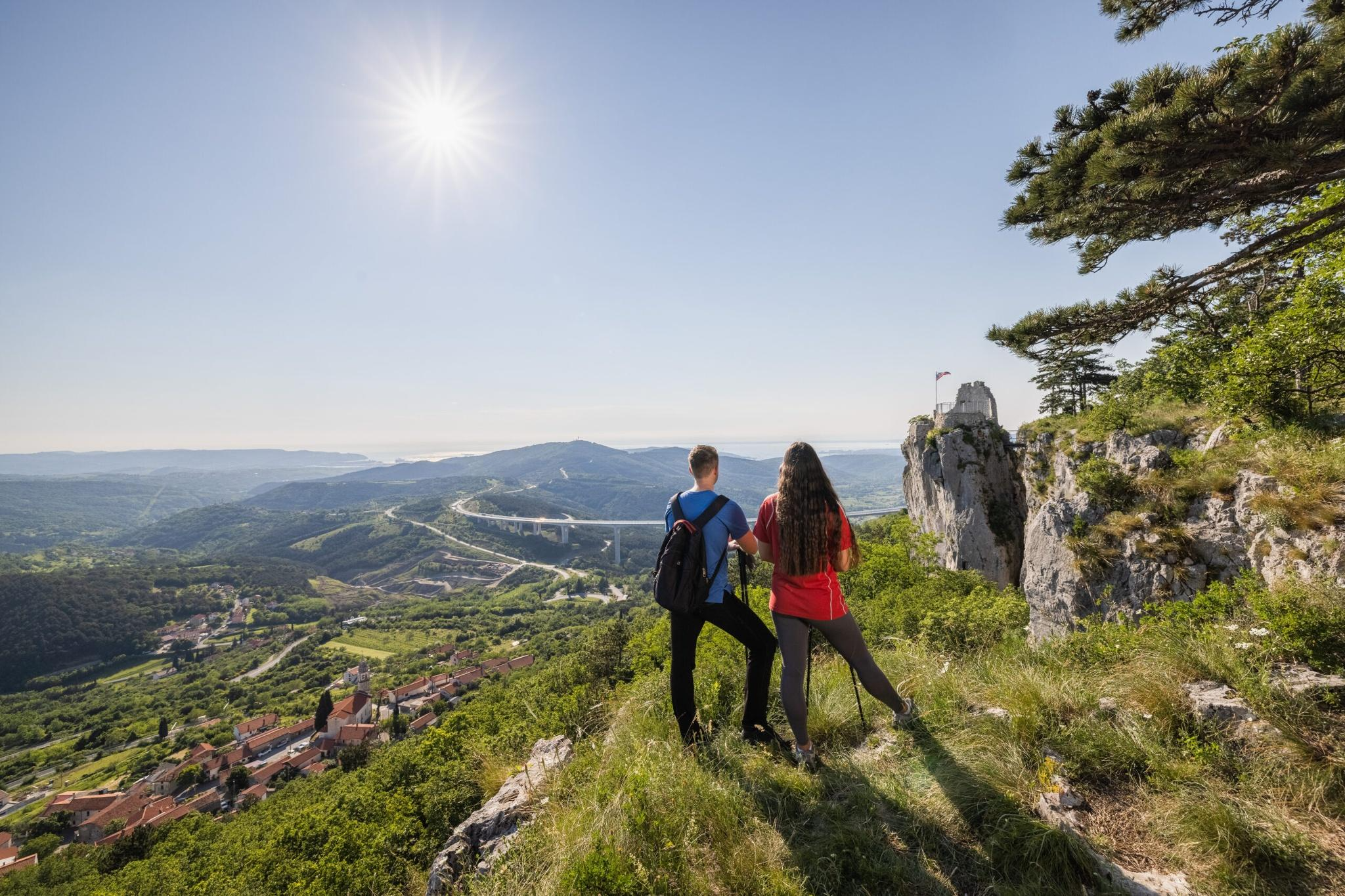
Hiking adventures in Slovenia for families away from the hustle and bustle
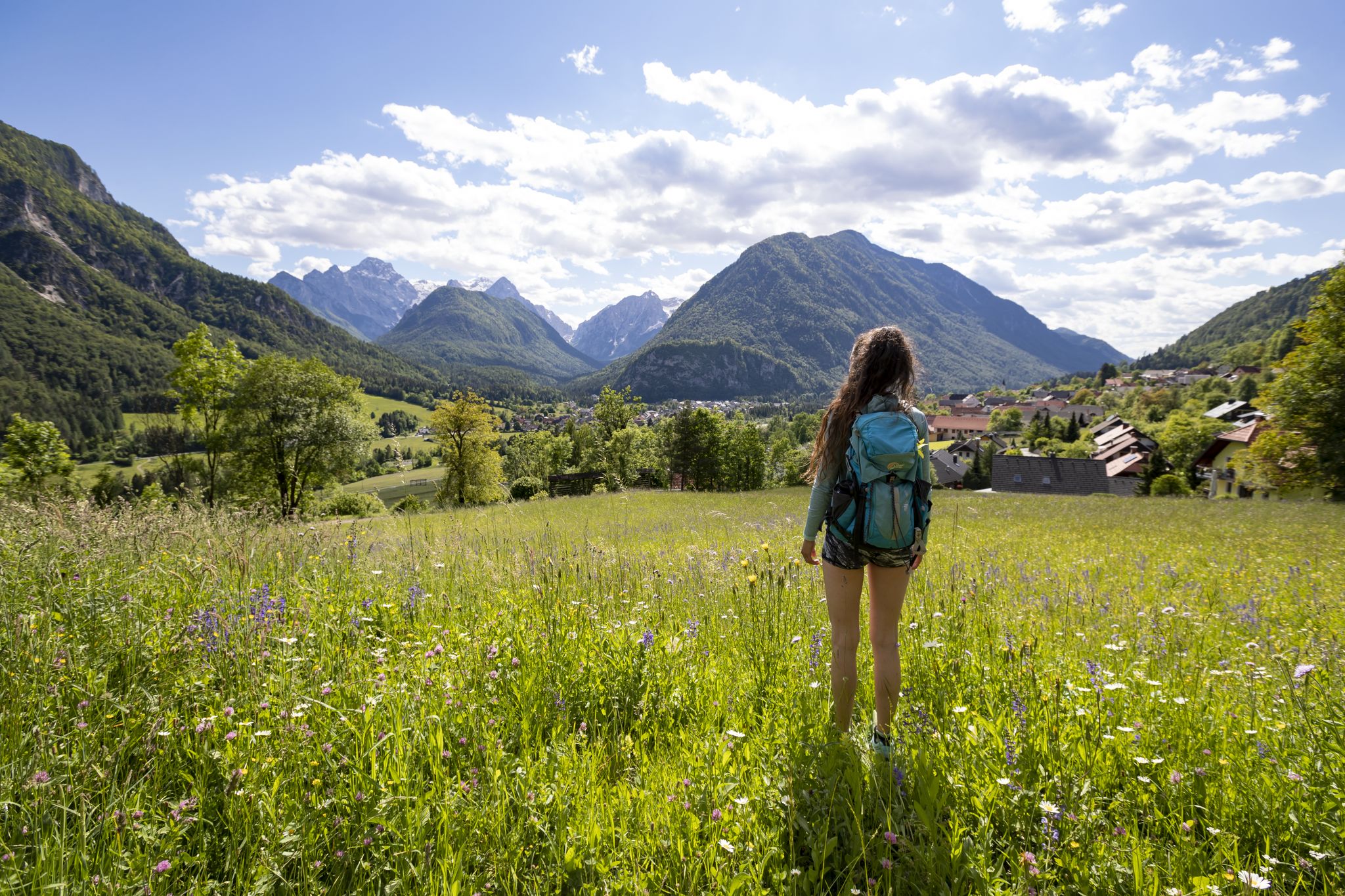
Uniquely secluded - long-distance hiking on Slovenia's Juliana Trail
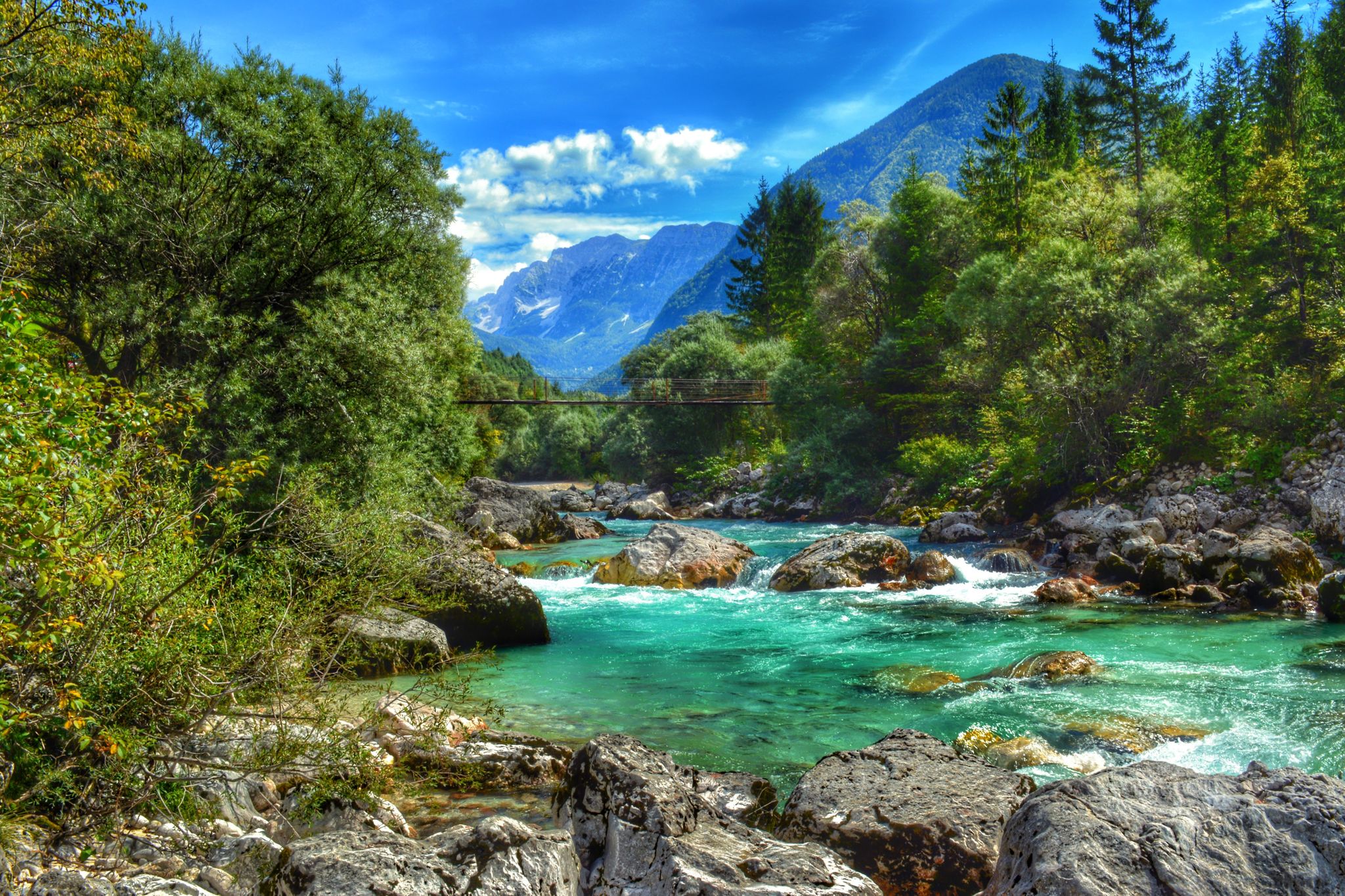
Turquoise water and mountain meadows – hike along the Soča in Slovenia
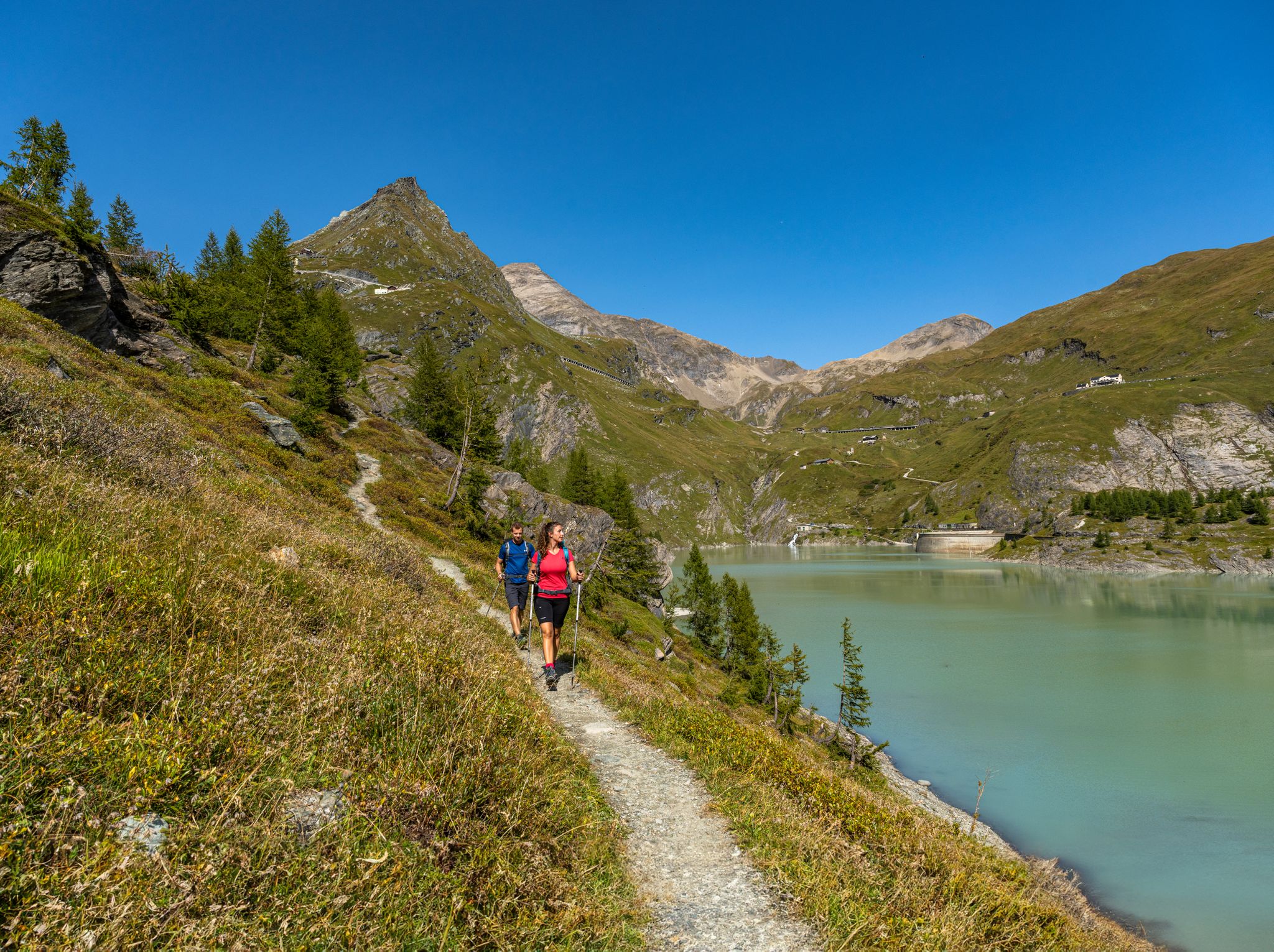
From the Grossglockner to the sea on the Alpe Adria Trail
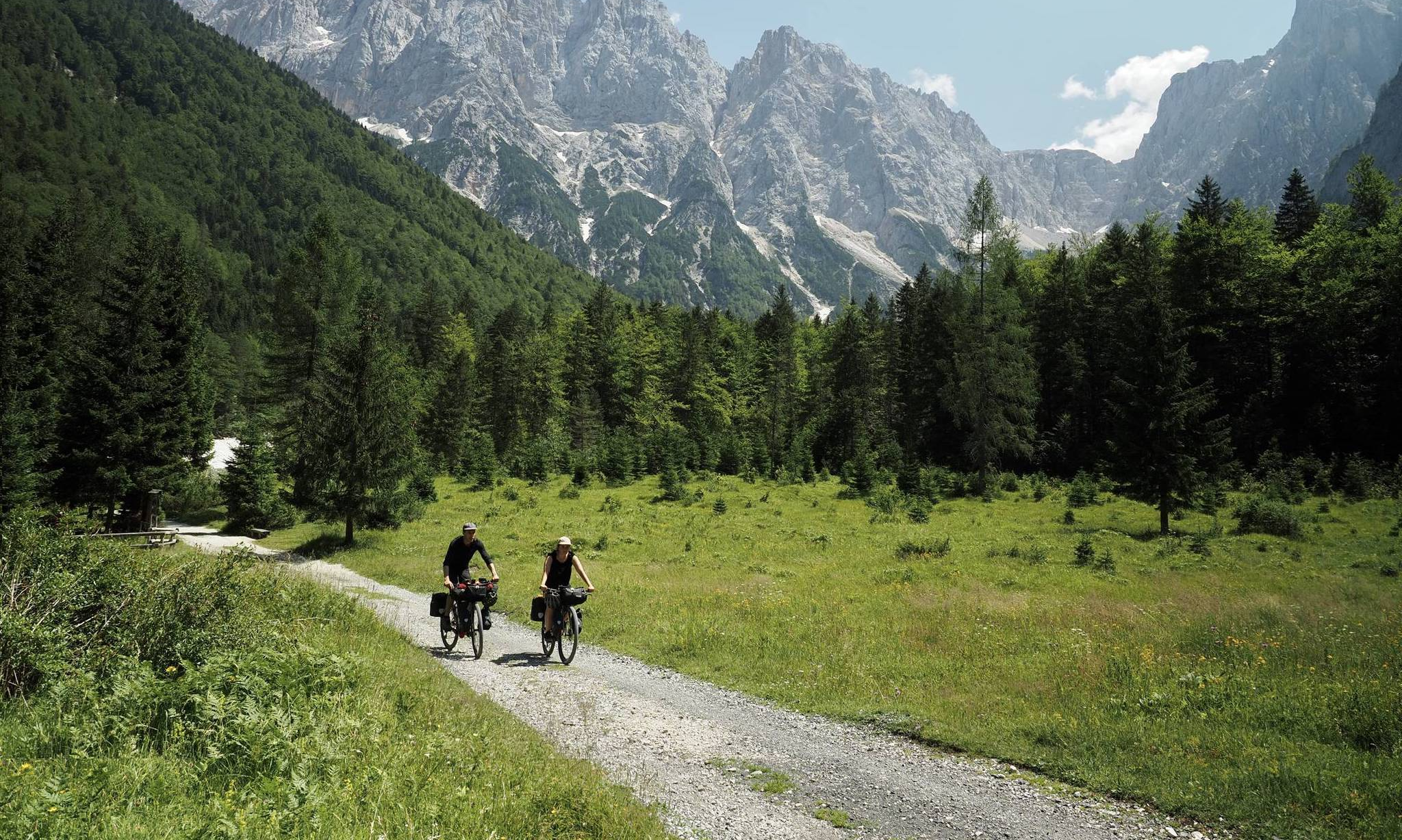
Slovenia West Loop (Soča Variation) – Bikepacking
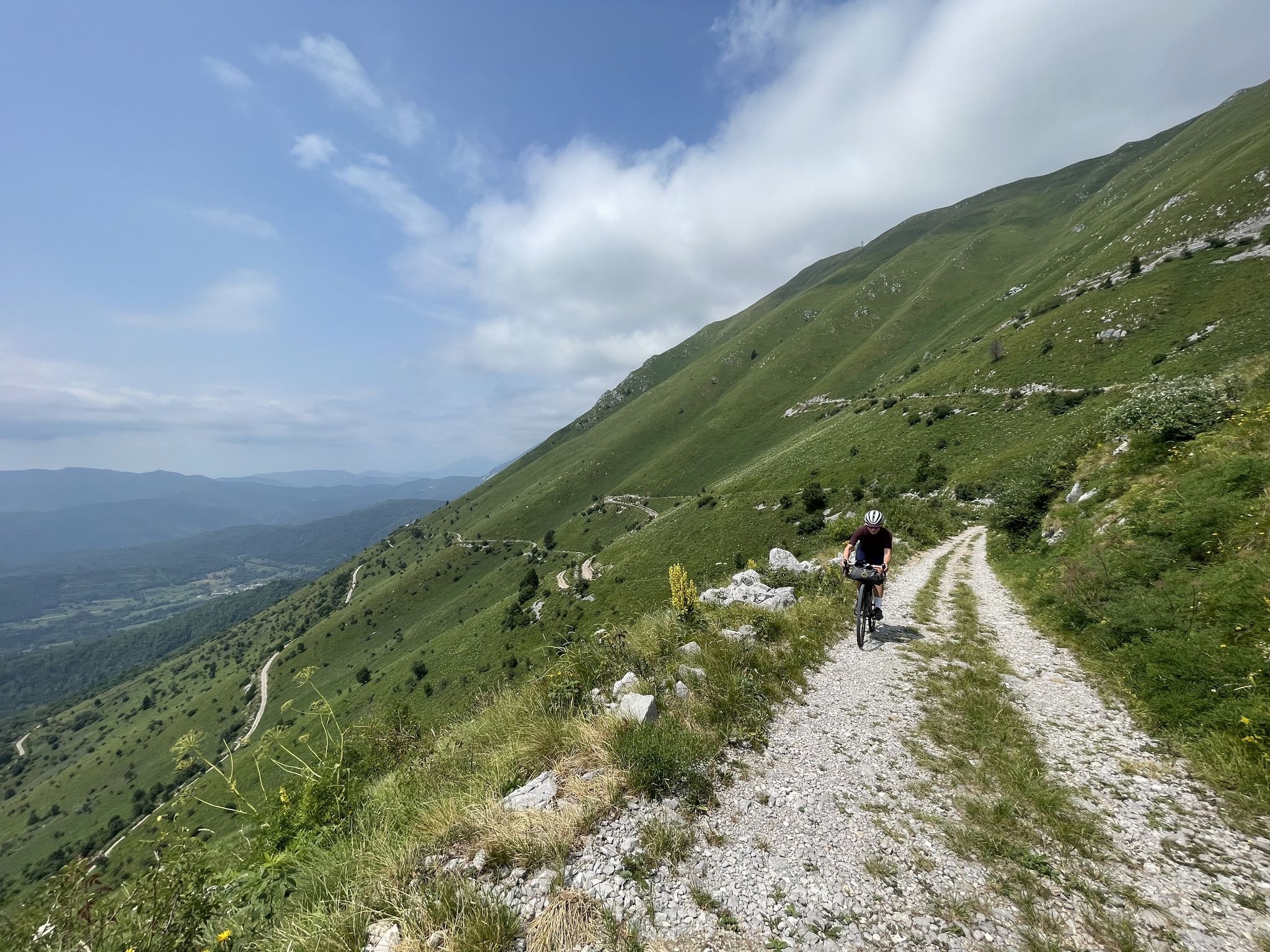
The West Loop — Bikepacking Slovenia in five days
Alpe Adria – MTB Transalp through Slovenia to the Mediterranean Sea
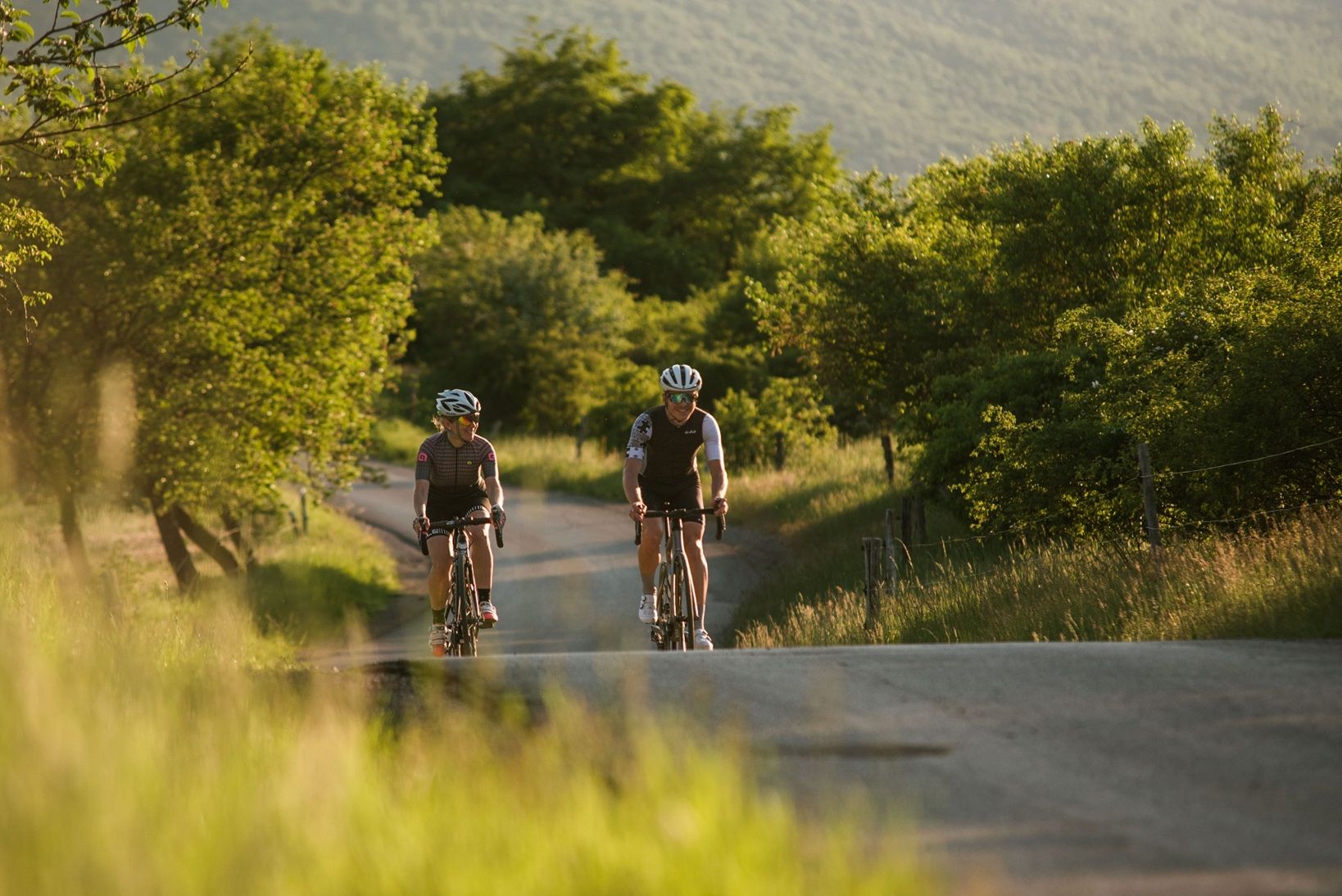
Alpine Air & Coastal Wind – Racing Bike Tours in Slovenia
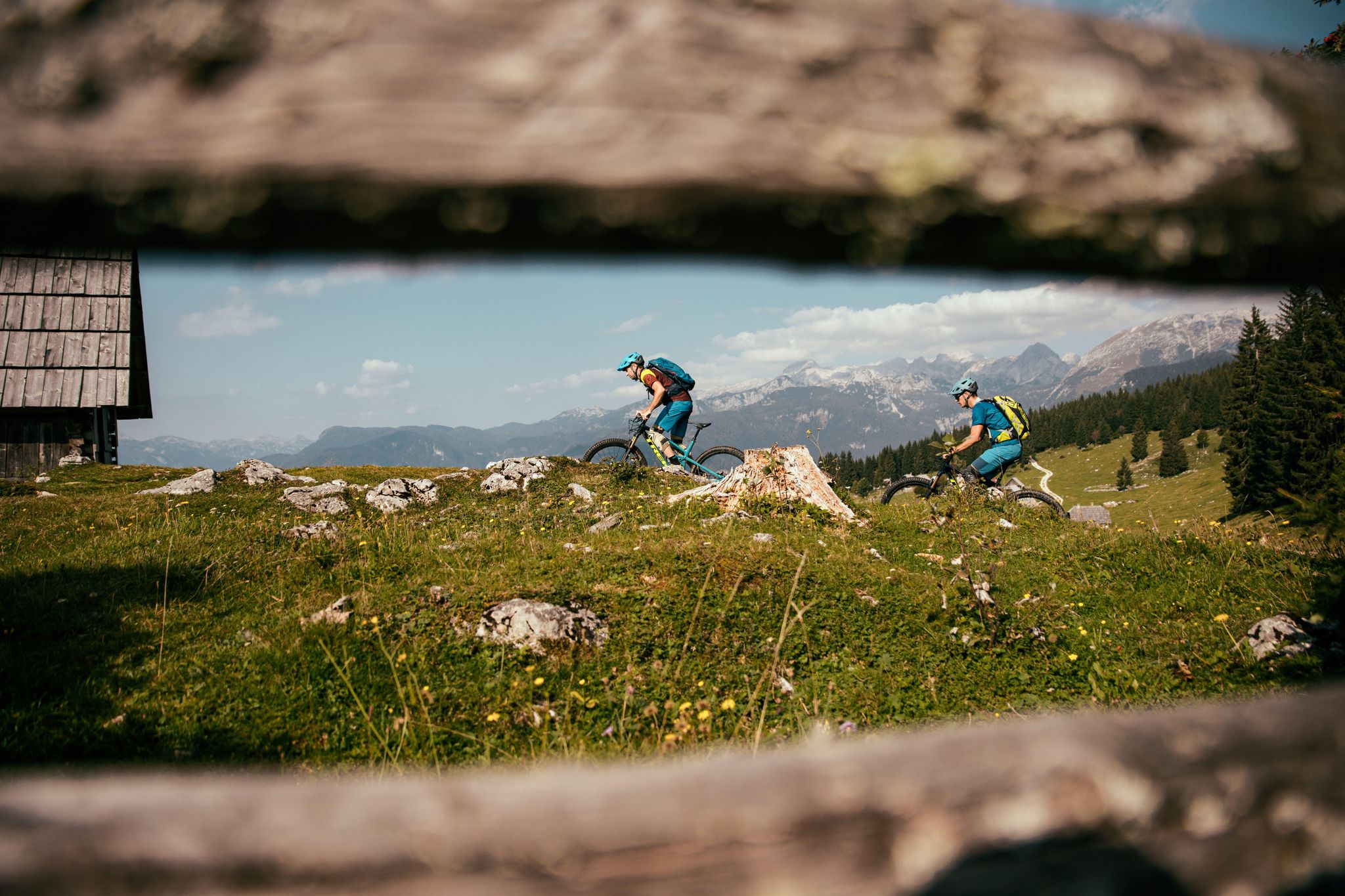
A 1,800 km MTB adventure – the Slovenian mountainbike route (STKP)
Other adventures around Kobarid


Tips from the Community

From the late antique hilltop settlement of Tonocov grad, one of the most beautiful views of the tour opens up. The rocky spur high above the river was already coveted in antiquity for its location: from the remains of the walls and the viewing balcony, the view extends far into the valley, where the Soča winds emerald green through the wooded slopes, with the peaks of the Julian Alps and the Krn range behind them. It was precisely this strategic view that made the place a settlement and refuge for millennia – from prehistory through the Roman era to late antiquity. 🏔️ Further valley view with the green Soča – worthwhile stop and good place for a break 🏺 Around the ruins of three early Christian churches, residential buildings, and a cistern (5th/6th cent.) 📖 Information boards explain the history of the finds – one of the most important late antique sites in the Eastern Alps 📸 Best light in the morning, when the valley is not yet in haze ⚠️ Edge unsecured – be careful with children and dogs
0
0
Shortly before the large Slap Kozjak lies its little brother, Mali Kozjak. The Kozjak stream plunges here in several low steps over mossy rocks before forming the well-known main waterfall further down. The cascade can be seen well from the developed footbridge – a pretty foretaste that most visitors pass by on their way to the large fall. Considerably daintier and less spectacular, but an atmospheric motif in the shady, damp green of the gorge. 📸 Beautiful detail motif – with longer exposure, the water becomes soft and silky 🌿 Damp, mossy surroundings – the rocks and footbridges are often slippery here 🚶 Located directly on the path to the large Slap Kozjak, no detour necessary 👀 Easy to overlook – pay attention to the stream on the left/right shortly before the main waterfall 🎟️ Already located in the paid section (admission to Kozjak, as of 09/2026: €5 p.p.)
0
1
🏛️ Tonocov grad – View into the Soča Valley From the late antique hilltop settlement of Tonocov grad, one of the most beautiful views of the tour opens up. The rocky spur high above the river was already coveted in antiquity because of its location: from the remains of the walls and the viewing balcony, the view extends far into the valley, where the Soča winds emerald green through the wooded slopes, with the peaks of the Julian Alps and the Krn chain behind them. It was precisely this strategic view that made the place a settlement and refuge for millennia – from prehistory through the Roman period to late antiquity. 🏔️ Further valley view with the green Soča – worthwhile stop and good place for a break 🏺 Around the ruins of three early Christian churches, residential buildings and a cistern (5th/6th cent.) 📖 Information boards explain the history of the finds – one of the most important late antique sites in the Eastern Alps 📸 Best light in the morning, when the valley is not yet in haze ⚠️ Edge unsecured – be careful with children and dogs
0
0
🌉 Suspension bridge over the Soča (Brv čez Sočo) About a kilometer upstream from the Napoleon Bridge, a narrow suspension bridge spans the Soča, connecting the slope below Tonocov grad with the east bank and the path to Slap Kozjak. It is part of the Kobariška zgodovinska pot and is the point where you first really hear the roar of the river after descending through the forest. From the middle of the bridge, you look far up and down the emerald-green river – one of the most beautiful views of the Soča near Kobarid. 📸 Photo spot: photograph from the middle upstream, then gravel banks and mountains are in the picture 🚶 The bridge sways noticeably and is narrow – wait for oncoming hikers in high season 🐕 Dogs that are not afraid of the grid floor walk without problems, otherwise carry them 🥾 From here it is a good 20 minutes on a well-developed path to the ticket booth at Kozjak 🏕️ Right on the east bank is Kamp Lazar with a restaurant – an opportunity to stop before or after the waterfall
0
0
🏞️ Banks of the Soča near Kobarid Between the suspension bridge below Tonocov grad and the Napoleon bridge, the path runs directly along the river. The Soča shows its typical emerald green here – the colour is created by the clear limestone water and fine rock particles that refract the light. Quiet sections with gravel banks alternate with narrow constrictions where the water rushes audibly. The bank path is wide, shady and part of the Kobariška zgodovinska pot; those who look carefully will still find remnants of old WWI dugouts on the embankment. 🪨 Gravel banks invite a break – the water is cold even in summer (mostly below 12 °C) 🏊 Swimming is possible in shallow areas, but beware: currents and kayak/rafting traffic 🌉 The suspension bridge (Brv čez Sočo) is a popular photo spot, but it sways noticeably 📸 Best colour in sunshine and low water levels; after rain, the river becomes milky-cloudy 🥾 Path well-developed, hardly any gradient – also suitable for the less experienced
0
0
The striking building on the hill above Kobarid was erected in 1936–38, when the area still belonged to Italy, according to plans by architect Giovanni Greppi and sculptor Giannino Castiglioni. Mussolini personally inaugurated it in September 1938. The remains of 7,014 Italian soldiers from the Battles of the Isonzo rest on three octagonal tiers, of whom only 1,748 are known by name. The complex was built around the Church of St. Anthony, consecrated in 1696, which forms the upper conclusion. From the hill, which was already settled in prehistoric times, there is the best view over the town, the Soča Valley, and Matajur. ▫️ There is no separate museum here – the exhibition on the Isonzo Front is at the Kobariški muzej in the town center (Gregorčičeva 10) ▫️ Access via the cypress avenue from the edge of town, approx. 10 minutes on foot; freely accessible ▫️ Stop on the Kobarid Historical Trail, easily combined with the Napoleon Bridge and Kozjak Waterfall
0
0


Frequently Asked Questions
How many bus station hiking trails are available in Kobarid?
There are over 30 hiking trails around Kobarid that are easily accessible from bus stations, offering a variety of experiences for all skill levels. These routes make it simple to explore the stunning Soča Valley and Julian Alps without needing a car.
What is the best time of year to hike from Kobarid's bus stations?
The best time for hiking in Kobarid is generally from late spring (May) through early autumn (October). During these months, the weather is pleasant, trails are clear, and the natural beauty of the Soča Valley is at its peak. Summer offers lush greenery and warm temperatures, while autumn brings vibrant fall colors. Some lower elevation trails may be accessible in winter, but higher routes can be challenging due to snow and ice.
Are there any easy hiking trails accessible from the Kobarid bus station?
Yes, Kobarid offers several easy hiking options directly from the bus station. For a gentle introduction to the area, consider the Napoleon Bridge Over the Soča – Soča (Isonzo) River loop from Kobarid. This route is relatively flat and provides beautiful views of the iconic Napoleon Bridge and the emerald Soča River.
Can I find circular hiking routes starting from the bus station in Kobarid?
Absolutely. Many of the trails accessible from Kobarid's bus station are circular, allowing you to return to your starting point without retracing your steps. A popular option is the Natur trifft Geschichte: Historischer Weg Kobarid, which is a loop that combines natural beauty with significant historical sites.
What natural features or landmarks can I see on bus-accessible hikes near Kobarid?
Hikes from Kobarid's bus stations offer access to a wealth of natural and historical landmarks. You can explore the vibrant emerald waters of the Soča River, dramatic gorges like the Soča Gorge near Kobarid, and the historic Napoleon Bridge over the Soča Gorge. The surrounding Julian Alps also provide stunning panoramic views.
Are there any waterfalls accessible on hikes from Kobarid's bus station?
Yes, the Kobarid area is famous for its waterfalls, and some are reachable on hikes from the bus station. The renowned Veliki Kozjak Waterfall, plunging into a semi-cave, is a highlight along the Kobarid Historical Trail, which is easily accessible.
Can I explore historical sites on trails starting from the bus station?
Kobarid is rich in history, particularly from World War I. The Natur trifft Geschichte: Historischer Weg Kobarid is an excellent example of a trail starting near the bus station that takes you past significant WWI remnants, the Italian Charnel House, and the archaeological site of Tonocov Grad.
What do other hikers enjoy most about the bus-accessible trails in Kobarid?
The bus-accessible trails around Kobarid are highly rated by the komoot community, with an average score of 4.4 stars from over 3,600 ratings. Hikers frequently praise the stunning emerald color of the Soča River, the well-maintained paths, and the unique combination of natural beauty with historical significance, especially along routes like the Kobarid Historical Trail.
Are the bus station hiking trails in Kobarid suitable for families?
Many trails accessible from Kobarid's bus stations are suitable for families, especially those looking for moderate walks with interesting sights. Routes that include the Napoleon Bridge or the Kozjak Waterfall are often popular with families due to their engaging features and relatively easy terrain. Always check the specific route details for distance and elevation to ensure it matches your family's capabilities.
Are dogs allowed on the hiking trails accessible from Kobarid's bus station?
Generally, dogs are welcome on most hiking trails in the Kobarid area, provided they are kept on a leash and owners clean up after them. It's always a good idea to check specific trail regulations or local signage, especially in protected areas or near attractions, but the region is largely dog-friendly for responsible owners.
What kind of terrain can I expect on hikes around Kobarid?
Hikes around Kobarid offer diverse terrain, ranging from gentle riverside paths along the Soča to more challenging ascents into the Julian Alps. You can expect well-trodden dirt paths, gravel tracks, and some rocky sections, especially on trails leading to higher elevations or through gorges. Many routes feature lush forests, open meadows, and stunning river views.
What are some longer, more challenging hikes I can do from the bus station?
For those seeking a more challenging adventure, routes like the Wild Soča Rapids – Soča River (Isonzo) loop from Kobarid offer longer distances and more significant elevation changes. While not alpine ascents, these trails provide a good workout and immerse you deeper into the region's wild beauty. Always be prepared for longer durations and varying terrain on these routes.
Most popular routes around Kobarid
Most popular attractions around Kobarid

Get inspired with the komoot mobile app


Explore more
Browse the best Hikes in other regions.
