The best traffic-free bike rides around Souto
219
riders
7
rides
No traffic road cycling routes around Souto, Portugal, traverse a landscape characterized by dense woodlands, particularly chestnut forests, and the significant presence of the Tagus River. The region offers varied terrain, from relatively flat sections along riverbanks to more challenging climbs into higher ground. Water bodies such as the Tagus River, Praia Fluvial do Penedo Furado, and Lago Azul provide scenic backdrops for cycling.
Best no traffic road cycling routes around Souto
- The most popular no traffic road cycling route…
Last updated: May 24, 2026
6
riders
60.7km
02:54
740m
740m
Moderate road ride. Good fitness required. Mostly well-paved surfaces and easy to ride.
4
riders
47.4km
02:13
600m
600m
Moderate road ride. Good fitness required. Mostly well-paved surfaces and easy to ride.
4.0
(1)
4
riders
52.2km
02:38
740m
740m
Moderate road ride. Good fitness required. Mostly well-paved surfaces and easy to ride.
Get access to more routes and recommendations from other explorers.
Sign up for free
Already have an account?
Our route recommendations are based on thousands of hikes, rides, and runs completed by other people on komoot.
Start today with a free account
Your next adventure awaits.
Login or Signup
Popular around Souto

Tips from the Community

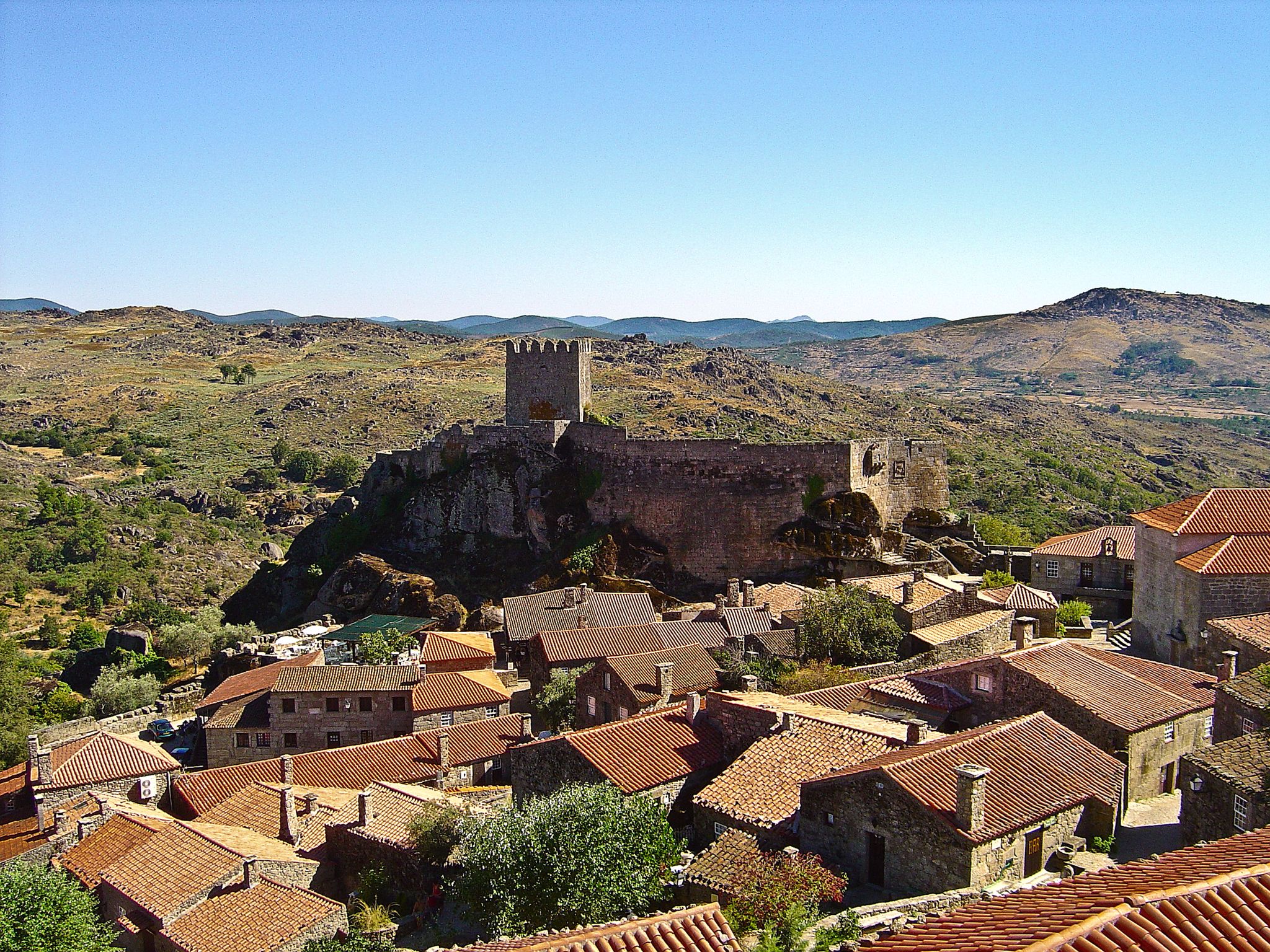
Alfaiates holds centuries of history intertwined with the very formation of Portugal. Its castle, once called Castillo de la Luna (Moon Castle) because it seemed to touch the sky, was built in the 13th century and passed to Portuguese territory by the Treaty of Alcañices in 1297. Between charters, royal alliances, and battles, it was the scene of moments of glory and strategic defense, even withstanding the French invasions. Today, amid crumbling walls and living traditions like the capeia arraiana (a bullfight in which the bull is faced by 20 or 30 men who hold off its charges with a huge pitchfork), Alfaiates continues to reveal the charm of its legendary memory.
2
0
Soito, also called Souto, is now a village, a title it acquired in 1999. The name comes from the chestnut trees that once graced the local landscape. As early as 1527, according to the Royal Register, this was the most important center of the municipality, with 160 residents.
1
0

Navasfrías is a small agricultural town in Salamanca located within the protected natural area of El Rebollar, which communicates with the Sierra de la Malcata Natural Park.
0
0

Wetland where a pond full of water appears with a beautiful bridge that crosses it. Nearby, there is the Chapel of Santo António, close to the road and small at the same time!
1
0
Frequently Asked Questions
How many no-traffic road cycling routes are available around Souto?
Komoot offers 7 dedicated no-traffic road cycling routes around Souto. These routes provide a peaceful experience away from busy roads, ranging from easy to difficult, ensuring options for various skill levels.
What kind of terrain can I expect on the no-traffic road cycling routes in Souto?
The no-traffic road cycling routes around Souto offer a mix of terrain. While some sections along the Tagus River may be relatively flat, the region generally features gently rolling hills and some more challenging climbs, reflecting the area's natural landscape. You'll find routes with significant elevation gain, such as the Aldeia da Ponte Stream – Alfaiates loop from Souto, which climbs over 740 meters.
Are there any easy no-traffic road cycling routes suitable for beginners in Souto?
Yes, komoot lists 2 easy no-traffic road cycling routes around Souto. These routes are perfect for beginners or those looking for a more relaxed ride, allowing you to enjoy the scenery without significant physical exertion or traffic concerns.
What are some scenic highlights or attractions I can see along the no-traffic road cycling routes near Souto?
While enjoying the quiet roads, you can explore several points of interest. The region is rich in history and natural beauty. You might encounter the Aldeia da Ponte Stream or the Bridge over the Côa River. The nearby town of Alfaiates also offers historical charm. Further afield, the area around Souto (Abrantes) is known for its connection to the Tagus River, with picturesque river beaches and historical sites like the Convent of Christ in Tomar or Almourol Castle, which could be destinations for longer rides.
Are the no-traffic road cycling routes in Souto typically loop routes?
Many of the no-traffic road cycling routes around Souto are designed as loops, offering a convenient way to start and end your ride in the same location. For example, the Soito – Alfaiates loop from Souto is a moderate 47 km circular route.
What is the best time of year to go road cycling in Souto to avoid traffic?
While these routes are specifically chosen for their low traffic, the best time to enjoy road cycling in Souto generally aligns with pleasant weather conditions. Spring (April-June) and Autumn (September-October) offer mild temperatures and beautiful landscapes, making them ideal for exploring the region's quiet roads. Winter can also be suitable, though some areas might experience cooler, wetter conditions.
How long are the no-traffic road cycling routes around Souto?
The no-traffic road cycling routes around Souto vary in length. You can find routes ranging from moderate distances, like the Soito – Alfaiates loop from Souto at approximately 47 km, to longer excursions such as the Aldeia da Ponte Stream – Alfaiates loop from Souto, which covers over 60 km.
Are there any advanced or challenging no-traffic road cycling routes in Souto?
Yes, for experienced cyclists seeking a challenge, there is at least 1 difficult no-traffic road cycling route available. These routes often feature significant elevation gains and longer distances, providing a rewarding experience for those looking to push their limits on quiet roads.
What kind of natural features can I expect to see while cycling in Souto?
The region around Souto, historically known for its dense chestnut forests, offers a landscape rich in woodlands. The presence of the Tagus River suggests scenic routes along its banks. You might also encounter river beaches and walkways, providing a diverse natural backdrop for your rides.
Is there parking available near the starting points of the no-traffic road cycling routes in Souto?
While specific parking details for each route's starting point are best checked on the individual komoot tour pages, Souto, being a smaller parish, generally offers accessible parking in or near its town center. For routes starting from Souto, you can usually find suitable places to park your vehicle before beginning your ride.
Can I combine road cycling with exploring historical sites in the Souto region?
Absolutely. The region is dotted with historical landmarks. While cycling, you could plan a route that passes by the Sabugal Castle or the Hermitage of the Holy Spirit. The broader area also boasts significant sites like the UNESCO World Heritage Convent of Christ in Tomar or the dramatic Almourol Castle on the Tagus River, making for excellent cycling destinations.
Most popular routes around Souto
Most popular attractions around Souto

Get inspired with the komoot mobile app


Explore more
Browse the best Road cycling routes in other regions.
