Attractions and Places To See around Öreg-tó - Top 3
Best attractions and places to see around Öreg-tó center on its significant natural and cultural landscape in Tata, Hungary. This area features Öreg-tó, Hungary's oldest artificial fishpond and a Ramsar-recognized wetland, known for its role as a refuge for migratory birds. The region combines historical landmarks with natural beauty, offering diverse points of interest. Visitors can explore historical sites situated along the lake's shores, providing insights into the area's heritage.
Best attractions and places to see around Öreg-tó
- The most popular attractions is Tata Castle, a castle that is a medieval ruin whose history dates back to the 14th century. King Sigismund of Luxembourg expanded it into a royal palace between 1397 and 1409, making it an important center of European power.
- Another must-see spot is Esterházy Palace (Tata), a castle situated on the lake's shores. This once-grand family seat is surrounded by parkland where visitors can stroll and occasionally attend exhibitions or concerts.
- Visitors also love Scale Model of Tata, a man-made monument that represents Tata's rich history, dating back to the 11th century. The town was granted city rights by King Sigismund in 1388.
- Öreg-tó is known for its historical castles, man-made monuments, and natural reserves. The area offers a variety of attractions to see and explore, from ancient ruins to ecological sites.
- The attractions around Öreg-tó are appreciated by the komoot community, with 16 upvotes and 9 photos shared by visitors.
Last updated: October 10, 2026
Esterházy Palace (Tata)
Highlight • Castle
The Tata domain often served as the scene of major global political decisions. Among other things, Emperor Franz I signed the so-called Peace of Schönbrunn here in 1809 while fleeing from Napoleon.
The palace, built in the middle of the 18th century, shone in the following centuries with its magnificent furnishings: the festive dining room with gilded wood paneling and the bathrooms, which with their marble and Dutch tiles were already considered a curiosity a hundred years ago.
Also worth mentioning are the wall paintings in Eszterháza Palace, now in Fertöd, which can be seen as a close connection between the count and princely Forchtenstein branch of the family.
The manor and castle were expropriated free of charge by the then communist regime in 1946 as part of the land reform. After the war, the castle served the district as a mental hospital.
The castle is open to interested visitors.
Source: de.esterhazy.net/index.php/Tata
Translated by Google •
Tip by

Tata Castle
Highlight • Castle
Translated by Google •
Tip by

Sign up now to discover places like this
Get recommendations on the best single tracks, peaks, & plenty of other exciting outdoor places.
Tata Castle
Highlight • Castle
During the Turkish Wars, the castle became an important link in the Habsburg defense system, but was destroyed by the Ottomans. After the reconquest of Hungary, the castle ruins came into the possession of the Esterházy family in 1727, who developed them into a stately center of their estates.
Translated by Google •
Tip by

Tataer Altsee Nature Reserve
Highlight • Lake
Translated by Google •
Tip by

Scale Model of Tata
Highlight • Monument
Translated by Google •
Tip by
Sign up for free to discover even more attractions around Öreg-tó.
Already have an account?
Start today with a free account
Your next adventure awaits.
Tips from the Community

King Matthias in Tata Tata experienced its heyday under the rule of King Matthias, who reacquired the castle from the Rozgonyi family. The already dilapidated castle was rebuilt in the Renaissance style. The closed courtyard was surrounded by multi-story arcades resting on pillars. The king often came here to relax; Tata was his preferred place of residence. Thanks to the surrounding forests, the area offered excellent hunting opportunities. In addition, he populated the large lake with waterfowl and special fish species. Matthias enjoyed spending his time in the company of humanists – those personalities who shaped the philosophical current of the time (Bonfini, Galeotto, Ranzanus, Miklós Oláh, János Vitéz). In his absence, castle stewards managed the castle estate. Bonfini, an Italian historian active in Hungary, writes about the castle palace in Matthias's time: “Tata undoubtedly ranks among the most significant castles. I consider it the most magnificent castle of all. Its walls are indestructible; a huge dam captures the valley's water, dams it up, and turns it into a lake with a circumference of seven thousand paces. At the water outlet, there are grain mills – nine in number, one next to the other. The castle is protected by a double bastion wall and ramparts. The central part of the building is narrow; around it are grouped richly gilded dining rooms and a series of splendid bedrooms, whose beamed ceilings are decorated with gilding and carvings.” The Turkish historian Czelalzade Mustafa wrote enthusiastically about the castle and the beauty of the surroundings: “Even the godless Giaurs possessed a fortress in this region called Tata, surrounded by a sky-high wall... all around by delicious water and by tulip and rose gardens: Every corner resembled paradise.”
1
0

The nature reserve around the Alten See (Öreg-tó) in Tata, Hungary, is an important ecological area, particularly known for its role as a resting place for migratory birds. It is located in the county of Komárom-Esztergom and is part of the city of Tata, also known as the "City of Living Waters". Fényes-Lehrpfad (Fényes Tanösvény): A highlight in the nature reserve is the 1.5 km long educational trail, which leads through a floodplain forest area with hot springs and wetlands. A wooden boardwalk allows visitors to observe the unique flora and fauna, including turtles, rare birds, and fish. Location and surroundings: The area is picturesquely situated next to Tata Castle and Esterházy Palace, combining nature and culture.
0
0

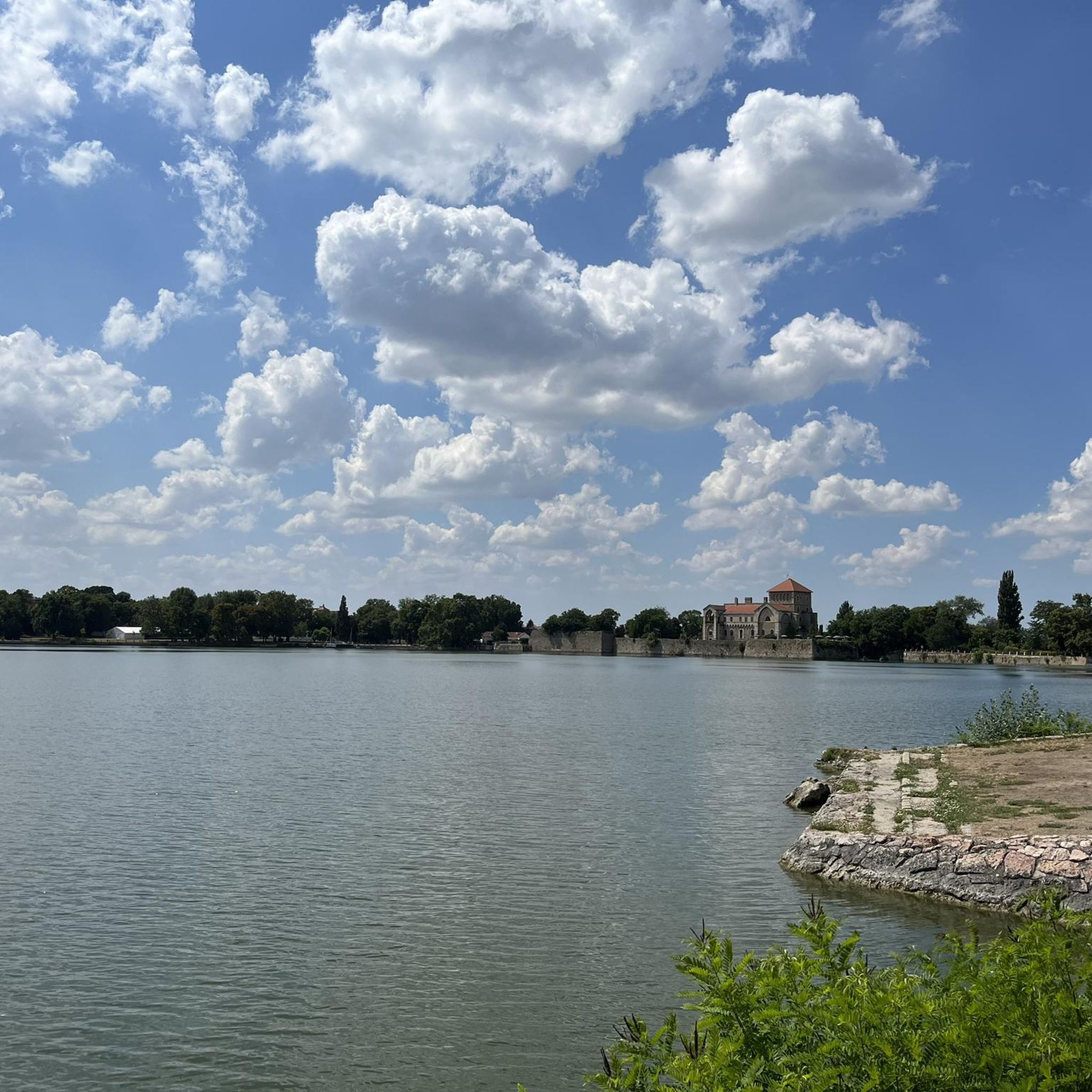
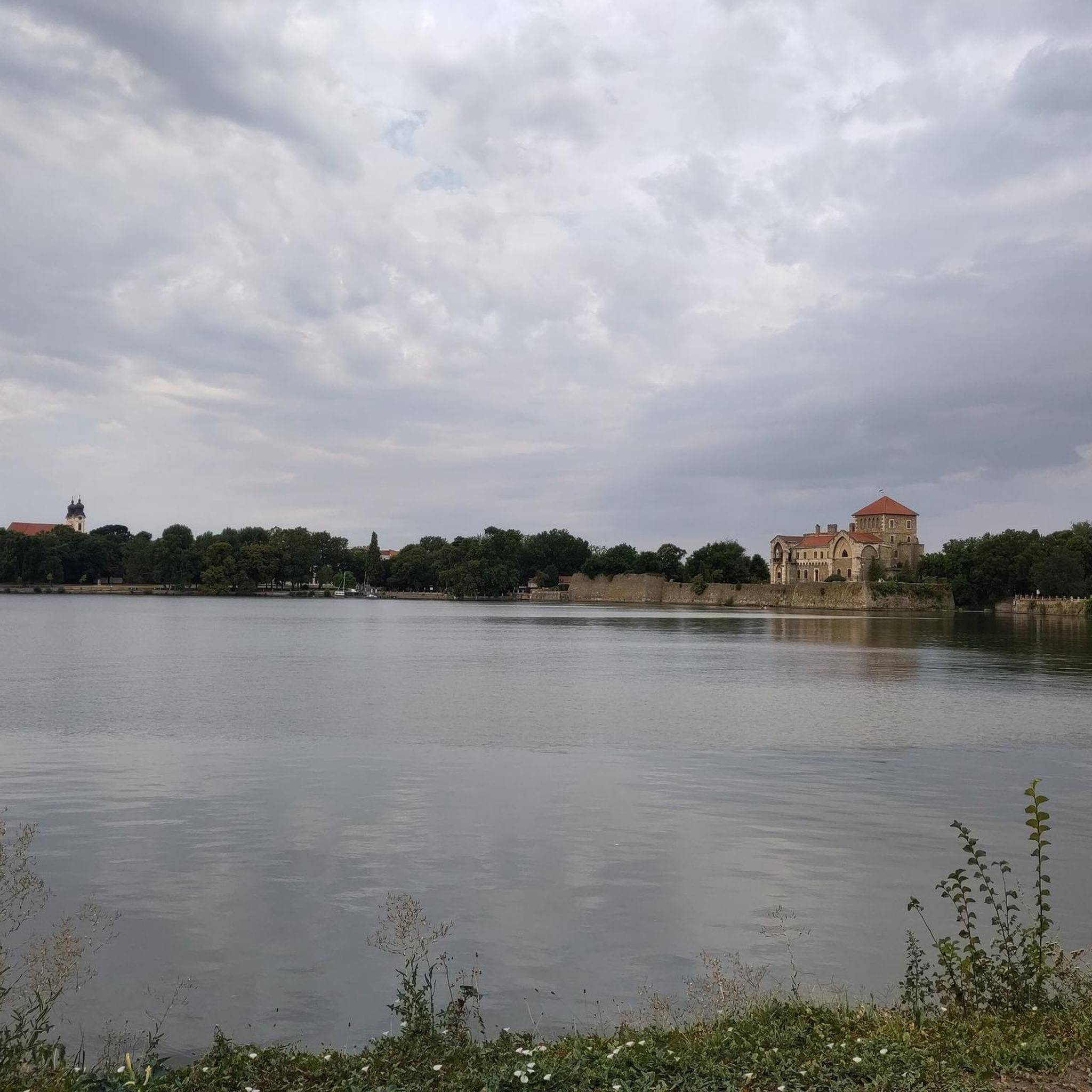
Tata Castle, also known as Tatai Vár, is a medieval castle ruin whose history dates back to the 14th century. King Sigismund of Luxembourg expanded the castle into a royal palace between 1397 and 1409, making it an important center of European power. During the Turkish Wars, the castle became an important link in the Habsburg defense system, but was destroyed by the Ottomans. After the reconquest of Hungary, the castle ruins came into the possession of the Esterházy family in 1727, who developed them into a stately center of their estates.
0
0
Tata has a rich history, dating back to the 11th century, when a Benedictine abbey was founded. The first documented mention dates back to 1225, and the town was granted city rights by King Sigismund in 1388.
0
0

The Esterházy Palace on the banks of the Öreg-tó in Tata (German name: Totis) is the work of Jakab Fellner, the well-known local architect. The young architect, who was based in Tata, was fundamentally recognized and in demand thanks to this building. The Tata domain often served as the scene of major global political decisions. Among other things, Emperor Franz I signed the so-called Peace of Schönbrunn here in 1809 while fleeing from Napoleon. The palace, built in the middle of the 18th century, shone in the following centuries with its magnificent furnishings: the festive dining room with gilded wood paneling and the bathrooms, which with their marble and Dutch tiles were already considered a curiosity a hundred years ago. Also worth mentioning are the wall paintings in Eszterháza Palace, now in Fertöd, which can be seen as a close connection between the count and princely Forchtenstein branch of the family. The manor and castle were expropriated free of charge by the then communist regime in 1946 as part of the land reform. After the war, the castle served the district as a mental hospital. The castle is open to interested visitors. Source: http://de.esterhazy.net/index.php/Tata
2
0

The castle was built in the 14th century and was the favorite holiday resort of the Hungarian king.
1
0
Frequently Asked Questions
What natural features can I explore around Öreg-tó?
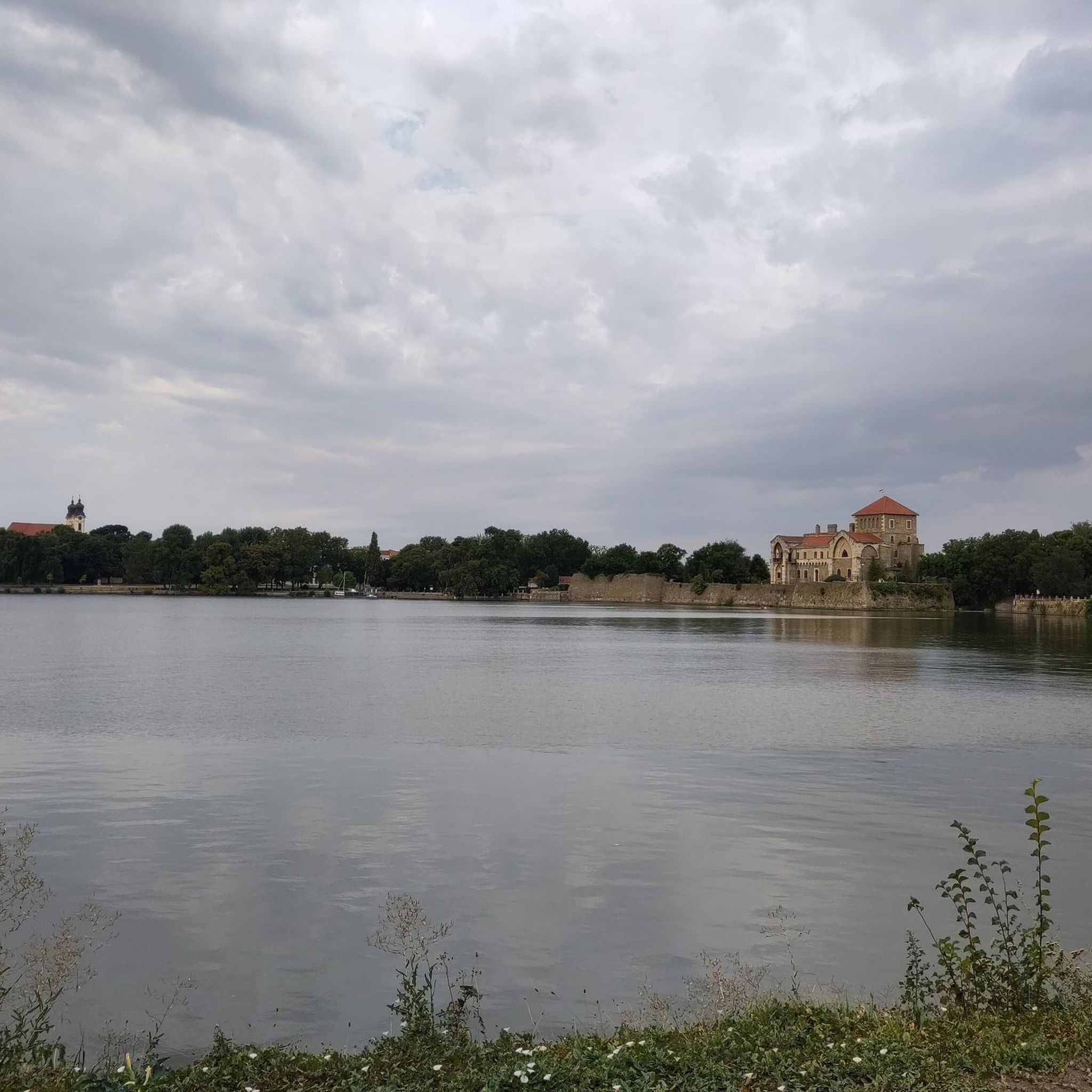
Öreg-tó, also known as Old Lake, is a significant natural and cultural hub in Tata, Hungary. The lake itself is a Ramsar-recognized wetland, vital for migratory birds. You can enjoy the calm water views and reflections of Tata Castle. The surrounding wetlands and the Tataer Altsee Nature Reserve offer opportunities for birdwatching from a lakeside observation tower, especially during spring and autumn migration periods. The English Garden of Tata (Angolpark) also provides beautiful landscaped parkland for strolls.
What historical sites can I visit near Öreg-tó?
The area around Öreg-tó is rich in history. The most prominent historical site is Tata Castle, located directly on the lake's shores. Built in the 14th century, it houses the Kuny Domokos Museum. Another significant landmark is the Esterházy Palace (Tata), a grand family seat also situated on the lake's shores. You can also see the Pötörke Mill, an 18th-century building, and a Scale Model of Tata which highlights the town's rich past.
Are there family-friendly activities around Öreg-tó?
Yes, Öreg-tó offers several family-friendly options. The paved and gravel path encircling the lake (approximately 7 kilometers) is perfect for walking or cycling with children. Many of the historical sites like Tata Castle and Esterházy Palace (Tata) are considered family-friendly. The Tataer Altsee Nature Reserve, with its educational trail, is also suitable for families. In warmer months, recreational water activities like pleasure boats, kayaks, and rowing are available on the lake. For specific family-friendly hikes, you can explore routes like "Lake Tata – View of Tata Castle loop from Tükör-forrási-barlang" or "View of Tata Castle – Tata Castle loop from Tata" which are easy and around 4-7 km long. Find more options in the Family-friendly hikes around Öreg-tó guide.
What kind of outdoor activities can I do around Öreg-tó?
Öreg-tó is excellent for various outdoor activities. You can walk, jog, or cycle along the 7-kilometer path around the lake. Birdwatching is popular, especially during migration seasons. For cycling enthusiasts, there are numerous routes, including road cycling and gravel biking. For example, you can find routes like "Tata Castle – Platán Spring loop from Tata" for road cycling in the Road Cycling Routes around Öreg-tó guide, or "Által-ér Bridge – Tata Castle loop from Tata" for gravel biking in the Gravel biking around Öreg-tó guide. Hiking trails are also available, with options for various difficulty levels.
Are there easy hiking trails suitable for everyone?
Yes, there are several easy hiking trails around Öreg-tó. The path encircling the lake is flat and suitable for a leisurely walk. For specific routes, consider options like "Lake Tata – View of Tata Castle loop from Tükör-forrási-barlang" (7.3 km, easy) or "View of Tata Castle – Tata Castle loop from Tata" (4.2 km, easy). These trails offer scenic views and are generally accessible. You can find more details and other easy routes in the Family-friendly hikes around Öreg-tó guide.
When is the best time to visit Öreg-tó?
Öreg-tó offers different experiences throughout the year. Spring and autumn are particularly good for birdwatching, as thousands of migratory birds find refuge on the lake. The weather during these seasons is also pleasant for walking and cycling. In warmer months, the lake is ideal for recreational water activities. Winter can be beautiful, and if the ice is thick enough, it may be suitable for ice skating.
How can I get to Öreg-tó and its attractions?
Öreg-tó is located in Tata, Hungary. The town is accessible by public transport, and once there, many attractions are within walking distance of the lake. Parking is generally available near the main attractions, though it's advisable to check local signage for specific parking regulations and fees. The path around the lake makes it easy to explore on foot or by bike.
Are there dog-friendly places or trails around Öreg-tó?
The paved and gravel path encircling Öreg-tó is generally dog-friendly, making it a great place for walks with your pet. Many outdoor areas and parks, such as the English Garden, are also suitable for dogs, provided they are kept on a leash. Always ensure to clean up after your dog to maintain the natural beauty of the area.
Where can I find cafes or restaurants near Öreg-tó?
Tata, being an urban center, has various cafes, pubs, and restaurants, especially along the shores of Öreg-tó and in the town center. You'll find options ranging from casual eateries to more formal dining, offering local Hungarian cuisine and international dishes. Many establishments provide scenic views of the lake or the castle.
Are there any unique or lesser-known attractions worth exploring?
Beyond the main castle and palace, you might enjoy discovering the Classicist-style houses along the shores of Öreg-tó, such as the Axmann House and Hamary House, which add to the area's rich heritage. The Calvary Chapel offers a peaceful spot for reflection. The Pötörke Mill, an 18th-century building, also provides a glimpse into local history and architecture.
Is Öreg-tó a good spot for birdwatching?
Absolutely. Öreg-tó is recognized by the Ramsar Convention for its international importance as a wetland, making it a crucial habitat for birdlife. It's the only urban lake in Europe where thousands of waterfowl and migratory birds find refuge during spring and autumn. There is a dedicated lakeside observation tower that offers excellent opportunities for birdwatchers to spot various species, including rare ones like the Red-necked Goose.
Most popular routes around Öreg-tó

Get inspired with the komoot mobile app


Explore more
Still not found the Highlight you’re looking for? See guides of the top attractions in other regions:
