Top 3 Mountain Passes in New South Wales
Best mountain passes in New South Wales offer diverse landscapes across the Blue Mountains, Snowy Mountains, and Southern Highlands. This region features historic walking tracks, scenic drives, and alpine environments. Visitors can explore areas known for their rugged beauty, dramatic cliff-side paths, and extensive views. The passes provide access to national parks and opportunities for various outdoor activities.
Best mountain passes in New South Wales
- The most popular mountain passes is Rawson Pass, a mountain pass that sits at…
Last updated: August 30, 2026
Rawson Pass
Highlight • Mountain Pass
Tip by

Meakins Pass Junction
Highlight • Mountain Pass
Tip by
Sign up now to discover places like this
Get recommendations on the best single tracks, peaks, & plenty of other exciting outdoor places.
Sign up for free
Red Wire Saddle
Highlight • Viewpoint
Tip by

Perisher Valley
Highlight • Settlement
Tip by
The Col
Highlight • Mountain Pass
Tip by
Schlink Pass Road
Highlight (Segment) • Trail
Tip by

Start today with a free account
Your next adventure awaits.
Login or Signup


Tips from the Community

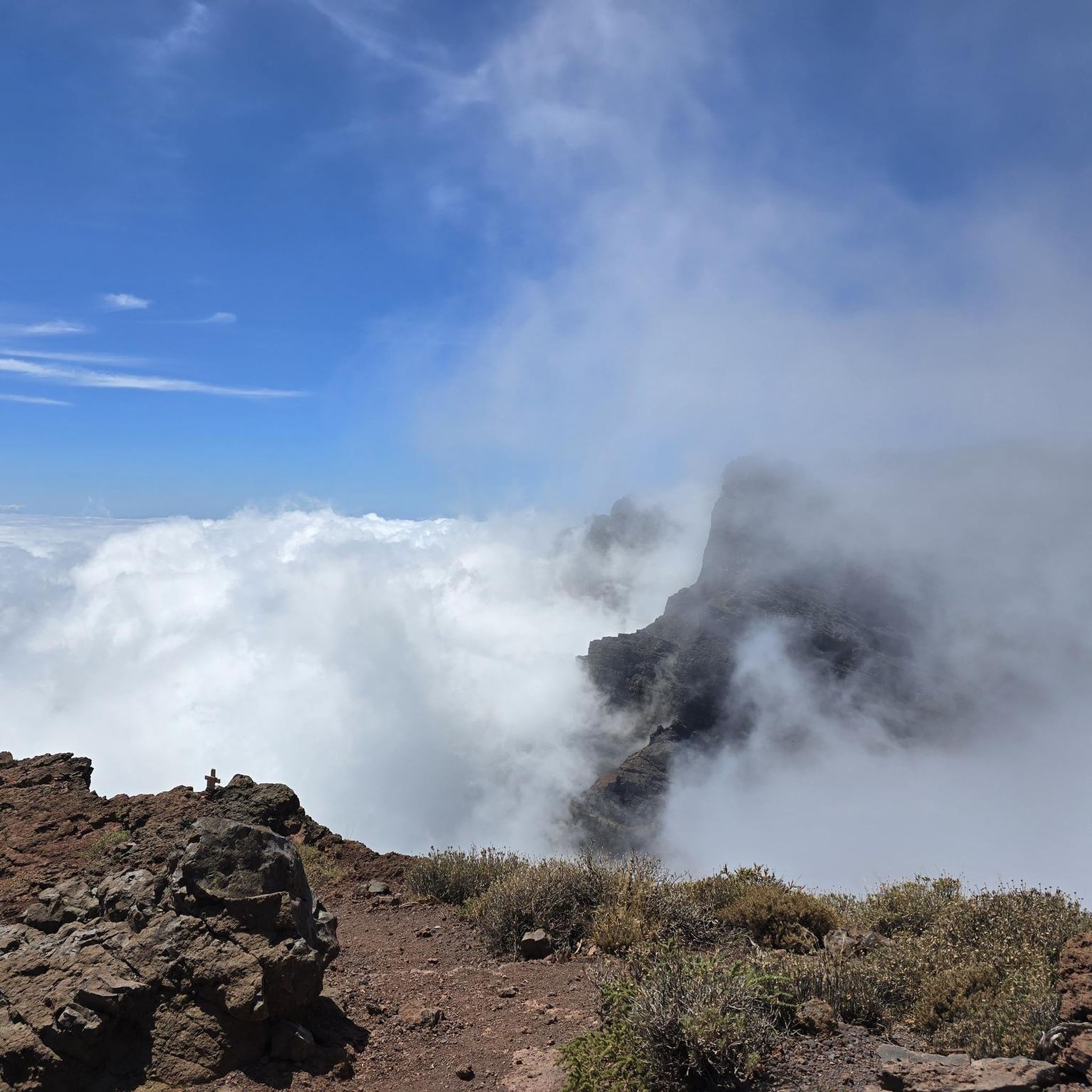
Meakins Pass marks the start of the real climb to the Castle’s summit, a rocky gully leading up to a narrow tunnel through the rock, named after Reg Meakin, part of the CSIRO party that first climbed the Castle in 1948. From here, the route only gets more serious, with boulders to climb with real exposure, and a stretch near the top steep enough that it includes fixed rope and chains. However, parts of the rope along the way are likely to be frayed or non-existent, so plan to use your own climbing equipment if you choose to continue. This is the point where, if you’re not attempting the summit, you can turn back and retrace your steps to the car park, or continue to Cooyoyo Creek campsite, which is also a common spot for an overnight to tackle the summit as part of a two-day adventure.
0
0

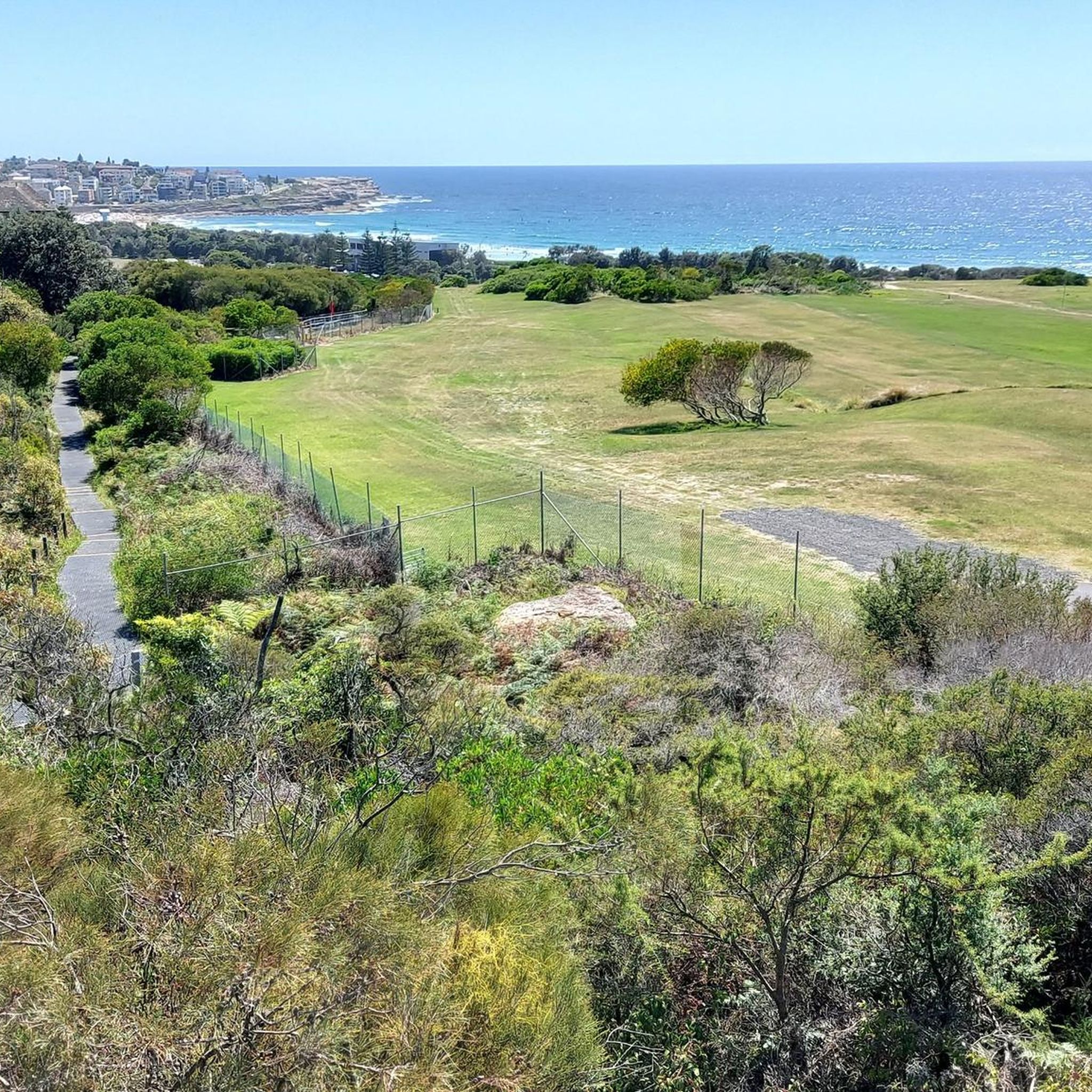
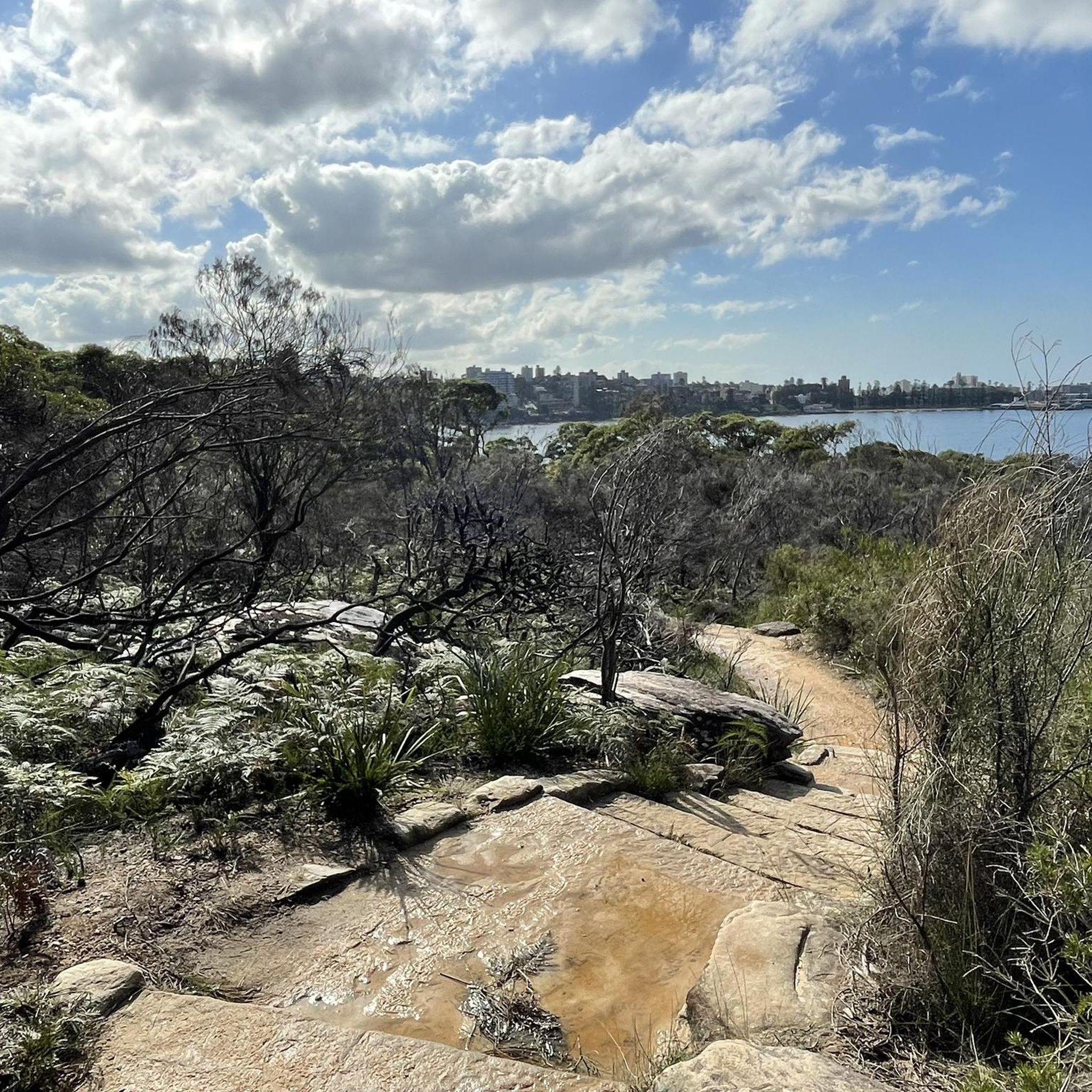
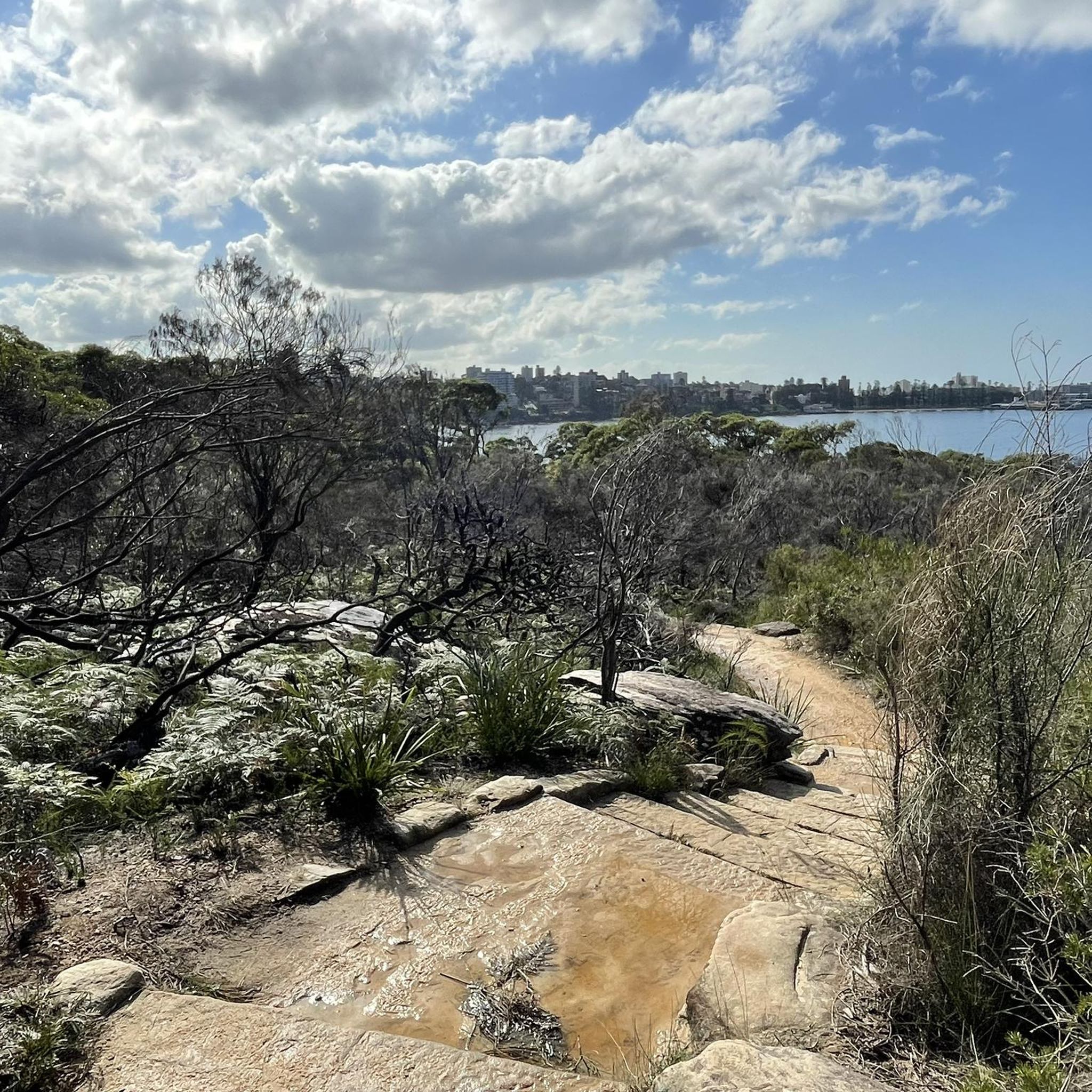
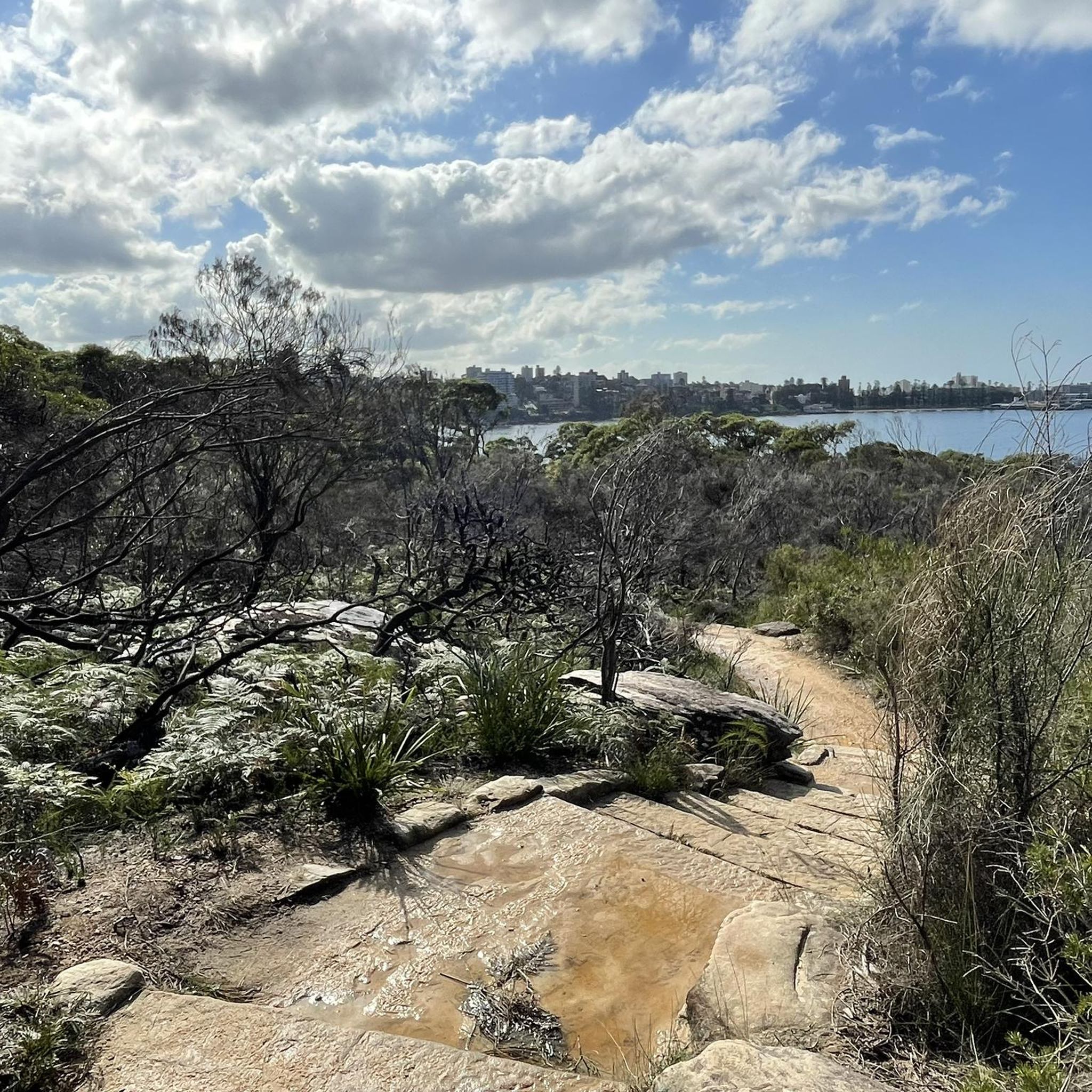
Red Wire Saddle is sometimes referred to as Red Wire Saddle Cliffs, and sticks out above the forests to reveal a nice view of the lower Blue Mountains bushland and rolling hills. The saddle sits alongside sandstone cliffs. The name comes from utility workers and fire workers who put up basic telephone and emergency communication lines, and in order to stand up to harsh elements, bushfires, and rusting, the wires were copper-coated which aged into a distinct rusty red hue.
0
0
Perisher Valley, at an elevation of 1720 metres, is Australia’s largest ski resort and a hub for year-round outdoor activities. In the winter, it offers access to extensive downhill and cross-country skiing, and in the summer months, it becomes a base for bushwalking, mountain biking, fishing, and alpine wildflower walks, including tracks to Porcupine Rocks and the Snowies Alpine Walk.
0
0
Rawson Pass sits at about 2,100 meters above sea level. Its the high saddle where the Main Range Track encounters the Mount Kosciuszko summit path. It's a junction and turning point, with trails leading either to the summit or back toward Charlotte Pass. The exposed alpine gives wide views across the plateau, making it a natural turning point on the circuit. Environmentally designed composting toilets are located here, but there's no water or shelter, so walkers need to come prepared.
0
0

No bikes beyond this point, park your bike here to hike to the summit. Also a toilet here.
0
0
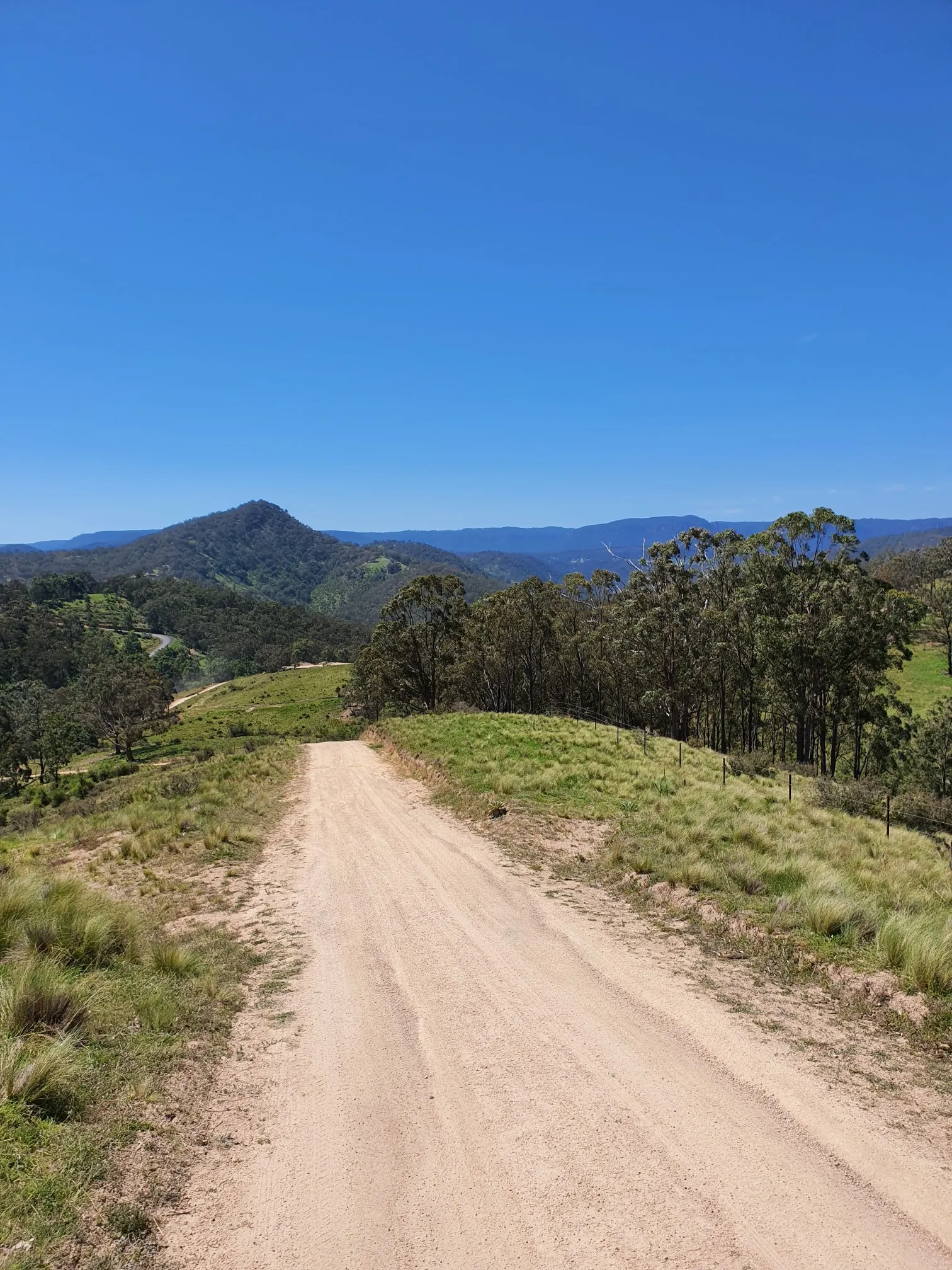
Beautiful 10km gravel climb up to Schlink Pass - potential to visit three historic huts on the way up.
1
0
Frequently Asked Questions
What types of activities can I enjoy at mountain passes in New South Wales?
New South Wales mountain passes offer a diverse range of activities. You can experience challenging hikes like the historic National Pass in the Blue Mountains, or enjoy scenic drives such as the Alpine Way in the Snowy Mountains. During winter, areas like Perisher Valley become hubs for skiing and snowboarding. Many passes also provide opportunities for mountain biking, wildlife spotting, and simply enjoying breathtaking panoramic views. For more specific outdoor activity ideas, you can explore guides on Road Cycling Routes in New South Wales or City Hikes in New South Wales.
Which mountain passes are best for scenic drives in New South Wales?
For spectacular scenic drives, consider the Alpine Way in the Snowy Mountains, which winds through Kosciuszko National Park offering stunning vistas and access to alpine villages. Another exhilarating option is Macquarie Pass in the Southern Highlands, known for its lush rainforest scenery, hairpin bends, and steep gradients. The Road to Charlotte Pass also offers incredible views of the Kosciuszko Main Range during summer.
Are there any family-friendly mountain passes or walks in New South Wales?
While some passes involve challenging terrain, areas like Perisher Valley in the Snowy Mountains are considered family-friendly, especially during summer. It serves as a base for bushwalking and alpine wildflower walks. When planning, always check the specific track grading and conditions to ensure it's suitable for all family members. The Snow Gum Boardwalk near Charlotte Pass is also a gentle option.
What is the best time of year to visit the mountain passes in New South Wales?
The best time to visit depends on your desired activity. For hiking and scenic drives in the Snowy Mountains, summer (December to February) offers pleasant weather and access to areas like the Kosciuszko Main Range. In winter (June to August), the Snowy Mountains passes transform into popular destinations for skiing and snowboarding. The Blue Mountains passes, like the National Pass, can be enjoyed year-round, though conditions can vary, and some sections may close due to weather.
Where can I find historic mountain passes or trails in New South Wales?
The Blue Mountains are home to historically significant passes. The National Pass at Wentworth Falls features an historic Grand Stairway, hand-carved into the cliffs over a century ago, offering a unique blend of natural beauty and engineering marvel. You can learn more about its history and current status on the NSW National Parks website.
Are there any mountain passes near Sydney?
Yes, the Blue Mountains region, including passes like the National Pass and The Col, is relatively close to Sydney and easily accessible for day trips or weekend getaways. The Southern Highlands, home to Macquarie Pass, is also within a reasonable driving distance southwest of Sydney, offering a different kind of mountain pass experience.
What unique natural features can I expect to see at these mountain passes?
New South Wales mountain passes showcase diverse natural beauty. In the Blue Mountains, you'll encounter dramatic sandstone cliffs, deep valleys like the Jamison and Kedumba, and lush eucalyptus forests. The Snowy Mountains offer alpine landscapes, tall mountain forests, and during summer, vibrant alpine wildflowers. Macquarie Pass is renowned for its dense rainforest and the stunning Illawarra escarpment.
What should I know about accessing Kosciuszko National Park?
Kosciuszko National Park, home to passes like the Alpine Way, Road to Charlotte Pass, and Kosciuszko Road, typically requires a vehicle pass for entry. These can be purchased daily, multi-day, or annually. It's advisable to check the NSW National Parks website for current fees and conditions before your visit.
Can I hike to Mount Kosciuszko from a mountain pass?
Yes, you can access routes to the summit of Mount Kosciuszko, Australia's tallest mountain, from within Kosciuszko National Park. A popular starting point is Charlotte Pass, offering a 22km hike to the summit. Alternatively, a 13km hike can be done from Thredbo after taking a chairlift to Eagle's Nest. Rawson Pass is a key junction on the main range track, where the summit path begins.
Are there any mountain passes suitable for cycling?
Yes, some mountain passes offer excellent cycling opportunities. For instance, Schlink Pass Road is known for its beautiful 10km gravel climb, popular with cyclists. The Alpine Way also offers sections suitable for mountain biking. Always check local regulations and trail conditions before heading out.
What is Perisher Valley known for?
Perisher Valley, situated at 1720 meters, is Australia’s largest ski resort and a vibrant hub for year-round outdoor activities. In winter, it provides extensive downhill and cross-country skiing. During summer, it transforms into a base for bushwalking, mountain biking, fishing, and alpine wildflower walks, including tracks to Porcupine Rocks and the Snowies Alpine Walk.
What is the significance of Red Wire Saddle?
Red Wire Saddle, sometimes called Red Wire Saddle Cliffs, offers impressive views of the lower Blue Mountains bushland and rolling hills. Its name originates from the copper-coated communication wires that aged into a distinct rusty red hue, installed by utility and fire workers to withstand harsh elements and bushfires.
Most popular routes in New South Wales
Most popular attractions in New South Wales

Get inspired with the komoot mobile app


