Attractions and Places To See in Mount Barney National Park - Top 4
Best attractions and places to see in Mount Barney National Park, located approximately 120 km southwest of Brisbane, Queensland, is a rugged and naturally diverse area. This park is a significant part of the Gondwana Rainforests of Australia World Heritage Area, showcasing remnants of the ancient Focal Peak Shield Volcano. The landscape features distinctive peaks, varied vegetation, and numerous creeks and waterholes. The area also holds special significance for Aboriginal people, with stories deeply connected to the land.
Best attractions…
Last updated: July 3, 2026
Mount Maroon
Highlight • Summit
Tip by

South East Ridge - Mount Barney
Highlight (Segment) • Climb
Tip by

Sign up now to discover places like this
Get recommendations on the best single tracks, peaks, & plenty of other exciting outdoor places.
Sign up for free
Mount Barney Creek
Highlight • River
Tip by
Mount Barney East Peak
Highlight • Summit
Tip by

Lower Portals Track
Highlight (Segment) • Trail
Tip by
Sign up for free to discover even more attractions in Mount Barney National Park.
Sign up for free
Already have an account?
Start today with a free account
Your next adventure awaits.
Login or Signup
Popular around Mount Barney National Park
Tips from the Community

At 1,351 metres, Mount Barney East Peak is the highest point of Mount Barney and one of the most prominent peaks in the Scenic Rim. The summit is reached via steep, unmarked routes such as the South East Ridge, with the final approach involving exposed rock and scrambling. From the top, views extend across the surrounding ranges, valleys, and national park, with little shelter from wind or weather. Conditions can change quickly, particularly with cloud moving across the summit.
0
0
The South East Ridge is a steep summit route to East Peak, typically taking 7 to 9 hours return. It’s shorter than the South Ridge but significantly steeper, with sustained climbing, rock scrambling, and exposed sections along the ridge. The route includes narrow sections and rock slabs near the summit, with steep drop-offs nearby, and can become slippery in wet conditions. Some directional markers are present, but route-finding is still required. Please note that due to the steep terrain and exposure, this route is not recommended for descent.
0
0

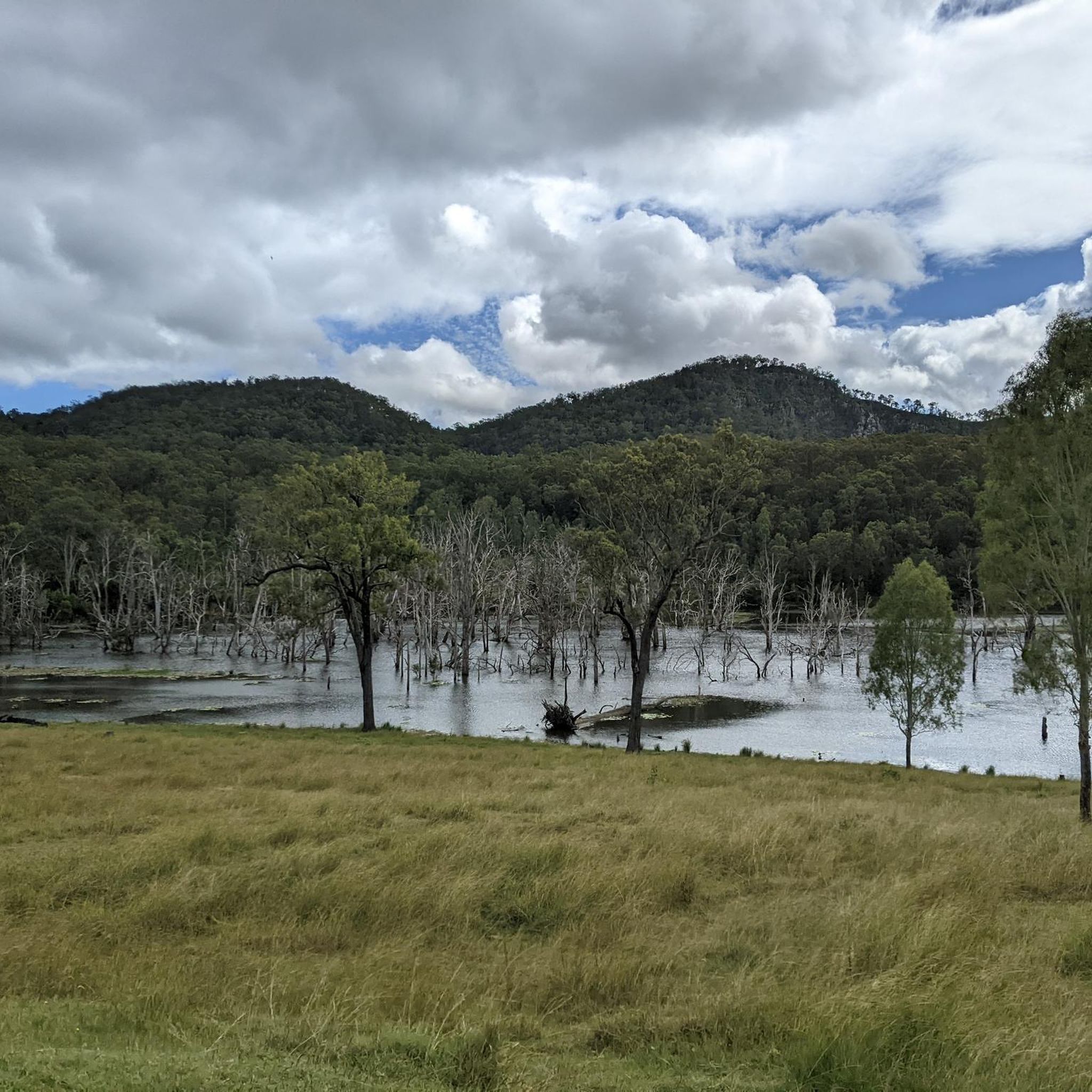
Mount Barney Creek is a clear mountain stream that winds through forested valleys and granite boulder fields below the slopes of Mount Barney. Along the track, it forms natural pools and rocky sections that are a perfect place to cool off on a warm day as you explore this beautiful area.
0
0
Lower Portals Track is a popular walking trail that leads from the Yellow Pinch trailhead to the swimming holes at the Lower Portals. As you follow the path through open eucalypt forest and pockets of subtropical vegetation, the trail is dotted with beautiful wildflowers as it gradually descends toward Mount Barney Creek. The walk ends at a rocky gorge along the creek, where the clear water flows between large granite boulders.
0
0
Mount Maroon rises to about 966 metres within Mount Barney National Park and is a rugged peak of the Scenic Rim, formed from the remnants of an ancient shield volcano. Its rocky gullies, cliffs and open summit areas make it a distinctive landmark, with expansive views from the upper slopes. On clear days, walkers can see across Mount Barney, the Main Range and the Moogerah Peaks, offering some of the widest panoramas in south-east Queensland.
0
0


Steep route with plenty of hands-on scrambling required. Estimated UIAA grade 2 in a few small places, depending on the exact route chosen.
0
0

Set off as early as you can to beat the heat and give yourself some decent time at the summit to explore both peaks.
0
0
Frequently Asked Questions
What are the most popular hiking trails in Mount Barney National Park?
For a challenging ascent with expansive views, consider the Mount Maroon Summit Route. If you're looking for a moderate walk leading to a refreshing swimming spot, the Lower Portals Track is a popular choice. For experienced hikers seeking a rugged climb to a major peak, the Southeast Ridge, Mount Barney offers a demanding route.
Are there any family-friendly walks or activities in Mount Barney National Park?
While many trails are challenging, the 7.4km return Lower Portals Track is a moderate option that leads to natural swimming holes, which can be enjoyable for families with older children. The Yellow Pinch Lookout track is also a shorter, easier 2km return walk offering great views of Mount Barney.
What kind of natural features can I expect to see in the park?
Mount Barney National Park is rich in natural diversity. You'll encounter rugged peaks like Mount Maroon, ancient volcano remnants, and varied vegetation ranging from eucalypt forests to subtropical rainforests. Cascading creeks and deep rock pools, particularly along Mount Barney Creek, are prominent features. The park is also home to rare flora and fauna, including endangered plant species and diverse birdlife.
What is the best time of year to visit Mount Barney National Park?
The cooler, drier months from autumn to spring (April to October) are generally considered the best time to visit for hiking and outdoor activities. During these months, temperatures are more moderate, making challenging climbs more comfortable and reducing the risk of heat-related issues. Summer can be very hot, especially for summit routes, but the creeks and swimming holes offer a refreshing escape.
What are the difficulty levels of the hiking trails?
Trail difficulties vary significantly. Routes like the Mount Maroon Summit Route and the Southeast Ridge, Mount Barney are considered challenging, requiring strong fitness, navigation skills, and often involve scrambling. The Lower Portals Track is rated as intermediate. It's crucial to be well-prepared and research specific routes before attempting them, as many summit routes are unmarked.
Are there opportunities for wild swimming in the park?
Yes, the park offers excellent spots for wild swimming. The Lower Portals Track leads to a deep pool nestled within a rocky gorge on Mount Barney Creek, which is a popular spot for cooling off, especially during warmer months. You'll find other natural pools and rocky sections along the creek as well.
What kind of wildlife might I encounter?
Mount Barney National Park is a habitat for over 340 animal species. Keep an eye out for kangaroos, wallabies, and abundant birdlife. The park is also home to some endangered or vulnerable species like the eastern bristlebird, Coxen's fig-parrot, and the plumed frogmouth. Playful platypus can sometimes be spotted in the waterways.
What is the geological significance of Mount Barney National Park?
The rugged landscape of Mount Barney National Park is a direct result of the Focal Peak Shield Volcano's eruptions approximately 24 million years ago. The park is a significant part of the Gondwana Rainforests of Australia World Heritage Area, showcasing remnants of this ancient volcanic activity, with geological features like inclined strata visible in areas such as near Yellow Pinch.
Are there any viewpoints or lookouts with panoramic views?
Yes, several locations offer impressive vistas. The summit of Mount Maroon provides expansive views across the Scenic Rim, including Mount Barney and the Main Range. The Yellow Pinch Lookout is an easily accessible spot offering excellent views of Mount Barney itself. Summit routes on Mount Barney, such as the Southeast Ridge, also reward climbers with awe-inspiring panoramas.
What outdoor activities can I do near these attractions?
Beyond exploring the attractions, Mount Barney National Park is a prime destination for hiking. You can find various routes ranging from moderate to difficult, including the Mount Maroon Summit Route and the Lower Portals Track. For more detailed information on hiking options, refer to the Hiking in Mount Barney National Park guide.
What is the cultural significance of the park?
The peaks within Mount Barney National Park hold special significance for Aboriginal people, whose stories are deeply connected to the land. Some place names in the landscape have Aboriginal origins, reflecting this rich heritage. The park also has a history of European exploration, with the first recorded ascent of Mount Barney occurring in 1828.
Most popular routes in Mount Barney National Park

Get inspired with the komoot mobile app


Explore more
Still not found the Highlight you’re looking for? See guides of the top attractions in other regions:
