The best gravel rides around Cañada Rosal
40
riders
7
rides
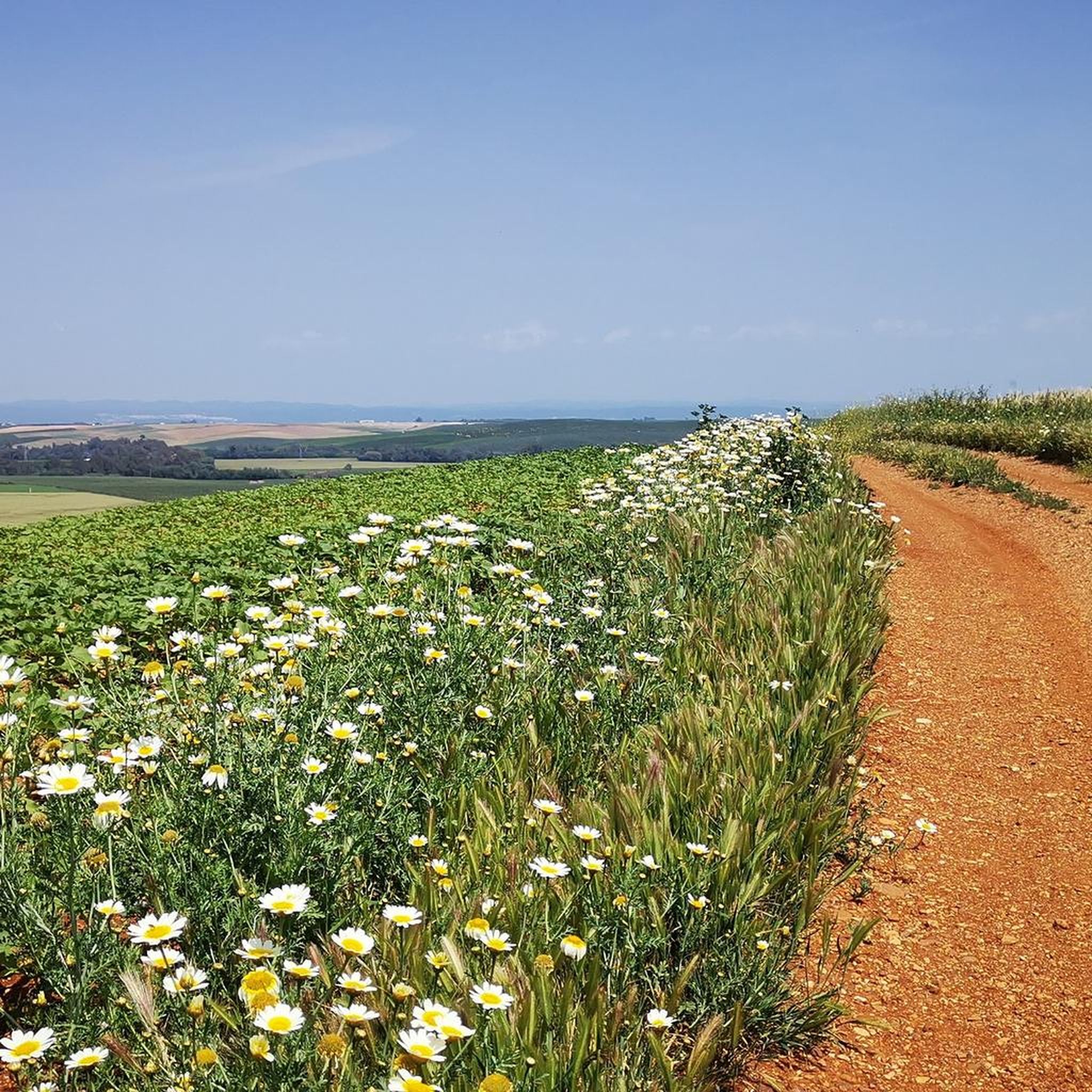
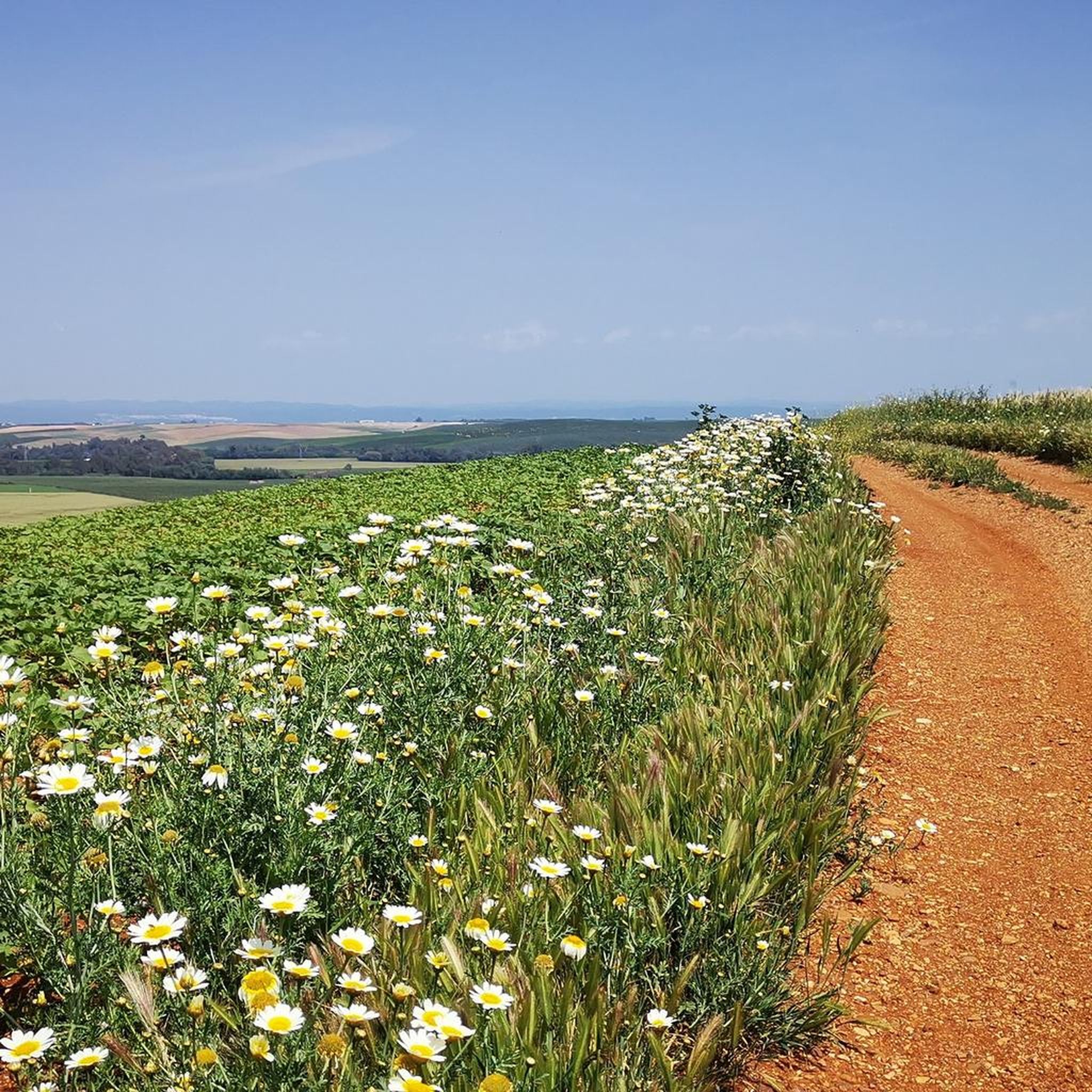
Gravel bike trails around Cañada Rosal traverse the agricultural plains of the Guadalquivir valley, characterized by extensive orange and olive groves. The region offers a network of quiet country roads and tracks, providing a picturesque backdrop for cycling enthusiasts. While primarily in the valley, its proximity to the Sierra Morena allows for access to more challenging routes with varied terrain and unpaved sections.
Best gravel bike trails around Cañada Rosal
- The most popular gravel bike trail is Scenic Gravel Path…
Last updated: July 6, 2026
27
riders
101km
08:16
570m
570m
Hard gravel ride. Very good fitness required. Mostly paved surfaces. Suitable for all skill levels.
3
riders
30.1km
02:25
220m
220m
Moderate gravel ride. Good fitness required. Mostly paved surfaces. Suitable for all skill levels.

Sign up for free
3
riders
33.3km
02:39
230m
240m
Moderate gravel ride. Good fitness required. Mostly paved surfaces. Suitable for all skill levels.
2
riders
68.6km
04:53
540m
540m
Hard gravel ride. Very good fitness required. Mostly paved surfaces. Suitable for all skill levels.
2
riders
28.0km
02:09
180m
180m
Moderate gravel ride. Good fitness required. Mostly paved surfaces. Suitable for all skill levels.
Get access to more routes and recommendations from other explorers.
Sign up for free
Already have an account?
Our route recommendations are based on thousands of hikes, rides, and runs completed by other people on komoot.
Start today with a free account
Your next adventure awaits.
Login or Signup



Tips from the Community

This is a great and really beautiful church. Unfortunately, I couldn't take any more photos because there was an event there.
0
0

The Benamejí Palace: model of civil baroque in Andalusia. The Benamejí Palace, which houses the museum, is a monument declared a "cultural asset". Built in the first half of the 20th century. XVIII, it is one of the most important examples of civil baroque in Andalusia.
4
0
The old parish church of Santa María belonged to the Gothic-Mudejar type of church. It seems that it was built by D. Pedro Fernández Gragera, a knight in the service of San Fernando in the reconquest of Écija. According to sources, it was completed in 1262. The structure was designed with three naves and a polygonal head, later two side naves were added, so its plan was irregular, with a tower, a patio with orange trees and a cemetery. The building was extensively renovated in the 16th and 17th centuries, with the church being demolished and rebuilt in 1758.
4
0

The tower's origins date back to the 15th century, when it was built on an ancient Arab tower. Due to lightning damage in 1892, it was partially demolished, and the first part of the old Mudejar tower remains today as a bell tower.
3
0
The Palacio is home to a museum. Above all, the finds from the Moorish and Roman periods that were discovered during excavations in the Plaza d'España can be seen here.
4
0

Écija is a municipality of Seville but nevertheless, this municipality is closer to the province of Córdoba than to the provincial capital, Seville. The city popularly known as Ciudad del Sol, the City of Towers and the Pan of Andalusia (because of its high temperatures, especially during the summer seasons). It is considered one of the most important Historical Sites in Andalusia.
3
0

Beautiful church from the 18th century, built on an old Mudejar temple from the 16th / 17th centuries, damaged by the Lisbon earthquake. It is worth the visit especially for its beautiful and very decorative interior.
2
0
If you are in Fuentes de Andalucía, take a walk through its alleys to see manor houses - beautiful examples of Andalusian manor architecture from the 18th century.
2
0
Frequently Asked Questions
How many gravel bike trails are available around Cañada Rosal?
There are 7 gravel bike routes available around Cañada Rosal in this guide. These routes offer a mix of moderate and difficult options, allowing you to explore the agricultural plains and scenic groves of the Guadalquivir valley.
Are there any easy gravel bike routes suitable for beginners in Cañada Rosal?
While most routes in this guide are rated moderate to difficult, the region's flat agricultural plains offer many quiet country roads and tracks that are generally easy to navigate. For a moderate option, consider the Roman Baths of La Luisiana loop from La Luisiana, which covers about 30 km with gentle elevation changes.
What kind of terrain can I expect on gravel bike trails near Cañada Rosal?
The terrain around Cañada Rosal is primarily characterized by the fertile Guadalquivir valley, featuring extensive agricultural fields, quiet country roads, and tracks through vast orange and olive groves. You'll find mostly gentle gradients, but some routes, especially those venturing towards the broader Sierra Morena region, can include more varied terrain and unpaved sections suitable for gravel bikes.
Are there any family-friendly gravel biking options in the area?
The tranquil environment and gentle gradients through the agricultural lands make many of the country roads suitable for families. While specific 'family-friendly' routes are not explicitly listed, shorter, moderate loops like the Roman Baths of La Luisiana loop from La madre (28 km) offer a good introduction to the region's scenery without excessive difficulty.
What are some scenic viewpoints or natural features to look out for on the trails?
As you cycle, you'll pass through picturesque orange and olive groves, especially vibrant during blossom season. The Peñaflor Reservoir - Guadalquivir River is a significant water body in the region that can offer scenic views along its perimeter. The expansive views across the agricultural plains also provide a sense of freedom and natural beauty.
What is the best time of year for gravel biking around Cañada Rosal?
Spring and autumn are generally the most pleasant times for gravel biking in the region, offering milder temperatures. During spring, the orange and olive groves are in bloom, providing a beautiful and aromatic experience. Summers can be very hot, making early mornings or late afternoons preferable if riding during that season.
Are there any historical sites or attractions I can visit along the gravel routes?
Yes, the region has a rich history. You can explore sites like the Plaza de España (El Salón) and the Parish of Santa María and Santa Bárbara in Écija, or the historic Peñaflor Palace. Some routes, such as the Roman Baths of La Luisiana loop, pass by historical points of interest.
Are there any long-distance or challenging gravel routes available?
For those seeking a challenge, the Scenic Gravel Path – Fuentes de Andalucía loop from La Luisiana is a difficult route spanning over 100 km with significant elevation gain. Another challenging option is the Écija – Palacio de Benamejí loop from La Luisiana, which is about 68 km long and also rated difficult.
Can I find circular gravel routes starting and ending in the same place?
Yes, many of the routes in this guide are designed as loops. For example, the Scenic Gravel Path – Fuentes de Andalucía loop from La Luisiana and the Roman Baths of La Luisiana loop from La Luisiana both offer circular journeys, allowing you to start and finish at the same point.
What is the typical duration for a gravel bike ride in this region?
Ride durations vary significantly based on the route's length and your pace. Shorter, moderate routes like the Roman Baths of La Luisiana loop from La madre (28 km) can take around 2-3 hours. Longer, more difficult routes such as the Scenic Gravel Path – Fuentes de Andalucía loop (101 km) can take 8 hours or more to complete.
Are there options for gravel biking that connect to Vías Verdes?
While Cañada Rosal is situated in the Guadalquivir valley, its proximity to broader Andalusian regions means that Vías Pecuarias (ancient cattle routes, often repurposed for cycling) and Vías Verdes are accessible. These offer varied terrain and can be integrated into longer gravel rides, providing a mix of landscapes from rugged hills to picturesque villages.
Most popular routes around Cañada Rosal
Most popular attractions around Cañada Rosal

Get inspired with the komoot mobile app


Explore more
Browse the best Gravel rides in other regions.
