The best walks and hikes around Castillejo De Iniesta
4.3
(3)
25
hikers
7
hikes
Hiking around Castillejo De Iniesta offers exploration through the La Manchuela region, characterized by gently undulating plains and extensive agricultural lands, including vineyards. The area features natural landmarks such as Cerro de los Moros and the Vértice geodésico Morrón, providing elevated views. Proximity to the Cabriel River valley adds a significant natural element, with opportunities to experience fluvial landscapes. The terrain primarily consists of rural paths suitable for walking.
Best hiking trails around Castillejo De Iniesta
- The most popular hiking…
Last updated: July 6, 2026
8
hikers
4.61km
01:12
40m
40m
Easy hike. Great for any fitness level. Easily-accessible paths. Suitable for all skill levels.
5.0
(1)
4
hikers
6.73km
01:44
40m
40m
Easy hike. Great for any fitness level. Easily-accessible paths. Suitable for all skill levels.

Sign up for free
3.0
(1)
5
hikers
5.58km
01:27
30m
30m
Easy hike. Great for any fitness level. Easily-accessible paths. Suitable for all skill levels.
5.0
(1)
2
hikers
7.39km
01:54
30m
30m
Easy hike. Great for any fitness level. Easily-accessible paths. Suitable for all skill levels.
2
hikers
5.65km
01:27
30m
30m
Easy hike. Great for any fitness level. Easily-accessible paths. Suitable for all skill levels.
Get access to more routes and recommendations from other explorers.
Sign up for free
Already have an account?
Our route recommendations are based on thousands of hikes, rides, and runs completed by other people on komoot.
Start today with a free account
Your next adventure awaits.
Login or Signup
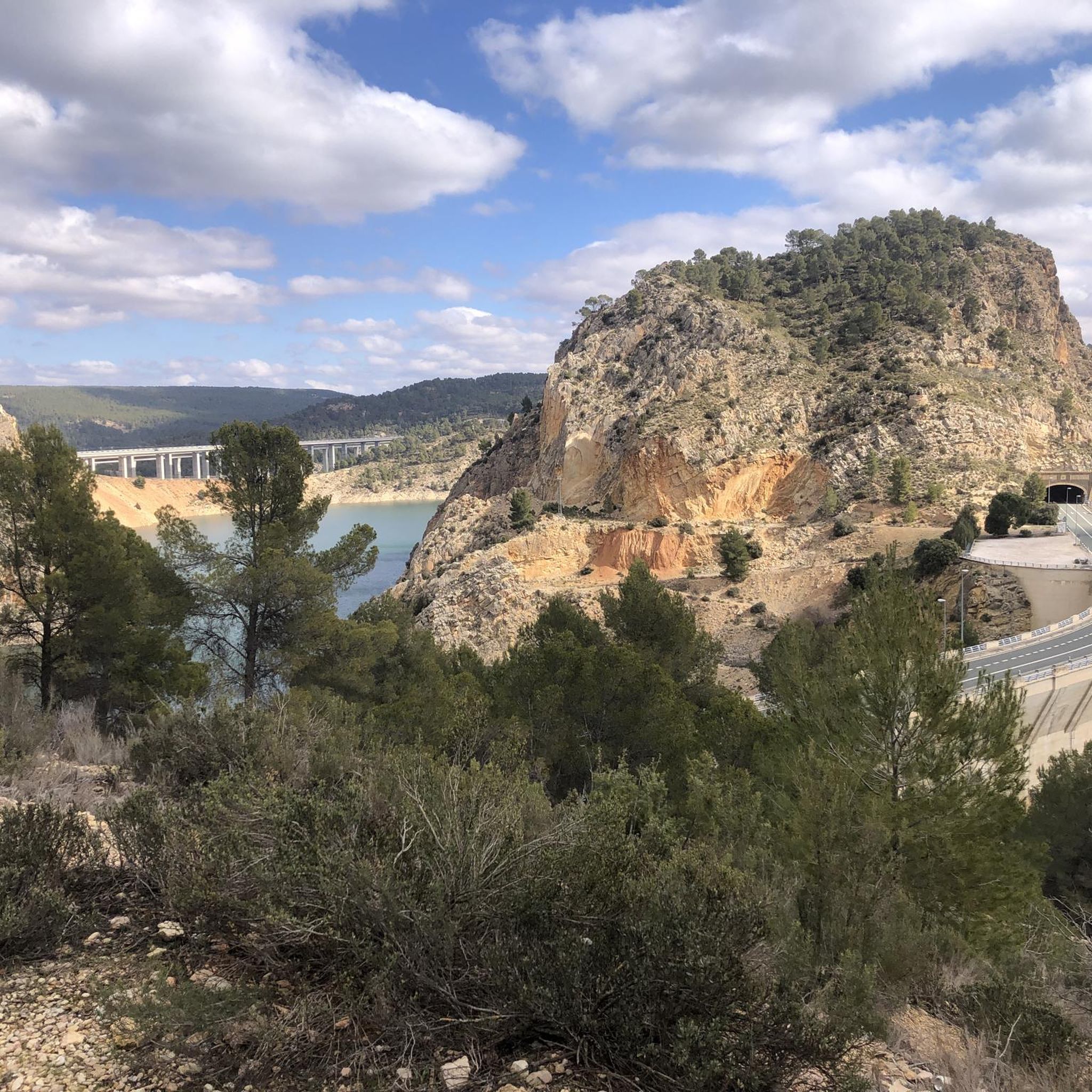
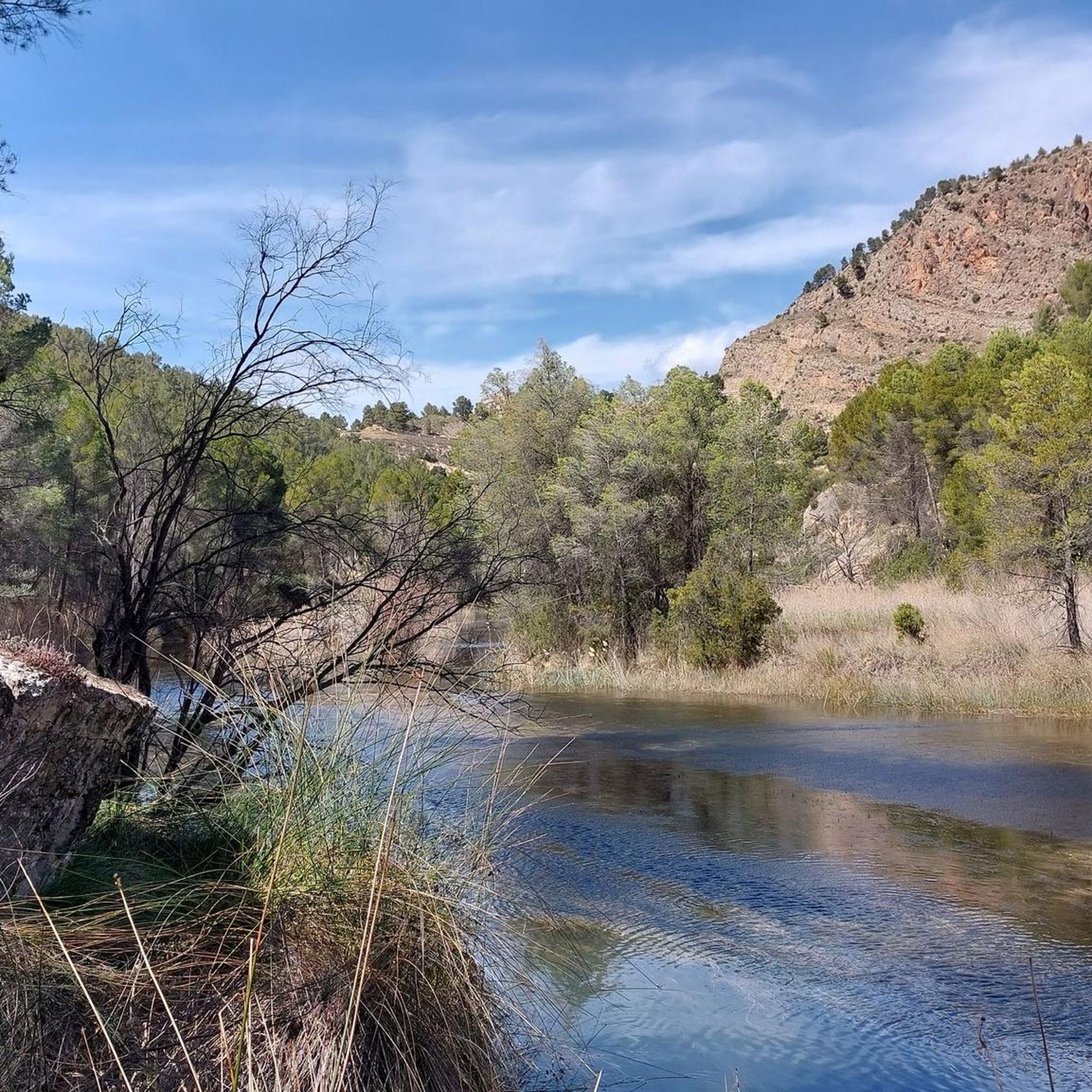
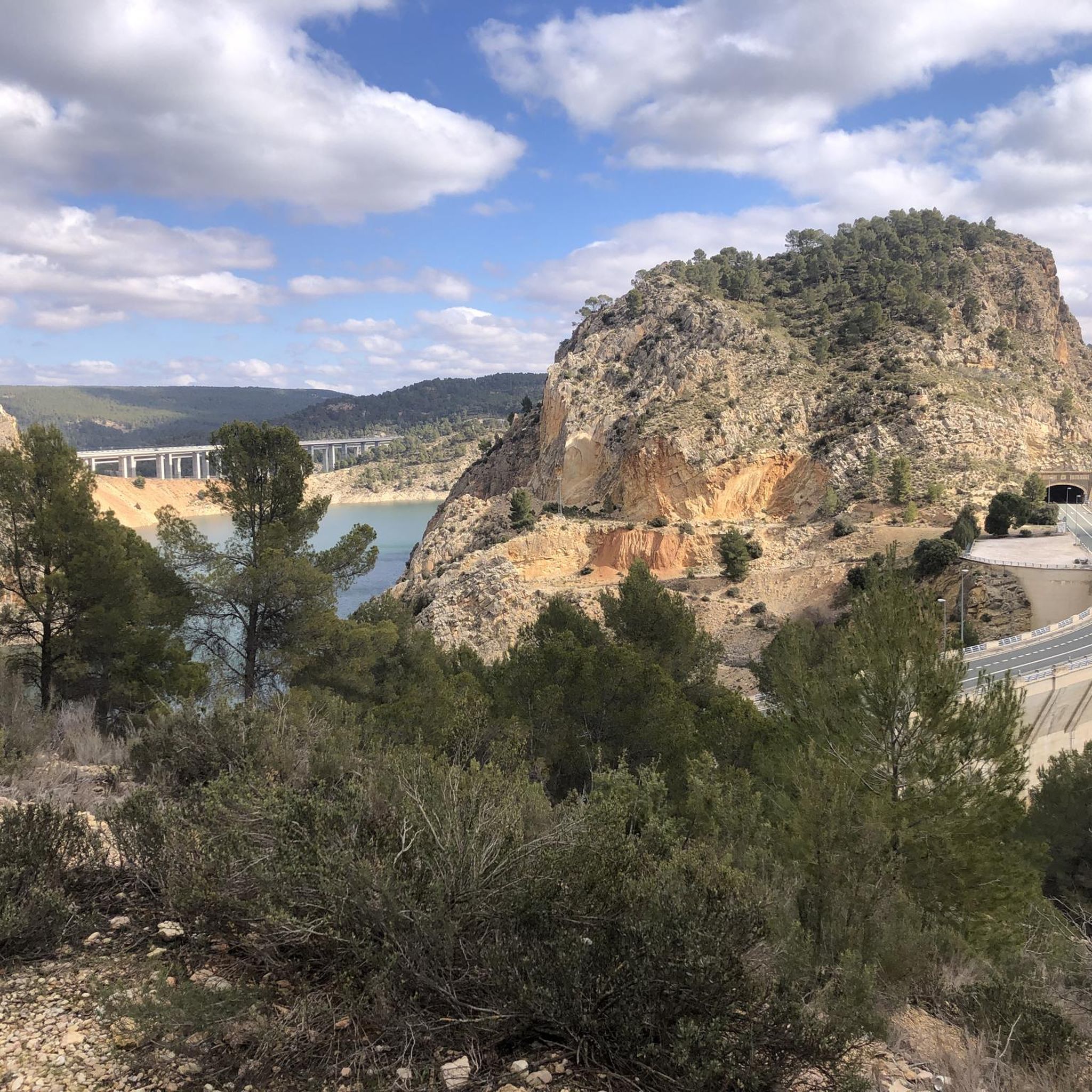

Tips from the Community

Courtesy of my AI: Construction period and history • The church was built in the 15th and 16th centuries. Construction began in the late Gothic period, a period when Castile flourished both culturally and economically. • Renaissance elements were added over the course of the construction period, which explains the stylistic mix. This reflects the artistic and architectural development of the era. Context of construction • The construction of the church is related to the Christian reconquest of the region and the subsequent desire to manifest the faith through magnificent ecclesiastical buildings. • It was probably built on the site of an earlier, possibly Moorish or early Christian sanctuary. Architectural features Nuestra Señora de la Asunción is an example of the combination of two styles that is common in Castile-La Mancha: Gothic features 1. Basic structure: • The church has a spacious nave with high, pointed vaults, typical of the Gothic style. • The verticality of the interior and the delicate design of the arches and ribs are reminiscent of the Gothic cathedrals of the region. 2. Windows and light: • Gothic pointed arch windows with tracery let light into the interior and create a solemn atmosphere. Renaissance elements 1. Facade: • Parts of the facade show the clean lines and symmetrical shapes of the Renaissance. The decorative elements such as columns and friezes are particularly striking. 2. Artwork: • The interior has altars and chapels that were added later in the Renaissance and Baroque styles. Some sculptures and paintings date from this period. Significance of the church • Nuestra Señora de la Asunción was not only a religious centre, but also a place of social and cultural gatherings. • The church reflects the wealth and importance of Iniesta during the late medieval and early modern periods, when the town prospered through agriculture and trade. Current use and preservation • The church continues to be used for worship and religious festivals today. It is a central location for local celebrations, particularly on holidays such as the patron saint's feast. • Restoration work over the past few decades has helped to keep the building in good condition, with the Gothic vaults and Renaissance façade carefully restored. Things to see inside the church When visiting the church, look out for the following details: 1. Main altar: An elaborately designed altar that incorporates both Gothic and Renaissance elements. 2. Chapels: Some side chapels house valuable religious artworks, including paintings and wood carvings. 3. Sacristy: The sacristy may contain historical relics and liturgical objects. Conclusion The Church of Nuestra Señora de la Asunción is an impressive example of Castilian architecture during the transition period from Gothic to Renaissance. It tells the story of a city that has absorbed various cultural influences over the centuries and preserved them in its architecture. A visit is worthwhile for both art lovers and those who want to learn more about the history of the region. Shall I tell you about other artworks or details about its restoration?
0
0
Since the research on the Internet was not very informative, I asked the AI. Here is the result that I can understand... The castle of Iniesta and its surroundings are fascinating testimonies to the eventful history of Castile. The castle of Iniesta, which stands on a hill above the present-day city, was an important defensive point in the region. Although only ruins remain of the original structure, its importance in the Middle Ages and beyond can be easily reconstructed. Historical overview 1. Moorish origins (8th-10th centuries): • Under Muslim rule, the castle was probably built as a fortification to secure control over the surrounding area. • The castle was part of a larger network of fortresses that protected the borders of Muslim territories. 2. The Reconquista (11th-13th centuries): • The region around Iniesta was brought under Castilian control during the Christian reconquest. This probably happened during the time of Alfonso VIII (King of Castile), who also played a key role in pushing back the Moors at the Battle of Las Navas de Tolosa (1212). • The castle was used as a Castilian base after the Reconquista and expanded to secure the border regions of Castile. 3. Decline: • With the end of the region's military importance in the late Middle Ages, the castle began to lose strategic value. Its gradual abandonment led to it falling into disrepair. The remains indicate that the castle was once a powerful fortification with the following elements: • Walls and towers: The castle was equipped with massive defensive walls and at least one central tower (possibly a keep). • Location: The strategic position on a hill offered excellent views over the surrounding plains and allowed effective control over important trade and communication routes. Today only parts of the walls and foundations remain. Their remains nevertheless provide an insight into the military architecture of the time.
0
0

Beautiful town that is located in the old middle of what is the entrance to the lands of La Mancha on its eastern side. Surrounded by farmland and large areas that are difficult to find the end!
0
1
Beautiful town that is located in the old middle of what is the entrance to the lands of La Mancha on its eastern side. Surrounded by farmland and large areas that are difficult to find the end!
0
1
Frequently Asked Questions
How many hiking trails are available around Castillejo De Iniesta?
There are 6 easy hiking trails directly around Castillejo De Iniesta listed in this guide. The wider region, including the nearby Hoces del Cabriel Natural Park, offers many more options for various skill levels.
What kind of landscapes can I expect to see while hiking in Castillejo De Iniesta?
The area is characterized by gently undulating plains, extensive agricultural lands dominated by vineyards and cereal fields, and seasonal streams. You'll also find natural features like the Cerro de los Moros and the Vértice geodésico Morrón, which offers panoramic views. The nearby Cabriel River valley is known for its impressive river gorges and diverse forested areas.
Are there any circular hiking routes near Castillejo De Iniesta?
Yes, several routes in the guide are circular, allowing you to start and end in the same location. For example, you can explore the area around Iniesta with the Castle of Iniesta – Iniesta loop from Iniesta, or the Hiking loop from Iniesta. The broader region also features a moderate 14.0 km circular route (PR-CV 344) within the Hoces del Cabriel Natural Park.
What are some notable landmarks or attractions to see while hiking?
Beyond the natural beauty, you can discover several points of interest. Consider visiting the Church of Nuestra Señora de la Asunción of Iniesta or the Sanctuary of the Virgin of the Loma. The GR-66 Long-Distance Path also passes by the ruins of old hydraulic mills along the Consolación ravine, offering a blend of natural beauty and historical interest.
Are there any long-distance hiking trails in the Castillejo De Iniesta area?
Yes, a segment of the extensive GR-66 Long-Distance Path passes through the area, following the Consolación ravine towards the Cabriel River. Additionally, The Camino del Peregrino (PR-CU 74), starting from nearby Iniesta, offers a longer experience, traversing vineyards and then a wilder natural environment along the Consolación ravine.
What is the best time of year to go hiking in Castillejo De Iniesta?
The tranquil rural paths are especially appealing during the harvest season, typically late summer to early autumn, when the vineyards are full. Spring also offers pleasant temperatures and blooming landscapes. Summers can be hot, so early morning or late afternoon hikes are recommended, while winters are generally mild but can be chilly.
Are there family-friendly hiking options in Castillejo De Iniesta?
Yes, all 6 routes listed in this guide are rated as easy, making them suitable for families. The tranquil rural paths directly around Castillejo De Iniesta are perfect for easy walks, allowing for observation of the surrounding nature and immersion in authentic rural life.
What do other hikers enjoy most about hiking in Castillejo De Iniesta?
The area is highly rated by the komoot community, with an average score of 4.3 stars. Reviewers often praise the tranquil rural environment, the picturesque agricultural landscapes, and the opportunity to connect with nature away from crowded trails.
Is public transport available to reach hiking trailheads?
While specific public transport routes directly to all trailheads might be limited, the region is accessible. For detailed information on public transport options to Castillejo De Iniesta or nearby towns like Iniesta, it's best to check local bus schedules or regional transport services.
Are there any specific routes that highlight the region's vineyards?
Yes, the area is part of the Ruta del Vino de La Manchuela. Trails like The Camino del Peregrino (PR-CU 74), starting from Iniesta, traverse flat landscapes dotted with vineyards and cereal fields, offering a great way to experience the region's viticultural heritage.
Can I find parking at the trailheads?
Parking is generally available in Castillejo De Iniesta and nearby towns like Iniesta, which serve as starting points for many routes. For specific trailheads, it's advisable to check local maps or information upon arrival, but rural areas typically offer accessible parking options.
Are there any routes that follow a river or offer views of a river valley?
Absolutely. Castillejo De Iniesta's proximity to the Cabriel River valley is a major draw. The GR-66 Long-Distance Path follows the Consolación ravine towards the Cabriel River, and the Hoces del Cabriel Natural Park, nearby, is particularly noted for its impressive river gorges and rich fluvial nature.
Most popular routes around Castillejo De Iniesta
Most popular attractions around Castillejo De Iniesta

Get inspired with the komoot mobile app


Explore more
Browse the best Hikes in other regions.
