Richmond Park National Nature Reserve
Richmond Park National Nature Reserve
Top 3 Natural Monuments around Richmond Park National Nature Reserve
Best natural monuments around Richmond Park National Nature Reserve is London's largest Royal Park, designated as a National Nature Reserve, Site of Special Scientific Interest, and a European Special Area for Conservation. This significant natural heritage site is cherished for its biodiversity and ancient landscapes. The park features ancient trees, free-roaming deer herds, and diverse habitats like acid grassland and wetlands. It offers a unique connection to natural history and provides vital ecosystems within an urban setting.
Best natural monuments…
Last updated: June 29, 2026
Deer in Richmond Park
Highlight • Forest
Tip by

Deer in Richmond Park
Highlight • Forest
Tip by

Sign up now to discover places like this
Get recommendations on the best single tracks, peaks, & plenty of other exciting outdoor places.
Sign up for free
Isabella Plantation
Highlight • Forest
Tip by

View from King Henry's Mound
Highlight • Historical Site
Tip by

Start today with a free account
Your next adventure awaits.
Login or Signup
Popular around Richmond Park National Nature Reserve
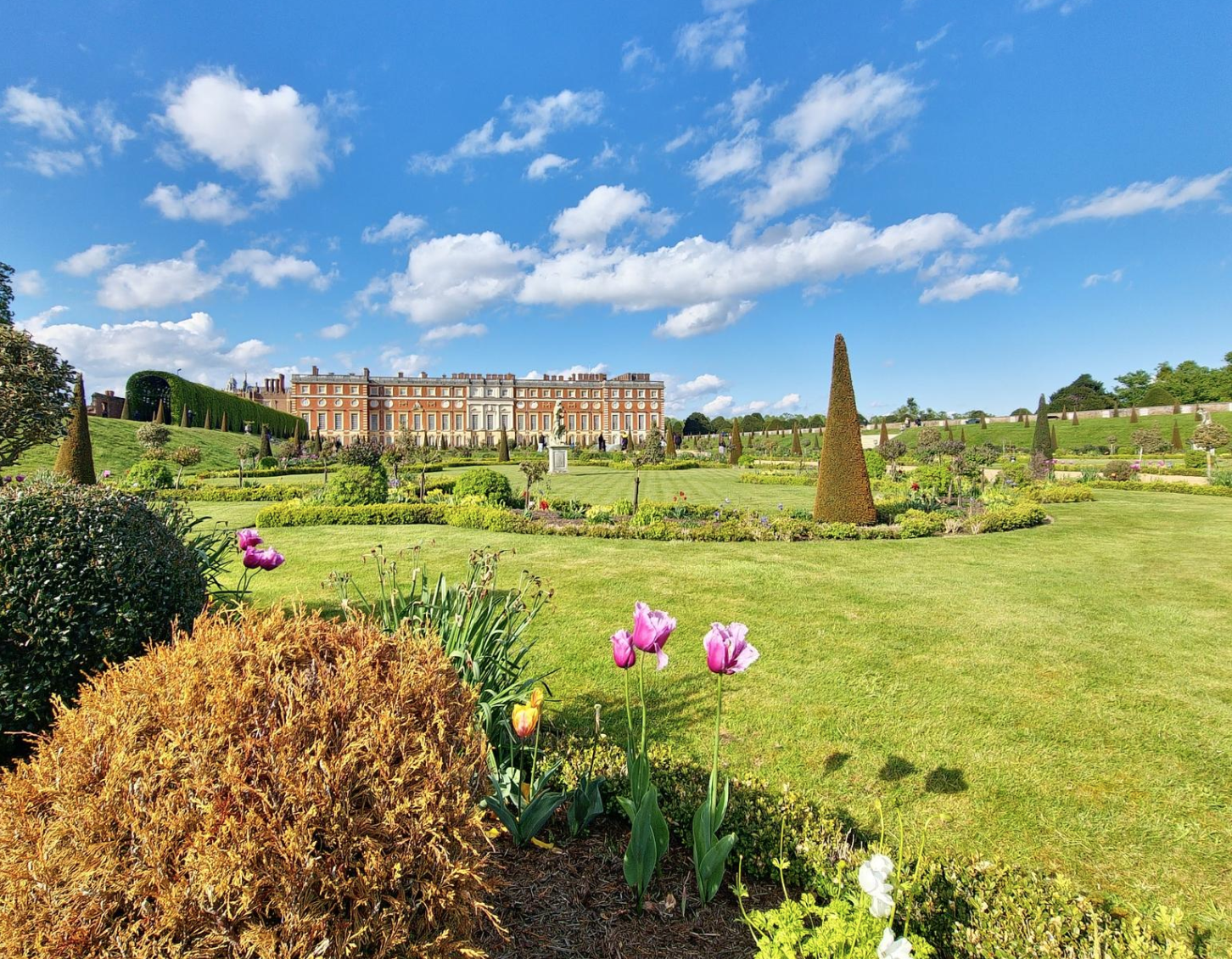
TfL Cycle Sundays - Kingston upon Thames
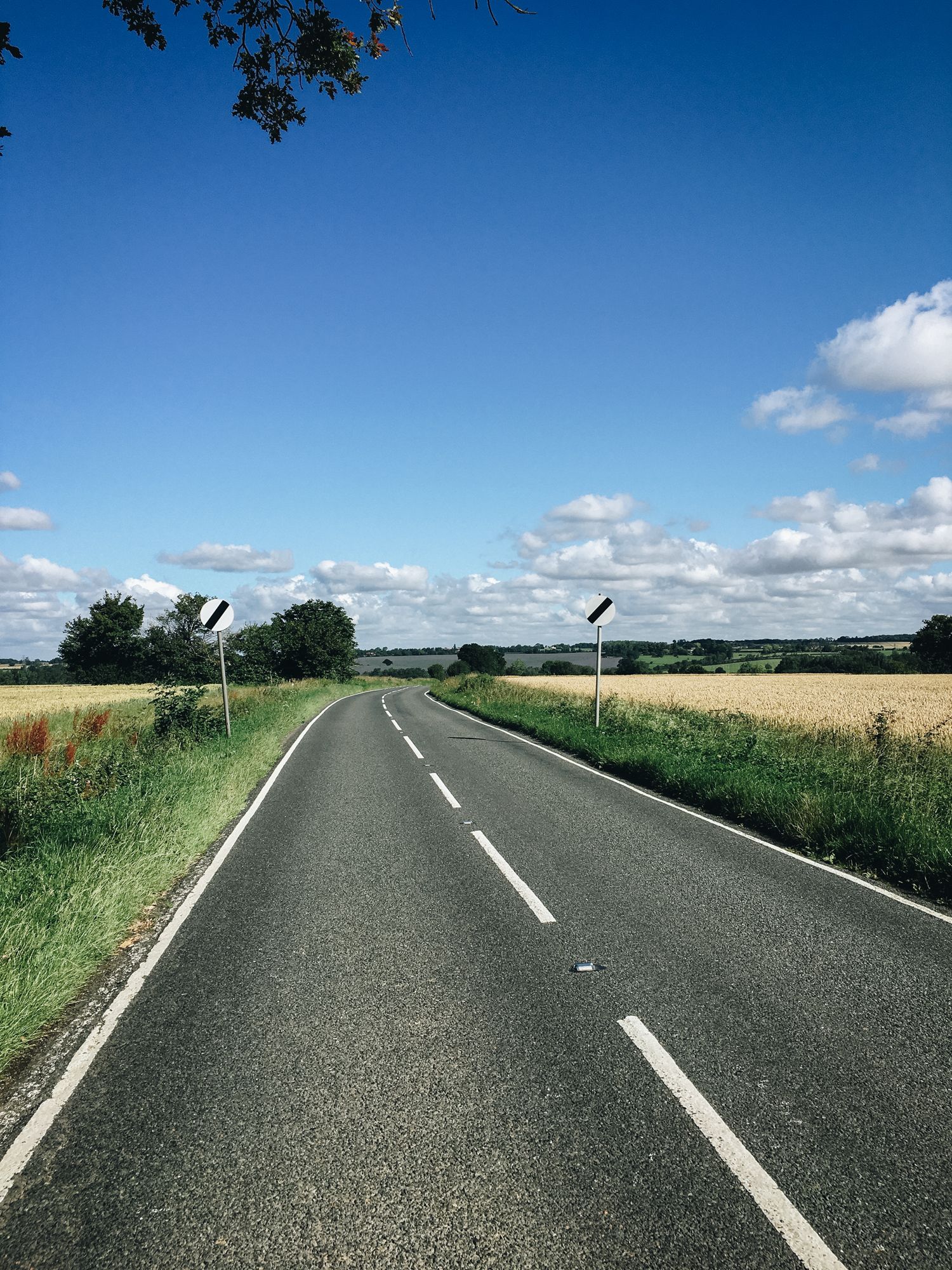
Clubhouse Rides (Road) — Rapha London
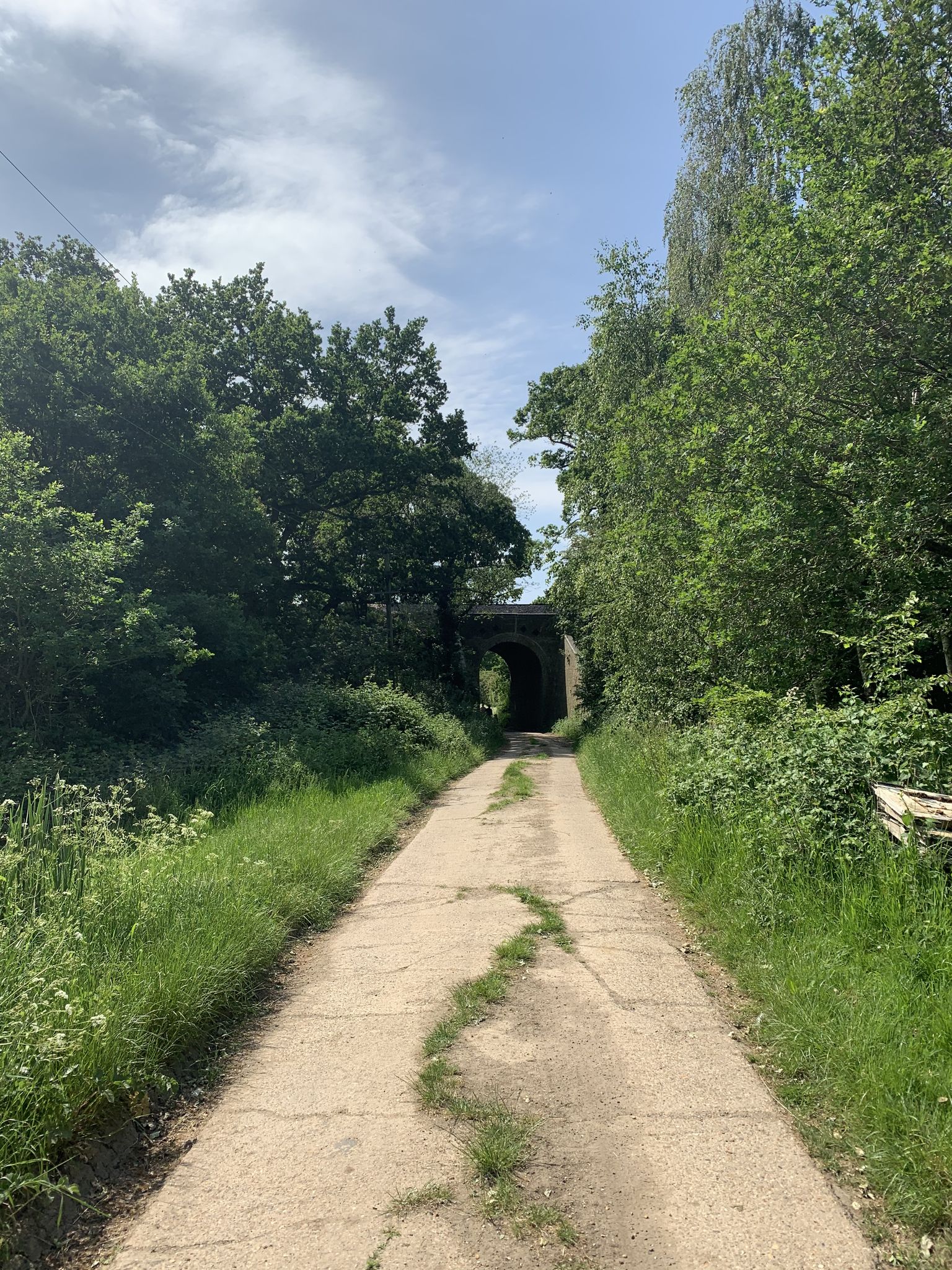
Gravel Clubhouse Rides — Rapha London
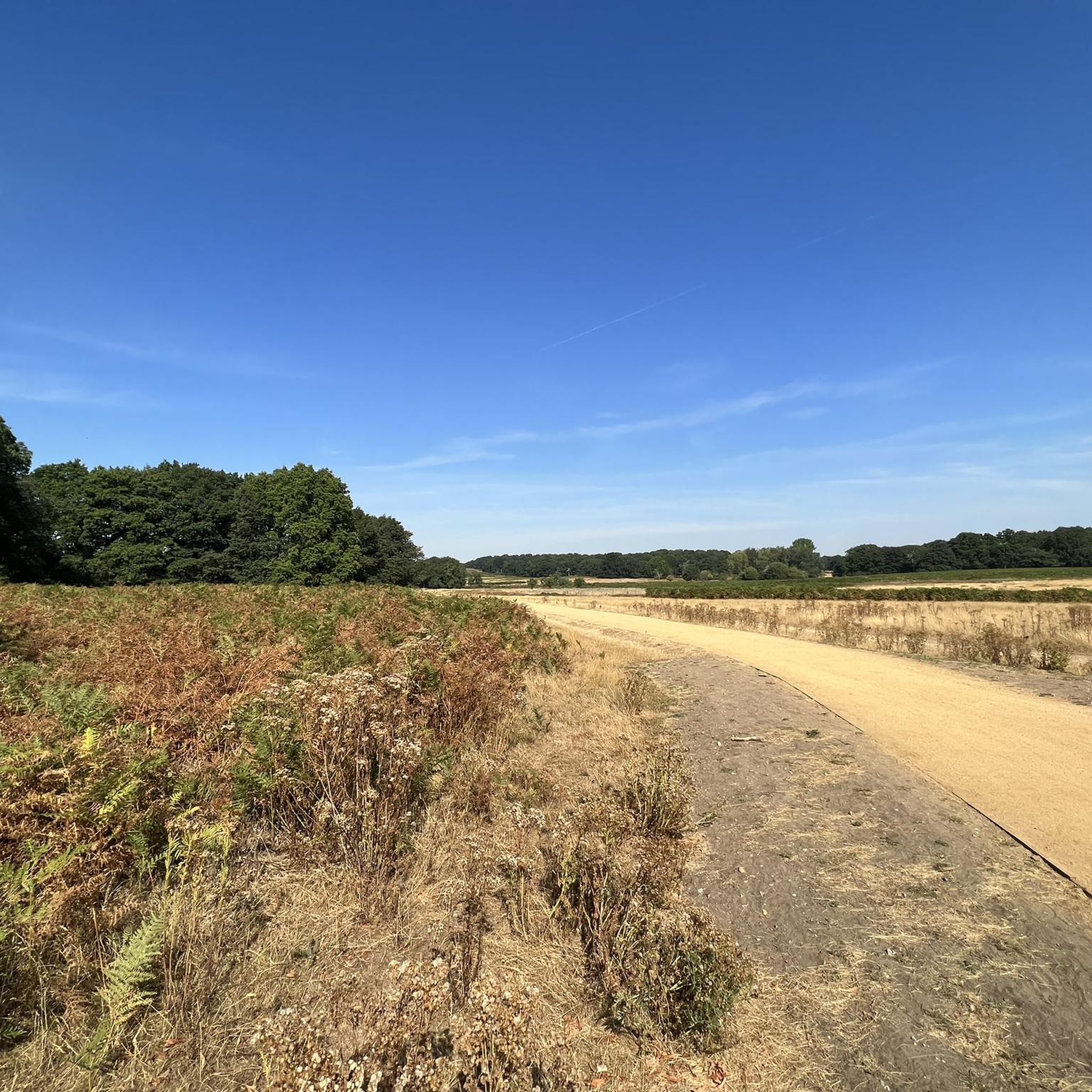
Running Trails around Richmond Park National Nature Reserve
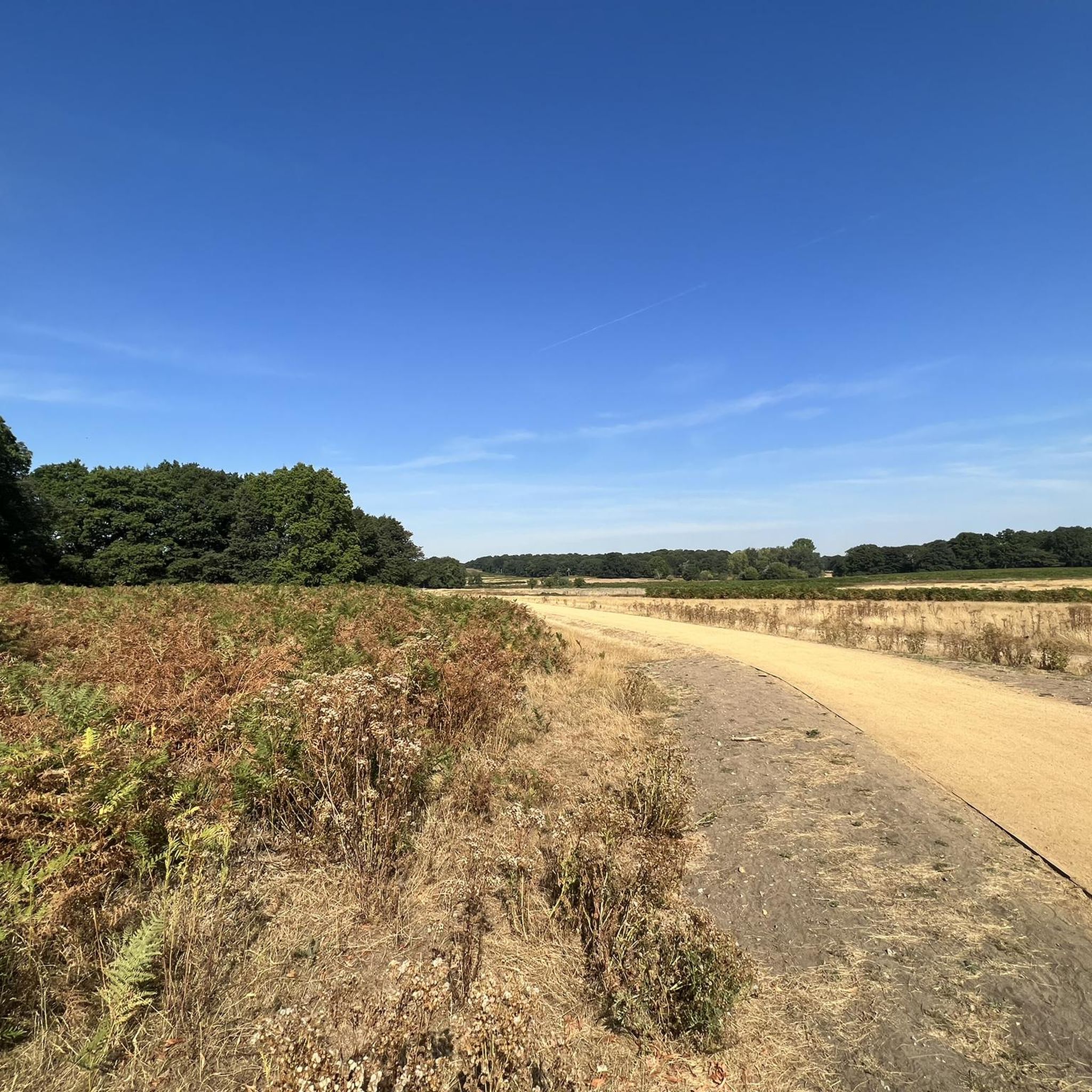
Cycling around Richmond Park National Nature Reserve
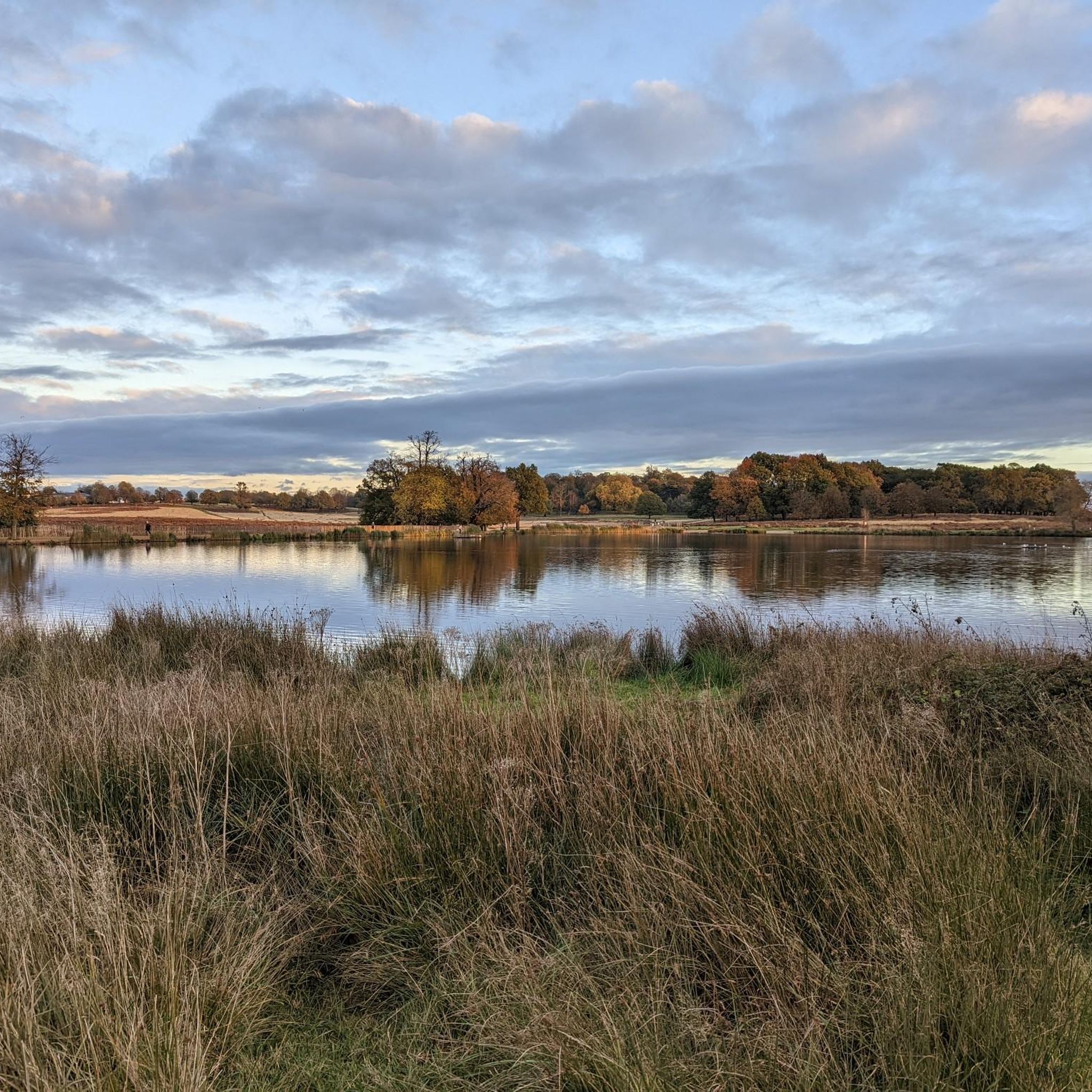
Road Cycling Routes around Richmond Park National Nature Reserve
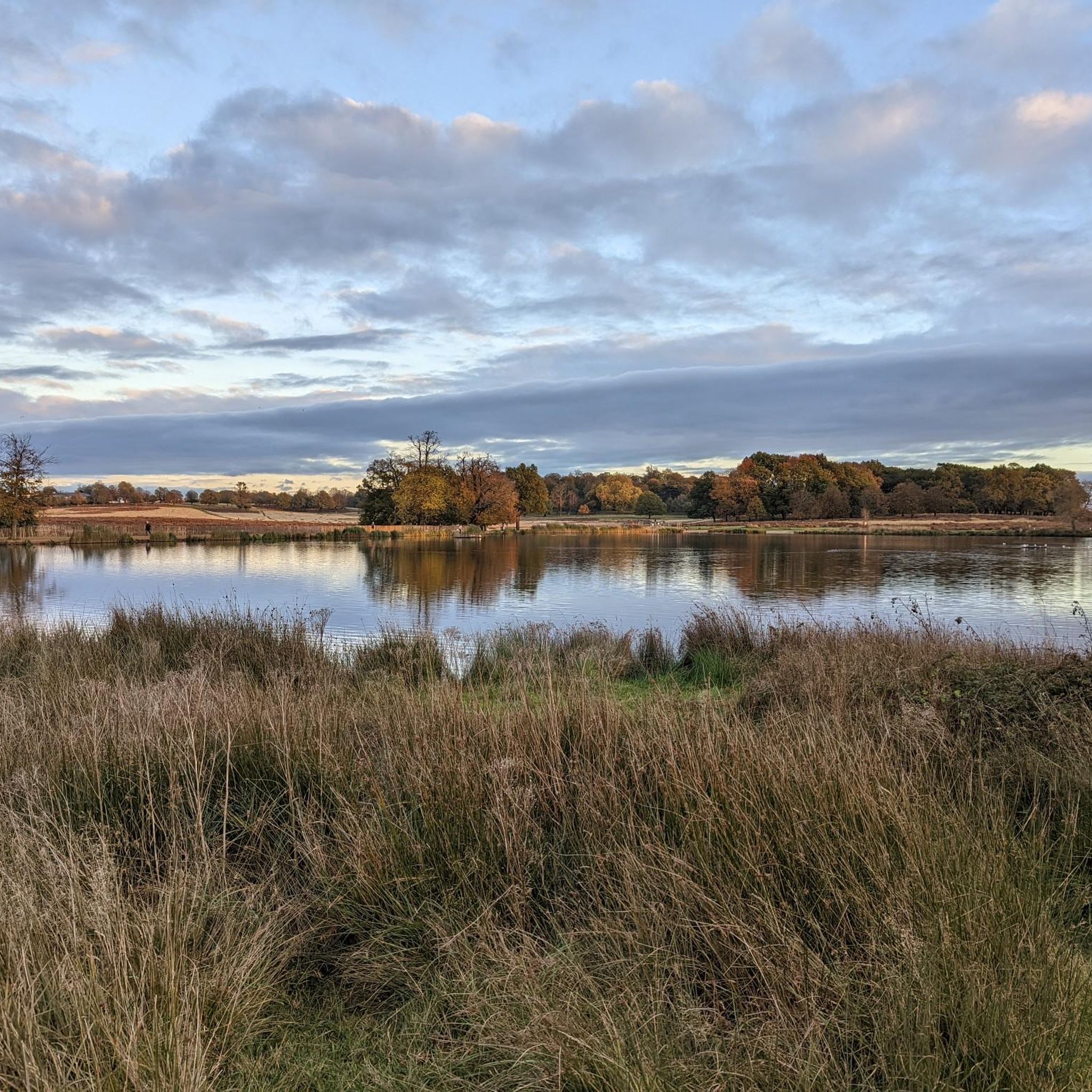
Hiking around Richmond Park National Nature Reserve

Gravel biking around Richmond Park National Nature Reserve
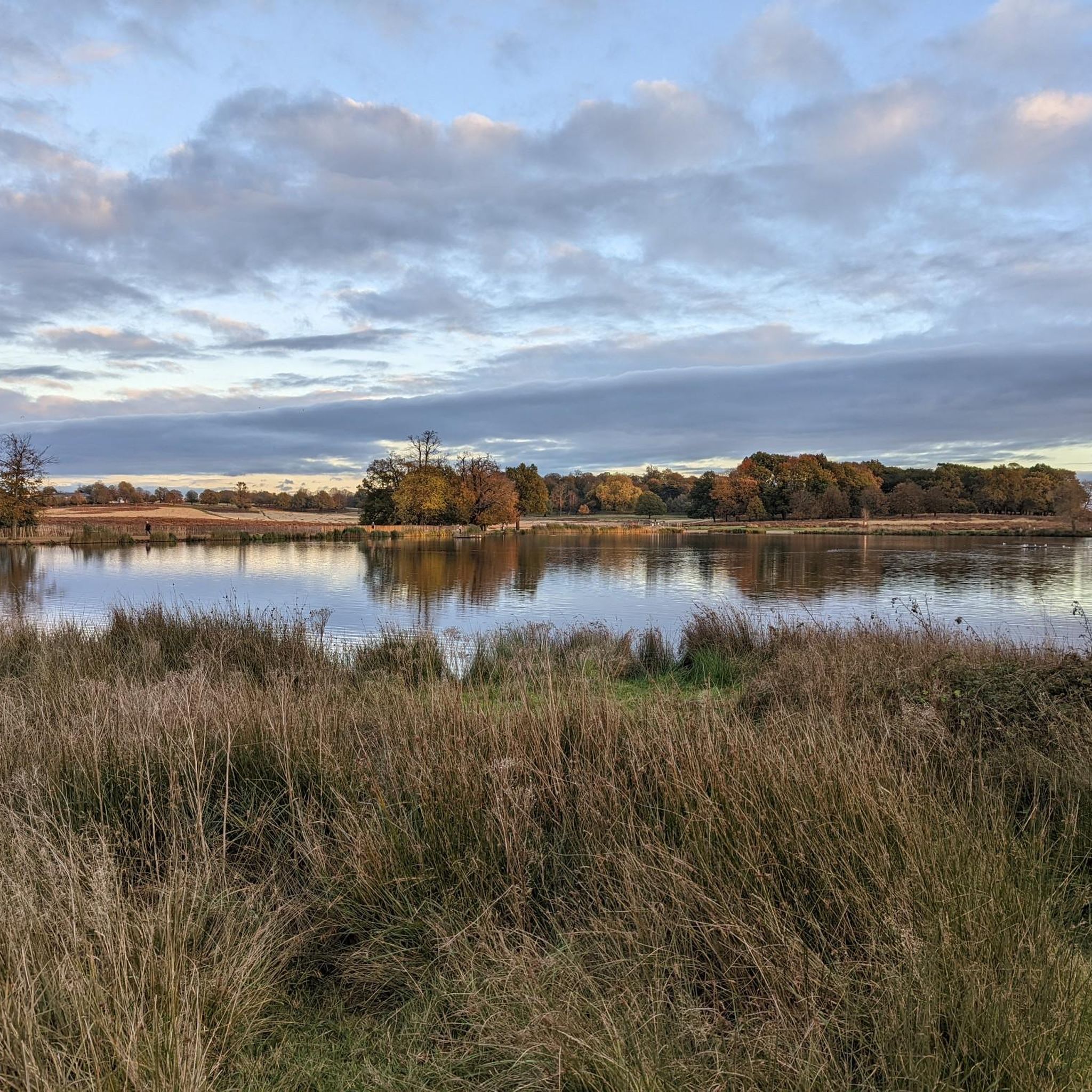
MTB Trails around Richmond Park National Nature Reserve
Other adventures around Richmond Park National Nature Reserve


Tips from the Community

Absolutely cool view of St. Paul's Cathedral through a tiny hole in the vegetation!!!! Absolute highlight!
0
0

Something of the most beautiful in Richmond Park: The Isabella Plantation. April and May are perfect.
0
0

If you visit during the week, this oasis of calm is likely to be very quiet. It’s incredibly good for the soul
0
0

Views to Saint Pauls cathedral, Windsor and Heathrow.
1
0

(Slight diversion off the Capital Ring route, but worth it). Reached through a gate to the gardens. It’s a prehistoric burial mound. Henry VIII was supposed to have stood here in 1536 looking for a flare from the Tower of London which would confirm Anne Boleyn was executed leaving him free to Mary Lady Jane Seymour. Extensive view to Berkshire and Surry. You can see the dome of St Pauls 10 miles away on a clear day through the gap in the trees - quite a sight! As you decend - you can catch a glimpse of Twickenham Rugby Stadium.
1
0

King Henry's Mound is a prehistoric burial chamber. The steep sides and elevated position make it a great viewpoint - King Henry VII is reported to have stood here while out hunting. If you're running a loop of Richmond Park, it's worth the short detour to admire the views, including the famous protected view of St. Pauls Cathedral.
2
0

Make sure you don't miss the Azaleas in full bloom! Usually in April or May. The beauty only lasts some 2 weeks, so timing is everything! Worth going early in the morning as it gets quite busy during the day.
0
0

Best not to visit on weekends if you don't want to be trapped in traffic jams.
1
0
Frequently Asked Questions
What are the most notable natural features to experience in Richmond Park National Nature Reserve?
Richmond Park is renowned for its diverse natural beauty. Key features include the free-roaming herds of red and fallow deer, ancient oak trees (some up to 750 years old), and the unique lowland acid grassland. Don't miss the vibrant Isabella Plantation, especially in spring, and the panoramic views from King Henry's Mound.
Can I see wildlife, particularly deer, in Richmond Park National Nature Reserve?
Yes, wildlife spotting is a major draw. Richmond Park is home to approximately 600 free-roaming red and fallow deer, which have been present since 1637. You can often see them grazing across the park, particularly around the areas highlighted in Deer in Richmond Park. Remember to maintain a respectful distance from all wild animals.
Are there family-friendly natural monuments or activities in Richmond Park National Nature Reserve?
Absolutely. Many natural monuments in Richmond Park are family-friendly. Observing the Deer in Richmond Park is a popular activity for all ages. The Isabella Plantation offers beautiful, accessible paths and ponds, perfect for a leisurely stroll. The view from King Henry's Mound is also easily accessible and provides a memorable experience.
What is the best time of year to visit the natural monuments in Richmond Park?
Each season offers a unique experience. Spring (April-May) is ideal for visiting the Isabella Plantation when its azaleas are in full bloom. Autumn (September-November) is spectacular for observing the deer rut and the changing colours of the ancient trees. Summer provides long days for exploring, while winter offers crisp views and a quieter atmosphere.
Are there walking or cycling routes that allow me to explore the natural monuments?
Yes, Richmond Park offers numerous routes. The Richmond Park Deer Loop is a popular cycling route that takes you through areas where deer are often seen. For walking, you can find various city hikes and dog-friendly hikes that pass by or near the natural monuments. There are also traffic-free bike rides available.
How accessible are the natural monuments for visitors with mobility considerations?
Many areas of Richmond Park, including paths leading to the Isabella Plantation and the viewpoint at King Henry's Mound, are generally accessible. The main roads within the park are paved, offering smooth surfaces. However, some of the smaller trails and areas where deer roam might be uneven or grassy. It's advisable to check specific route conditions if you have particular mobility needs.
What historical significance do the natural monuments in Richmond Park hold?
Richmond Park's natural monuments are deeply intertwined with its history. The ancient oak trees, some dating back to the 17th century, are remnants of the park's royal hunting ground origins under King Charles I. The free-roaming deer herds have been a constant presence since 1637. Even King Henry's Mound, while offering a natural vista, is a prehistoric burial chamber with historical tales associated with King Henry VIII.
Are there cafes or facilities near the natural monuments?
Yes, Richmond Park has several facilities. The Isabella Plantation has free toilets nearby. There are also cafes located within the park, such as Pembroke Lodge and Roehampton Cafe, which are accessible from various points and offer refreshments and facilities.
How long does it take to explore the main natural monuments?
The time required varies depending on how much you wish to explore. A focused visit to the Isabella Plantation might take 1-2 hours. To experience the deer and the view from King Henry's Mound, allow another 1-2 hours, depending on your starting point. A comprehensive tour of the park, including multiple natural monuments, could easily fill a half or full day.
What makes Richmond Park's natural environment so special?
Richmond Park is a unique natural haven, designated as a National Nature Reserve, a Site of Special Scientific Interest, and a European Special Area for Conservation. Its significance lies in its ancient landscapes, including the largest area of lowland acid grassland in London, which supports rare plants and ground-nesting birds. The park's ancient trees provide vital habitats for endangered fungi and invertebrates, making it a biodiversity hotspot.
Can I bring my dog to explore the natural monuments?
Yes, dogs are welcome in most areas of Richmond Park, but must be kept under control. There are specific dog-friendly hikes available. When near the deer, especially during rutting season (autumn) and birthing season (late spring/early summer), it is crucial to keep dogs on a lead for their safety and the safety of the deer. Always clean up after your dog.
Most popular routes around Richmond Park National Nature Reserve
Most popular attractions around Richmond Park National Nature Reserve

Get inspired with the komoot mobile app


