The best gravel rides around Higuera De Llerena
90
riders
6
rides
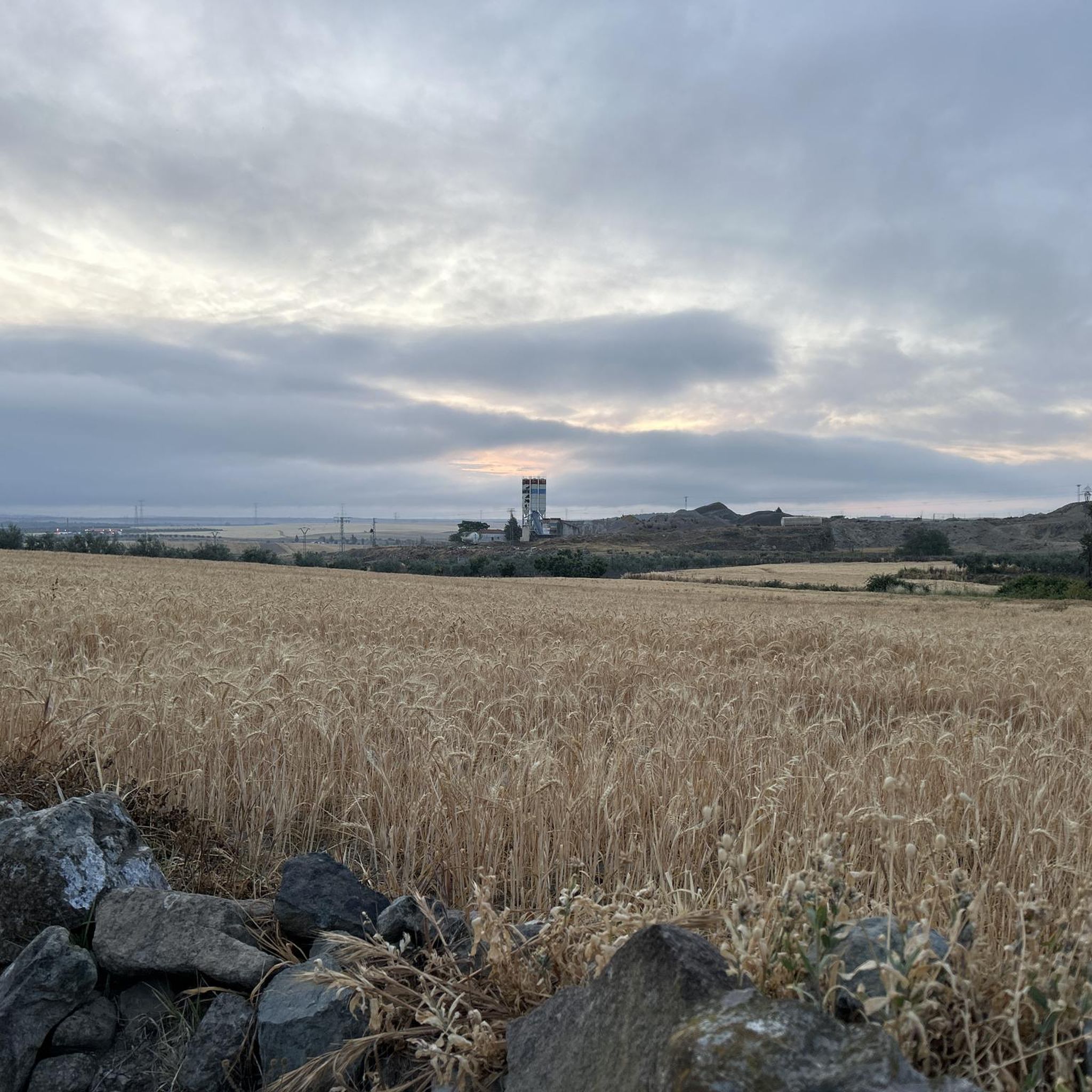
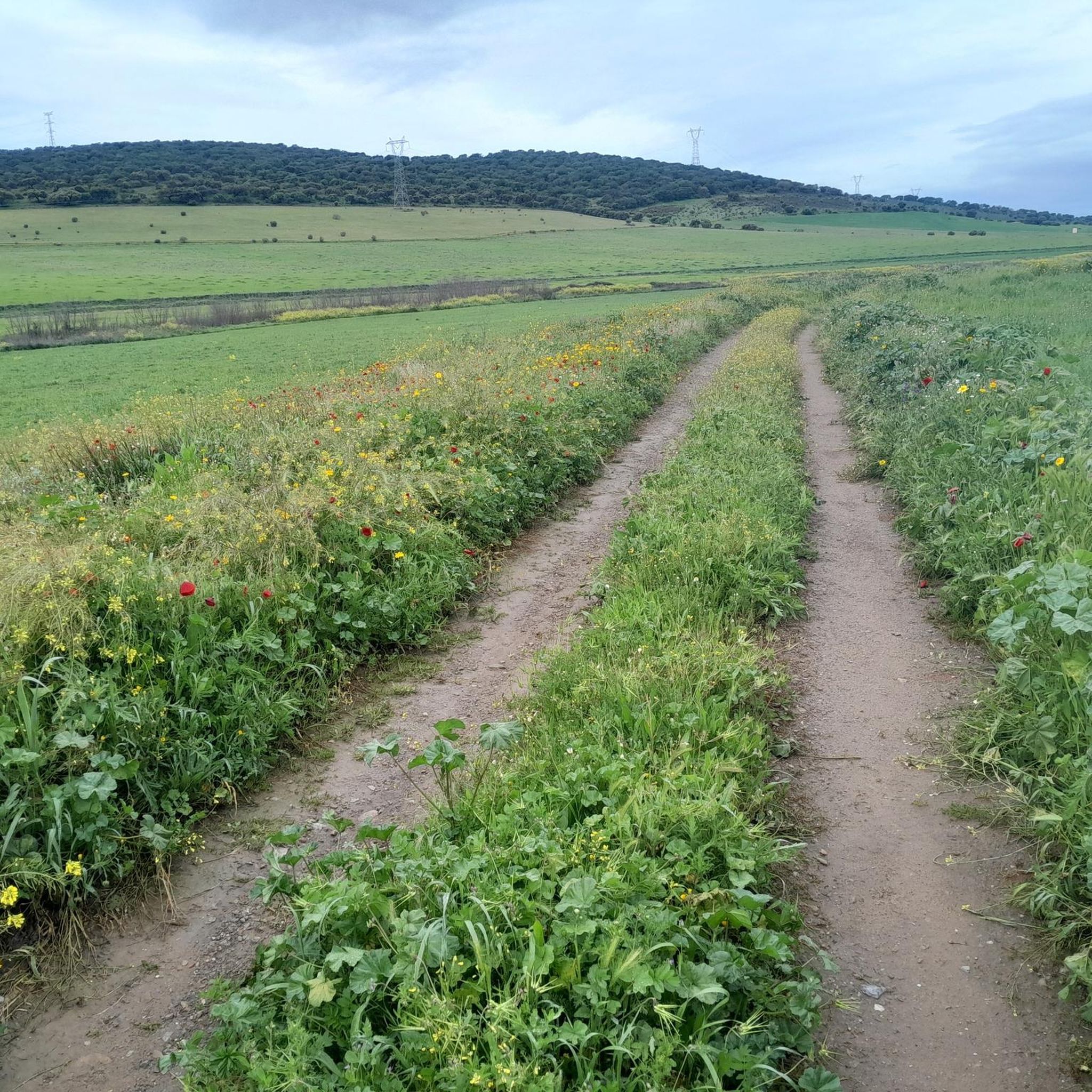
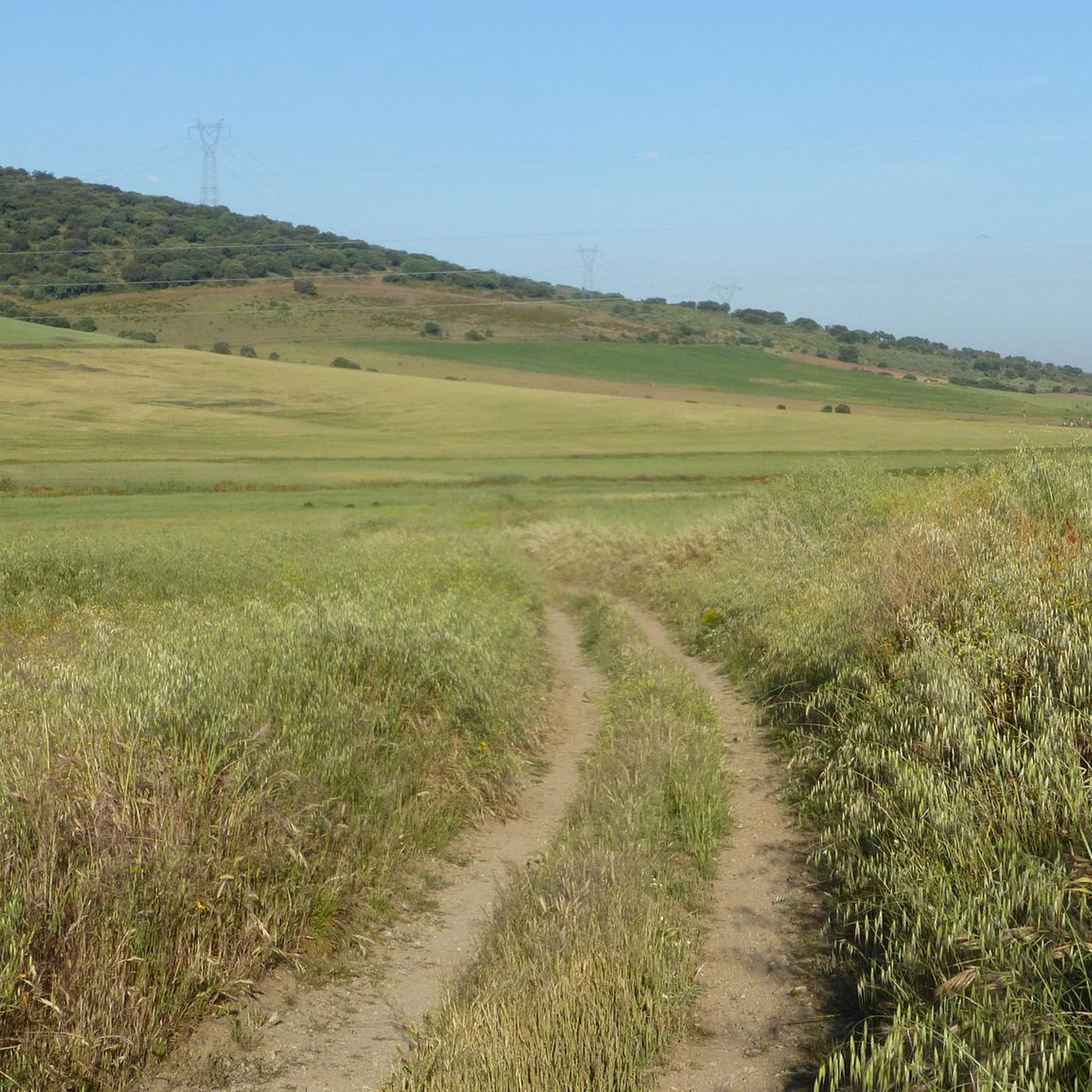
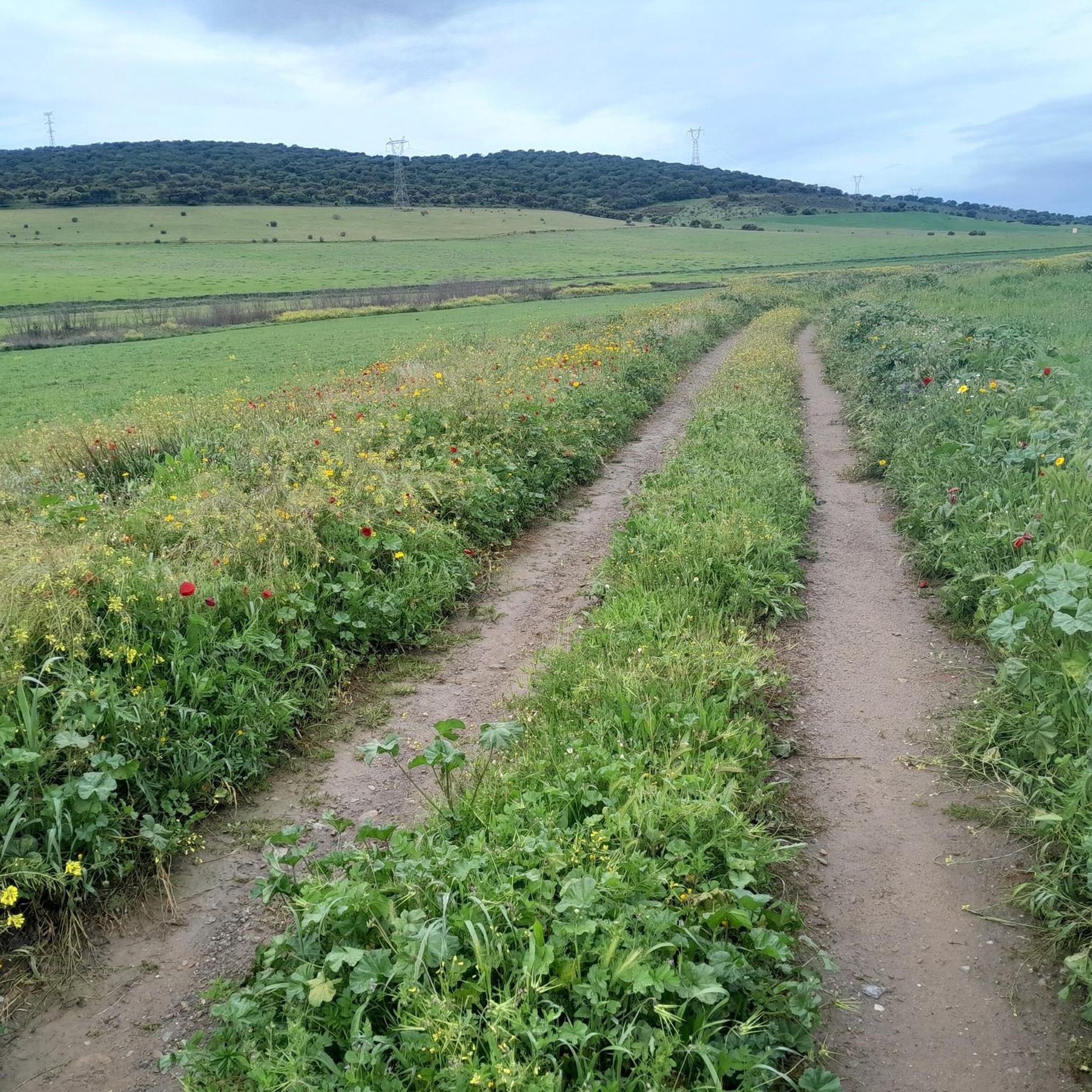
Gravel biking around Higuera De Llerena offers diverse landscapes at the foothills of the Sierra Morena, characterized by extensive oak pastures and the Dehesa ecosystem. The terrain features long gravel roads and varied elevation changes, suitable for combining road, mountain, and adventure cycling. Riders encounter a mix of rich clay soils and more rugged, rocky areas. The region's topography includes broad, fertile plains with gentle undulations, interspersed with holm oaks, cork oaks, and scrubland.
Best gravel bike trails around Higuera…
Last updated: July 3, 2026
53
riders
108km
07:47
700m
700m
Hard gravel ride. Very good fitness required. Mostly paved surfaces. Suitable for all skill levels.
12
riders
31.6km
02:22
200m
200m
Moderate gravel ride. Good fitness required. Mostly paved surfaces. Suitable for all skill levels.

Sign up for free
3
riders
70.5km
05:05
510m
510m
Hard gravel ride. Very good fitness required. Mostly paved surfaces. Suitable for all skill levels.
3
riders
73.8km
05:15
500m
500m
Hard gravel ride. Very good fitness required. Mostly paved surfaces. Suitable for all skill levels.
2
riders
86.9km
06:20
680m
680m
Hard gravel ride. Very good fitness required. Mostly paved surfaces. Suitable for all skill levels.
Our route recommendations are based on thousands of hikes, rides, and runs completed by other people on komoot.
Start today with a free account
Your next adventure awaits.
Login or Signup

Tips from the Community

The Church of Our Lady of Granada in Llerena is one of the most emblematic monuments of the city. Its construction began in the 14th century and continued until the 18th century, resulting in a mix of architectural styles including Gothic-Mudejar, Renaissance and Baroque. The façade combines Baroque and Mudejar elements. The lower level is Baroque, with an entrance door decorated with heraldic shields. The upper level, in the Mudejar style, features galleries of semicircular arches. The church tower is an impressive structure that dominates the square. The first two bodies are from the original Mudejar tower from the 14th century, while the three upper bodies, in the Renaissance style, were added in the 16th century.
4
0

A surprising church once you enter the center of Berlanga, not only because it contrasts with the white houses of the town but also because of its tower, which can be seen from afar.
0
0
The central square of Llerena is the nerve center of the nucleus where the social activity of the municipality is concentrated. The town, beautiful, is also surrounded by a wall that surrounds the town.
0
0

Undoubtedly the most striking and representative building of the town of Llerena, the Church was built between the fourteenth century and finished only in the eighteenth century. The original building is in the Gothic-Mudejar style with a multitude of private chapels attached to its naves and of the first only the Zapata or San Juan Bautista chapel and the Prior's chapel remain. It is also recommended to visit it inside and appreciate its frescoes and decorative symbols.
2
0
Surrounded by beautiful buildings with typical architecture of the area, the Plaza is the cultural and social center par excellence of the town of Llerena.
2
0
Frequently Asked Questions
How challenging are the gravel bike trails around Higuera de Llerena?
The gravel trails in this region offer a mix of challenges. While there is one moderate route, the majority (5 out of 6) are classified as difficult, indicating significant elevation changes and longer distances. The terrain varies from extensive oak pastures and rich clay soils to more rugged, rocky areas, providing a demanding experience for gravel bikers.
Are there any long-distance gravel routes for experienced riders?
Yes, for experienced riders seeking a long-distance challenge, the Llerena loop from Llerena covers over 107 km with nearly 700 meters of elevation gain. Another substantial option is the Plaza de España – Llerena loop from Maguilla, which is approximately 87 km long with similar elevation.
What kind of landscapes and natural features can I expect to see on the gravel trails?
The trails traverse diverse landscapes, including broad, fertile plains, gentle undulations, and extensive oak pastures (Dehesa ecosystem) with holm oaks, cork oaks, and scrubland. You might also encounter cereal fields, olive groves, and vineyards. Notable natural features in the wider area include the Púlpito del Diablo and the Arroyo Conejos reservoir.
Are there any historical sites or landmarks along the gravel biking routes?
While cycling, you can explore several historical and cultural attractions in the vicinity. Consider visiting the impressive Alcazaba de Reina, a fortress offering extensive views, or the ancient Roman city of Regina Turdulorum. The nearby town of Llerena also features the notable Church of Our Lady of Granada.
What is the best season for gravel biking in Higuera de Llerena?
The region is suitable for cycling for much of the year. Spring and autumn generally offer the most pleasant temperatures for gravel biking. Summers can be very hot, while winters are typically mild, making it possible to ride, though some sections might be affected by clay soils after rain.
Are there any circular gravel routes available?
Yes, all the gravel routes listed for Higuera de Llerena are circular. For example, the Llerena – Plaza de España loop from Llerena is a moderate 31.5 km option, perfect for a shorter ride.
Can I find family-friendly gravel biking options in the area?
Given that most routes are classified as difficult with significant distances and elevation, the immediate area around Higuera de Llerena might be more suited for experienced riders. However, the region's varied terrain means that shorter, less technical sections could be found for families with older children or those comfortable with some off-road riding.
Are dogs allowed on the gravel trails?
Generally, dogs are permitted on public trails in the Extremadura region, especially in rural and dehesa areas. However, it's always advisable to keep dogs under control, especially when passing through agricultural land or near livestock. Be mindful of local regulations and ensure your dog is well-behaved and doesn't disturb wildlife.
Where can I find parking for gravel biking trails?
While specific parking areas for each trail are not detailed, Higuera de Llerena and nearby towns like Llerena offer general public parking. It's recommended to park in designated town areas and start your ride from there, as many routes begin and end in or near these settlements.
Are there any cafes or pubs near the gravel biking routes?
Higuera de Llerena itself, and especially the larger nearby town of Llerena, offer various cafes, bars, and restaurants where you can refuel and relax after your ride. These establishments are typically found in the town centers, which often serve as starting or ending points for the routes.
What kind of wildlife might I encounter on the trails?
The Dehesa ecosystem and natural reserves like the Reserva Biológica de las Tiesas are rich in birdlife. You might spot cranes, storks, bustards, little bustards, and lesser kestrels. The rural setting also means you could encounter various other local fauna.
Is public transport available to access the gravel biking trails?
Public transport options directly to trailheads might be limited in this rural area. It's generally more convenient to access the region by car, allowing you to reach Higuera de Llerena or nearby towns like Llerena, which serve as common starting points for the gravel routes.
Most popular routes around Higuera De Llerena
Most popular attractions around Higuera De Llerena

Get inspired with the komoot mobile app


Explore more
Browse the best Gravel rides in other regions.
