Top 4 Castles around gmina gmina Mielnik
Best castles around gmina gmina Mielnik are found in a region characterized by its historical significance and natural landscape. The area is dominated by Castle Hill, rising 80 meters above the Bug River, which historically served as a strategic stronghold. Gmina Mielnik features over 60% forest cover, offering a blend of historical exploration and natural beauty. The remnants of early medieval fortifications and later castle structures provide insight into the region's past.
Best castles around gmina gmina Mielnik
- The most…
Last updated: July 2, 2026
Kasztelik Korona Podlasia
Highlight • Monument
Translated by Google •
Tip by

Ruins of the castle church in Mielnik
Highlight • Historical Site
Translated by Google •
Tip by

Sign up now to discover places like this
Get recommendations on the best single tracks, peaks, & plenty of other exciting outdoor places.
Sign up for free
Dr Irena Eris SPA at Janów Podlaski Castle
Highlight • Rest Area
Translated by Google •
Tip by

Start today with a free account
Your next adventure awaits.
Login or Signup

Tips from the Community

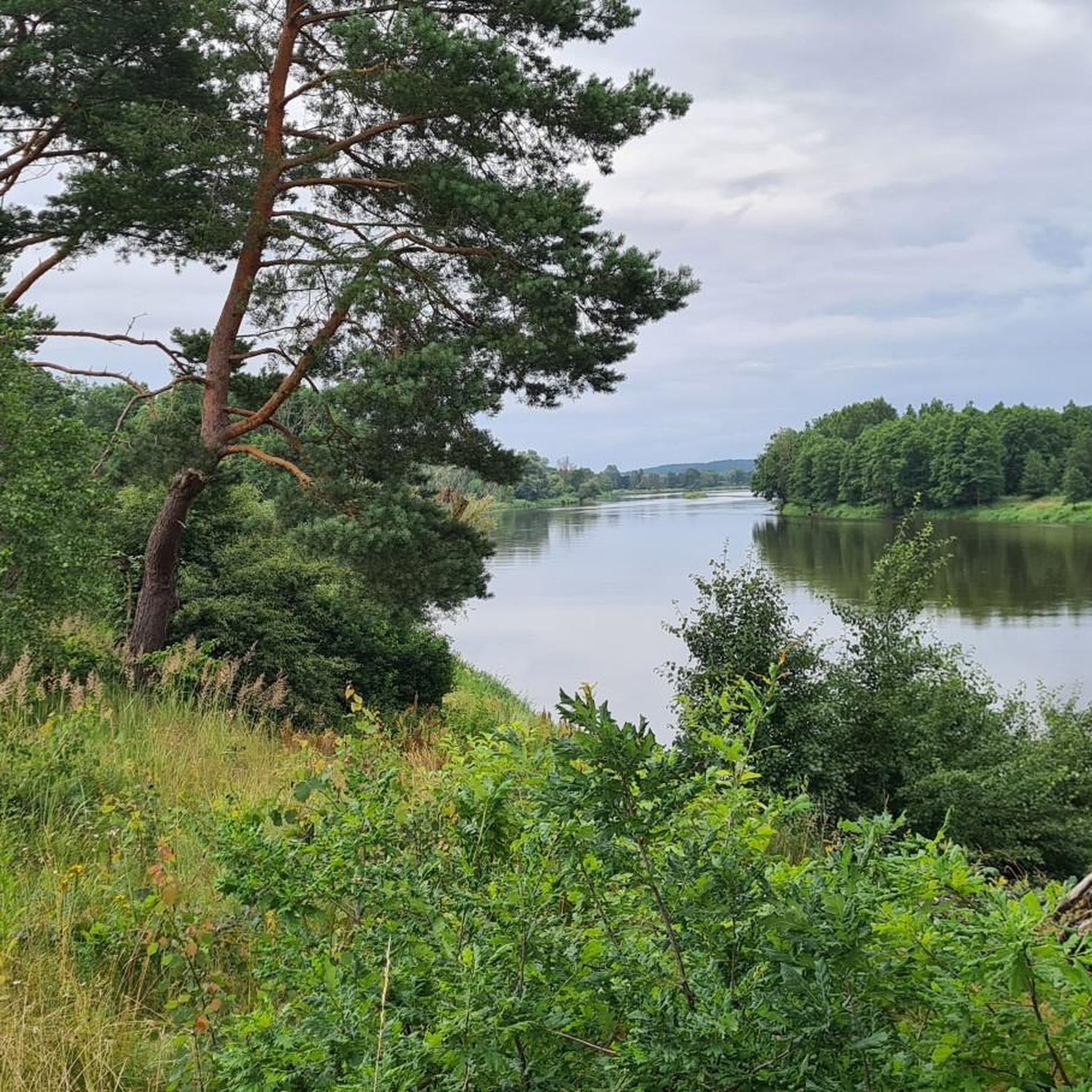
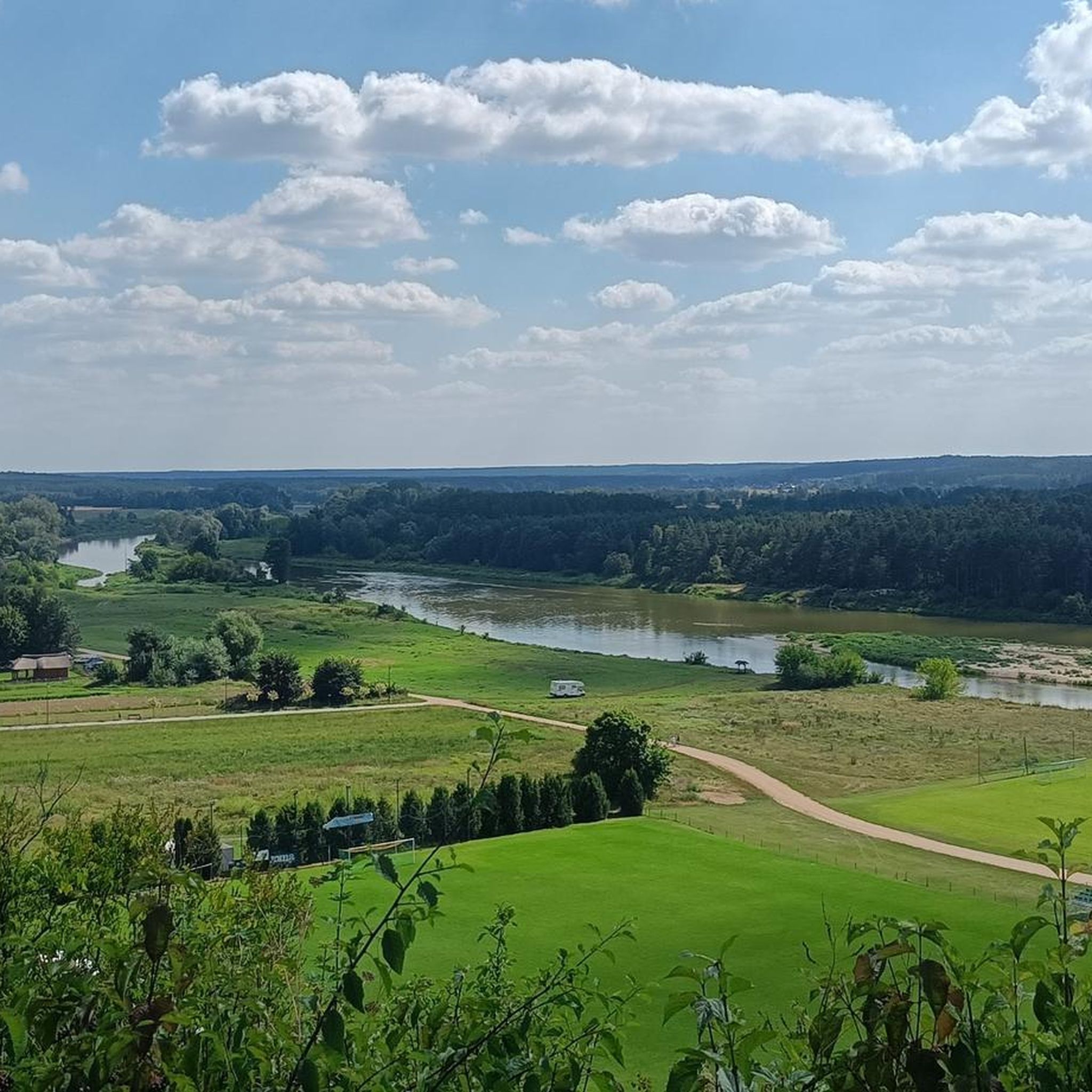
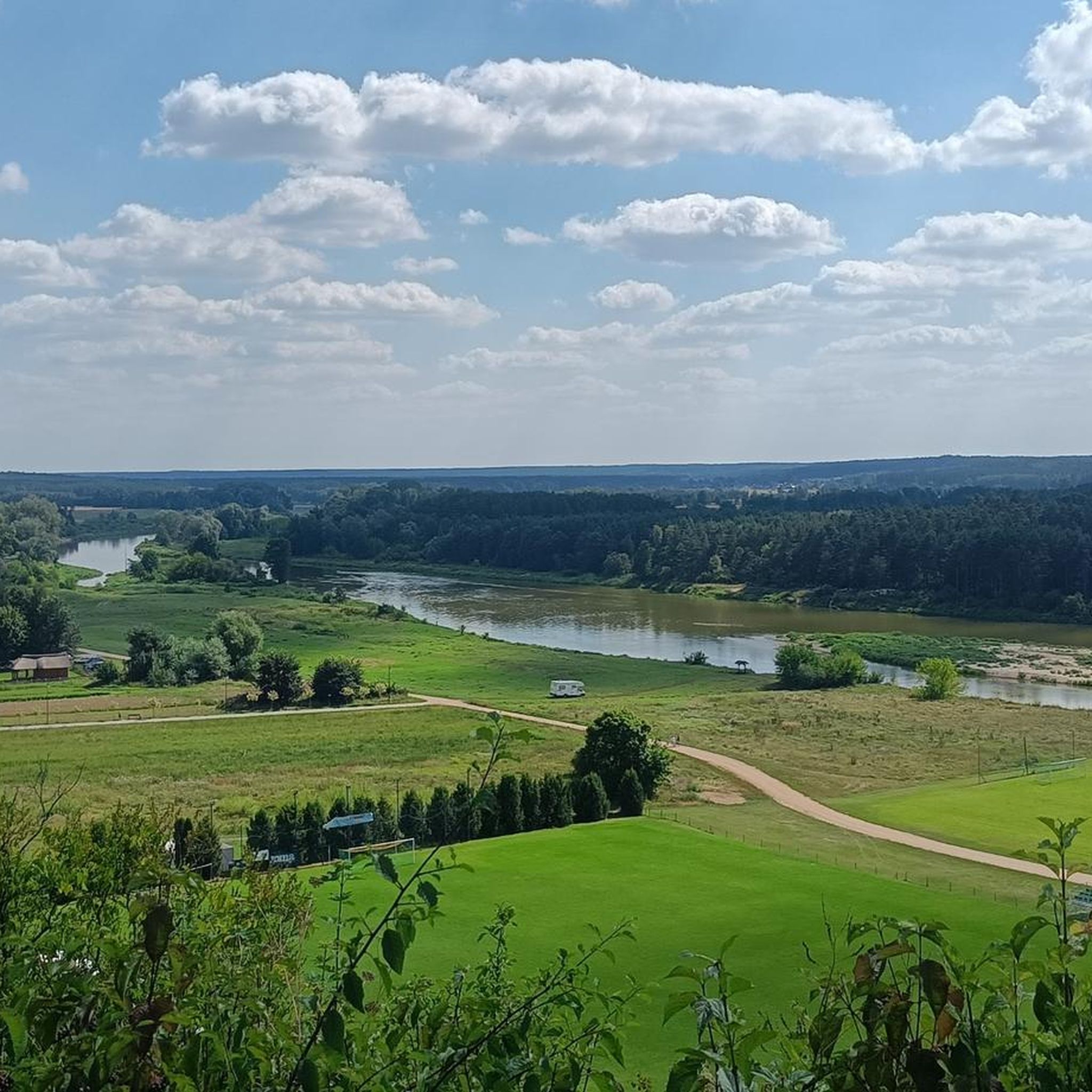
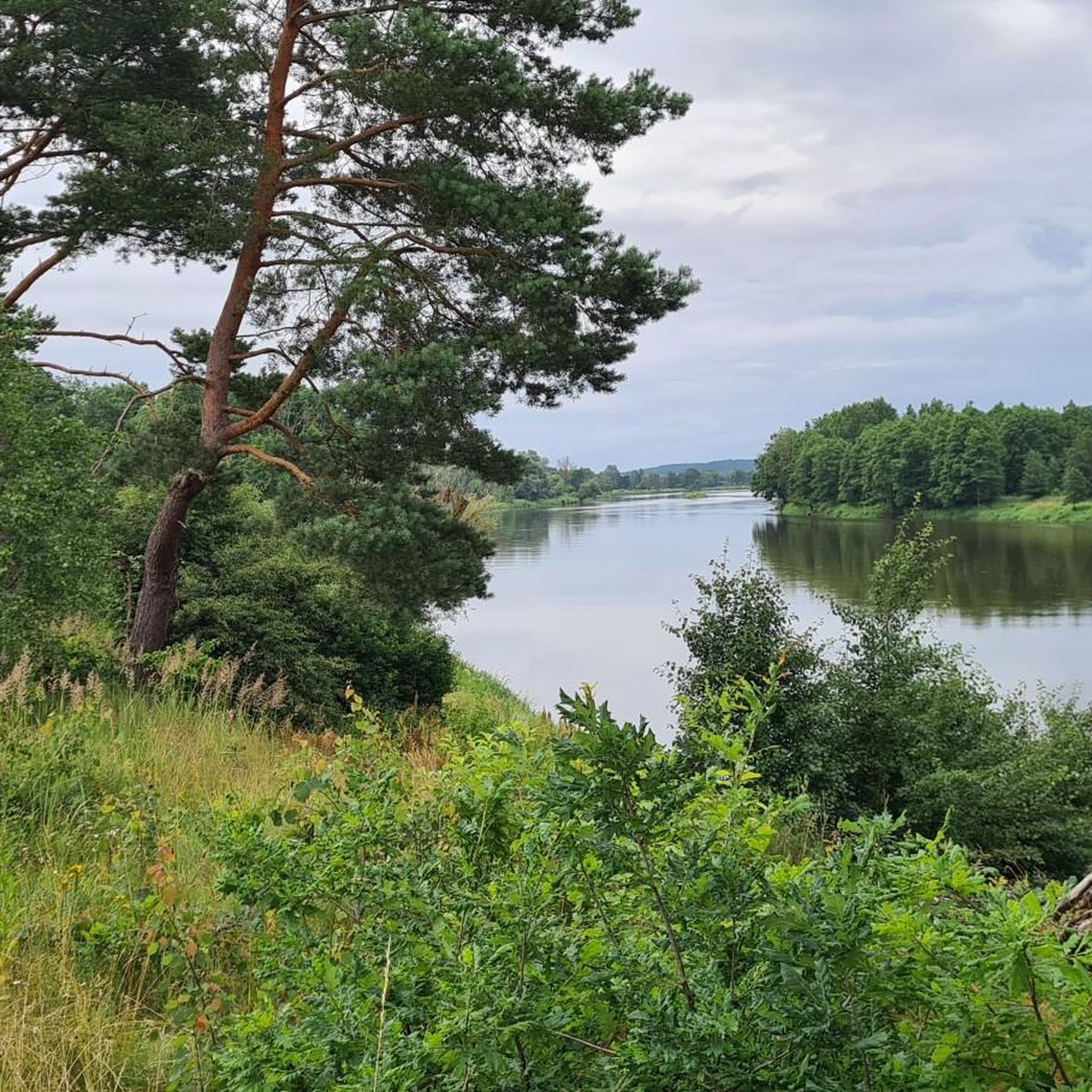
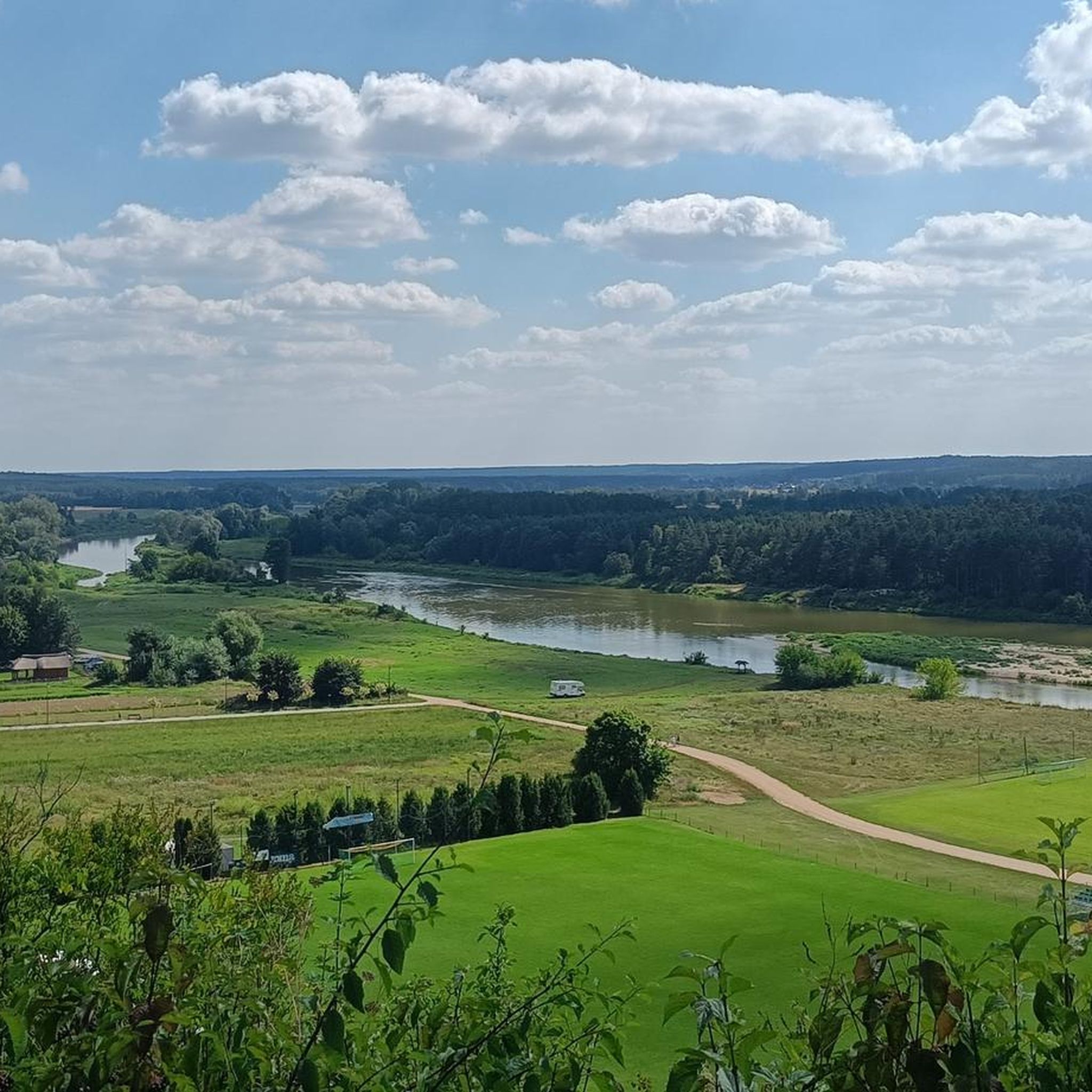
it's worth climbing the mountain next to it, there's a beautiful view
0
0

Location on route 640, Olendry, Siemiatycze, pay attention to forest parking lots (you can drive through), I got here from the footbridge, leaving route no. 19. There is a building here, from which you can admire an amazing view. The rest is individual taste. Mr. Jerzy, an art enthusiast, built this place. From my observation, it appears that tourists and natives like to visit this place.
0
0

At the foot of Góra Zamkowa are the ruins of the castle church, founded in 1420 by the Grand Duke of Lithuania Vytautas. The church was built next to the castle and served a defensive function. It is an oriented building, built in the late Gothic style, made of brick with the use of field stones. In the second half of the 16th century, the castle church was thoroughly rebuilt and re-consecrated in 1618. In 1657, the temple, together with the entire archive, burned down. After the wars, in 1669, its reconstruction began. It is likely that during the new consecration, the church's name was changed to the Holy Trinity. In 1851, the castle church was abandoned. After the January Uprising in 1866, it was closed for five years, and in 1871 it was transformed into an Orthodox church of the Holy Spirit. In 1915, the church burned down. Although it was returned to the Catholic parish as part of the restitution campaign in the interwar period, it was never rebuilt. In the interwar period, a chapel of St. Anthony was set up in the sacristy, which was destroyed in 1941. During this period, the walls of the church were also partially demolished. Currently, the ruins of the church are one of the most interesting tourist attractions in Mielnik. Near the ruins of the castle church, there is also a building of the former Catholic rectory. Like the church, the rectory is a brick building, plastered and erected on a fieldstone foundation. The fate of the building from around the second half of the 18th century is closely linked to the fate of the castle church. When the church was regained by the Catholic parish in the 20th century, the rectory became a place of residence for priests. Since the 1950s, it has served as a residential building for priests and as a catechetical house. The building has been unused since the 1970s.
0
0
amazing place, makes an impression! mini gallery inside!
0
0
Amazing place
0
0

The ruins of a church situated on what was once known as the Low Castle are located at the foot of the hillfort. The church was likely founded by Grand Duke Vytautas in 1420. It was destroyed and rebuilt numerous times during wars. It finally burned down in 1915. The first traces of human settlement in the Mielnik commune date back to the Neolithic period. The "gold" of that era, flint found in the chalk, attracted people here. Permanent settlement dates back to the 11th-12th centuries. The Mielnik hillfort was likely founded in 1038 during the expedition of Grand Prince Yaroslav of Kiev against the Yotvingians. The name Mielnik /Mielnica/ appears for the first time in the Ipatievsky Chronicle in 1240, when the Tatars destroyed the castle of Mielnik, and for the second time in 1260, where the Russian prince of Galicia-Volhynia, Danilo, prayed before the icon of the Savior Izbavnik /Christ the Savior and Redeemer/.
0
0

Great view of the Bug River with quite easy access. The ruins of the church are now neglected. Anyway, this is the most important viewpoint.
0
1
Frequently Asked Questions
What historical significance do the castle sites in Gmina Mielnik hold?
The primary historical site is Castle Hill in Mielnik, which was an early medieval stronghold from the 11th-12th century, later replaced by a castle in the early 14th century. It served as a strategic point overlooking the Bug River and was a princely stronghold and royal residence. Significant historical events, such as the Union of Mielnik and the Mielnik Privilege, were signed here in 1501. Today, you can explore the visible remains of fieldstone walls, a moat, and ramparts, along with the ruins of the castle church.
Can I visit the ruins of the historic Mielnik Castle?
Yes, visitors can explore the remnants of the Mielnik Castle on Castle Hill. You'll find fragments of fieldstone walls, a clearly visible moat, and ramparts. At the base of the old rampart, you can also see the Ruins of the castle church in Mielnik, which was founded before 1420 and played a defensive role alongside the castle.
Are there any unique castle-like structures or accommodations in the area?
Beyond the historical ruins, you can visit Kasztelik Korona Podlasia, a unique stone-built castle that is privately owned but open to visitors. For a more luxurious experience, the Dr Irena Eris SPA at Janów Podlaski Castle offers a hotel and SPA in a restored castle setting, ideal for a relaxing stay.
What kind of views can I expect from the castle sites?
Castle Hill in Mielnik offers wonderful panoramic views of the Bug River valley. It's an excellent spot to appreciate the natural beauty of the region while reflecting on its historical significance.
Are there family-friendly castle attractions in Gmina Mielnik?
Yes, both Kasztelik Korona Podlasia and the Dr Irena Eris SPA at Janów Podlaski Castle are considered family-friendly. Exploring the ruins on Castle Hill can also be an engaging historical adventure for families.
What outdoor activities can I combine with a visit to the castles?
The Gmina Mielnik area is rich in natural beauty, with over 60% forest cover. You can enjoy various outdoor activities, including hiking and running. There are several routes available, such as the "Winnica Korol Winery – Church of the Holy Spirit loop from Mielnik" or the "Saint Roch's Hill loop from Mielnik." You can find more options in the Hiking around gmina gmina Mielnik and Running Trails around gmina gmina Mielnik guides.
Are there easy walking routes around the castle sites?
Yes, there are easy walking routes available. For instance, you can find an "Easy walking route from Mielnik" or the "Saint Roch's Hill – Church of the Holy Spirit loop from Mielnik" which are suitable for a leisurely stroll. Check the Family-friendly hikes around gmina gmina Mielnik guide for more options.
What natural features are prominent around the castles in Gmina Mielnik?
The region is characterized by its natural beauty, particularly the Bug River valley. Castle Hill itself rises 80 meters above the Bug River, offering scenic views. The area boasts over 60% forest cover and several protected reserves, making it appealing for nature enthusiasts.
Is there a local museum or information center about the castles?
Yes, a local museum in Mielnik provides further information about the castle's history. It features artifacts like suits of armor, weapons, and paintings from the era, enhancing the understanding of the castle's past.
What is the best time to visit the castles in Gmina Mielnik?
While there's no specific 'best' time, visiting during spring or autumn often provides pleasant weather for exploring the outdoor ruins and enjoying the panoramic views. The surrounding natural beauty is also vibrant during these seasons. Summer offers warmer temperatures, ideal for combining castle visits with river activities.
Are the castle sites dog-friendly?
While specific regulations for each site may vary, outdoor areas like Castle Hill and its surrounding trails are generally suitable for dogs on a leash. Always ensure to clean up after your pet and respect any posted signs.
Most popular routes around gmina gmina Mielnik
Most popular attractions around gmina gmina Mielnik

Get inspired with the komoot mobile app


Explore more
Looking for the best castles somewhere else? Discover other guides around gmina gmina Mielnik:
