Top 5 Castles around gmina gmina Ośno Lubuskie
Castles around gmina gmina Ośno Lubuskie provide a look into the region's historical architectural sites, including castle ruins, palaces, and defensive walls. This area in Poland features structures with significant historical backgrounds, some dating back to the 14th century. The diverse collection of historical buildings in gmina gmina Ośno Lubuskie showcases various architectural styles and periods of development.
Best castles around gmina gmina Ośno Lubuskie
- The most popular castles is Großer Kietzer Tower (Baszta Wielka Chyżańska), Ośno Lubuskie, a…
Last updated: July 2, 2026
Lubień Palace Ruins
Highlight • Historical Site
Translated by Google •
Tip by

Sonnenburg Castle Ruins (Słońsk)
Highlight • Castle
Translated by Google •
Tip by

Sign up now to discover places like this
Get recommendations on the best single tracks, peaks, & plenty of other exciting outdoor places.
Sign up for free
Großer Kietzer Tower (Baszta Wielka Chyżańska), Ośno Lubuskie
Highlight • Monument
Translated by Google •
Tip by
Joannite House
Highlight • Historical Site
Translated by Google •
Tip by

Smołowa Tower
Highlight • Historical Site
Translated by Google •
Tip by

Sign up for free to discover even more castles around gmina gmina Ośno Lubuskie.
Sign up for free
Already have an account?
Start today with a free account
Your next adventure awaits.
Login or Signup
Popular around gmina gmina Ośno Lubuskie
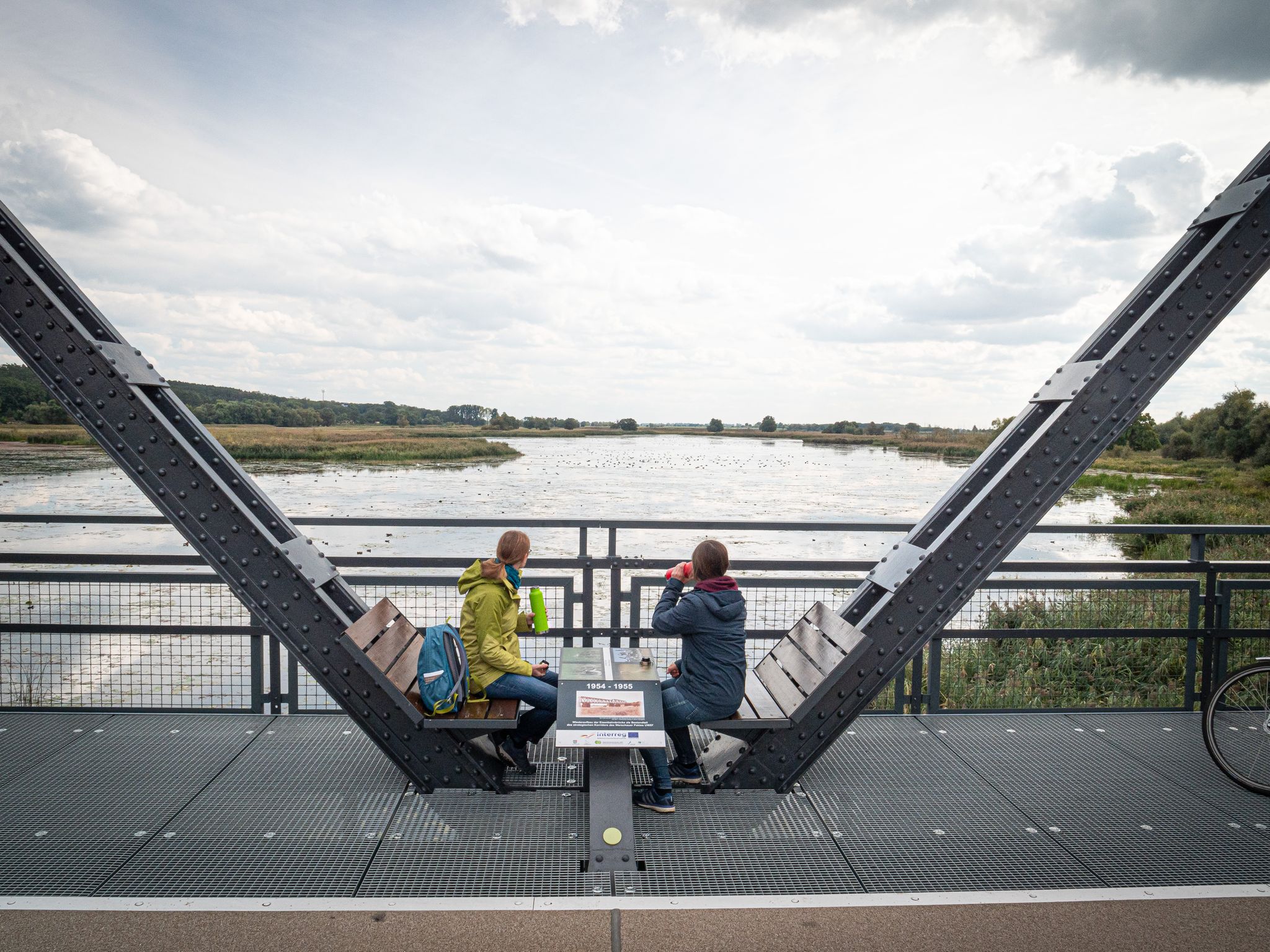
Travelling without boundaries – German-Polish cycling trips
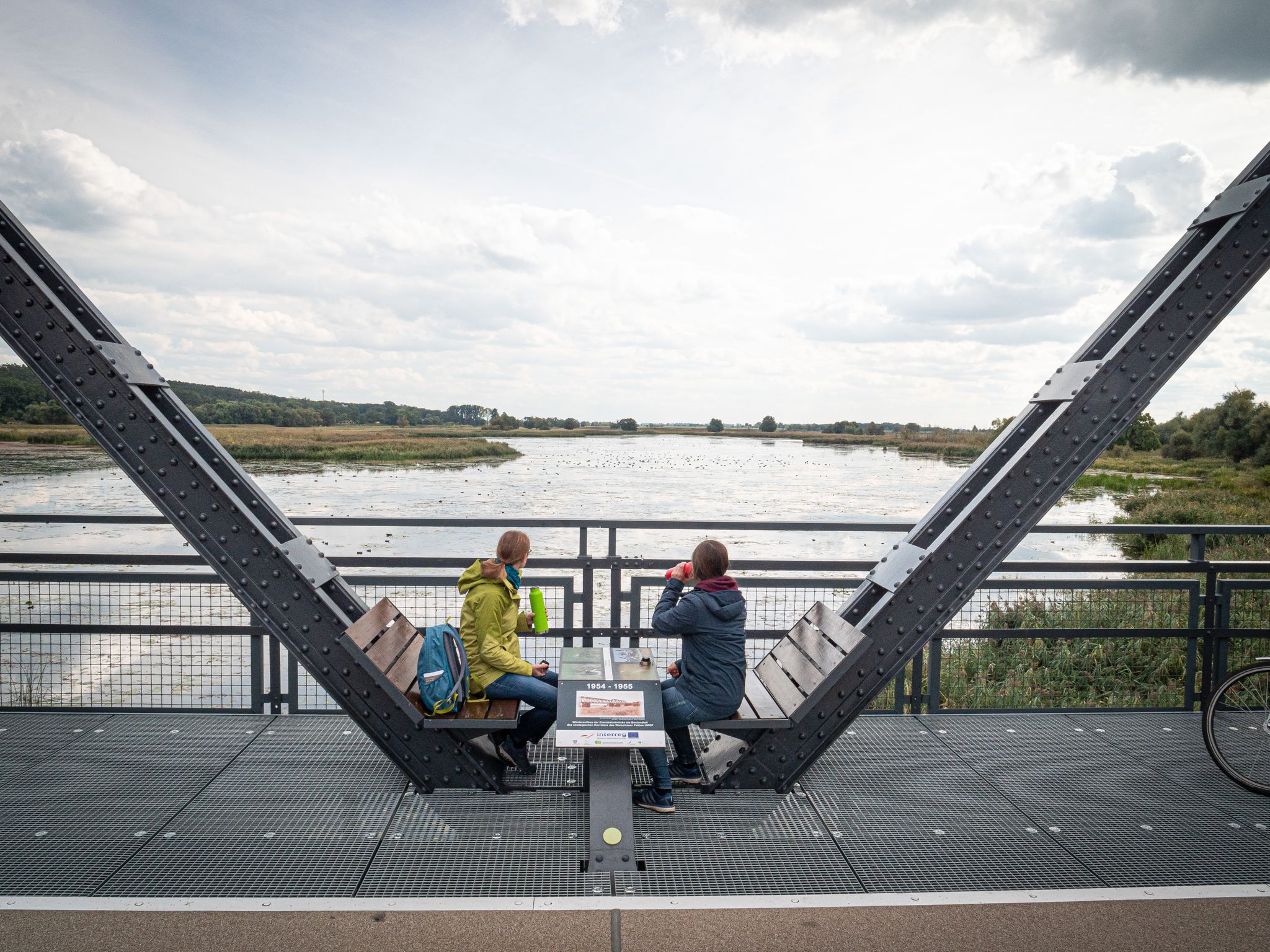
Grenzenlos unterwegs - Deutsch-Polnische Wander Ausflüge
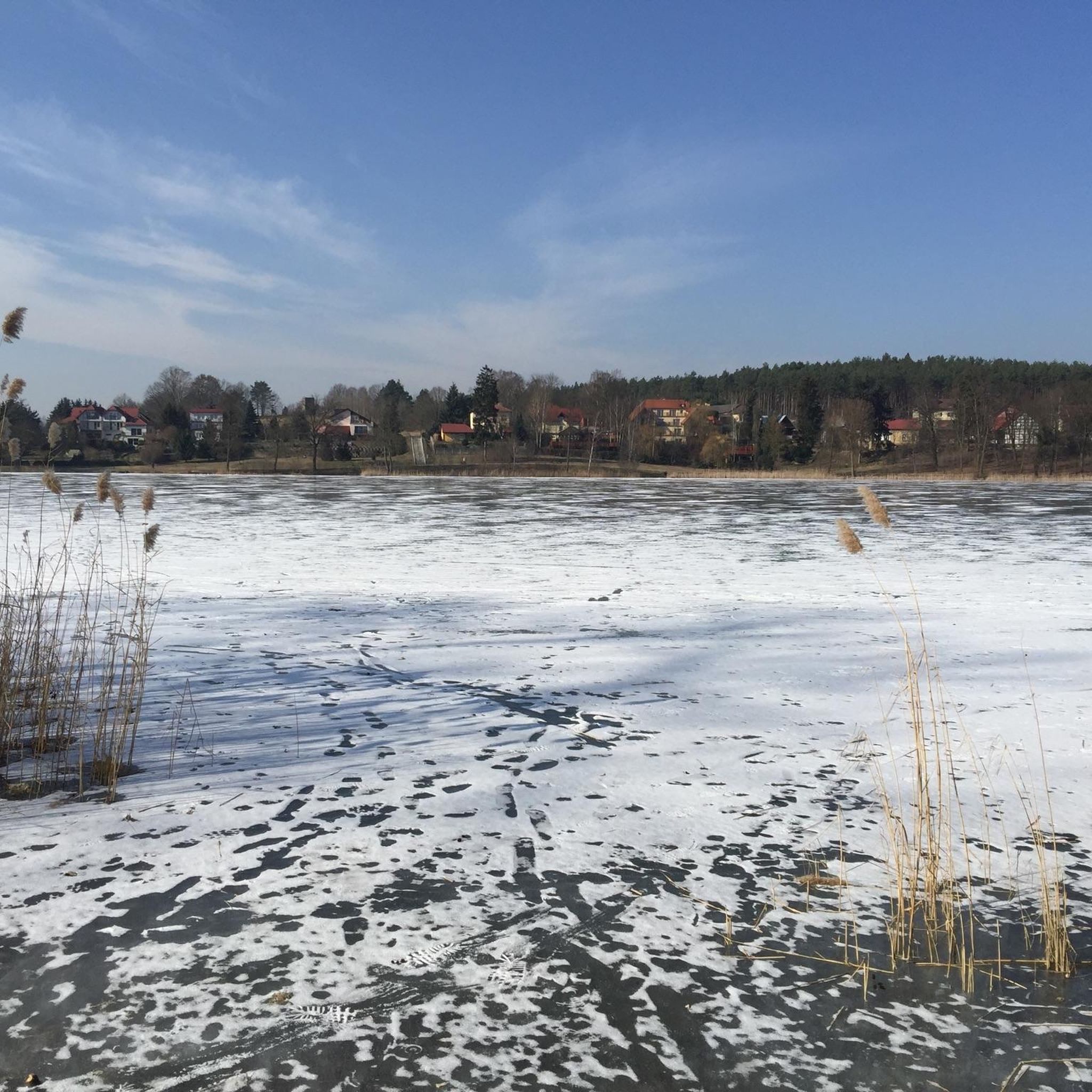
Hiking around gmina gmina Ośno Lubuskie
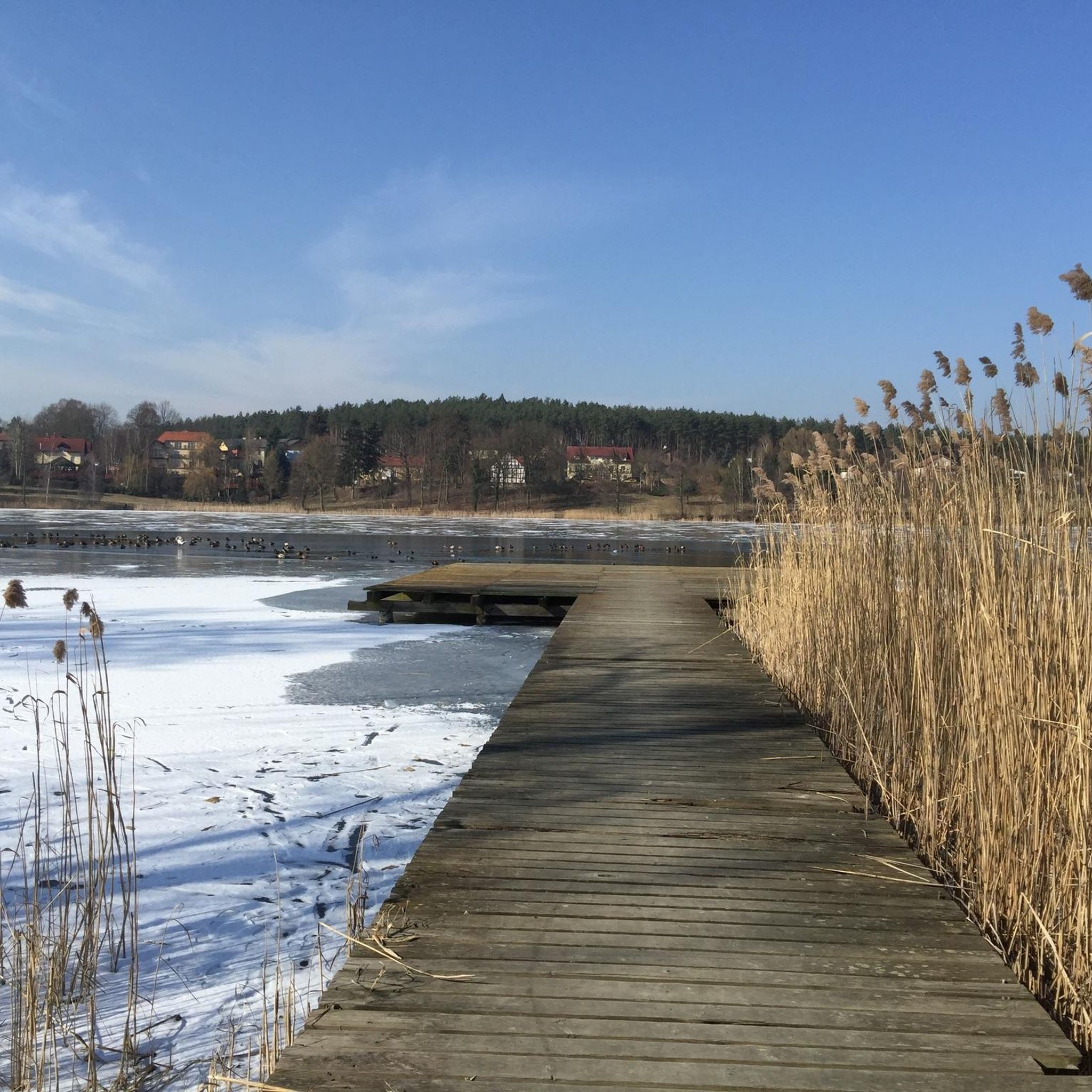
Road Cycling Routes around gmina gmina Ośno Lubuskie
Running Trails around gmina gmina Ośno Lubuskie
Cycling around gmina gmina Ośno Lubuskie
MTB Trails around gmina gmina Ośno Lubuskie

Gravel biking around gmina gmina Ośno Lubuskie
Other adventures around gmina gmina Ośno Lubuskie

Tips from the Community

Previously, the castle could be visited by appointment. Now it is open on Saturdays and Sundays from 10:00 a.m. to 3:00 p.m.
0
0

One of the towers in the city walls of Ośno Lubuskie. It is open from the city side. It has been preserved in an unchanged form and full height since the Middle Ages. Its lower part is made of stone, the upper part of brick.
2
0
The Tar Tower, also known as the Watchtower, was built of stones and bricks. It is open from the city side.
2
0

The original manor house from the 2nd half of the 18th century. The palace is located in the south-eastern part of the town. The whole is situated on a plot of 52,500 m2. The building was built on a rectangular plan, two-storey, partially basemented with a usable attic. The entrance is preceded by a quadrangular porch with a balcony. In the side elevation (northern), in the right corner there is a cylindrical tower, finished with a terrace and a conical spire, while in the left corner there is a projection with a protruding, separated part of the roof slope. In 1997, the roof covering, window and door joinery were replaced.
0
0
The palace was an element of the entire farm complex established in the 17th century. The owners were the von Selchow family. The palace was expanded at least three times in the period from the mid-17th century until 1900. It is a large building on a rectangular plan, two-storey, with a basement and an attic. A tower was added in the north-western part. After the war, the palace was managed by the local State Agricultural Farm. Currently, the palace is in private hands. The new owner of the building secured the palace from devastation by replacing the roof covering in 1997, but did not complete the renovation.
1
0
The House of the Saint John is the building with the oldest history in the city. The first mention of it dates back to 1351. The current building is much younger. It was built at the turn of the 18th and 19th centuries on the foundations of an earlier half-timbered building. After the secularization of the Saint John order in 1810, the building passed into state hands. It served residential purposes, and after 1945 it housed municipal apartments. In 1978, the building was abandoned and fell into ruin. In 2008, the building underwent a major renovation, which significantly changed its appearance. Currently, it houses the Centre for Polish-German Cooperation.
0
0

The almost completely preserved defensive walls from the 14th and 15th centuries enclose the old town over a length of 1350 meters with originally 12 towers; they are made of rock and were supplemented with bricks. Only the foundations of the two city gates (Frankfurter Tor and Zielenziger Tor) remain.
3
0

Historical buildings worth seeing but unsecured.
3
0
Frequently Asked Questions
What historical sites, beyond traditional castles, can I explore in Gmina Ośno Lubuskie?
Beyond traditional castles, Gmina Ośno Lubuskie offers a range of historical architectural sites. You can explore the remarkably well-preserved Town Defensive Walls of Ośno Lubuskie, which include the intriguing "Thieves' Tower." The Lubień Palace showcases an eclectic architectural evolution, and the Manor House in Grabno, though privately owned, features a distinctive cylindrical tower and historic park.
Which historical sites offer insights into the region's medieval past?
For a glimpse into the medieval past, visit the Großer Kietzer Tower and the extensive defensive walls in Ośno Lubuskie, which date back to the early 14th century. The Sonnenburg Castle Ruins also have roots in the 14th century and were a significant center for the Order of St. John.
Are there any family-friendly historical attractions in Gmina Ośno Lubuskie?
Yes, the Joannite House is noted as family-friendly and wheelchair accessible. While not a castle, it's a historical building with a long history, now serving as the Centre for Polish-German Cooperation. Exploring the Town Defensive Walls of Ośno Lubuskie can also be an engaging activity for families, offering a walk along medieval fortifications.
Can I learn about the Order of St. John in this region?
Yes, the Sonnenburg Castle Ruins (Słońsk) are deeply connected to the Order of St. John. The Order acquired the town and castle in 1426 and ran the Balley from there for centuries. Visitors can explore the ruins and learn about its historical significance through exhibitions.
What outdoor activities can I do near the historical sites in Gmina Ośno Lubuskie?
The region around Gmina Ośno Lubuskie offers various outdoor activities. You can find numerous routes for gravel biking, cycling, and running. Many of these routes pass by or are close to historical landmarks like the Joannite House and the Smołowa Tower, allowing you to combine historical exploration with active recreation.
Are there any preserved defensive structures I can visit?
Absolutely. The Town Defensive Walls of Ośno Lubuskie are remarkably well-preserved, with approximately 1,350 meters remaining. You can walk along significant portions of these walls, which include 12 bastions and 3 cylindrical towers, such as the Smołowa Tower.
What is the best time to visit the castles and historical sites in Gmina Ośno Lubuskie?
The best time to visit is generally during the warmer months, from spring to early autumn, when the weather is pleasant for exploring ruins and walking along defensive walls. Some sites, like the Sonnenburg Castle Ruins, have specific opening hours on weekends, so checking ahead is advisable.
What architectural styles can I expect to see among the historical buildings?
The historical buildings in Gmina Ośno Lubuskie showcase a range of architectural styles due to centuries of evolution and rebuilding. For instance, the Lubień Palace features an eclectic style, while the defensive walls and towers of Ośno Lubuskie represent medieval military architecture. The Manor House in Grabno also exhibits an eclectic design with a distinctive cylindrical tower.
Are there any historical sites that are currently undergoing renovation or being adapted for new uses?
Yes, the Manor House in Grabno has been privately owned since 2002 and is undergoing renovation to be adapted into a guesthouse and hotel, suggesting future accessibility for visitors. The Lubień Palace also saw significant renovations in 1997, though it remains privately owned.
What do visitors enjoy most about the historical sites in Gmina Ośno Lubuskie?
Visitors appreciate the sense of history and the visual grandeur, even in ruins. The extensive preservation of the Town Defensive Walls of Ośno Lubuskie allows for unique historical walks and panoramic views. The Sonnenburg Castle Ruins offer a powerful visual of past splendor and destruction, complemented by exhibitions.
Are there any historical sites with preserved interior elements?
The Lubień Palace, despite being privately owned, has some original stucco work, polychrome, and wood paneling preserved inside, offering a glimpse into its historic décor. While not always publicly accessible, these elements highlight its unique architectural value.
Can I find any historical sites that are wheelchair accessible?
Yes, the Joannite House is listed as wheelchair accessible. This historical building, which houses the Centre for Polish-German Cooperation, provides an opportunity for all visitors to explore its renovated interiors and learn about its long history.
Most popular routes around gmina gmina Ośno Lubuskie
Most popular attractions around gmina gmina Ośno Lubuskie

Get inspired with the komoot mobile app


Explore more
Looking for the best castles somewhere else? Discover other guides around gmina gmina Ośno Lubuskie:
