Top 3 Natural Monuments around Grandsaigne
Best natural monuments around Grandsaigne are found in the Corrèze department of France, a region known for its diverse natural landscape. This area features high granite plateaus, dense forests, and significant waterways, offering a variety of natural attractions. Visitors can explore unique ecosystems, geological formations, and scenic viewpoints. The region provides opportunities for outdoor activities amidst preserved natural environments.
Best natural monuments around Grandsaigne
- The most popular natural monument is View from Suc au May, a viewpoint that offers…
Last updated: June 27, 2026
View from Suc au May
Highlight • Viewpoint
Translated by Google •
Tip by

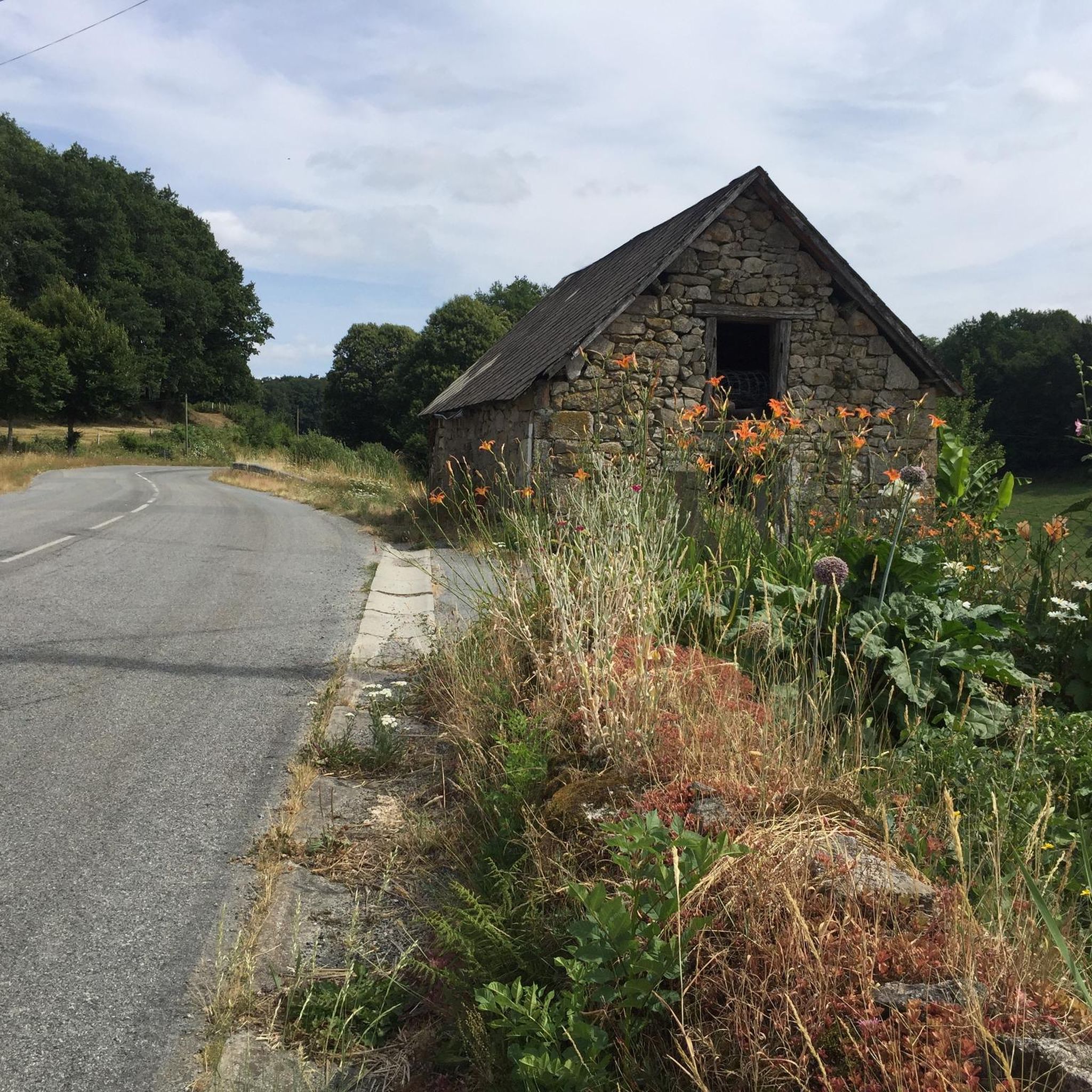
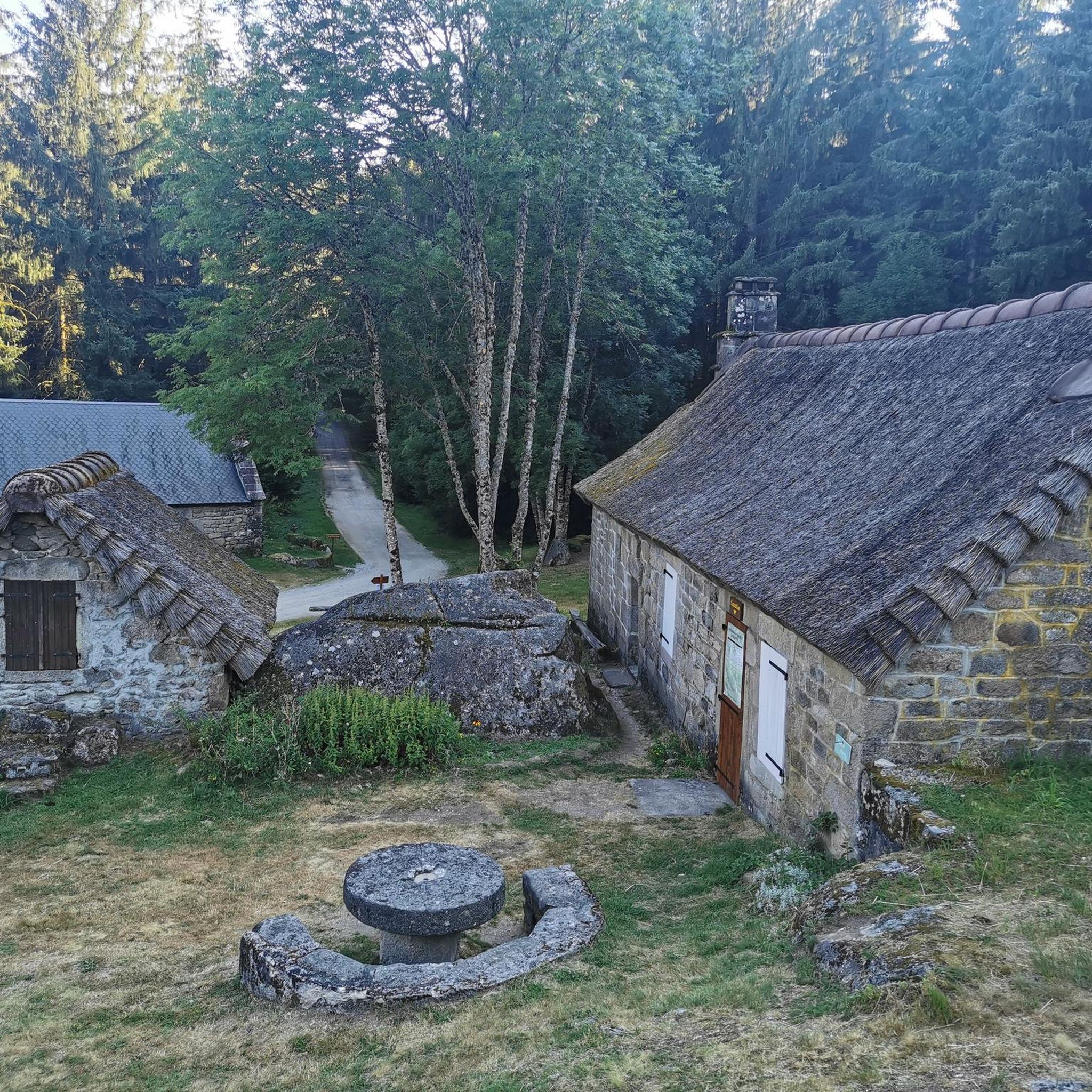
Sainte-Magdeleine Fountain, Clédat
Highlight (Segment) • Natural Monument
Translated by Google •
Tip by

Sign up now to discover places like this
Get recommendations on the best single tracks, peaks, & plenty of other exciting outdoor places.
Sign up for free
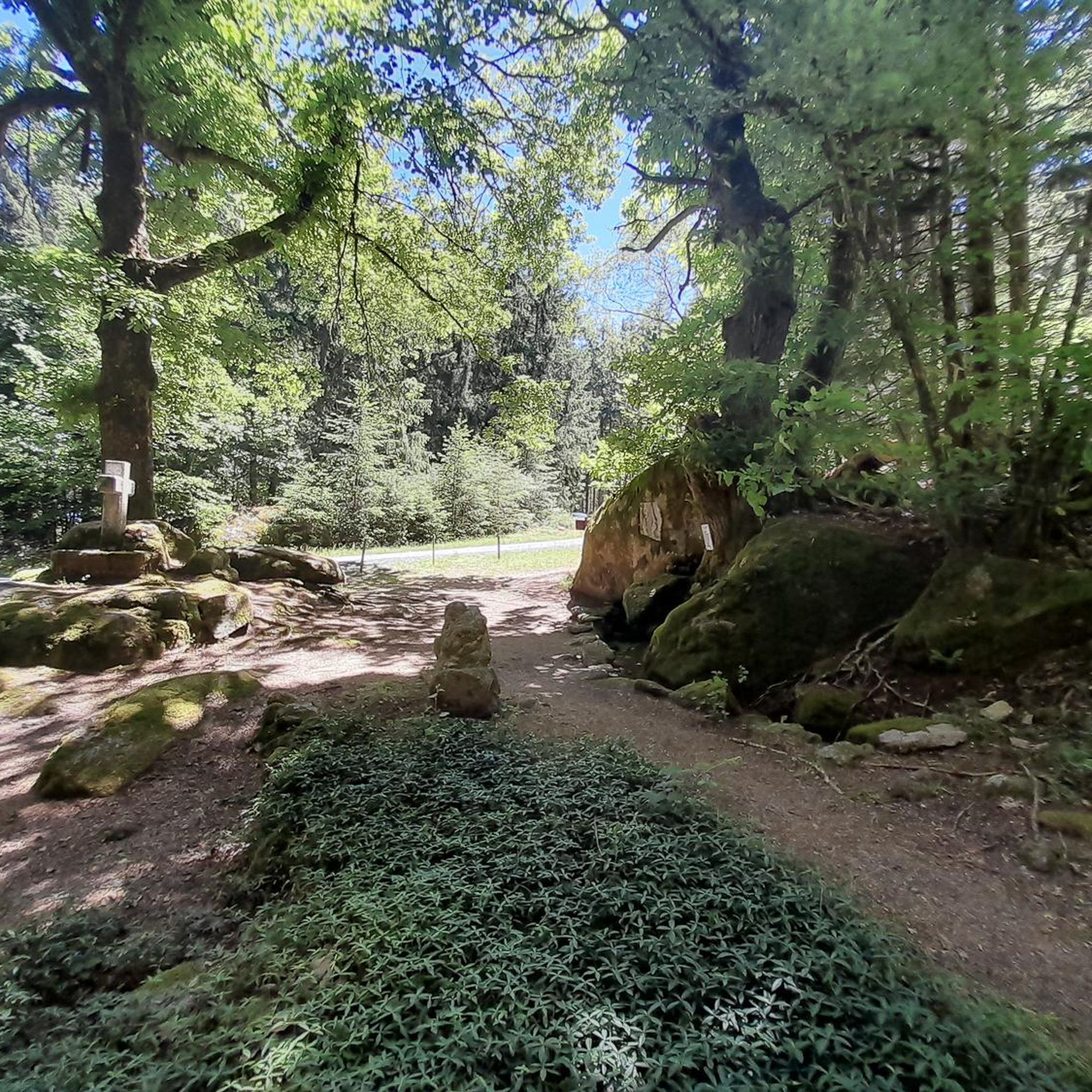
Druids' Stone
Highlight • Natural Monument
Translated by Google •
Tip by

Clédat Rock
Highlight (Segment) • Viewpoint
Translated by Google •
Tip by
Tine Waterfall
Highlight • Waterfall
Translated by Google •
Tip by

Start today with a free account
Your next adventure awaits.
Login or Signup
Tips from the Community

Beautiful exposed rock formation, or rather arrangement, with a great view.
1
0
If you don't take the detour from the GR, you'll have to look for the trails west of the summit... but the view is great, weather permitting.
1
0


Beautiful panoramic view to the low mountain range.
0
0

Visit the village, passage you no longer have to and continue towards the Rock which is 400m away. More than a must, don't miss it. Slipped in a 2015 POV in fall colors.
0
0
Discovered on the advice of a friend, looking for mushrooms. Today the path is well marked, leaving the abandoned village of Clédat. The rock, a huge granite block overlooking the valley with a 180° panorama whatever the season. The most beautiful, of course, is in autumn.
0
0
At each visit we still discover little things, in particular the exhibition of old plows and other first tools of the time, which are well commented on in the descriptions.
2
0
Frequently Asked Questions
What are some of the most notable natural monuments to visit around Grandsaigne?
The region around Grandsaigne offers several impressive natural monuments. You can experience the panoramic views from View from Suc au May or explore the unique Sainte-Magdeleine Fountain, Clédat, which is part of an abandoned village. Further afield, the spectacular Cascades de Gimel feature a series of three waterfalls, and Lac de Vassivière is one of France's largest artificial lakes, offering extensive recreational activities.
Are there good hiking opportunities near Grandsaigne's natural monuments?
Yes, the area is excellent for hiking. You can find trails leading to natural monuments like the Tine Waterfall, which has an easy 5 km loop from Pradines. The Plateau des Millevaches and Massif des Monédières also offer extensive networks of paths for various skill levels. For more detailed routes, check out the Hiking around Grandsaigne guide.
What kind of scenic views can I expect from the natural monuments?
Many natural monuments around Grandsaigne offer breathtaking vistas. The View from Suc au May provides expansive panoramas of the surrounding landscape. Similarly, Clédat Rock offers a 180° panorama overlooking the valley, especially stunning in autumn. The Puy du Suc au May in the Massif des Monédières also provides sweeping views of the Monédières, the Millevaches plateau, and the Auvergne mountains.
Are there any family-friendly natural monuments in the area?
Absolutely. The Cascades de Gimel are a great family destination with developed trails and a charming village nearby. Lac de Vassivière is ideal for families, offering sandy beaches for relaxation and various water sports. The Gouffre de la Fage also provides an educational and fun experience for children with mini-caving courses and digging tanks.
Can I bring my dog to the natural monuments around Grandsaigne?
Many natural areas and trails around Grandsaigne are dog-friendly, especially those within the Plateau des Millevaches and Massif des Monédières. It's generally advisable to keep dogs on a leash, particularly in protected areas or near wildlife. Always check specific site regulations before your visit, as some managed sites like the Parc Vuillier at Cascades de Gimel or the Gouffre de la Fage might have restrictions.
What unique geological features or natural phenomena can I see?
The region boasts several unique features. The Gouffre de la Fage is a fascinating subterranean chasm with intricate stalactites, columns, and a large bat colony. The Tourbière de Longeyroux is a rare peat bog ecosystem with specific flora and fauna. The Cascades de Gimel showcase impressive waterfalls plunging into the Inferno Chasm, while the Druids' Stone is a striking exposed rock formation.
Are there historical or cultural sites integrated with the natural monuments?
Yes, several sites combine natural beauty with historical significance. The Sainte-Magdeleine Fountain, Clédat is located near the abandoned village of Clédat, offering a glimpse into past rural life. The Gouffre de la Fage has paleontological deposits and evidence of Cro-Magnon men living on the plateau above. The Tine Waterfall is also associated with local legends, adding a mythical dimension to its natural beauty.
What water-based activities are available near Grandsaigne's natural monuments?
Lac de Vassivière is a hub for water activities, offering swimming, sailing, canoeing, kayaking, pedal-boating, and water-skiing. The Vézère River, originating from the Tourbière de Longeyroux, provides opportunities for peaceful canoe trips and walks along its banks. While the Cascades de Gimel are primarily for viewing, the Montane river feeding them is rich in aquatic life.
When is the best time of year to visit the natural monuments around Grandsaigne?
The best time to visit generally depends on your preferred activities. Spring and autumn offer pleasant temperatures for hiking and cycling, with vibrant foliage in autumn, especially around Clédat Rock. Summer is ideal for water sports at Lac de Vassivière and enjoying the waterfalls. Winter can be beautiful for snowshoeing and cross-country skiing on the Plateau des Millevaches, though some sites might have limited access.
Are there options for cycling near the natural monuments?
Yes, the region offers numerous cycling routes. The Lac de Vassivière has a 40 km bank trail perfect for cycling, and the Plateau des Millevaches is popular for mountain biking. You can find various routes, including challenging ones like the 'Chaumeil – View from Suc au May loop', in the Cycling around Grandsaigne guide and the Traffic-free bike rides around Grandsaigne guide.
What wildlife might I encounter when visiting the natural monuments?
The diverse ecosystems around Grandsaigne support varied wildlife. The Gouffre de la Fage is home to one of Europe's largest bat colonies. The Plateau des Millevaches provides habitat for otters and rare bird species like the short-toed snake eagle, while the Tourbière de Longeyroux is a paradise for hundreds of rare species, including various birds. The Montane river at Cascades de Gimel is rich in trout, sculpin, and lamprey.
How long should I plan for a visit to the natural monuments?
Visit durations vary greatly depending on the monument. A quick stop at a viewpoint like View from Suc au May might take an hour, while exploring the Cascades de Gimel or the Gouffre de la Fage could take half a day. For Lac de Vassivière, you could easily spend a full day or more enjoying the activities and scenery. Hiking trails on the Plateaux can range from a couple of hours to full-day excursions.
Most popular attractions around Grandsaigne

Get inspired with the komoot mobile app


Explore more
Extend your search for the best caves by checking out these guides of the top ones around Grandsaigne:
