The best road cycling routes in the Lesser Caucasus
4.7
(38)
982
riders
44
rides
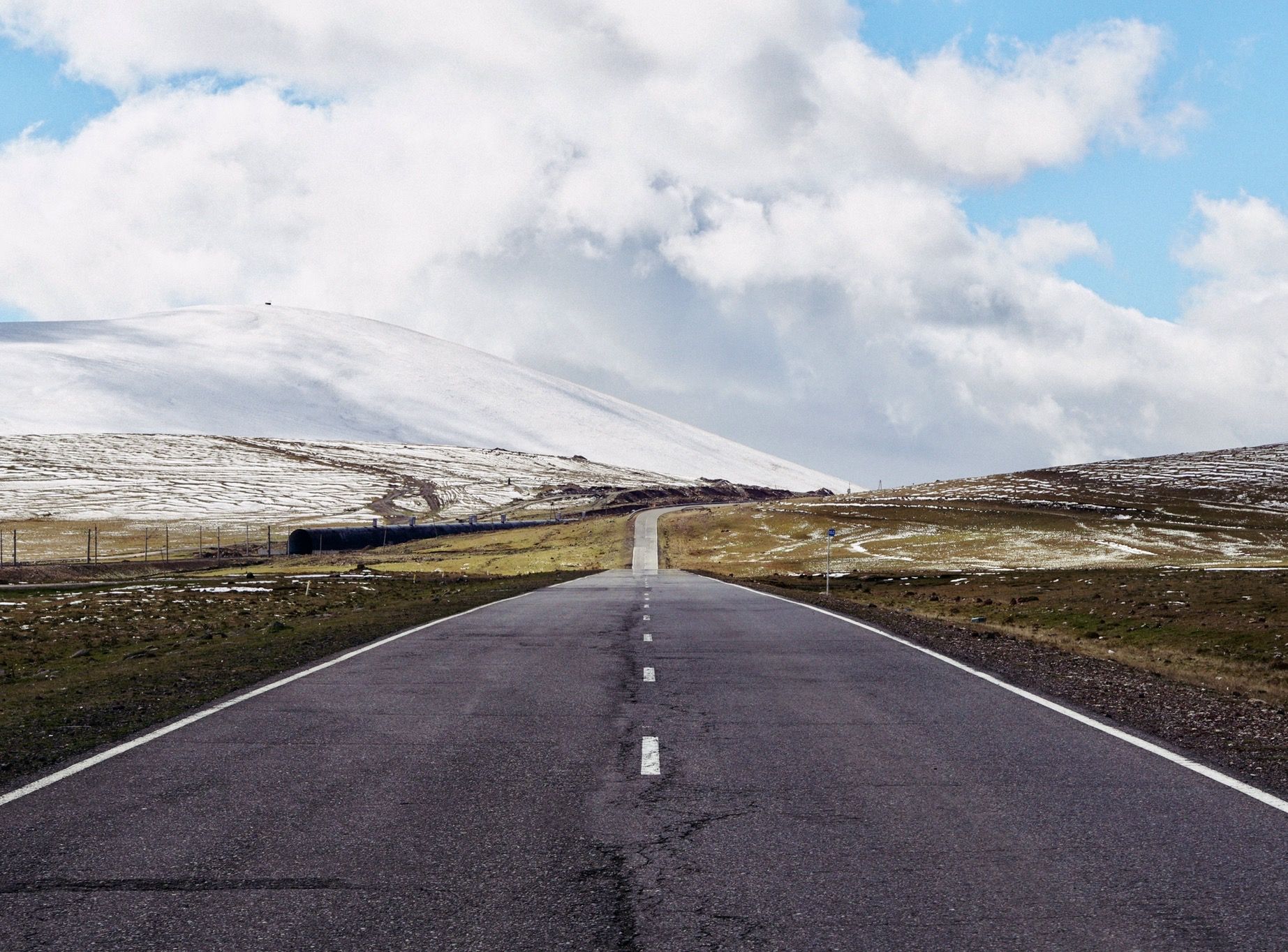
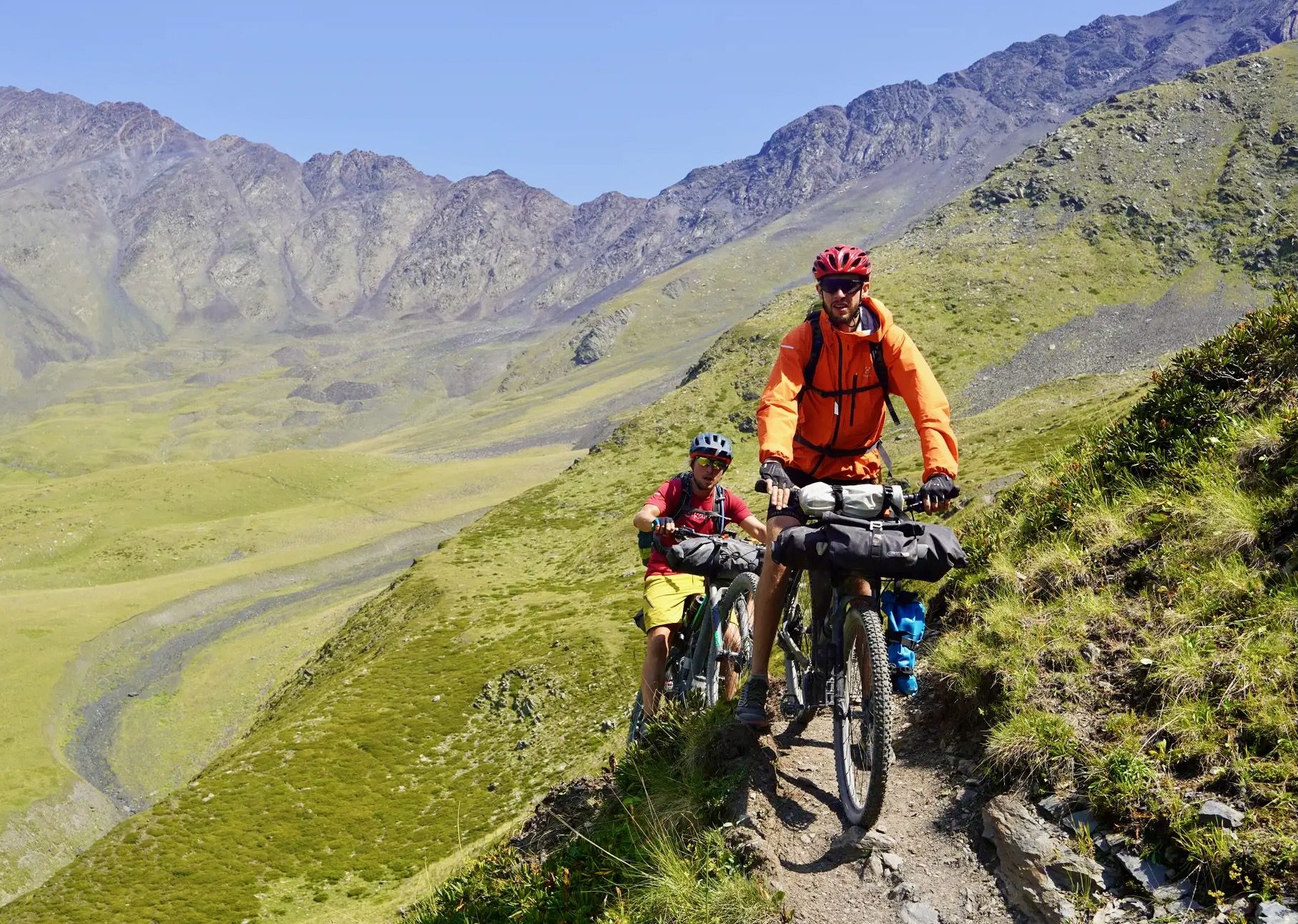
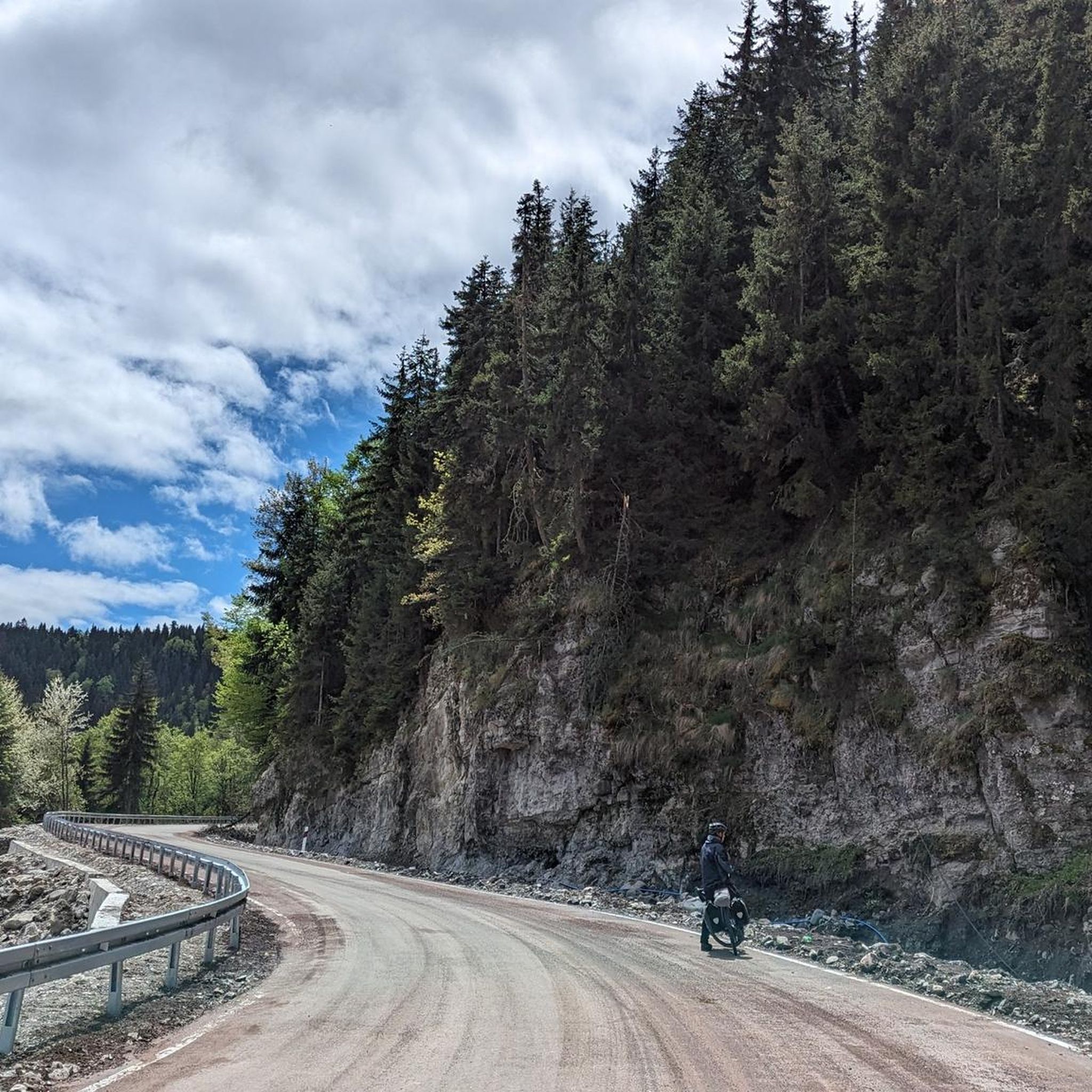
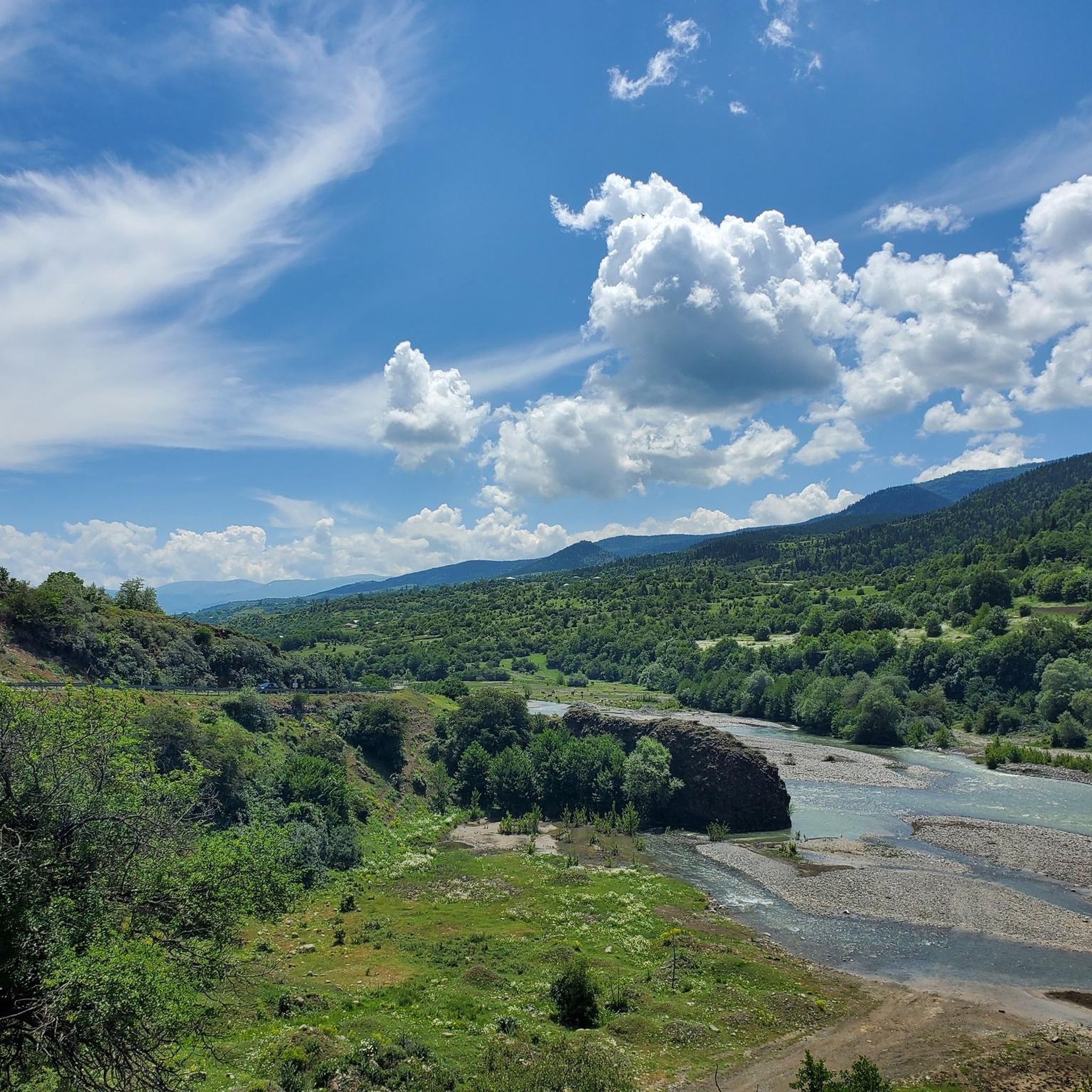
Road cycling in the Lesser Caucasus offers diverse landscapes, from lush valleys and dense forests to high-altitude steppes and coastal areas. The region is characterized by varied mountainscapes, including glaciated volcanic domes and jagged rock spires, providing a range of elevation gains. Cyclists can traverse historic towns and picturesque vineyards, often with distant views of snowy peaks. This varied terrain presents both well-paved, easy rides and demanding segments.
Best road cycling routes in the Lesser Caucasus
- The most popular road…
Last updated: May 16, 2026
4.6
(9)
106
riders
49.8km
02:22
510m
510m
Moderate road ride. Good fitness required. Some segments of this route may be unpaved and difficult to ride.
5.0
(5)
95
riders
38.0km
02:13
890m
890m
Moderate road ride. Good fitness required. Mostly well-paved surfaces and easy to ride.

Sign up for free
4.0
(2)
63
riders
Hard road ride. Very good fitness required. Some segments of this route may be unpaved and difficult to ride.
5.0
(6)
87
riders
44.8km
02:06
360m
360m
Moderate road ride. Good fitness required. Some segments of this route may be unpaved and difficult to ride.
4.6
(5)
48
riders
41.7km
02:06
400m
400m
Moderate road ride. Good fitness required. Some segments of this route may be unpaved and difficult to ride.
39
riders
83.1km
04:03
1,140m
1,140m
Hard road ride. Very good fitness required. Some segments of this route may be unpaved and difficult to ride.
5.0
(2)
42
riders
42.1km
02:28
1,030m
1,040m
Hard road ride. Very good fitness required. Mostly well-paved surfaces and easy to ride.
5.0
(1)
36
riders
40.2km
01:59
450m
450m
Moderate road ride. Good fitness required. Mostly well-paved surfaces and easy to ride.
5.0
(1)
25
riders
126km
07:08
2,660m
2,660m
Hard road ride. Very good fitness required. Mostly well-paved surfaces and easy to ride.
5.0
(1)
39
riders
25.2km
01:22
460m
460m
Moderate road ride. Good fitness required. Mostly well-paved surfaces and easy to ride.
Get access to more routes and recommendations from other explorers.
Sign up for free
Already have an account?
Our route recommendations are based on thousands of hikes, rides, and runs completed by other people on komoot.
Start today with a free account
Your next adventure awaits.
Login or Signup



Tips from the Community

Such a beautiful bridge, but unfortunately full of vendors offering boat tours and photos.
0
0

The church, in its oldest form, dates back to the 6th century – or so the experts say. King Vakhtang Gorgasali is said to have built not only a church here, but also a castle and his royal residence. What remains of all this: an impressive, stone simplicity that has defied fashion and decay. The current building was rebuilt in the 13th century after several destructions – and has since embodied the spirit of many eras. What is there to see? No pomp, no golden domes – instead, raw, solid stone walls, narrow windows, a high drum with a dome, and a sense of stillness that is rarely found today. Inside, it is cool, simple, and atmospheric. A place that invites contemplation rather than photography. And outside: a view that stretches from the riverbank to the old town. How to get there? The Metekhi Church is just a few minutes' walk from Europe Square. If you're a good walker, take the stairs over the rock. Those who prefer a more leisurely approach can follow the path across the street. The visit can be easily combined with a walk to the Peace Bridge or a detour to the "Mother Georgia" statue.
0
0

Metekhi Church is a Georgian Orthodox church in the Georgian capital, Tbilisi. It was built in the 13th century by King Dimitri II and stands on the site of the former residence of the Georgian kings above the steep bank of the Kura River (Wikipedia).
7
0
The Peace Bridge is an arched pedestrian bridge over the Mtkvari River in the Georgian capital, Tbilisi. The 150-meter-long, covered bridge was opened on May 6, 2010, and connects Tbilisi's Old Town with the newly designed Rike Park, not far from the Presidential Palace. It is located between the Barachvili and Metheki Bridges and was designed by the Italian architect Michele De Lucchi.
9
0
The original name of the church is unknown. Its current name is taken from a supposedly miraculous 12th-century icon of the Savior, which had been kept in the church since the 17th century and is now on display in the Georgian State Museum of Arts in Tbilisi. The silver icon (Georgian: Khati) came from the Anchi Church in southern Georgia. Its creator was Beka Opisari, a master silversmith of his era (Wikipedia).
7
0

The oldest church in the city. An impressive building.
0
0
You have to cross this bridge! It offers beautiful photo opportunities of the city and the Kura River. The park invites you to linger or take a hot air balloon ride.
0
0

One of the oldest churches built in Tbilisi. Researchers confirm that the temple was built in the 6th century. King Vakhtang I Gorgasali erected a church, a castle and a palace here, which also served as the king's residence. The temple symbolized the temple of the Virgin Mary in the Garden of Gethsemane in Jerusalem.
0
0
Frequently Asked Questions
How many road cycling routes are available in the Lesser Caucasus?
There are over 50 road cycling routes in the Lesser Caucasus, catering to various skill levels. These routes have been explored by more than 1000 road cyclists using komoot.
What types of terrain can I expect on road cycling routes in the Lesser Caucasus?
Road cycling in the Lesser Caucasus offers diverse terrain, from well-paved roads through lush valleys and dense forests to high-altitude rolling steppes with distant views of snowy peaks. You'll encounter varied mountainscapes, including glaciated volcanic domes and jagged rock spires, providing a range of elevation gains.
Are there easy road cycling routes suitable for beginners in the Lesser Caucasus?
Yes, the Lesser Caucasus offers several accessible road cycling routes suitable for beginners. Out of the 50 available routes, 9 are classified as easy, providing a gentle introduction to the region's beautiful landscapes.
Where can I find challenging road cycling routes in the Lesser Caucasus?
For experienced cyclists seeking a challenge, the Lesser Caucasus has 15 difficult road cycling routes. An example is the Iori River Dam – View of Ujarma Fortress loop from ტექნიკური უნივერსიტეტი, which covers over 135 km with significant elevation gain.
What is the best time of year for road cycling in the Lesser Caucasus?
The Lesser Caucasus is generally excellent for road cycling during the warmer months. The varied elevation allows for rides in different conditions, but summer typically offers the most favorable weather for exploring both lower valleys and higher steppes.
Are there road cycling routes that offer scenic viewpoints or natural attractions?
Absolutely. Many routes in the Lesser Caucasus provide breathtaking views. The region is known for its dramatic gorges, such as Birtvisi Canyon, and unique natural monuments like the Symphony of Stones. Cyclists can also enjoy views of ancient monasteries and picturesque villages.
Can I find road cycling routes that pass by historical or cultural sites?
Yes, the Lesser Caucasus is rich in history. Routes often pass by ancient monasteries, some of which are UNESCO World Heritage Sites. You can also find routes near historical sites like the Vardzia Cave Monastery or the Uplistsikhe Historical-Architectural Museum-Reserve, offering a blend of cycling and cultural exploration.
Are there any road cycling routes that are loops?
Many road cycling routes in the Lesser Caucasus are designed as loops, allowing you to start and finish at the same point. Examples include the popular Mtatsminda – Lakeside Path loop from მარჯანიშვილი and the Roadbike loop from მარჯანიშვილი.
What do other road cyclists enjoy most about road cycling in the Lesser Caucasus?
The area is highly rated by the komoot community, with an average score of 4.8 stars from over 40 reviews. Cyclists often praise the diverse mountainscapes, river valleys, and coastal paths, as well as the variety of routes suitable for different ability levels.
Are there road cycling routes near the Black Sea coast?
Yes, the western part of the Lesser Caucasus extends to the Black Sea coast, offering unique cycling experiences. Routes like the Skyscrapers in Batumi – Sarpi Beach loop from Batumi provide coastal scenery and views of the Black Sea.
Are there any routes that offer views of cities or urban landscapes?
Some routes combine natural beauty with urban exploration. For instance, the Mural of a Stylized Figure – Fabrika Hostel & Courtyard loop from ტექნიკური უნივერსიტეტი leads through urban and suburban landscapes, offering a different perspective of the region.
Can I find routes with significant elevation gain for training?
Yes, the mountainous terrain of the Lesser Caucasus is ideal for training with significant elevation gain. Routes like the View of Tbilisi loop from სამედიცინო უნივერსიტეტი feature over 1000 meters of ascent, providing a challenging workout.
Most popular routes in the Lesser Caucasus
Most popular attractions in the Lesser Caucasus

Get inspired with the komoot mobile app


Explore more
Browse the best Road cycling routes in other regions.
