Top 3 Caves around Schöntal
Best caves around Schöntal are found in a region known for its forested landscapes and geological formations. The area features a variety of underground passages, from historical sites to natural caves. These locations offer insights into both natural history and past human activities. Schöntal provides opportunities to explore unique geological features and historical structures.
Best caves around Schöntal
- The most popular caves is Dörzbach Ice Cellars, a cave historically used by breweries. These caves in shell limestone once stored…
Last updated: November 16, 2026
St. Wendel zum Stein Chapel
Highlight • Religious Site
Translated by Google •
Tip by

Dörzbach Ice Cellars
Highlight • Cave
Translated by Google •
Tip by

Sign up now to discover places like this
Get recommendations on the best single tracks, peaks, & plenty of other exciting outdoor places.
Mariengrotte Bieringen
Highlight • Religious Site
Translated by Google •
Tip by

Marian Grotto at the Castle
Highlight • Religious Site
Translated by Google •
Tip by

Nebelloch Sinkhole (Natural Monument)
Highlight • Cave
Translated by Google •
Tip by

Start today with a free account
Your next adventure awaits.



Tips from the Community

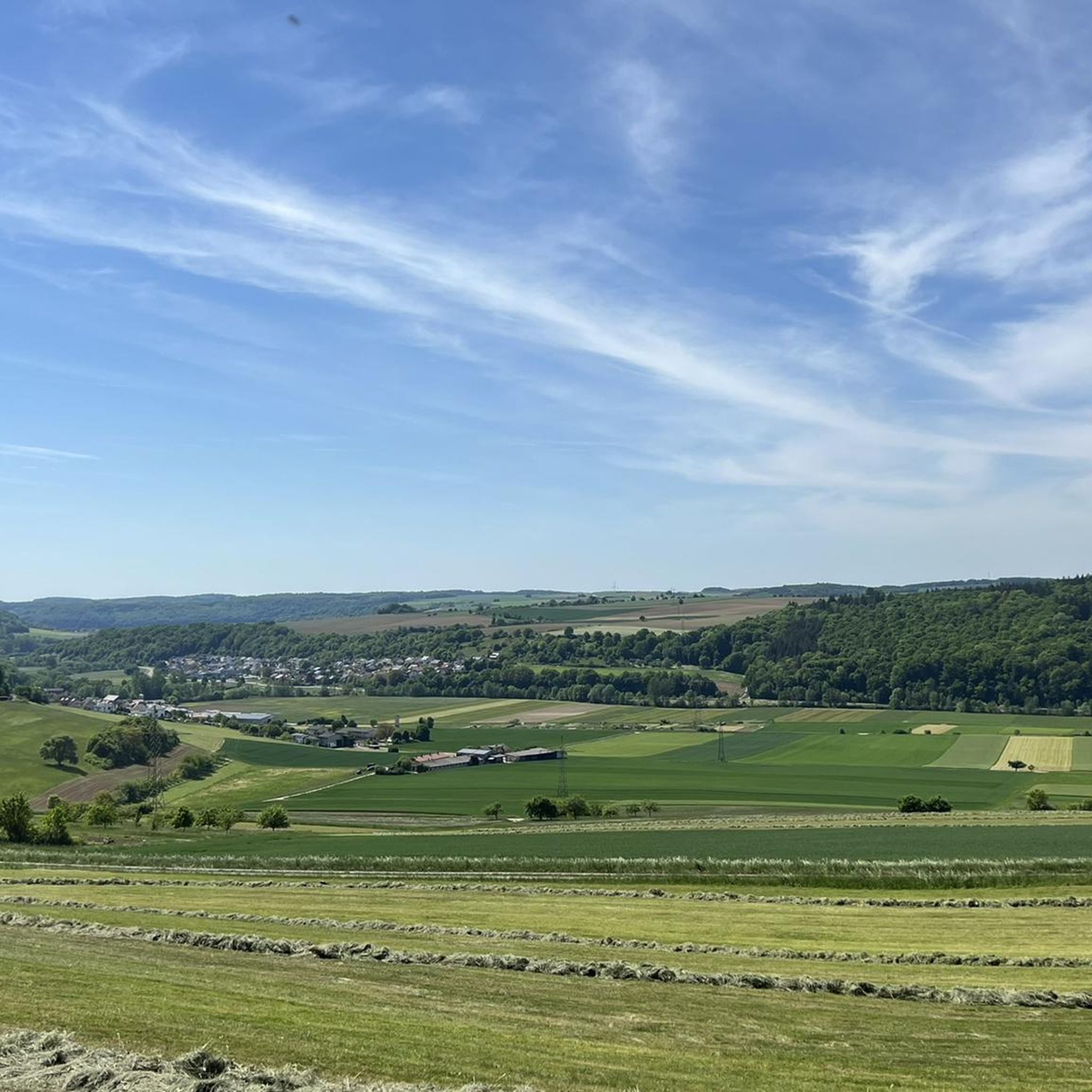
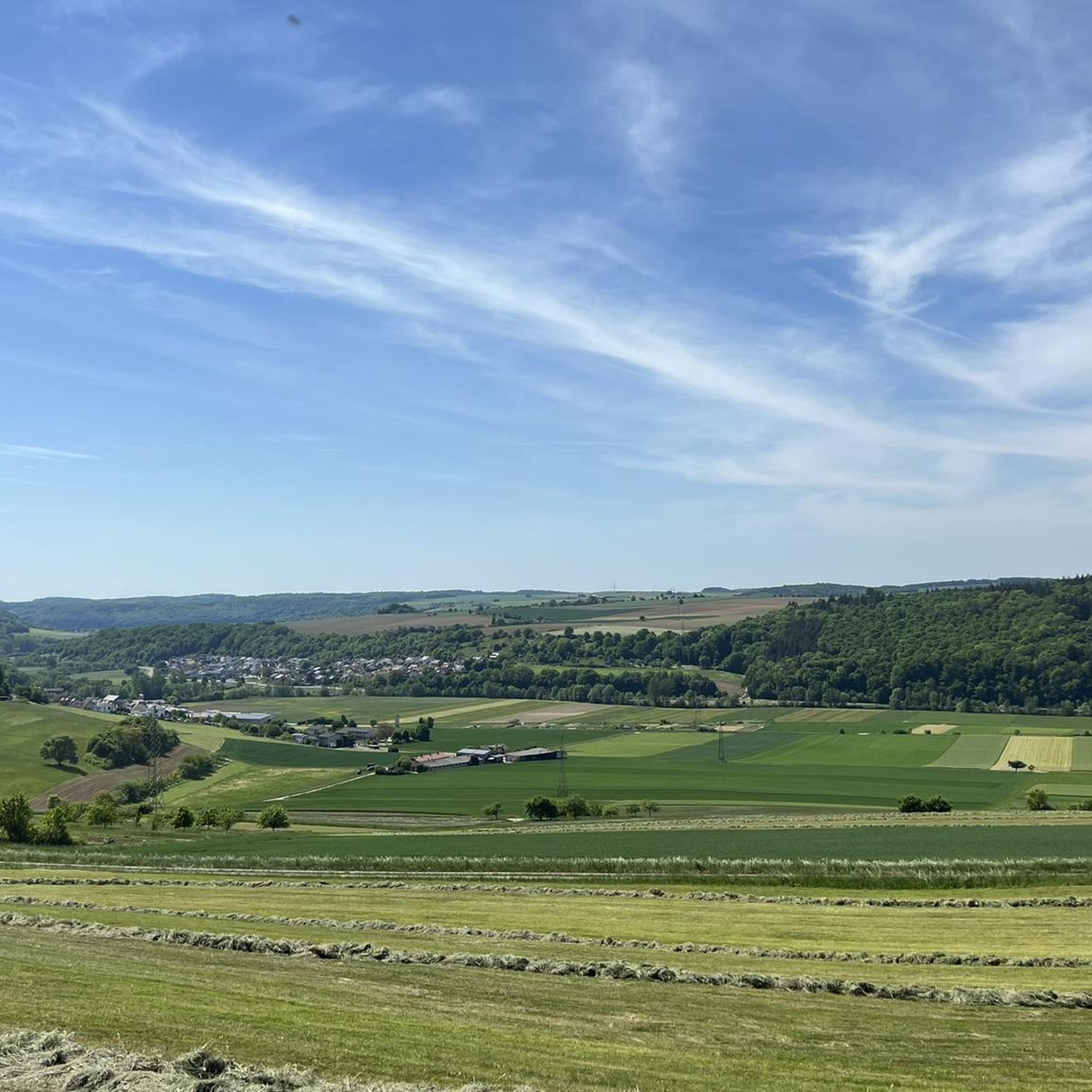
Idyllic place, the tuff stone is home to inhabitants, wasps and spiders. A carpenter bee was driven away by a spider. A bench around the corner invites you to rest.
0
0

The best time to visit is during the colder months. If you stand on the ground near the opening, you can feel the warm breeze.
1
0
A geological curiosity is the Nebelloch, a deep cave above the Kupfertal valley southwest of Niedernhall. The cave is about 12 feet long. Locally, it's known as the "warm hole." In winter, warm vapors rise from it. As the snow melts all around, nearby woodcutters dangle their legs in the opening to warm them during periods of extreme cold. (Source: Google)
1
0

On the way from Ljubljana to the castle, you'll see this beautiful grotto on the left. Opposite is an inn where you can enjoy excellent food.
0
0

Beautiful Mary's Grotto above Bieringen.
1
0

you should definitely have been here
15
2
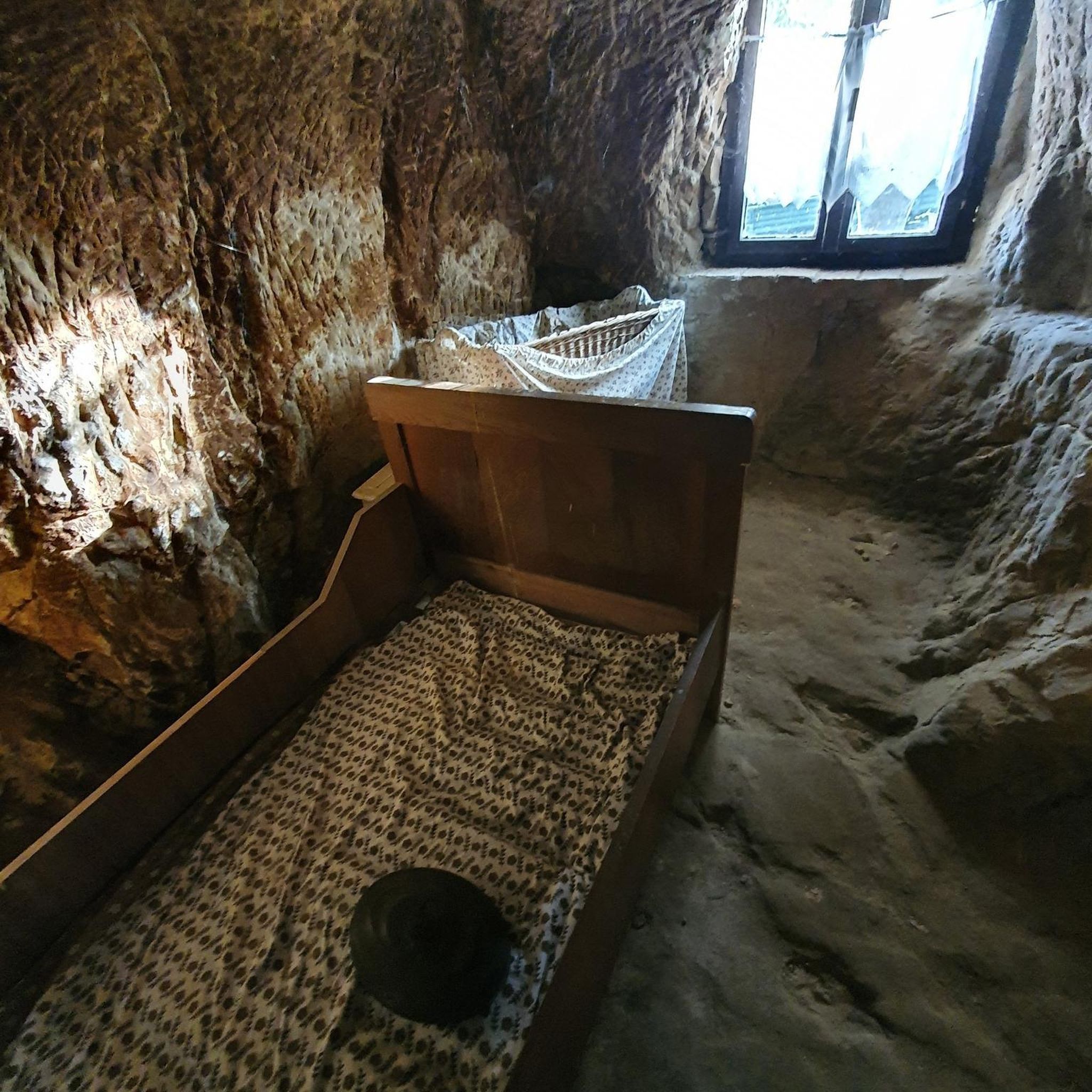
The Dörzbacher Eiskeller are caves in the shell limestone. In Dörzbach there were 3 breweries that cooled their beer in the caves.
10
1

Pleasantly fresh at the entrances to the two cellars. Refreshing when it's warm.
3
0
Frequently Asked Questions
What are some historically significant caves in the Schöntal region?
The region features several caves with rich historical backgrounds. The Dörzbach Ice Cellars, for instance, were once used by local breweries to cool beer. Further afield, the Schrazelloch Cave near Waldmünchen is a unique 16th-century mine, and the Old Uranium Mine Tunnel in CHKO Český les offers a glimpse into communist-era industrial history.
Are there any natural caves with unique geological features near Schöntal?
Yes, the region boasts several natural formations. The Nebelloch Sinkhole is a geological curiosity known for emitting warm vapors in winter. While a bit further away, the Teufelshöhle in Franconian Switzerland is renowned for its impressive stalactites and large halls, and the König-Otto-Tropfsteinhöhle is considered one of Germany's most beautiful dripstone caves with diverse formations.
Which caves around Schöntal are suitable for families?
For families, the Mariengrotte Bieringen and the Marian Grotto at the Castle are accessible and offer a pleasant, idyllic setting. While not directly in Schöntal, the Schertel Cave in the Swabian Alb is also noted for its family-friendly guided tours and nearby amenities like a barbecue area and playground.
What is the best time of year to visit caves in and around Schöntal?
Many caves, especially show caves, are accessible year-round. However, for natural phenomena like the Nebelloch Sinkhole, the colder months are ideal to experience the warm vapors rising from it. For other caves, spring and autumn offer pleasant temperatures for exploring the surrounding landscapes.
Are there any caves in the region that offer a unique visitor experience?
Absolutely. The Wimsen Cave (Wimsener Höhle) in the Swabian Alb is unique as Germany's only show cave accessible by boat, offering a mystical journey into the earth. The Laichinger Tiefenhöhle, also in the Swabian Alb, is Germany's only vertical cave developed as a show cave, providing an extraordinary geological insight into a petrified Jurassic reef.
What kind of outdoor activities can I combine with a visit to the caves?
The Schöntal region is excellent for combining cave visits with various outdoor activities. You can find numerous hiking routes, including those from bus stations around Schöntal, or explore the area on running trails. For cyclists, there are many cycling routes that allow you to discover the scenic landscapes around the caves.
Where can I find parking when visiting caves in the Schöntal area?
Parking availability varies by location. For popular sites like the St. Wendel zum Stein Chapel, there are usually designated parking areas nearby. For more remote natural caves or historical mines, parking might be less formal, often along forest roads or at trailheads. It's advisable to check local signage or visitor information for specific sites.
What should I wear when exploring caves in the Schöntal region?
Even on warm days, cave interiors maintain a cool, constant temperature, often around 8-10°C (46-50°F). It's best to wear layers, including a warm jacket or fleece. Sturdy, non-slip footwear is essential, as paths can be damp or uneven. Some caves might require helmets, which are usually provided on guided tours.
Are there any caves known for their impressive stalactite formations?
While the immediate Schöntal area has more historical and natural rock formations, the wider Bavarian region is famous for its dripstone caves. The Sophienhöhle, near Rabenstein Castle, is celebrated for its fantastic stalactites in various colors. The König-Otto-Tropfsteinhöhle is also highly regarded for its beautiful stalactites, stalagmites, and stalagnates.
What do visitors particularly enjoy about the caves and chapels built into rocks in Schöntal?
Visitors often appreciate the unique blend of natural beauty and historical significance. The St. Wendel zum Stein Chapel, built into a rock face, is described as having a 'magical' quality. The idyllic settings of grottos like Mariengrotte Bieringen offer peaceful resting spots, often with interesting wildlife like carpenter bees and spiders.
What is the Bear Cave on Rabenberg and what can I see there?
The Bear Cave on Rabenberg (Bärenhöhle am Rabenberg) is a natural monument featuring a significant rock ensemble. While the cave itself is a natural formation, a short distance away, a vantage point offers excellent views of Pempfling, combining natural beauty with scenic overlooks.
Are there any caves in the Schöntal area that are easily accessible for beginners or those with limited mobility?
For easier access, the grottoes like Mariengrotte Bieringen and Marian Grotto at the Castle are generally more accessible, often located near paths or roads. Larger show caves further afield, such as Teufelshöhle or Schertel Cave, are typically well-developed with lit paths and guided tours, making them suitable for most visitors.
Most popular routes around Schöntal
Most popular attractions around Schöntal

Get inspired with the komoot mobile app


Explore more
Extend your search for the best caves by checking out these guides of the top ones around Schöntal:
