The best walks and hikes around Leopoldsdorf
4.6
(4518)
34,256
hikers
1,075
hikes
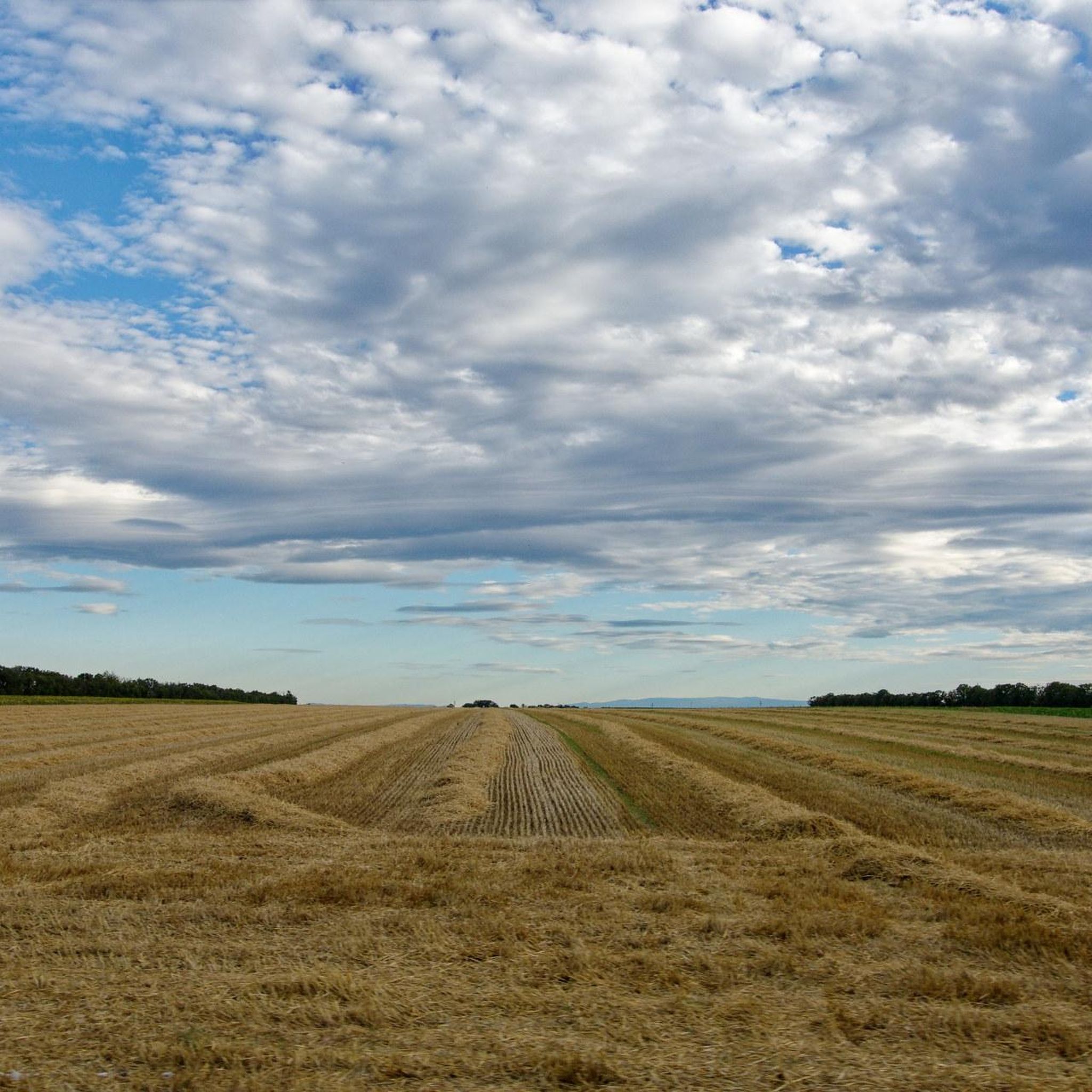
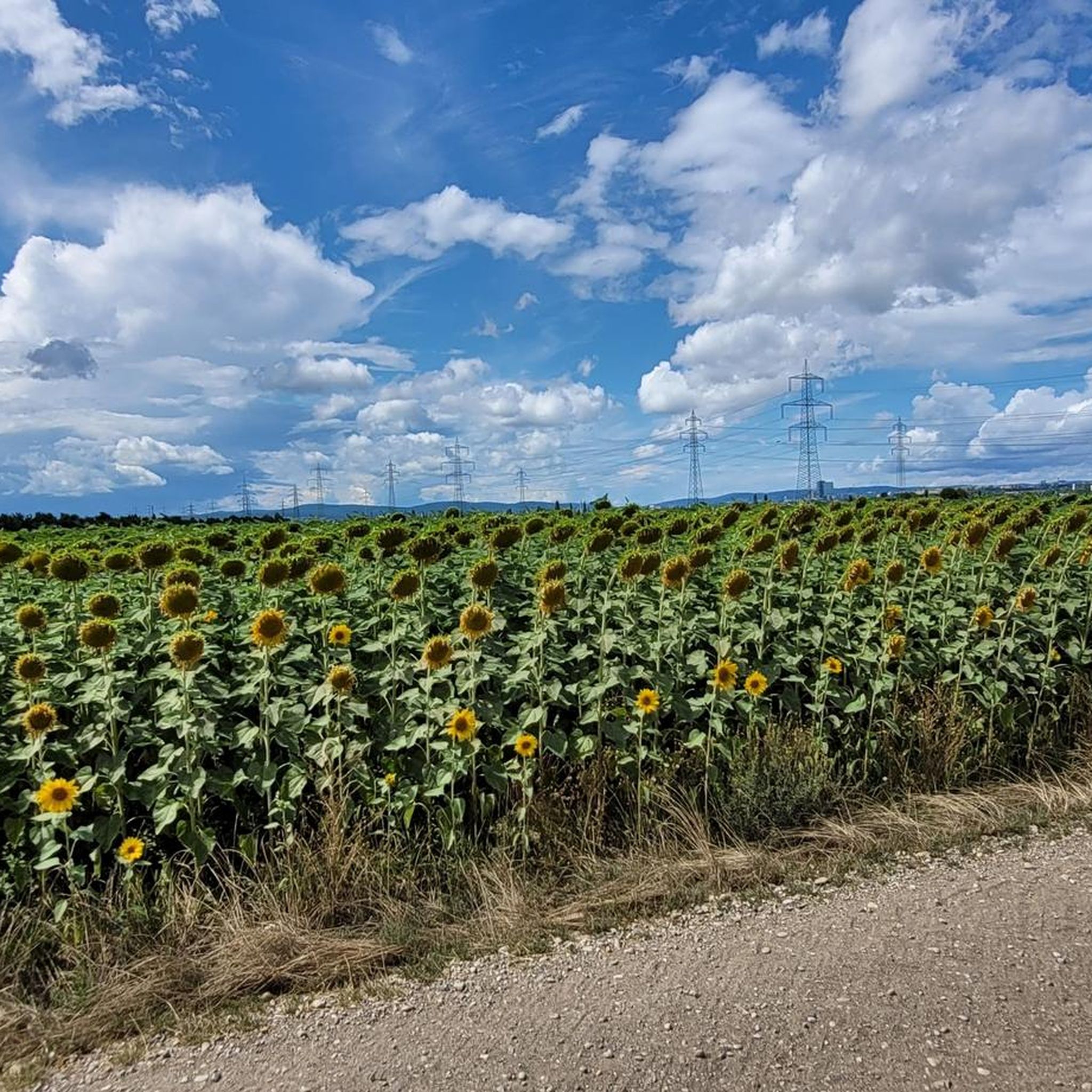
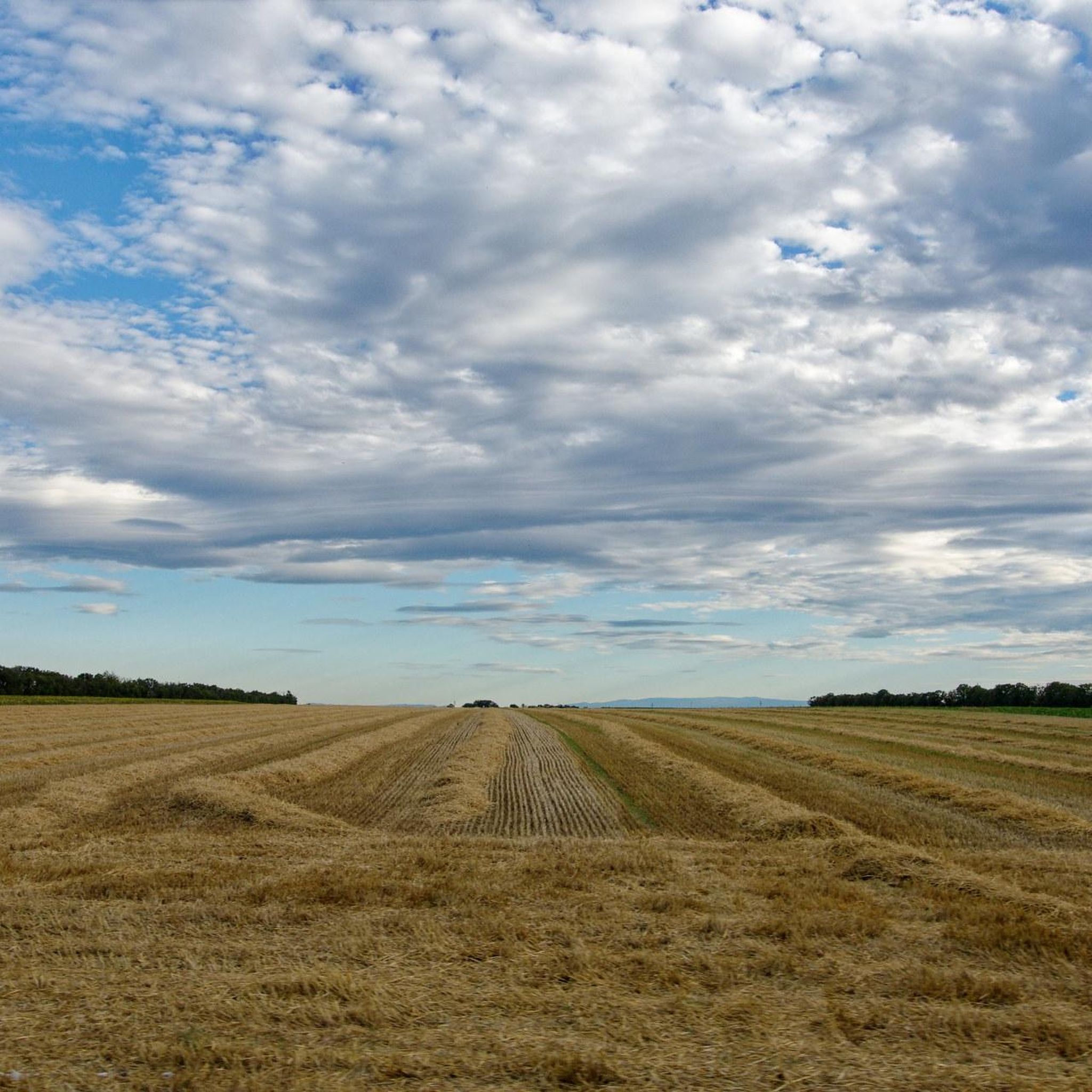
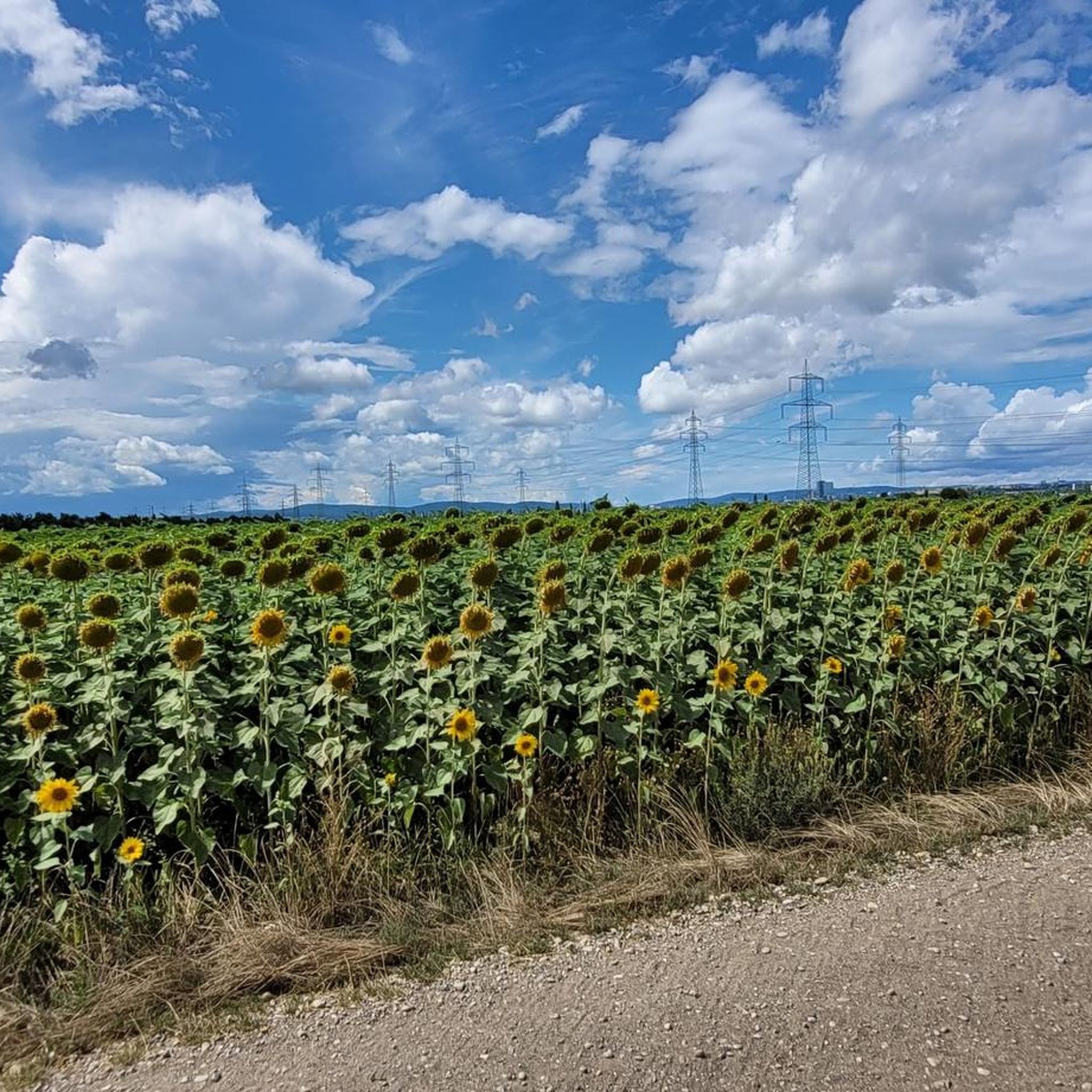
Hiking around Leopoldsdorf features mostly flat terrain with minimal elevation changes, making it suitable for easy walks. The landscape includes open fields, agricultural areas, and local green spaces. Trails often connect small villages and offer views of the surrounding countryside. This region provides accessible routes for various fitness levels.
Best hiking trails around Leopoldsdorf
- The most popular hiking route is Wiesmayerhof Deer Enclosure – Deer Enclosure at Petersbach loop from Leopoldsdorf, a 4.7 miles (7.6 km) trail that takes 1 hour 55 minutes to complete. This easy route features a visit to a local deer enclosure.
- Another top favourite among local hikers is Hiking loop from Maria-Lanzendorf, an easy 2.7 miles (4.4 km) path. This trail offers a pleasant walk through the local area, connecting nearby villages.
- Local hikers also love the Alpaca Farm – Alpaca Meadow loop from Hennersdorf, a 1.4 miles (2.3 km) trail leading through agricultural land and past an alpaca farm, often completed in about 35 minutes.
- Hiking around Leopoldsdorf is defined by open fields, agricultural landscapes, and gentle paths. The network offers options for different ability levels, with a strong focus on easy, accessible routes.
- The routes in Leopoldsdorf are highly rated by the komoot community with an average score of 4.6 stars from over 4000 reviews. More than 33000 hikers have used komoot to explore Leopoldsdorf's varied terrain.
Last updated: July 8, 2026
5.0
(1)
29
hikers
Easy hike. Great for any fitness level. Easily-accessible paths. Suitable for all skill levels.
9
hikers
4.41km
01:07
10m
10m
Easy hike. Great for any fitness level. Easily-accessible paths. Suitable for all skill levels.

Sign up for free
11
hikers
2.33km
00:36
10m
10m
Easy hike. Great for any fitness level. Easily-accessible paths. Suitable for all skill levels.
6
hikers
6.49km
01:38
10m
10m
Easy hike. Great for any fitness level. Easily-accessible paths. Suitable for all skill levels.
8
hikers
Easy hike. Great for any fitness level. Easily-accessible paths. Suitable for all skill levels.
Get access to more routes and recommendations from other explorers.
Sign up for free
Already have an account?
Our route recommendations are based on thousands of hikes, rides, and runs completed by other people on komoot.
Start today with a free account
Your next adventure awaits.
Login or Signup

Tips from the Community


The enclosure is right on the side of the road, the alpacas are beautiful to look at :-)
0
1

No deer, but fallow deer from the Wiesmayerhof - but worth seeing anyway (:
1
1

The history of the Church of St. Andrew in Hennersdorf is very interesting. The church was originally built as a Romanesque hall in the 12th century and was a branch of St. Stephen in Vienna. In the 14th century it was elevated to the status of a parish church and received a Gothic east tower. In the 18th century the church was remodeled in Baroque style and oriented to the west, with the Romanesque choir becoming the entrance and a new Baroque choir with sacristies added. The Romanesque south portal with a tympanum relief was walled up in 1758 and only uncovered again in 1941. The church has been restored several times, most recently in 20123. The church also has some wall paintings from the 12th and 13th centuries, as well as a memorial to the fallen of both world wars and the bomb victims of 1944.
1
0
The Romanesque church of St. Andrew in Hennersdorf was built around 1150 and is a simple building with a round apse and ridge turret. It is one of the few preserved Romanesque churches in Austria. It is located on a hill above the village and has a secluded forecourt.
1
0

May 27, 2023 - The Roman Catholic parish church of Hennersdorf is located to the north of the main square in the municipality of Hennersdorf in the district of Mödling in Lower Austria. The church dedicated to St. Andrew belongs to the Perchtoldsdorf Deanery in the Vicariate Unter den Wienerwald of the Archdiocese of Vienna. The church and the former cemetery are under monument protection. The branch of St. Stephan in Vienna was mentioned in a document in 1270. The church became a parish church in the 14th century until the time of the Reformation. By 1733 the church was again a Catholic parish church. The Romanesque hall from the second quarter of the 12th century has a Gothic east tower. The church was oriented to the west with a baroque choir with a sacristy extension from the mid-18th century. The conversion and extension was documented in 1758 with the architect Johann Georg Kirchhofer. The Romanesque south portal was walled up in 1758 and uncovered in 1941. 1982 was a restoration. The nave is a remarkable Romanesque cuboid building, where the four-axis structure with corner pilaster strips and pilaster strips and semi-columns has been largely preserved. The semi-columns have Attic bases, capitals in relief with cubes or bunches of grapes, and are connected to a cornice in the second third of the height. The belt cornice was designed as a crescent-shaped arched frieze or checkerboard frieze. Eaves stones form the upper corner marking of the building. The Romanesque south portal is a two-stage portal with a quarter-circle bulge without a fighter, console shoulders, tympanum relief cross under palm trees and wavy tendril arch. The arched windows were broken out in 1758. The baroque choir with extensions from 1758 in the same width as the nave has a basket-shaped apse and two symmetrical transept-like sacristy extensions with oratories with segmental arched windows and rectangular windows. The Gothic east tower has a vestibule on the ground floor, which was formerly the Romanesque chancel square and can still be seen in the apse elevation. The baroque east portal is marked 1758 and shows a walled-in Turkish sphere in the gable. The secondarily built four-storey Gothic tower has notched windows and in the bell storey pointed-arched tracery windows from the mid-14th century. Source: https://de.wikipedia.org/wiki/Pfarrkirche_Hennersdorf
1
0
The Hennersdorfer church is said to be one of the oldest in Lower Austria, although the details of its origin are unclear. Architectural details suggest that it was built around the middle of the 12th century, which could also be reconciled with the first documented mention of Hennersdorf in 1114. Due to the high age of the church, three epochs of art history are reflected in it. The nave can be attributed to its basic substance of the Romanesque period, corresponding elements can be found on the outer facade, especially the former portal in the south. In the late 15th century, the Gothic tower – now home to three bells – was added to the east. In 1758 it was finally renovated in a baroque style. The church was extended to the west (a new apse and sacristies on both sides with oratories above), a vault was added instead of the flat ceiling that had probably existed until then, and the old apse in the east was demolished with the associated creation of a new portal. At that time, the church was rotated 180° on the inside, so the altar was moved from east to west. The interior of the church is dominated by rococo, but modern elements - dating from the time of the interior renovation in 2006 - blend in harmoniously.
1
0
HENNERSDORFER PARISH CHURCH The Hennersdorf parish church of St. Andrew is one of the oldest churches in Lower Austria. The Hennersdorf parish church reflects three different art-historically interesting epochs (Romanesque, Gothic and Baroque). Despite the lack of documents, the time of construction can be put pretty much exactly around 1150 on the basis of art-historical investigations. The building age of the church (there are no written documents) can be dated fairly accurately due to the Romanesque architectural type. The occurrence of the type of the choir tower church (hall-shaped room, choir square with tower above it), or east tower church, to which the Hennersdorfer church also belongs, can be fixed precisely in time in several places in Lower Austria: From this, a construction time around 1150 can be assumed as fairly certain. The church is said to have been first mentioned in a document in 1270, but a document has not yet been found and therefore this claim cannot be verified. The Hennersdorf church is first mentioned in a document dated October 5, 1306: Albrecht von Pollheim and his wife Adelheid transferred the patronage of the Hoenesdorf church to Master Berthold, land clerk in Austria, and his wife Margareth, among others. This is the oldest written record of church history. Although the church existed from about 1150, there was no parish of its own. An exact date of the priest survey is not known; In any case, Hennersdorf is already noted in the Passau beneficence register in 1429 as a princely feudal parish, so it was first mentioned as a parish on this date. Since the 16th century, Hennersdorf has belonged almost entirely to the Leopoldsdorf rulers. Under Marx Beck, owner of the castle in Leopoldsdorf, the Leopoldsdorf castle chapel was raised to the status of a parish church in 1527; In 1528 the old Hennersdorf parish was merged with the Leopoldsdorf parish, which from 1646 no longer had a pastor. Hennersdorf was subsequently looked after alternately by the parishes of Oberlaa and Vösendorf. In 1529 the Turks invaded; the parsonage was totally destroyed. The church finally became an independent parish again in 1733 under the Leopoldsdorfer Schlossherrin Maria Theresia Rosalia Gräfin von Windischgrätz. From this point in time one can list 15 pastors from Hennersdorf in a complete series up to the present day.
1
0
Frequently Asked Questions
How many hiking trails are available in Leopoldsdorf, and what are their difficulty levels?
Leopoldsdorf offers a wide selection of hiking trails, with over 1000 routes to explore. The majority, around 730, are classified as easy, making them suitable for most visitors. There are also over 320 moderate trails and about 40 more challenging routes for experienced hikers.
Are there family-friendly hiking options in Leopoldsdorf?
Yes, Leopoldsdorf is well-suited for family outings. Many trails feature mostly flat terrain and minimal elevation changes, making them accessible for all ages. A popular choice is the Alpaca Farm – Alpaca Meadow loop from Hennersdorf, which is an easy 1.4-mile (2.3 km) walk through agricultural land, often completed in about 35 minutes.
What kind of terrain can I expect on hikes around Leopoldsdorf?
The hiking terrain around Leopoldsdorf is predominantly flat, characterized by open fields, agricultural areas, and local green spaces. While the immediate area is gentle, the broader region, particularly towards the Föhrenberge Nature Park, offers more diverse landscapes with impressive views and some more challenging, mountaineering-style routes.
Are there any circular walks available in Leopoldsdorf?
Yes, many of the hiking routes in Leopoldsdorf are designed as circular walks, allowing you to start and end at the same point. For example, the Wiesmayerhof Deer Enclosure – Deer Enclosure at Petersbach loop from Leopoldsdorf is a popular 4.7-mile (7.6 km) circular trail that includes a visit to a local deer enclosure.
What are some notable landmarks or viewpoints I can discover while hiking?
While hiking in the broader Leopoldsdorf area, you can find several interesting landmarks and viewpoints. The Föhrenberge Nature Park offers impressive vistas, including views of the historic Mödling Castle. You might also encounter highlights like the Summit of Alexandraberg with cross and bench or the Rauchkogel Ruin. The View towards Anninger – Vienna South Freight Terminal loop from Leopoldsdorf offers specific scenic outlooks.
Is it possible to reach the hiking trails using public transport?
Leopoldsdorf is generally well-connected, and many trails are accessible via public transport, especially those connecting to nearby villages. It's advisable to check local bus or train schedules depending on your specific starting point, as some routes might begin directly from village centers.
Are there specific parking facilities for hikers in Leopoldsdorf?
While specific dedicated hiker parking lots are not extensively listed, many trails start from village centers or accessible points where street parking or small public parking areas may be available. For routes like the Hiking loop from Maria-Lanzendorf, starting points in villages often have convenient parking options.
What do other hikers enjoy most about the trails in Leopoldsdorf?
The trails in Leopoldsdorf are highly rated by the komoot community, with an average score of 4.6 stars from over 4000 reviews. Hikers often praise the accessibility of the routes, the peaceful open fields, and the opportunity to connect with nature on gentle paths. The variety of easy, accessible routes is frequently highlighted.
Are there any trails that pass by interesting local attractions or wildlife?
Yes, some trails offer unique points of interest. The Wiesmayerhof Deer Enclosure – Deer Enclosure at Petersbach loop from Leopoldsdorf, for instance, provides an opportunity to see local wildlife. Additionally, the Alpaca Farm – Alpaca Meadow loop from Hennersdorf takes you past an alpaca farm, offering a charming experience.
What is the best time of year to go hiking in Leopoldsdorf?
Leopoldsdorf's trails, with their mostly flat and open nature, are enjoyable throughout much of the year. Spring and autumn offer pleasant temperatures and beautiful scenery, while summer provides long daylight hours. Even in winter, many of the easier, well-maintained paths can be suitable for a refreshing walk, provided conditions are clear.
Are there any longer or more challenging routes for experienced hikers?
While Leopoldsdorf itself is known for its easy, flat routes, the broader region, particularly towards the Föhrenberge Nature Park, offers more challenging options. These can include mountaineering routes like the Mödlinger Via Ferrata or longer loops that require good fitness and sure-footedness, providing a different experience for those seeking more adventure.
Can I find amenities like cafes or pubs near the hiking trails?
Many of the hiking routes connect small villages, which often have local cafes, pubs, or guesthouses where you can stop for refreshments. For example, the Hennersdorf Parish Church loop from Leopoldsdorf passes through Hennersdorf, where you can typically find local establishments.
Most popular routes around Leopoldsdorf
Most popular attractions around Leopoldsdorf

Get inspired with the komoot mobile app


Explore more
Browse the best Hikes in other regions.
