Top 1 Waterfalls around Gulpen-Wittem
Waterfalls around Gulpen-Wittem are characterized by gentle streams and small cascades, reflecting the region's picturesque landscapes. The Gulpen-Wittem region in the Netherlands is known for its rolling hills and scenic stream valleys, such as the Geul and Gulp. While large natural waterfalls are not a feature, the area offers numerous attractive water-related features and water-themed walking routes. These elements contribute to the tranquil natural beauty and extensive outdoor opportunities along its waterways.
Best waterfalls around Gulpen-Wittem
- The most popular waterfalls…
Last updated: May 14, 2026
Mine entrance and Geul sinkhole — Plombières Nature Reserve
Highlight • Cave
Translated by Google •
Tip by

Small Waterfall
Highlight • Waterfall
Translated by Google •
Tip by

Sign up now to discover places like this
Get recommendations on the best single tracks, peaks, & plenty of other exciting outdoor places.
Sign up for free
Pau Cascade and Stone Rondel
Highlight • Waterfall
Translated by Google •
Tip by

Old Schyns Mill Waterfall, Moresnet
Highlight • Waterfall
Translated by Google •
Tip by

Start today with a free account
Your next adventure awaits.
Login or Signup
Popular around Gulpen-Wittem
Pilgrim's Way part 2 — s-Hertogenbosch to Maastricht
The best of South Limburg by bike
Two days Graveling through the Heuvelland – Limburg200 Gravel
The Krijtlandpad trail - South Limburg at its best in five hiking stages
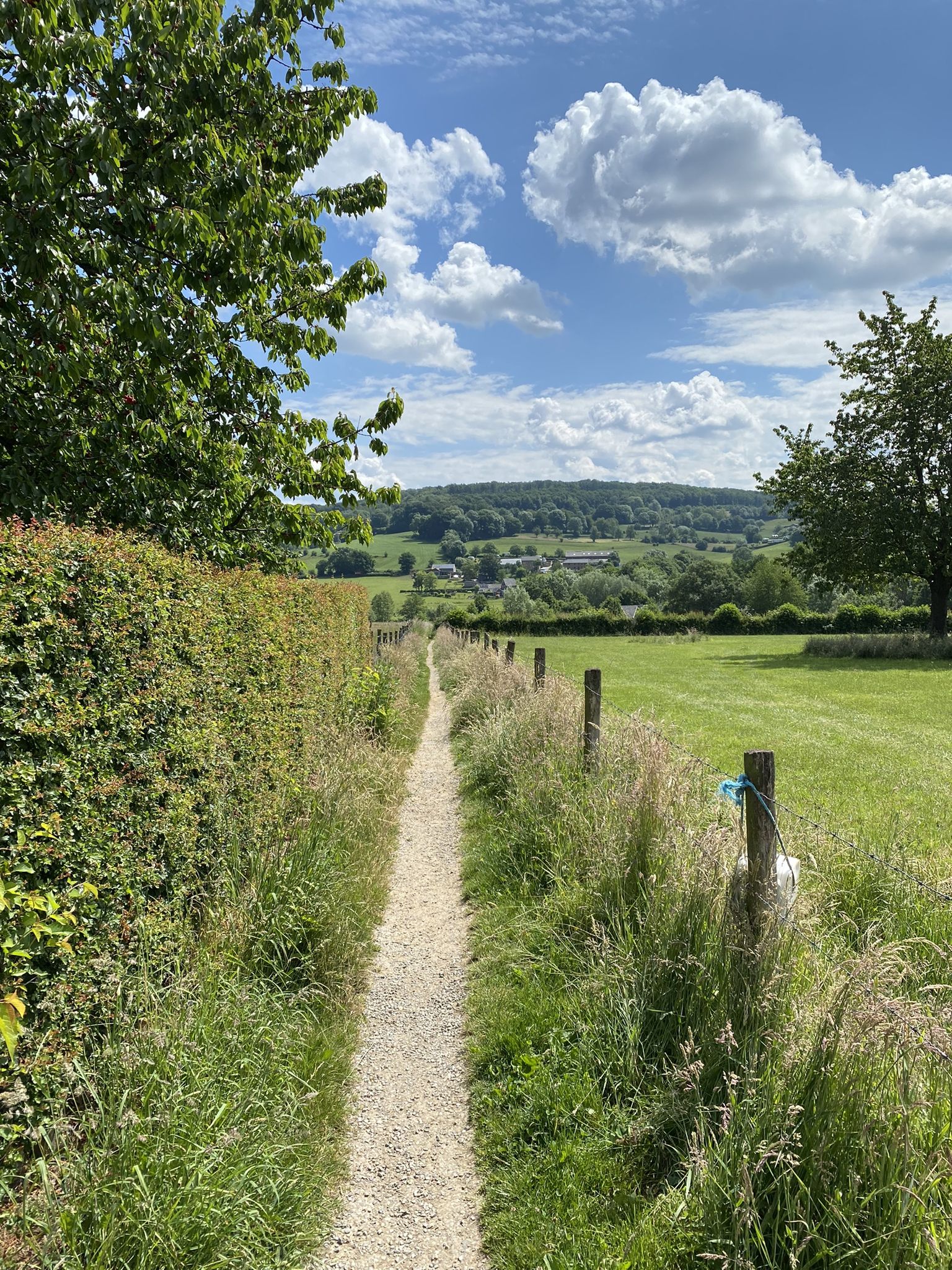
Train your calves in the rolling hills - 10 trailruns in Limburg
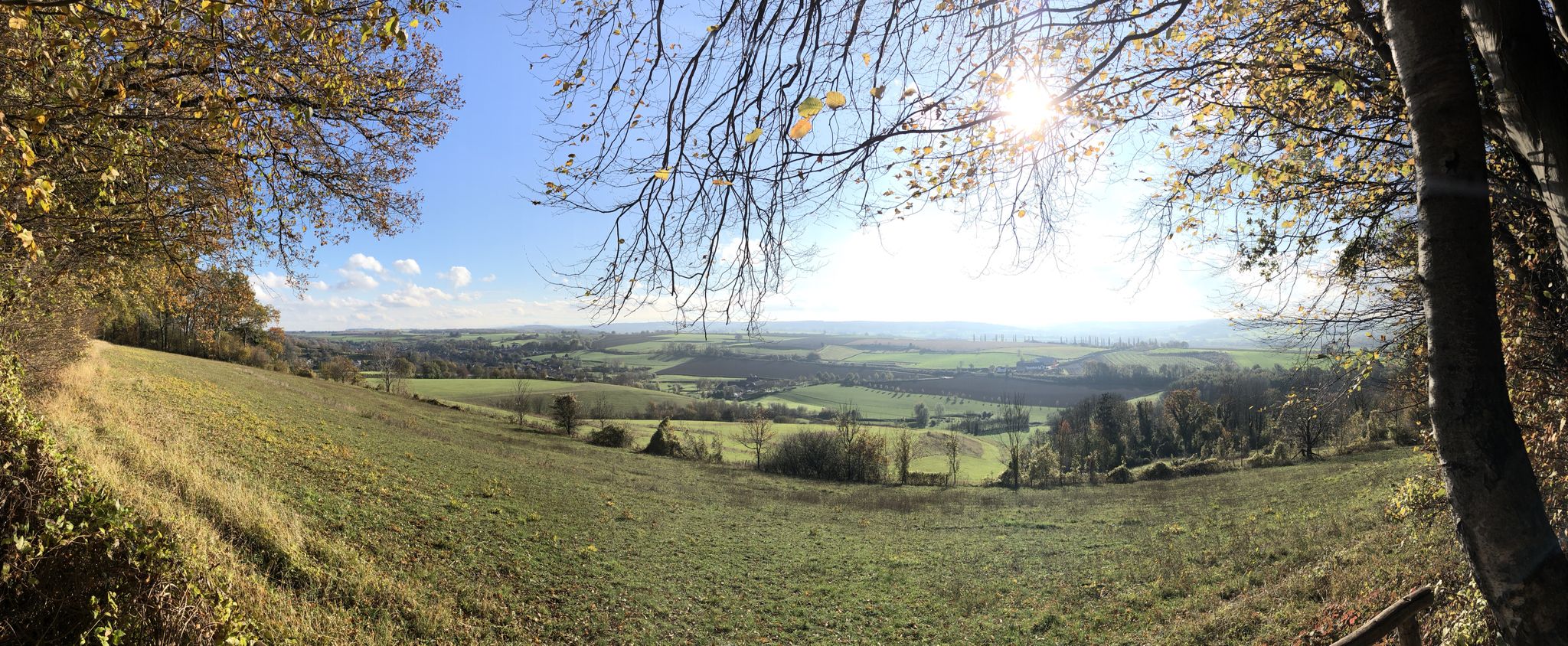
A merry multi-day hike – Limburg Pubs Route
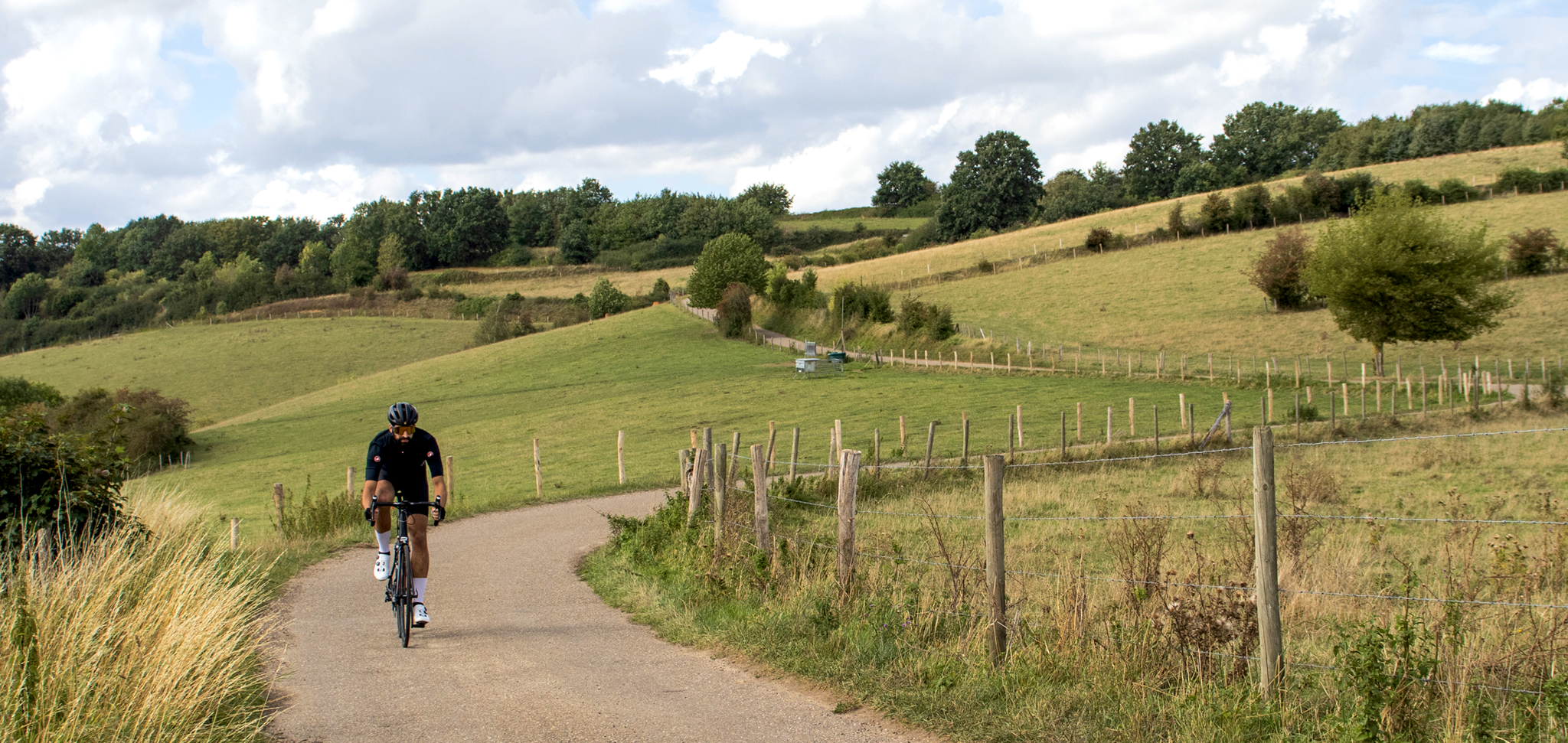
Cross-border cycling in South Limburg – the alternative routes
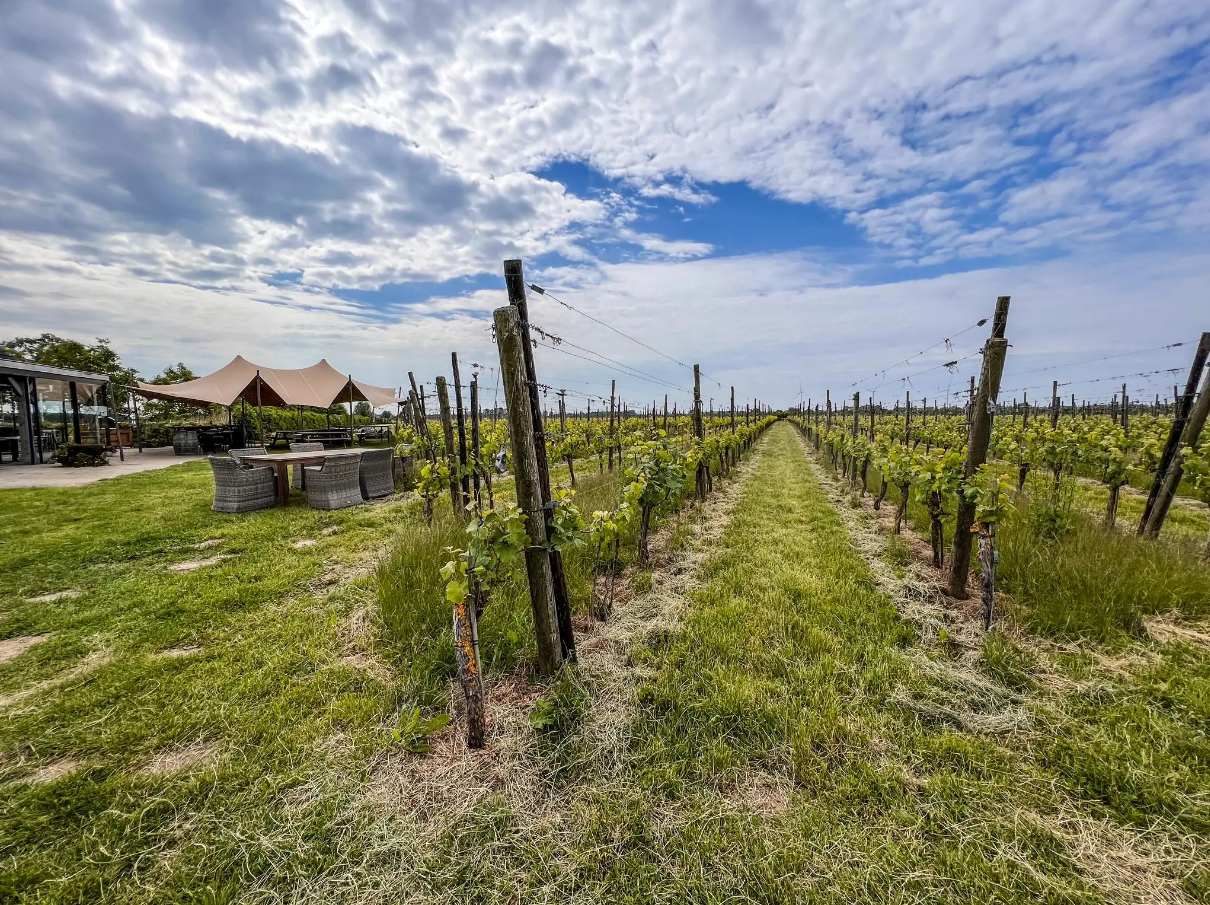
Hike and wine – walking through vineyards in the Netherlands
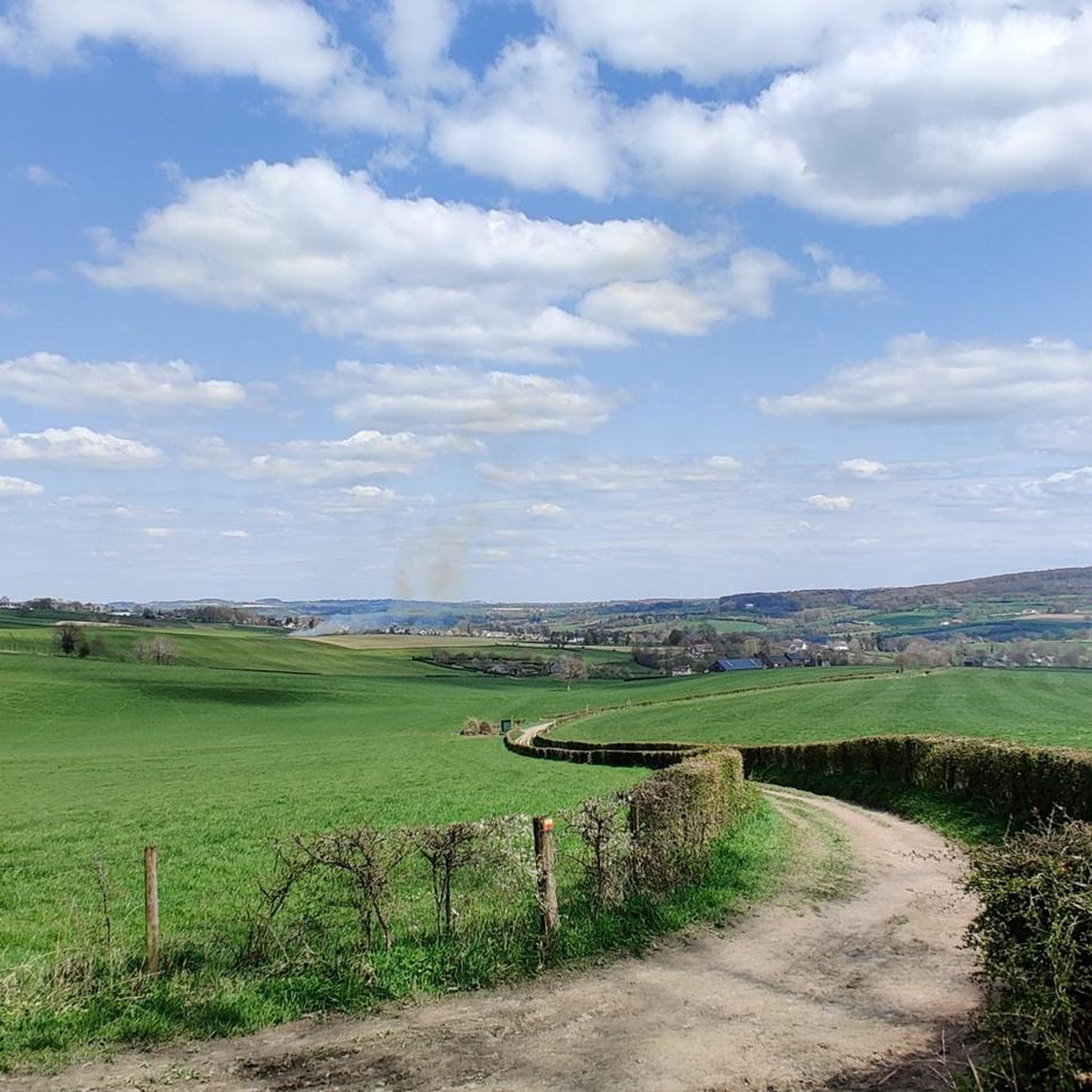
Hiking around Gulpen-Wittem
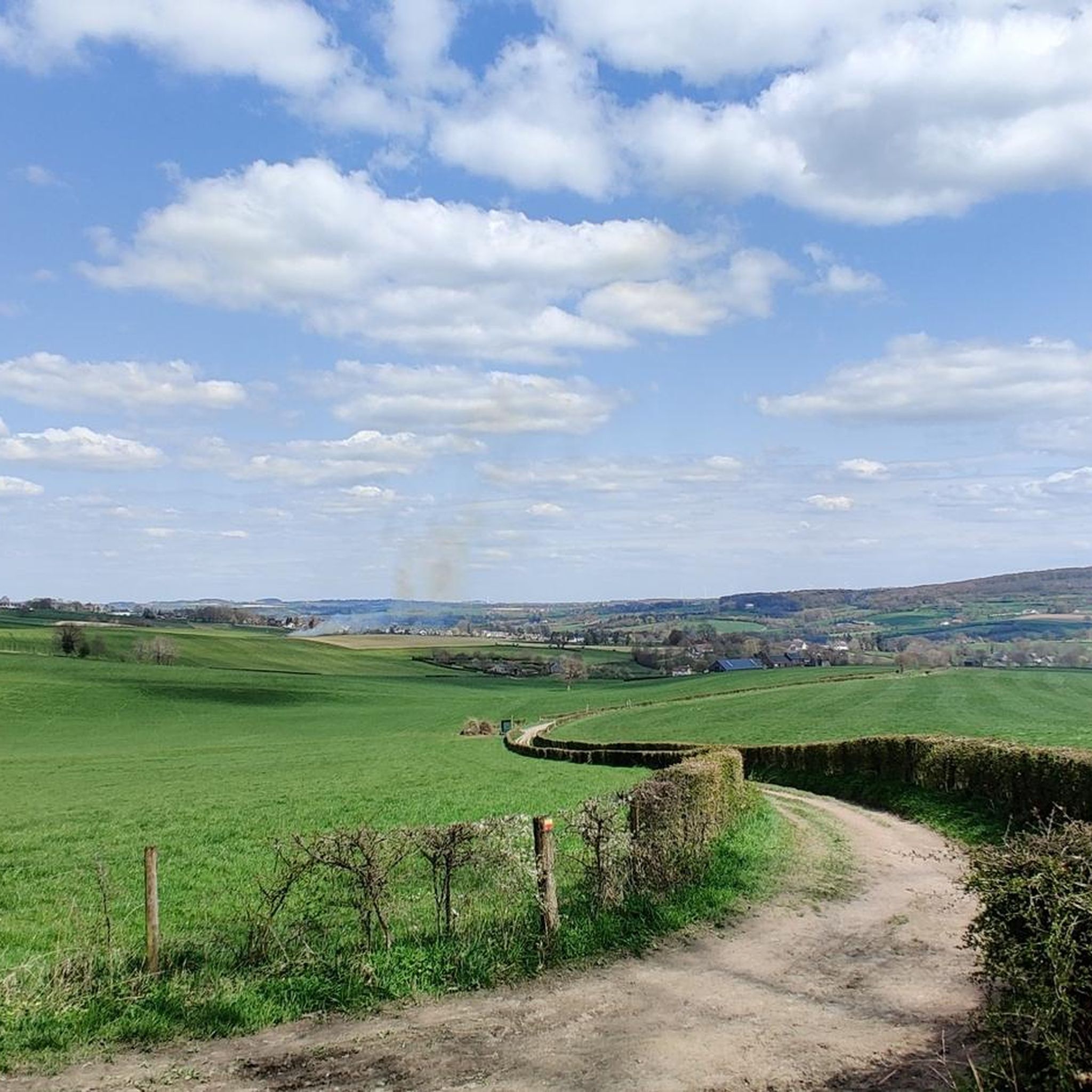
Cycling around Gulpen-Wittem
Other adventures around Gulpen-Wittem


Tips from the Community

A small waterfall in South Limburg often appears in wooded stream valleys such as the Anstelerbeekdal or the Strijthagerbeekdal, areas known for their variety of landscape elements: babbling brooks, ponds, steep slopes, and narrow hiking trails. These waterfalls usually form where the water of a stream or brook overcomes a height difference, for example, at a natural outflow in the valley or at an old weir or small dam. Although small in size, such a waterfall adds visual and auditory charm to the landscape, and the sound of falling water enhances the sense of tranquility and natural beauty, while the movement of the water gives the forest or valley a dynamic accent. They are often located along hiking trails, allowing visitors to take a break and experience nature up close. In areas like Gravenrode Park or the Strijthagerbeekdal, such small waterfalls are also of cultural and historical interest because they were sometimes part of old waterworks or mills, such as at the Strijthagermolen, where water flowed through a canal or small weir to power the mill wheel. Thus, a small waterfall combines natural beauty with historical context and forms a subtle yet characteristic element of the Limburg stream landscape.
1
0

The site of the former Plombières mine is home to species-rich calcareous grassland meadows, now protected as a nature reserve. The exceptional flora and fauna of this area are due to the heavy metal-rich soils, particularly the presence of zinc in the subsurface. Among the natural meadow relics, visible traces of the former metal industry can still be found: – Walls from former foundry floors – Remains of old smelting furnaces – Stones from former industrial buildings A small stream meandering through the area further enriches the ecological diversity of this special place. The "Gueule" viewpoint, which offers a glimpse into a cave opening, is particularly impressive and worth a visit.
53
0

Today it is best known for its flora (zinc-rich soil) and the underground passage or "cave" where the Geule "disappears" for a moment and which was artificially constructed because too much water from the Geule flowed into the mine tunnels and they were therefore temporarily moved.
11
0
Park with "the house of the mining site", playground, information boards, picnic areas, sanitary facilities, direct access to the nature reserve and more. Info about the "Maison du Site Minier" at https://www.komoot.com/nl-nl/highlight/1038492
11
0

If you want to know everything about the streams Pau, Paunelle and Johannesbach, you should take a look at the website I have given below. It's a little too much for one comment. https://oekologie-zentrum-aachen.de/die-aachener-baeche/bachportraits/die-pau-und-die-paunelle/
0
0

it is definitely worth seeing.
2
1

The Pau flows with a slight incline in the direction of the Aachen basin. Shortly before it flows into the Hangeweiher, a few centimeters of difference in height have to be overcome at once, so that there is a small cascade, a small "waterfall". The bastion-like roundabout next to it is also a quiet resting place.
3
0

Here at the Schyns mill, which is privately owned, was built in 1801 and is or was operated as a mill with turbines. Now the mill is also to be operated as a restaurant.
3
0
Frequently Asked Questions
What kind of waterfalls can I expect to see in Gulpen-Wittem?
The Gulpen-Wittem region is characterized by picturesque stream valleys and rolling hills, featuring charming small cascades, weirs, and babbling brooks rather than large, dramatic waterfalls. These water features enhance the natural beauty along hiking trails.
Are there any natural waterfalls in Gulpen-Wittem?
While large natural waterfalls are not typical, you can find smaller natural cascades, such as the Small Waterfall often found in wooded stream valleys like the Anstelerbeekdal or Strijthagerbeekdal. These add visual and auditory charm to the landscape.
What are some unique water features to explore in the region?
Beyond small cascades, you can visit the Mine entrance and Geul sinkhole — Plombières Nature Reserve, which features a diverted creek and a rock breakthrough built to manage water flow. It's a beautiful spot with specific flora and pleasant shade.
Are there any historical sites related to water in Gulpen-Wittem?
Yes, the Old Schyns Mill Waterfall, Moresnet, is a notable historical site. This mill, built in 1801, was operated with turbines and features a magnificent water wheel, offering a glimpse into the region's industrial past.
What outdoor activities can I do near these water features?
The region offers extensive opportunities for outdoor activities. You can find numerous hiking trails that follow these waterways, including routes through the Geul and Gulp valleys. There are also options for gravel biking and cycling.
Are there family-friendly water features or trails in Gulpen-Wittem?
Many of the smaller cascades and stream walks are suitable for families. Highlights like the Small Waterfall and the Small Waterfall on the Gulp are often found along easy hiking trails, making them enjoyable for all ages. The tranquil nature of the stream valleys is perfect for family outings.
What is the Watervalderbeekdal, and does it have a waterfall?
The Watervalderbeekdal (Waterfall Stream Valley) is an idyllic valley with a sloping spring forest where the Watervalderbeek rises. Despite its name, it does not feature a traditional waterfall. Instead, the upwelling water forms a babbling brook, creating a rich habitat for flora and fauna. You can find more information about this area on Visit Zuid-Limburg.
What are some popular hiking routes that feature water elements?
You can explore routes like 'Geuldal Valley – Meanders of the Geul loop from Epen' or 'Meadows Along the Geul – Epen Fulling Mill loop from Epen' which offer scenic views of the Geul river and its surrounding landscapes. These routes often pass by small cascades and brooks.
Can I find cafes or pubs near the water features in Gulpen-Wittem?
Yes, some locations, like the Old Schyns Mill, are being operated as restaurants or have food/drink shops nearby. Additionally, many villages along the stream valleys offer charming cafes and pubs where you can take a break.
What is the best time to visit Gulpen-Wittem to experience its water features?
The region's water features are beautiful year-round. After rainfall, the brooks and cascades, such as the Small Waterfall on the Gulp, often have an increased volume of water, making them particularly vibrant. Spring and autumn offer pleasant temperatures for hiking and lush scenery.
What kind of terrain can I expect on trails near these water features?
The terrain in Gulpen-Wittem is characterized by rolling hills and stream valleys. Trails can range from easy, gentle paths along the brooks to moderate routes with some elevation changes, offering a varied hiking experience.
Are there any artificial water features in Gulpen-Wittem?
In Gulpen, you can find an artificial fountain called 'Fontein Vroedmeesterpad en vissen.' Water from the Gulperberg flows via a cascade into the Gulp, forming part of this public art installation.
Most popular routes around Gulpen-Wittem
Most popular attractions around Gulpen-Wittem

Get inspired with the komoot mobile app


Explore more
Happy to travel a little further afield? Then browse these guides for the best waterfalls around Gulpen-Wittem:
