The best gravel rides around Humilladero
13
riders
6
rides
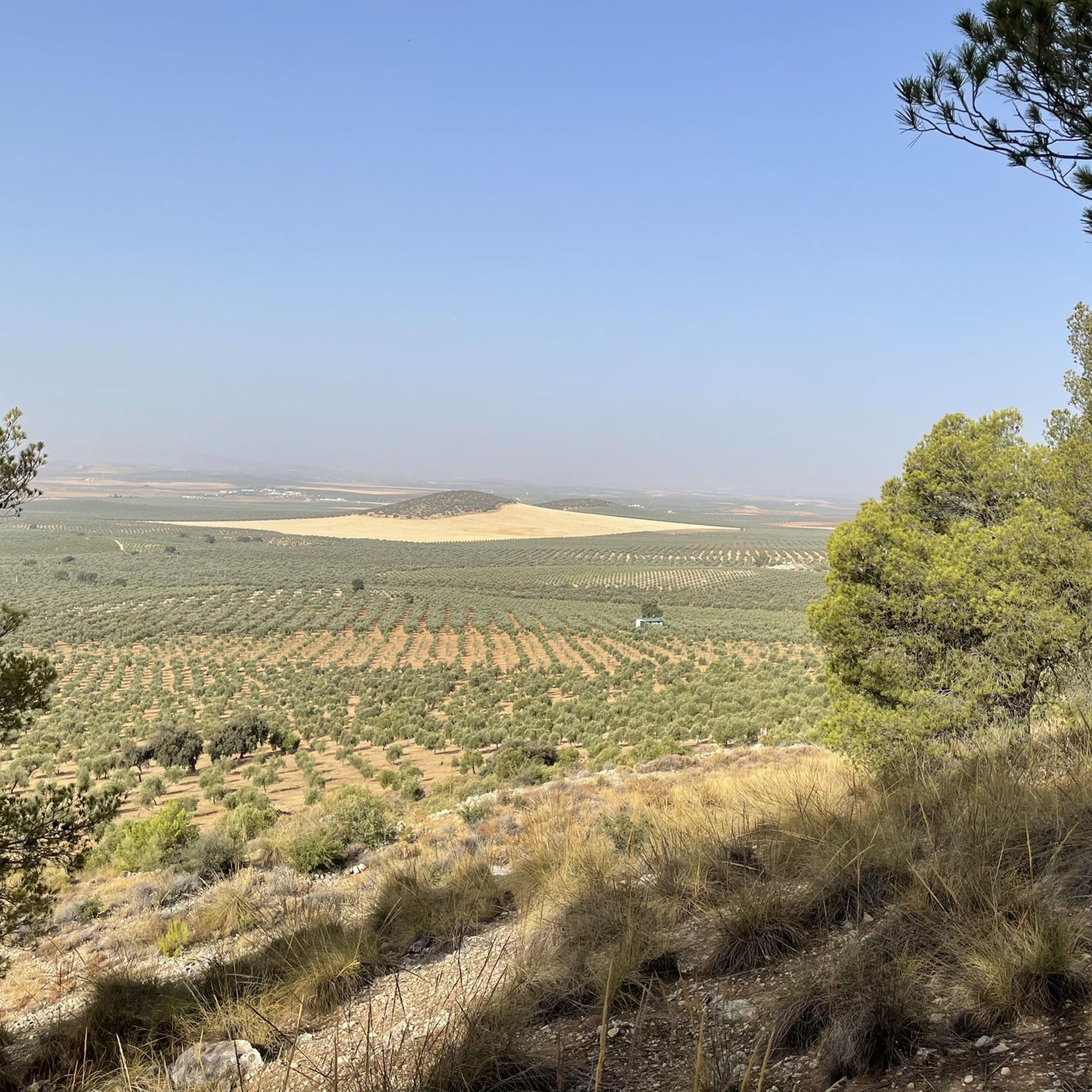
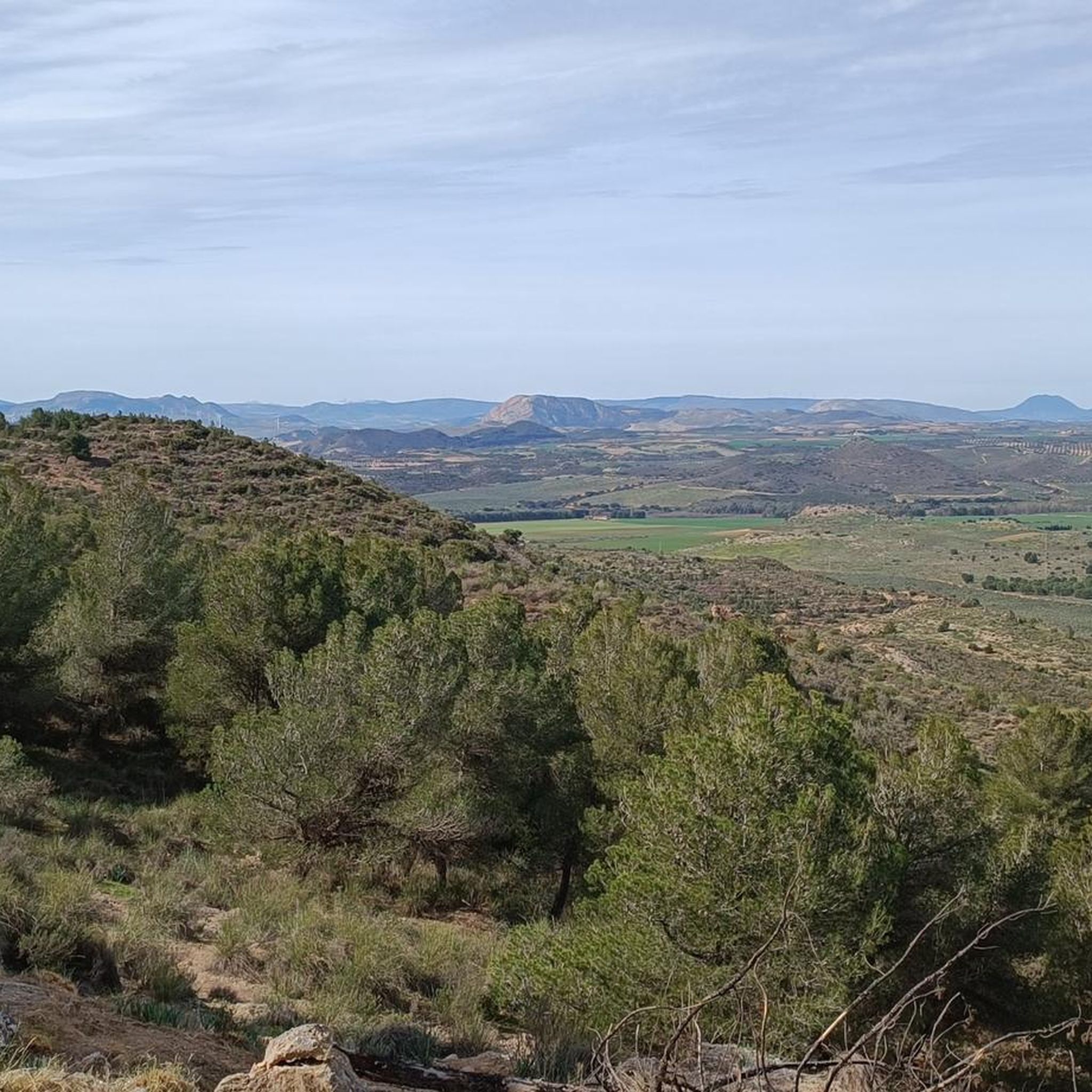
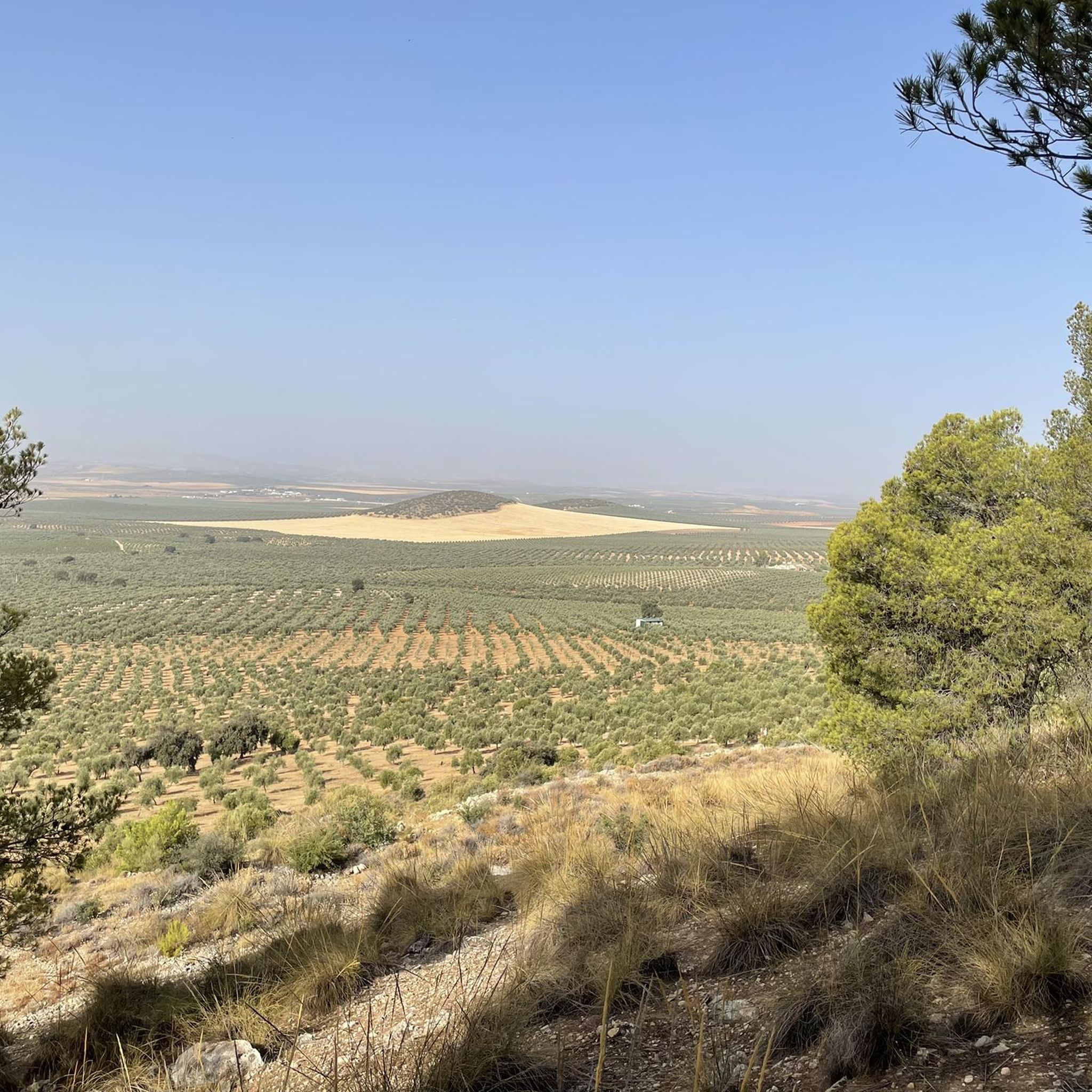
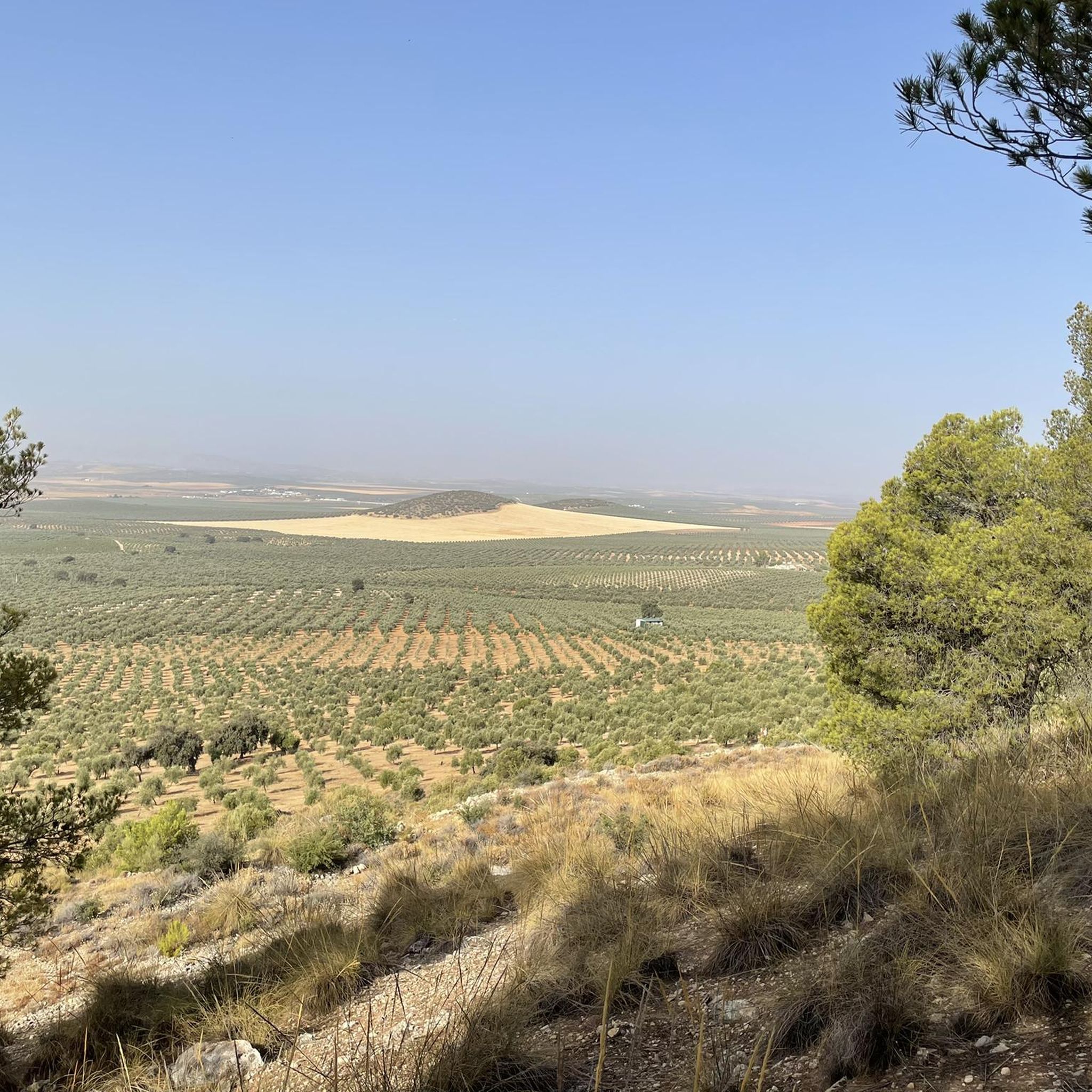
Gravel biking around Humilladero offers diverse terrain, from rolling hills and olive groves to mountainous areas. The region features a network of trails connecting to natural reserves like Laguna de la Ratosa and Fuente de Piedra Lagoon. Agricultural lands with quiet roads and tracks provide additional routes through serene rural scenery. The landscape includes pine forests and open fields, suitable for varied cycling experiences.
Best gravel bike trails around Humilladero
- The most popular gravel bike trail is Pine Forest –…
Last updated: November 2, 2026
3
riders
48.6km
03:39
570m
570m
Hard gravel ride. Very good fitness required. Mostly paved surfaces.
2
riders
33.9km
02:33
340m
340m
Moderate gravel ride. Good fitness required. Mostly paved surfaces.

2
riders
42.8km
02:55
330m
330m
Moderate gravel ride. Good fitness required. Mostly paved surfaces.
2
riders
33.0km
02:20
220m
220m
Moderate gravel ride. Good fitness required. Mostly paved surfaces.
2
riders
51.4km
03:31
370m
370m
Moderate gravel ride. Good fitness required. Mostly paved surfaces.
Our route recommendations are based on thousands of hikes, rides, and runs completed by other people on komoot.
Start today with a free account
Your next adventure awaits.

Tips from the Community

The Laguna de Fuente de Piedra provides an important habitat for large flamingo colonies and is one of the most significant breeding grounds for this bird species in Europe. The shallow salt lagoon offers ideal conditions for the birds, allowing them to be observed there in large numbers, especially during the warmer months.
2
0
Laguna de Fuente de Piedra is home to large flamingo colonies and is considered one of the most important breeding grounds for this bird species in Europe, where they can be observed particularly well in the warmer months.
3
0
The Vicaría Observatory (Mirador) is an official viewpoint at the Fuente de Piedra Lagoon and is one of the most important observation points in the nature reserve. From here, there is a good overview of the shallow salt lagoon.
2
0

about 5,600 years ago 😮 1,140 tons 😲
4
0
The Conjunto Arqueológico Dólmenes de Antequera is an important historical landmark in Andalusia. The site consists of three ancient stone tombs – Menga, Viera, and El Romeral – as well as the natural monuments Peña de los Enamorados and El Torcal. It has been a UNESCO World Heritage site since 2016. The largest part of the site is the Dolmen de Menga. It was built between 3800 and 3600 BC using massive stones. A unique feature is that it is aligned with the Peña de los Enamorados rock. Nearby lies the Dolmen de Viera, which was created between 3500 and 3000 BC. It is constructed so that sunlight shines into the tomb during the equinox. The third part, Tholos de El Romeral, is located about four kilometers away. It was built around 2500 BC and has a circular shape with a special stone ceiling.
2
0
In the heart of Alameda stands the monument to José María Hinojosa Cobacho, better known as "El Tempranillo," one of the most famous Andalusian bandits of the 19th century. The bronze statue depicts him in a typical rebel and folk hero pose and is located on Calle Álamos, not far from the town center. El Tempranillo was born in 1805 in Jauja, near Lucena, and joined a band of highwaymen at a young age. Over time, he became a legendary figure, both feared and revered by the local population—a symbol of resistance against social injustice. After being mortally wounded in a raid in 1833, his body was brought to Alameda, where he died and was buried in the Church of the Immaculate Conception. The monument and his grave are now part of the "Ruta del Tempranillo," a cultural route that traces the life of the bandit. They are reminiscent of a time when outlaws and folk heroes often lived close together, making Alameda an important place in Andalusian history and legendary culture.
1
0
Alameda is a picturesque village that captivates visitors with its tranquil atmosphere and historically rich surroundings. Encircled by expansive fields and rolling hills, it offers ideal conditions for cycling tours through the Andalusian hinterland. The whitewashed houses, narrow streets, and shady squares lend the village its typical Andalusian charm. At its heart lie the Church of the Immaculate Conception and the Placeta Fountain, reminders of the village's Roman roots. Alameda is particularly famous for the legend of the bandit José María "El Tempranillo," whose monument and tomb are now popular destinations for visitors. The surrounding area is easily explored by bicycle – passing olive groves, old farmhouses, and quiet paths that offer a glimpse into rural Andalusia. Alameda uniquely combines history, culture, and nature, making it an ideal starting point for peaceful, enriching tours away from the crowds.
0
0
The city gate of Antequera was built in 1749 in the Baroque style, demolished in the 19th century, and faithfully reconstructed in the 1990s. Today, the Puerta de Estepa is a symbolic gateway to the city.
3
0
Frequently Asked Questions
How many gravel bike trails are available around Humilladero?
There are 6 gravel bike trails around Humilladero, offering a variety of experiences. Most of these routes are considered moderate, with one challenging option for experienced riders.
What kind of terrain can I expect on gravel bike trails in Humilladero?
The terrain around Humilladero is diverse, ranging from rolling hills and extensive olive groves to more mountainous areas like the Sierra de Humilladero. You'll encounter quiet roads, tracks through agricultural lands, and trails through pine forests, providing a varied gravel biking experience.
Are there challenging gravel routes for experienced riders?
Yes, for experienced riders seeking a challenge, the Pine Forest – Toro de Osborne loop from La Roda de Andalucia is a difficult route covering over 48 km with an elevation gain of approximately 570 meters.
Are there easier gravel routes suitable for beginners or families?
While most routes are moderate, the region offers paths through agricultural landscapes and around lagoons that are generally flatter and less demanding. For a moderate but accessible ride, consider the Unique holm oak loop from La Roda de Andalucia, which is about 34 km with 335 meters of elevation.
What natural features can I see while gravel biking in Humilladero?
You can explore significant natural reserves. The Fuente de Piedra Lagoon, known for its large flamingo colony, is accessible via routes like the Fuente de Piedra Lagoon – La Vicaría Observatory loop from Mollina. The Sierra de Humilladero also offers trails through pine forests and views of the Antequera valley.
Are there any interesting landmarks or points of interest along the gravel routes?
Yes, several routes pass by notable landmarks. You can cycle past the La Vicaría Observatory on the Fuente de Piedra Lagoon – La Vicaría Observatory loop from Mollina. Another route, the Historic Centre of Antequera – Dolmens of Antequera loop from Mollina, takes you near the historic center of Antequera and its famous Dolmens.
Where can I find panoramic views on a gravel bike ride?
For panoramic views, head towards the Sierra de Humilladero. Trails leading to Pico Pollo offer expansive vistas of the Antequera valley and the Fuente de Piedra Lagoon Natural Reserve. The area around El Puntal (680 meters) also provides spectacular scenery.
What wildlife might I encounter on the trails?
The natural reserves, particularly the Laguna de la Ratosa and Fuente de Piedra Lagoon, are significant ecological sites. You might spot various bird species, including flamingos, stilts, avocets, and ducks, especially during certain times of the year.
Are there circular gravel bike routes in Humilladero?
Yes, many of the gravel routes around Humilladero are designed as loops. Examples include the Pine Forest – Toro de Osborne loop from La Roda de Andalucia and the Village of Alameda – Álamos Fountain – Alameda loop from Los Perenos, allowing you to start and end at the same point.
What is the best time of year for gravel biking in Humilladero?
Spring and autumn are generally the most pleasant seasons for gravel biking in Humilladero. The weather is milder, and the landscapes are vibrant. Summers can be very hot, making early morning or late afternoon rides preferable, while winters are generally mild but can have occasional rain.
Is parking available near the gravel bike trails?
Humilladero and nearby villages often have public parking areas that can serve as starting points for gravel bike trails. For specific routes, it's advisable to check the tour details on komoot for recommended parking spots near the trailhead.
Are there places to eat or drink near the gravel routes?
Humilladero and the surrounding towns like Mollina, Alameda, and La Roda de Andalucia offer local cafes and restaurants where you can refuel. Many routes pass through or near these villages, providing opportunities for a break.
Most popular routes around Humilladero
Most popular attractions around Humilladero

Get inspired with the komoot mobile app


Explore more
Browse the best Gravel rides in other regions.
