Attractions and Places To See around Fey - Top 20
Best attractions and places to see around Fey include a mix of historical sites, natural monuments, and man-made structures. This region offers diverse points of interest for visitors. The area features both cultural landmarks and natural reserves, providing various exploration opportunities.
Best attractions and places to see around Fey
- The most popular attractions is Soldiers' Fountain, a other_man_made that has an interesting history related to supplying soldiers with water. It is one of 12 fountains on a local circuit. …
Last updated: June 22, 2026
Soldiers' Fountain
Highlight • Structure
Translated by Google •
Tip by

Saint-Étienne Reformed Church, Moudon
Highlight • Religious Site
Translated by Google •
Tip by

Sign up now to discover places like this
Get recommendations on the best single tracks, peaks, & plenty of other exciting outdoor places.
Sign up for free
Canal d’Entreroches
Highlight • Monument
Translated by Google •
Tip by

Creux de Terre Nature Reserve
Highlight • Natural Monument
Tip by

Talent River Trail
Highlight (Segment) • Trail
Translated by Google •
Tip by
Sign up for free to discover even more attractions around Fey.
Sign up for free
Already have an account?
Start today with a free account
Your next adventure awaits.
Login or Signup


Tips from the Community

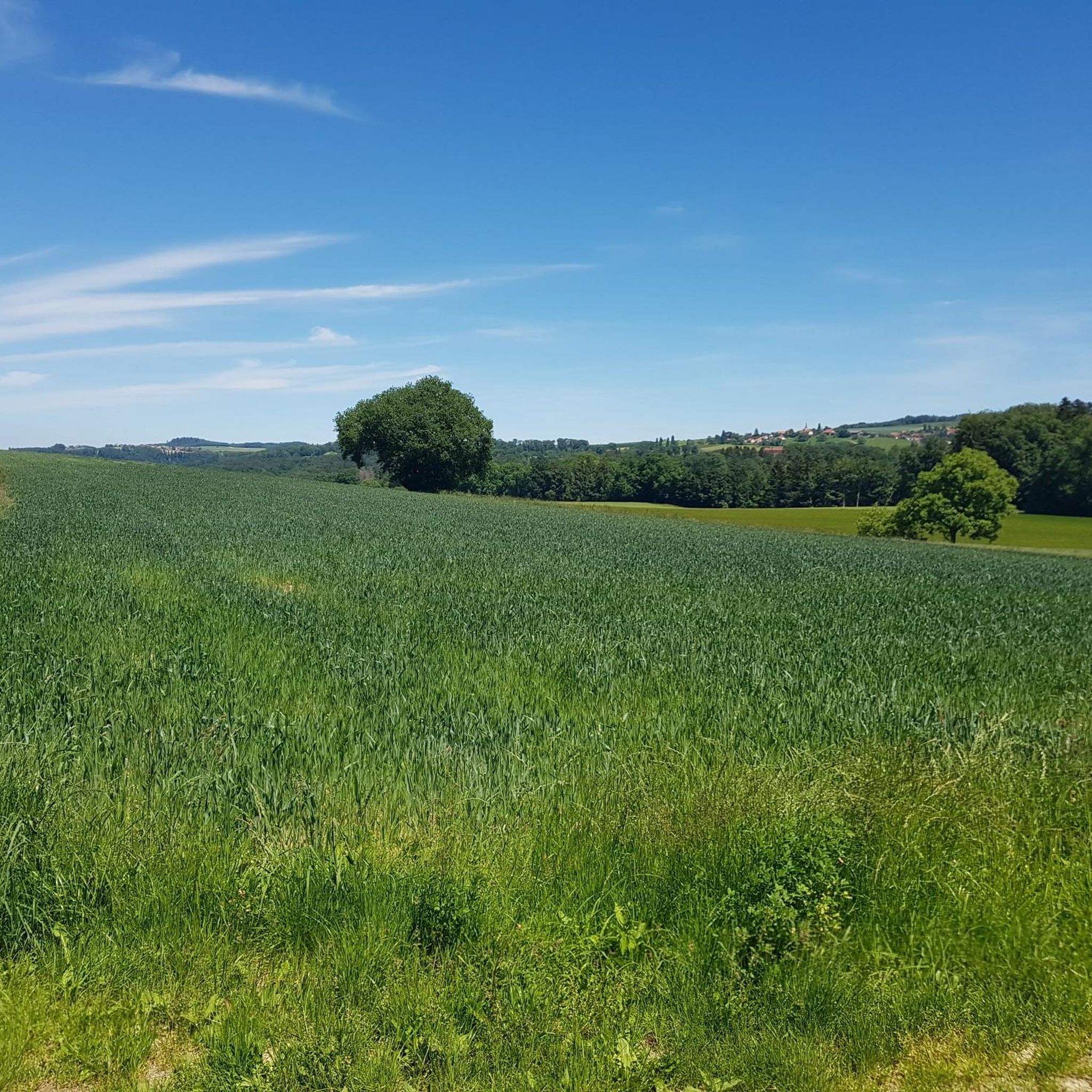
The Creux de Terre near Yverdon-les-Bains is an impressive karst sinkhole and also a significant nature reserve. The basin was formed by geological processes in which limestone sank, forming a funnel-shaped basin. Today, the area is home to moist meadows, ponds, small forests, and rich biodiversity. Amphibians such as frogs, toads, and newts find ideal living conditions here. Numerous bird species also breed or rest in the reserve. Walking trails with information panels lead through the basin and explain its geology, flora, and fauna. The Creux de Terre is easily accessible from nearby Yverdon.
0
0

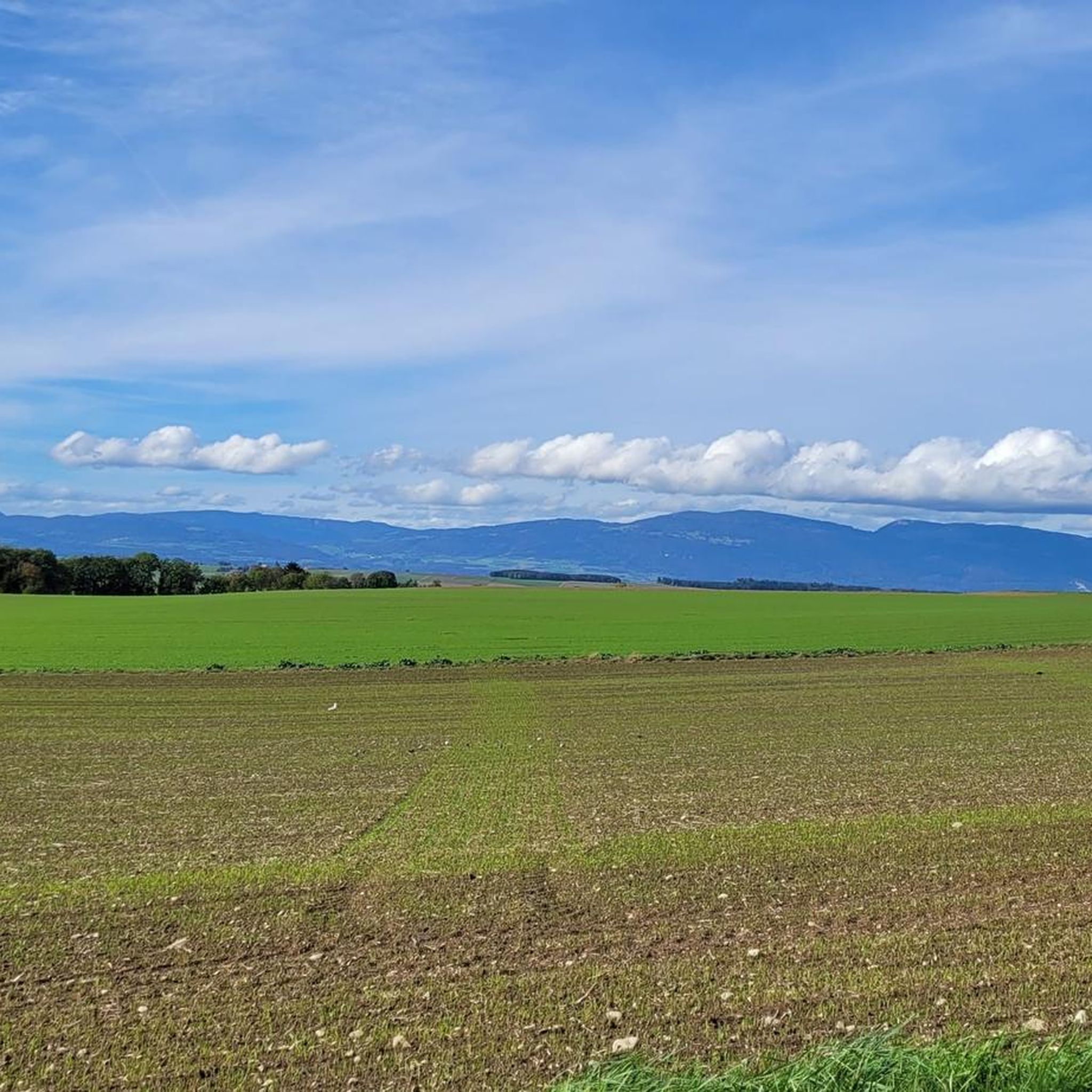
The idea was to create a connection between Yverdon and the Mediterranean, with the goal of selling wine. Unfortunately, the project ran out of money...
1
0

The church tower of Saint-Etienne was once an integral part of the fortifications. Easily recognizable by its solid construction and the loopholes on the sides. In the tower passage there is an interesting information board stating that Wolfgang Amadé Mozart and his family stopped in Moudon in 1766 on their journey through Switzerland.
1
0


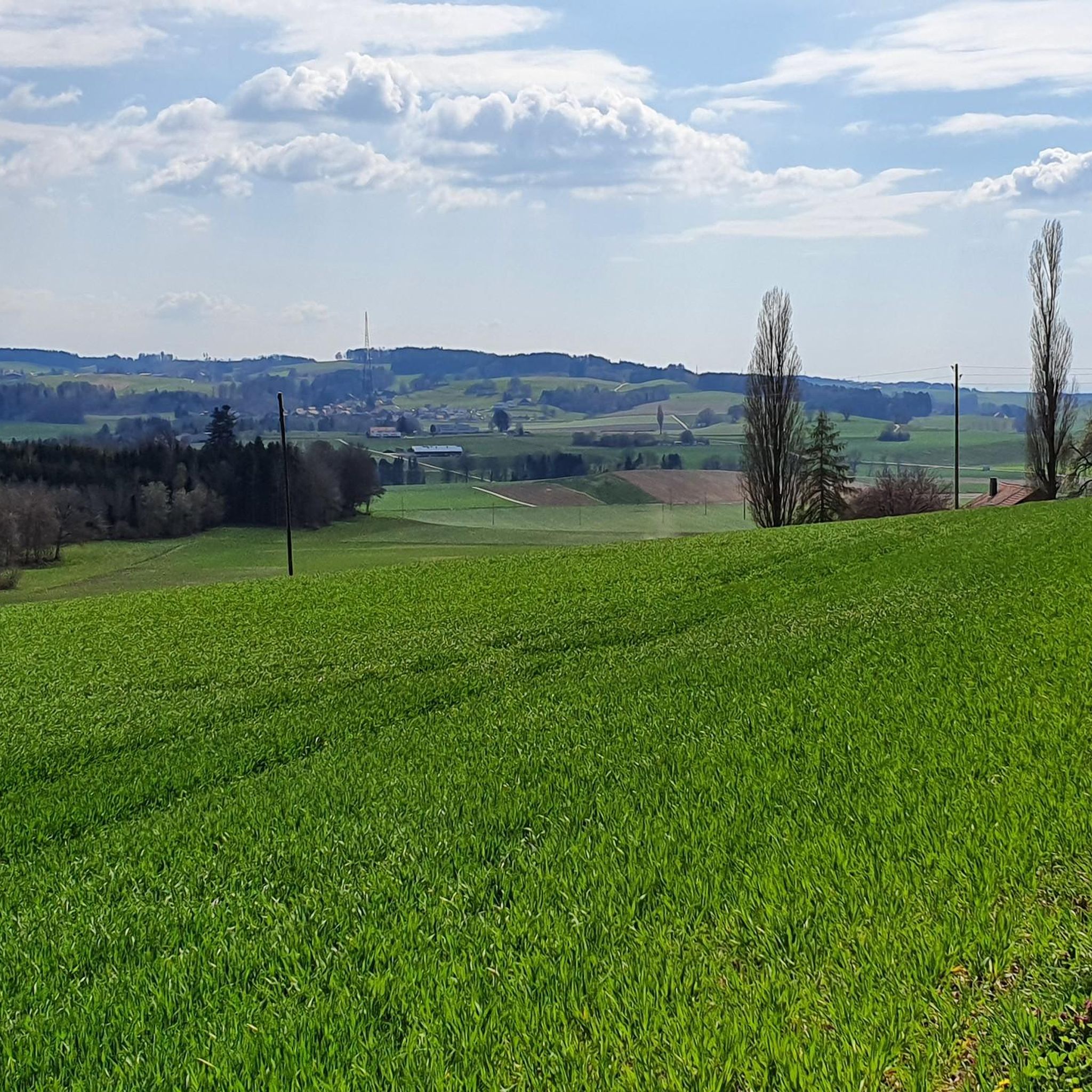
One of the 12 fountains on the fountain circuit. It was used to supply the soldiers with water on their journey between the Pontaise barracks and the shooting range on the Mauvernay plain.
2
0

The first mention of a church dedicated to Saint Stephen in Moudon dates from 1134-1143, although its existence probably dates back further. Located outside the medieval village centered on the hill, it was then the counterpart to the Notre-Dame chapel located at the top of this hill1. Nicknamed “the cathedral of Broye” by the city's inhabitants, it is the largest parish church in the canton of Vaud and one of the best examples of radiant Gothic style in French-speaking Switzerland2. Construction began around 1281, the date of the enclosure flanking the apse wall, and was completed around 1330 with the construction of the last three vaults and the western rose. The bell tower, openworked at its base by the town gate, was erected between the years 1417 and 1436. Chapels were then added to the sides. The simple plan, without transept, evokes a Cistercian influence with its three naves and its rectangular choir, but in elevation the style is radiant Gothic. The vaults are decorated with paintings in 1506-1512. The stalls from 1499-1502 are the work of sculptors Rodolphe Pottu, Peter Vuarser and Mattelin Vuarser. The communion table, Gothic, dates from 1564. The molasse pulpit was built in 1695. The baroque buffet organ from 1764 is by the maker Adrien-Joseph Pottier and the sculptors Joseph Dellion and Charles Puidoux. Finally, the stained glass windows date from 1935-1937 (Ernest Biéler), and 1951-1953 (Charles Clément)2. The church was restored several times, in 1836-1839 by the architect Henri Perregaux3, then again in 1896-1897, in 1934-1935, in 1949-1974 (with interruptions)2. The church is listed as a Swiss cultural property of national importance. Source Wikipedia
0
0

The Reformed Church of Saint-Étienne, also known as the Temple of Saint-Étienne, is a Protestant church in the commune of Moudon in the canton of Vaud, Switzerland. It is a parish church of the Evangelical Reformed Church of the canton of Vaud
1
0

Very nice section of the trail, even with a cave.
3
0
Frequently Asked Questions
What historical sites can I visit around Fey?
While Fey itself is a small commune, its proximity to Metz offers a wealth of historical attractions. You can explore the magnificent Metz Cathedral, a highly-rated landmark, or visit the historic German Gate (Porte des Allemands). Another significant historical site is the Gorze–Metz Roman Aqueduct near Jouy-aux-Arches, which once supplied water to Metz and features interpretive boards. In Nancy, approximately 38 km away, the UNESCO World Heritage site Place Stanislas is a prominent heritage site.
Are there any family-friendly attractions near Fey?
Yes, there are several family-friendly options. In Fey itself, POKEYLAND offers entertainment. For animal lovers, the Parc zoologique d'Amnéville is about 24 km away. If you're looking for active fun, consider the Trampoline Park Metz in Moulins-lès-Metz or METZ Kart Indoor in Augny. For a more cerebral challenge, The Secret Door Escape game in Augny is also an option.
Where can I find natural beauty and parks near Fey?
The region around Fey offers several natural escapes. You can enjoy a scenic cycling route along the Moselle River, stretching from Metz to Arnaville. The Foret de la Reine, about 36 km from Fey, provides a beautiful natural setting. Additionally, there are several remarkable gardens in the broader region, such as Parc du château de Pange (20km) and Jardin Alexandre-Godron (38km).
What cultural attractions are available in the area?
For art and culture, the Centre Pompidou-Metz is a prominent art museum in Metz, offering diverse cultural exhibitions. In Nancy, the Muséum-aquarium de Nancy provides an interesting blend of natural history and aquatic life. The Place de la République de Metz is also a significant public square worth experiencing.
What kind of outdoor activities can I do around Fey?
The area around Fey is excellent for various outdoor activities, especially cycling. You can find numerous road cycling routes, touring bicycle routes, and mountain biking trails. For detailed routes and maps, explore the Road Cycling Routes around Fey, Cycling around Fey, and MTB Trails around Fey guides.
Are there any specific cycling routes recommended near Fey?
Yes, there are many cycling options. For road cycling, you could try the 'Route de la Maladaire loop from Fey'. If you prefer touring, the 'Yverdon-les-Bains Old Town – Yverdon-les-Bains loop from Fey' is a longer option. Mountain bikers might enjoy the 'Refuge de Bavois – Sheltered Picnic Table loop from Fey'. You can find more details and routes in the dedicated cycling guides for the region.
What are some unique or lesser-known places to visit near Fey?
Beyond the main cities, consider exploring the Gorze–Metz Roman Aqueduct for a glimpse into ancient engineering. For nature lovers, the various 'Remarkable Gardens' like Parc du château de Pange offer serene and beautiful landscapes that are less commonly known than city landmarks. The cycling route along the Moselle River also provides a unique perspective of the local scenery.
What is the best time of year to visit Fey attractions?
The best time to visit Fey and its surrounding attractions, especially for outdoor activities and enjoying the gardens, is typically from spring to early autumn (April to October). During these months, the weather is generally pleasant for exploring historical sites, cycling, and visiting parks. Summer offers the warmest temperatures, while spring and autumn provide milder weather and beautiful foliage.
Are there any sports venues or arenas nearby?
Yes, in nearby Metz, you can find Stade St Symphorien, a stadium, and Arenes de Metz, an arena. These venues host various sporting events and concerts throughout the year.
Can I find any natural monuments or reserves in the vicinity?
While the guide data mentions the Creux de Terre Nature Reserve, which is noted for its ponds and birdwatching opportunities, it is located near Yverdon-les-Bains, Switzerland. For natural features closer to Fey, France, you can explore the Foret de la Reine or enjoy the natural landscapes along the Moselle River.
What kind of historical structures can I expect to see?
The region is rich in historical structures. In Metz, you can see the impressive Metz Cathedral and the medieval German Gate (Porte des Allemands). The ancient Gorze–Metz Roman Aqueduct near Jouy-aux-Arches is another significant historical engineering marvel. The Place Stanislas in Nancy is a grand 18th-century architectural ensemble.
Most popular attractions around Fey

Get inspired with the komoot mobile app


Explore more
Still not found the Highlight you’re looking for? See guides of the top attractions in other regions:
