Hartington Nether Quarter CP
Hartington Nether Quarter CP
Top 3 Castles around Hartington Nether Quarter CP
Best castles around Hartington Nether Quarter CP offer a glimpse into centuries of history within the scenic Peak District. This area features historical sites ranging from ancient earthworks to well-preserved medieval manor houses. The landscape, characterized by the Dove Valley, provides strategic locations for these fortifications. Visitors can explore the remains of early Norman castles and fortified estates, understanding their significance in controlling key routes and territories.
Best castles around Hartington Nether Quarter CP
- The most popular castles is Pilsbury Castle Earthworks, a natural monument and historical site that features the remains of a Norman motte-and-bailey castle. This site offers panoramic views of the Dove Valley and provides a tangible link to Iron Age and Norman history.
- Another must-see spot is Haddon Hall, a castle and historical site. This fortified medieval manor house is considered one of Europe's most important historical estates, showcasing a blend of architectural styles and well-preserved interiors.
- Visitors also love Pilsbury Castle and Panoramic Views of the Dove Valley, a castle and viewpoint. This highlight details the historical significance of Pilsbury Castle, which occupied a strategic high ground overlooking the River Dove and a key crossing point.
- Hartington Nether Quarter CP is known for its Norman motte-and-bailey castles and fortified medieval manor houses. The area offers a variety of historical sites to see and explore, from earthwork remains to grand estates.
- The castles around Hartington Nether Quarter CP are appreciated by the komoot community, with more than 160 upvotes and over 170 photos shared across the highlights.
Last updated: July 9, 2026
Magpie Mine
Highlight • Historical Site
Tip by

Pilsbury Castle Earthworks
Highlight • Natural Monument
Tip by

Sign up now to discover places like this
Get recommendations on the best single tracks, peaks, & plenty of other exciting outdoor places.
Sign up for free
Technical Bridleway in Peak District National Park
Highlight (Segment) • Cycleway
Tip by

Haddon Hall
Highlight • Castle
Translated by Google •
Tip by

Pilsbury Castle and Panoramic Views of the Dove Valley
Highlight (Segment) • Castle
The Normans built a substantial motte-and-bailey castle on the site, and several theories have been put forward as to when and who did so. One theory is that the castle was built in the years following the Norman conquest of England. The area around Pilsbury was granted to Henry de Ferrers by King William; the area was devastated during the harrying of the North, and the castle may have been built in the aftermath by Henry to establish control.
Tip by

Start today with a free account
Your next adventure awaits.
Login or Signup
Popular around Hartington Nether Quarter CP
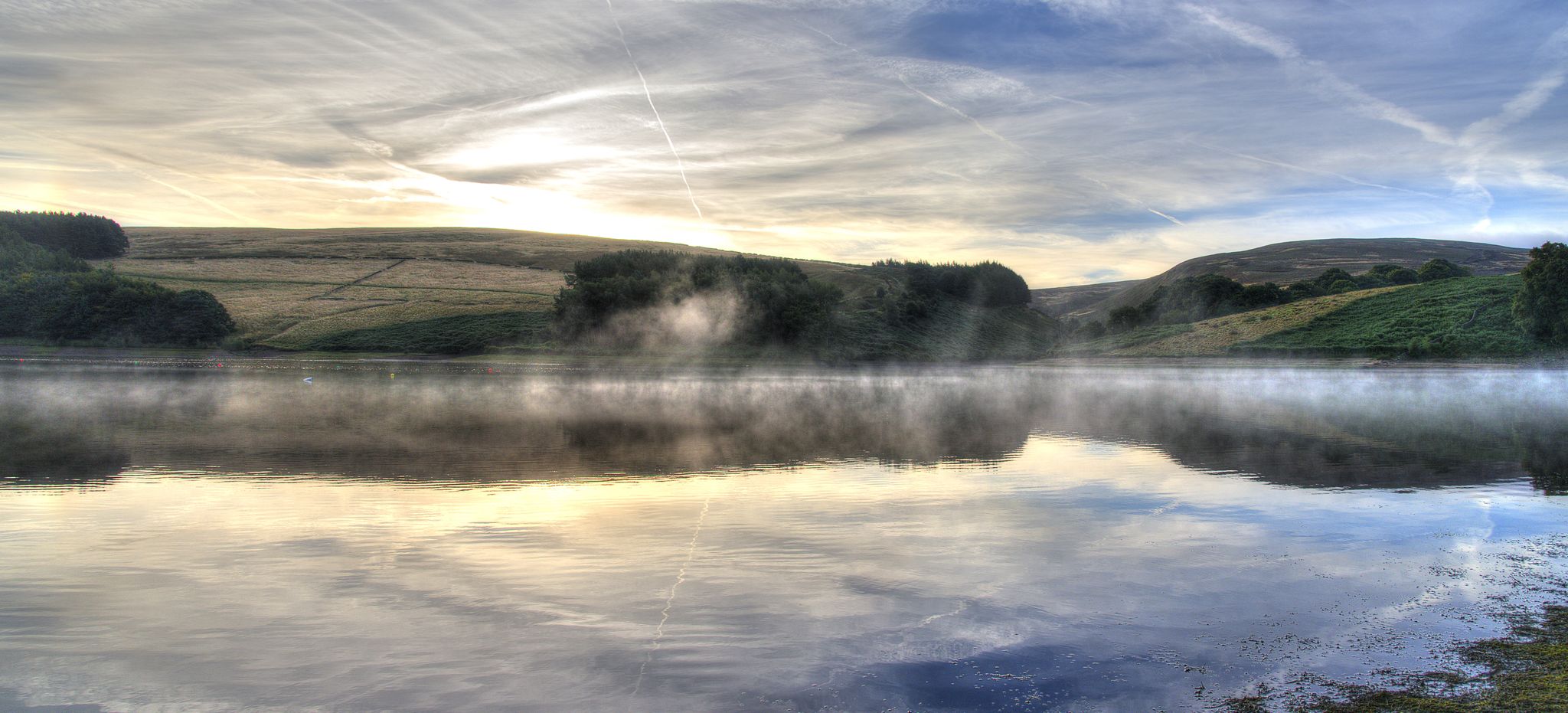
Midshires Way — An epic hike through England's rural heart
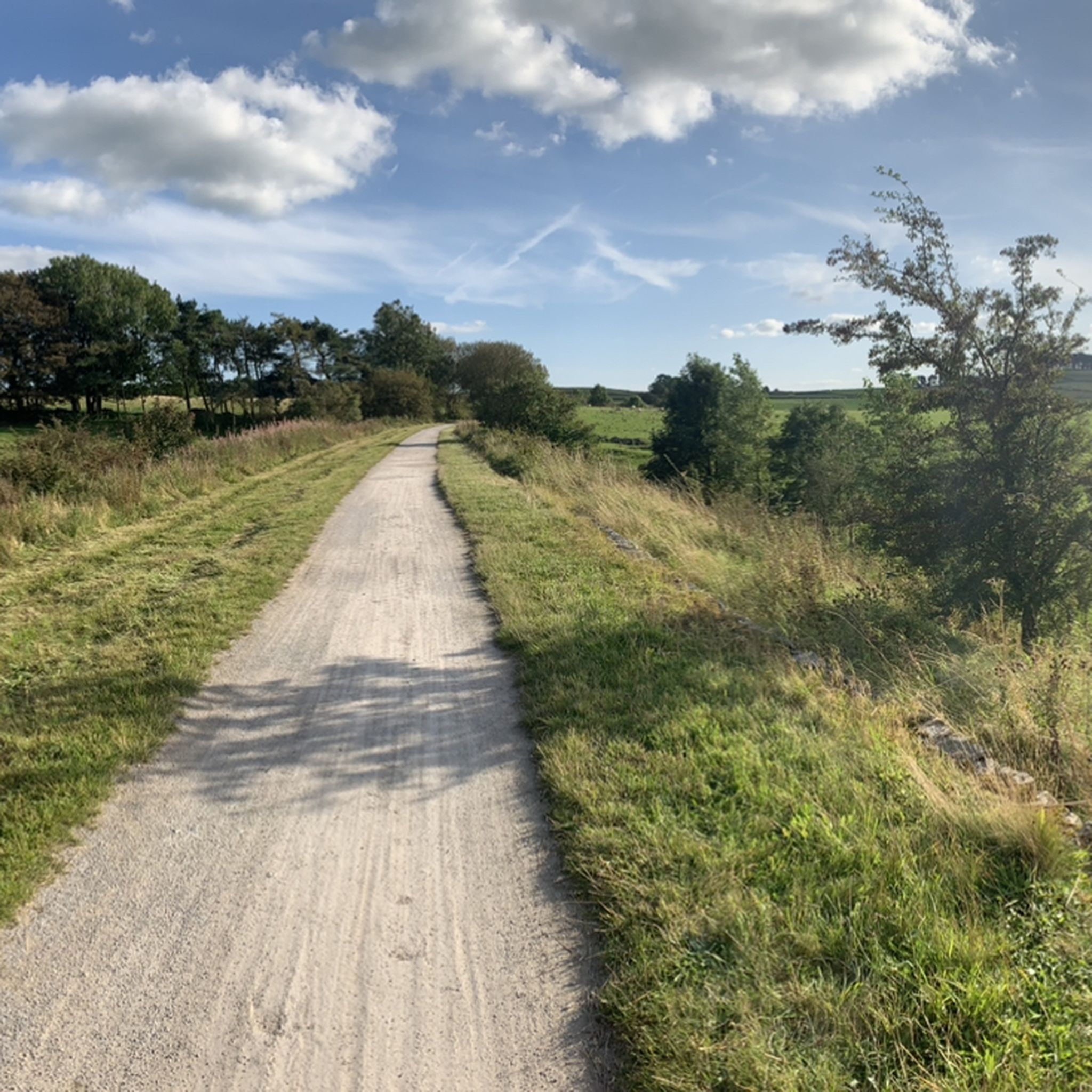
Hiking around Hartington Nether Quarter CP
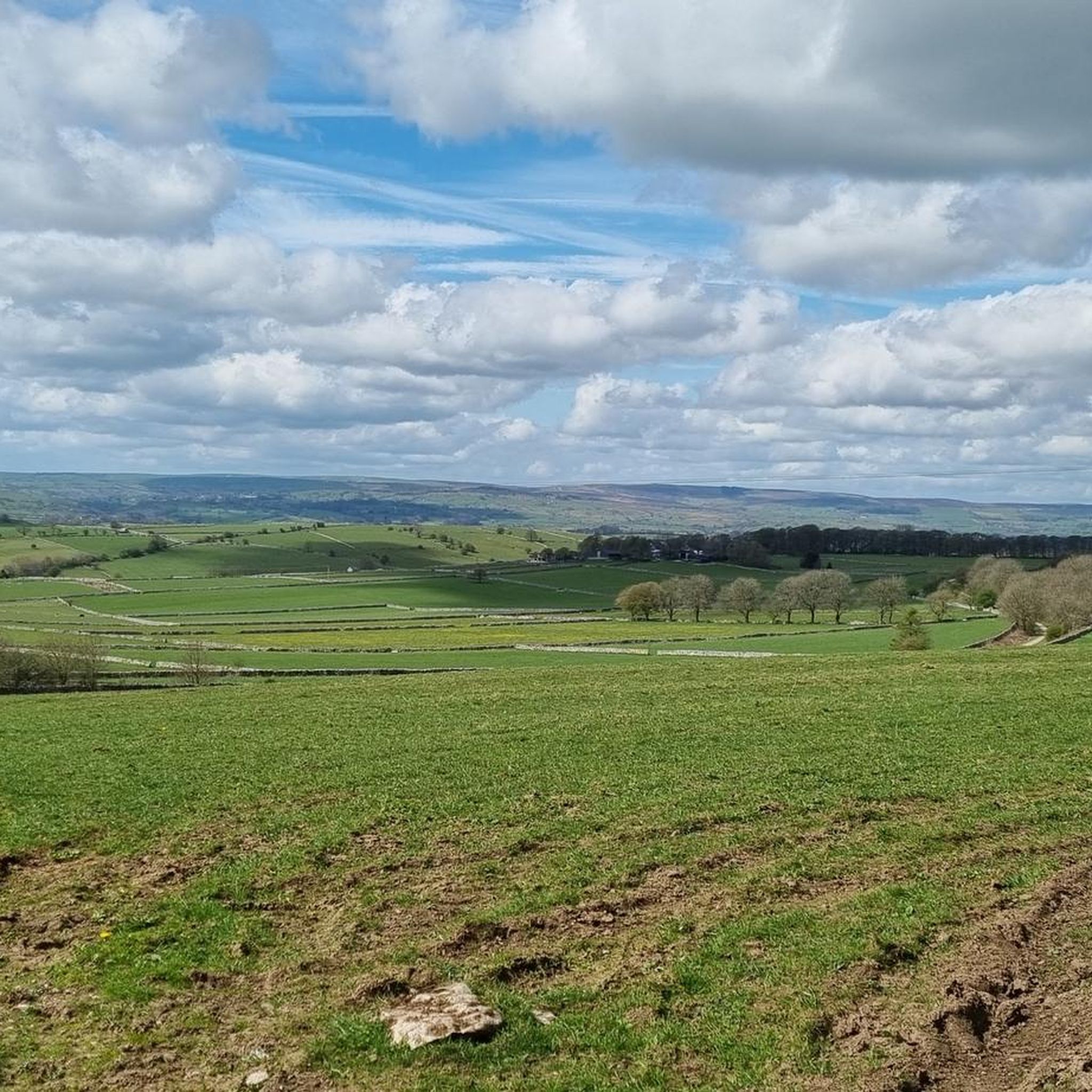
MTB Trails around Hartington Nether Quarter CP
Gravel biking around Hartington Nether Quarter CP
Running Trails around Hartington Nether Quarter CP
Cycling around Hartington Nether Quarter CP
Road Cycling Routes around Hartington Nether Quarter CP
Other adventures around Hartington Nether Quarter CP

Tips from the Community

Magpie mine very impressive with some old buildings and machinery, there is a QR code that will give information on the mine
0
0

An alternative suggestion is that it was built by Robert de Ferrers or his father, around the period known as The Anarchy for, while the de Ferrers supported Stephen of England, the neighbouring Earl of Chester supported Empress Matilda. The castle itself includes a motte and two bailey enclosures, approximately 40 metres and 45 metres across respectively. It had timber defences, ditches and additional flanking earthworks. The castle appears to have been abandoned in subsequent years, and it may be that it was destroyed after William de Ferrers' part in the Revolt of 1173–74, or it might have become abandoned when the land passed to the Duchy of Lancaster after the sixth Earl was dispossessed. Alternatively, it may simply have become redundant as nearby Hartington grew in importance and the village of Pilsbury became increasingly depopulated.
0
0
Pilsbury Castle occupied an area of high ground approximately 175 by 150 yards overlooking the River Dove, near the village of Pilsbury. The castle was probably originally an Iron Age fortification before being used by the Normans, and the name "Pilsbury Castle" forms from the Celtic pil, the Saxon bury and the Norman castel, all meaning "fortified site". In early medieval times, the site would have been located along the River Dove routeway, and would also have overlooked a key crossing point. The Normans built a substantial motte-and-bailey castle on the site, and several theories have been put forward as to when and who did so. One theory is that the castle was built in the years following the Norman conquest of England. The area around Pilsbury was granted to Henry de Ferrers by King William; the area was devastated during the harrying of the North, and the castle may have been built in the aftermath by Henry to establish control.
0
0

What a fabulous post this has been. Never seen this kind of useful post. I am grateful to you and expect more number of posts like these. Thank you very much. https://www.targetpayandbenefits.it.com
0
0

There is an incredible amount to discover there. The atmosphere is cozy and rich in history. We were also very pleasantly surprised by the restaurant.
0
0

Interesting site with such a historical importance, easy acess whether by foot or car.
1
0

Pilsbury Castle was a Norman Timber settlement, moat and Bailey Castle overlooking the River Dove. The limestone craggy outcrop was strategically used to create a rampart for the ancient settlement
1
0

Great views at the top of the hill, can get muddy and does have a few gates
1
0
Frequently Asked Questions
What types of castles can I explore around Hartington Nether Quarter CP?
The area offers a mix of historical sites, from ancient earthworks to well-preserved medieval manor houses and Norman fortresses. You can visit the remains of a Norman motte-and-bailey castle at Pilsbury Castle Earthworks, explore the magnificent Haddon Hall, or discover the imposing ruins of Peveril Castle.
Are there any castles within Hartington Nether Quarter Civil Parish itself?
Yes, within the civil parish, you can find Pilsbury Castle Earthworks. This site features the remains of a Norman motte-and-bailey castle, which likely originated as an Iron Age fortification. It offers panoramic views of the Dove Valley and is accessible via a public footpath.
Which castle offers the best insight into medieval life and architecture?
Haddon Hall, located near Bakewell, is an exceptional example of a fortified medieval manor house. It boasts well-preserved interiors, including one of England's oldest medieval kitchens, a banqueting hall, and a chapel with rare 15th-century wall paintings. Its architecture spans Norman, Medieval, Tudor, and Elizabethan styles.
What are the best castles for panoramic views?
Both Pilsbury Castle and Peveril Castle offer stunning vistas. Pilsbury Castle provides panoramic views of the Dove Valley, while Peveril Castle, perched high above Castleton, offers breathtaking views of the Hope Valley and the surrounding Peak District countryside.
Are there family-friendly castle options in the area?
Yes, Haddon Hall is considered family-friendly, offering an immersive historical experience with its preserved interiors and beautiful gardens. The earthworks of Pilsbury Castle can also be an interesting outdoor exploration for families, especially when combined with a walk.
What outdoor activities can I combine with a castle visit?
The area around Hartington Nether Quarter CP is ideal for outdoor enthusiasts. You can find numerous hiking and cycling routes. For example, you can explore hiking trails like the Biggin Dale & Wolfscote Dale loop, or enjoy cycling routes on the Tissington Trail. Many of these routes pass through scenic landscapes near historical sites.
Is there parking available for these castle sites?
For Pilsbury Castle Earthworks, roadside parking is available, and a public footpath leads to the site. Haddon Hall has its own parking facilities. For Peveril Castle, parking is typically available in the village of Castleton, from where you can walk up to the castle.
What is the best time of year to visit the castles around Hartington Nether Quarter CP?
The spring and summer months (May to September) are generally ideal for visiting, as the weather is milder, making walks to sites like Pilsbury Castle Earthworks and Peveril Castle more enjoyable. Haddon Hall's Elizabethan gardens are particularly beautiful in summer when the roses are in bloom.
Are there any historical sites other than castles nearby?
Yes, beyond castles, you can visit Magpie Mine, a fascinating industrial heritage site. It was the last working lead mine in the Derbyshire orefield and offers a glimpse into the region's mining history, surrounded by beautiful countryside.
What should I know about accessibility for Peveril Castle?
Peveril Castle involves a steep climb to reach the ruins, which might be challenging for some visitors. However, the site is managed by English Heritage and has a visitor centre providing historical context. The panoramic views from the top are considered a significant reward for the effort.
Can I find food and drink options near the castles?
Yes, Haddon Hall has a restaurant on-site. For Peveril Castle, the nearby village of Castleton offers various pubs and cafes. When visiting Pilsbury Castle Earthworks, the village of Hartington provides amenities such as cafes and pubs.
Most popular routes around Hartington Nether Quarter CP
Most popular attractions around Hartington Nether Quarter CP

Get inspired with the komoot mobile app


Explore more
Looking for the best castles somewhere else? Discover other guides around Hartington Nether Quarter CP:
