Top 5 Caves around Igrèsias/Iglesias
Caves around Igrèsias/Iglesias in South Sardinia offer unique geological features and historical significance. The area is known for its "living" karst complexes, some dating back over 500 million years. These caves provide insights into ancient history, with some having been used as underground temples. The region's natural landscape includes impressive stalactite and stalagmite formations, as well as rare aragonite eccentrics.
Best caves around Igrèsias/Iglesias
- The most popular caves is San Giovanni Cave, a cave that features an 860-meter internal…
Last updated: July 8, 2026
San Giovanni Cave
Highlight • Cave
Translated by Google •
Tip by

Su Mannau Cave
Highlight • Cave
Translated by Google •
Tip by

Sign up now to discover places like this
Get recommendations on the best single tracks, peaks, & plenty of other exciting outdoor places.
Sign up for free
Cave of St. John - North Entrance
Highlight • Cave
Translated by Google •
Tip by

Sa Duchessa Forest
Highlight (Segment) • Forest
Translated by Google •
Tip by

Cave of Monte San Giovanni
Highlight • Cave
Translated by Google •
Tip by
Start today with a free account
Your next adventure awaits.
Login or Signup
Popular around Igrèsias/Iglesias
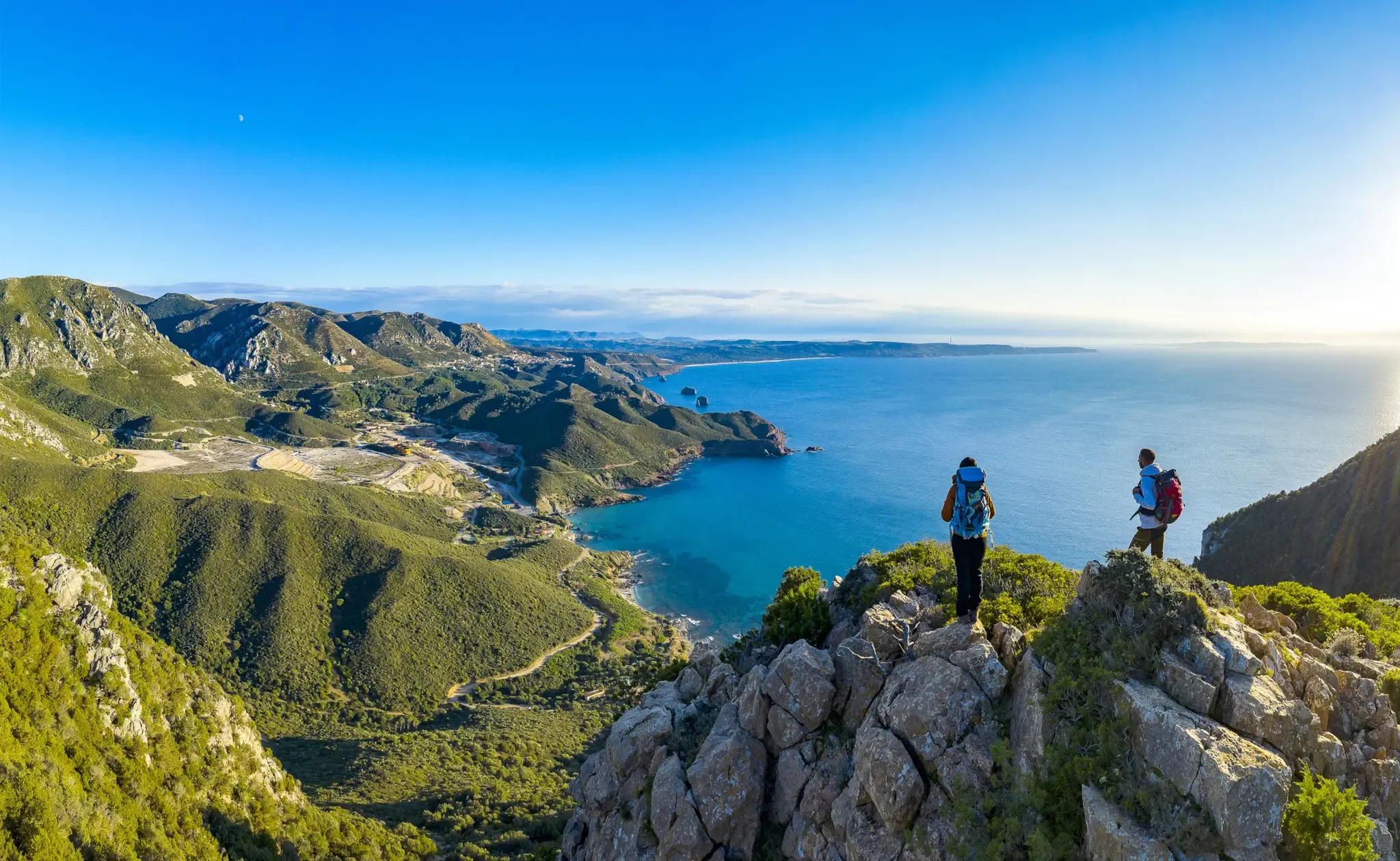
Cammino Minerario di Santa Barbara – memories of ancient Sardinia
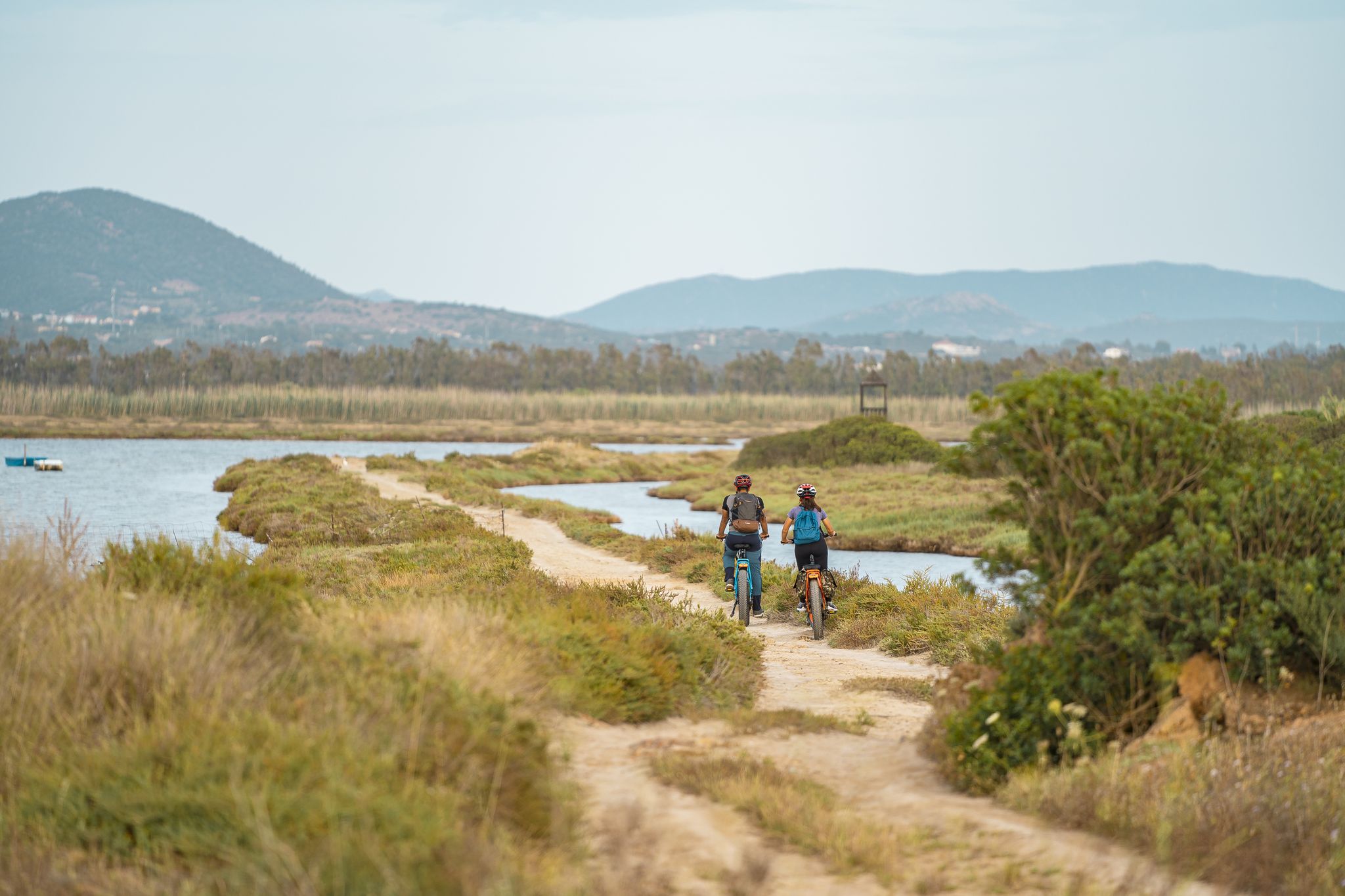
Ciclovia del Cammino Minerario di Santa Barbara
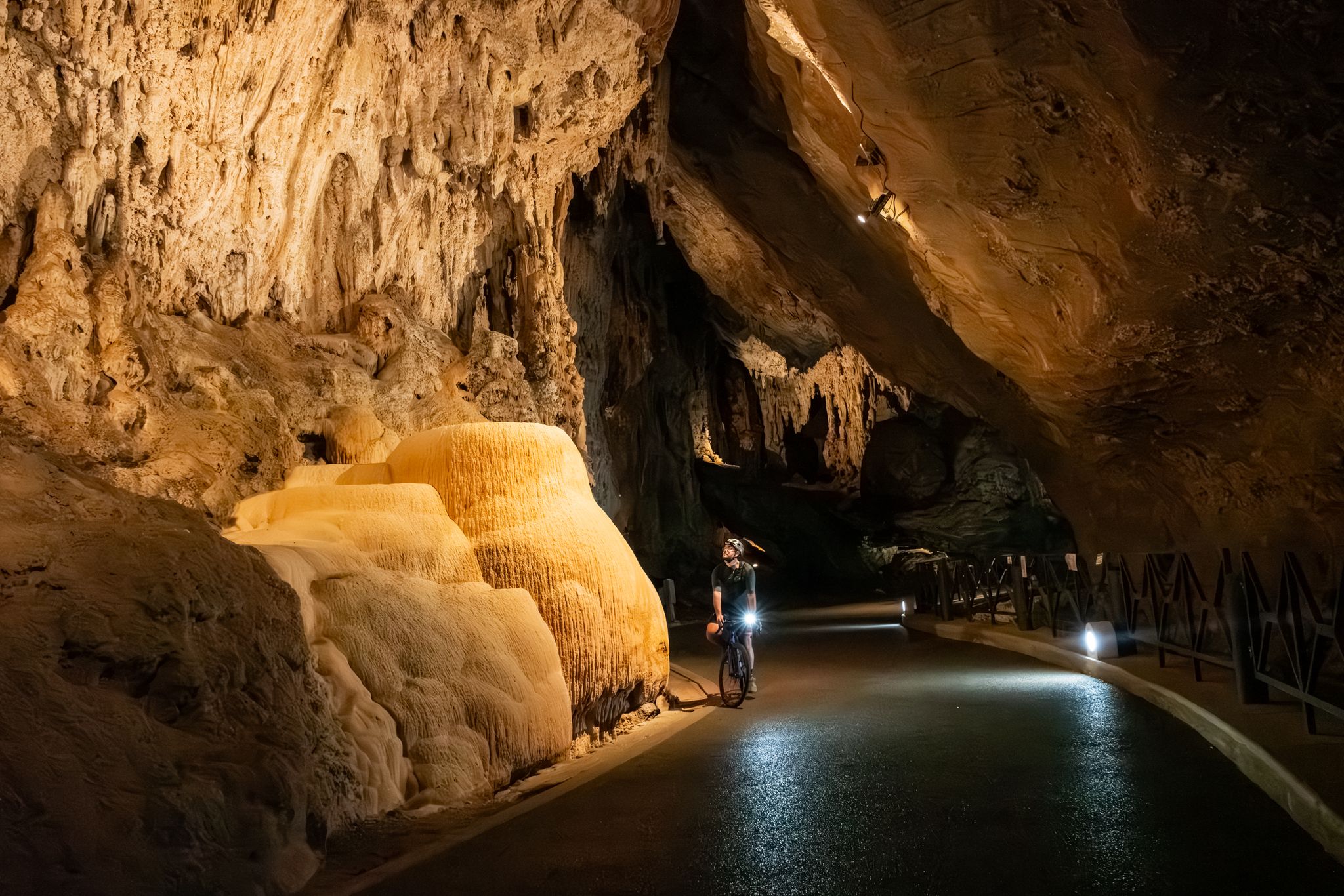
Sardinia by bike – three days in the southwest with Pietro Franzese
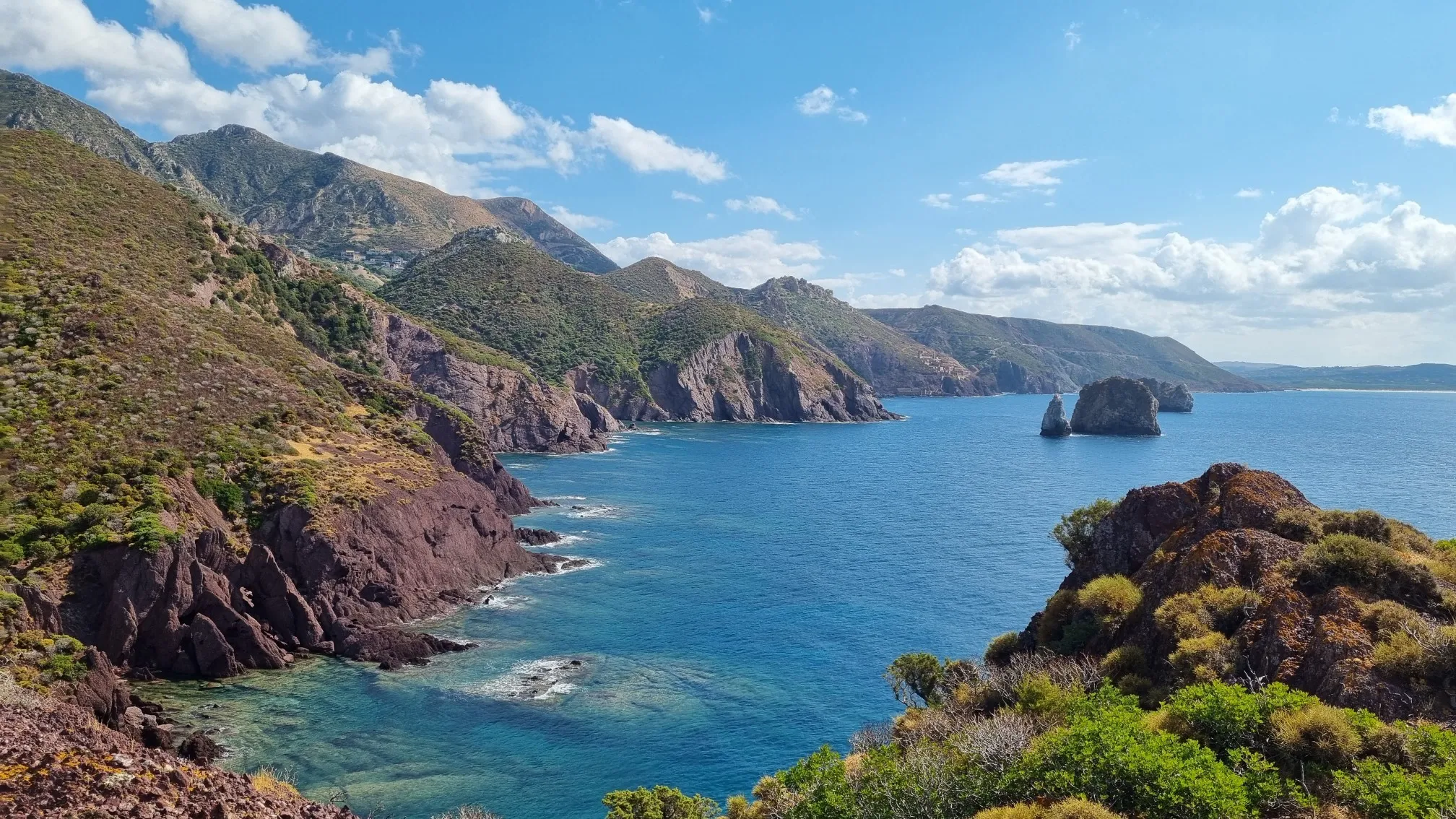
Along the Costa Verde on the Via delle Miniere – Cammino 100 Torri
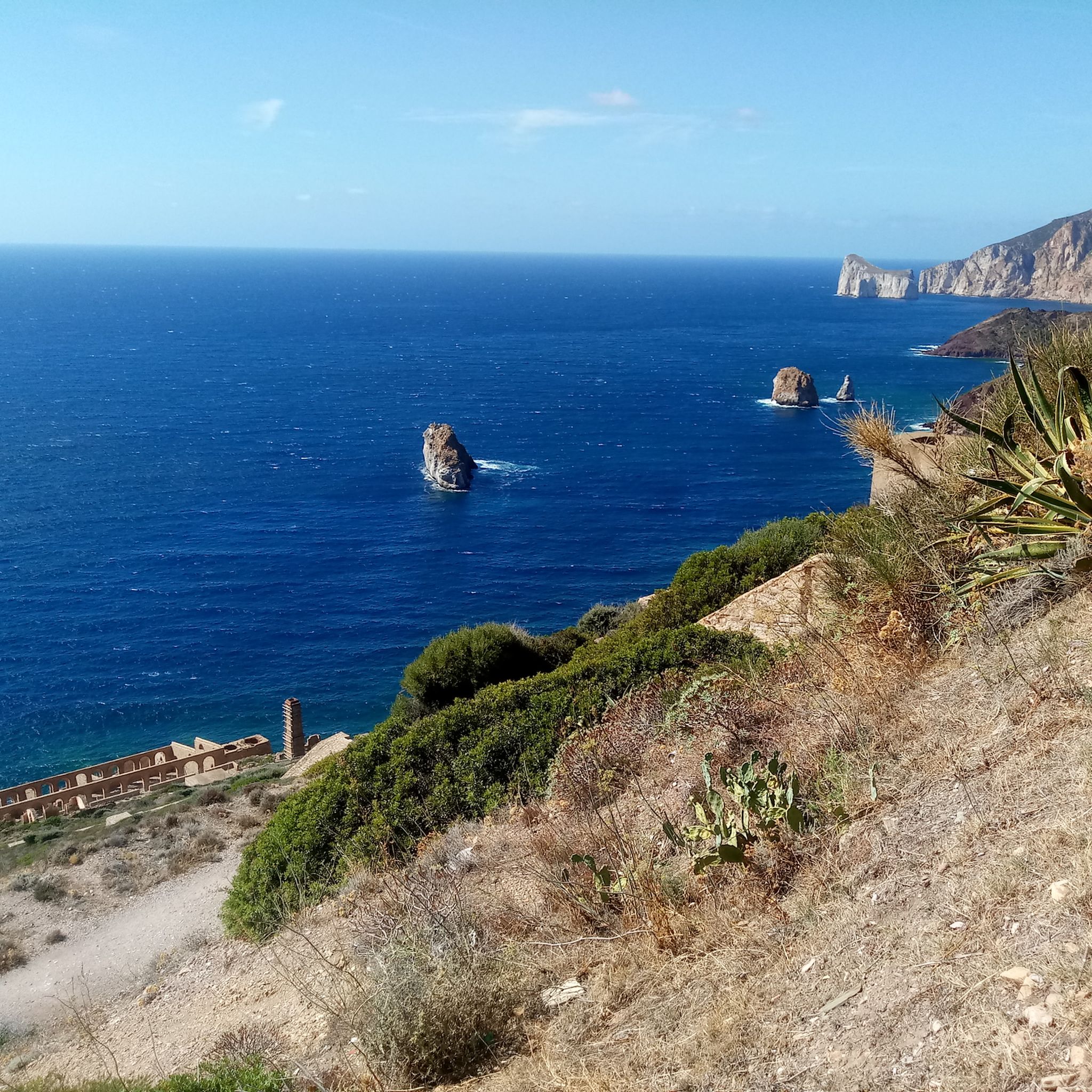
Hiking around Igrèsias/Iglesias
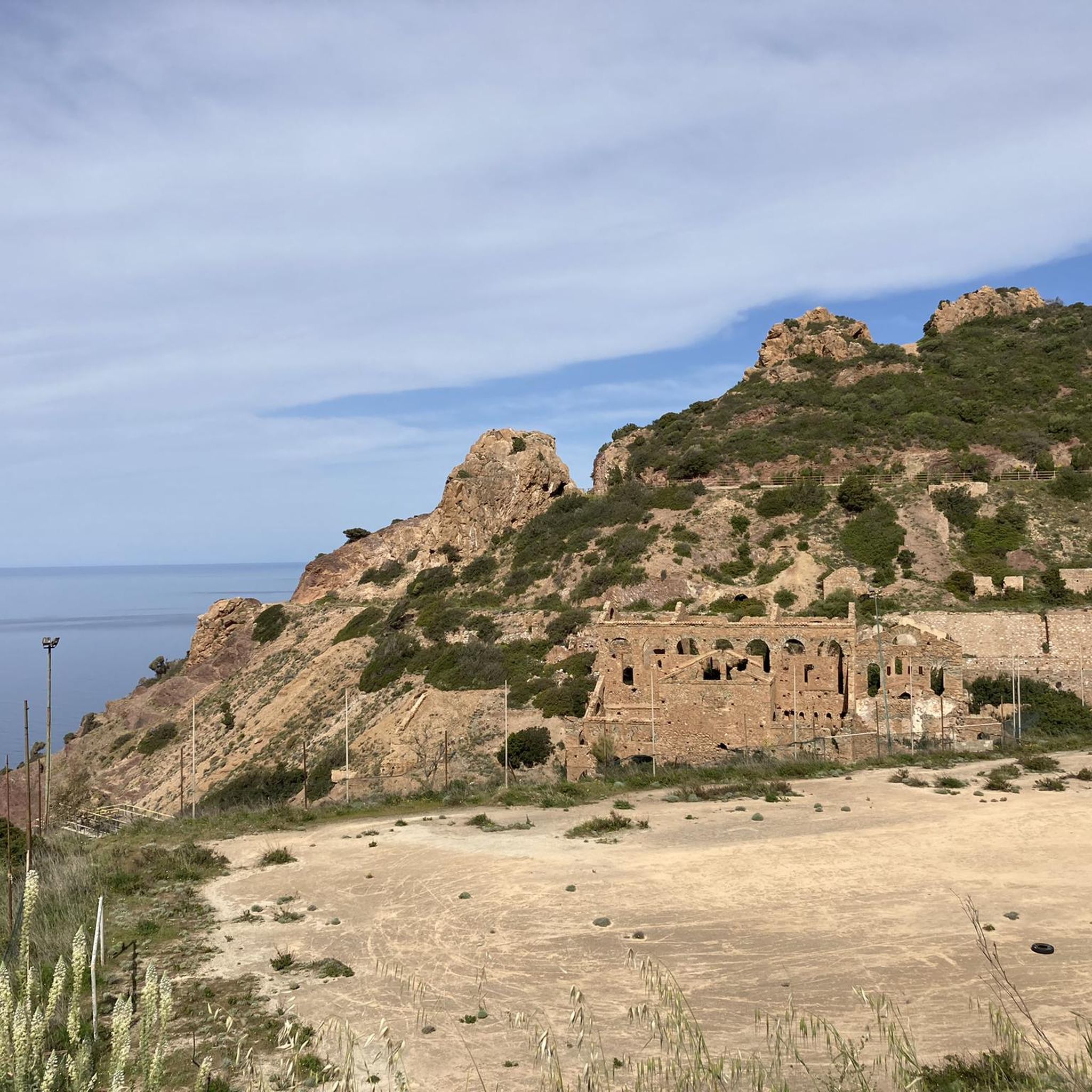
Running Trails around Igrèsias/Iglesias
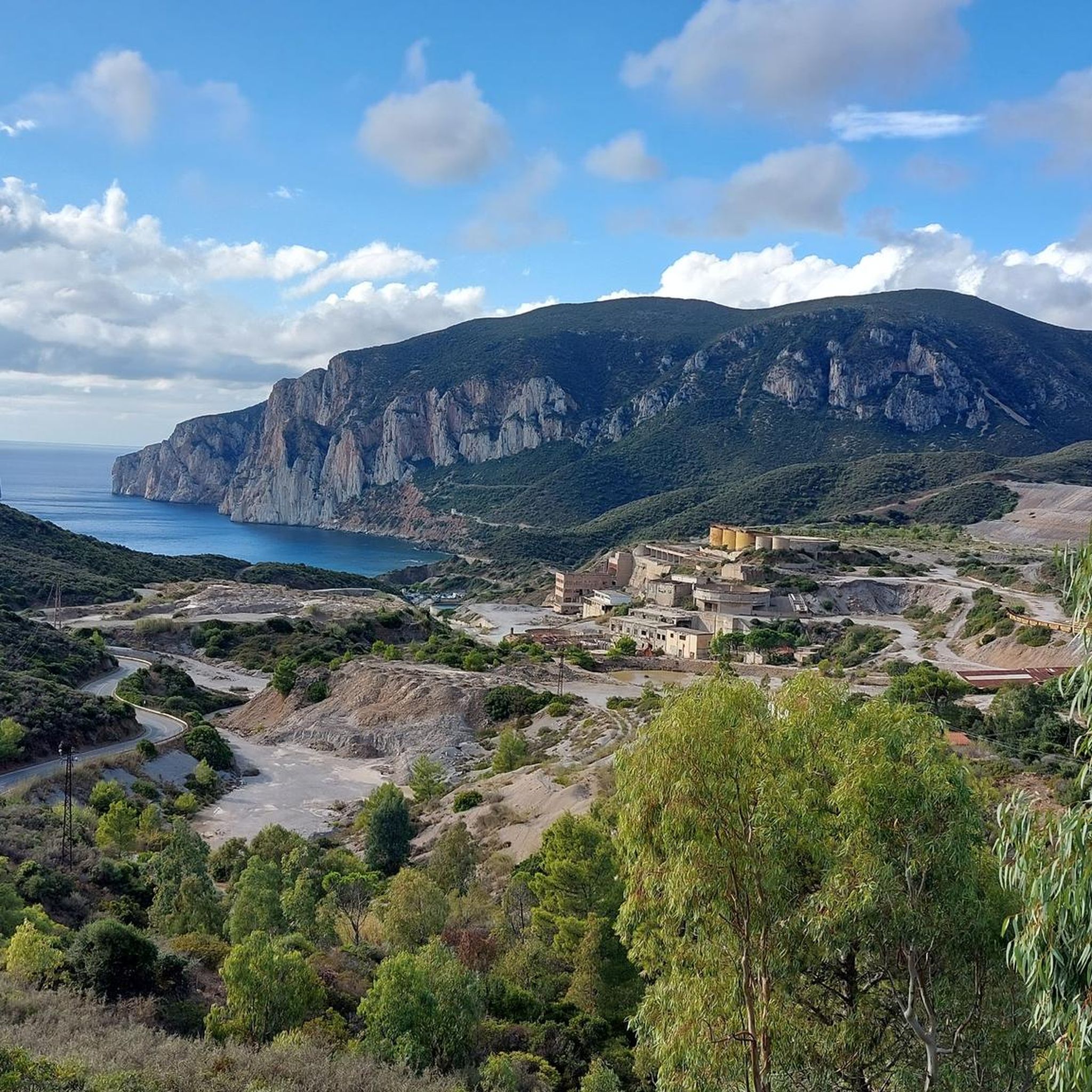
Cycling around Igrèsias/Iglesias
Road Cycling Routes around Igrèsias/Iglesias
MTB Trails around Igrèsias/Iglesias

Gravel biking around Igrèsias/Iglesias
Other adventures around Igrèsias/Iglesias


Tips from the Community

Beautiful area with great views.
0
0

The Su Mannau Caves, near Fluminimaggiore, are a unique feature of their extensive cave system, among the oldest in the world. With its two branches, they are also of great archaeological and speleological interest. The right-hand section consists of an extensive karst complex of Cambrian origin and extends over several levels. Some are higher and already fossilized, others deeper and still active. The right-hand branch was formed by the Rapido River and consists of numerous and varied passages and halls, which are the most interesting sight in the cave. The first hall is of great historical importance, not least because of its connections to the nearby Punic-Roman temple of Antas. A must-see!
0
0

The evocative Grotta di San Giovanni is a geological and archaeological treasure, as well as the longest vehicle-accessible cave in the world. The cave is accessible from two sides, but the ticket office and information point are located at the main, southern entrance. Entrance is permitted only during cave opening hours. Ticket prices vary depending on the type of visit. You can find all the latest information on the website: https://www.grottasangiovanni.com/.
1
0
The cave is accessible from both sides, but the official entrance, where the ticket office and information point are also located, is the south one, on the opposite side. It is also possible to enter from this side by ringing the intercom and waiting for an operator to come and open the door for you. Entrance to the cave is subject to a fee and is only possible during opening hours. More information is available on the website: https://www.grottasangiovanni.com/
1
0
The Su Mannau Cave is one of the most spectacular karst caves in Sardinia. It extends for approximately 8 kilometers, although the accessible section is limited to a 500-meter path through walkways, rooms, ponds, and underground waterfalls. The first part of the visit leads to the archaeological hall, an ancient underground temple used as a water cult in the pre-Nuragic era, connected to the nearby Temple of Antas. Continuing, you enter a living environment, where stalactites, stalagmites, and alabaster flows are reflected in the clear water, home to the Stenasellus nuragicus, a tiny crustacean unique in the world. The cave is open for guided tours year-round: information and hours at https://www.sumannau.it/
0
0

At this cave exit you can clearly see the original riverbed
0
0

Very beautiful, large sandstone grotto that you can drive through.
2
0

Access for runners/cyclists (staying in the saddle) costs €2 and is permitted in the first half hour after opening (in any season). The cave is absolutely stunning and deserves all the visits in the world!
3
0
Frequently Asked Questions
Which caves in the Iglesias area are particularly family-friendly?
The Su Mannau Cave is considered family-friendly, offering an accessible path through walkways, rooms, and underground waterfalls. Its archaeological hall also provides an educational experience about ancient history.
Are there any caves in the Iglesias region that are easily accessible or have unique access methods?
Yes, the San Giovanni Cave is unique as it features an 850-meter-long road running through it, making it one of the few in the world accessible to pedestrians and cyclists without a guide. The Grotta di Santa Barbara, while not having a natural opening, is accessed via an electric train through mining tunnels and a lift, offering a distinctive experience.
What kind of geological features can I expect to see in the caves around Iglesias?
The caves in the Iglesias area are known for their impressive geological formations. You can find stunning stalactites, stalagmites, and alabaster flows, particularly in Su Mannau Cave. The Grotta di Santa Barbara also boasts rare aragonite eccentrics and distinctive honeycomb concretions, along with majestic columns.
Do any of the caves in the Iglesias area have historical or archaeological significance?
Absolutely. The Su Mannau Cave includes an archaeological hall that was used as an underground temple in the Pre-Nuragic period. The San Giovanni Cave is also considered a geological and archaeological treasure, with evidence suggesting it was inhabited or used as a shelter in ancient times, including a Nuragic village found within.
What are the best times to visit the caves in the Iglesias region?
Many caves in the region, such as Su Mannau Cave, are open for guided tours year-round. Caves offer a consistent temperature, making them a good option regardless of the season. It's always advisable to check specific opening hours and tour availability for each cave before your visit.
Are there opportunities for more advanced caving or exploration in the Iglesias area?
While some caves offer accessible paths, the Cave of Monte San Giovanni is described as offering an intermediate exploration experience. For more advanced speleological interests, the extensive karst systems like Su Mannau Cave, with its 8 kilometers of tunnels, hint at more complex sections beyond the public access areas.
What outdoor activities can I combine with a visit to the caves near Iglesias?
The Iglesias area offers various outdoor activities. You can find numerous cycling routes, including challenging ones like the 'Iglesiente Mining Coast Loop', or hiking trails such as the 'Santa Barbara Mining Trail: Monte Nai Loop'. For more options, explore the cycling and hiking guides for the region.
Is it possible to visit the Grotta di Santa Barbara, and how is it accessed?
Yes, the Grotta di Santa Barbara, considered one of the oldest caves in the world, resumed visits in 2016. Access is unique: visitors ride an electric train through mining tunnels and then descend a deep shaft via a lift, as the cave has no natural external openings.
What should I wear when visiting caves in the Iglesias region?
Caves maintain a cool, consistent temperature year-round, often around 10-15°C, and can be damp. It's recommended to wear comfortable walking shoes with good grip and bring a light jacket or sweater, even in summer.
Are there any caves near Iglesias that offer scenic views or are part of a larger natural landscape?
The Cave of Monte San Giovanni offers splendid views of the surrounding path and beautiful area. Additionally, the Sa Duchessa Forest, which contains a cave, provides a challenging trail with historical mining testimonies and scenic descents.
Where can I find more information about visiting the San Giovanni Cave, including tickets and opening hours?
For the latest information on ticket prices, opening hours, and types of visits for the San Giovanni Cave, you should check their official website: grottasangiovanni.com.
Most popular routes around Igrèsias/Iglesias
Most popular attractions around Igrèsias/Iglesias

Get inspired with the komoot mobile app


Explore more
Extend your search for the best caves by checking out these guides of the top ones around Igrèsias/Iglesias:
