Top 4 Natural Monuments in Kolonie Wortel
Natural monuments in Kolonie Wortel, Belgium, encompass a diverse landscape recognized as a UNESCO World Heritage site since 2021. This expansive area, covering over 540 hectares, features forests, fens, heathland, and grasslands. The landscape reflects two centuries of land cultivation, creating a unique natural environment. Visitors can explore the area through various activities like hiking and cycling.
Best natural monuments in Kolonie Wortel
- The most popular natural monuments is Wortel-Kolonie, a historical site that was the first free agricultural…
Last updated: July 2, 2026
Wortel-Kolonie
Highlight • Historical Site
Translated by Google •
Tip by

Bootjesven
Highlight • Lake
Translated by Google •
Tip by
Sign up now to discover places like this
Get recommendations on the best single tracks, peaks, & plenty of other exciting outdoor places.
Sign up for free
Witte Kei Medieval Boundary Stone
Highlight • Monument
Translated by Google •
Tip by

Bird Nesting Area at Wortel-Kolonie
Highlight • Natural
Translated by Google •
Tip by

Start today with a free account
Your next adventure awaits.
Login or Signup
Popular around Kolonie Wortel



Tips from the Community

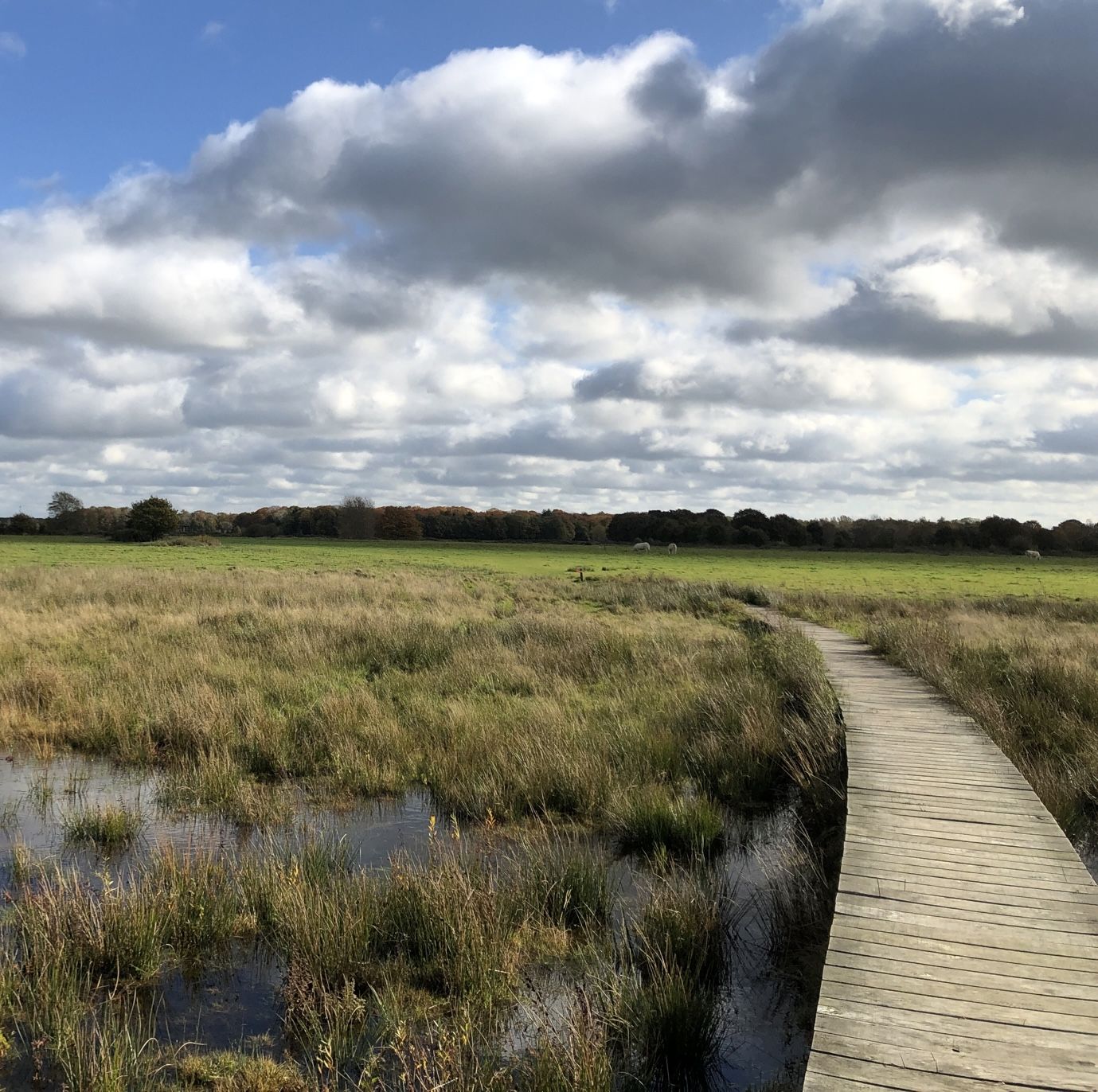
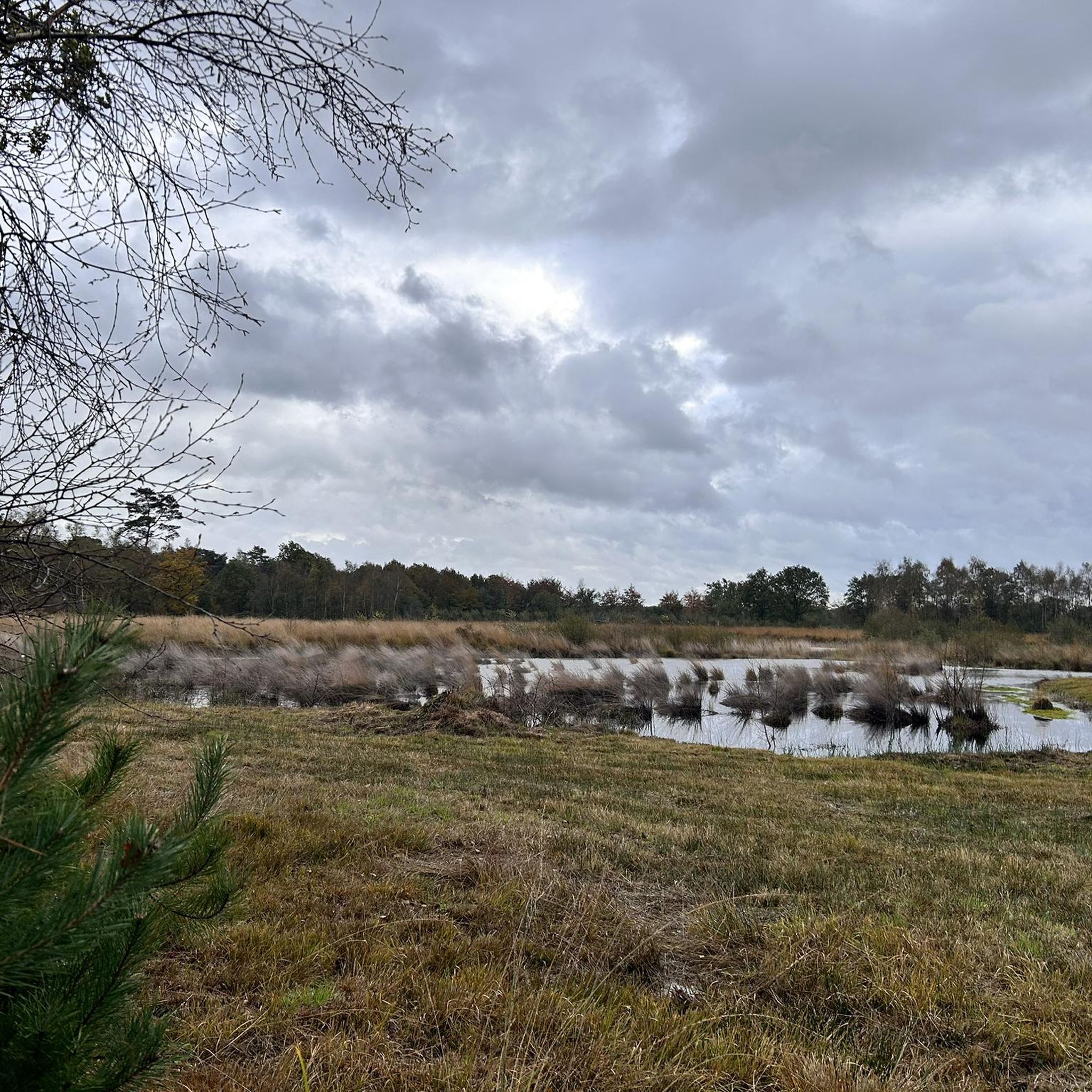
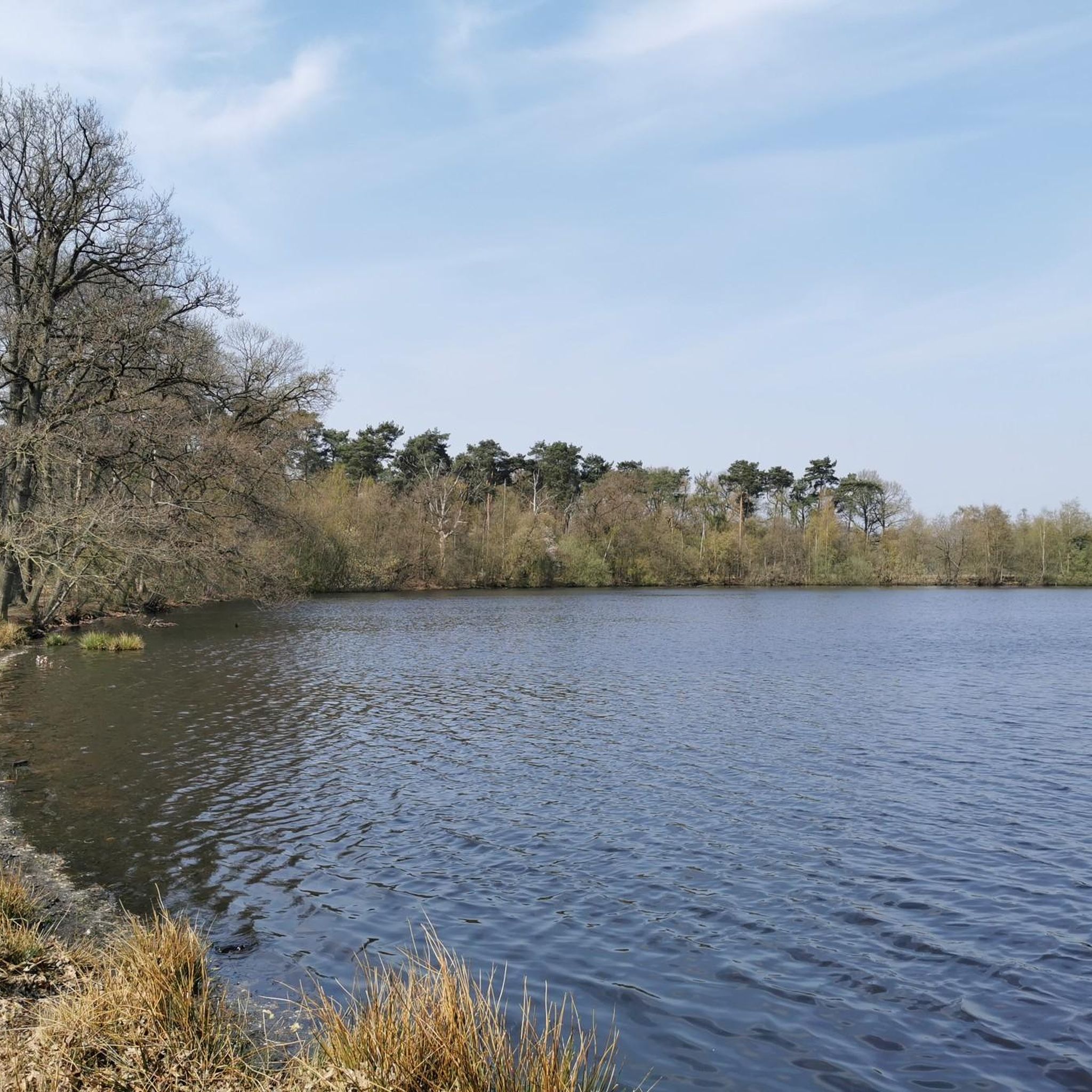
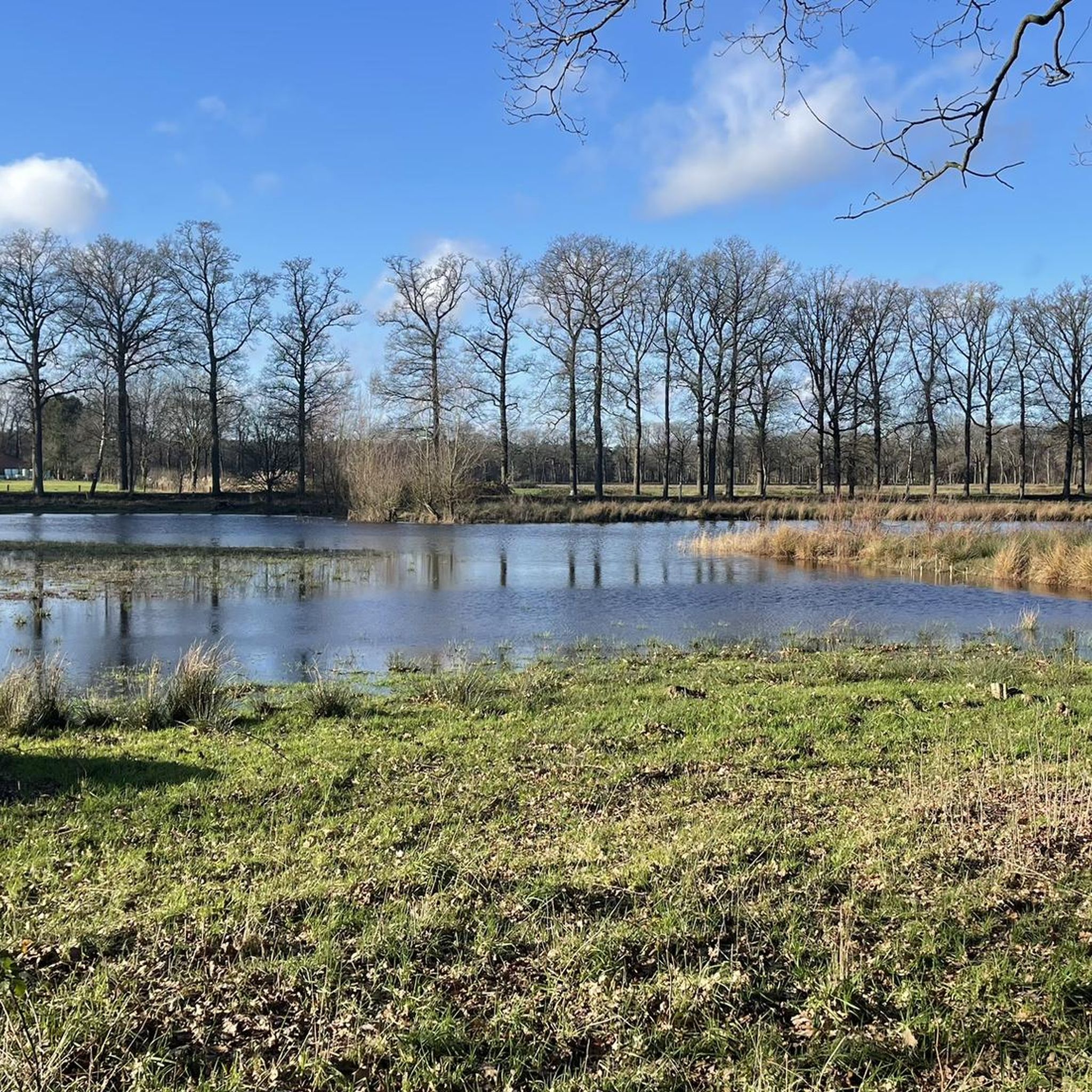
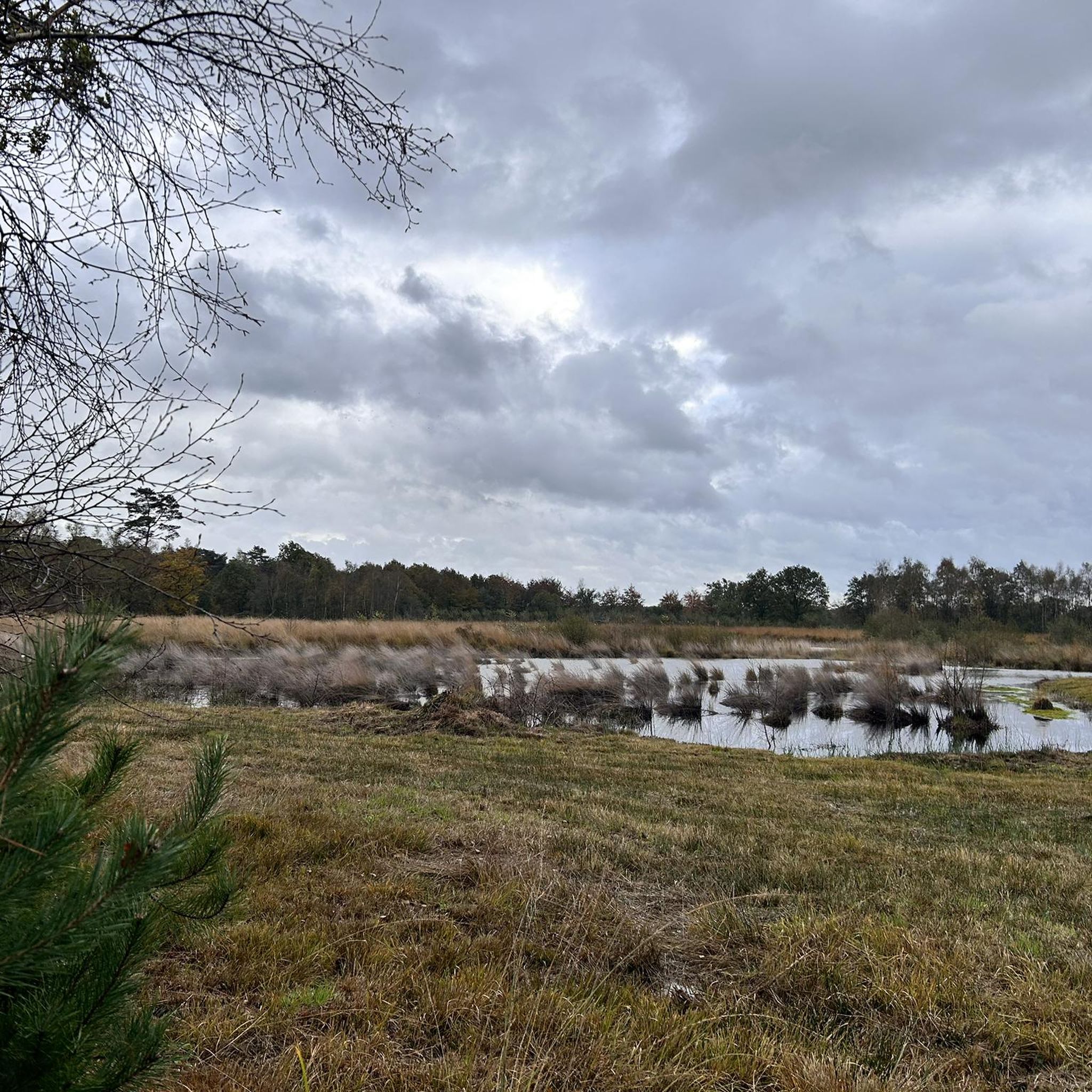
The Bootjesven is one of the most famous and beautiful spots in Wortel-Kolonie 🌿. 📍What is the Bootjesven? • It is a natural fen, surrounded by pine forests and heathland, in the heart of the tranquility of the Colony. • The name refers to the "boats" of peat moss that float on the water, giving the surface a fairytale-like appearance. • The fen is a vulnerable nature reserve: special plants such as cotton grass and sundew grow there, and you often find dragonflies and waterfowl there. • It is part of the Merkske Valley, a European Natura 2000 protected area. 🌿 Experience for hikers and cyclists • The Bootjesven is located along several beautiful hiking trails that start from the De Klapekster Visitor Center. • It is an ideal place to take a break and enjoy the peace and quiet and nature. • Because it is a sensitive area, walking on designated paths and not allowing dogs off the leash is important for the preservation of this unique natural environment.
9
1

This stone indicates the border between the municipalities of Hoogstraten, Baarle-Hertog and Merksplas.
1
0

The Bootjesven is a fen that was created by extracting peat. Peat was extracted on a large scale in the entire Noorderkempen region between the middle of the 13th and the 18th century. Peat is dried peat that was dug from the marshy peat areas. The extracted peat was laid out to dry and then used as a raw material. This location is now a large body of water where it is wonderful to stay. You can cool off up to your knees and no further. Swimming is prohibited.
12
0
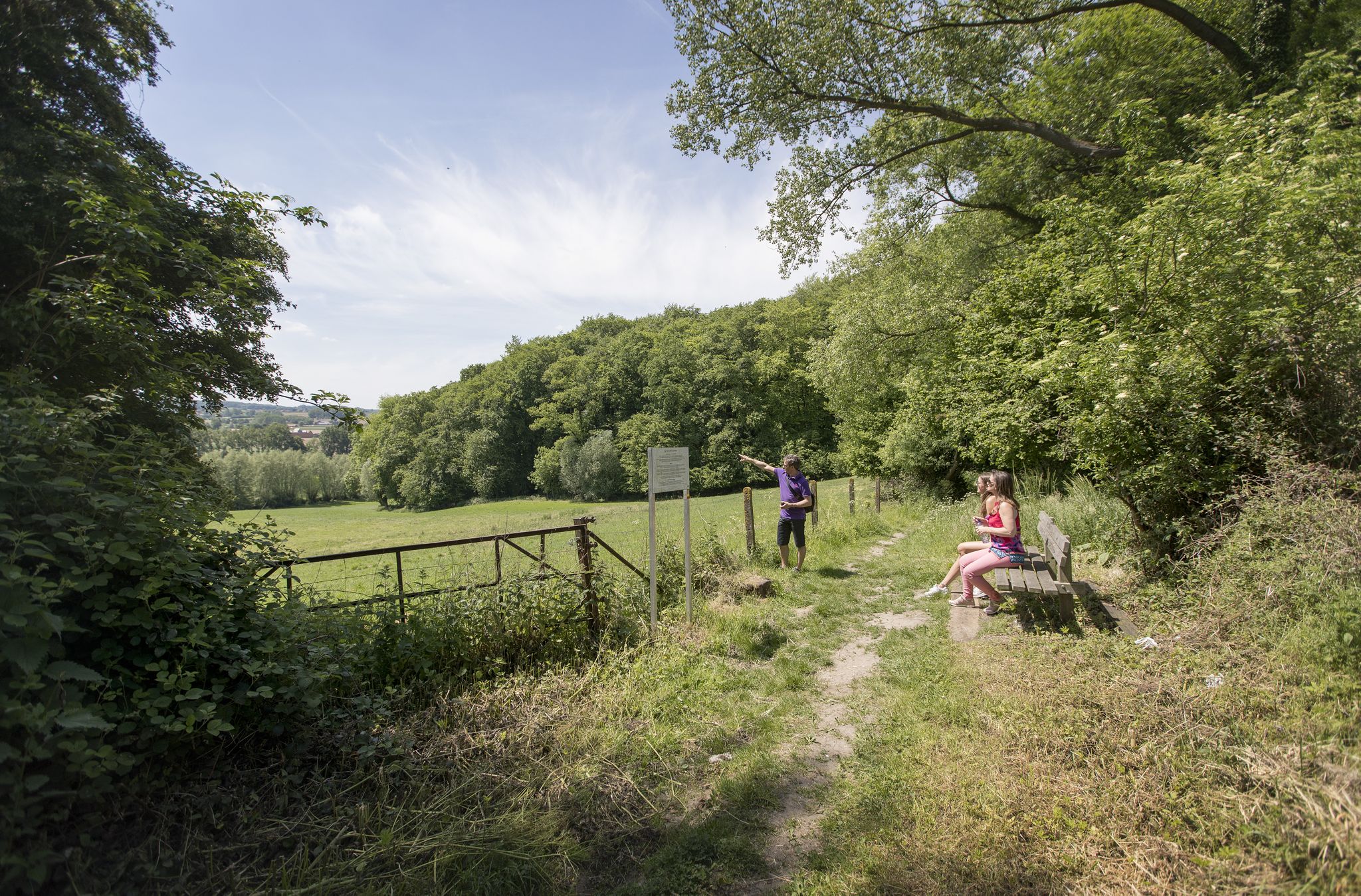
The White Stone is a medieval landmark in the landscape in the Merkske Valley. Information board provides information about this historical location and why the White Stone is a boundary stone and became an important landmark in the landscape. At this location you can also read a lot about the Death Wire WW1.
8
0

Nice little cafe with very nice people and start for a great hike through the Wortel colony.
5
0

parking and departure walking and cycling routes
10
2

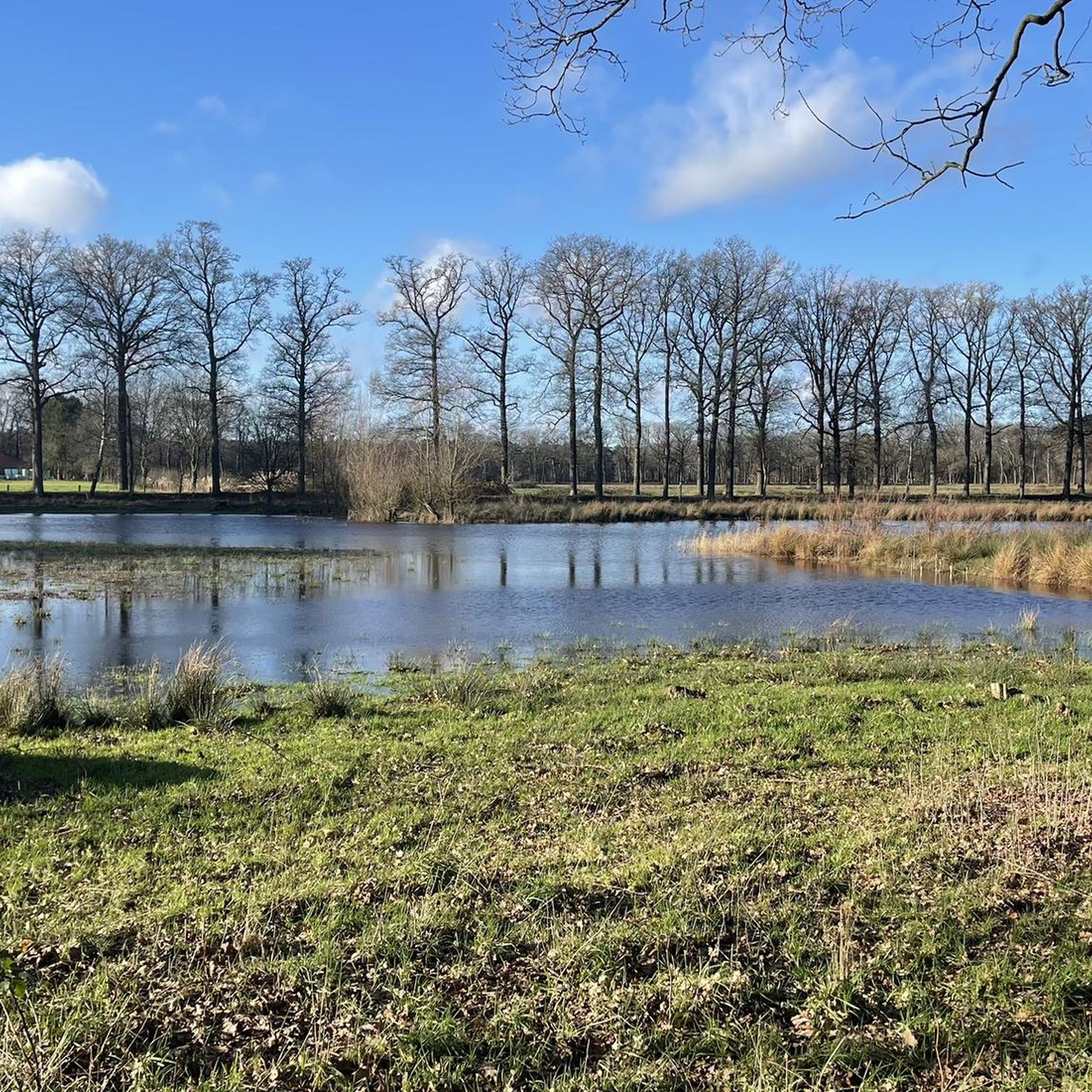
The most famous fen of Hoogstraten, which was created by peat extraction. Today it is home to numerous waterfowl and is an ideal place for a picnic.
9
0
Centuries-old landmark - Driegemeentenpunt in the Merkske Valley. Information board provides information about this historic location and why the Witte Kei became a boundary stone and an important landmark in the landscape.
9
0
Frequently Asked Questions
What natural features can I explore in Kolonie Wortel?
Kolonie Wortel is rich in diverse natural features. You can explore areas with forests, fens, heathland, and grasslands. A prominent natural feature is Bootjesven, a natural fen created by peat extraction, now a vital habitat for various species. The area also includes the Bird Nesting Area at Wortel-Kolonie, offering beautiful landscapes and opportunities for wildlife spotting.
Are there historical sites among the natural monuments in Kolonie Wortel?
Yes, Kolonie Wortel itself is a significant historical landscape, recognized as a UNESCO World Heritage site. The entire Wortel-Kolonie area reflects its past as an agricultural colony and a place for housing 'vagrants'. Another historical landmark is the Witte Kei Medieval Boundary Stone, which marks a centuries-old border in the Merkske Valley.
What kind of wildlife can I expect to see in Kolonie Wortel?
Kolonie Wortel is a haven for wildlife. The area is home to dozens of species of birds, bats, insects, and other creatures. Over 75 species of birds, such as the goshawk, buzzard, tree pipit, and pied flycatcher, breed here annually. The fens, like Bootjesven, are vital habitats for dragonflies, water beetles, rare pool frogs, and crested newts. Fungi enthusiasts can also find over 260 species in the forests.
Are the natural monuments in Kolonie Wortel suitable for families?
Absolutely! Many natural monuments in Kolonie Wortel are family-friendly. The entire Wortel-Kolonie, Bootjesven, the Witte Kei Medieval Boundary Stone, and the Bird Nesting Area at Wortel-Kolonie are all highlighted as suitable for families, offering opportunities for exploration and nature observation.
Can I bring my dog to the natural monuments in Kolonie Wortel?
While the guide data doesn't explicitly state dog-friendly policies for each natural monument, Kolonie Wortel is generally known for its outdoor activities. It's advisable to check local signage or the De Klapekster Visitor Center for specific rules regarding dogs, especially in sensitive wildlife areas like the Bird Nesting Area.
What are some recommended hiking trails near the natural monuments?
Kolonie Wortel offers several easy hiking trails that allow you to explore the natural monuments. You can find routes like the "Schootse Hoek Nature Reserve – Bootjesven loop from Wortel-kolonie" or the "Wortel-Kolonie – Bootjesven loop from Wortel-kolonie." For more options, check out the Easy hikes in Kolonie Wortel guide.
What is the best time of year to visit Kolonie Wortel's natural monuments?
Kolonie Wortel is beautiful year-round, but the best time depends on your interests. Spring and summer offer lush greenery, active wildlife, and pleasant weather for hiking and cycling. Autumn brings vibrant colors to the forests. Early mornings are particularly recommended for wildlife spotting, as you might encounter shy deer.
How can I get to the natural monuments in Kolonie Wortel, and is there parking?
The De Klapekster Visitor Center, located in the old vagrant farm, serves as an ideal starting point for exploring Kolonie Wortel. It is generally accessible by car, and parking facilities are available near the main attractions like Wortel-Kolonie. Public transport options may be limited, so planning your journey in advance is recommended.
Are there options for cycling near the natural monuments in Kolonie Wortel?
Yes, Kolonie Wortel is excellent for cycling. You can find various routes, including gravel bike paths and forest paths, that take you through the diverse landscape. Explore options like the "Gravel Bike Path – Forest Paths loop from Kolonie Merksplas" or the "Forest Path in Wortel-Kolonie – Wortel-Kolonie loop from Merksplas." More details can be found in the MTB Trails in Kolonie Wortel guide and the Road Cycling Routes in Kolonie Wortel guide.
Where can I find refreshments or amenities near the natural monuments?
After exploring, you can find refreshments near Wortel-Kolonie. The De Klapekster Visitor Center offers drinks and snacks, including regional specialties like the beer Gageleer or the jenever 'Wortelse Tongklever'. Additionally, the boathouse by Bootjesven provides a resting point with benches.
What makes Kolonie Wortel a unique natural monument destination?
Kolonie Wortel's uniqueness stems from its blend of natural beauty and profound historical significance. Its UNESCO World Heritage status highlights its past as one of the "Colonies of Benevolence," intertwined with a landscape shaped by two centuries of land cultivation. This creates a tranquil environment where visitors can reflect amidst diverse ecosystems and rich biodiversity.
What do visitors particularly enjoy about the natural monuments in Kolonie Wortel?
Visitors often praise the tranquility and natural beauty of Kolonie Wortel. They enjoy the diverse landscapes, from the serene Bootjesven fen to the expansive forests and grasslands. The historical context of Wortel-Kolonie and the opportunity for wildlife spotting, especially early in the morning, are also highly appreciated.
Most popular routes in Kolonie Wortel
Most popular attractions in Kolonie Wortel

Get inspired with the komoot mobile app


Explore more
Extend your search for the best caves by checking out these guides of the top ones in Kolonie Wortel:
