Top 4 Natural Monuments around Dubrovnik
Best natural monuments around Dubrovnik offer a diverse range of landscapes, from coastal islands to historic gardens and geological formations. The region is characterized by its Adriatic coastline, karst topography, and rich Mediterranean flora. These natural areas provide a contrast to Dubrovnik's historic architecture, featuring unique ecosystems and significant natural landmarks. The area includes protected nature reserves and ancient botanical collections.
Best natural monuments around Dubrovnik
- The most popular natural monuments is Mrtvo More (Dead Sea) — Lokrum Island,…
Last updated: October 14, 2026
Dead Sea
Highlight • Lake
Showing Translation
Tip by

Maximilian's Gardens
Highlight • Natural Monument
Translated by Google •
Tip by

Sign up now to discover places like this
Get recommendations on the best single tracks, peaks, & plenty of other exciting outdoor places.
Trsteno Arboretum
Highlight • Natural Monument
Translated by Google •
Tip by




Tips from the Community

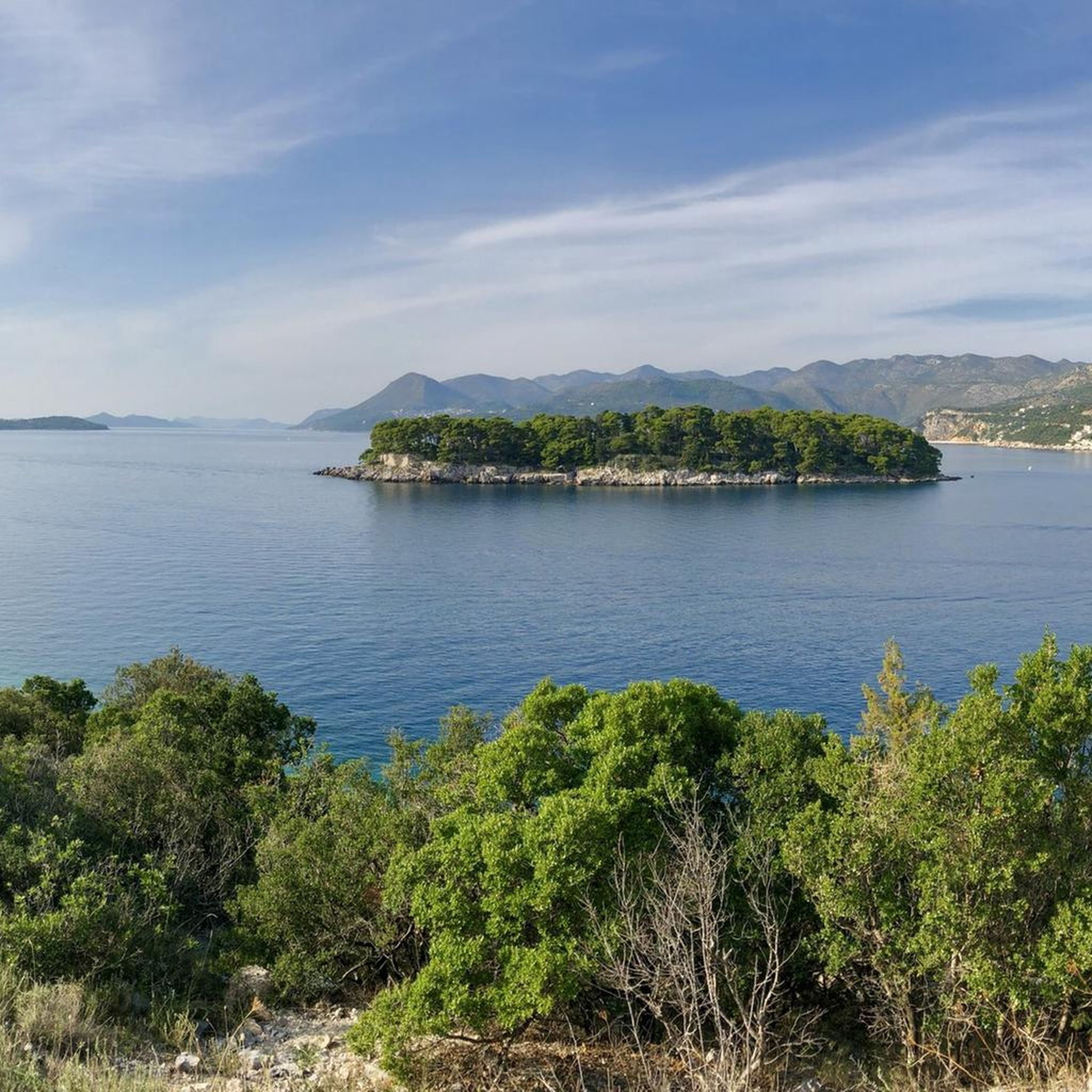
In 1859, Archduke Maximilian (then Viceroy of Veneto) and his wife, Charlotte of Belgium, discovered the island. Enchanted by the location, Charlotte purchased it, and the imperial couple transformed the former monastery—then in ruins—into a summer residence. Following the botanical tradition of the Benedictines, Maximilian devoted much of his efforts to transforming the island into a veritable exotic garden, with specimens from Australia and South America. Source: Wikipedia
0
0

Beautifully landscaped botanical garden, which is artificially irrigated, is home to numerous palm trees and other plants and a constant concert of crickets sweetens every hike.
1
0

Access to the water possible with a ramp/stairs. So it's an official seaside resort. Only gives evidence of anemones in the lake.
0
0

Surrounded by brilliant sunshine, the Dead Sea lies as a salt lake in the middle of the enchanting island of Lokrum. The surrounding rocks make it a perfect spot for water jumpers, and the pine forests offer shady relaxation after swimming.
0
0

Nice for a quick swim, and right next to it there is a bar where you can enjoy a refreshing drink with a view of the water.
0
0

An underground access to the sea guarantees the exchange of water with the Dead Lake
0
0

Swimming basin with depth for jumping off the cliff for daredevils
0
0
Easy entrance to go bathing. suitable for kids. swimming shoes advised.
0
0
Frequently Asked Questions
What are the most unique natural features to explore around Dubrovnik?
The region offers diverse natural features. A standout is the Mrtvo More (Dead Sea) on Lokrum Island, a shallow, warm saltwater lake perfect for swimming. You can also explore the ancient trees and botanical collections at Trsteno Arboretum, one of Europe's oldest arboretums.
Are there any family-friendly natural monuments near Dubrovnik?
Yes, several natural monuments are great for families. Lokrum Island, home to the Mrtvo More (Dead Sea), is a car-free nature reserve with peacocks, botanical gardens, and shallow waters ideal for children. The Trsteno Arboretum also offers beautifully landscaped gardens and ancient trees, providing a serene and educational experience for all ages.
What kind of historical significance do these natural monuments hold?
Many natural sites in the Dubrovnik region are intertwined with history. Trsteno Arboretum, for instance, dates back to the 15th century, established by the Gučetić family. Lokrum Island, where Maximilian's Gardens are located, was once home to a Benedictine monastery and later transformed into an exotic garden by Archduke Maximilian.
What outdoor activities can I do near these natural monuments?
The area around Dubrovnik offers various outdoor activities. You can enjoy easy hikes and city walks, with options like the "Hikes from bus stations around Dubrovnik" guide or "City hikes around Dubrovnik." For cycling enthusiasts, the "Cycling around Dubrovnik" guide features routes ranging from moderate to difficult, including scenic paths like the Ciro Rail Trail. You can find more details on these routes in the respective guides: Hikes from bus stations around Dubrovnik, City hikes around Dubrovnik, and Cycling around Dubrovnik.
Are there any natural viewpoints offering panoramic views of Dubrovnik?
Mount Srđ, rising majestically above Dubrovnik, provides unparalleled panoramic views of the Old Town, the Adriatic Sea, and the surrounding islands. While not explicitly listed as a highlight in the guide, its summit is accessible by cable car or hiking trails and offers spectacular vistas, especially at sunset. Additionally, Fort Lovrijenac, perched on a 37-meter high rock, offers a unique perspective of the city and the sea.
What is the best time to visit the natural monuments around Dubrovnik?
The best time to visit is generally during the spring (April-May) and early autumn (September-October) when the weather is pleasant, and the crowds are smaller. Summer (June-August) is also popular, but it can be very hot and busy. Visiting during these shoulder seasons allows for comfortable exploration of botanical gardens, islands, and hiking trails.
Can I swim in any of the natural monuments?
Yes, you can swim in the Mrtvo More (Dead Sea) on Lokrum Island. This small, salty lake is very shallow and maintains a pleasant bathing temperature, making it a unique and enjoyable swimming spot. The island also features quiet coves for swimming.
Are there any protected natural areas or reserves in the region?
Lokrum Island is a protected nature reserve and a Special Forest Vegetation Reserve, known for its diverse flora and free-roaming peacocks. Further afield, Mljet National Park, located on the island of Mljet, is the oldest marine protected area in the Mediterranean, famous for its two interconnected saltwater lakes.
What kind of plant life can I expect to see?
The region is rich in Mediterranean flora. Lokrum Island's botanical gardens boast around 800 species of exotic plants, alongside dense forests of Aleppo and black pines, cypresses, and Mediterranean oaks. The Trsteno Arboretum is specifically designed to showcase a vast collection of ancient trees and various plant species, including towering palm trees.
Are there any hidden natural gems or less-known spots worth visiting?
Beyond the well-known sites, the Močiljska Cave, located near the village of Pobrežje, is protected as a geomorphological natural monument. It offers a glimpse into the region's unique subterranean geological formations and is a fascinating spot for those interested in natural science.
How accessible are these natural monuments by public transport?
Many natural monuments are accessible. Lokrum Island is a short ferry ride from Dubrovnik's Old Town. Mount Srđ can be reached by cable car from Dubrovnik. For other areas, local buses can take you to nearby towns or starting points for trails. For specific hiking routes accessible by public transport, refer to the Hikes from bus stations around Dubrovnik guide.
Most popular routes around Dubrovnik
Most popular attractions around Dubrovnik

Get inspired with the komoot mobile app


