Top 20 Natural Monuments around Kapellendorf
Best natural monuments around Kapellendorf offer a diverse landscape for exploration. The region features hilly plateaus, river valleys, and designated nature reserves. These areas provide opportunities to experience both historical significance and rich biodiversity. The natural features around Kapellendorf contribute to its appeal for outdoor activities.
Best natural monuments around Kapellendorf
- The most popular natural monuments is Napoleon Stone on the Windknollen, a natural monument and historical site that commemorates the Battle of Jena in 1806. This location offers…
Last updated: June 25, 2026
Napoleon Stone on the Windknollen
Highlight • Monument
Translated by Google •
Tip by

Park Cave and the Nadelöhr in the Park on the Ilm
Highlight • Cave
There are a few other highlights above on the side facing away from the Ilm:
the "eye of the needle", the bark house, the temple lord's house etc..
Translated by Google •
Tip by

Sign up now to discover places like this
Get recommendations on the best single tracks, peaks, & plenty of other exciting outdoor places.
Sign up for free
Winter Aconites in Bloom in the Rautal
Highlight • Natural Monument
Translated by Google •
Tip by

Schloss Tiefurt
Highlight • Castle
Duchess Anna Amalia's summer residence
The current design reflects the taste of the time around 1800. Originally it was the estate tenant's house, until Duchess Anna Amalia took …
Translated by Google •
Tip by

Park on the Ilm (Weimar)
Highlight • Natural
Translated by Google •
Tip by

Sign up for free to discover even more natural monuments around Kapellendorf.
Sign up for free
Already have an account?
Start today with a free account
Your next adventure awaits.
Login or Signup

Tips from the Community

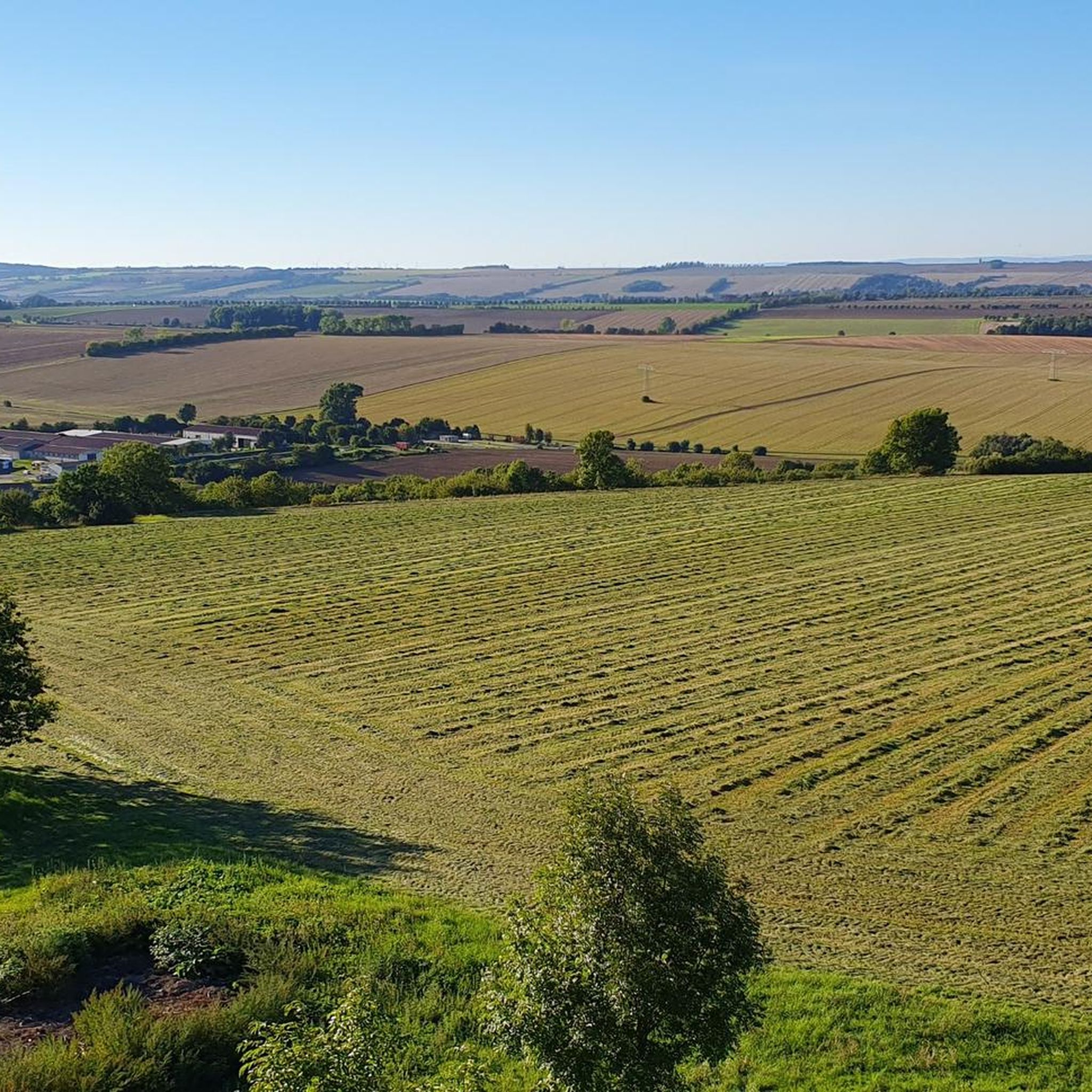
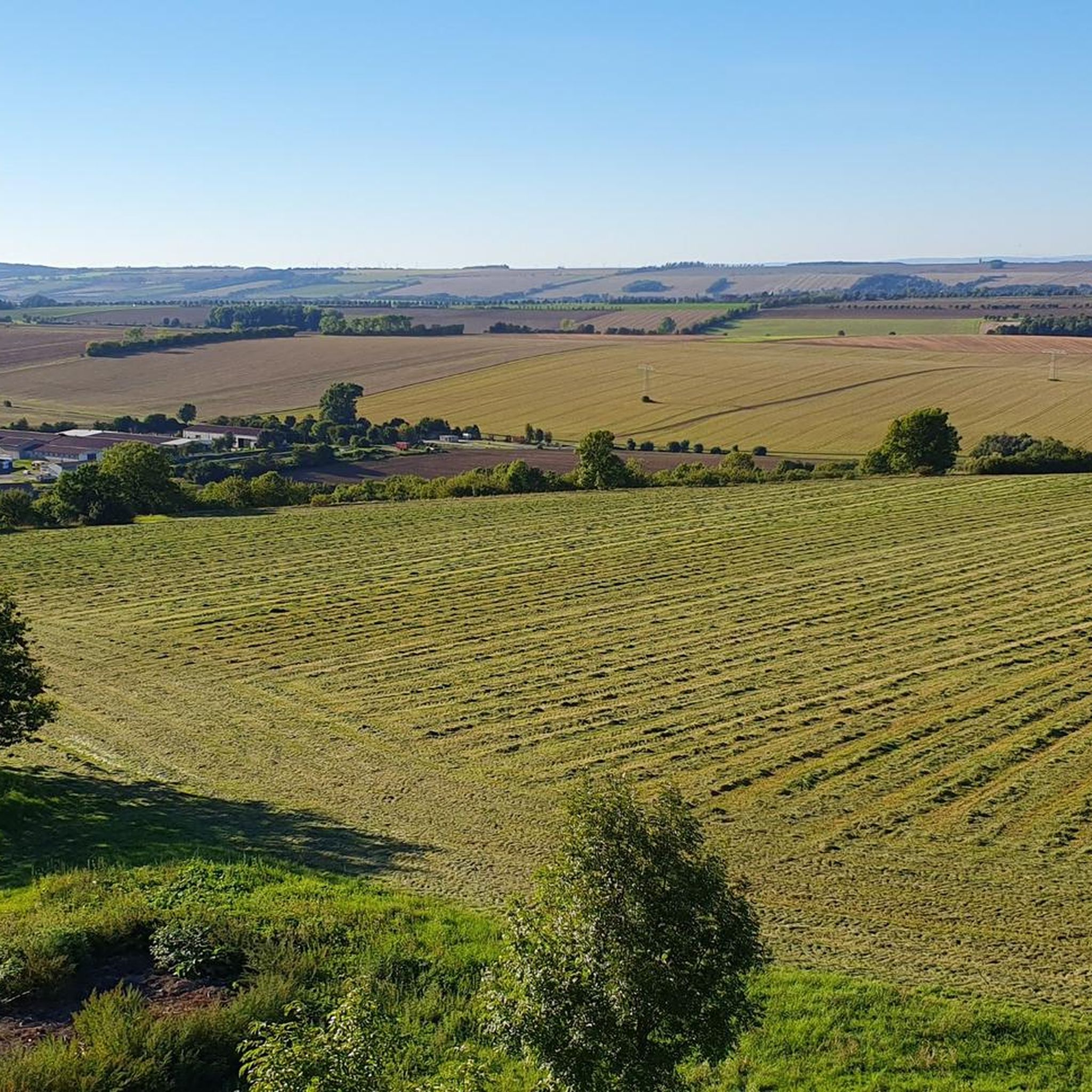
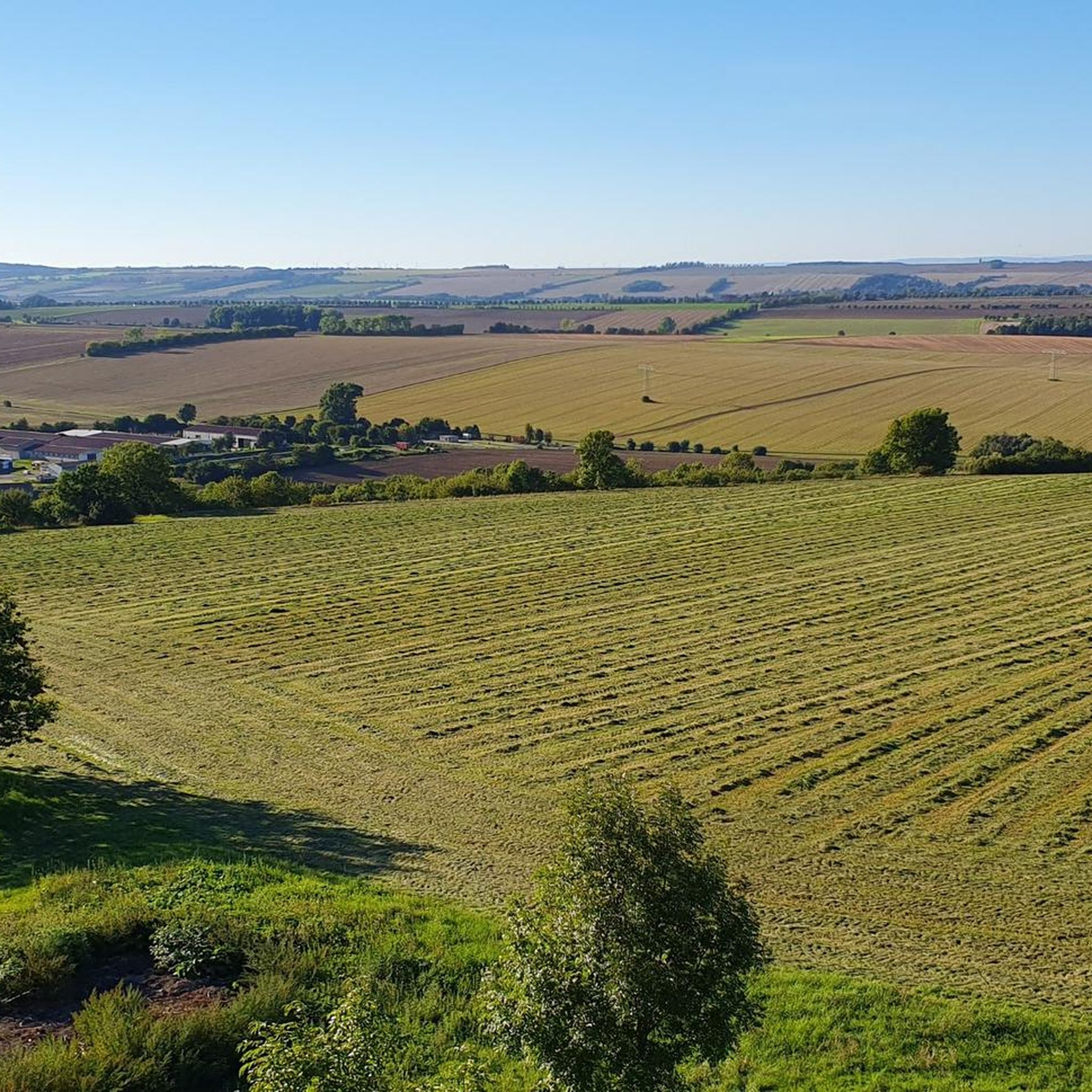
In the autumn of 1806, world history was made here on these heights northwest of Jena. Directly behind the Landgrave's house lay the Jena-Auerstedt battlefield, the site of the fighting between Prussian troops and Napoleon in October 1806. The Napoleon Stone, which, like the museum in nearby Cospeda, commemorates this event over two hundred years ago, is located here.
12
0
Another stop on the Napoleon Trail with a bench at the Napoleon Stone. Here you have a wonderful panoramic view 😎
13
0

Ignoring the Prussian ultimatum, Napoleon marched with approximately 160,000 men from Bavaria to Thuringia toward Berlin between October 7 and 13, 1806. On the afternoon of October 13, Napoleon, standing on the Windknollen, spotted the enemy firing positions on the Dornberg and ordered all available troops to take up positions overnight on the Landgrafenberg. The Prussian commanders never expected the French artillery with its heavy cannons to climb the steep mountain.
14
0

Tiefurt Castle Duchess Anna Amalia's summer residence The current design reflects the taste of the time around 1800. Originally it was the estate tenant's house, until Duchess Anna Amalia took over the modest castle building after Ettersburg Castle as a summer residence and turned it into a place for literary and social meetings. The Duchess made a conscious decision not to change the exterior architecture, as she particularly liked the rural ambience. Anna Amalia also gathered scholars and friends around her in Tiefurt. The heyday of Tiefurt's sociability, which was reflected in Tiefurt's journal, is associated with the first four years of her summer stays. Performances by the Weimar amateur theater were among the special events. Tour Several works of art commemorate Anna Amalia's trip to Italy from 1788 to 1790, including a watercolor by Johann Georg Schütz showing the Duchess and her traveling party surrounded by Roman artists in the garden of the Villa d'Este. Sculptures and busts by the court sculptor Gottlieb Martin Klauer in the stairwell as well as porcelain from China, Meissen, Copenhagen, Fürstenberg and Vienna are among the artistic highlights of the furnishings. From the courtyard, it is possible to look into the cold kitchen with a variety of utensils. The historical display dishes made of porcelain, wax and papier-mâché on display there come from the ducal property and imitate the dishes in a deceptively realistic way. Text / Source: Weimar GmbH, Tourist Information Weimar, Markt 4, Weimar https://www.weimar.de/kultur/sehenswuerdigkeiten/schloesser/schloss-tiefurt/#:~:text=Schloss%20Tiefurt.%20Herzogin%20Anna%20Amalias%20Sommersitz.%20Die
15
2
Tiefurt Castle Park The Tiefurt Castle Park extends over an area of 21 hectares on both sides of the Ilm. Gently sloping meadows with beautiful groups of trees extend to the river bank. Beyond this, a steep slope covered with dense trees rises. Numerous monuments and park architecture such as the tea pavilion invite you to explore. The Ilmtal cycle path runs directly along the river. Text / Source: Weimar GmbH, Tourist Information Weimar, Markt 4, Weimar https://www.weimar.de/kultur/sehenswuerdigkeiten/parks-und-gaerten/schlosspark-tiefurt/#:~:text=Der%20Schlosspark%20Tiefurt%20erstreckt%20sich%20auf%20einer%20Fl%C3%A4che%20von
14
1

Very nice park with sights 💯🔝👍🏻😊
1
0

Very nice path through the park.
4
0
Very nicely made bridge.
5
0
Frequently Asked Questions
What unique natural features can I explore near Kapellendorf?
The region around Kapellendorf offers diverse natural features. You can visit the Napoleon Stone on the Windknollen, which is part of a nature reserve with semi-dry grasslands and unique biodiversity. Another highlight is the Winter Aconites in Bloom in the Rautal, known for its extensive carpet of blooming winter aconites.
Are there any historical sites integrated with the natural landscapes?
Yes, several natural monuments also hold historical significance. The Napoleon Stone on the Windknollen commemorates the Battle of Jena in 1806 and offers panoramic views from a historically important location. Additionally, Schloss Tiefurt, a historical castle, features an expansive park that is considered a notable natural feature.
What kind of wildlife and plant species can be found in the natural monuments around Kapellendorf?
The Windknollen nature reserve, home to the Napoleon Stone, is rich in biodiversity. It hosts rare flora like bee orchids, lady's slipper, and the unique Bellflower-leaved Lousewort. You can also spot numerous bird species such as Eurasian skylarks and red-backed shrikes, as well as amphibians like the northern crested newt.
When is the best time to see the Winter Aconites in Bloom in the Rautal?
The Winter Aconites in Bloom in the Rautal are best visited from the beginning to mid-February. During this period, you can admire approximately 1.6 million plants covering a significant area, creating a stunning natural spectacle.
Are there family-friendly natural monuments or activities in the area?
Yes, several natural monuments are suitable for families. The Napoleon Stone on the Windknollen is a great spot for hiking and kite flying in autumn, offering open spaces and views. The park surrounding Schloss Tiefurt also provides expansive meadows and trails suitable for family strolls.
What outdoor activities can I do near these natural monuments?
The area around Kapellendorf is excellent for various outdoor activities. You can enjoy hiking and cycling around the Windknollen. For more structured routes, explore the nearby cycling routes, road cycling routes, or MTB trails that pass through the region's natural landscapes.
Are there any viewpoints offering scenic panoramas?
Absolutely. The Napoleon Stone on the Windknollen provides fantastic panoramic views of Jena and the Saale Valley. On clear days, you might even see the Leuchtenburg. Another viewpoint is near the Park Cave and the Nadelöhr in the Park on the Ilm, offering views of Goethe's garden house.
What should I know about visiting the Park Cave and the Nadelöhr?
The Park Cave and the Nadelöhr in the Park on the Ilm features a natural bridge and offers scenic views. Be aware that the area can be very slippery in wet and snowy conditions, so appropriate footwear is recommended.
What do visitors particularly enjoy about the natural monuments around Kapellendorf?
Visitors frequently praise the stunning views from the Napoleon Stone on the Windknollen, especially for kite flying in autumn. The mass blooming of Winter Aconites in the Rautal is also highly recommended as a beautiful natural spectacle, often described as bewitching due to its scent and visual impact.
Are there any natural monuments that are also part of a larger park system?
Yes, Schloss Tiefurt is situated within the expansive Tiefurt Castle Park. This park covers 21 hectares along the Ilm river, featuring meadows, tree groups, and park architecture, making it a significant natural and recreational area.
Can I find trails suitable for different fitness levels near Kapellendorf's natural monuments?
Yes, the area around the Windknollen offers various trails suitable for different fitness levels, making it accessible for casual walkers and more experienced hikers alike. Many nearby cycling and MTB routes also cater to varying difficulties.
Most popular routes around Kapellendorf

Get inspired with the komoot mobile app


Explore more
Extend your search for the best caves by checking out these guides of the top ones around Kapellendorf:
