Top 20 Natural Monuments around Tüttleben
Natural monuments around Tüttleben offer diverse natural features within the Thuringian landscape. The region, situated in the state of Thuringia, provides opportunities to explore various natural and historical sites. While specific designated natural monuments within Tüttleben itself are limited, the surrounding area features several notable natural landmarks. These include lakes, ridges, and springs, providing varied experiences for those seeking to engage with nature.
Best natural monuments around Tüttleben
- The most popular natural monument is Gotha Orangery, a man-made monument…
Last updated: October 12, 2026
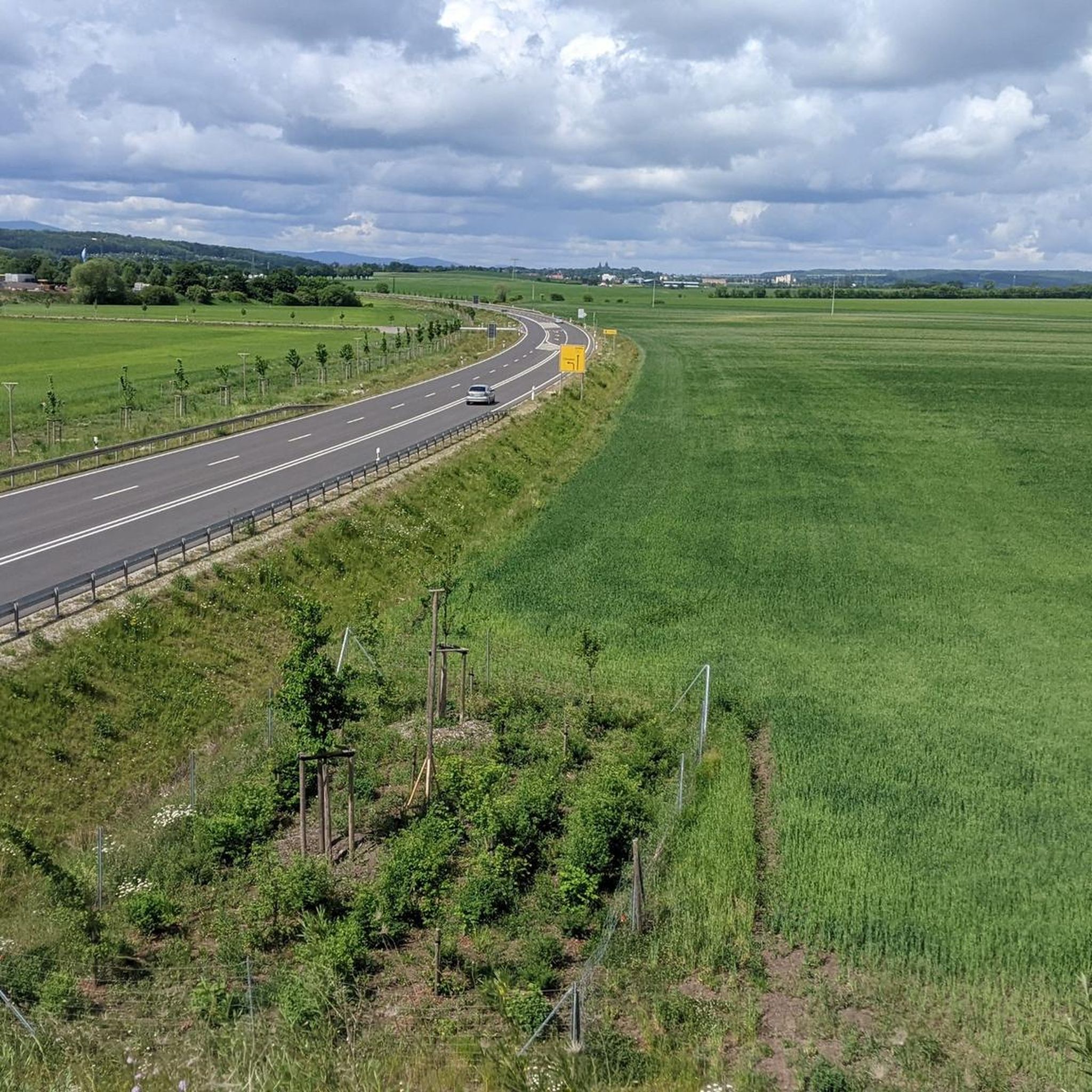
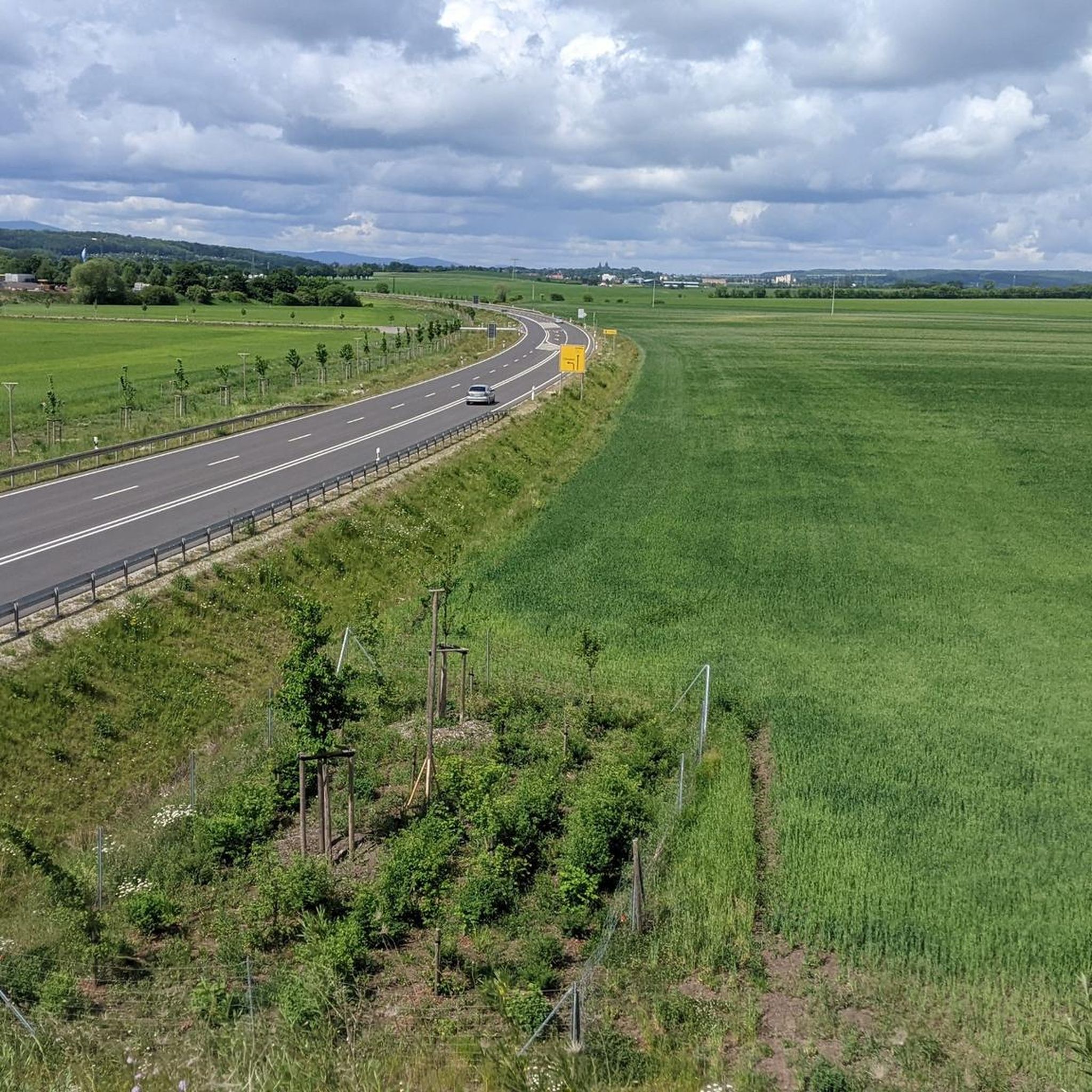
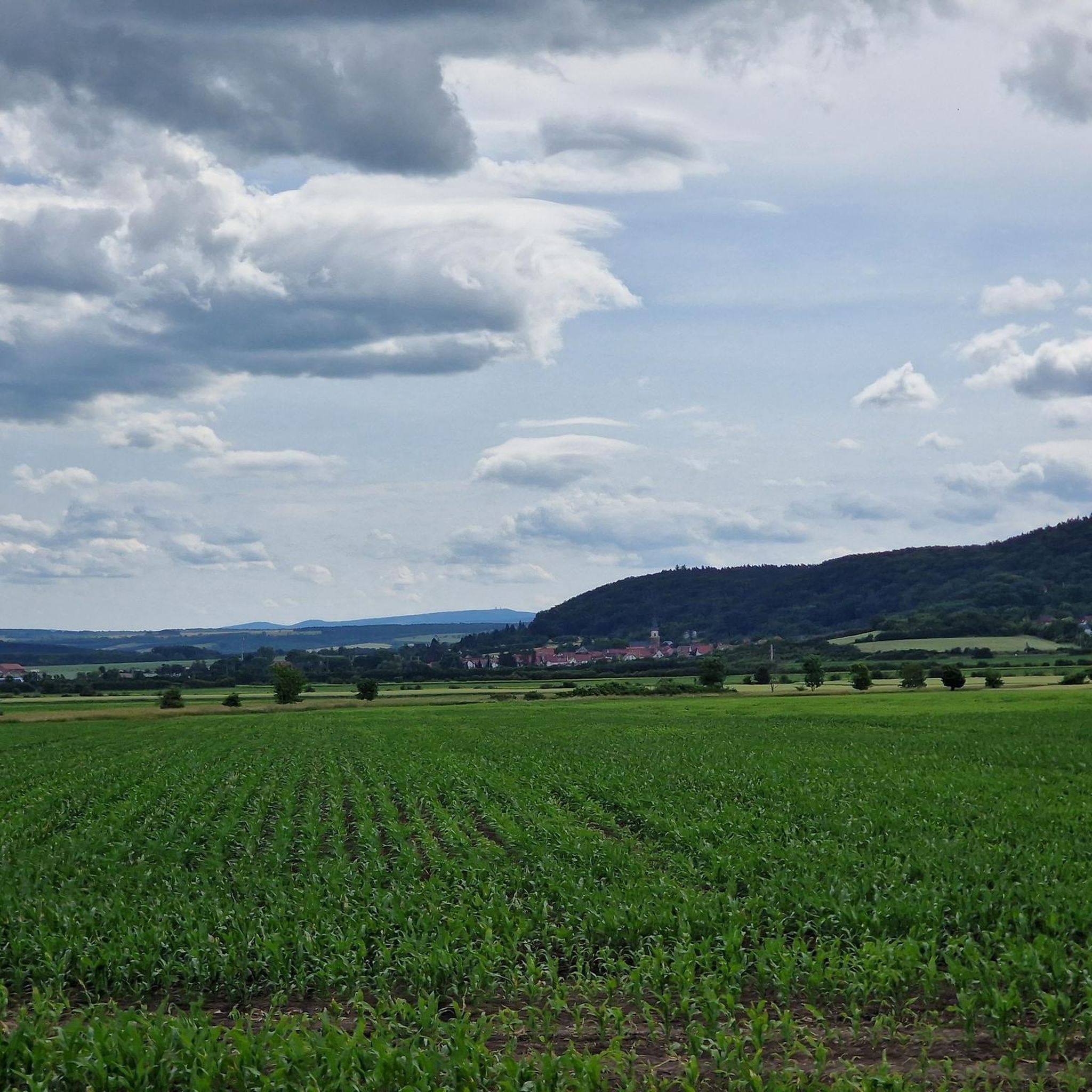
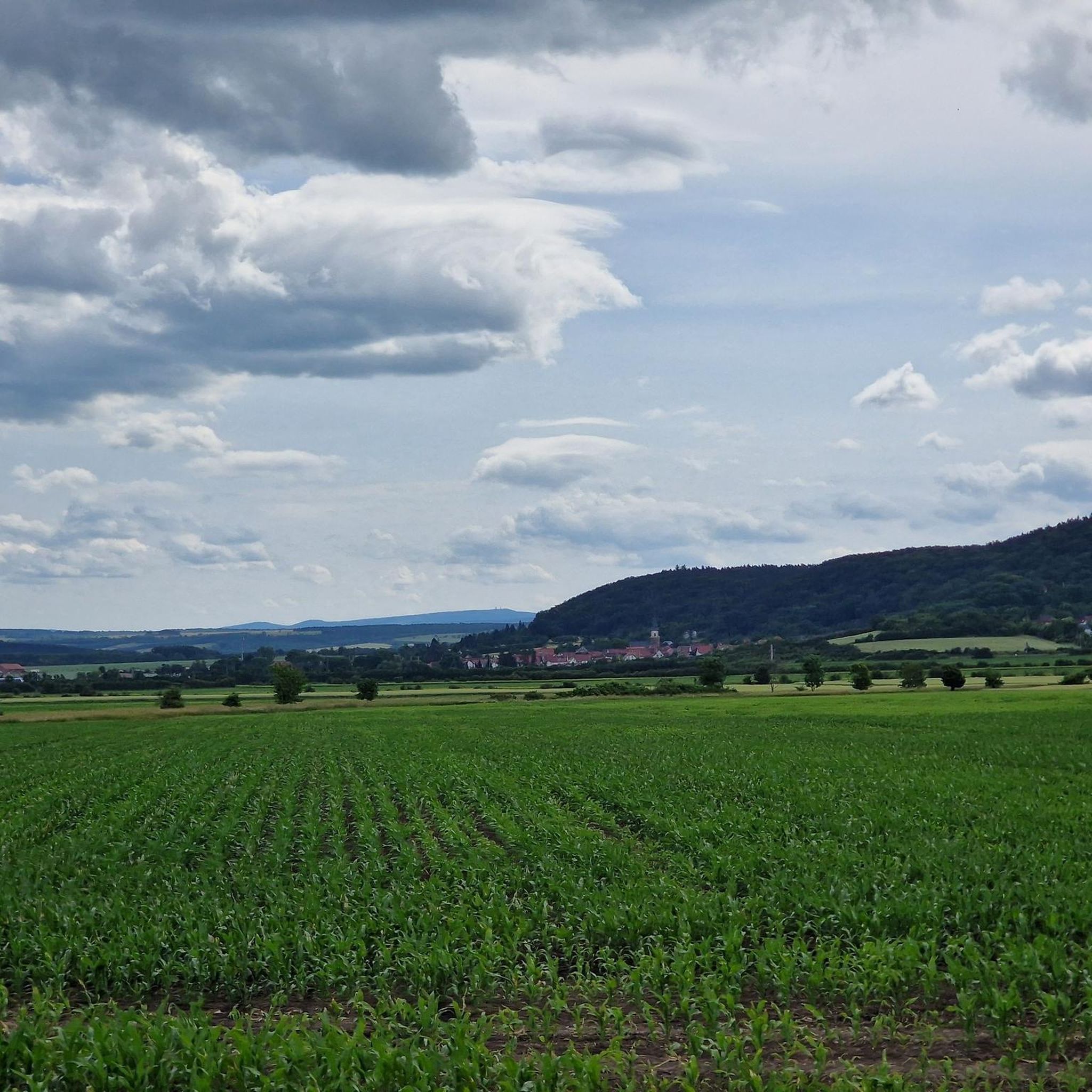
Mühlberg
Highlight • Natural Monument
Translated by Google •
Tip by

Friemar Reservoir
Highlight • Lake
Translated by Google •
Tip by

Sign up now to discover places like this
Get recommendations on the best single tracks, peaks, & plenty of other exciting outdoor places.
Schloßleite peat pond with view of Wachsenburg Castle
Highlight • Lake
Translated by Google •
Tip by

Mühlberger Spring
Highlight • Natural Monument
Translated by Google •
Tip by

Schlossleite Ridge Trail
Highlight (Segment) • Trail
Translated by Google •
Tip by

Sign up for free to discover even more natural monuments around Tüttleben.
Already have an account?
Start today with a free account
Your next adventure awaits.
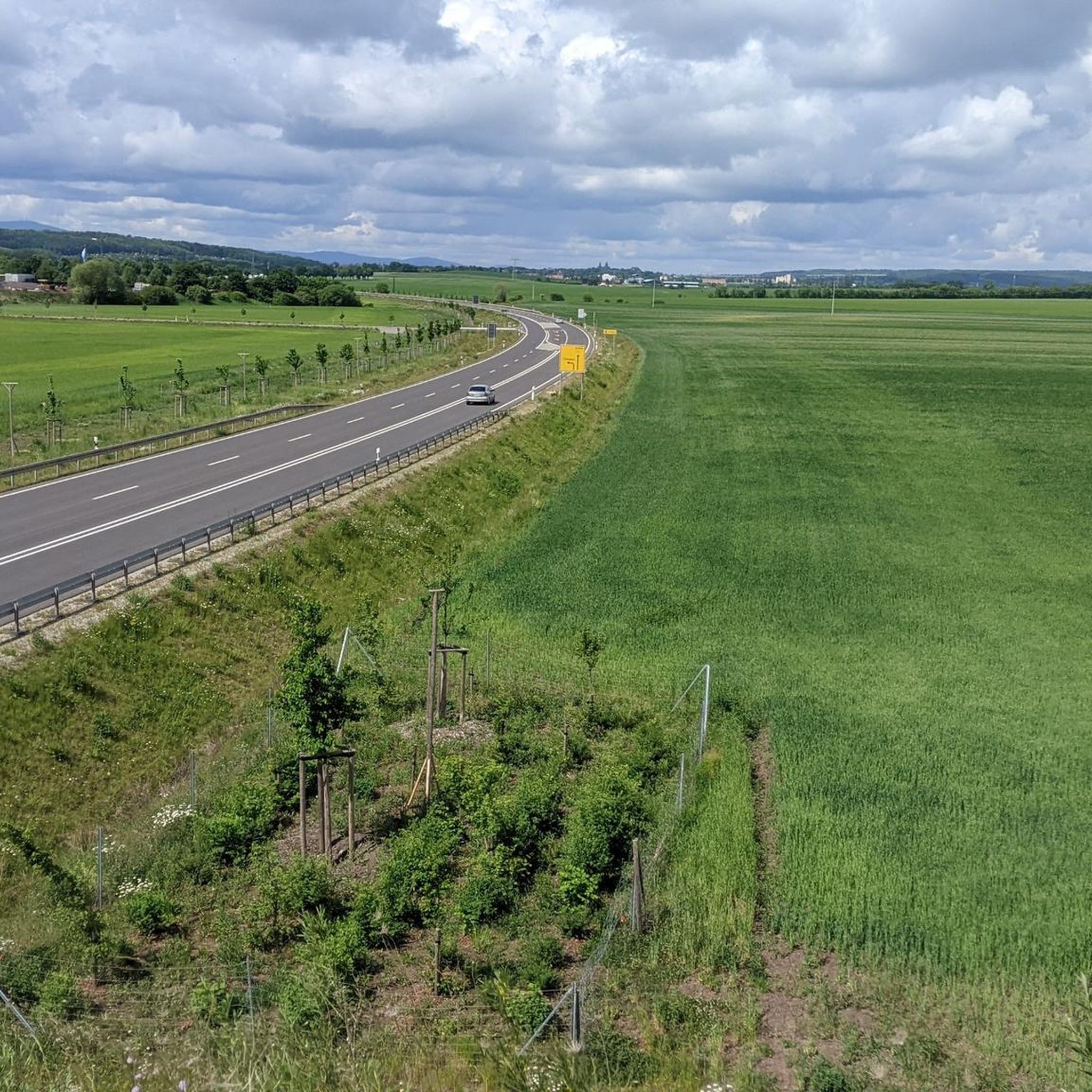
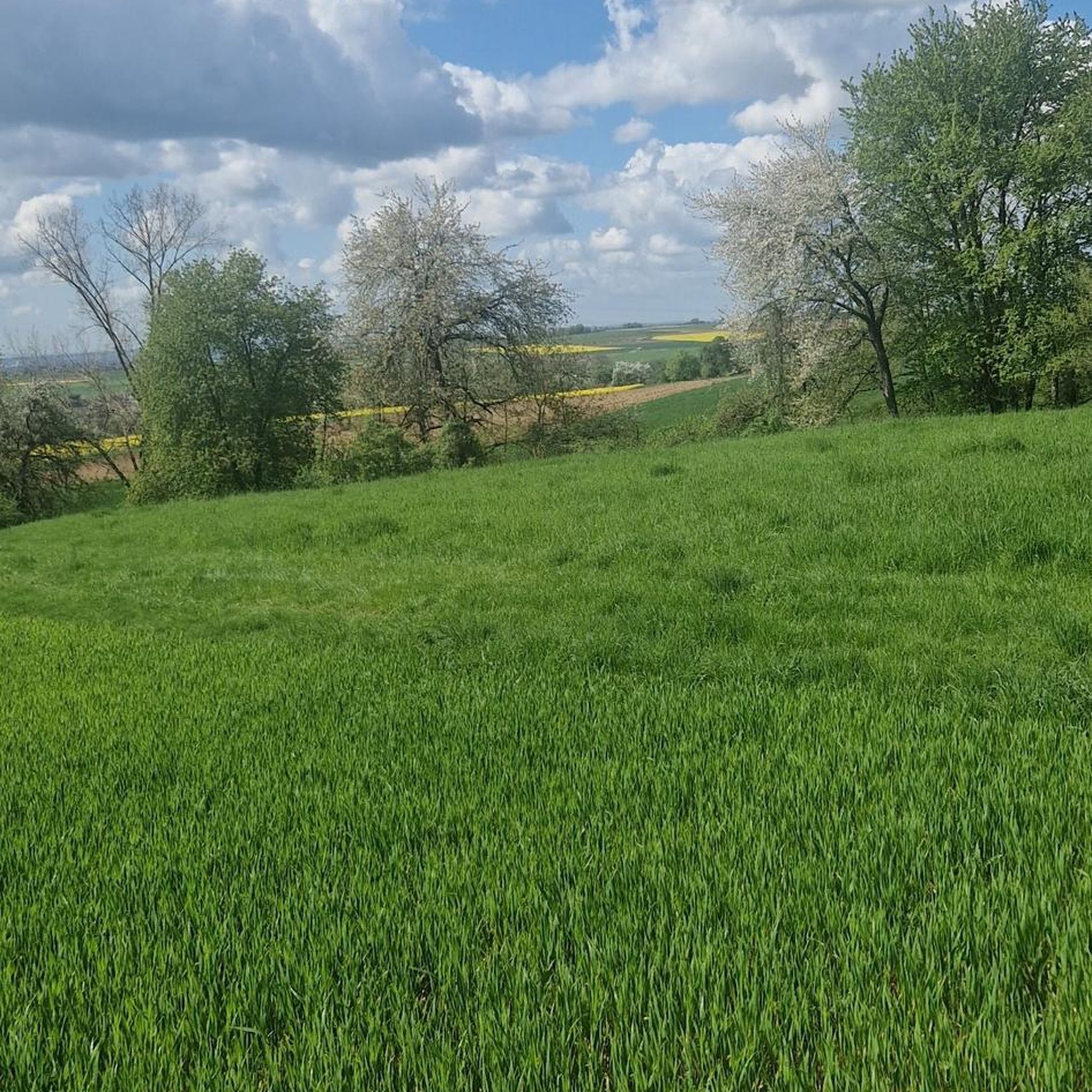
Tips from the Community

A beautiful ridge path for walking.
1
0

The path is littered with numerous roots and stones.
1
0

In addition to Arnstadt and Großmorna, the tranquil Mühlberg in the rural community of Drei Gleichen is the oldest place in Thuringia - first mentioned in documents in 704. Special highlights of the small town are the medieval fortified church of St. Luke from 726 and the Mühlburg, which is one of the Three Equals. You will also find a few cozy restaurants and accommodations here.
4
1

One of several ponds in the area. Liked to visit in summer.
5
0
Beautiful ridge path between the castles.
3
0

Beautiful crest path from Mühlburg to the Wachsenburg
2
0

I can sit here for hours and just watch and enjoy 🥰
7
1

Frequently Asked Questions
What types of natural monuments can I explore around Tüttleben?
The region around Tüttleben offers a variety of natural features, including serene lakes like Friemar Reservoir and Schloßleite peat pond with view of Wachsenburg Castle, as well as impressive springs such as Mühlberger Spring. You can also find forested ridges and trails, like the Schlossleite Ridge Trail, providing diverse natural experiences.
Are there any historical natural monuments in the area?
Yes, Mühlberger Spring is a notable natural monument with historical significance. This impressive karst spring delivers crystal clear water and is recognized as both a natural and historical site. Additionally, the Gotha Orangery, while a man-made monument, is a historical site that is often appreciated alongside the natural beauty of the region.
Which natural monuments are suitable for families with children?
Several natural monuments around Tüttleben are family-friendly. The Friemar Reservoir offers a small playground and places to picnic. Schloßleite peat pond with view of Wachsenburg Castle is also suitable for families, offering beautiful views. The Mühlberger Spring is an accessible natural wonder that families can enjoy.
What kind of views can I expect from the natural monuments?
You can find stunning panoramic views, particularly from Schloßleite peat pond with view of Wachsenburg Castle, which offers a beautiful vista across the valley to all three castles. The Schlossleite Ridge Trail also provides wonderful views along its path.
Are there hiking opportunities near these natural monuments?
Absolutely. The region around Tüttleben offers various hiking trails. For easy walks, you can explore routes like the 'Großer Seeberg – Former Seeberg Rocket Bunker loop' or 'Bunker of Rocket Division 5123 – Former Seeberg Rocket Bunker loop'. You can find more details on these and other easy hikes in the area on the Easy hikes around Tüttleben guide.
Can I go cycling near the natural monuments around Tüttleben?
Yes, there are excellent cycling opportunities. For gravel biking, routes like 'View of Veste Wachsenburg – View of Jonastal loop' or 'Leina River – Boxberg Cycle Path loop' are available. Road cyclists can enjoy routes such as 'Erfurt Cathedral – Fahner Mill loop' or 'Marienthal Bridge – View of Veste Wachsenburg loop'. More information can be found in the Gravel biking around Tüttleben guide and the Road Cycling Routes around Tüttleben guide.
What do visitors particularly enjoy about the natural monuments here?
Visitors frequently praise the impressive size and beauty of sites like the Gotha Orangery, calling it a 'beautiful eye-catcher'. The Mühlberger Spring is appreciated for its crystal clear water and constant temperature. The panoramic views from locations like Schloßleite peat pond with view of Wachsenburg Castle are also highly recommended.
Are there any natural monuments with unique ecological features?
The Schlossleite Ridge Trail is part of a nature reserve known for its ecological diversity. In spring, you can witness 'carpets' of wood anemones, followed by wild garlic creating a green carpet in the forest, showcasing unique seasonal flora.
Are there places to eat or relax near the natural monuments?
Yes, near the Friemar Reservoir, there is a small, cozy restaurant, which also features a beer garden in summer. It's a great spot to pause and enjoy a meal or drink after exploring the area.
What is the best time to visit the natural monuments around Tüttleben?
While specific recommendations vary by activity, spring is particularly beautiful for the Schlossleite Ridge Trail when wood anemones and wild garlic are in bloom. Generally, the warmer months offer pleasant conditions for exploring lakes, springs, and trails.
Are there any natural monuments that are also fishing waters?
Yes, the Schloßleite peat pond with view of Wachsenburg Castle is known as a fishing water, managed by the Drei Gleichen Mühlberg e.V. fishing club.
What is the significance of the Mühlberger Spring?
The Mühlberger Spring is a significant karst spring, delivering an average of 33.7 liters per second of crystal clear water at a constant temperature of 8 degrees Celsius. It marks the beginning of the Waid brook, which flows into the apple town in Neudietendorf.
Most popular routes around Tüttleben
Most popular attractions around Tüttleben

Get inspired with the komoot mobile app


Explore more
Extend your search for the best caves by checking out these guides of the top ones around Tüttleben:
