Top 20 Natural Monuments around Aichstetten
Best natural monuments around Aichstetten are found in this municipality in Baden-Württemberg, Germany. The region is characterized by its natural waterways, including old river arms and ponds, which are designated as area-based natural monuments. These sites offer diverse habitats for local flora and fauna. Visitors can explore tranquil settings that highlight the ecological significance of the preserved landscapes.
Best natural monuments around Aichstetten
- The most popular natural monuments is Fountain at Zeil Castle, a man-made monument within a natural…
Last updated: August 18, 2026
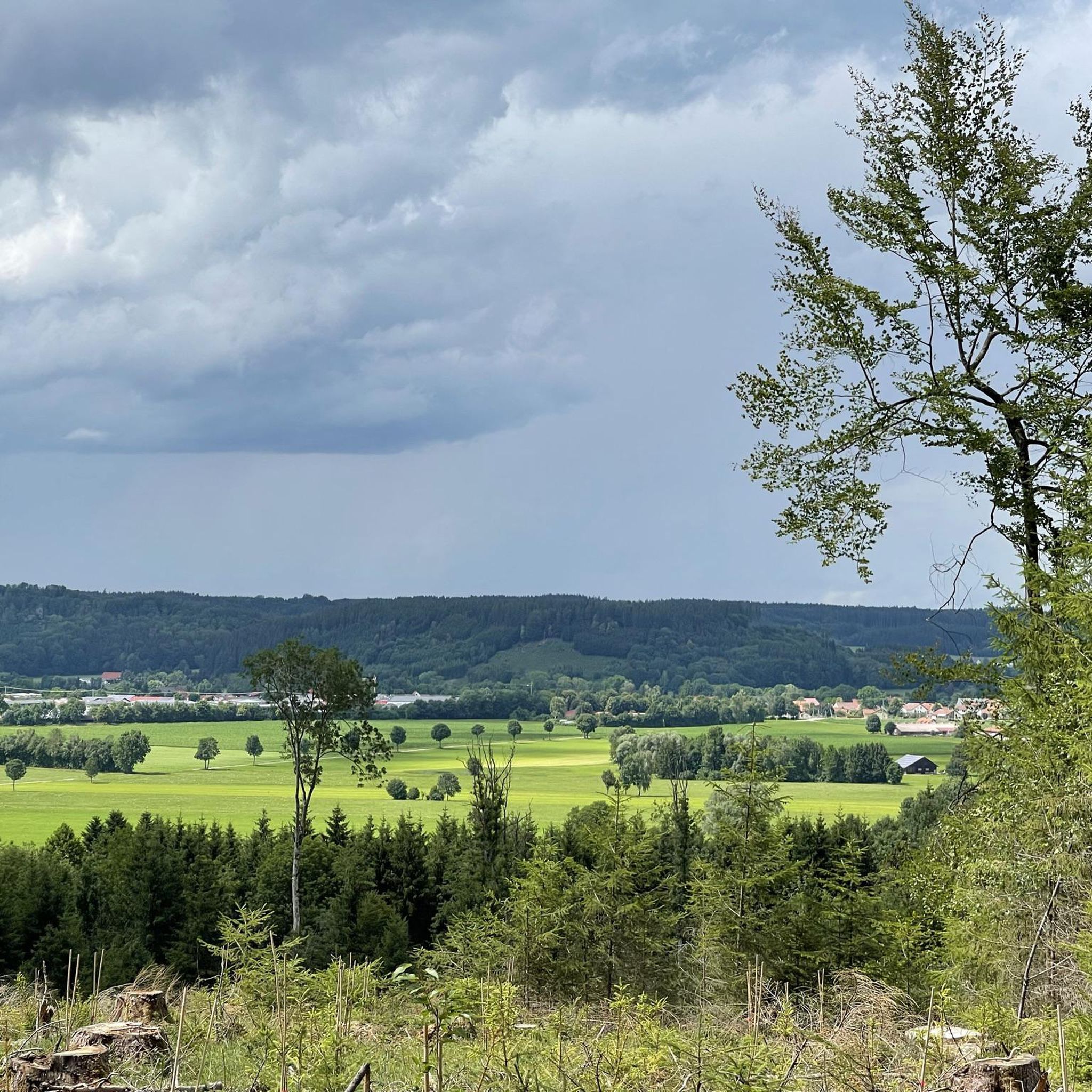
Fountain at Zeil Castle
Highlight • Monument
Translated by Google •
Tip by

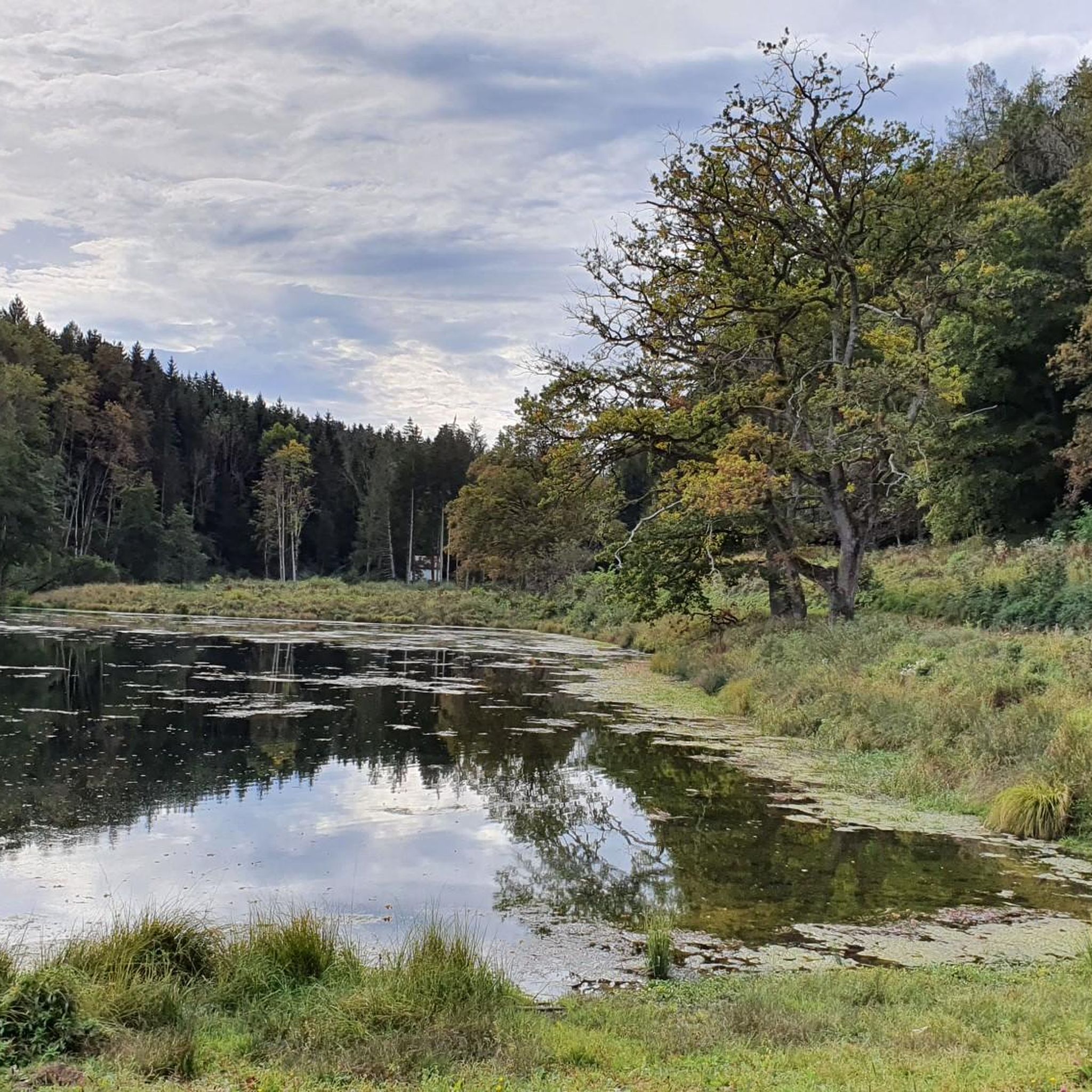
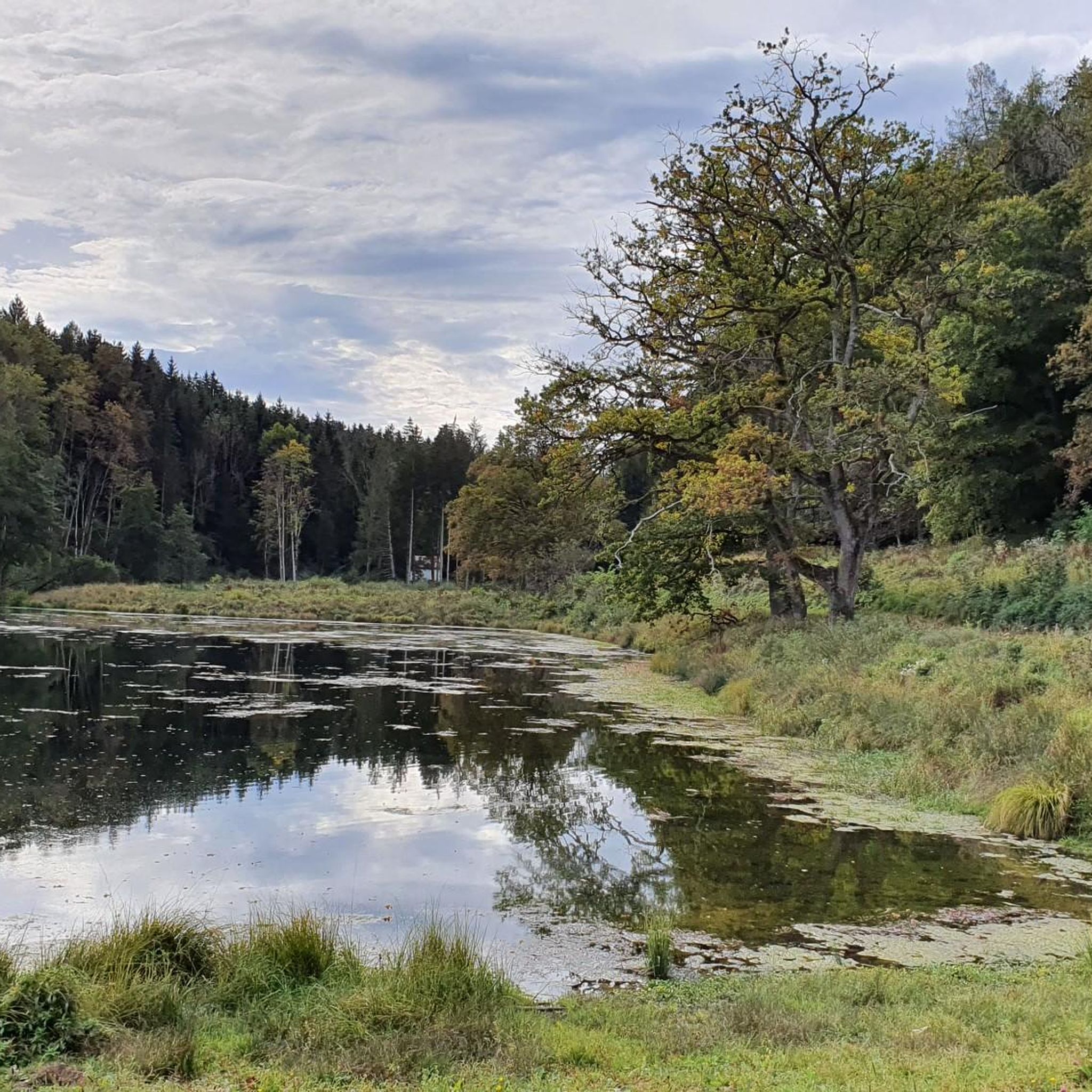
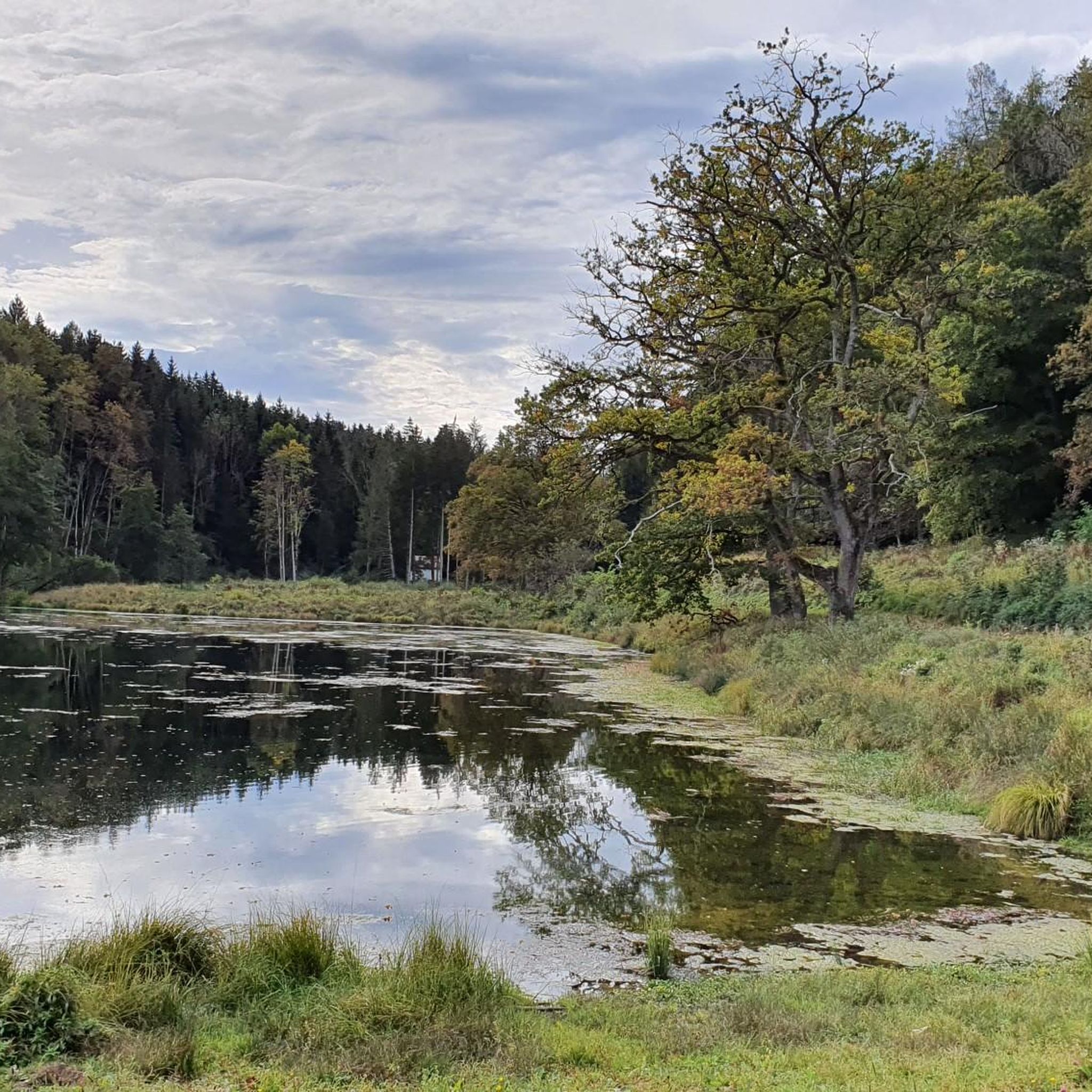
Riedsee in the Wurzacher Ried
Highlight • Lake
Translated by Google •
Tip by

Sign up now to discover places like this
Get recommendations on the best single tracks, peaks, & plenty of other exciting outdoor places.
Sign up for free
Riedsee in the Wurzacher Ried
Highlight • Lake
Showing Translation
Tip by

Tulip Tree Avenue
Highlight • Natural
Translated by Google •
Tip by

Wurzacher Ried Nature Reserve Loop Trail
Highlight • Trail
Translated by Google •
Tip by

Sign up for free to discover even more natural monuments around Aichstetten.
Sign up for free
Already have an account?
Start today with a free account
Your next adventure awaits.
Login or Signup
Tips from the Community

A blessing for the feet, the moor paths
0
0

Beautiful hiking trails through the high moor with great paths and lots of information about peat.
1
0


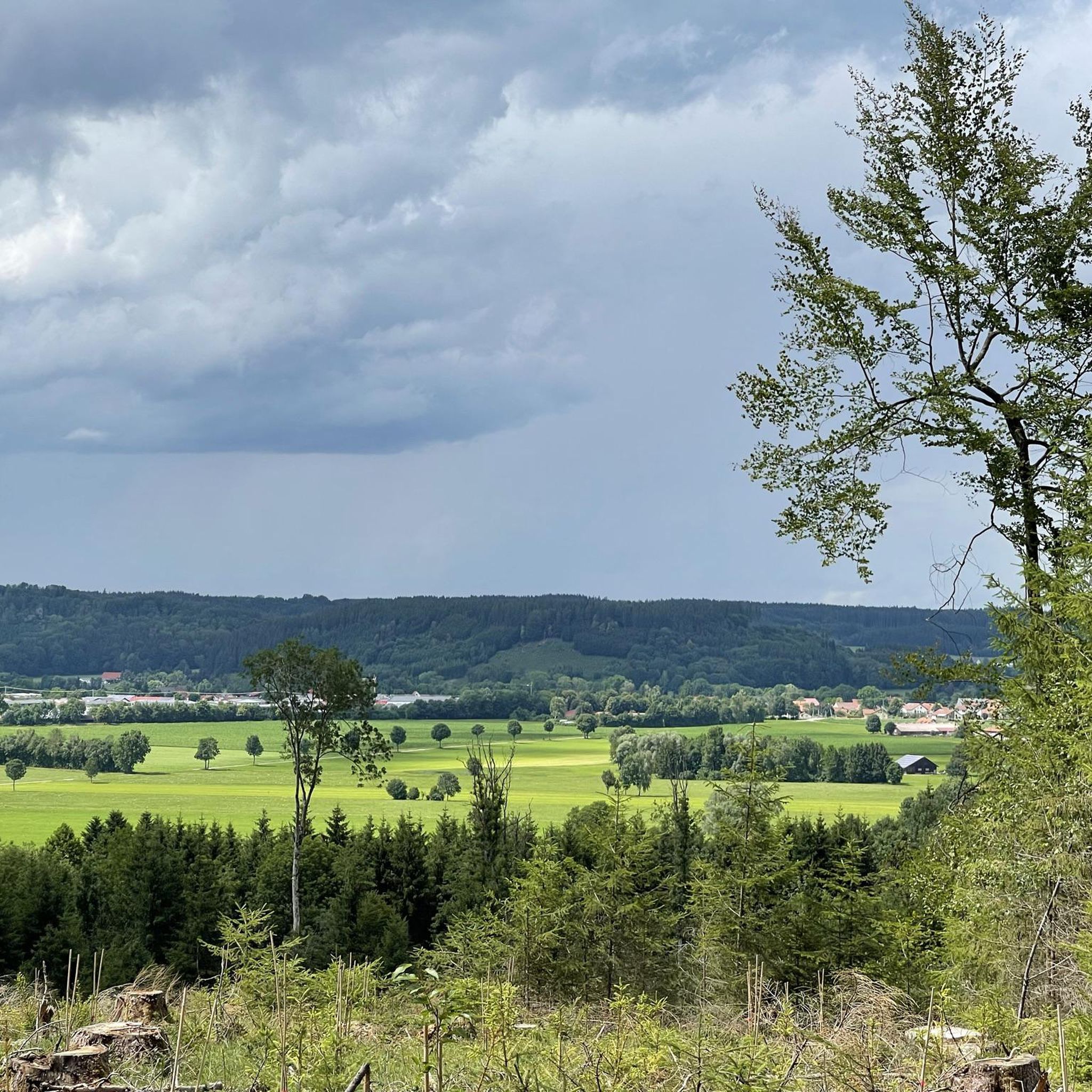
Wonderful photo opportunities at every corner ... the landscape here is beautiful
1
0
A highlight in every season... wonderful nature, ideal for switching off and recharging
0
0

The Wurzacher Ried is one of the largest nature reserves and one of the most important moorland areas in southern Germany. The EU has awarded it a premium as a European bird sanctuary and FFH area ("Natura 2000"). The moorland is located north of the municipality of Bad Wurzach in Baden-Württemberg. The retreat of the glaciers of the "Riß" period and the following "Würm" period left behind a large lake basin, which gradually became a moorland landscape from around 10,000 BC. In the last 300 years or so, the moorland has been endangered by drainage and peat cutting. For some time now, renaturation and rewetting measures have been carried out to protect this ecological gem. The Wurzacher Ried is, however, predominantly a raised bog that continues to grow and is only wetted by rain. A fen thrives along the rivers and groundwater present in all peripheral areas. The largely untouched core area, which covers about a third of the moorland area, is the largest contiguous and still intact raised bog in Central Europe. Source: Wikipedia
5
1

The Wurzacher Ried is a unique, primeval landscape with a special magic. The enormous power of the Rhine glacier continuously formed the hill ranges of the Allgäu during the last three ice ages and carved out a deep tongue basin. Today, the Wurzacher Ried is the largest contiguous and still intact raised bog in Central Europe and one of the largest nature reserves in Baden-Württemberg. Why raised bog? The raised bog does not get its name because it is on a hill or in the mountains. The name refers to the formation of the bog: In the first step, a fen forms in a depression, into which groundwater also flows. Dead plant parts gradually become an increasingly thick layer of peat and gradually the bog grows above the groundwater level - a raised bog is created. Source: bad-wurzach.de/tourismus/de/moor/naturschutzgebiet-wurzacher-ried
4
0
Frequently Asked Questions
What types of natural monuments can I explore in Aichstetten?
Aichstetten is known for its "Flächenhafte Naturdenkmale" (area-based natural monuments). These primarily consist of old river arms, oxbow lakes, and various ponds, highlighting the region's historical connection to its waterways. You can also find unique habitats like the Hochstaudenquellflur (tall herb spring bog/meadow), which are ecologically sensitive and rich in biodiversity.
Are there any specific natural monuments that are particularly noteworthy for their ecological value?
Yes, several stand out. The Altarm der Aitrach nördlich Lauben is a significant area spanning about 2.5 hectares, representing a valuable remnant of the river's historical course. The Altwasser bei Altmannshofen, an oxbow lake, is rich in biodiversity, supporting specific plant communities and providing breeding grounds for amphibians and birds. The Hochstaudenquellflur is also notable for its rare plant species thriving in moist, nutrient-rich conditions.
What are some popular natural monuments around Aichstetten that offer scenic views or unique experiences?
Visitors often enjoy the Fountain at Zeil Castle, which, from its 752 m high location, provides a wonderful Alpine panorama. Another popular spot is the Riedsee in the Wurzacher Ried, a lake formed from historical peat mining, now a magnet for walkers and water birds. The trail Along the Wurzacher Ried also offers great views of the Ried.
Are there family-friendly natural monuments or trails in the area?
Yes, the trail Along the Wurzacher Ried is suitable for families and nature enthusiasts. Additionally, the Wurzacher Ried Nature Reserve Loop Trail is also considered family-friendly and offers insights into the unique raised bog landscape.
What kind of flora and fauna can I expect to see at Aichstetten's natural monuments?
The natural monuments, particularly the old river arms, oxbow lakes, and ponds, provide diverse habitats. You can observe various aquatic and riparian species, including specific plant communities, amphibians, insects, and birds. The Hochstaudenquellflur is known for its rare plant species that thrive in moist, spring-fed environments. The Wurzacher Ried is home to a very unusual flora and fauna due to its unique moor habitats.
What outdoor activities can I do near these natural monuments?
The region offers various outdoor activities. You can find numerous running trails, such as the 'Schloss loop from Aichstetten'. For cyclists, there are several road cycling routes, including longer tours like the 'Neues Schloss Kißlegg – View of Schloss Zeil loop'. If you prefer hiking, there are easy hikes available, like the 'Tannenhof Hut – View from Zugspitze to Säntis loop'. You can explore more options on the Running Trails around Aichstetten, Road Cycling Routes around Aichstetten, and Easy hikes around Aichstetten guide pages.
Are there hiking trails specifically around the natural monuments?
Yes, many of the natural monuments are integrated into hiking paths. For instance, the trail Along the Wurzacher Ried and the Wurzacher Ried Nature Reserve Loop Trail are excellent options for experiencing the unique moor landscape and its associated natural monuments. You can find more hiking options on the Easy hikes around Aichstetten guide page.
What is the best time of year to visit the natural monuments in Aichstetten?
The natural monuments, particularly the wetlands and bogs, are beautiful year-round. However, spring and summer offer the best opportunities to observe diverse flora and fauna in full bloom. Autumn provides vibrant colors, especially around the forested areas and ponds. Winter can offer a serene, quiet experience, though some paths might be less accessible depending on snow conditions.
What do visitors enjoy most about the natural monuments in Aichstetten?
Visitors appreciate the tranquil natural settings and the ecological significance of the preserved landscapes. Many enjoy the opportunities for nature observation, walking, and the peaceful atmosphere. The unique character of the Wurzacher Ried, with its primeval landscape and insights into peat extraction history, is also highly valued.
Are there any natural monuments that are particularly suitable for dog owners?
While specific regulations for dogs at each natural monument may vary, many of the trails and open natural areas around Aichstetten are generally dog-friendly, provided dogs are kept on a leash and owners clean up after them. The trails along the Wurzacher Ried are popular for walks with pets.
Where can I find parking when visiting the natural monuments?
Parking is generally available at or near the starting points of popular trails and access points to the natural monuments. For example, when visiting areas like the Wurzacher Ried, designated parking lots are usually provided for visitors. It's advisable to check local signage upon arrival for specific parking instructions.
Can I access the natural monuments using public transport?
While Aichstetten itself has public transport connections, direct access to every individual natural monument might require some walking or a combination of public transport and a short hike. Major natural areas like the Wurzacher Ried are typically more accessible. For detailed public transport information to specific starting points, local tourist information is the best resource.
Are there any cafes or pubs near the natural monuments for refreshments?
Yes, Aichstetten and the surrounding villages offer various options for refreshments. For example, near Zeil Castle, there's a good rest stop in the "green tree" with a beer garden. In the wider region, you'll find local cafes and pubs where you can stop for a break after exploring the natural monuments.
Most popular routes around Aichstetten
Most popular attractions around Aichstetten

Get inspired with the komoot mobile app


Explore more
Extend your search for the best caves by checking out these guides of the top ones around Aichstetten:
