Top 20 Natural Monuments around Wildenbörten
Natural monuments around Wildenbörten are found within a gently rolling landscape in the Altenburger Land district of Thuringia, Germany. This area, part of the Zeitzer-Schmöllner-Lösshügelland, features green village areas, small streams, and erosion channels. The broader region offers extensive forests and tranquil villages, providing diverse natural features for exploration. The landscape is characterized by its transformation from former industrial sites into recreational areas, showcasing renaturation efforts.
Best natural monuments around Wildenbörten
- The most popular natural monuments is Schmirchauer Höhe —…
Last updated: June 25, 2026
Schmirchauer Höhe — Grubengeleucht (Mining Lamp) Observation Tower
Highlight • Viewpoint
Translated by Google •
Tip by

Thousand-Year-Old Oak of Nöbdenitz
Highlight • Natural Monument
Translated by Google •
Tip by

Sign up now to discover places like this
Get recommendations on the best single tracks, peaks, & plenty of other exciting outdoor places.
Sign up for free
Brückenplatz Fountain
Highlight • Monument
Translated by Google •
Tip by

Floodplain grassland in Vogtland Nature Park
Highlight • Natural
Translated by Google •
Tip by
Halde Beerwalde
Highlight • Structure
Open only on weekends.
Translated by Google •
Tip by
Sign up for free to discover even more natural monuments around Wildenbörten.
Sign up for free
Already have an account?
Start today with a free account
Your next adventure awaits.
Login or Signup

Tips from the Community


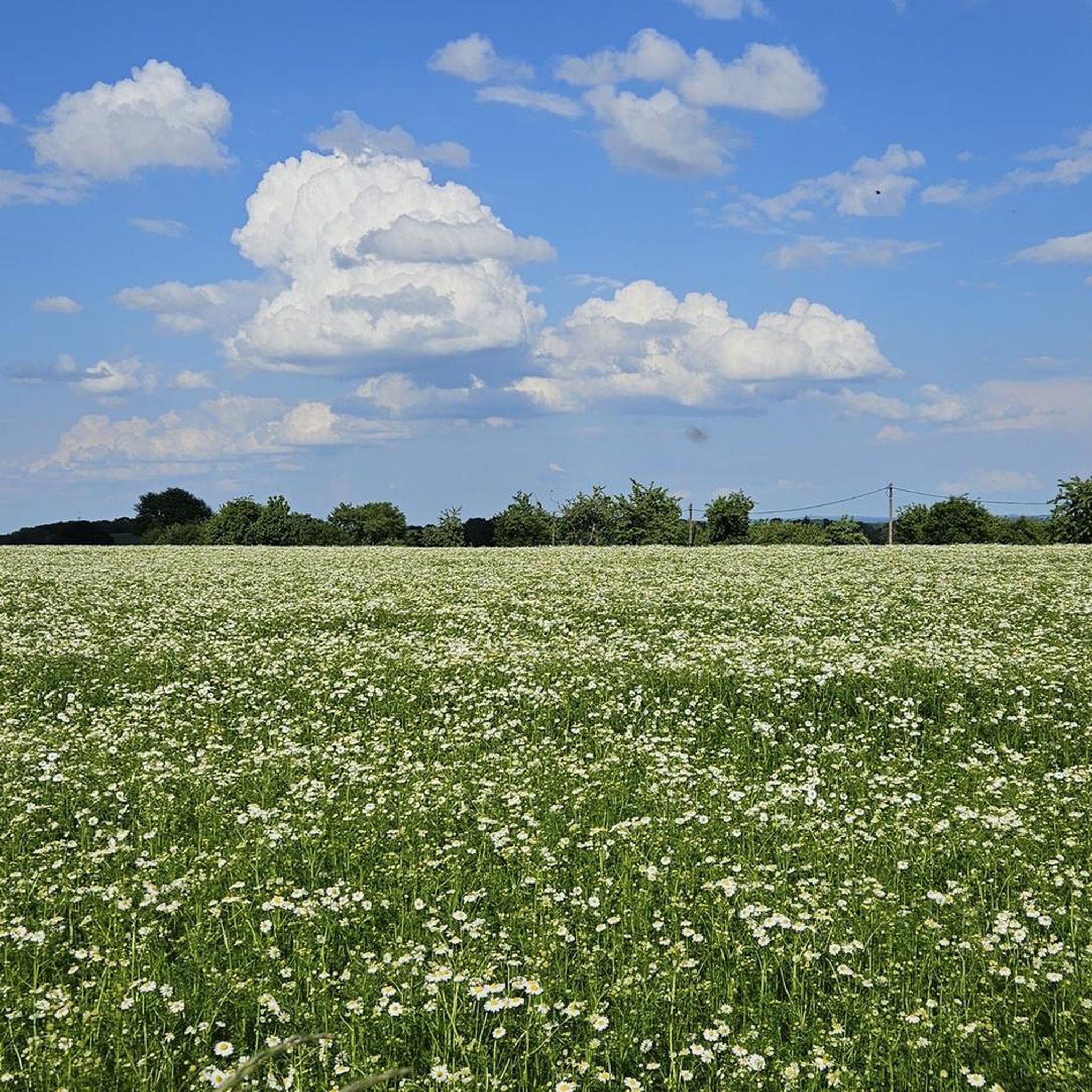
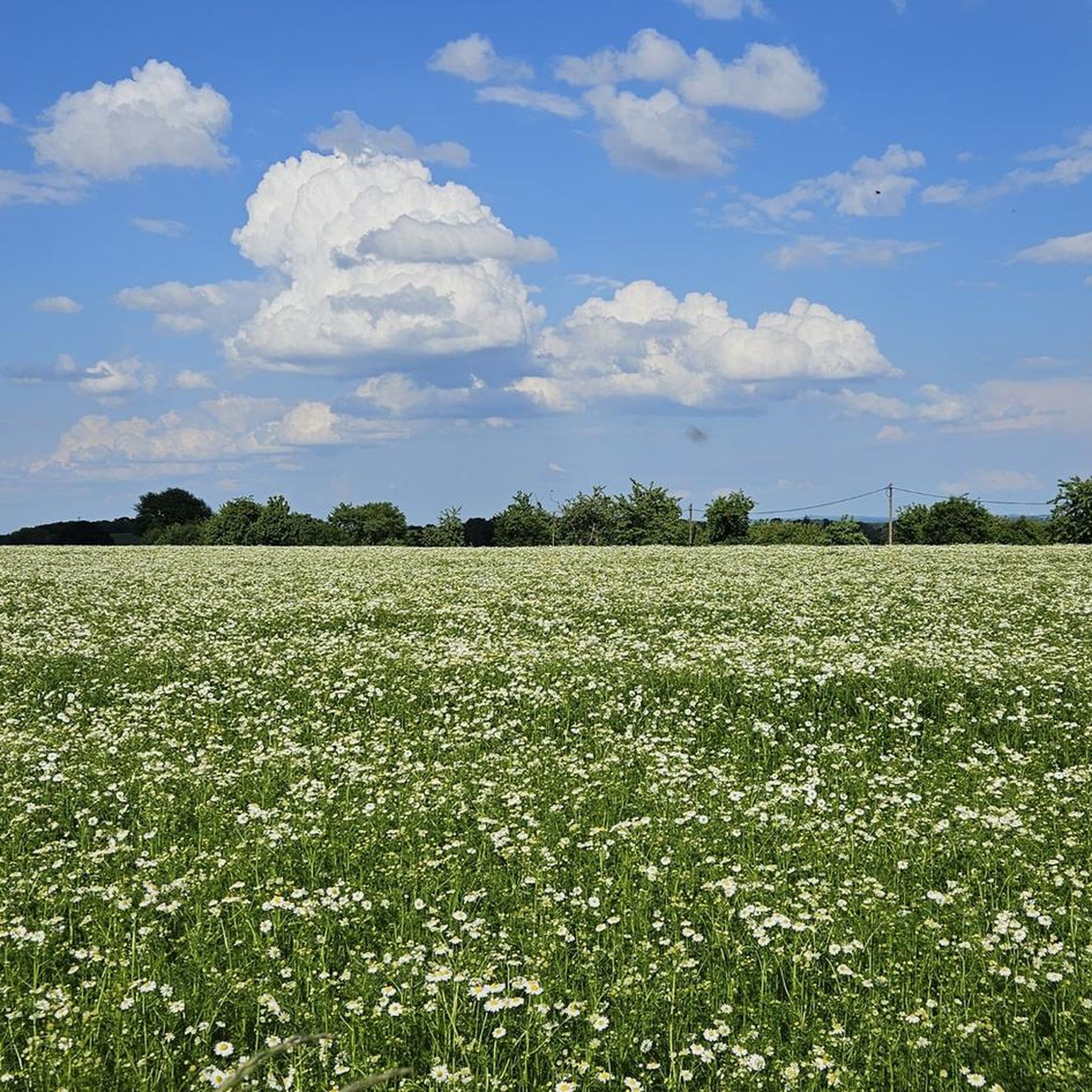
The grassland of near-natural stream and river landscapes is characterized by fluctuating groundwater levels and usually regular floods. These floods provide a rich supply of nutrients – a kind of natural fertilization. The interplay of floods and dry spells creates a biodiversity that is largely determined by land use. In meadows, all grasses and herbs are cut and harvested as hay. With frequent mowing, they become dominated by low grasses and herbs such as dandelions and ground ivy. Meadows with one or two cuts, on the other hand, are rich in tall grasses and tall perennials. In a pasture, animals initially eat the plants they like best. Species that are inedible – like buttercup – or insensitive to trampling – like broad-leaved dock – have the best chances of survival.
17
0
In the middle of the square there is a fountain with a sculpture by the artist Ullrich Holland.
13
0
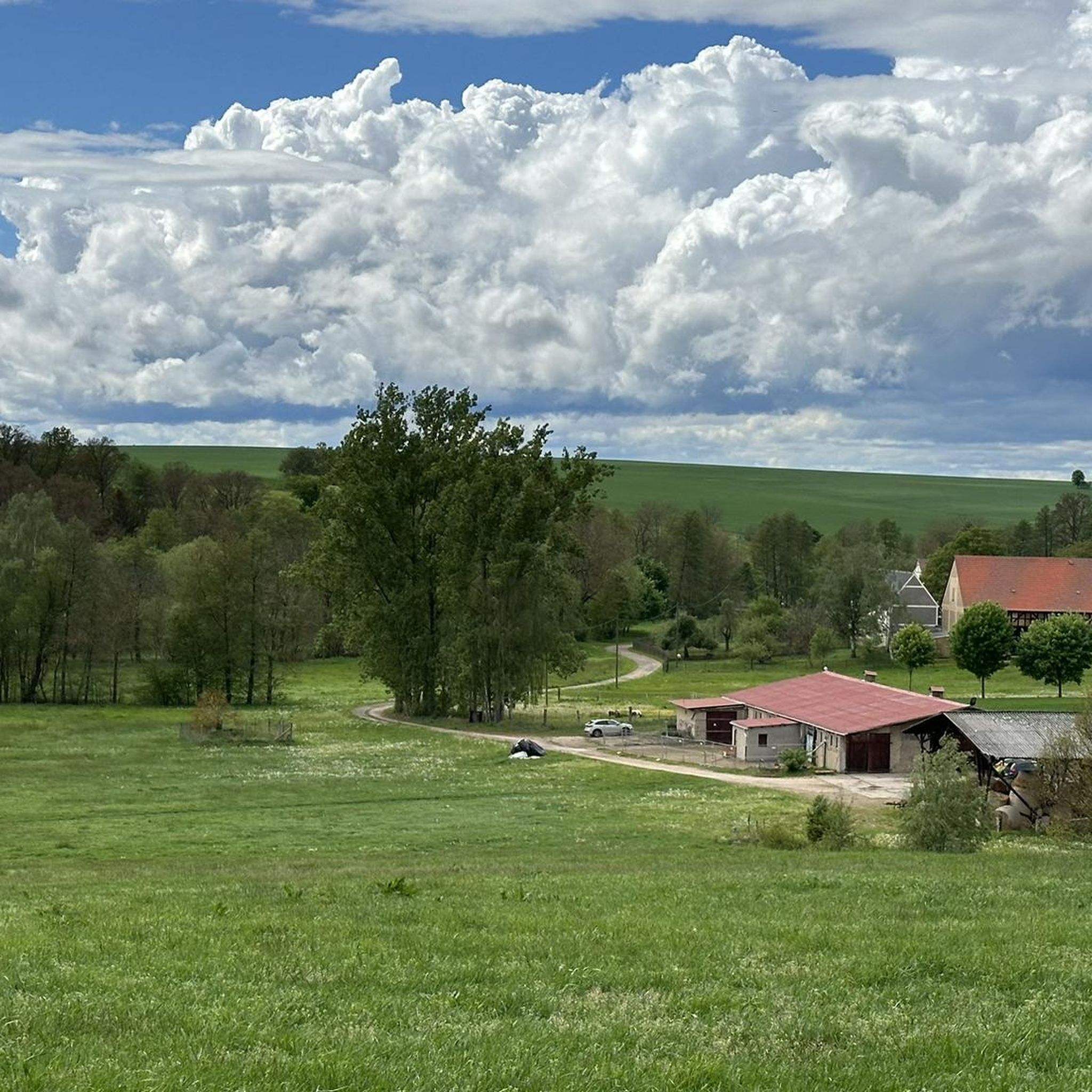
The Beerwalde dump is a landmark of the community of Lobichau that can be seen from afar. It symbolizes a piece of mining history and the new beginning for people and nature in this region. Resurrection Aurora combines today's revival of the landscape and the memory of the former local mining industry, for which Aurora, the goddess of light, was the symbol of the happy rise.
6
0

Schmirchauer Höhe 2010 Resolution by the Ronneburg city administration to name the embankment as “Schmirchauer Höhe”, inauguration of the walk-in map 2012 Inauguration of the mine light
5
0
Great view from above to Ronneburg and Gera. Open only on weekends.
14
0

Please keep the environment clean.
1
1

A highlight that is always a pleasure to visit.
2
0
Frequently Asked Questions
What types of natural monuments can I explore around Wildenbörten?
The area around Wildenbörten features a diverse range of natural monuments, including ancient trees like the Thousand-Year-Old Oak of Nöbdenitz, unique rock formations such as the Bastei at Pfefferberg, and renatured landscapes that showcase the region's transformation from former industrial sites. You'll also find viewpoints offering expansive views over the rolling terrain.
Are there any natural monuments that highlight the region's history or geology?
Yes, several sites reflect the region's history and geology. The Schmirchauer Höhe — Grubengeleucht (Mining Lamp) Observation Tower is a landscape monument depicting the effects of uranium mining, offering insights into the area's industrial past and subsequent renaturation. The Thousand-Year-Old Oak of Nöbdenitz also has historical significance, with a crypt in its roots where Hans Wilhelm von Thümmel was buried.
What are some popular viewpoints to visit in the Wildenbörten area?
For panoramic views, the Schmirchauer Höhe — Grubengeleucht (Mining Lamp) Observation Tower provides a beautiful vista over the Gessental and the renovated landscape. Another notable viewpoint is from Halde Beerwalde, which offers great views towards Ronneburg and Gera, symbolizing the mining history and new beginning for nature in the region.
Are there family-friendly natural monuments or activities around Wildenbörten?
Many natural monuments in the area are suitable for families. The Schmirchauer Höhe and the Thousand-Year-Old Oak of Nöbdenitz are both categorized as family-friendly. The broader Altenburger Land region, with its tranquil villages and bathing lakes like Haselbacher See and Lake Pahna, offers plenty of opportunities for outdoor recreation with children.
What outdoor activities can I do near the natural monuments?
The region around Wildenbörten is ideal for various outdoor activities. You can find numerous hiking trails, such as the 'New Landscape Vogtland' loop from Reichstädt, or cycling routes like the 'Gessental Cycle Path'. For more options, explore the dedicated guides for hiking, road cycling, and general cycling around Wildenbörten.
Are there hiking trails that incorporate these natural monuments?
Yes, you can find hiking routes that pass by or lead to these natural monuments. For example, the Halde Beerwalde is part of the track for the Halden Bike Marathon, and there are hiking loops like 'Halde Beerwalde – Headframe of Former Shaft 403 loop from Reichstädt' which offer moderate difficulty. You can find more hiking options in the hiking guide for Wildenbörten.
What is the best time of year to visit the natural monuments around Wildenbörten?
The gently rolling landscape and outdoor recreation opportunities in Altenburger Land make spring, summer, and early autumn ideal for visiting. During these seasons, the weather is generally pleasant for hiking, cycling, and enjoying the renatured landscapes and lakes. Some sites like Halde Beerwalde may have specific opening times, often limited to summer weekends.
What kind of landscape can I expect to see in the Wildenbörten area?
Wildenbörten is situated in the Zeitzer-Schmöllner-Lösshügelland, characterized by a gently rolling landscape with green village areas, small streams, and erosion channels. The broader Altenburger Land features extensive forests, tranquil villages, and idyllic bathing lakes, many of which are former lignite open-cast mines that have been renatured into unique habitats and recreational areas.
Are there any unique natural features resulting from renaturation efforts?
Yes, the region is notable for its successful renaturation projects. Large bodies of water like Haselbacher See and Lake Pahna, though not directly in Wildenbörten, are significant natural features within the district. These lakes emerged from former lignite open-cast mines and have been transformed into areas with restored flora and fauna, offering unique habitats and recreational opportunities.
What do visitors enjoy most about the natural monuments in this region?
Visitors particularly appreciate the blend of natural beauty and historical context. The unique transformation of former mining landscapes into recreational areas, the ancient trees with their stories, and the distinctive rock formations are frequently highlighted. The opportunity to enjoy beautiful views and explore diverse landscapes, often with family-friendly access, is also a major draw.
Are there any natural monuments that are easily accessible?
Yes, some natural monuments are noted for their accessibility. The Schmirchauer Höhe — Grubengeleucht (Mining Lamp) Observation Tower and the Brückenplatz Fountain are both categorized as wheelchair accessible. The gently rolling terrain of the region also makes many areas suitable for easier walks.
Most popular routes around Wildenbörten
Most popular attractions around Wildenbörten

Get inspired with the komoot mobile app


Explore more
Extend your search for the best caves by checking out these guides of the top ones around Wildenbörten:
