Top 20 Natural Monuments around Löbichau
Best natural monuments around Löbichau offer a diverse landscape shaped by both natural processes and historical land use. The region integrates natural elements within projects like "Resurrection Aurora," which highlights deliberately designed and protected natural spaces. These areas showcase ecological regeneration and the aesthetic appeal of rewilded post-industrial landscapes. Visitors can explore a variety of natural features, from ancient trees to observation points overlooking renovated terrain.
Best natural monuments around Löbichau
- The most popular natural monuments is Schmirchauer Höhe —…
Last updated: June 25, 2026
Schmirchauer Höhe — Grubengeleucht (Mining Lamp) Observation Tower
Highlight • Viewpoint
Translated by Google •
Tip by

Küchengarten, Gera
Highlight • Natural Monument
Translated by Google •
Tip by

Sign up now to discover places like this
Get recommendations on the best single tracks, peaks, & plenty of other exciting outdoor places.
Sign up for free
Thousand-Year-Old Oak of Nöbdenitz
Highlight • Natural Monument
Translated by Google •
Tip by

Flame of Peace Memorial
Highlight • Monument
Translated by Google •
Tip by

Zaufensgraben
Highlight • Gorge
The stream flows through Gera in a predominantly southwesterly direction. In the middle section it forms a narrow V-shaped …
Translated by Google •
Tip by

Sign up for free to discover even more natural monuments around Löbichau.
Sign up for free
Already have an account?
Start today with a free account
Your next adventure awaits.
Login or Signup
Tips from the Community

Very beautiful woodwork with important meaning behind it. @JR56 described everything beautifully.
0
0

Since December 21, 2018, Gera has been part of the international "Flame of Peace" initiative, originally launched in Vienna in 2008 by Herta Margarete Habsburg-Lothringen. The monument stands at the Prince's Houses on the way to Hofwiesenpark and is a symbol of peace, friendship, and international understanding. The Flame of Peace is now represented in over 85 countries. There are three such flames in Central Germany – in Köthen, Saalfeld, and Gera. The Gera monument was created by the wood artist Marcus Malik from Steinbrücken and donated by Heinrich XIII, Prince Reuss – on the occasion of the 100th birthday of Woizlawa-Feodora Princess Reuss. It is dedicated to all citizens of the city and is intended to serve as a reminder of peace.
3
0

The Zaufensgraben rises about 1,000 m southwest of the Gera-Leumnitz airfield at about 290 m above sea level. The stream flows in a predominantly southwesterly direction...
4
1

The Zaufensgraben rises about 1,000 m southwest of the Gera-Leumnitz airfield. The stream flows through Gera in a predominantly southwesterly direction. In the middle section it forms a narrow V-shaped valley in which the Zaufensgraben nature reserve is located, which is the smallest in Gera with an area of 11 hectares. It passes the Ronneburger Höhe with the Ferberturm observation tower there. In the lower section the ditch is piped under Meuselwitzer Straße. Finally, the stream flows into the Gessenbach at about 195 m above sea level, which flows into the Weiße Elster a little further west.
32
0
Beautiful carving art.
1
0
The kitchen garden is a listed facility located between the theater in the east and the orangery building in the west. The aim of the design is to effectively highlight the original structure and spatiality of the kitchen garden. To do this, it is necessary to define the boundaries to the north and south more clearly.
9
0

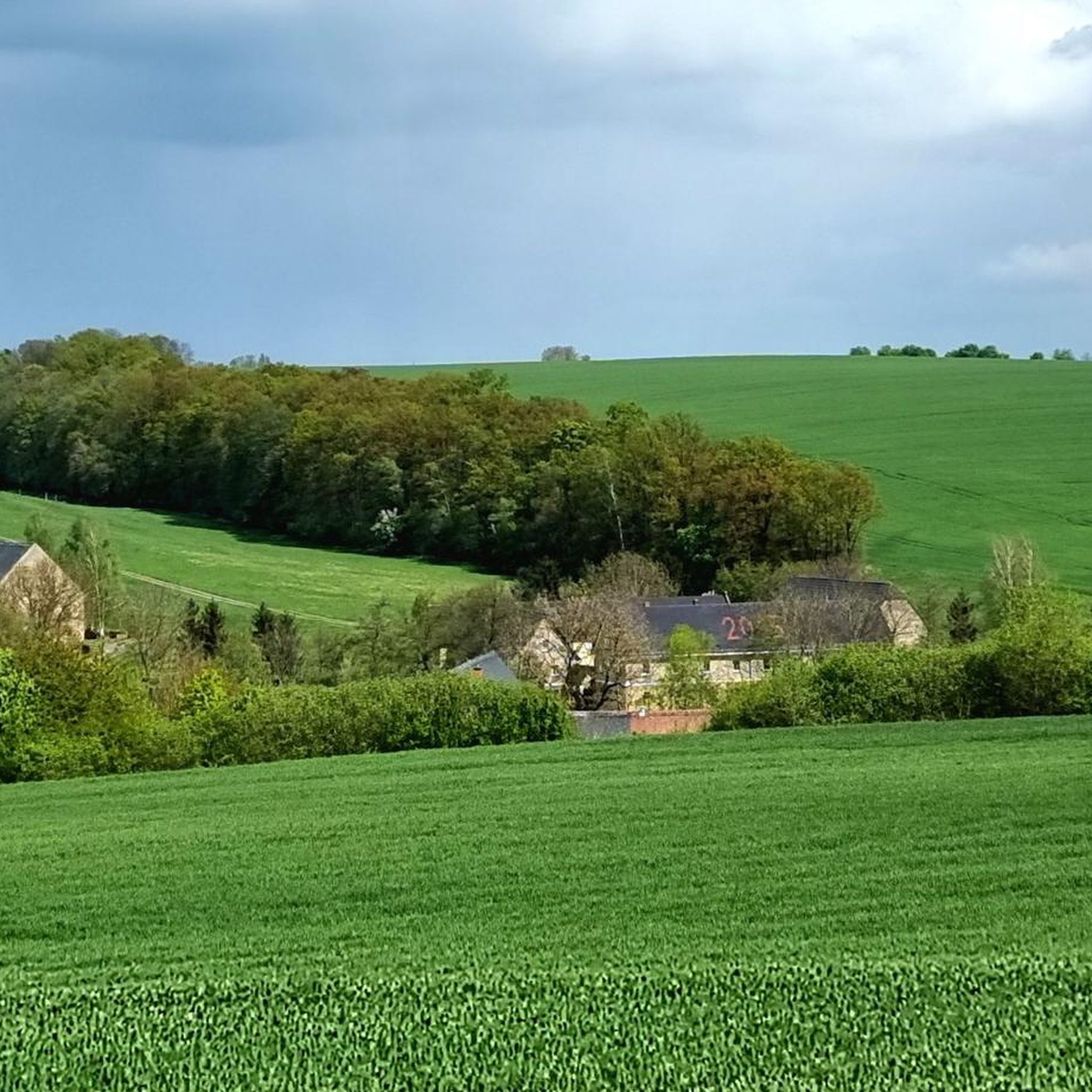
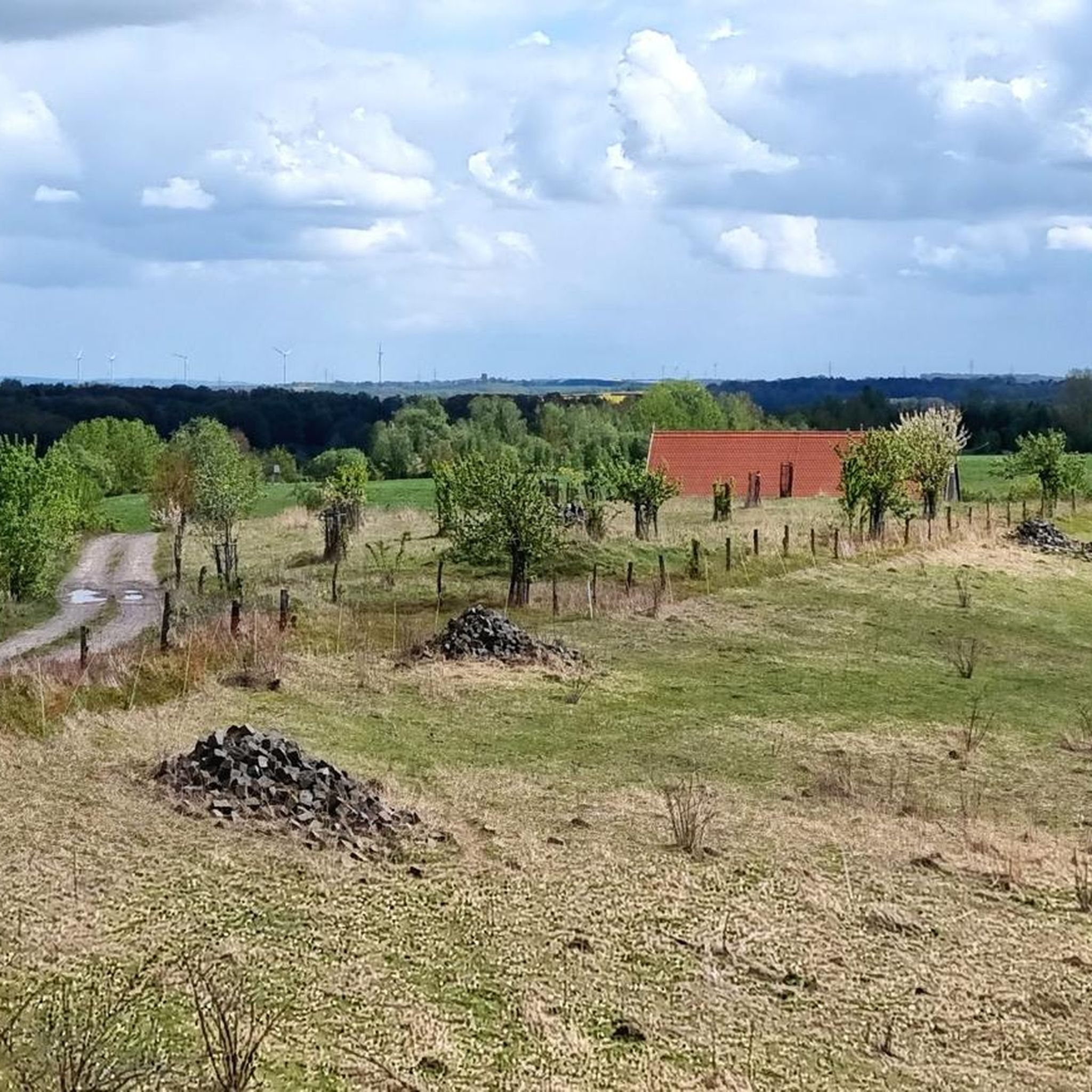
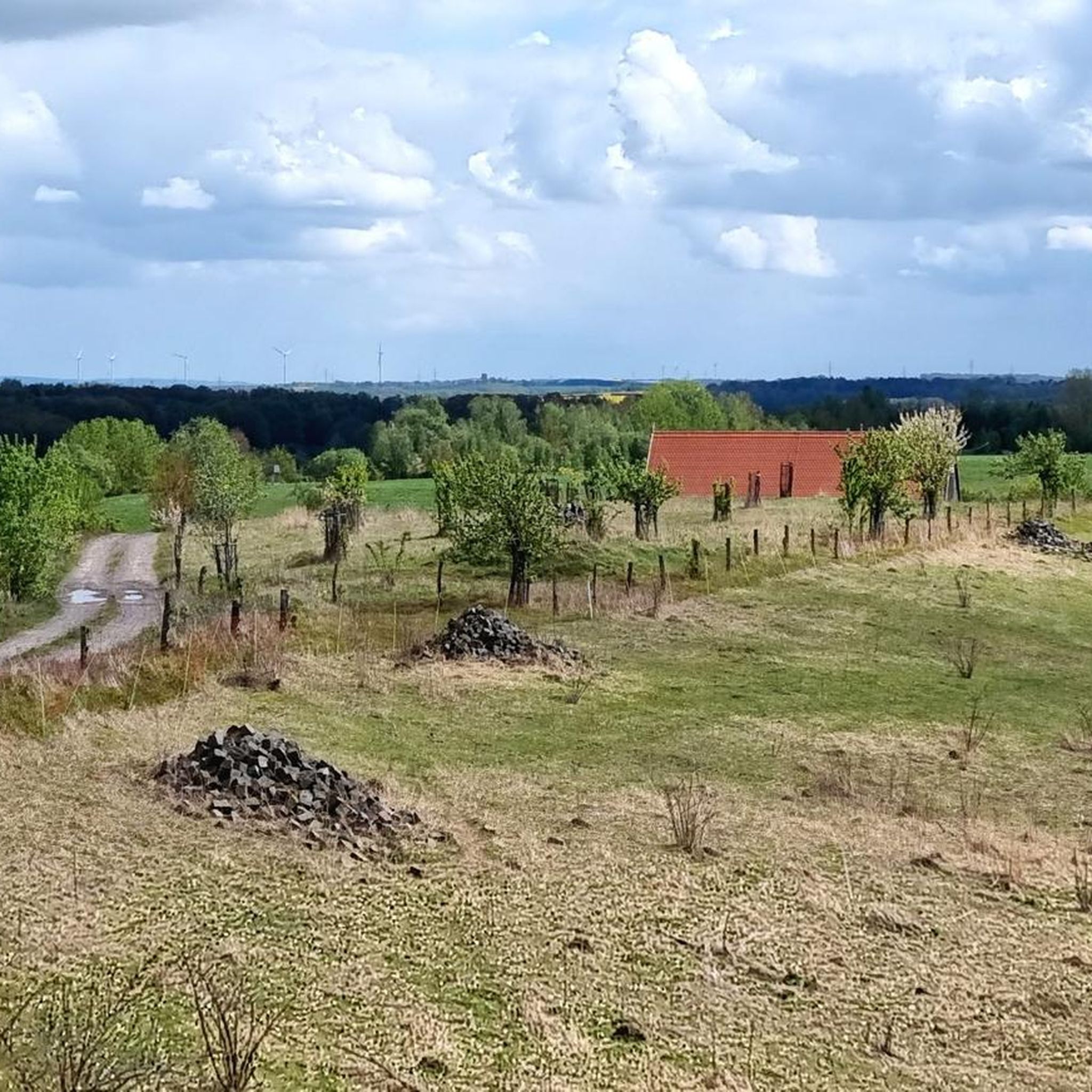
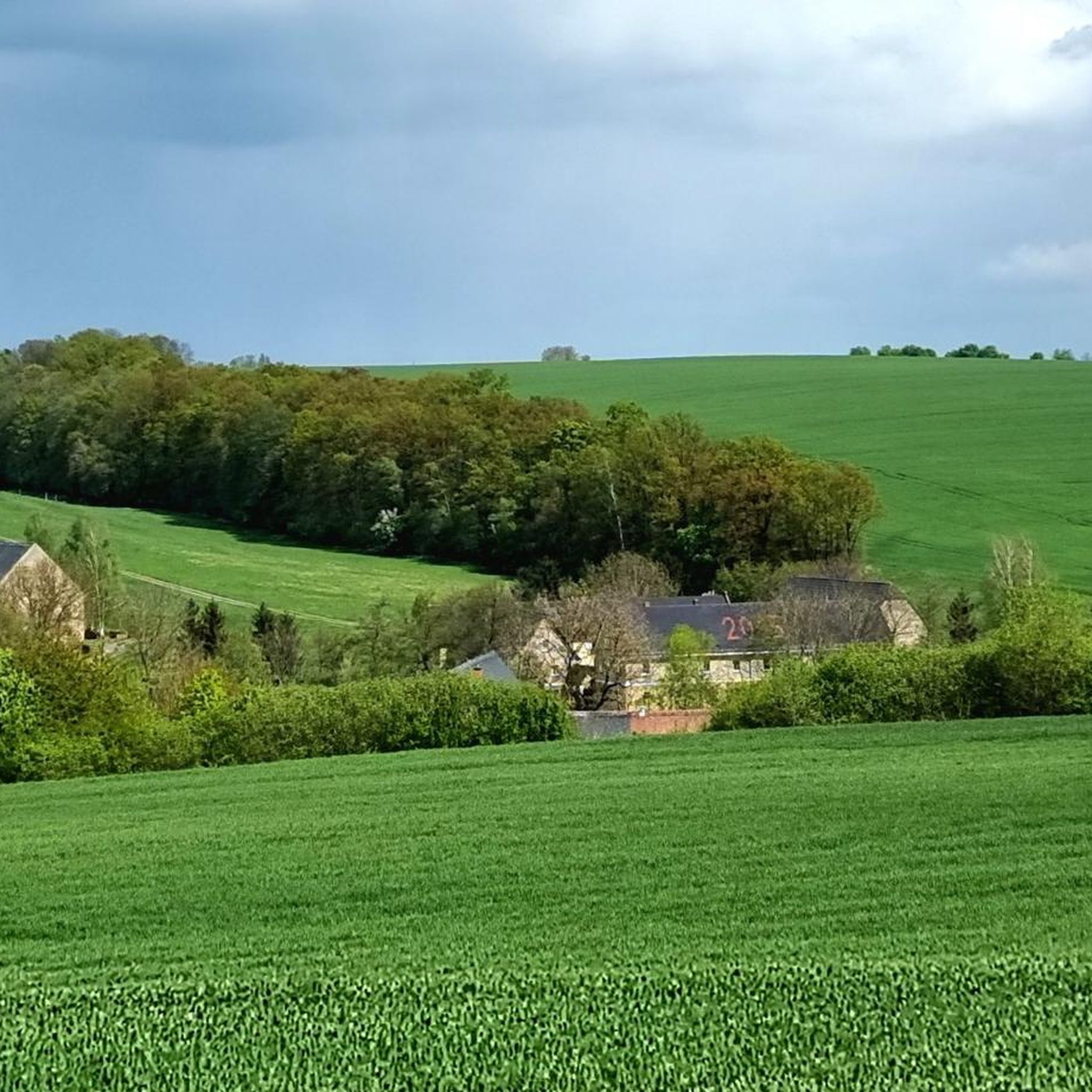
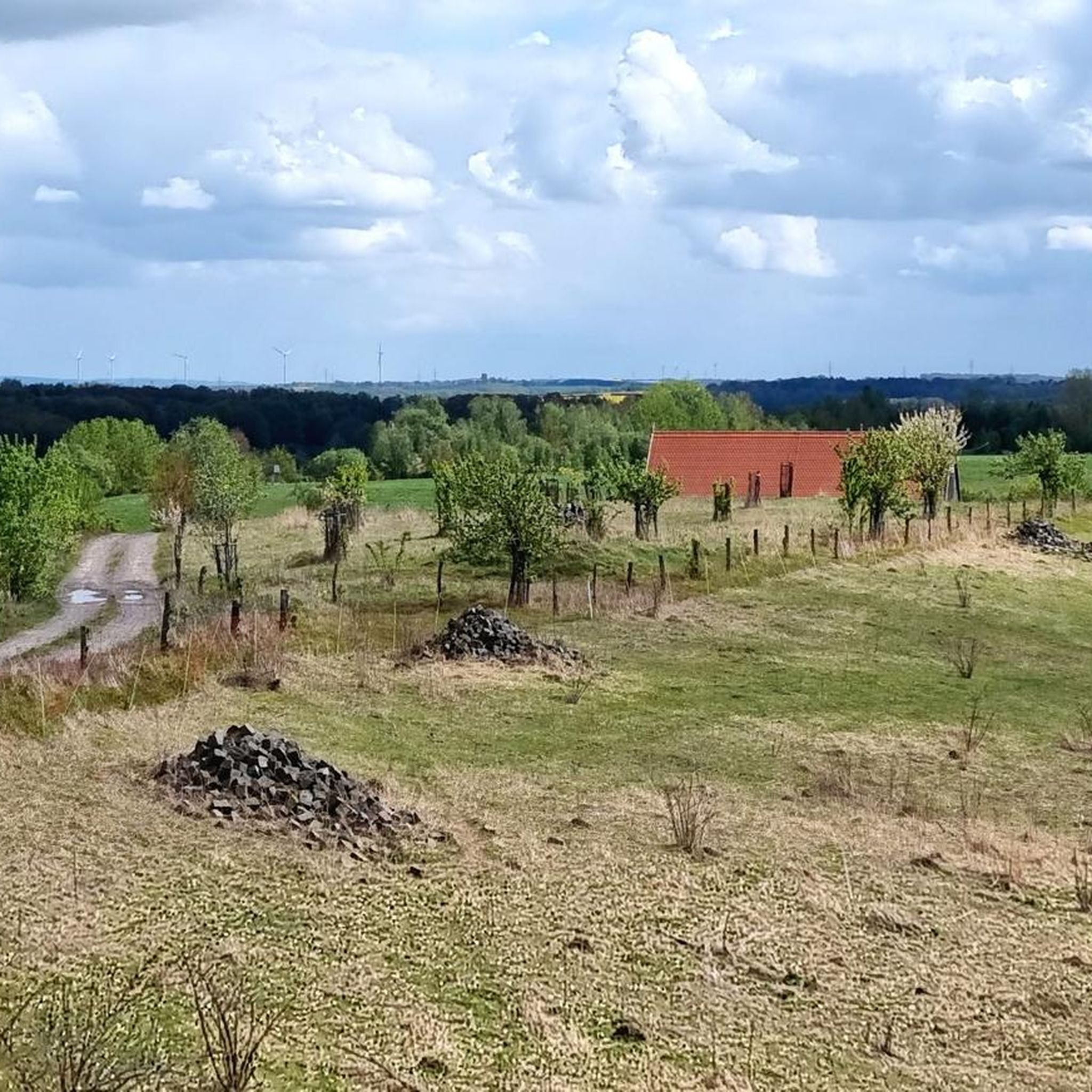
Schmirchauer Höhe 2010 Resolution by the Ronneburg city administration to name the embankment as “Schmirchauer Höhe”, inauguration of the walk-in map 2012 Inauguration of the mine light
5
0

A beautiful park to relax and linger.
4
0
Frequently Asked Questions
What kind of natural monuments can I expect to find around Löbichau?
The natural monuments around Löbichau offer a blend of historical significance and ecological regeneration. You'll find unique sites like the Thousand-Year-Old Oak of Nöbdenitz, which is an ancient tree with a historical burial crypt, and the Küchengarten, Gera, a redesigned baroque pleasure garden with a variety of trees and a fountain. The region also features areas where nature is allowed to develop freely on former industrial land, showcasing ecological succession.
Are there any viewpoints or observation towers among the natural monuments?
Yes, the area features the Schmirchauer Höhe — Grubengeleucht (Mining Lamp) Observation Tower. From its viewing platform, you can observe the Gessental and the renovated landscape, which depicts the effects of uranium mining through its landscape design.
Are the natural monuments around Löbichau suitable for families?
Many natural monuments in the area are family-friendly. For example, the Schmirchauer Höhe — Grubengeleucht (Mining Lamp) Observation Tower, Küchengarten, Gera, and the Thousand-Year-Old Oak of Nöbdenitz are all noted as family-friendly attractions. These sites offer interesting natural and historical elements for all ages to explore.
What historical or cultural significance do these natural monuments hold?
The natural monuments often intertwine with the region's history. The Schmirchauer Höhe, for instance, is a landscape monument designed to reflect the impact of uranium mining. The Küchengarten, Gera, is a listed historical facility that was once a Reussian kitchen and pleasure garden. Even the Thousand-Year-Old Oak of Nöbdenitz has a burial crypt within its roots, linking it to local gentry.
Can I find natural areas where wildlife thrives or nature is left untouched?
Yes, the "Resurrection Aurora" project in Löbichau includes "respected areas" on a 30-hectare site of former Wismut land. In these spaces, nature is deliberately allowed to develop freely without human intervention, offering a unique opportunity to observe natural succession and ecological regeneration.
Are there hiking opportunities near the natural monuments around Löbichau?
Absolutely. You can find various hiking trails in the vicinity. For example, there's an easy 4.67 km loop from Löbichau to the Headframe of Former Shaft 403 and Löbichau Castle, or a moderate 8.1 km loop from Löbichau Castle to Gasthof Löbichau. You can explore more options on the Hiking around Löbichau guide.
What other outdoor activities are available near these natural sites?
Beyond hiking, the region offers opportunities for running and mountain biking. You can find moderate running routes like the 10.74 km Schuttgruben loop from Beerwalde, or easy MTB trails such as the 17.71 km Teich Kauern Nature Reserve – Ronneburg Castle loop from Ronneburg. Check out the Running Trails around Löbichau and MTB Trails around Löbichau guides for more details.
Is the Zaufensgraben natural reserve worth visiting?
The Zaufensgraben is a small but significant nature reserve, known for its narrow V-shaped valley and pure nature. It's an excellent spot for relaxation and enjoying the natural environment, particularly for those interested in observing a stream flowing through a unique geological formation.
What is the best time of year to visit the natural monuments in Löbichau?
The natural monuments can be enjoyed throughout the year, with each season offering a different perspective. Spring and summer are ideal for experiencing the lush greenery of the Küchengarten and the freely developing natural areas. Autumn brings vibrant colors to the landscapes, while winter can offer a serene, quiet beauty, especially around the ancient trees and observation points.
Are there any natural monuments that are wheelchair accessible?
Yes, the Schmirchauer Höhe — Grubengeleucht (Mining Lamp) Observation Tower is noted as wheelchair accessible, allowing a broader range of visitors to enjoy its views and learn about the region's history. The Flame of Peace Memorial is also wheelchair accessible.
What do visitors particularly enjoy about the natural monuments around Löbichau?
Visitors appreciate the diverse landscape, which combines natural beauty with historical context. The panoramic views from observation points like the Schmirchauer Höhe are highly rated, as is the tranquil atmosphere of places like the Küchengarten. The unique blend of ecological regeneration and historical industrial landscapes also captures visitors' interest.
Most popular routes around Löbichau
Most popular attractions around Löbichau

Get inspired with the komoot mobile app


Explore more
Extend your search for the best caves by checking out these guides of the top ones around Löbichau:
