Top 20 Natural Monuments around Ostramondra
Best natural monuments around Ostramondra are found within the Saale-Unstrut-Triasland Nature Park and the Sömmerda District in central Thuringia. This region is characterized by its geological heritage, featuring rocks from the Triassic period like Muschelkalk and Buntsandstein. The landscape includes hilly terrain, river valleys carved by the Saale and Unstrut rivers, and diverse flora. These natural landmarks offer insights into the area's geological history and biodiversity.
Best natural monuments around Ostramondra
- The most popular natural monument is Mägdesprung Rock,…
Last updated: May 12, 2026
Mägdesprung Rock
Highlight • Natural Monument
Translated by Google •
Tip by

Leubingen Burial Mound
Highlight • Historical Site
Translated by Google •
Tip by

Sign up now to discover places like this
Get recommendations on the best single tracks, peaks, & plenty of other exciting outdoor places.
Sign up for free
Oak avenue on the edge of the forest near Braunsroda
Highlight • Trail
Translated by Google •
Tip by

Brauteiche (Quercus robur L.)
Highlight • Natural Monument
Translated by Google •
Tip by

Leubingen Prince’s Mound
Highlight • Historical Site
Go to the prince even if you are not called.
Translated by Google •
Tip by
Sign up for free to discover even more natural monuments around Ostramondra.
Sign up for free
Already have an account?
Start today with a free account
Your next adventure awaits.
Login or Signup

Tips from the Community

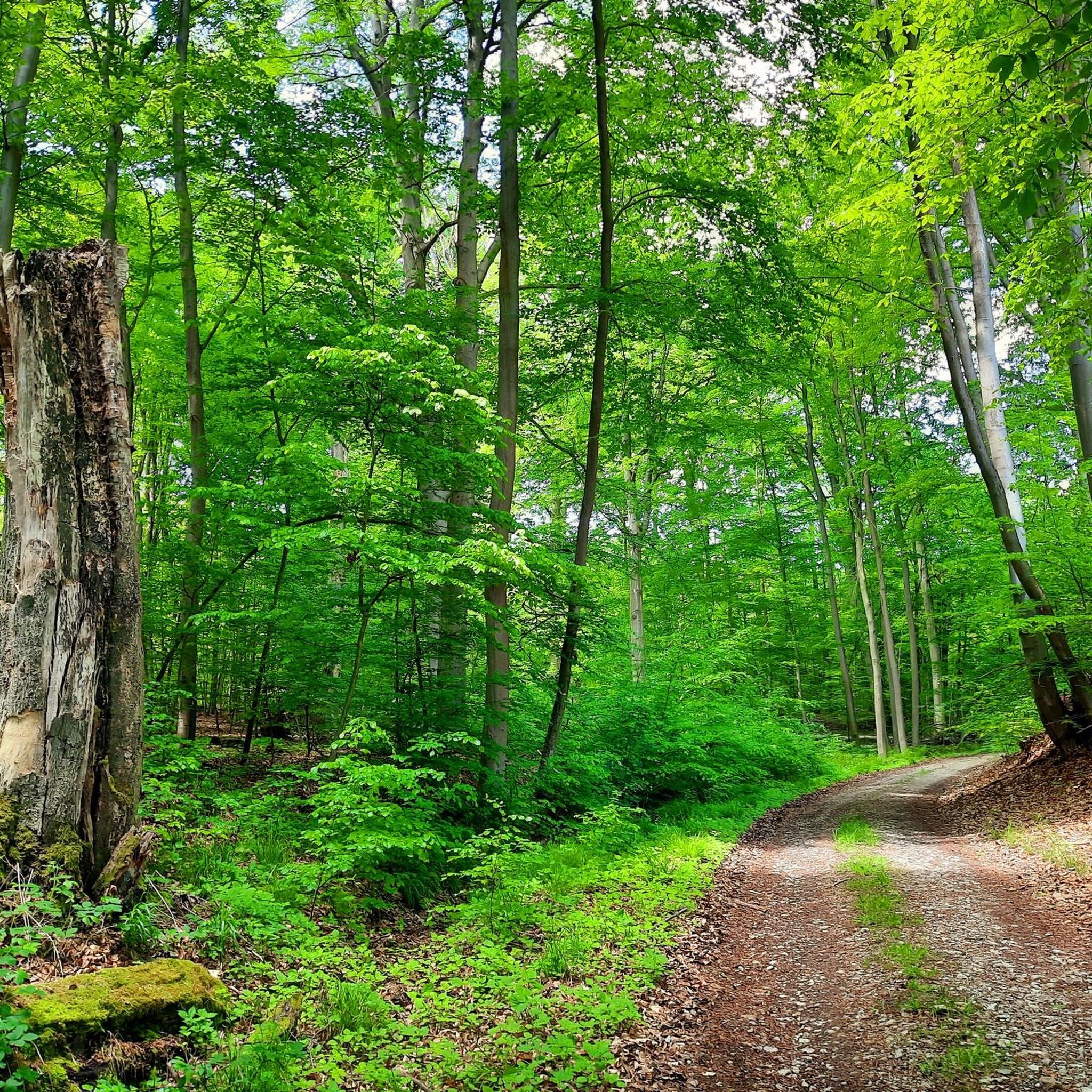
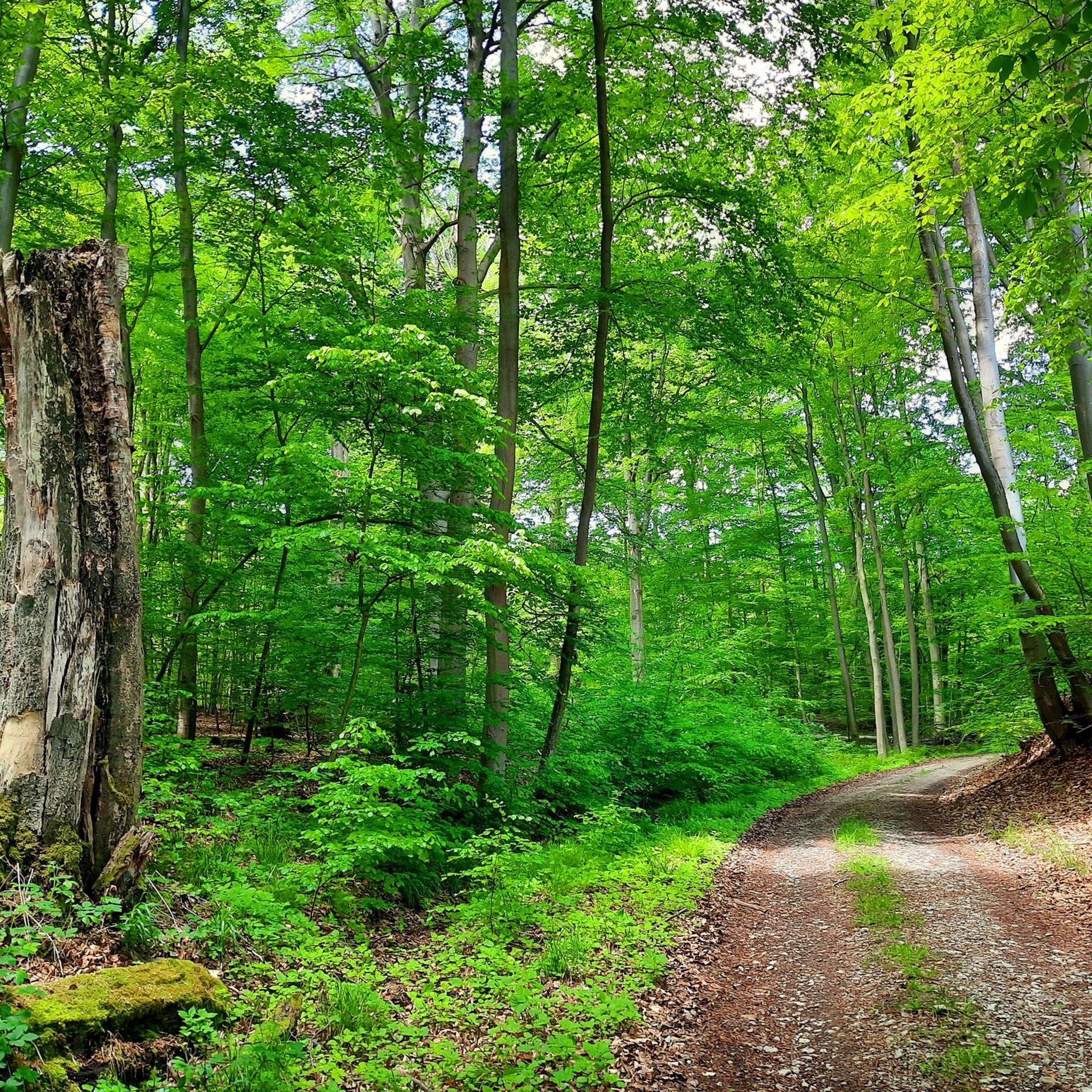
Not far from Braunsroda, you'll find an impressive avenue of old oak trees that runs directly along the edge of the Hohe Schrecke forest. The mighty, centuries-old trees seem like silent witnesses of times gone by, giving the path an almost mystical character. The interplay of light and shadow is particularly impressive when the sun breaks through the dense crowns and bathes the landscape in a warm light. The avenue invites you to take a quiet break - here you can pause, soak up the special atmosphere and let your gaze wander over the fields and forests. A highlight for anyone who loves the combination of cultural-historical landscape and rustic nature.
0
0

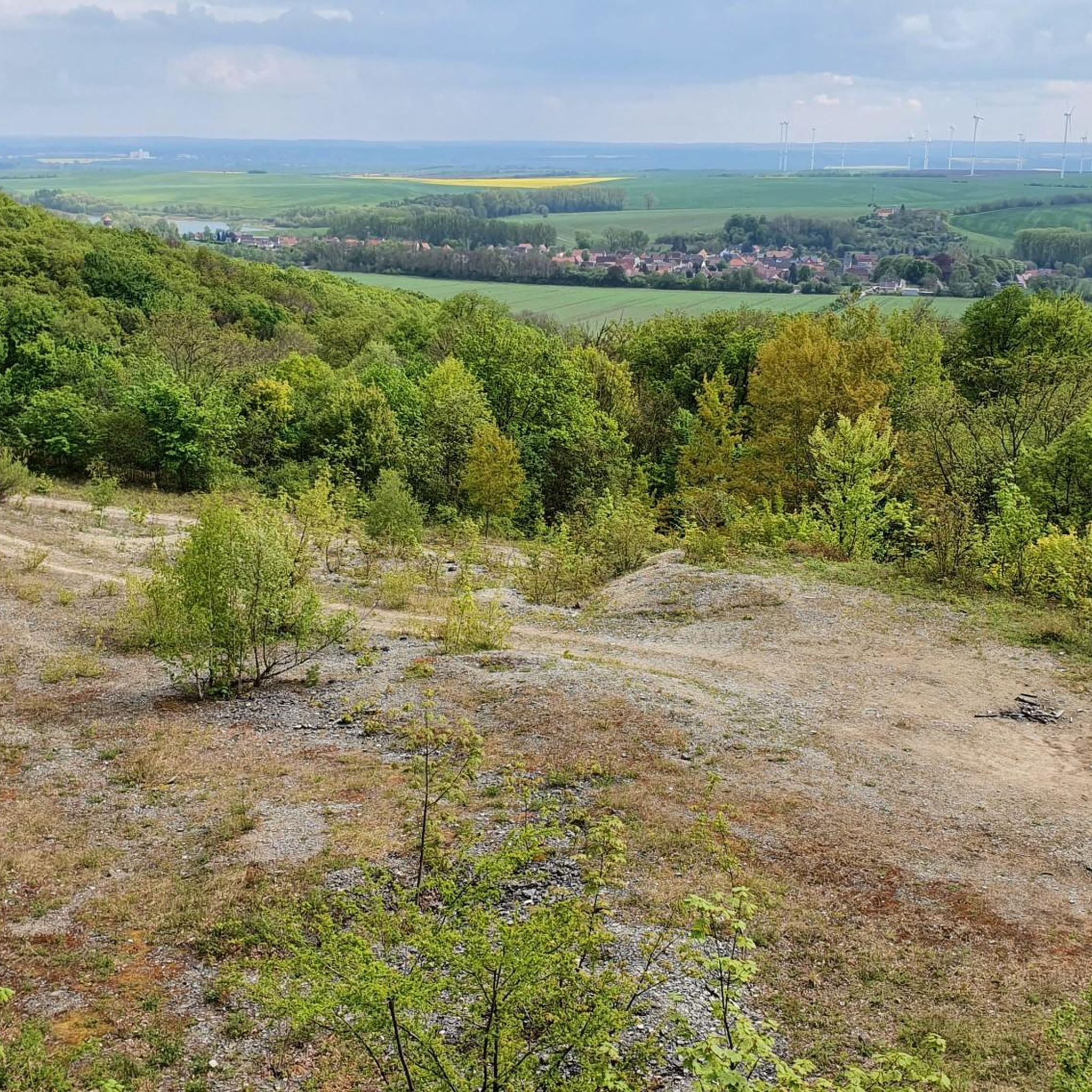
There is a sufficiently large parking area for hikers at the rest area
3
0

Several panels provide good information about the grave and its history.
3
0

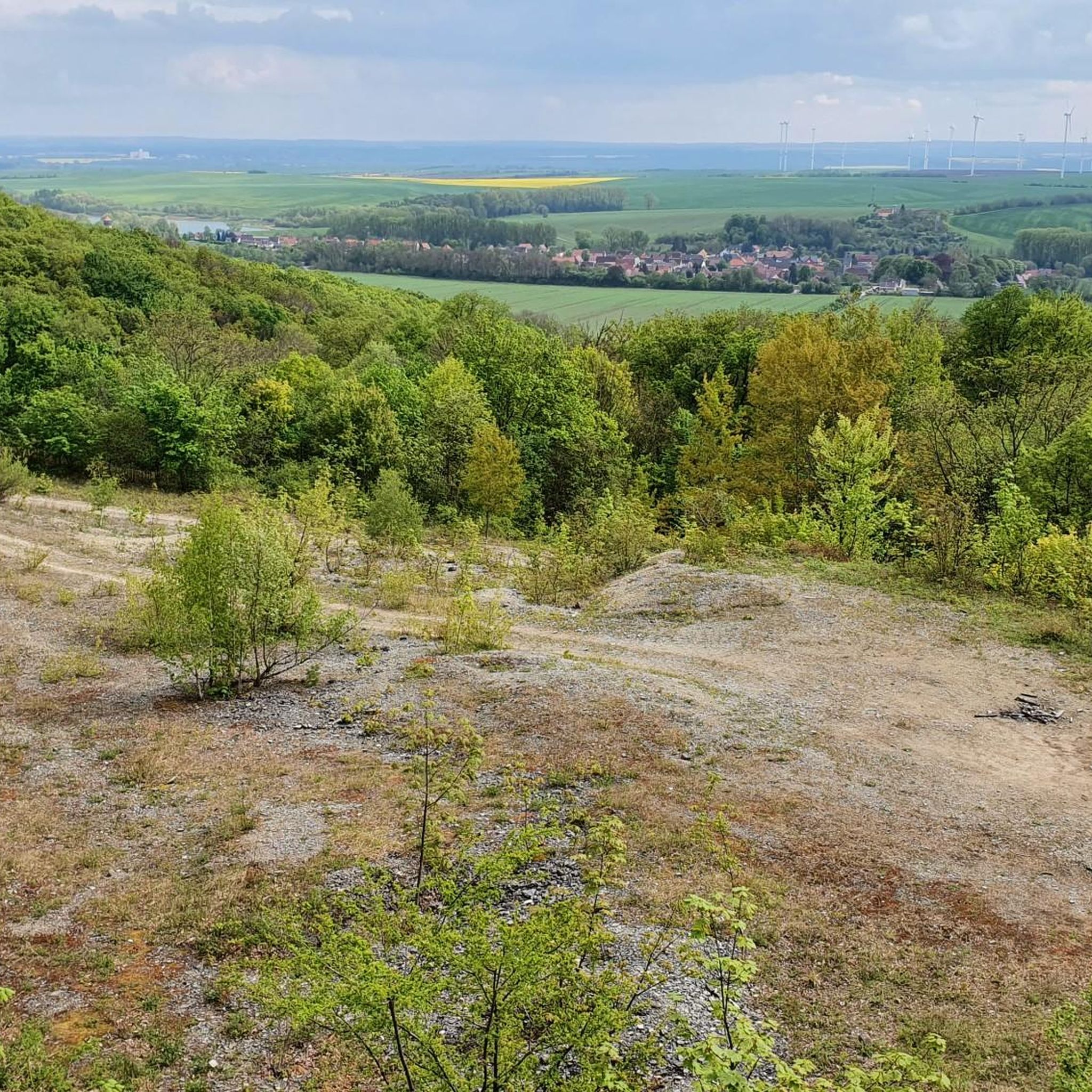
According to a legend, the two imprints in the stone come from the foot of a giant maiden and the horse's foot of the devil, both of which are said to have jumped here from the Wendelstein in ancient times.
1
0

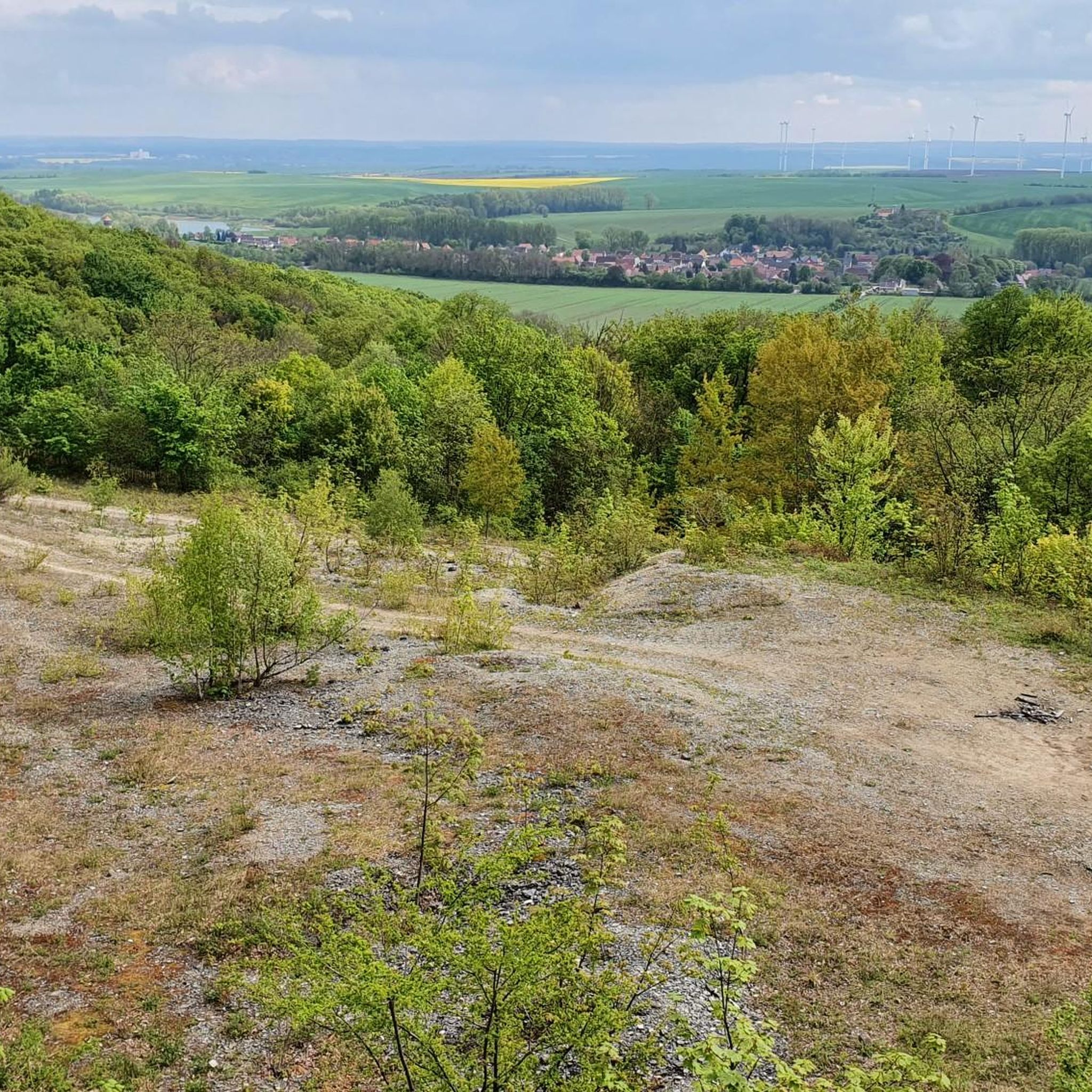
This is where the prince is buried - the owner of the Nebra Sky Disk. It is worth visiting the museum in Nebra. The original is in the museum in Halle.
0
0
@Holger The museum is in Leubingen - the Heimatstube. It is right next to the church on the main street. See picture for opening times.
0
0

Magnificent monumental oak tree with a wonderful Easter tradition, would have deserved an extra information board....
6
0
Legendary place, certainly in the distant past with ritual significance
5
0
Frequently Asked Questions
What are some notable natural monuments to visit around Ostramondra?
Around Ostramondra, you can explore several unique natural monuments. These include the intriguing Mägdesprung Rock, known for its local legends of giant maidens and the devil's horse. Another significant site is the Leubingen Prince’s Mound, which combines natural significance with Bronze Age history. Additionally, the Oak avenue on the edge of the forest near Braunsroda offers a scenic path lined with gnarled oak trees.
Are there family-friendly natural monuments near Ostramondra?
Yes, several natural monuments around Ostramondra are suitable for families. Both the Mägdesprung Rock and the Leubingen Prince’s Mound are categorized as family-friendly. The Oak avenue on the edge of the forest near Braunsroda also provides an enjoyable and accessible experience for all ages.
What kind of geological features can I expect to see in the natural monuments around Ostramondra?
The region around Ostramondra, particularly within the Saale-Unstrut-Triasland Nature Park, is characterized by its significant geological heritage. You'll encounter rocks from the Triassic period, such as Muschelkalk (shell limestone) and Buntsandstein (Bunter sandstone). These formations have shaped the landscape into hilly terrain and river valleys. The Mägdesprung Rock is a prime example of a natural rock formation influenced by this geology.
Can I find historical sites among the natural monuments in this region?
Yes, the region offers natural monuments with significant historical connections. The Leubingen Prince’s Mound is a notable example, being a Bronze Age burial mound that provides insights into ancient cultures and their relationship with the landscape. Visitors can learn about our ancestors through informative panels at the site.
What outdoor activities can I do near the natural monuments around Ostramondra?
The area around Ostramondra offers various outdoor activities. You can explore numerous hiking trails, such as those found in the Hiking around Ostramondra guide, including easy loops from Ostramondra itself. For cyclists, there are gravel biking opportunities, with routes like the Finnebahn Cycle Path, detailed in the Gravel biking around Ostramondra guide. Running trails are also available, as highlighted in the Running Trails around Ostramondra guide.
Are there specific hiking trails or circular walks available near these natural monuments?
Yes, there are several hiking opportunities. For instance, you can find an easy hiking loop directly from Ostramondra, or explore moderate trails like the Bachra Water Tower – Roldisleben Arboretum loop from Kölleda. The Hiking around Ostramondra guide provides more details on these and other routes, including circular walks.
What is the best time of year to visit the natural monuments around Ostramondra?
The region's natural beauty, particularly its vineyards, orchards, and diverse flora, makes spring and autumn ideal. Spring offers blooming orchards and the sight of 24 different orchid species on the dry grasslands. Autumn provides picturesque scenery during harvest season. The riverine landscapes are also pleasant for walks during milder weather.
Is the region around Ostramondra suitable for wildlife spotting?
Yes, the region is rich in biodiversity, making it suitable for wildlife spotting. The Saale-Unstrut-Triasland Nature Park boasts a variety of plant life, including numerous orchid species. Additionally, the Haßlebener Ried Nature Reserve, located within the Sömmerda District, is crucial for protecting rare and endangered species like the scarce large blue butterfly and the southern damselfly, offering excellent opportunities for nature observation.
Are there any natural monuments around Ostramondra that are dog-friendly?
While specific dog-friendly designations for each natural monument are not always available, many natural areas and trails in the region, such as the Oak avenue on the edge of the forest near Braunsroda and general hiking paths, are typically accessible for dogs on a leash. It's always recommended to check local regulations or signage at specific sites.
What do visitors particularly appreciate about the natural monuments in this area?
Visitors appreciate the unique blend of natural beauty and historical significance. For example, the Mägdesprung Rock is enjoyed for its intriguing legends, while the Leubingen Prince’s Mound is valued for its deep historical context. The scenic beauty of places like the Oak avenue on the edge of the forest near Braunsroda is also highly praised for allowing visitors to simply enjoy nature.
Are there options for parking when visiting natural monuments near Ostramondra?
Yes, for some key sites, parking is available. For instance, the Leubingen Prince’s Mound has a sufficiently large parking area for hikers at the nearby rest area, making it convenient for visitors arriving by car.
Are there any natural reserves or protected areas near Ostramondra worth exploring?
Yes, within the Sömmerda District, the **Haßlebener Ried Nature Reserve** is a significant protected area. This marshland reserve is vital for the protection of rare and endangered species, including specific butterflies and snails. It offers a unique opportunity to observe specialized ecosystems and biodiversity conservation efforts.
Are there any natural monuments around Ostramondra that offer viewpoints?
Yes, some natural monuments and their surroundings provide good viewpoints. The Leubingen Prince’s Mound is listed as a viewpoint, offering elevated perspectives of the landscape. Additionally, the Oak avenue on the edge of the forest near Braunsroda, while primarily a scenic path, also offers pleasant views of the surrounding forest and nature.
Are there any hidden natural monuments near Ostramondra that are less known?
While not widely publicized, the Brauteiche (Quercus robur L.), also known as the Bridal Oak, is a magnificent monumental oak tree over 400 years old. It's located on a hidden narrow path and is known for a wonderful Easter tradition, making it a less-traveled but rewarding natural monument to discover.
Most popular routes around Ostramondra
Most popular attractions around Ostramondra

Get inspired with the komoot mobile app


Explore more
Extend your search for the best caves by checking out these guides of the top ones around Ostramondra:
