Top 20 Natural Monuments around Kindelbrück
Best natural monuments around Kindelbrück offer insights into the region's geological and ecological features. Kindelbrück is situated in Thuringia, an area characterized by diverse natural landscapes, including karst formations and wetlands. The surrounding areas provide opportunities to observe unique natural phenomena and protected habitats. These natural features contribute to the local environment and are accessible for exploration.
Best natural monuments around Kindelbrück
- The most popular natural monuments is Esperstedter Ried Nature Reserve, a viewpoint and natural monument that features…
Last updated: May 12, 2026
Elisabeth Spring
Highlight • Natural Monument
Translated by Google •
Tip by

Esperstedter Ried Nature Reserve
Highlight (Segment) • Viewpoint
Translated by Google •
Tip by

Sign up now to discover places like this
Get recommendations on the best single tracks, peaks, & plenty of other exciting outdoor places.
Sign up for free
Gründelsloch Karst Spring
Highlight • Natural Monument
Translated by Google •
Tip by
Leubingen Burial Mound
Highlight • Historical Site
Translated by Google •
Tip by

Steinrinne Bilzingsleben Archaeological Site
Highlight • Historical Site
Translated by Google •
Tip by

Sign up for free to discover even more natural monuments around Kindelbrück.
Sign up for free
Already have an account?
Start today with a free account
Your next adventure awaits.
Login or Signup
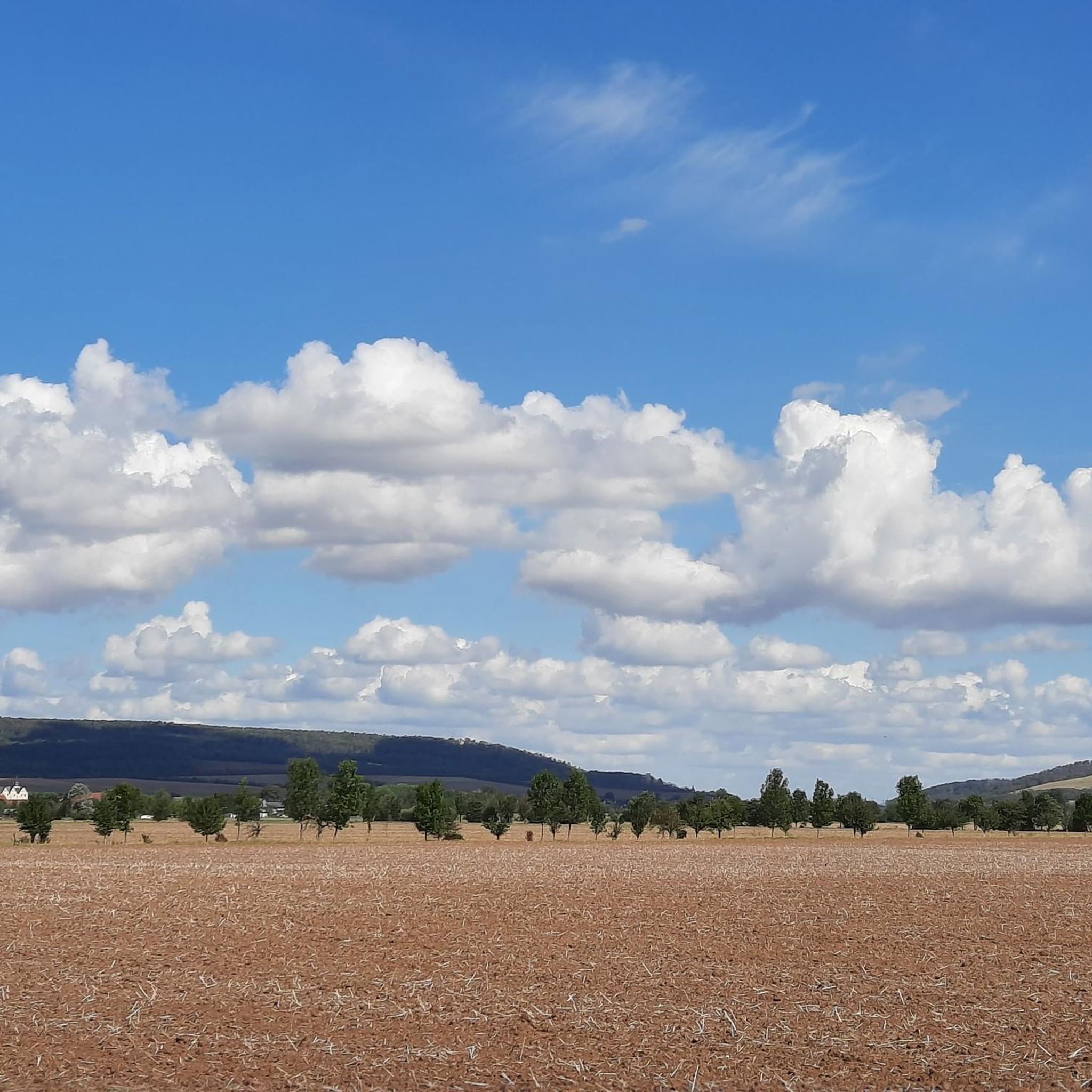
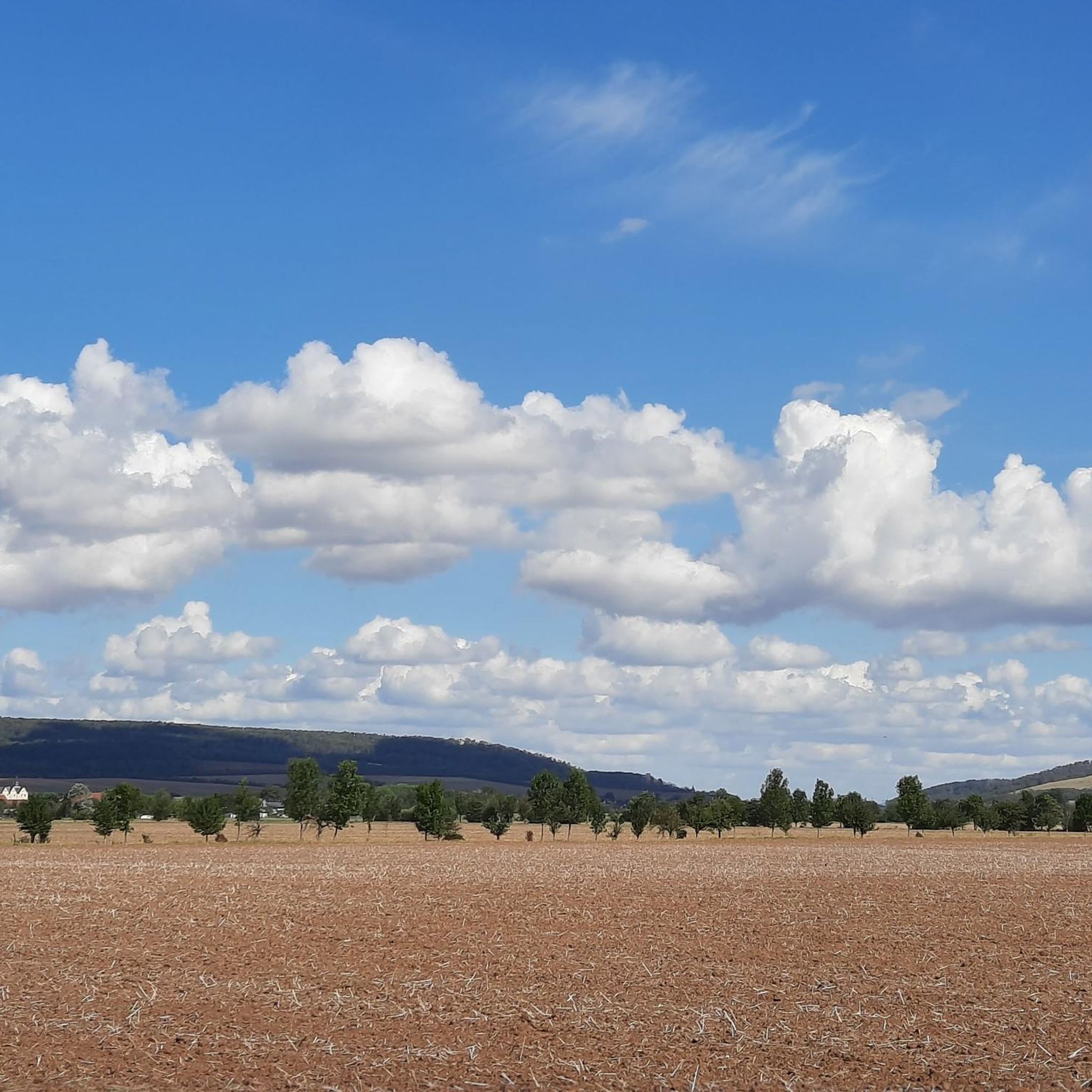
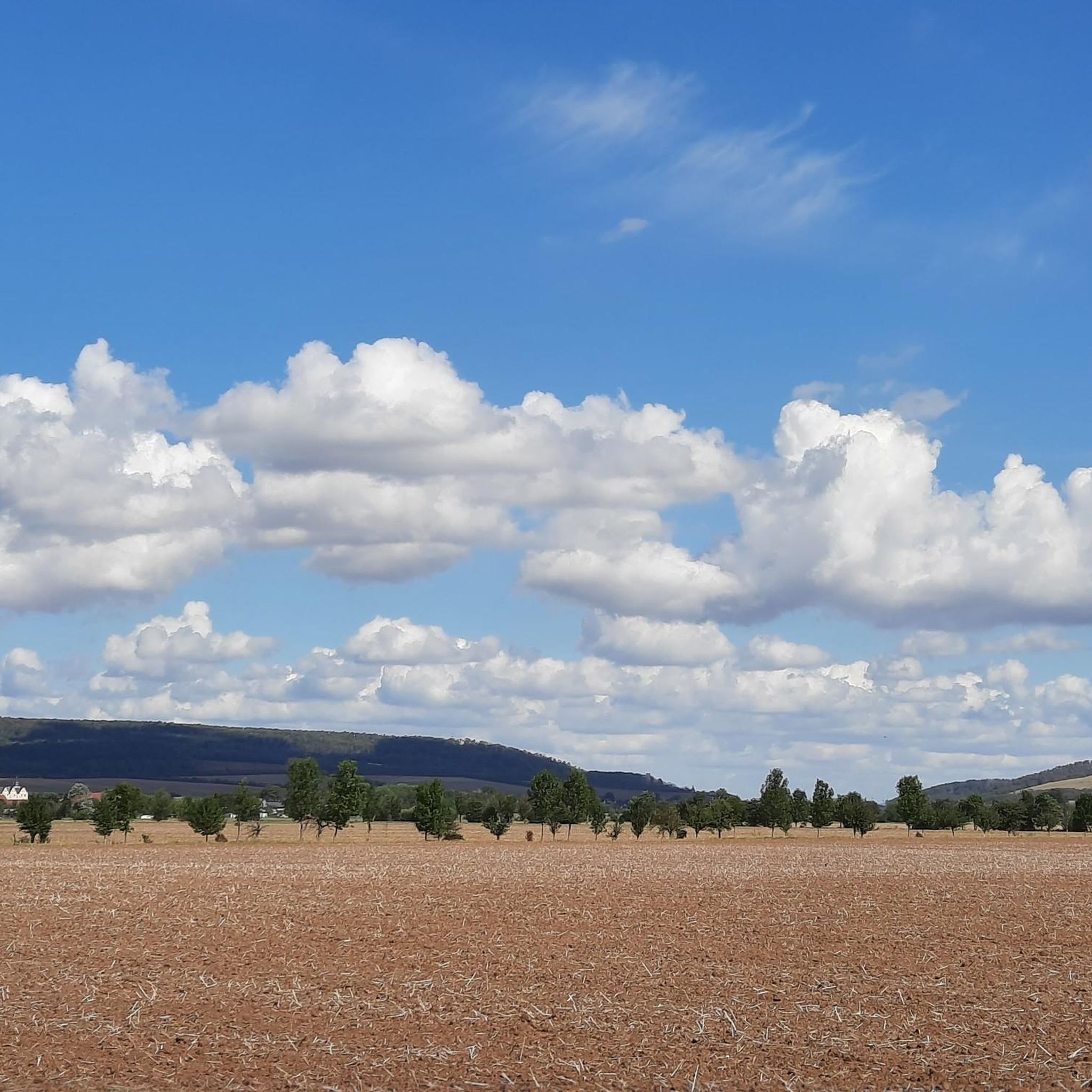
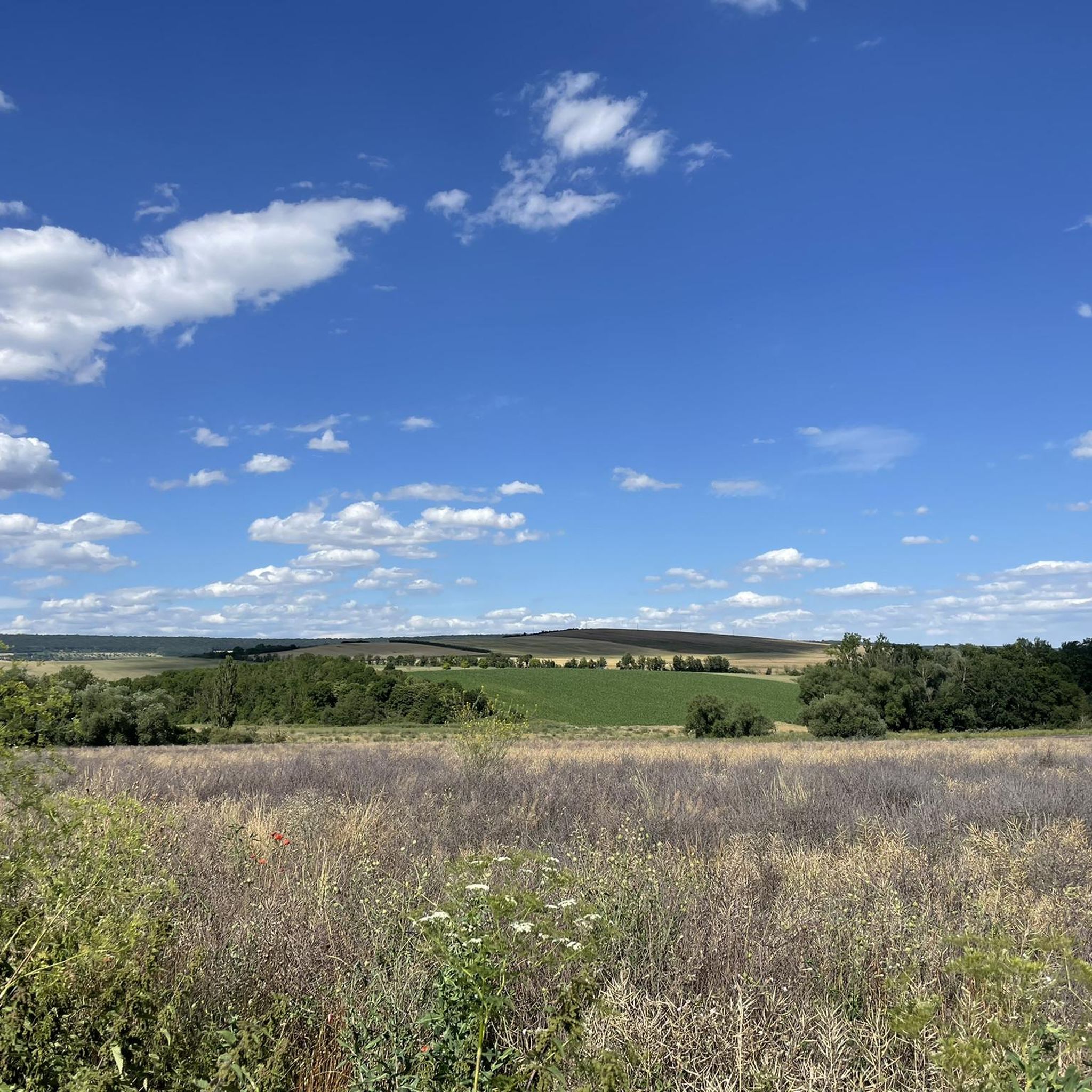
Tips from the Community

Always happy to
1
0

The Gründelsloch near Kindelbrück is one of the most impressive and important karst springs in Thuringia. It was created by the dissolution of limestone in the subsoil. The resulting underground cavity collapsed in 1611, causing a sinkhole and the spring to emerge. The active karst spring, with a diameter of 22 m and a discharge of around 15,600 l per minute, has several older precursor springs that are lined up like a string of pearls from northwest to southeast in the area of the Kindelbrück fault zone and dried up again over time. Examples of these dried-up precursor springs are the Kuhborn, around 700 meters away, or the karst spring on the Steinrinne. Source: display board
9
0
The Bilzingsleben site is an exceptional archaeological and paleoanthropological site in northern Thuringia. The finds were dated to be 400,000 years old and attributed to Homo erectus. They are among the earliest traces of the Homo genus in Central Europe. The site is located about 1.5 km south of the town of Bilzingsleben on the edge of the Wipper valley. The surface of the former "Steinrinne" quarry is about 35 m above the current floodplain and at 175 m above sea level. The small spur-like elevation is framed by the Wipper in the east and the Wirbelbach in the south. Source: Wikipedia
8
1

This is where the prince is buried - the owner of the Nebra Sky Disk. It is worth visiting the museum in Nebra. The original is in the museum in Halle.
0
0
@Holger The museum is in Leubingen - the Heimatstube. It is right next to the church on the main street. See picture for opening times.
0
0

It's great that you can experience archaeology here in a vivid way. There is touring stamp 374 on the fence.
15
1

Benches available for resting
3
0

A beautifully landscaped small park in which the Elisabeth source is located.
5
0
Frequently Asked Questions
What types of natural monuments can I expect to find around Kindelbrück?
The Kindelbrück area is known for its diverse natural features, including significant karst formations, wetlands, and unique geological sites. You can explore impressive karst springs like Gründelsloch Karst Spring, and wetland environments such as Esperstedter Ried Nature Reserve, which features inland salt spots.
Are there any family-friendly natural monuments near Kindelbrück?
Yes, several natural monuments in the area are suitable for families. Esperstedter Ried Nature Reserve offers a lookout tower for birdwatching, which can be engaging for children. The Gründelsloch Karst Spring is also a fascinating natural phenomenon that families can explore. Additionally, Elisabeth Spring is located within a park with beautiful gardens, providing a pleasant setting for a family outing.
What unique natural features can I observe at Esperstedter Ried Nature Reserve?
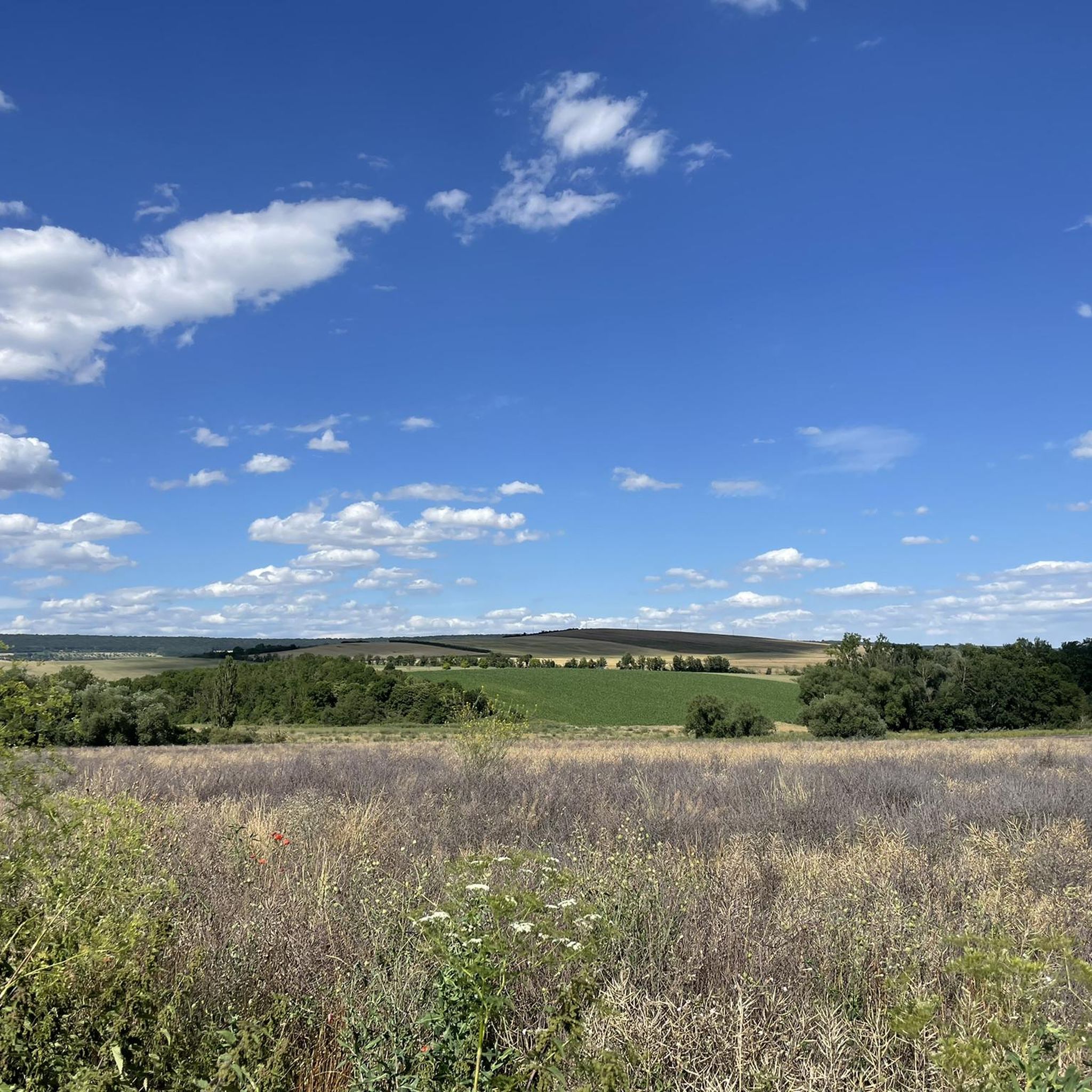
At Esperstedter Ried Nature Reserve, you can observe unique inland salt spots and a rich wetland environment. It's an excellent spot for birdwatching, with a dedicated lookout tower providing elevated views of the diverse avian life. The landscape is very beautiful and features good bike lanes for exploration.
What makes Gründelsloch Karst Spring a significant natural monument?
Gründelsloch Karst Spring is one of Thuringia's most impressive and important karst springs. It formed from the dissolution of limestone, leading to a sinkhole in 1611. This active spring has a diameter of 22 meters and discharges around 15,600 liters of water per minute, offering a captivating 'play of colors' in its waters.
Are there historical sites that are also considered natural monuments in this region?
Yes, the region around Kindelbrück features sites that blend natural and historical significance. The Leubingen Burial Mound, for instance, is a Bronze Age burial site of the Aunjetitz culture, offering a glimpse into 4000 years of history within a natural setting. Similarly, the Steinrinne Bilzingsleben Archaeological Site, while primarily archaeological, is also recognized for its natural monument status, showcasing ancient human history in a well-preserved natural landscape.
What outdoor activities can I do near the natural monuments around Kindelbrück?
The area around Kindelbrück offers various outdoor activities. You can find numerous hiking trails, with options ranging from easy to moderate, such as the 'St. Ulrich Church Kindelbrück – Gründelsloch Karst Spring loop'. For cyclists, there are road cycling routes like the 'Esperstedter Ried – Small lake on the Unstrut loop'. Runners can also enjoy trails like the 'Old Oil Mill Kindelbrück loop'. You can find more details on these activities in the hiking, road cycling, and running guides for Kindelbrück.
Are there viewpoints to enjoy the natural scenery around Kindelbrück?
Yes, the region offers several viewpoints. Esperstedter Ried Nature Reserve features a lookout tower, perfect for observing the wetland landscape and birdlife. The Gründelsloch Karst Spring itself provides a unique natural spectacle. Additionally, the Leubingen Burial Mound offers elevated views of the surrounding area.
What is Elisabeth Spring known for?
Elisabeth Spring is a natural monument recognized for its saline water, which visitors often note for its distinct taste. It is situated within a beautifully maintained park featuring gardens, making it a pleasant spot for a leisurely visit.
What do visitors enjoy most about the natural monuments around Kindelbrück?
Visitors frequently appreciate the unique geological formations, such as the impressive karst springs and inland salt spots. The opportunity for birdwatching at places like Esperstedter Ried Nature Reserve is also highly valued. Many enjoy the peaceful natural settings and the chance to explore both natural beauty and historical significance, as seen at sites like the Leubingen Burial Mound.
Is it possible to visit these natural monuments with a dog?
While specific dog rules for each natural monument may vary, many outdoor areas and trails around Kindelbrück are generally dog-friendly. When exploring natural reserves or sensitive areas, it's always recommended to keep dogs on a leash to protect wildlife and ensure a pleasant experience for all visitors. For specific hiking routes, you can check the details in the hiking guide for Kindelbrück.
What is the best time of year to visit the natural monuments around Kindelbrück?
The best time to visit the natural monuments around Kindelbrück largely depends on your preferred activities. Spring and autumn offer pleasant temperatures for hiking and cycling, with blooming flora in spring and vibrant foliage in autumn. Summer is ideal for longer days and enjoying the outdoors, though it can be warmer. Winter can offer a different, serene perspective, especially if you enjoy quiet walks, but some paths might be less accessible depending on snow or ice.
Most popular routes around Kindelbrück
Most popular attractions around Kindelbrück

Get inspired with the komoot mobile app


Explore more
Extend your search for the best caves by checking out these guides of the top ones around Kindelbrück:
