Top 20 Natural Monuments around Günstedt
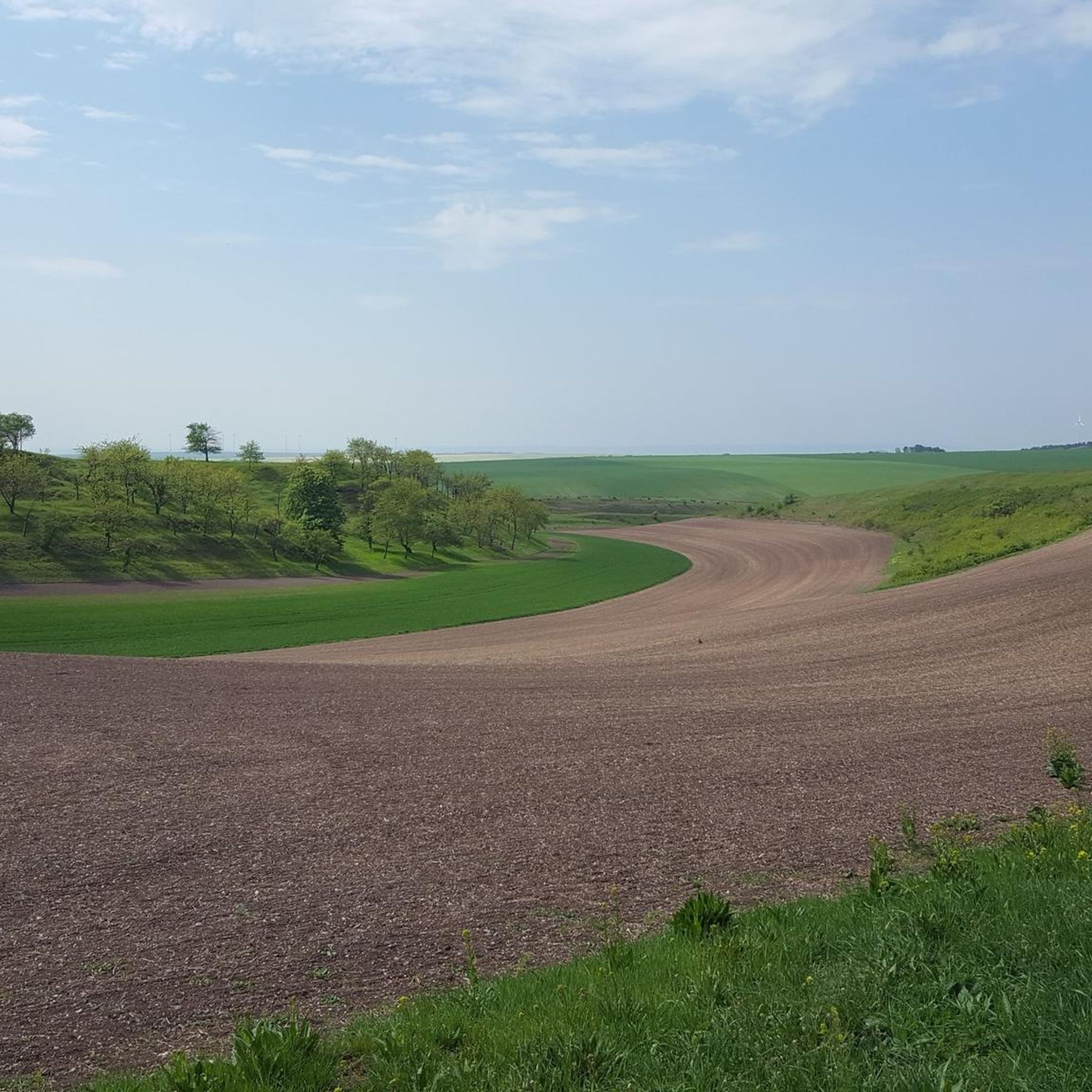
Best natural monuments around Günstedt are found within the Thuringian Basin, a region recognized for its dry and warm climate. This area is home to significant steppe grasslands, which are crucial ecological features and part of the European Natura 2000 network. These grasslands offer unique ecosystems and biodiversity, providing habitat for numerous rare plant and animal species. The landscape around Günstedt also features geological formations and historical sites that are considered natural monuments.
Best natural monuments around Günstedt
- The most…
Last updated: May 12, 2026
Gründelsloch Karst Spring
Highlight • Natural Monument
Translated by Google •
Tip by

Leubingen Burial Mound
Highlight • Historical Site
Translated by Google •
Tip by

Sign up now to discover places like this
Get recommendations on the best single tracks, peaks, & plenty of other exciting outdoor places.
Sign up for free
Steinrinne Bilzingsleben Archaeological Site
Highlight • Historical Site
Translated by Google •
Tip by

Chinese Garden of Eternal Happiness – Wedding Pavilion
Highlight (Segment) • Monument
Translated by Google •
Tip by

Sun Cult Stone of Bilzingsleben
Highlight • Monument
No matter, magical 😎🫶
Translated by Google •
Tip by
Sign up for free to discover even more natural monuments around Günstedt.
Sign up for free
Already have an account?
Start today with a free account
Your next adventure awaits.
Login or Signup
Tips from the Community

The cult stone is nestled in the middle of the village and in a very beautiful area with numerous benches.
1
0

The Gründelsloch near Kindelbrück is one of the most impressive and important karst springs in Thuringia. It was created by the dissolution of limestone in the subsoil. The resulting underground cavity collapsed in 1611, causing a sinkhole and the spring to emerge. The active karst spring, with a diameter of 22 m and a discharge of around 15,600 l per minute, has several older precursor springs that are lined up like a string of pearls from northwest to southeast in the area of the Kindelbrück fault zone and dried up again over time. Examples of these dried-up precursor springs are the Kuhborn, around 700 meters away, or the karst spring on the Steinrinne. Source: display board
9
0
The sun cult stone from Bilzingsleben was found near the Dornberg. It was initially used as a whetstone, later brought to the village with great effort and placed here in the Schenksgarten in 1982.
9
0
The Bilzingsleben site is an exceptional archaeological and paleoanthropological site in northern Thuringia. The finds were dated to be 400,000 years old and attributed to Homo erectus. They are among the earliest traces of the Homo genus in Central Europe. The site is located about 1.5 km south of the town of Bilzingsleben on the edge of the Wipper valley. The surface of the former "Steinrinne" quarry is about 35 m above the current floodplain and at 175 m above sea level. The small spur-like elevation is framed by the Wipper in the east and the Wirbelbach in the south. Source: Wikipedia
8
1

This is where the prince is buried - the owner of the Nebra Sky Disk. It is worth visiting the museum in Nebra. The original is in the museum in Halle.
0
0
@Holger The museum is in Leubingen - the Heimatstube. It is right next to the church on the main street. See picture for opening times.
0
0

A mystery, and very interesting, but perhaps more like moonstone than sunstone. No matter, magical 😎🫶
13
0
It's great that you can experience archaeology here in a vivid way. There is touring stamp 374 on the fence.
15
1
Frequently Asked Questions
What unique natural features can I explore around Günstedt?
The region around Günstedt is renowned for its significant steppe grasslands, which are crucial ecological features within the Thuringian Basin. These grasslands are part of the European Natura 2000 network and host a distinct flora and fauna adapted to the dry, sub-continental climate. You can also visit the impressive Gründelsloch Karst Spring, an active spring formed by the dissolution of limestone, known for its unique play of colors.
Are there historical or archaeological natural monuments to visit near Günstedt?
Yes, the area is rich in historical and archaeological sites designated as natural monuments. You can explore the Leubingen Burial Mound, a Bronze Age site representing 4000 years of history. Another significant spot is the Steinrinne Bilzingsleben Archaeological Site, which offers a vivid and well-maintained experience of archaeology with interesting exhibits. Don't miss the mysterious Sun Cult Stone of Bilzingsleben, a historical artifact with an intriguing past.
What outdoor activities can I do near the natural monuments around Günstedt?
The region offers various outdoor activities. For cycling enthusiasts, there are routes like the 'Grundeloch near Kindelbrück – View of the Sachsenburg castles loop from Kindelbrück' or the 'Lossa Bridge at Leubingen – Maanhalte Rest Area loop from Weißensee'. Hikers can enjoy trails such as the 'Gondelteich Loop – Gondola Pond loop from Weißensee' or the 'Rathsteiche Pond – Path Around the Raths Ponds loop from Günstedt'. Mountain biking options include the 'Gera Cycle Path – Cathedral Square, Erfurt loop from Sömmerda'. You can find more details on these activities in the cycling guide, hiking guide, and MTB guide for Günstedt.
Are there family-friendly natural monuments around Günstedt?
Many natural monuments in the area are suitable for families. The Gründelsloch Karst Spring, Leubingen Burial Mound, and Steinrinne Bilzingsleben Archaeological Site are all categorized as family-friendly. The Chinese Garden of Eternal Happiness – Wedding Pavilion also offers a pleasant experience for all ages, though it is closed from November to March.
What is the best time to visit the natural monuments around Günstedt?
The steppe grasslands, a key natural feature, are particularly interesting during the warmer months when their unique flora, including species like great feather grass and spring pheasant's eye, is in bloom. The dry, sub-continental climate makes spring and summer ideal for observing the specialized plant communities and various bird species. However, some attractions like the Chinese Garden of Eternal Happiness have seasonal closures, typically from November to March.
Can I bring my dog to the natural monuments and trails near Günstedt?
While specific dog-friendly policies for each natural monument may vary, many outdoor areas and hiking trails around Günstedt are generally suitable for walks with dogs. It's always recommended to keep dogs on a leash, especially in protected natural areas like the steppe grasslands, to protect wildlife and sensitive ecosystems. Check local signage for specific regulations at each site.
What kind of wildlife can I expect to see in the steppe grasslands near Günstedt?
The steppe grasslands are vital habitats for numerous rare and endangered plant and animal species. You might encounter botanical treasures such as stem-less milkvetch and viper's grass, as well as various orchids. The area also supports unique insect species like the butterfly Chazara briseis and the blue-winged grasshopper. Birdwatchers may enjoy the diverse avian life, especially during dry summers.
Are there easy walking trails to explore the natural monuments?
Yes, there are several easy walking trails available. For instance, the 'Gondelteich Loop – Gondola Pond loop from Weißensee' is an easy 1.1 km hike, and the 'Weissensee Market Square – Weissensee Old Town loop from Weißensee' is a short 2.5 km easy walk. These provide accessible ways to experience the natural beauty and historical sites of the region. You can find more easy routes in the hiking guide for Günstedt.
What makes the steppe grasslands around Günstedt so important?
The steppe grasslands near Günstedt are considered 'outposts' of Eastern European steppes, making them a unique ecosystem in Thuringia. They are designated as Special Areas of Conservation (sACs) and Special Protection Areas (sPAs) under European directives, forming part of the Natura 2000 network. Their importance lies in harboring distinct flora and fauna adapted to the dry climate, providing habitat for numerous rare and endangered species, and showcasing significant geological formations.
Are there viewpoints to enjoy scenic landscapes around Günstedt?
Yes, the open landscapes of the Thuringian Basin offer expansive views. The steppe grasslands themselves provide scenic vistas, often bordered by mountain ranges like Finne, Schmücke, and Fahner Höhe. The Gründelsloch Karst Spring and Leubingen Burial Mound are also noted as viewpoints, offering perspectives on the surrounding area.
Is parking available at the natural monuments?
Parking facilities are available at some natural monuments. For example, the Steinrinne Bilzingsleben Archaeological Site is listed as having parking. For other sites, it's advisable to check specific location details or look for designated parking areas in nearby towns or trailheads.
Most popular routes around Günstedt
Most popular attractions around Günstedt

Get inspired with the komoot mobile app


Explore more
Extend your search for the best caves by checking out these guides of the top ones around Günstedt:
