Top 20 Natural Monuments around Kabelsketal
Best natural monuments around Kabelsketal are found within a landscape characterized by rivers, lakes, and forests. This region in Saxony-Anhalt, Germany, offers diverse natural features for exploration. The area provides opportunities to experience its natural beauty, with this guide featuring 20 natural monuments. These locations showcase the local geology, hydrology, and biodiversity.
Best natural monuments around Kabelsketal
- The most popular natural monuments is Rassnitzer Lake, a lake that originated from a former open-pit mine. Today, it is a lake…
Last updated: June 25, 2026
Werbeliner See cycle path
Highlight • Cycleway
Translated by Google •
Tip by

Rassnitzer Lake
Highlight • Lake
Translated by Google •
Tip by

Sign up now to discover places like this
Get recommendations on the best single tracks, peaks, & plenty of other exciting outdoor places.
Sign up for free
Lützschena Palace Park
Highlight • Natural Monument
Translated by Google •
Tip by

Diana Pond and Diana Temple
Highlight • Lake
Translated by Google •
Tip by

Heinrich Heine Rocks
Highlight • Natural Monument
Translated by Google •
Tip by
Sign up for free to discover even more natural monuments around Kabelsketal.
Sign up for free
Already have an account?
Start today with a free account
Your next adventure awaits.
Login or Signup

Tips from the Community

Asphalted circular path unfortunately with many root damages
4
0


Christian Johann Heinrich Heine was one of the most important German poets, writers, and journalists of the 19th century. He is considered one of the last representatives and, at the same time, one of the transcenders of Romanticism. Source: Wikipedia
8
0

In every season, the Schloßpark offers something new to discover. While in March the spring snowflakes transformed the park into a white carpet of flowers, currently the blossoms of anemones and wild garlic follow with another white sea of flowers. Many sculptures adorn the beautiful Schloßpark. The river Elster meanders through the park. The water accompanies the visitor and reflects the special beauty of the temples that emerge on islands or small elevations in the lush green of the park. The different seasons transform the park, sometimes into a white sea of flowers, sometimes into a green gem. Baron Maximilian Speck v. Sternburg acquired the Lützschena estate with the park in 1822. He had the park, originally laid out as a pleasure garden, redesigned as an English landscape park immediately after its acquisition. The park forms a special unity with the landscape through its winding paths. Baron Maximilian Speck v. Sternburg introduced many elements into the landscape park, such as temples or memorials, thus giving it its character. The park is included in the list of Saxon cultural monuments. Source: http://www.schloss-luetzschena.de/schlosspark/
1
0

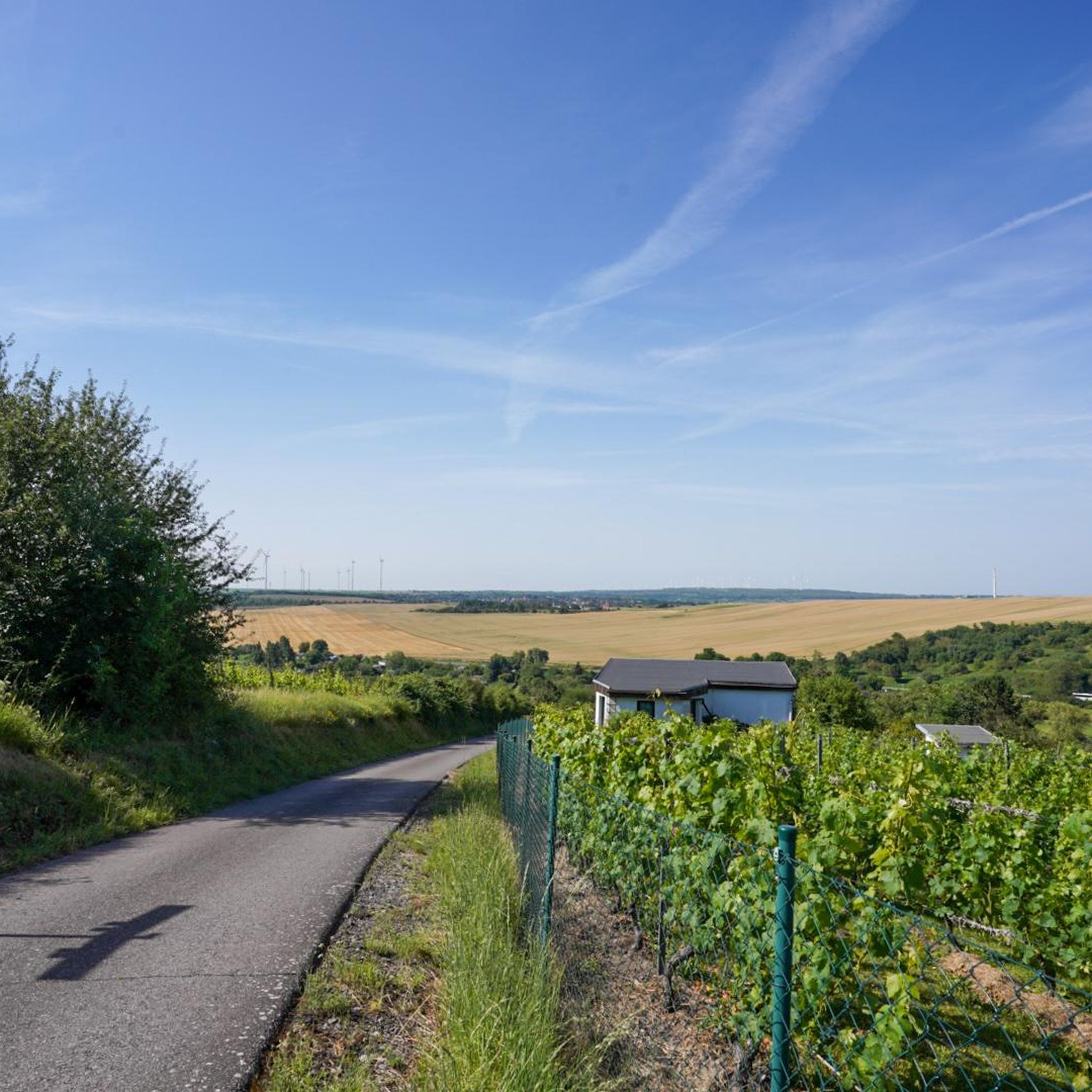
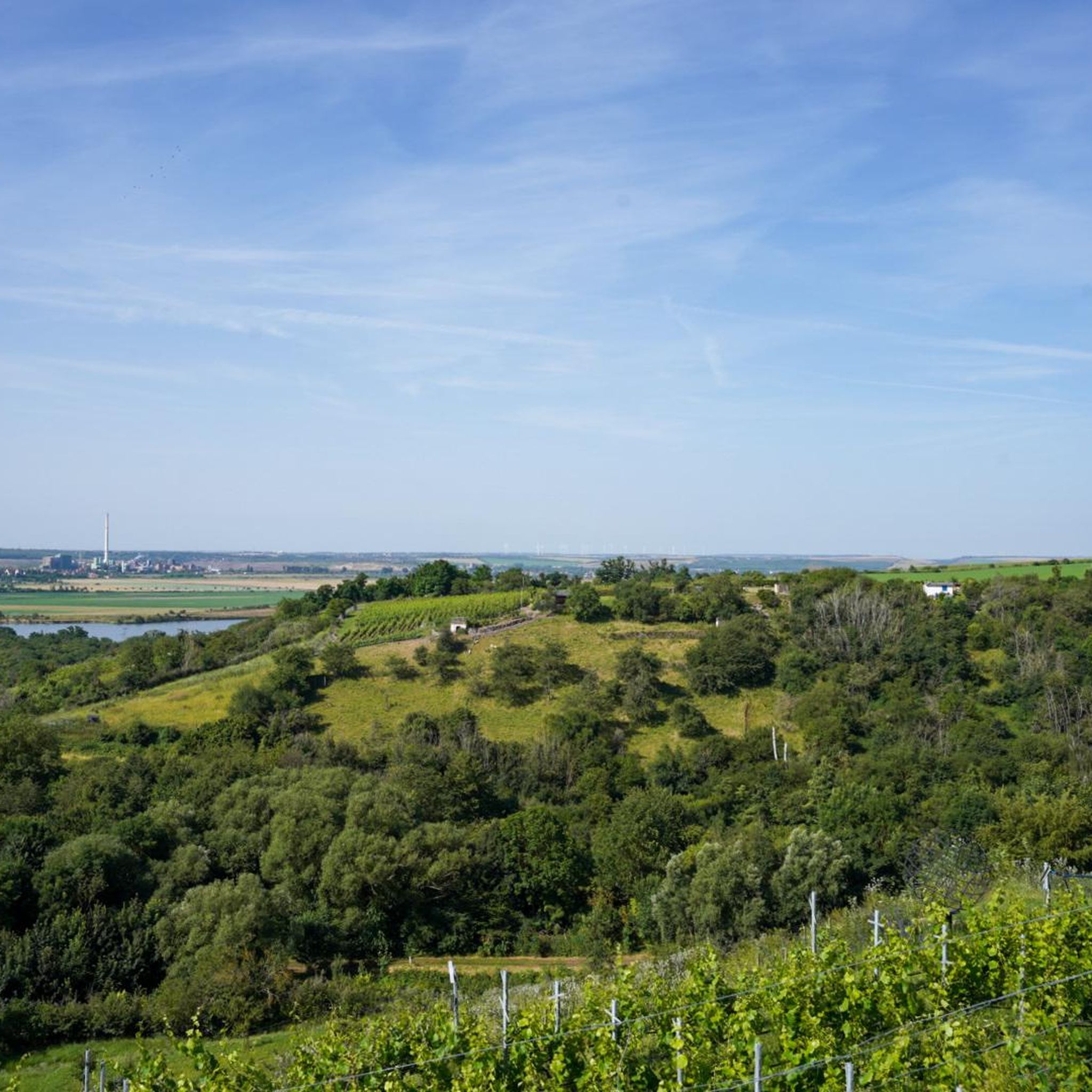
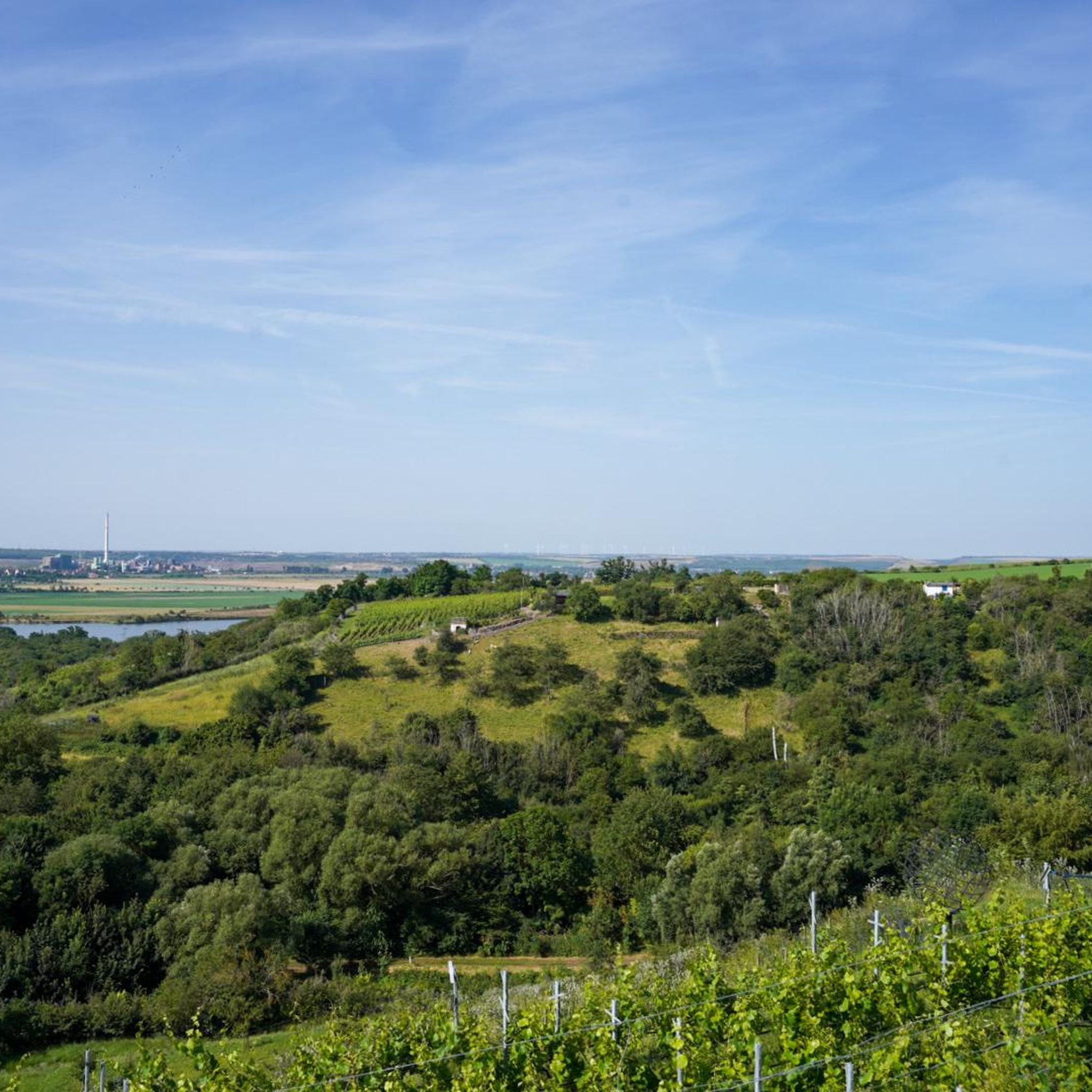
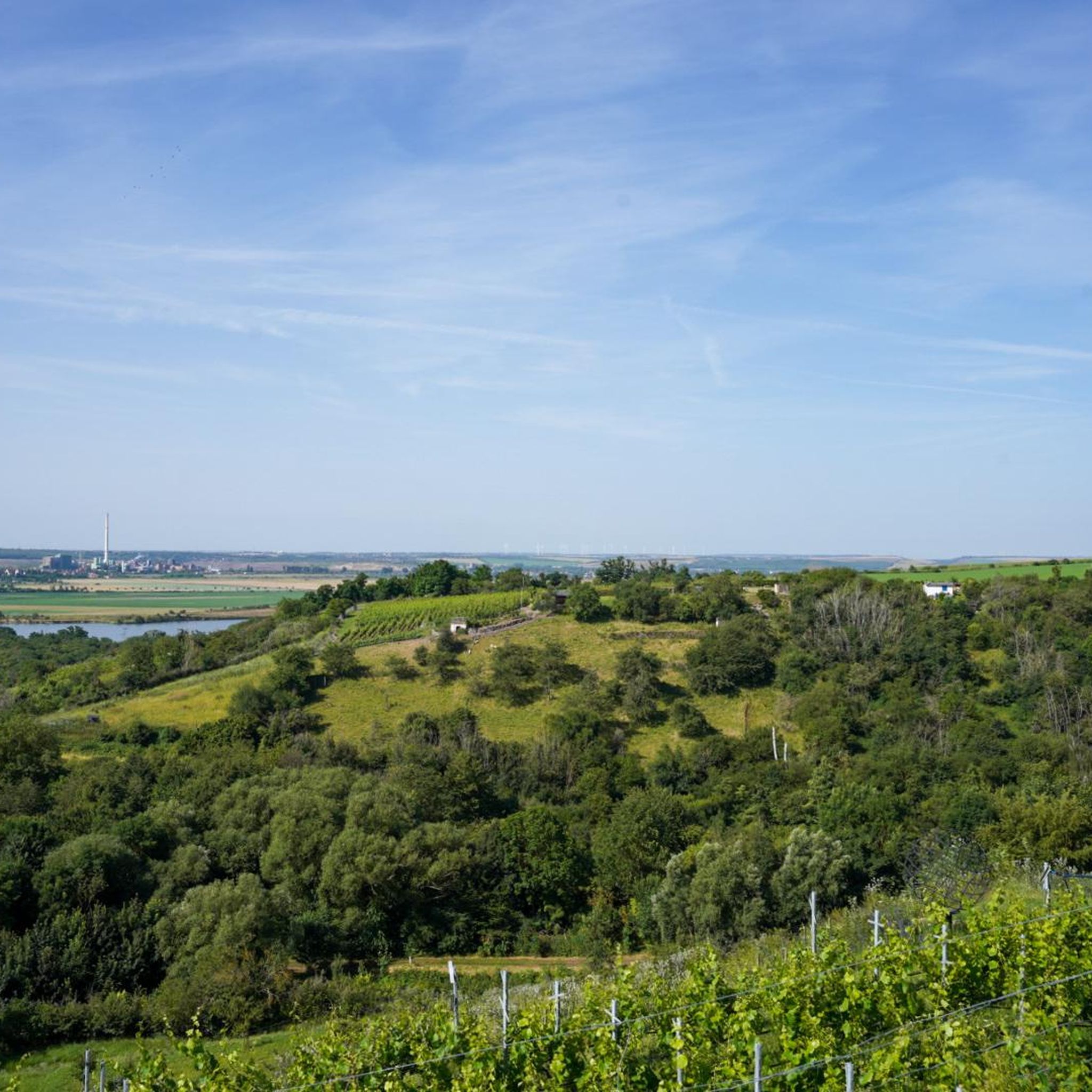
A beautiful vantage point overlooking the Saale and Halle-Neustadt.
2
0

Unfortunately I don't know which Diana it is dedicated to, it doesn't matter, just beautiful.
9
0
A highlight in the park, a beautiful interplay of water, statue and pavilion.
23
0

The rock is right on the banks of the Rive below Heinrich Heine Park. It got its name in 1956.
4
0
Frequently Asked Questions
What are some popular natural monuments to visit around Kabelsketal?
Visitors frequently enjoy Rassnitzer Lake, a former open-pit mine now a natural haven where swimming is permitted. Another popular spot is the Heinrich Heine Rocks, imposing formations on the Saale River with a historical plaque. The Lützschena Castle Park (Schlosspark Lützschena) and Auwald Visitor Centre, an English-style landscape park framed by alluvial forest, is also highly appreciated for its relaxing atmosphere.
What unique natural features can I expect to see in the Kabelsketal region?
The region is characterized by its diverse landscapes, including lakes that originated from former open-pit mines, such as Rassnitzer Lake and Werbeliner See. You can also find alluvial forests, like those surrounding Lützschena Castle Park, and unique geological formations like the Porphyr blocks in the nearby Dölauer Heide, which are remnants of ancient volcanic activity.
Are there opportunities for hiking or cycling near the natural monuments?
Yes, the area offers various trails for outdoor activities. The Dölauer Heide, close to Kabelsketal, has nature trails perfect for hiking and cycling, including a two-part circular route. For more structured routes, you can explore options like the easy hikes around Kabelsketal, or consider the road cycling routes that pass by some natural attractions.
Are there natural monuments suitable for families with children?
Absolutely. Rassnitzer Lake is family-friendly, offering a natural beach where swimming is allowed. The Lützschena Castle Park is also an excellent choice, providing a relaxing environment with chestnut trees and seating areas, ideal for a family outing. The Dölauer Heide also offers accessible nature trails suitable for families.
Do any natural monuments in the area have historical significance?
Yes, some natural areas are intertwined with history. The Lützschena Castle Park is a historical site laid out in the style of an English landscape park. Additionally, the Dölauer Heide features the Bischofswiese Archaeological Site, which contains significant Neolithic fortifications and burial mounds, offering a glimpse into prehistoric cultures amidst nature.
What is the best time of year to visit the natural monuments around Kabelsketal?
Spring is particularly beautiful for visiting the natural monuments, especially in areas like the Dölauer Heide, when wildflowers are in bloom. However, the lakes, forests, and parks offer scenic beauty and opportunities for outdoor activities throughout the warmer months. The Rassnitzer Lake is popular for swimming in summer.
Can I find viewpoints to appreciate the natural landscapes?
Yes, several natural monuments offer excellent viewpoints. Rassnitzer Lake has a lookout tower providing extensive views of the lake. The Heinrich Heine Rocks also serve as a viewpoint along the Saale River. The Werbeliner See cycle path offers views of the lake, which is reserved for birdlife.
Are there any natural monuments that are particularly good for birdwatching?
The Werbeliner See is an excellent spot for birdwatching. This lake, a former opencast mine, is now reserved for birdlife and its many islands make it a suitable habitat for various bird species. You can often see a lot of birds on the water.
What kind of trails are available for running near Kabelsketal's natural monuments?
For runners, there are several trails available. You can find various running trails around Kabelsketal, including routes through areas like Dieskau Castle Park, which offers a scenic backdrop for your run.
What do visitors enjoy most about the natural monuments in this region?
Visitors particularly enjoy the tranquility and natural beauty of the area. Many appreciate the transformation of former industrial sites, like Rassnitzer Lake, into thriving natural havens. The relaxing atmosphere of places like Lützschena Castle Park and the unique geological features and historical layers found in the Dölauer Heide are also highly valued.
Is there a specific natural monument that highlights the region's geology?
Yes, the Dölauer Heide, located near Kabelsketal, is notable for its geological significance. It features Porphyr blocks, which are strong, resistant rocks formed from volcanic activity millions of years ago. These lilac-red, small-crystalline rocks offer a tangible connection to the region's ancient geological past.
Are there any natural monuments that allow swimming?
Yes, Rassnitzer Lake is a natural monument where swimming is permitted. It features a natural beach and small romantic bays, making it a popular spot for locals to cool off in summer.
Most popular routes around Kabelsketal
Most popular attractions around Kabelsketal

Get inspired with the komoot mobile app


Explore more
Extend your search for the best caves by checking out these guides of the top ones around Kabelsketal:
