Top 20 Natural Monuments around Mücheln (Geiseltal)
Best natural monuments around Mücheln (Geiseltal) offer a diverse landscape shaped by both natural processes and historical transformation. The region is notable for Geiseltalsee, Germany's largest man-made lake, which emerged from a former lignite mine and now functions as a significant nature reserve. Visitors can explore areas like the Geiselquelle, a historic spring, and the Hesseltal, a valley known for its specialized flora and fauna. The area also holds scientific importance with the Geiseltal fossil deposit, preserving ancient plant and…
Last updated: June 25, 2026
Ducal Vineyard below Neuenburg Castle
Highlight • Structure
High above the wine-growing town of Freyburg lies Neuenburg, the sister castle of Wartburg, founded around 1090 by the Thuringian Count Ludwig the Springer. The first mighty …
Translated by Google •
Tip by

Confluence of the Saale and Unstrut Rivers
Highlight • River
Translated by Google •
Tip by

Sign up now to discover places like this
Get recommendations on the best single tracks, peaks, & plenty of other exciting outdoor places.
Sign up for free
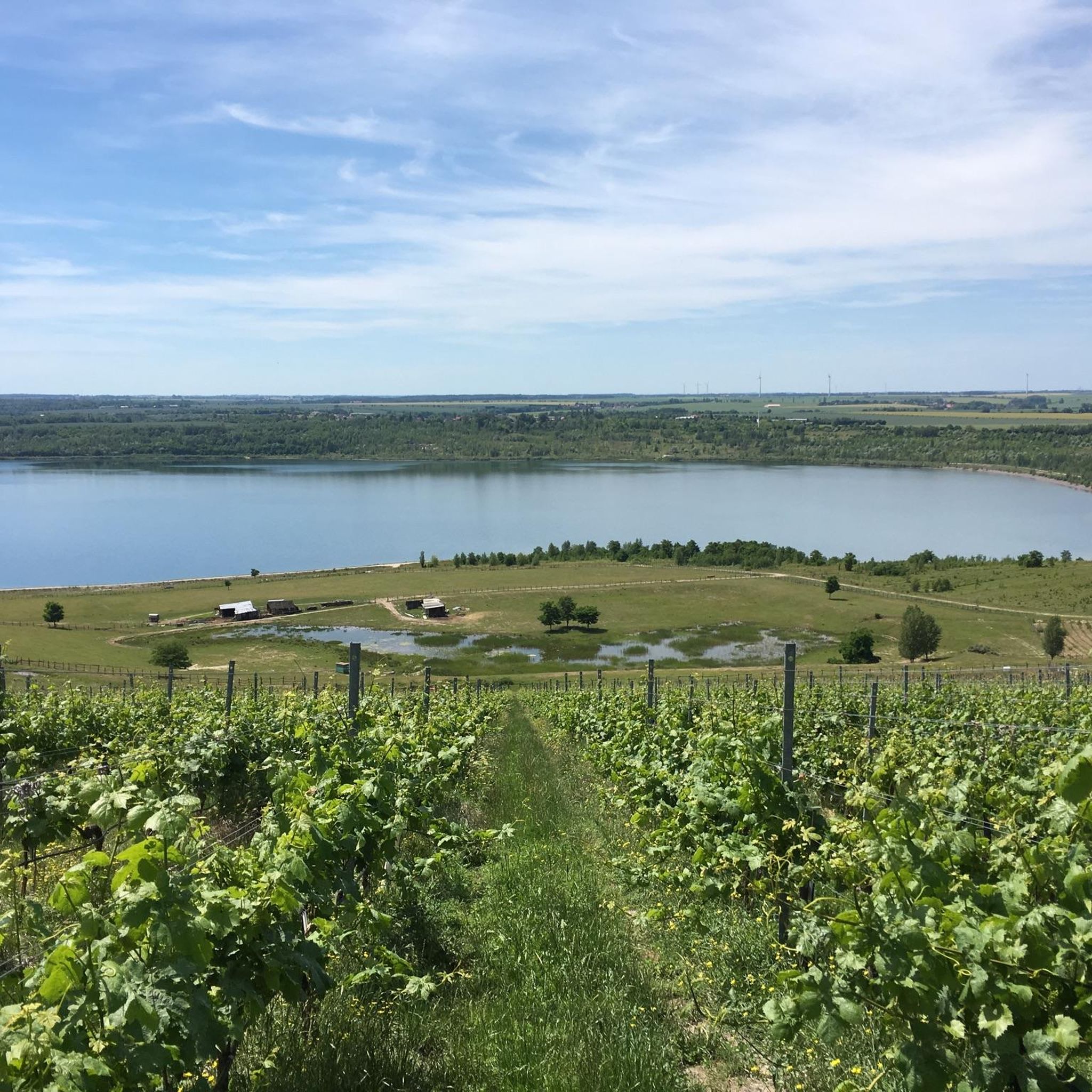
Reiferts Vineyard at Geiseltalsee
Highlight • Restaurant
Translated by Google •
Tip by

Stone picture book Großjena
Highlight • Monument
Translated by Google •
Tip by

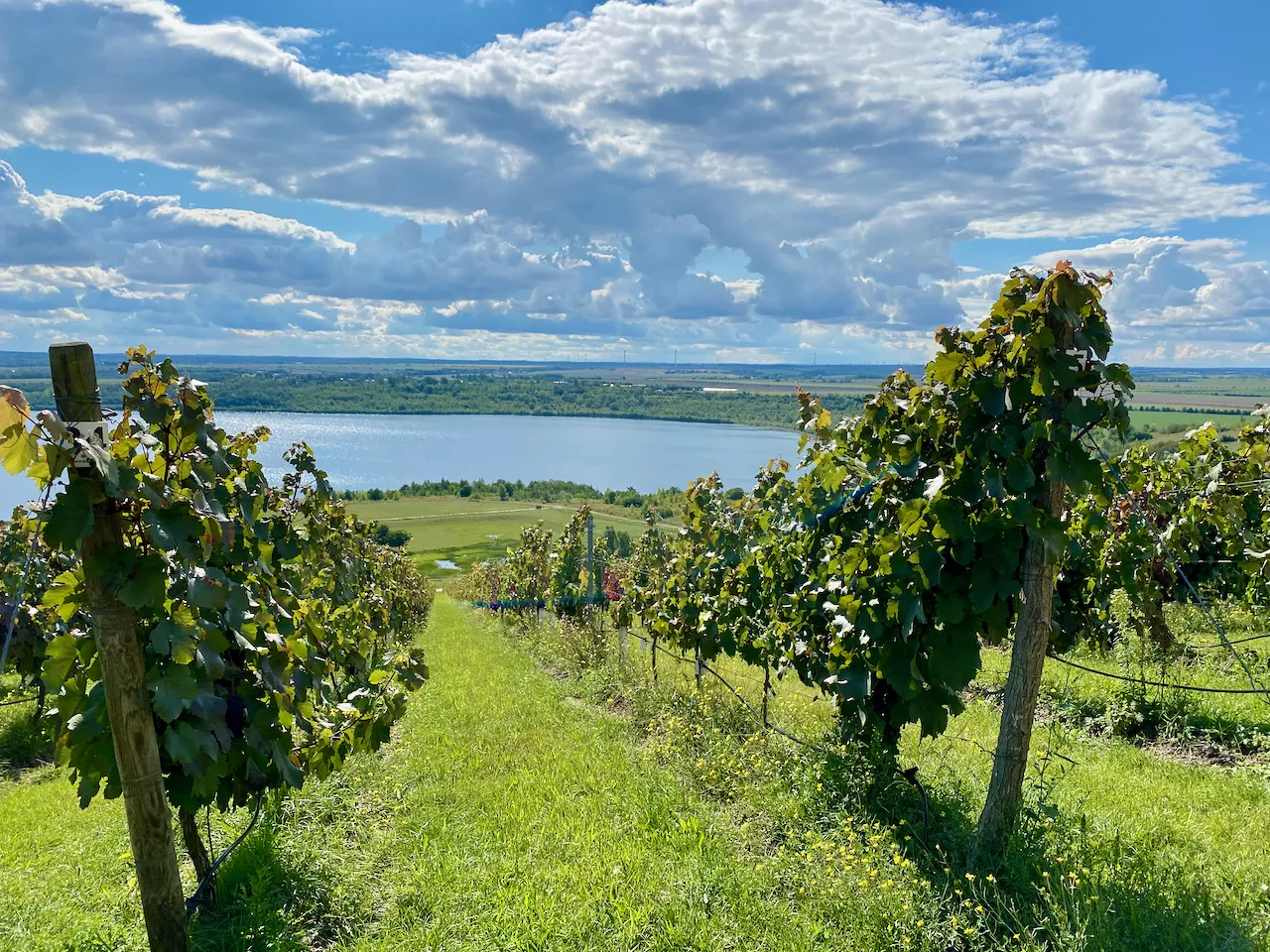
Most beautiful vineyard view in Saale-Unstrut at Geiseltalsee
Highlight • Viewpoint
Translated by Google •
Tip by

Sign up for free to discover even more natural monuments around Mücheln (Geiseltal).
Sign up for free
Already have an account?
Start today with a free account
Your next adventure awaits.
Login or Signup
Popular around Mücheln (Geiseltal)
Hike and enjoy with Germany’s MDV – explore around Leipzig and Halle
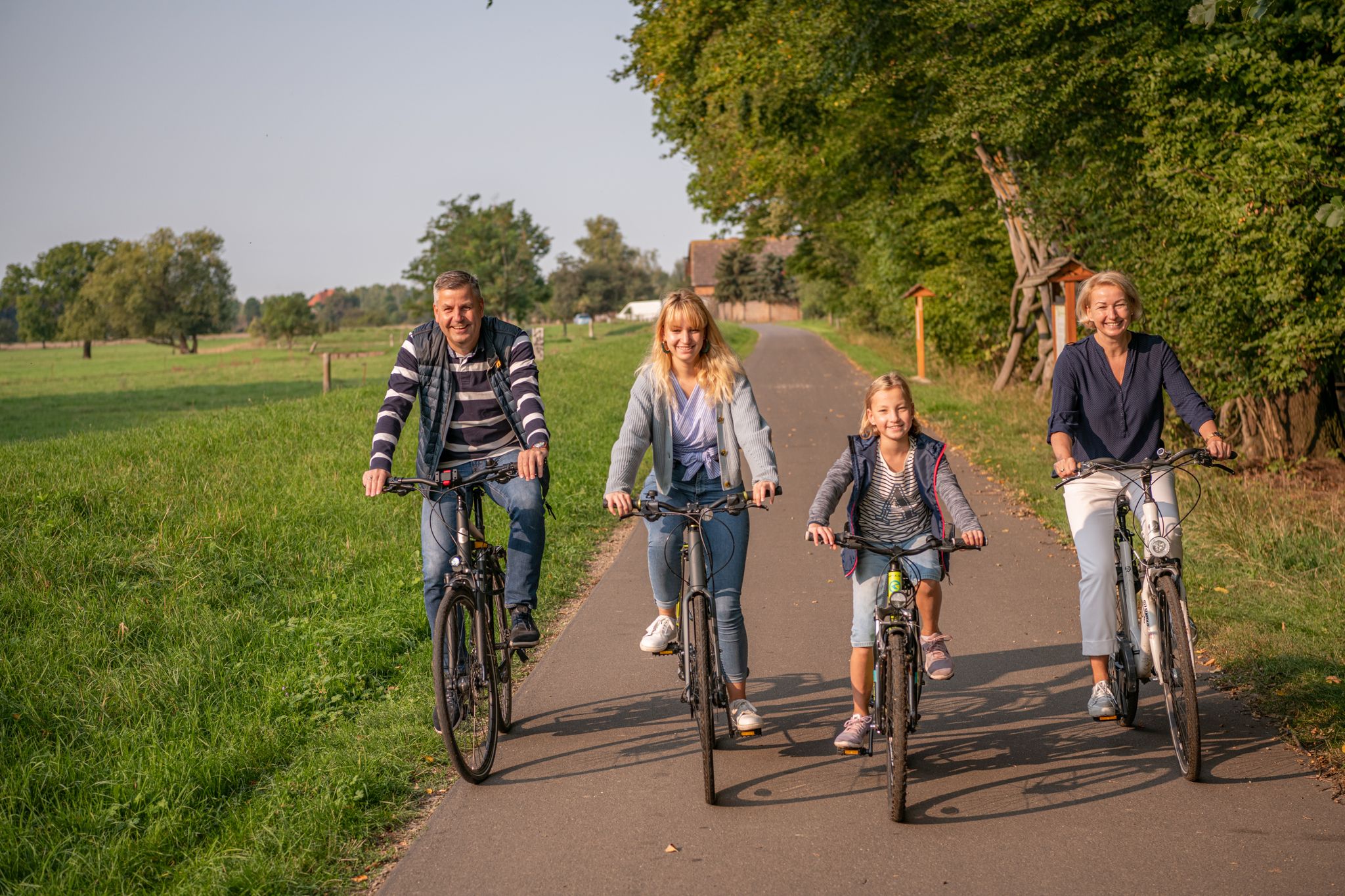
The 11 most beautiful cycle Tours in Germany’s Saale-Unstrut region
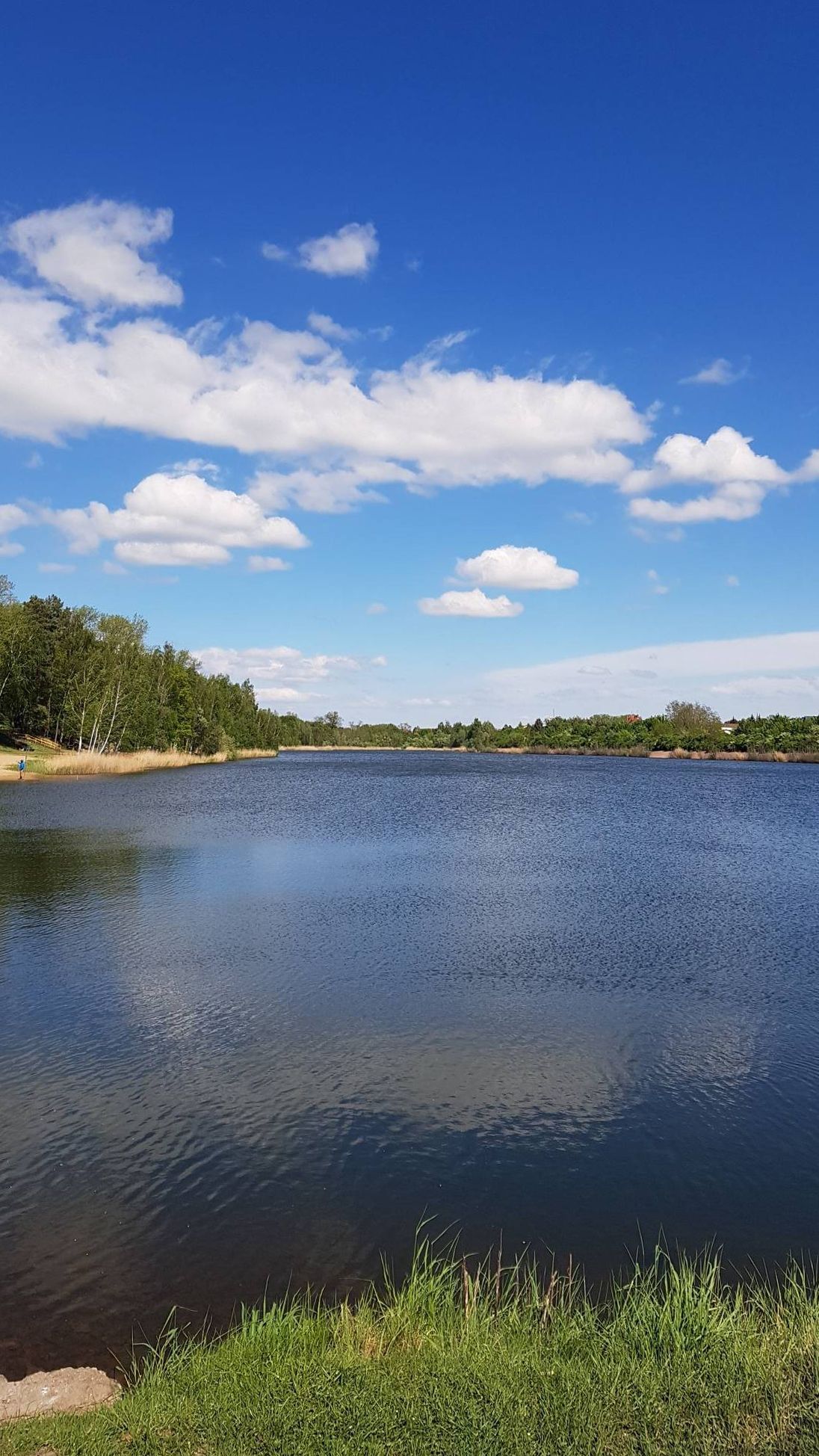
The most beautiful swimming lakes in Saxony-Anhalt
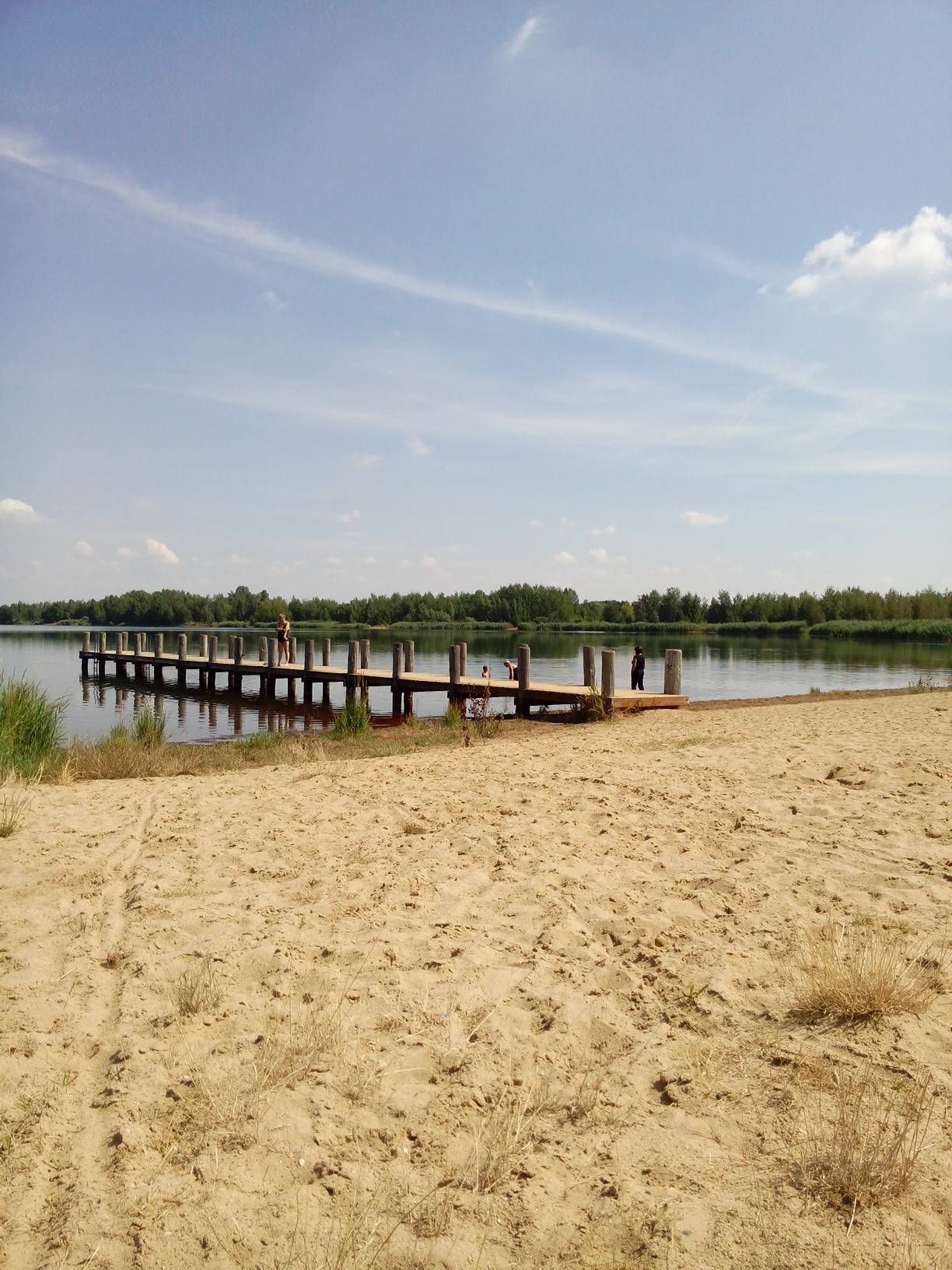
The most beautiful swimming spots around Leipzig
Cycling around Mücheln (Geiseltal)
Hiking around Mücheln (Geiseltal)
Road Cycling Routes around Mücheln (Geiseltal)
Running Trails around Mücheln (Geiseltal)
MTB Trails around Mücheln (Geiseltal)

Gravel biking around Mücheln (Geiseltal)
Other adventures around Mücheln (Geiseltal)


Tips from the Community

Museum & Exhibitions High above the wine-growing town of Freyburg lies Neuenburg, the sister castle of Wartburg, founded around 1090 by the Thuringian Count Ludwig the Springer. The first mighty complex was built by 1150. The rise of the Landgraves of Thuringia was accompanied by further magnificent expansion. By 1230, Neuenburg was already around three times as large as Wartburg! The Romanesque double chapel built around 1170/75 is still an architectural gem today. On behalf of Hermann I, Heinrich von Veldeke completed the Eneasroman around 1185, the first Middle High German knightly-courtly verse epic ever. Neuenburg experienced the end of its high medieval heyday under Landgrave Ludwig IV and his wife, Saint Elisabeth.
13
0

UNSTRUT Source near Kefferhausen in Eichsfeld (400m); Length 192 km; Estuary Großjena near Naumburg into the Saale The Unstrut rises west of Kefferhausen near Dingelstädt in northern Thuringia in southern Eichsfeld. In the Sachsenburg or Thuringian Gate it breaks through the Hainleite. In its lower reaches it flows in numerous loops through the Burgenland district in southern Saxony-Anhalt; below Memleben it is initially flanked by the Ziegelroda Plateau, near Laucha by the Dorndorf Plateau, near Freyburg by the limestone-rich Silent Mountains and flows into the Großjenaer Blumengrund near Naumburg Saale. SAALE Source near Zell in the Fichtelgebirge (728m); Length 413 km; Estuary near Barby into the Elbe The Saale rises in the Fichtelgebirge in Upper Franconia between Zell and Weißenstadt. The upper reaches of the Saale between Zell and Hof are quite leisurely. The river then runs straight through the Thuringian Slate Mountains. The Saale is dammed several times here. The area of the middle Saale begins with the river exiting the Thuringian Slate Mountains and entering the Triassic plate and hill country. After leaving the Saale-Unstrut-Triasland Nature Park near Naumburg, the lower reaches of the river begin. This runs in a flat landscape to the mouth of the Elbe near Barby. Source: http://www.reportagereisen.de/unstrut_01.html
11
0

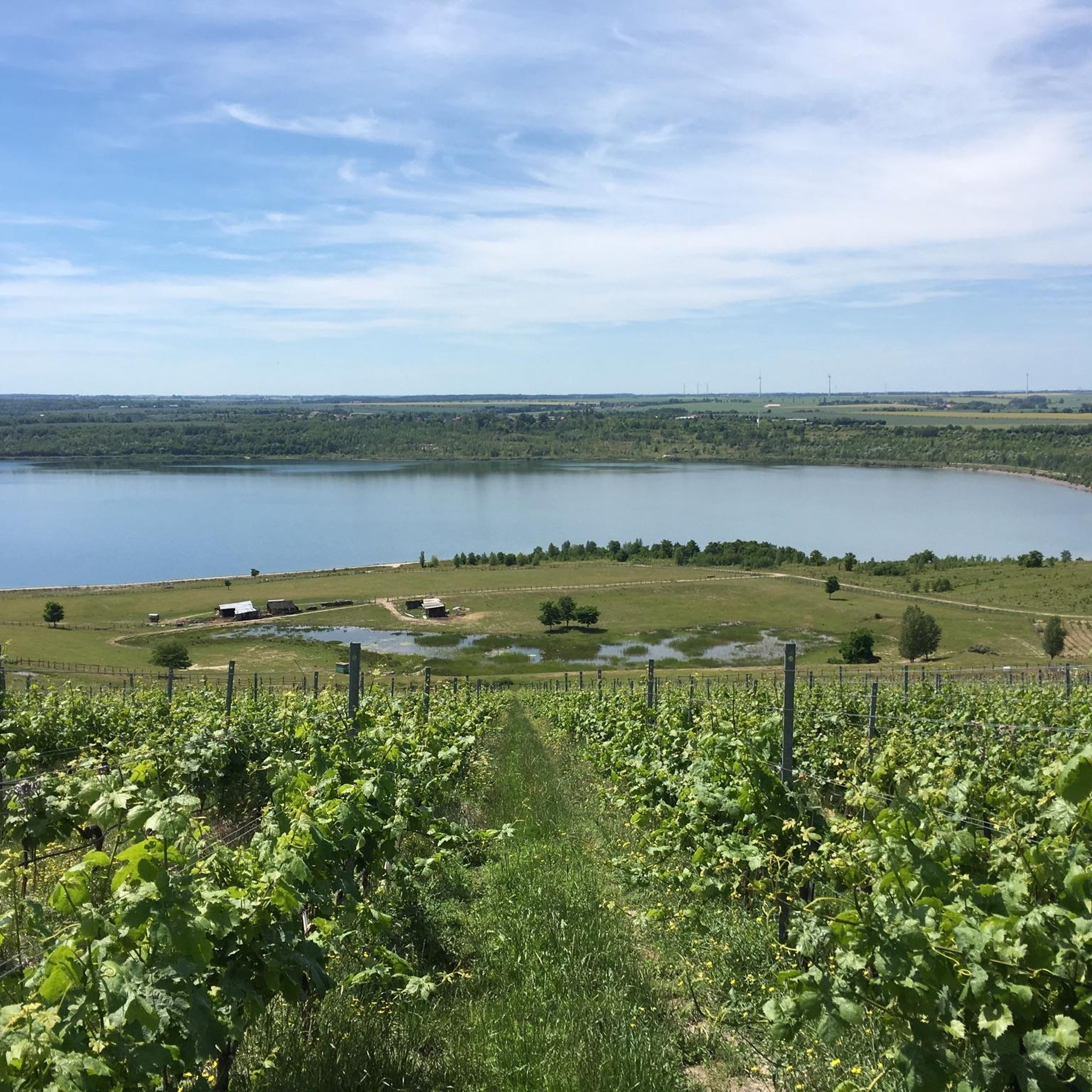
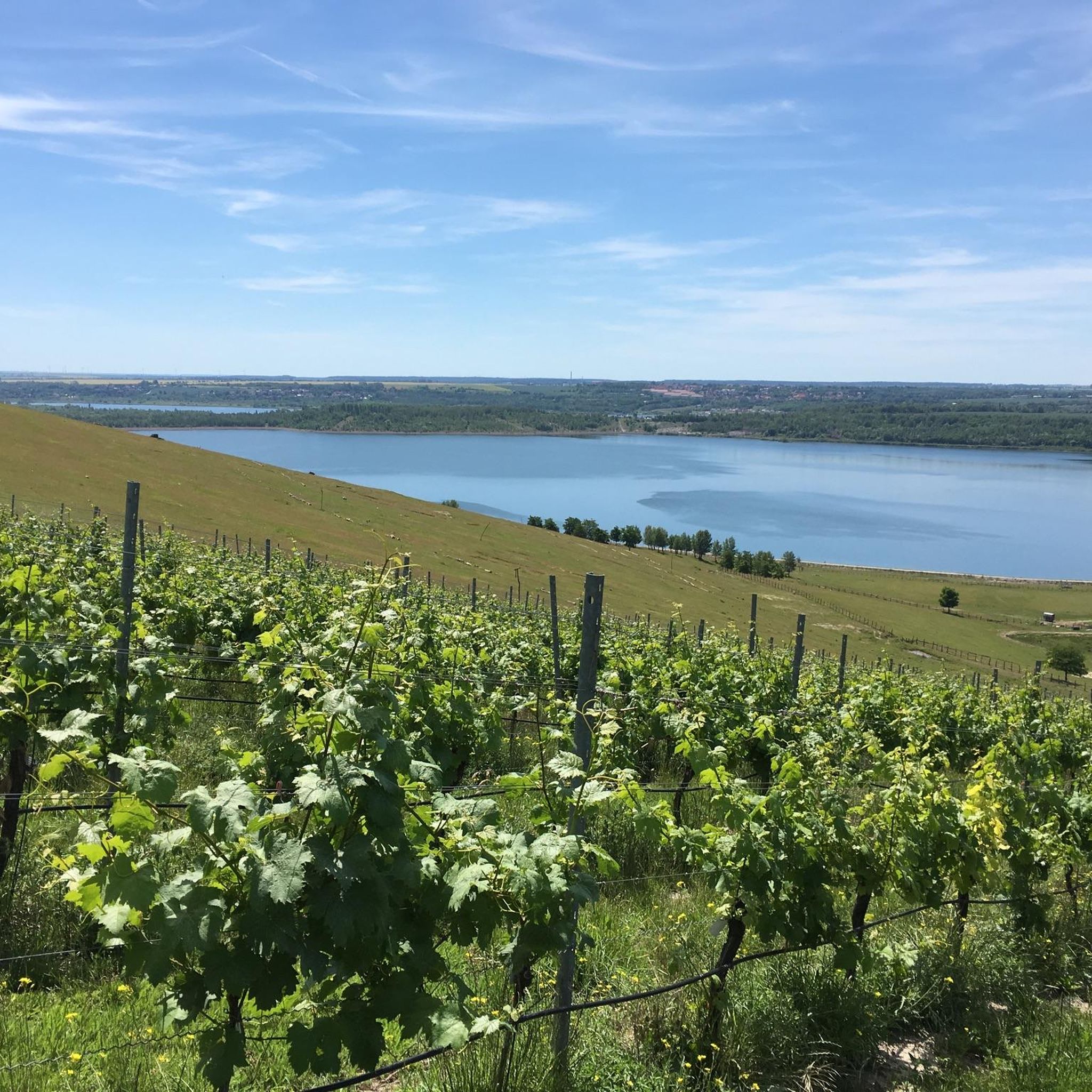
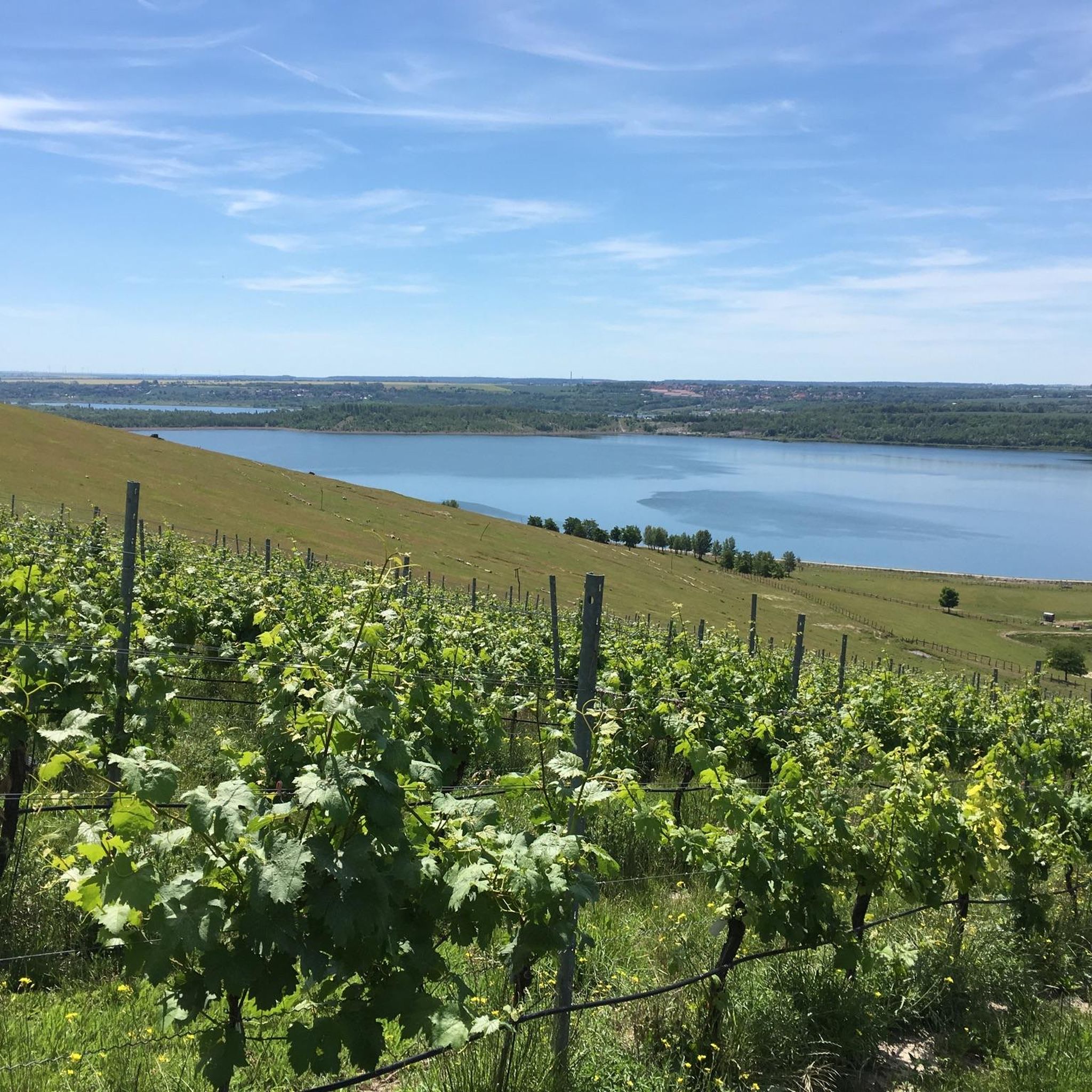
I felt like a wine queen today! Had the fantastic view and a good drink all to myself! It was a breathtaking impression! It wasn't until 2000 that the Reifert family started growing wine on the dump. Pioneering work to achieve the highest level of recultivation has been achieved on the former opencast mining site! The drop tastes good and the view is uniquely beautiful. The vineyard is south-facing and has a steep slope of thirty percent. The view of the largest artificial lake in Central Germany can be enjoyed with the fine wine 🍷
6
0

Pinot Gris or Müller-Thurgau - you can treat yourself to a glass here.
6
1

Opening hours of the Straußwirtschaft April to October, Monday to Friday: 11 a.m. to 4 p.m. Weekends / public holidays: 10 a.m. to 6 p.m. Status: 07/2023
5
0

One of the most beautiful views at Geiseltalsee and the wine is also very tasty.
16
1

On the other side of the Wasserschlösschen also very interesting and a place with plenty of fish
12
1

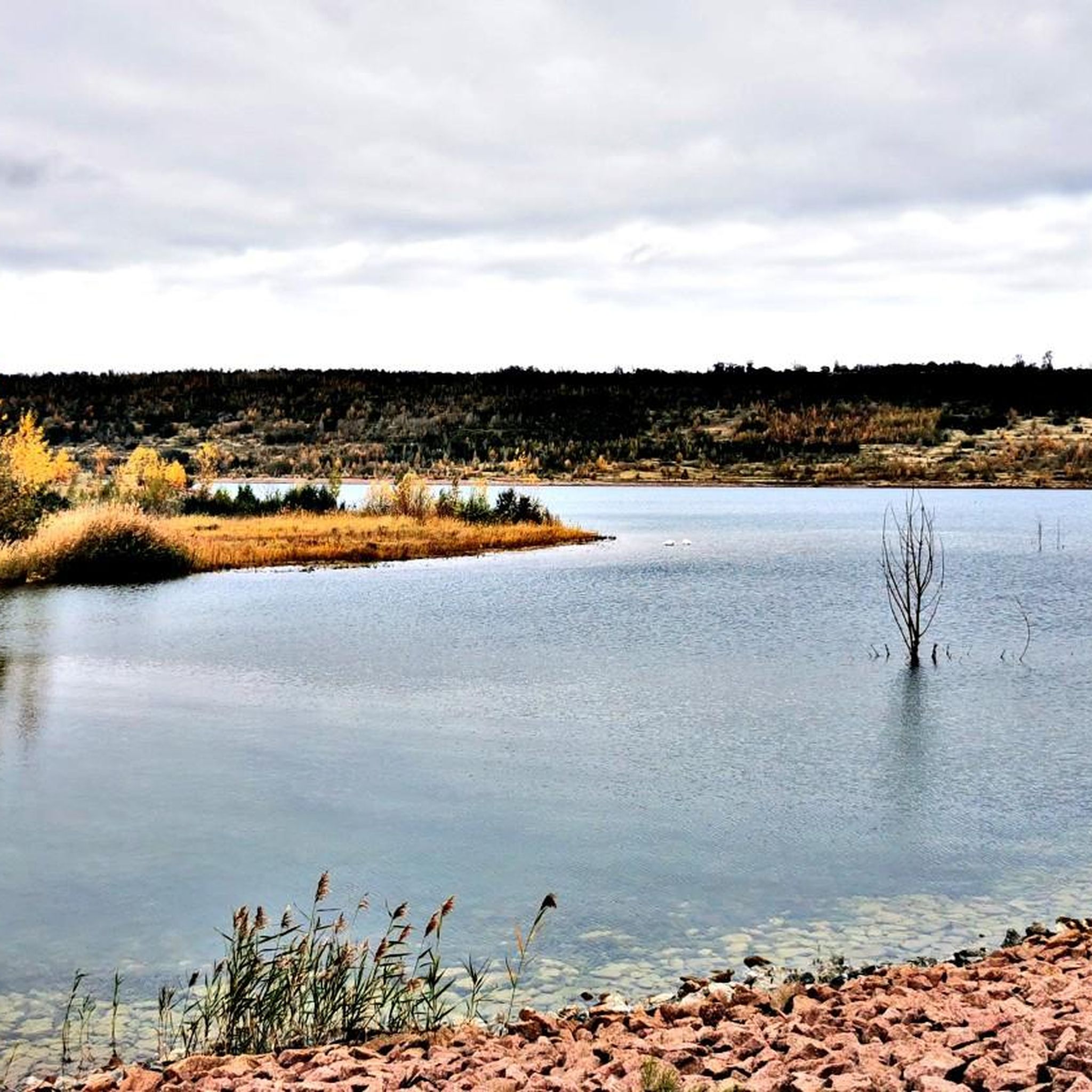
The Geiseltalsee is an opencast mining lake in southern Saxony-Anhalt. The lake was created in the course of recultivation measures in the former Geiseltal lignite mining area north-east of Müchel.
6
1
Frequently Asked Questions
What are some of the most popular natural monuments to visit around Mücheln (Geiseltal)?
Visitors frequently enjoy the Ducal Vineyard below Neuenburg Castle, which offers historical significance and scenic views. Another highly-rated spot is the Confluence of the Saale and Unstrut Rivers, a significant hydrological feature. The Konik horses in the Tote Täler Nature Reserve are also a favorite for wildlife observation.
What unique natural features can I explore in the Geiseltal region?
The region is home to several unique natural features. The Geiseltalsee, Germany's largest man-made lake, is a prominent natural reserve with a vineyard on its former opencast mine. You can also visit the Confluence of the Saale and Unstrut Rivers, where two major rivers meet, and the historic Geiselquelle (Geisel Spring), once one of Central Germany's largest springs.
Are there family-friendly natural monuments or activities in Mücheln (Geiseltal)?
Yes, several natural monuments are suitable for families. The Konik horses in the Tote Täler Nature Reserve offer an opportunity to observe wild horses and learn from information boards. The Confluence of the Saale and Unstrut Rivers is a pleasant spot for a family outing, and the Reiferts Vineyard at Geiseltalsee provides great views and a resting place.
What kind of hiking trails are available near the natural monuments?
The Geiseltalsee features a popular 25-kilometer circular trail suitable for cyclists, skaters, and hikers. For easy hikes, you can explore routes like the "Vineyard – Halde Klobikau loop" or the "Lakeside promenade at Geiseltalsee – Pauline Lookout Tower loop." You can find more options on the Easy hikes around Mücheln (Geiseltal) guide.
Can I go mountain biking or gravel biking in the area?
Absolutely. The region offers various routes for both mountain biking and gravel biking. You can find trails like the "Geiseltal Lake Marina – View of Marina Braunsbedra loop" for MTB, or the "Saale River Cycle Path – View of the Saale River loop" for gravel biking. Explore more options in the MTB Trails around Mücheln (Geiseltal) guide and the Gravel biking around Mücheln (Geiseltal) guide.
What is the Geiseltal fossil deposit and why is it important?
The Geiseltal fossil deposit, located south of Halle, is a site of immense scientific and natural historical value. It preserves unique fossils of plants and animals from the Middle Eocene period (48 to 41 million years ago) in lignite, a rare occurrence in Central Europe. These include nearly complete specimens, such as the prehistoric horse Propalaeotherium, making it crucial for paleontological research. The entire fossil record is under national protection. You can learn more about it on Wikipedia.
Are there any historical sites combined with natural beauty?
Yes, the Ducal Vineyard below Neuenburg Castle is a prime example, combining historical significance with scenic views of the Weinburg and Neuchâtel Castle. Additionally, the Stone picture book Großjena is a man-made monument that is also a historical site, offering an interesting cultural experience amidst the natural landscape.
When is the best time to visit the natural monuments in Mücheln (Geiseltal)?
While many sites are enjoyable year-round, the Hesseltal (Hessel Valley) is particularly attractive in spring, when seasonal flora such as liverleaf, lungwort, and Turk's cap lily are in bloom. The Geiseltalsee is popular for water sports and cycling during warmer months.
What kind of wildlife can I expect to see?
The region is rich in wildlife. In the Tote Täler Nature Reserve, you can observe Konik horses living in the wild. The Hesseltal is known for its diverse wildlife, including bat roosts, badger dens, and wood ant hills. The Geiseltalsee, as a nature reserve, also provides a habitat for various wild species.
Are there places to eat or drink near the natural monuments?
Yes, the Reiferts Vineyard at Geiseltalsee offers local wines and serves as a welcome refreshment stop with great views. The Ducal Vineyard below Neuenburg Castle also has a pub, providing options for visitors to relax and enjoy local offerings.
What is the Hesseltal and what makes it special?
The Hesseltal (Hessel Valley) is part of a nature trail located on the western side of the St. Ulrich Landscape Park. It's special for its limestone and dry grassland slopes, which host specialized flora. The valley is also home to diverse wildlife, including bat roosts, badger dens, and wood ant hills, with informative display boards along the path to educate visitors about the local ecosystem.
Can I bring my dog to the natural monuments?
Many natural areas and trails in the region are dog-friendly, especially the circular trail around Geiseltalsee and the various hiking routes. It's always advisable to keep dogs on a leash and respect local wildlife and other visitors, particularly in nature reserves like the Tote Täler where Konik horses roam.
Most popular routes around Mücheln (Geiseltal)

Get inspired with the komoot mobile app


Explore more
Extend your search for the best caves by checking out these guides of the top ones around Mücheln (Geiseltal):
