Top 20 Natural Monuments around Schönburg
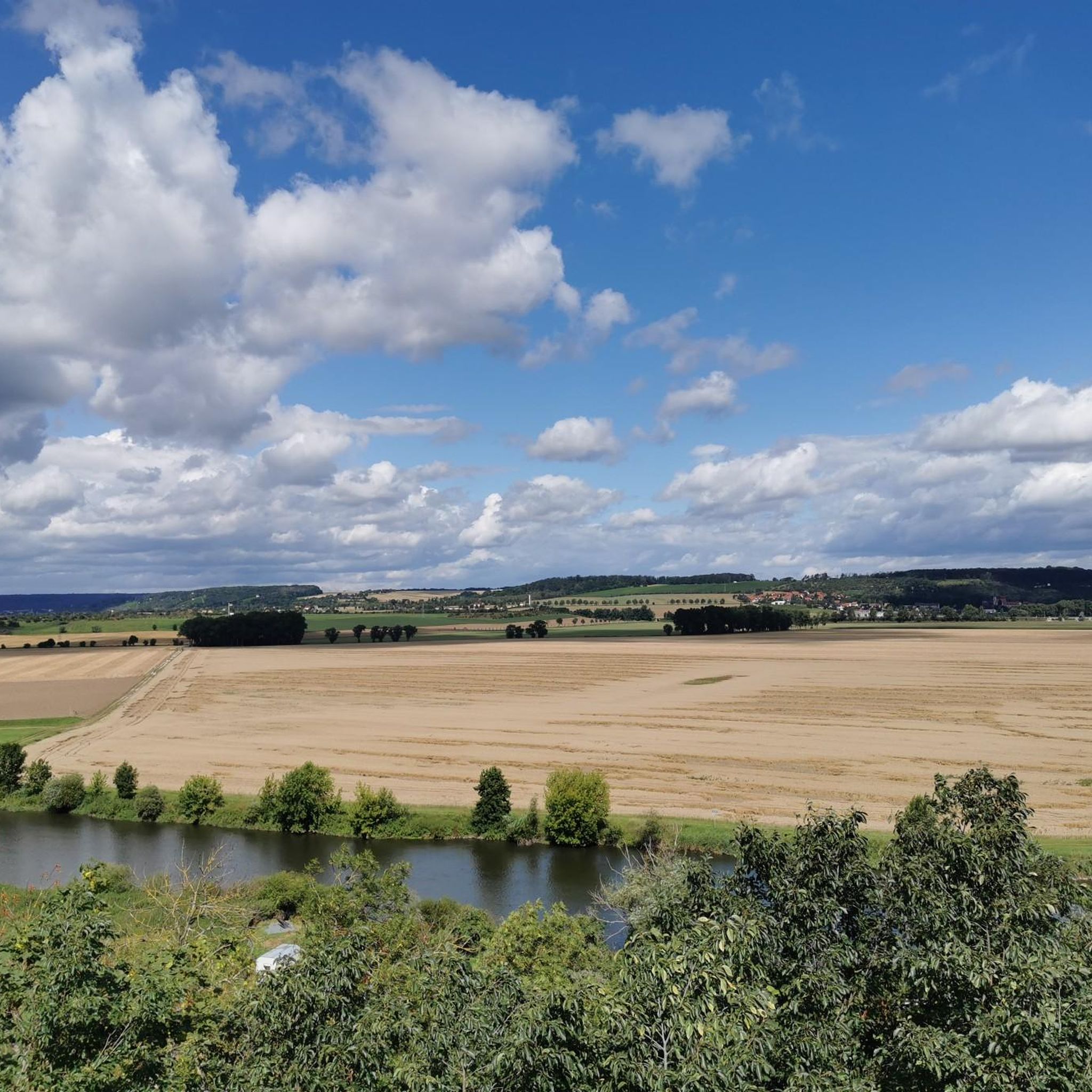
Best natural monuments around Schönburg are situated within a landscape defined by historic castles and significant river valleys. The area features geological formations, including sandstone cliffs that overlook the Saale River, providing a natural backdrop to historical sites. This region offers a combination of cultural heritage and natural beauty, appealing to those seeking outdoor exploration. Schönburg in Germany is known for its river confluences, scenic viewpoints, and areas with wild horses.
Best natural monuments around Schönburg
- The most popular natural…
Last updated: September 1, 2026
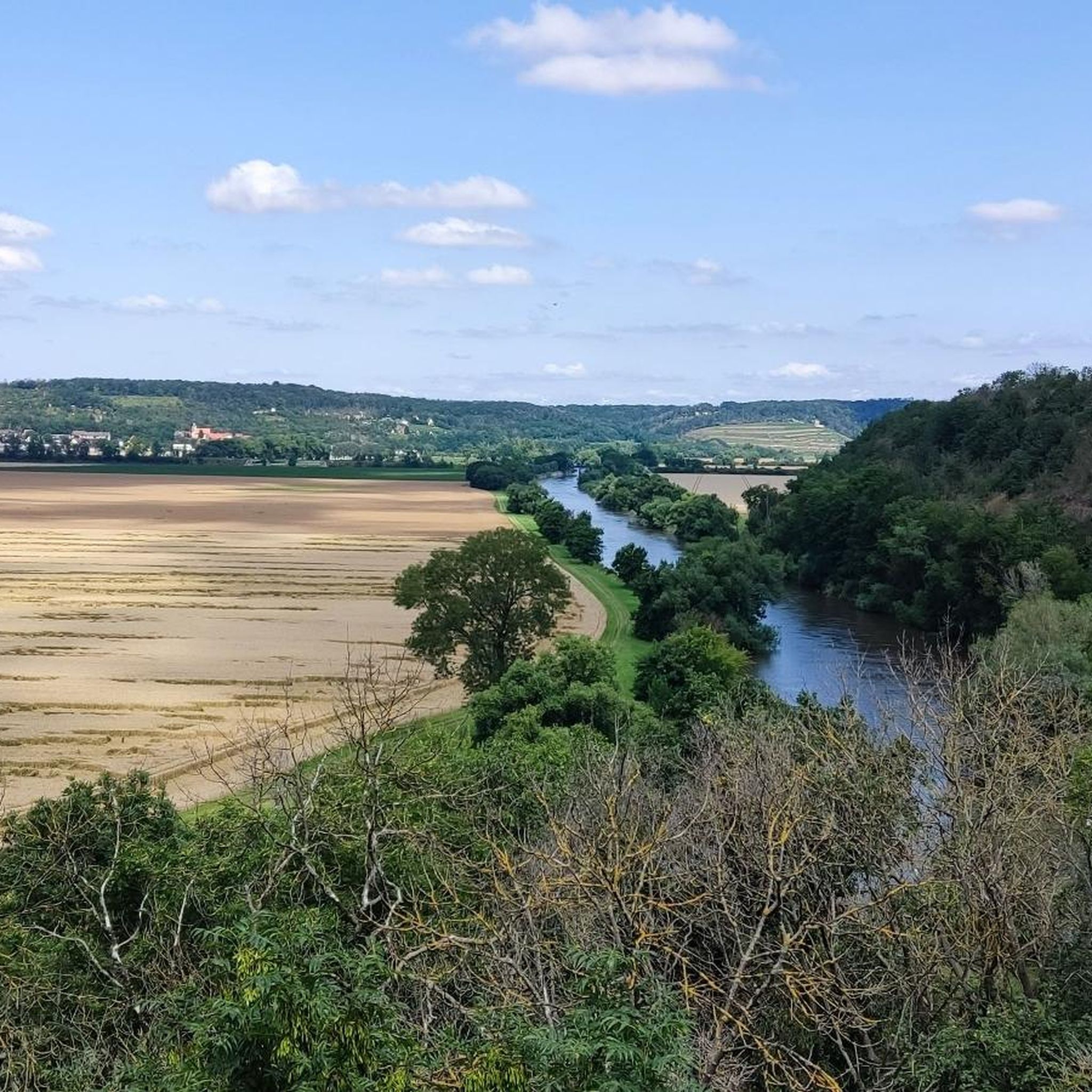
Ducal Vineyard below Neuenburg Castle
Highlight • Structure
High above the wine-growing town of Freyburg lies Neuenburg, the sister castle of Wartburg, founded around 1090 by the Thuringian Count Ludwig the Springer. The first mighty …
Translated by Google •
Tip by

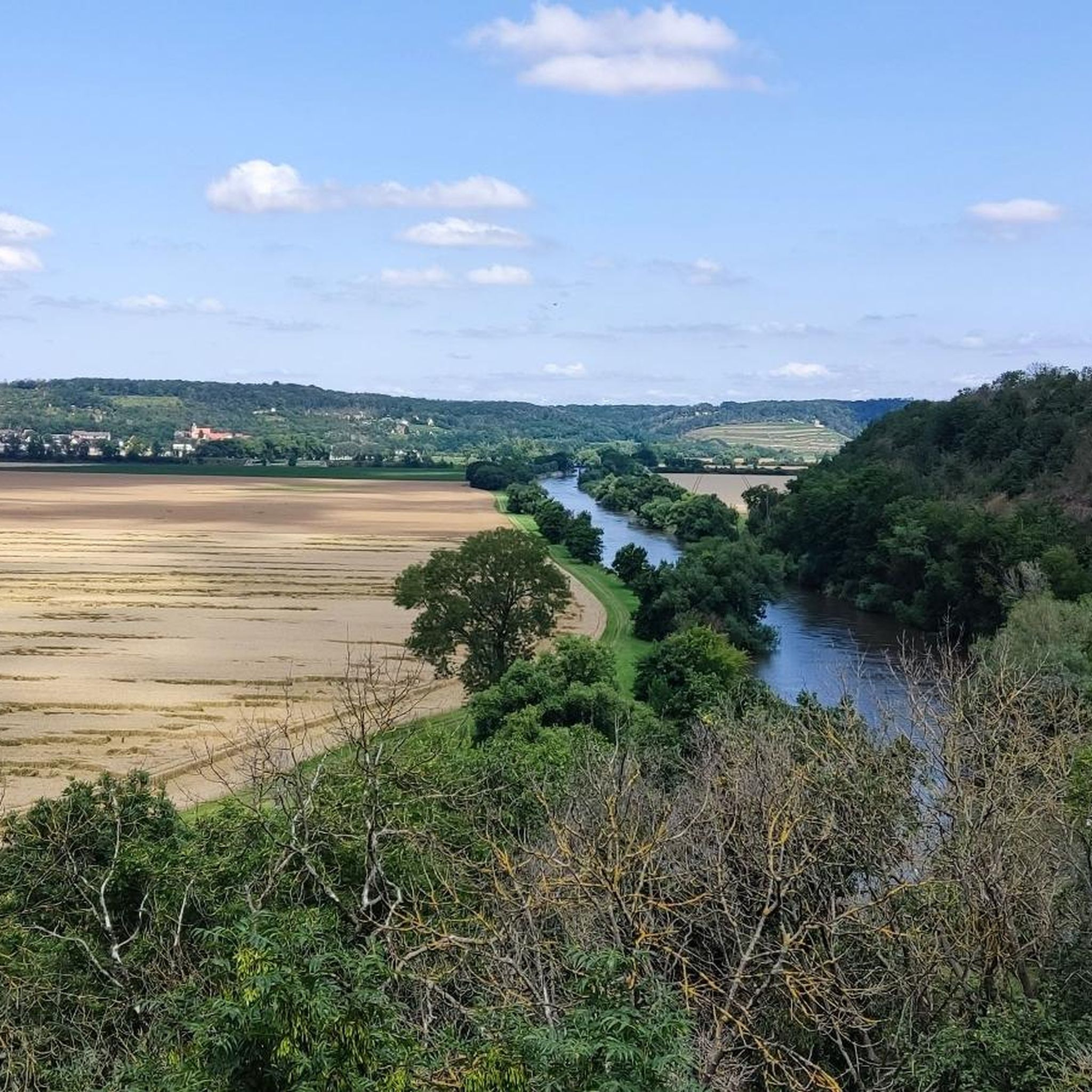
Confluence of the Saale and Unstrut Rivers
Highlight • River
Translated by Google •
Tip by

Sign up now to discover places like this
Get recommendations on the best single tracks, peaks, & plenty of other exciting outdoor places.
Sign up for free
Stone picture book Großjena
Highlight • Monument
Translated by Google •
Tip by

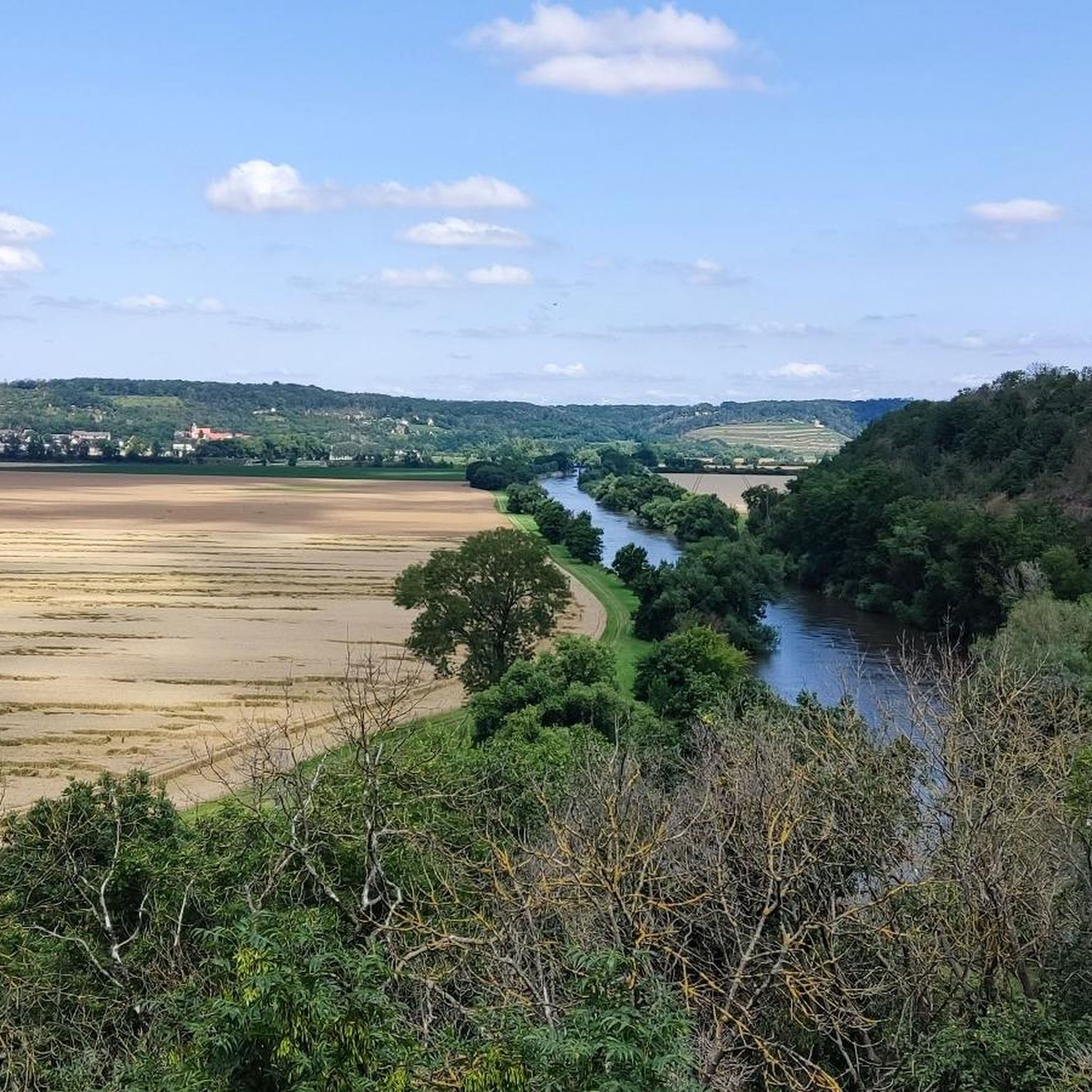
Saale-Unstrut vineyards
Highlight • Natural
Translated by Google •
Tip by

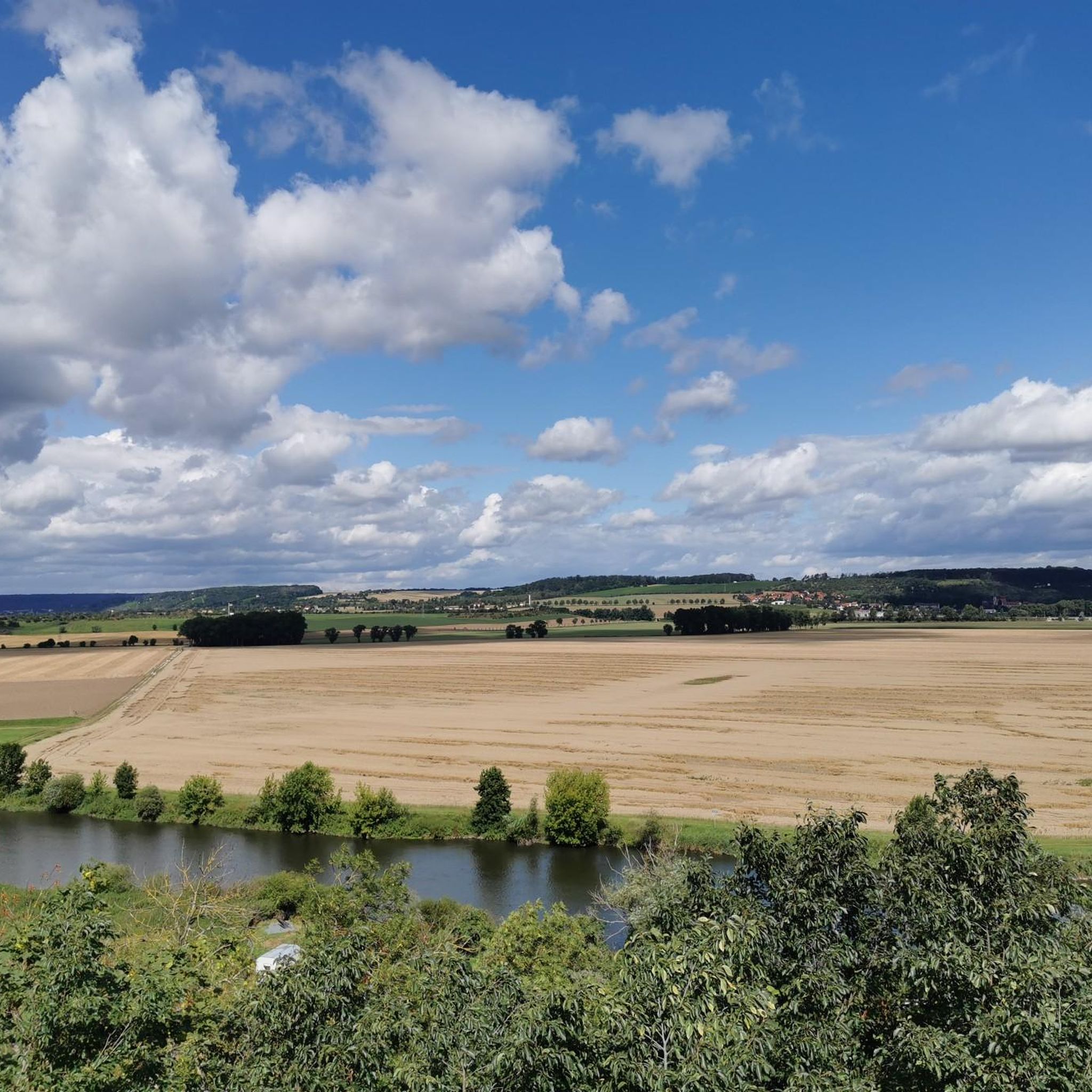
Konik horses in the Tote Täler Nature Reserve
Highlight • Natural
Translated by Google •
Tip by

Sign up for free to discover even more natural monuments around Schönburg.
Sign up for free
Already have an account?
Start today with a free account
Your next adventure awaits.
Login or Signup


Other adventures around Schönburg

Tips from the Community

A relaxing stroll along the vineyards offers several places to sit.
0
0

A good road to cycle on (even if it's "only" gravel). The views of the vineyards and the places to stop for refreshments more than compensate for the elevation gain ;-) The latter was manageable, though.
0
0

Wonderful view of the vineyards, the Saale river and a great cycle path 🚴🏻♂️🚴🏻♀️
2
0


I passed by here thanks to the diversion and it was a beautiful route here.
5
0

Beautiful section of the route, very suitable for souvenir photos.
2
0

The Saale-Unstrut vineyards are widely known
2
0

Here you can rest in several places with beautiful views and shade
2
0
Frequently Asked Questions
What types of natural monuments can I explore around Schönburg?
The region around Schönburg offers a diverse range of natural monuments. You can find significant river junctions like the Confluence of the Saale and Unstrut Rivers, dramatic geological features such as the sandstone cliffs overlooking the Saale, and areas known for wildlife, including the Konik horses in the Tote Täler Nature Reserve. The landscape also features cultivated natural areas like the Ducal Vineyard below Neuenburg Castle.
Are there family-friendly natural monuments in the Schönburg area?
Yes, several natural monuments are suitable for families. The Confluence of the Saale and Unstrut Rivers is a pleasant spot for all ages. The Konik horses in the Tote Täler Nature Reserve offer an exciting opportunity to observe wildlife, which is often a hit with children. Additionally, the View of Rudelsburg and Saaleck castles provides scenic vistas that can be enjoyed by the whole family.
What outdoor activities can I do near the natural monuments around Schönburg?
The area around Schönburg is excellent for various outdoor activities. You can find numerous routes for road cycling, such as the 'Schönburg Castle – Saale Cycle Path loop'. There are also easy hiking trails, including the 'Wooden Bridge over the Wethau – Schönburg Castle loop'. For mountain biking enthusiasts, trails like the 'Naumburg Market Square – View of the Freyburg Vineyards loop' are available. You can explore more options on the Road Cycling Routes around Schönburg, Easy hikes around Schönburg, and MTB Trails around Schönburg guide pages.
Can I see wildlife at the natural monuments around Schönburg?
Yes, you can. The Konik horses in the Tote Täler Nature Reserve are a prime example, offering a chance to observe these wild horses. The broader Schönbuch Nature Reserve, while not directly in Schönburg, is known for its diverse flora and fauna, including rare species like crested newts, hermit beetles, and various bats and woodpeckers, indicating a rich natural environment in the wider region.
What historical or cultural sites are integrated with the natural monuments?
The natural monuments around Schönburg are often intertwined with historical sites. For instance, the Ducal Vineyard below Neuenburg Castle combines a cultivated natural landscape with the historical Neuenburg Castle. The View of Rudelsburg and Saaleck castles offers a natural viewpoint to appreciate two historic castles. The Stone picture book Großjena is another example, featuring ancient stone carvings within a natural setting.
What geological features are prominent in the Schönburg natural monuments area?
The region is characterized by significant geological features, particularly the dramatic 40-meter-high mottled sandstone cliffs that Schönburg Castle (Saxony-Anhalt) sits upon, overlooking the Saale River. The confluence of the Saale and Unstrut Rivers is another notable geographical feature, marking where the 192 km long Unstrut flows into the 412 km long Saale.
What do visitors enjoy most about the natural monuments around Schönburg?
Visitors frequently highlight the stunning views, especially from spots like the View of Rudelsburg and Saaleck castles, which offers expansive vistas of the Saale valley. The combination of historical architecture with natural beauty, such as at the Ducal Vineyard below Neuenburg Castle, is also highly appreciated. Many enjoy the peaceful atmosphere and the opportunity to observe wildlife, like the Konik horses.
Are there any circular walks that include natural monuments near Schönburg?
Yes, there are several circular walks available. For example, the 'Wooden Bridge over the Wethau – Schönburg Castle loop' is an easy hike that allows you to experience the local natural beauty. You can find more options for circular routes on the Easy hikes around Schönburg guide page.
What is the best time to visit the natural monuments around Schönburg?
The natural monuments around Schönburg can be enjoyed throughout the year. Spring and autumn offer pleasant temperatures for hiking and cycling, with autumn being particularly scenic due to the changing colors of the vineyards and forests. Summer is ideal for river activities and enjoying the lush greenery. Even in winter, the landscape offers a unique charm, though some paths might be less accessible depending on snow conditions.
Are the natural monuments around Schönburg accessible by public transport?
While specific public transport details for each individual natural monument are not readily available, the region around Schönburg is generally accessible. Major towns like Naumburg (Saale) serve as hubs, and local buses or trains may connect to areas near some natural monuments. It is advisable to check local transport schedules for specific routes to your desired destination.
Are there cafes or refreshment options near the natural monuments?
While direct cafes at every natural monument are not guaranteed, many historical sites and viewpoints in the Schönburg area, such as those near castles, often have nearby eateries or taverns. For example, the Schönburg Castle itself has a tavern. In larger nearby towns like Naumburg or Freyburg, you will find a wider selection of cafes and restaurants.
Most popular routes around Schönburg
Most popular attractions around Schönburg

Get inspired with the komoot mobile app


Explore more
Extend your search for the best caves by checking out these guides of the top ones around Schönburg:
