Top 20 Natural Monuments around Görsbach
Best natural monuments around Görsbach are found in a region characterized by its diverse geography. Görsbach is situated in the agricultural Golden Aue, at the foot of the Harz Mountains, with the Helme river to its north. The area features varied landscapes, including the rising land of the Südharzer Zechsteingürtel to the north and the hills of the Windleite to the south. This location provides access to significant natural features and geological formations for exploration.
Best natural monuments around Görsbach
…Last updated: September 28, 2026
Farmer's ditch (episodic lake) (HWN 213)
Highlight • Lake
Translated by Google •
Tip by

Glockensteine — Stone Crosses (HWN 198)
Highlight • Monument
Translated by Google •
Tip by

Sign up now to discover places like this
Get recommendations on the best single tracks, peaks, & plenty of other exciting outdoor places.
Reesberg Sinkhole (HWN 214)
Highlight • Natural Monument
Translated by Google •
Tip by
Harz karst hiking trail
Highlight (Segment) • Lake
Translated by Google •
Tip by

Barbarossa Cave (Touringen Stamp Point No. 135)
Highlight • Cave
Translated by Google •
Tip by

Sign up for free to discover even more natural monuments around Görsbach.
Already have an account?
Start today with a free account
Your next adventure awaits.
Tips from the Community

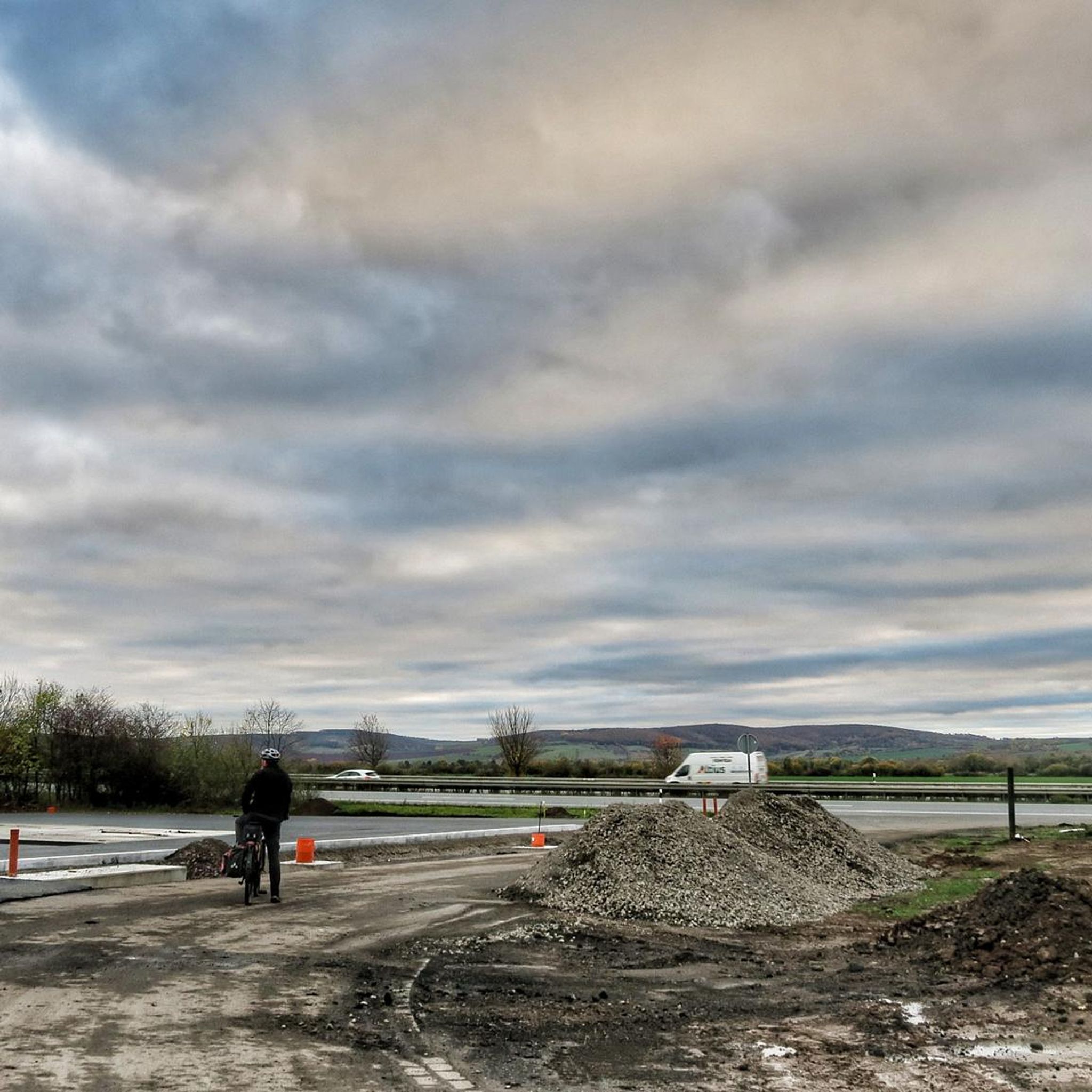
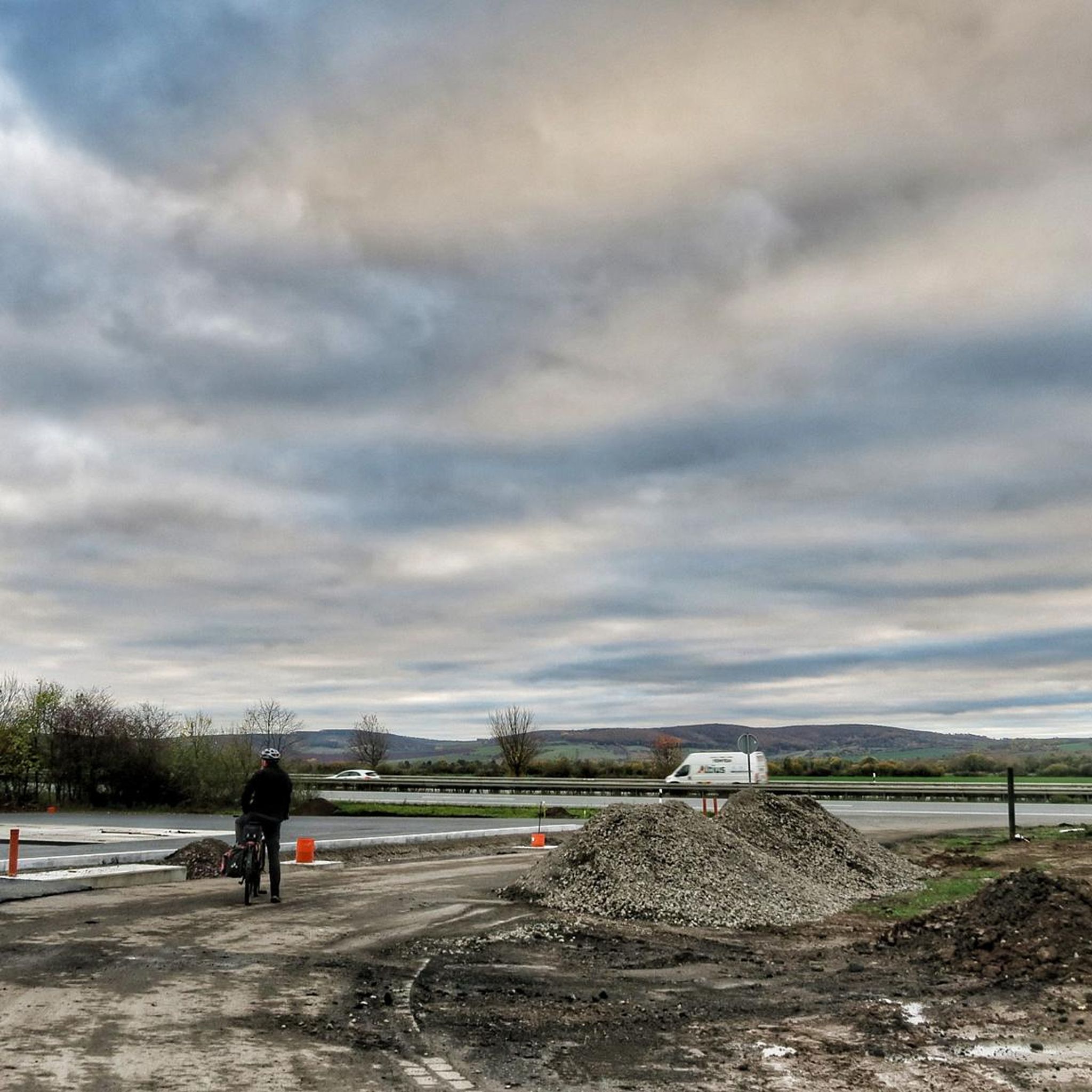
The Karst Trail extends over a length of 265 km.
1
0

The cozy restaurant serves Thuringian specialties. There is a snack bar with outdoor seating. Here you can wait with a drink and a little something to eat until the tours of the cave begin.
14
0
The Barbarossa Cave covers 13,000 square meters and is one of only two existing show caves in the world, made of anhydrite rock, making it a geological rarity. The unique charm of this magical subterranean world lies in the uniquely beautiful, multi-layered play of colors of the white to gray rock.
16
0

For me one of the most beautiful stamp points of the Harz hiking badge.
12
1

The Reesberg doline lies on a geological boundary between the Bunter sandstone and the anhydrites of the Zechstein. The spring water emerging from the Bunter sandstone is very clear and therefore has a high dissolving potential. It can absorb up to two grams of gypsum per liter and then flows underground. Source: Harzlife
15
0

Impressive natural monument. An information board explains the background.
9
1

The Barbarossa Cave was discovered purely by chance in December 1865 by miners searching for copper slate and was opened to the public as a show cave just two weeks later. On the approximately 800 m long, exciting journey of discovery through Barbarossa's underground kingdom full of wonders and secrets, you will experience earth's history with all your senses and at the same time learn a lot of interesting things about Emperor Friedrich I Barbarossa and the old legend that surrounds him. Be enchanted by huge, expansive cavities and crystal-clear, shimmering blue-green lakes with their breathtaking ceiling reflections. Spectacular and unique in the world: In the “tannery”, bizarrely curved “plaster rags” over a meter long hang down from the ceiling, reminiscent of hides and hides hung up to dry. The cave rock anhydrite (CaSO4) absorbs the high humidity like a sponge and thereby transforms itself into gypsum.
7
0

The Karstwanderweg is a beautiful hiking trail with very interesting scenery.
1
0
Frequently Asked Questions
What unique natural features can I explore near Görsbach?
The region around Görsbach offers diverse natural features. You can explore the fascinating Farmer's ditch (episodic lake) (HWN 213), a unique karst phenomenon that forms a lake irregularly. Another impressive site is the Reesberg Sinkhole (HWN 214), where clear spring water has dissolved gypsum to create a distinctive geological formation. The area is also at the foot of the Harz Mountains, known for its varied landscapes.
Are there family-friendly natural monuments around Görsbach?
Yes, several natural monuments in the area are suitable for families. The Farmer's ditch (episodic lake) (HWN 213) is a great spot, offering a tranquil setting and an interesting natural phenomenon. The Glockensteine — Stone Crosses (HWN 198) also provides an easy walk with scenic views, making it enjoyable for all ages. Additionally, the Barbarossa Cave (Touringen Stamp Point No. 135) is a family-friendly attraction, being one of only two accessible anhydrite caves in the world.
What kind of outdoor activities can I do near Görsbach's natural monuments?
The region around Görsbach is excellent for various outdoor activities. You can find numerous routes for mountain biking, road cycling, and running. For example, there are MTB Trails around Görsbach, Road Cycling Routes around Görsbach, and Running Trails around Görsbach. Many of these routes pass by or are close to the natural monuments, offering a great way to combine sightseeing with exercise.
Are there specific hiking trails associated with these natural monuments?
Yes, the Farmer's ditch (episodic lake) (HWN 213) is accessible via a section of the Karstwanderweg (Karst Hiking Trail), which is a well-known route in the region. The Harz karst hiking trail itself offers great hiking through deciduous forests to episodic lakes and other natural features. The Glockensteine — Stone Crosses (HWN 198) can be reached via the Schwarzer Weg, which is part of the Luther trail.
What is the best time of year to visit the natural monuments around Görsbach?
The natural monuments around Görsbach can be visited year-round, with each season offering a different experience. Spring and autumn provide pleasant temperatures for hiking and exploring, with vibrant foliage or blooming nature. Summer is ideal for longer outdoor activities. Even in winter, the landscape can be picturesque, especially around the Harz Mountains, though some trails might require appropriate gear.
Can I bring my dog to the natural monuments in the Görsbach area?
Generally, many natural areas and trails around Görsbach are dog-friendly. However, it's always recommended to keep dogs on a leash, especially in nature reserves or near wildlife. Specific rules might apply to certain sites, so checking local signage is advisable. The open landscapes and hiking trails offer good opportunities for walks with your dog.
Are there any viewpoints offering scenic vistas of the region?
Yes, the Glockensteine — Stone Crosses (HWN 198) is a notable viewpoint, offering beautiful views of the Kyffhäuser and Nordhausen. Many of the trails in the Harz Mountains foothills also provide scenic overlooks of the diverse landscapes, including the Golden Aue and the surrounding hills.
What geological formations are prominent in the Görsbach region?
Görsbach is situated in a geologically interesting area. It lies at the foot of the Harz Mountains and within the Golden Aue. To the north, the land rises to the Südharzer Zechsteingürtel, and to the south, you'll find the hills of the Windleite. Karst phenomena are particularly prominent, as seen in the Farmer's ditch (episodic lake) (HWN 213) and the Reesberg Sinkhole (HWN 214), where water dissolves gypsum and anhydrite rock.
Where can I find parking when visiting natural monuments near Görsbach?
Parking availability varies by location. For popular sites like the Barbarossa Cave (Touringen Stamp Point No. 135), dedicated parking facilities are usually available. For other natural monuments or trailheads, you may find smaller parking areas or roadside parking. It's advisable to check specific access points for each monument when planning your visit.
What historical or cultural landmarks are near the natural monuments?
While focusing on natural monuments, the region also has historical significance. The Glockensteine — Stone Crosses (HWN 198) are historical atonement crosses with a local legend. The Barbarossa Cave (Touringen Stamp Point No. 135) is not only a natural wonder but also a historical site. The broader Harz region and nearby towns like Nordhausen offer additional historical and cultural attractions.
How long should I plan for a visit to the natural monuments around Görsbach?
The duration of your visit depends on which natural monuments you plan to see and what activities you wish to undertake. A visit to a single site like the Reesberg Sinkhole (HWN 214) might take an hour or two, including time to read information boards. For a more extensive experience, such as hiking along the Karst Hiking Trail to the Farmer's ditch (episodic lake) (HWN 213), you might want to dedicate half a day or more.
Are there options for food and accommodation near the natural monuments?
Yes, the region offers various options for food and accommodation. The Barbarossa Cave (Touringen Stamp Point No. 135) has a cozy restaurant serving Thuringian specialties and a snack bar. In Görsbach itself and the surrounding towns like Nordhausen, you can find cafes, pubs, and guesthouses. The Harz Mountains region, being a popular tourist destination, also provides ample choices for dining and lodging.
What makes the Bauerngraben (episodic lake) so special?
The Farmer's ditch (episodic lake) (HWN 213) is special because it's an episodic lake, meaning it forms irregularly due to karst phenomena. It's impressive whether it's full of water or empty, revealing the meanders of the Glasebach. It's also a stamping point for the Harz hiking pin and offers a lovely tranquil spot with picturesque rocky embankments.
What is the significance of the Glockensteine — Stone Crosses?
The Glockensteine — Stone Crosses (HWN 198) are three atonement crosses, though only one is still clearly recognizable as such. They stand by a beautiful meadow and offer a great view of the Kyffhäuser and Nordhausen. According to local legend, a bell founder from Stollberg killed his journeyman there, adding a historical and mythical layer to this natural monument.
Most popular routes around Görsbach
Most popular attractions around Görsbach

Get inspired with the komoot mobile app


Explore more
Extend your search for the best caves by checking out these guides of the top ones around Görsbach:
