Top 20 Natural Monuments around Bilzingsleben
Best natural monuments around Bilzingsleben include geological formations and preserved natural areas. The region is known for its archaeological significance, particularly the Steinrinne site, characterized by travertine deposits that preserved paleoanthropological findings. The landscape features surrounding mountains and a local fault line responsible for numerous springs. These natural processes have shaped the environment and preserved historical data, offering insights into the Middle Pleistocene environment.
Best natural monuments around Bilzingsleben
- The most popular natural monuments is Gypsum hill in the Kyffhäuser…
Last updated: September 28, 2026
Barbarossa Cave (Touringen Stamp Point No. 135)
Highlight • Cave
Translated by Google •
Tip by

Gypsum hill in the Kyffhäuser
Highlight • Natural Monument
Translated by Google •
Tip by

Sign up now to discover places like this
Get recommendations on the best single tracks, peaks, & plenty of other exciting outdoor places.
Barbarossa Cave
Highlight • Cave
Translated by Google •
Tip by
Elisabeth Spring
Highlight • Natural Monument
Translated by Google •
Tip by

Gründelsloch Karst Spring
Highlight • Natural Monument
Translated by Google •
Tip by

Sign up for free to discover even more natural monuments around Bilzingsleben.
Already have an account?
Start today with a free account
Your next adventure awaits.
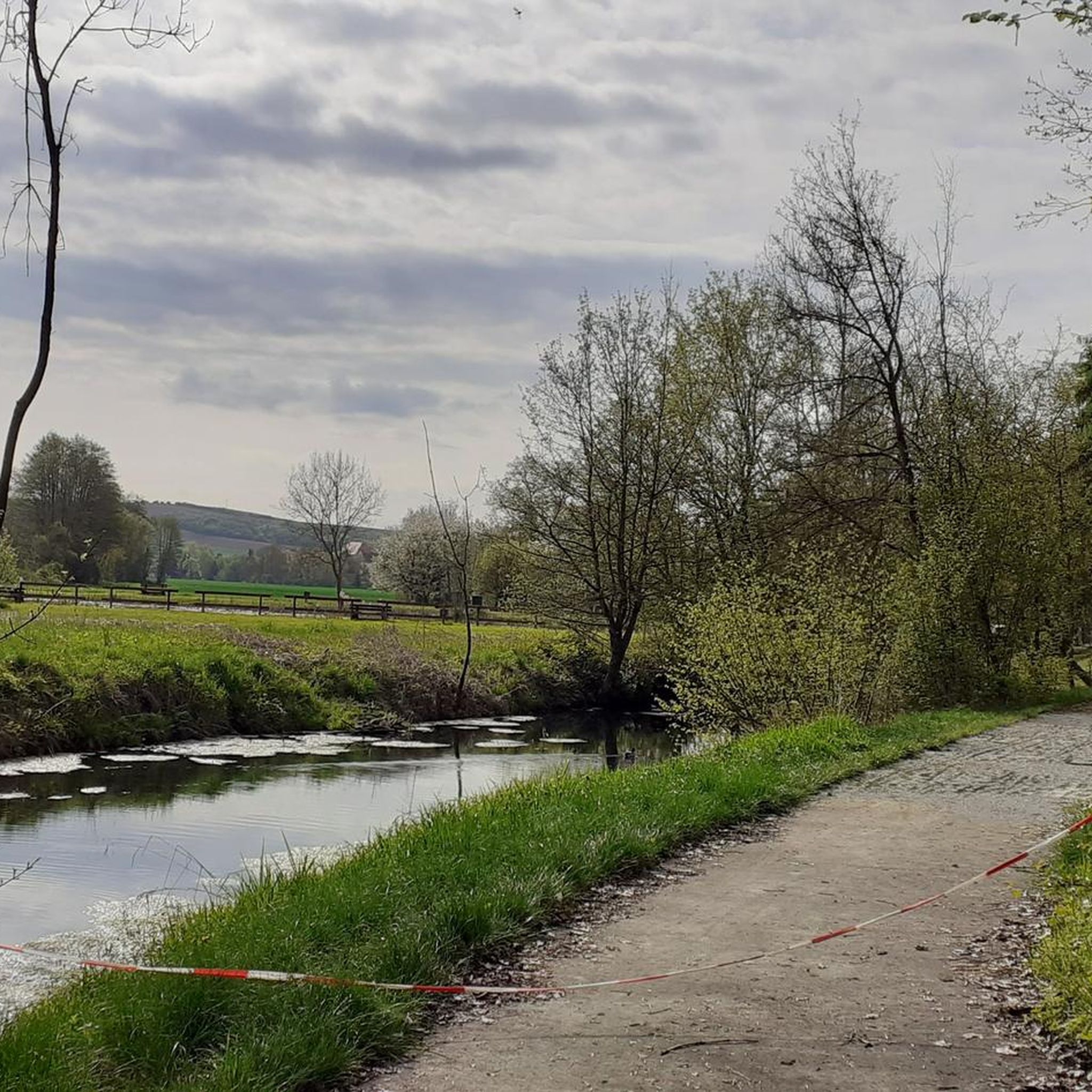
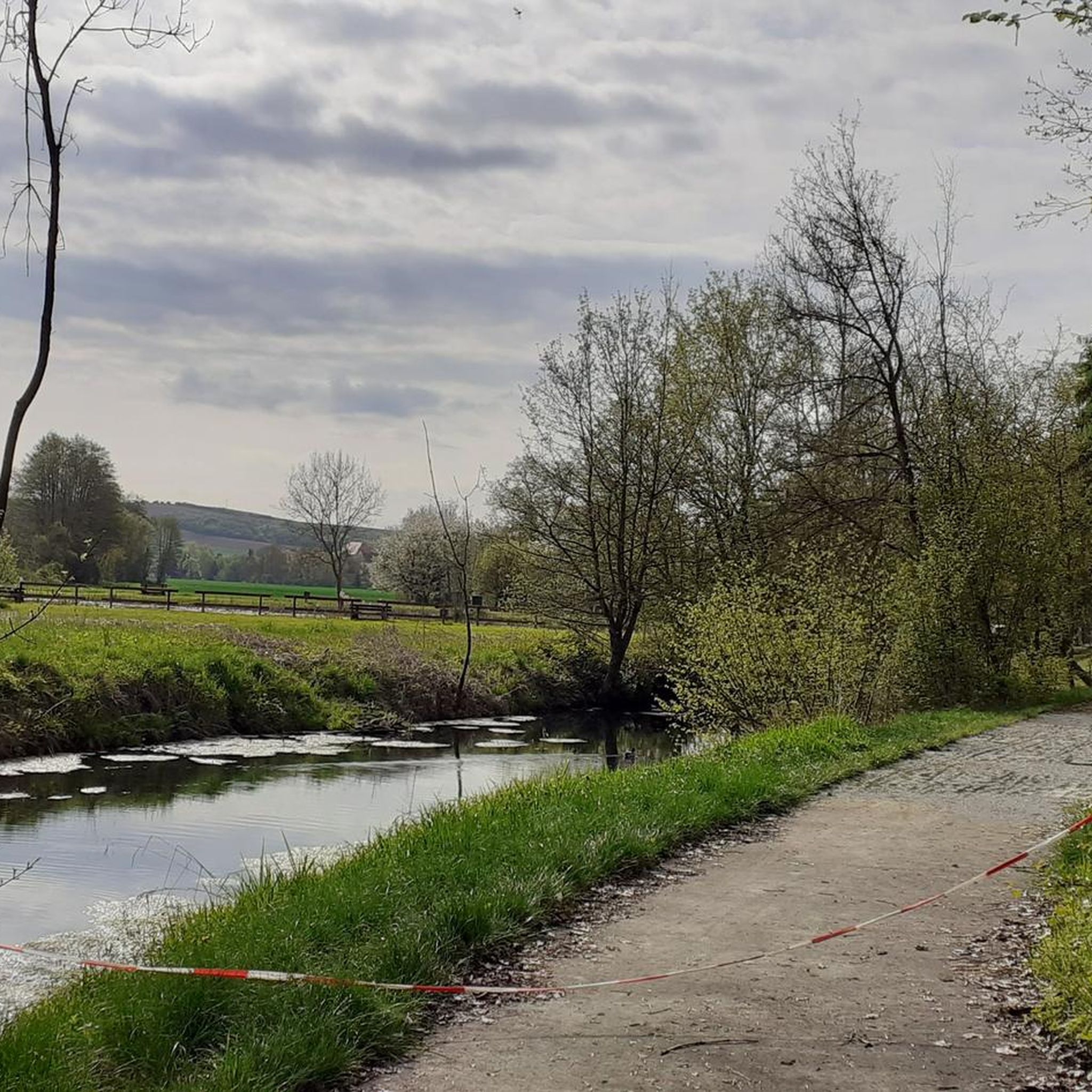
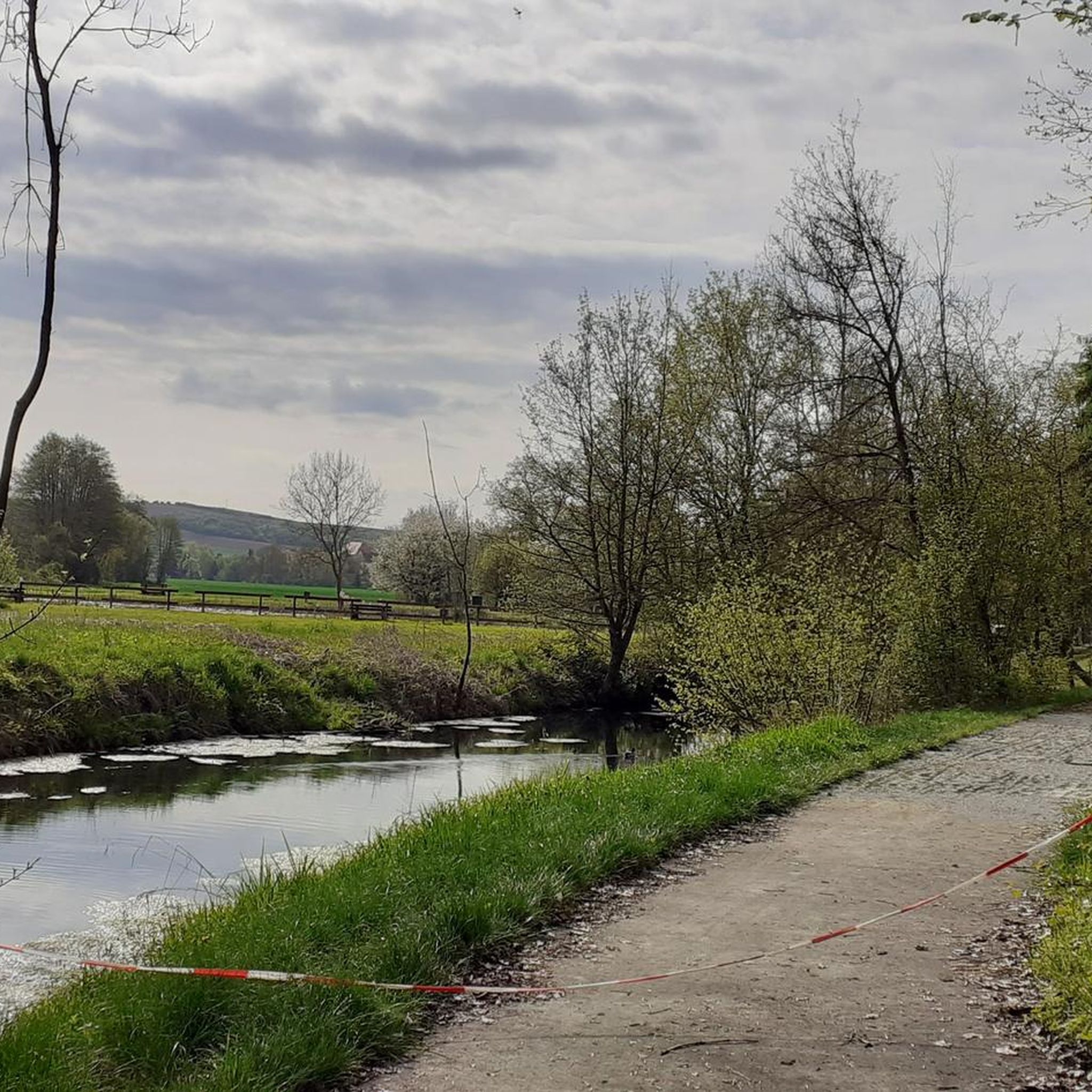
Tips from the Community

Here you can marvel at amazing formations of gypsum and anhydrite.
1
0

The cozy restaurant serves Thuringian specialties. There is a snack bar with outdoor seating. Here you can wait with a drink and a little something to eat until the tours of the cave begin.
14
0
The Barbarossa Cave covers 13,000 square meters and is one of only two existing show caves in the world, made of anhydrite rock, making it a geological rarity. The unique charm of this magical subterranean world lies in the uniquely beautiful, multi-layered play of colors of the white to gray rock.
16
0
The Barbarossa Cave was discovered purely by chance. The idea was to revive copper shale mining in the Kyffhäuser region. In 1860, the entrepreneur Wilhelm von Born therefore had a tunnel dug beneath the ruins of the Falkenburg and directly on the old salt road to Bad Frankenhausen. Meter by meter, the miners penetrated further and further into the mountain. And then: after a distance of 178 meters, on December 22, 1865, the mountain suddenly opened up in front of them - they came across natural cavities of impressive size and beauty.
13
0
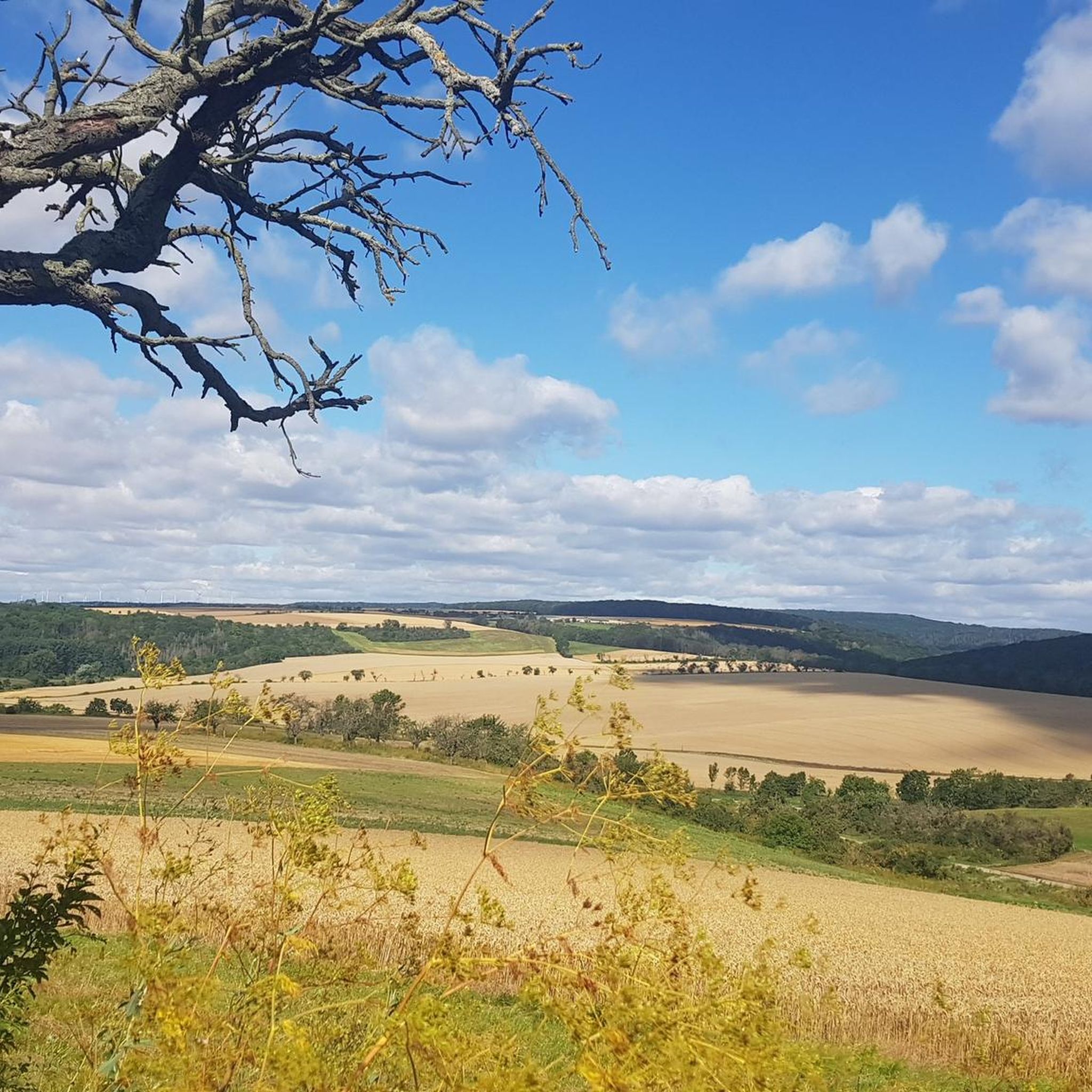
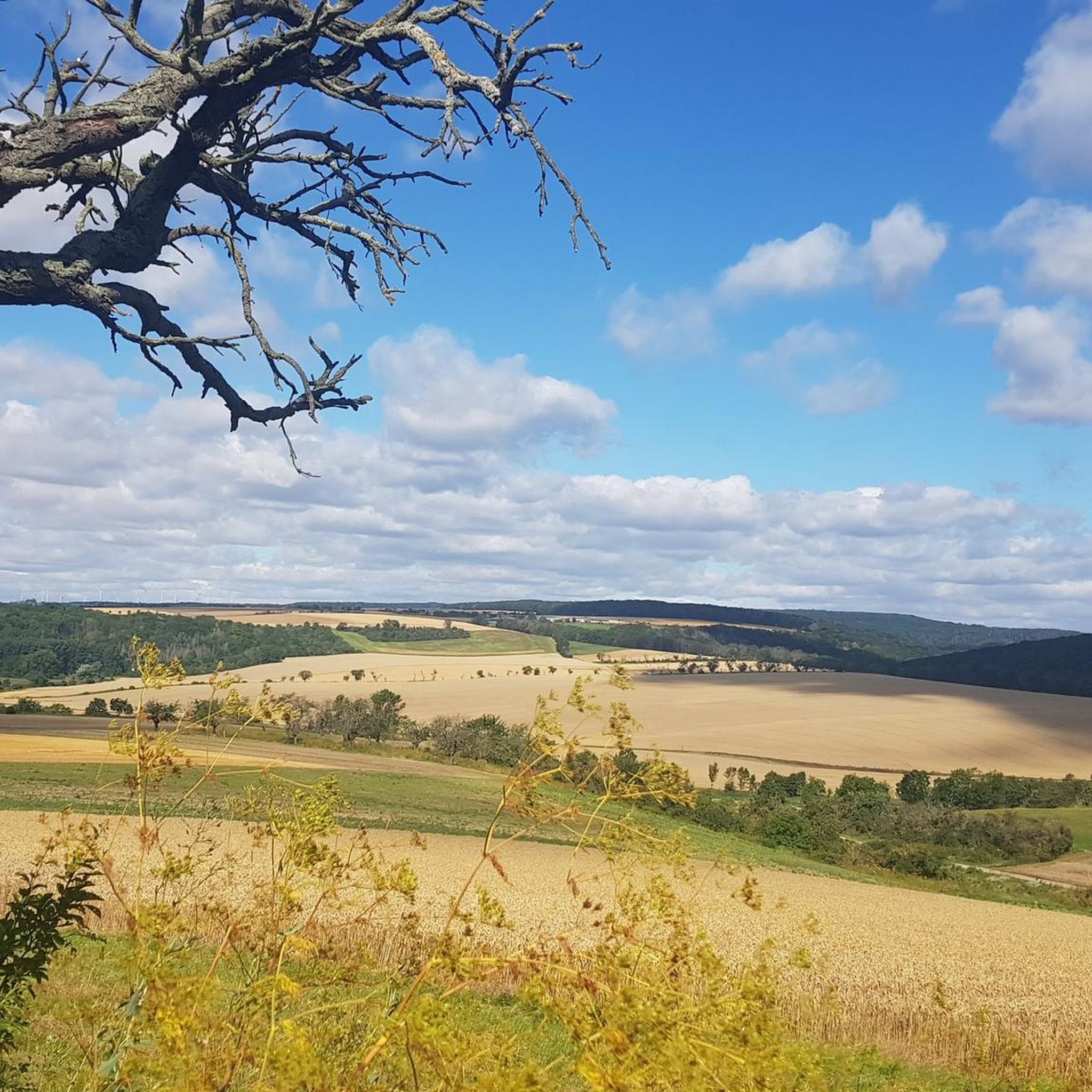
The South Harz gypsum karst landscape stretches for around 100 kilometers in length but only a few kilometers in width on the southern slope of the Harz Mountains. Here you can find a wide variety of karst phenomena such as sinkholes, dolines, caves and stream sinkholes, which are unique in Europe in such large numbers in such a small area. The gypsum karst area in the South Harz is the largest and most important gypsum karst area in Central Europe. The Gipskuppe is one of the unique areas worth protecting.
14
1

The gypsum karst landscape is simply beautiful.
1
3
The Barbarossa Cave was discovered in 1865 by miners searching for copper shale and opened to the public as a show cave two weeks later. A visit is definitely worthwhile, admission costs €9.50.
3
0

The Gründelsloch near Kindelbrück is one of the most impressive and important karst springs in Thuringia. It was created by the dissolution of limestone in the subsoil. The resulting underground cavity collapsed in 1611, causing a sinkhole and the spring to emerge. The active karst spring, with a diameter of 22 m and a discharge of around 15,600 l per minute, has several older precursor springs that are lined up like a string of pearls from northwest to southeast in the area of the Kindelbrück fault zone and dried up again over time. Examples of these dried-up precursor springs are the Kuhborn, around 700 meters away, or the karst spring on the Steinrinne. Source: display board
9
0
Frequently Asked Questions
What unique geological features can I explore around Bilzingsleben?
The region offers several distinct geological formations. The Gypsum hill in the Kyffhäuser features crystallized gypsum rock that glitters in the sun, part of a unique gypsum karst landscape. The Barbarossa Cave is a geological rarity, being one of only two accessible anhydrite show caves in the world, known for its multi-layered colors and shimmering blue-green lakes. Additionally, the Steinrinne archaeological site, though not a Komoot highlight, is a former travertine quarry crucial for its preserved paleoanthropological findings, showcasing travertine deposits formed by mineral springs.
Are there any family-friendly natural monuments in the area?
Yes, several natural monuments are suitable for families. The Barbarossa Cave is a popular excursion destination developed for tourism, offering an engaging underground experience. The Esperstedter Ried Nature Reserve is also family-friendly, with bike lanes and a lookout tower for birdwatching. The Elisabeth Spring offers a very nice park and beautiful gardens near Bad Frankenhausen.
What kind of historical significance do the natural monuments around Bilzingsleben hold?
The natural landscape around Bilzingsleben is deeply intertwined with its history. The Steinrinne archaeological site, a former travertine quarry, is one of Europe's most important Early Paleolithic sites. Its travertine deposits remarkably preserved evidence of early human habitation, including what might be some of the world's oldest dwellings and art, dating back approximately 400,000 years. The Barbarossa Cave also has historical connections, linked to the legend of Emperor Friedrich I Barbarossa.
What outdoor activities can I do near these natural monuments?
The region offers various outdoor activities. You can find numerous cycling routes, including road cycling and touring bicycle options, that pass by or near these natural attractions. For example, there are routes like the 'Wipper Gorge – Wipper Gorge loop from Bilzingsleben' for cycling. Mountain biking trails are also available, such as the 'Thuringian Gate loop from Bad Frankenhausen/Kyffhäuser'. You can explore more routes in the Road Cycling Routes around Bilzingsleben, Cycling around Bilzingsleben, and MTB Trails around Bilzingsleben guides.
Are there any natural viewpoints to enjoy scenic landscapes?
Yes, the Esperstedter Ried Nature Reserve features a lookout tower, perfect for birdwatching and admiring the unique inland salt spots and wetland landscape. The Thuringian Gate, a natural breakthrough of the Unstrut river near Sachsenburg, also offers expansive views of the river and surrounding scenery, including a picturesque railway viaduct.
What is the best time to visit the natural monuments around Bilzingsleben?
The best time to visit depends on your interests. The dry karst slopes of the Gypsum hill in the Kyffhäuser are special at any time of year, but they are particularly vibrant in spring when wildflowers bloom. The Barbarossa Cave is an underground attraction, making it a good option regardless of the weather outside. For birdwatching at Esperstedter Ried Nature Reserve, spring and autumn migration periods are often ideal.
Can I bring my dog to the natural monuments?
Policies regarding dogs vary by location. While many outdoor natural areas like the Gypsum hill in the Kyffhäuser and the Thuringian Gate are generally dog-friendly, it's always best to check specific regulations, especially for nature reserves like Esperstedter Ried, where wildlife protection might impose restrictions. Dogs are typically not allowed inside show caves like the Barbarossa Cave due to the delicate environment and visitor safety.
Are there facilities like cafes or restaurants near these natural monuments?
Yes, the Barbarossa Cave has a cozy restaurant serving Thuringian specialties and a snack bar with outdoor seating, where you can relax before or after your cave tour. For other natural monuments, you'll find cafes, pubs, and accommodation options in nearby towns and villages around Bilzingsleben.
What makes the Esperstedter Ried Nature Reserve unique?
The Esperstedter Ried Nature Reserve is unique for its inland salt spots, which are a rare natural phenomenon. This wetland area provides a habitat for diverse bird species, making its lookout tower an excellent spot for birdwatching. It also features beautiful landscapes and good bike lanes for exploration.
How was the Barbarossa Cave discovered?
The Barbarossa Cave was discovered purely by chance in 1865. Miners, working on a tunnel beneath the ruins of Falkenburg to revive copper shale mining, unexpectedly broke through into natural cavities of impressive size and beauty after digging 178 meters into the mountain.
What is the significance of the Elisabeth Spring?
The Elisabeth Spring is known for its distinct salty taste, indicating its unique mineral composition. It is situated within a very nice park with beautiful gardens near the swimming pool in Bad Frankenhausen, offering a pleasant natural and recreational spot.
Are there any less crowded natural attractions near Bilzingsleben?
While the main highlights attract visitors, exploring the broader South Harz gypsum karst landscape around the Gypsum hill in the Kyffhäuser can lead to quieter spots. The Thuringian Gate, while scenic, might also offer a more tranquil experience compared to the more developed attractions, especially during off-peak hours.
Most popular routes around Bilzingsleben
Most popular attractions around Bilzingsleben

Get inspired with the komoot mobile app


Explore more
Extend your search for the best caves by checking out these guides of the top ones around Bilzingsleben:
