Top 20 Natural Monuments around Krölpa
Natural monuments around Krölpa, located in the Saale-Orla district of Thuringia, Germany, showcase a landscape shaped by ancient geological processes and rich biodiversity. The region features remnants of a Zechstein reef system, offering insights into its geological history. These natural sites provide diverse habitats for flora and fauna, including rare plant species. Krölpa's natural environment is characterized by scenic viewpoints, unique rock formations, and protected areas.
Best natural monuments around Krölpa
- The most popular natural monuments is Teufelskanzel Viewpoint (Saale Bend), a viewpoint that offers a great view of the Saale loop. This rock formation provides a scenic natural setting.
- Another must-see spot is Kulm Tower, a viewpoint and historical structure. Visitors can climb the 20-meter-high tower, one of Germany's oldest steel lattice towers, for panoramic views.
- Visitors also love Rudolstadt Riviera sandstone cliffs (closed), a geological natural monument. This area is known for its variegated sandstone cliffs, which are particularly striking in autumn.
- Krölpa is known for its geological formations, viewpoints, and caves. The area offers a variety of natural monuments to see and explore, from ancient reefs to unique rock formations.
- The natural monuments around Krölpa are appreciated by the komoot community, with more than 650 upvotes and over 800 photos shared.
Last updated: September 28, 2026
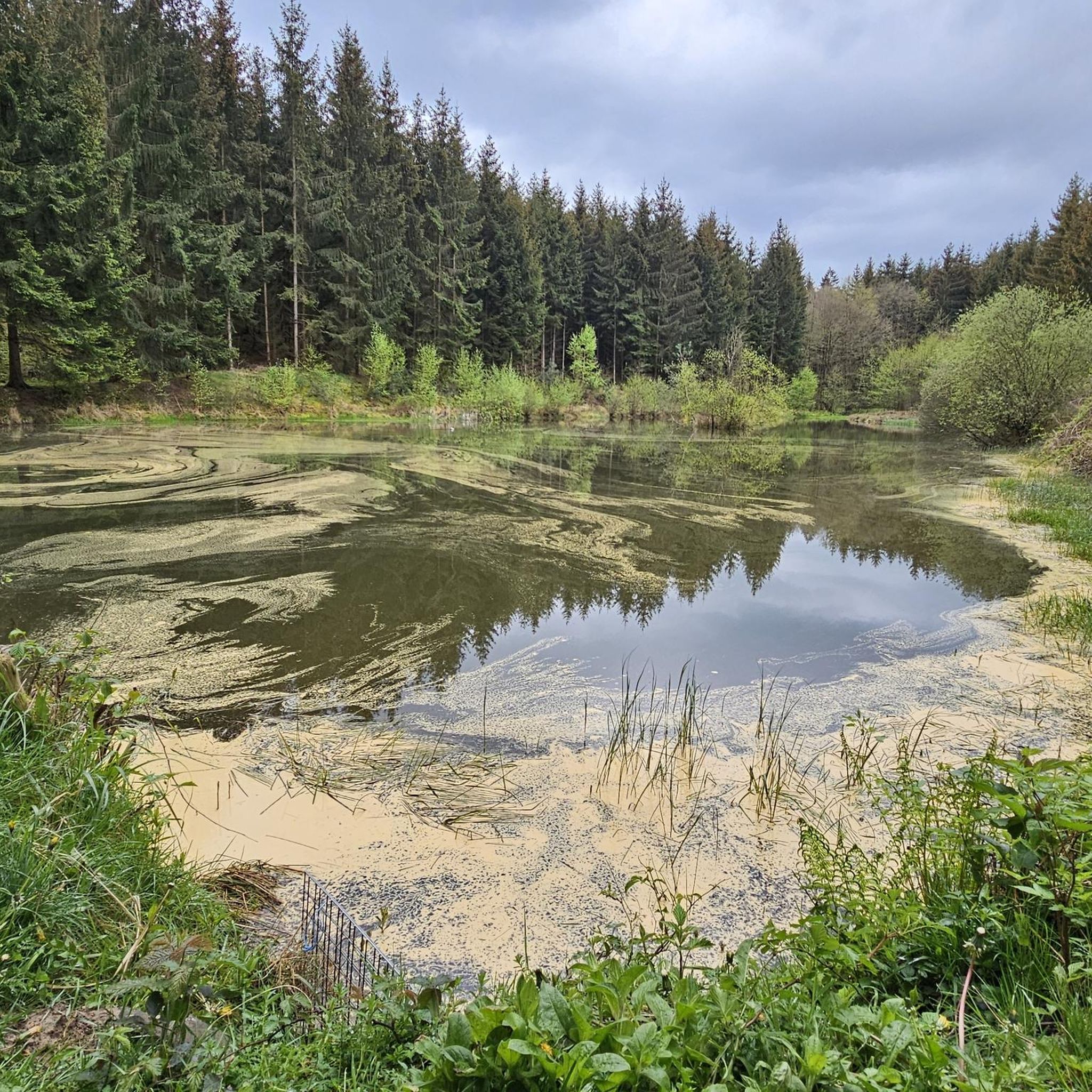
Rudolstadt Riviera sandstone cliffs (closed)
Highlight • Natural Monument
Translated by Google •
Tip by

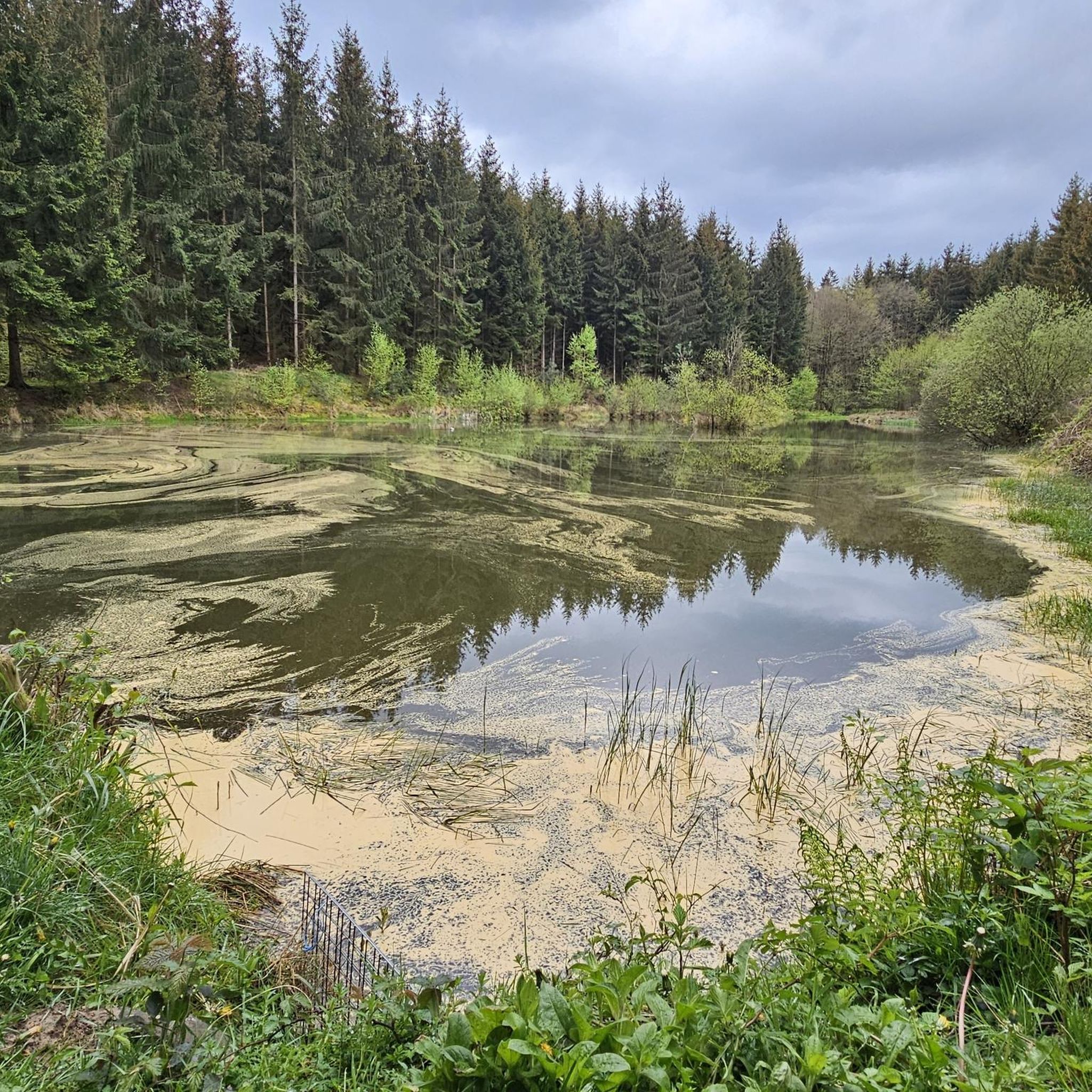
Schillerhöhe Memorial
Highlight • Monument
Translated by Google •
Tip by

Sign up now to discover places like this
Get recommendations on the best single tracks, peaks, & plenty of other exciting outdoor places.
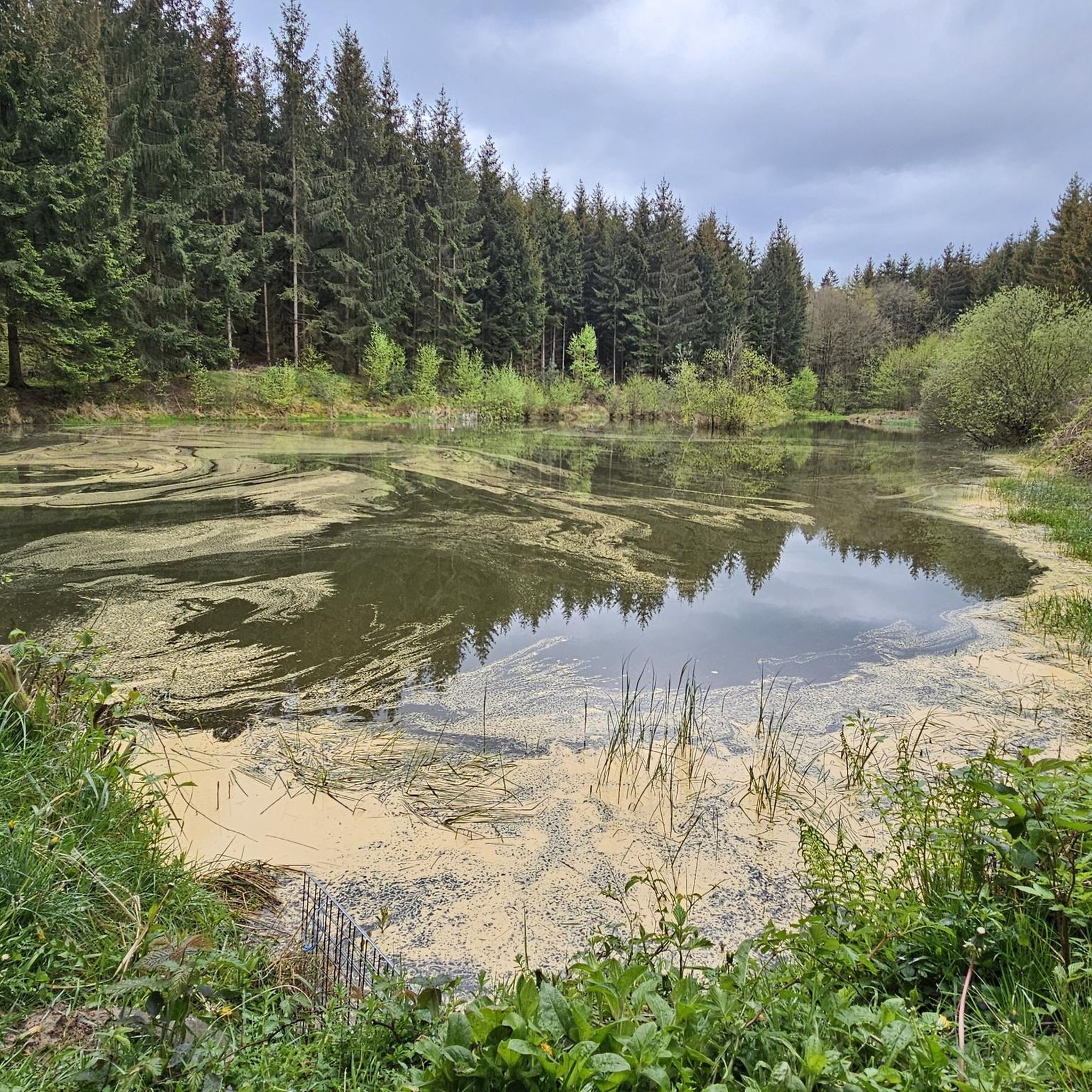
Kulm Tower
Highlight • Viewpoint
Translated by Google •
Tip by
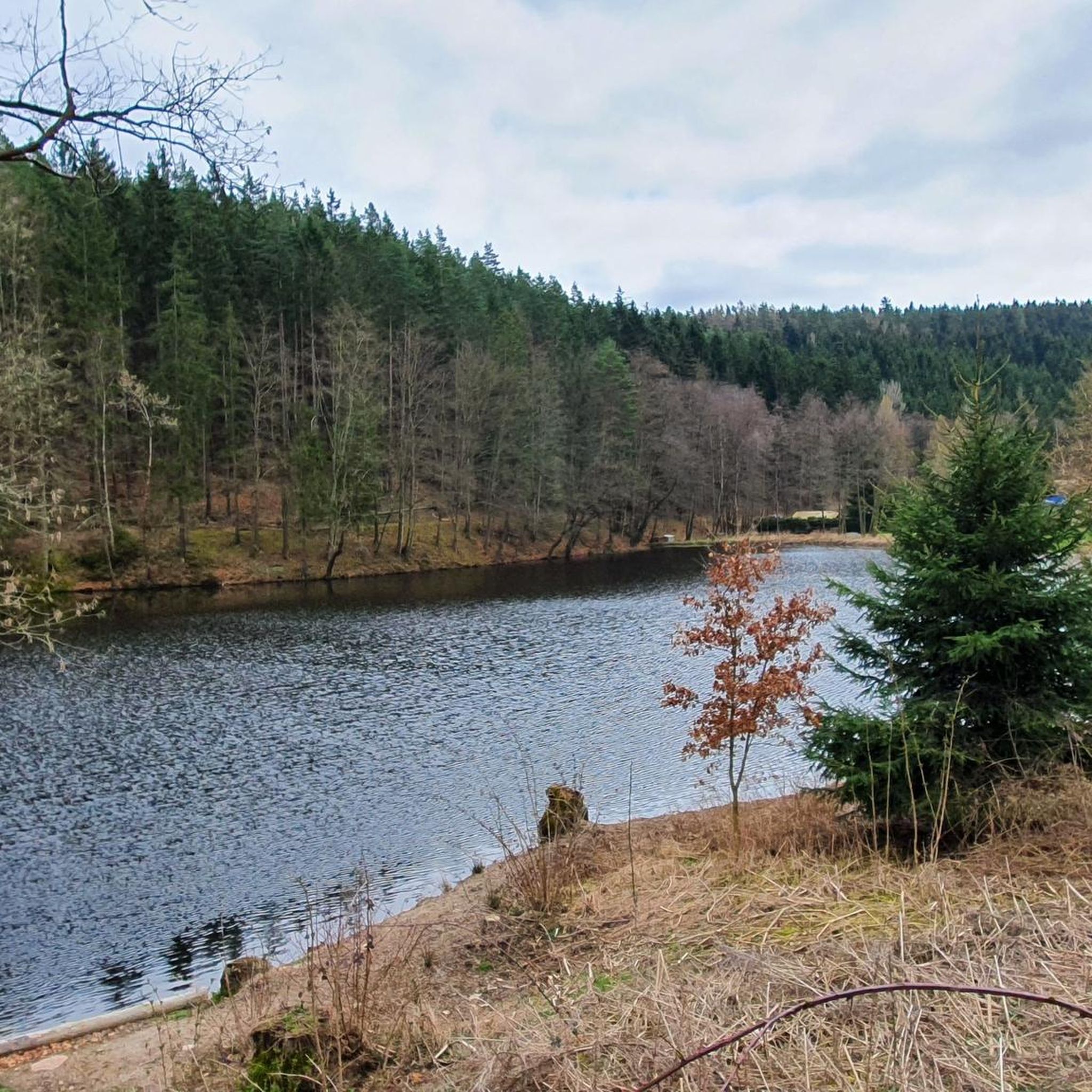
Teufelskanzel Viewpoint (Saale Bend)
Highlight • Viewpoint
Translated by Google •
Tip by

View of the Saale River Bend (Saaleschleife)
Highlight • Viewpoint
Showing Translation
Tip by

Sign up for free to discover even more natural monuments around Krölpa.
Already have an account?
Start today with a free account
Your next adventure awaits.
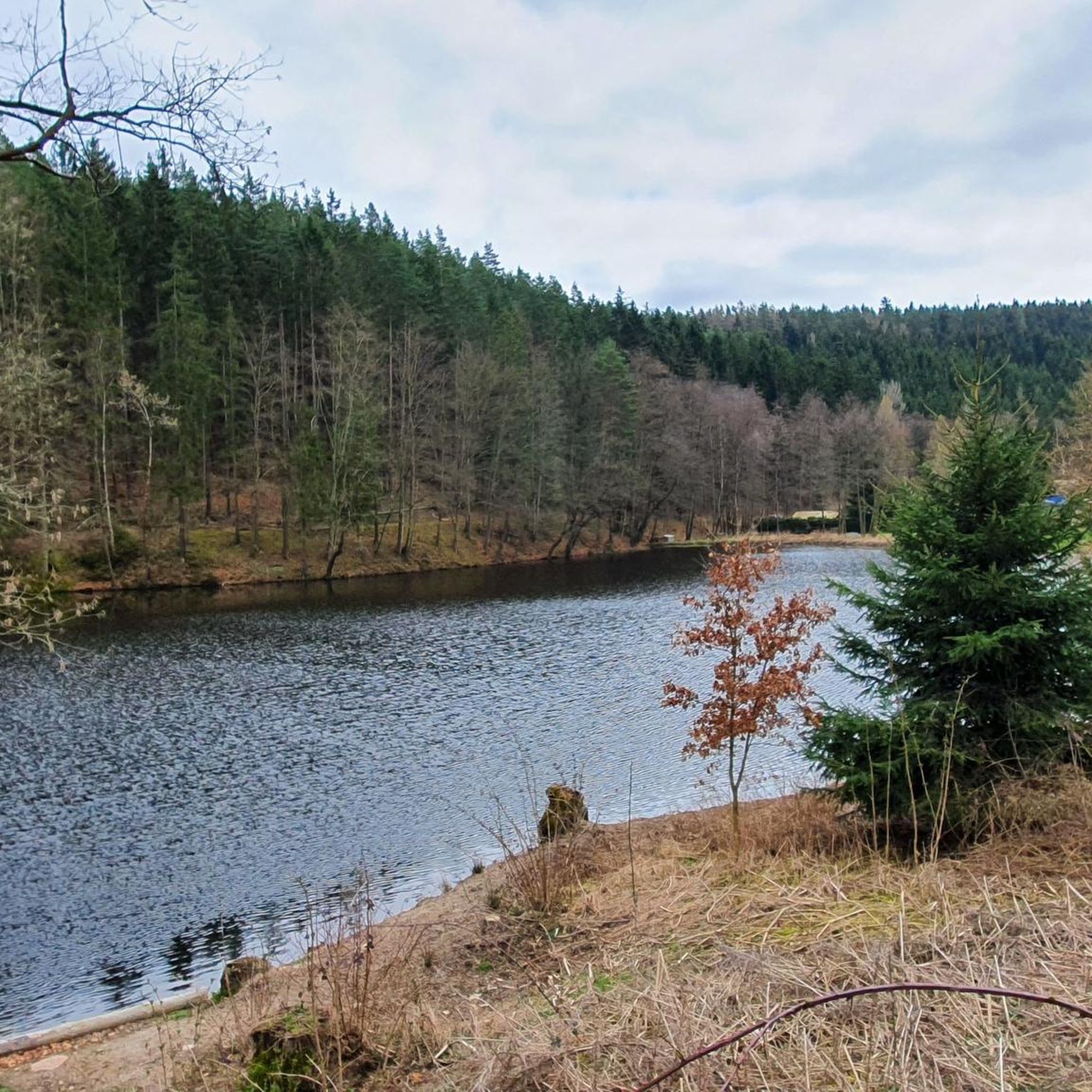

Tips from the Community

A wonderful path above the Saale, very interesting the Bundsandstein. At Schillers Höhe a quiet place to linger. 😄
3
0

Something needs to be done to the railing otherwise recommended place.
2
0


Cool rest area at Schiller's Höhe. Pure peace and the sound of the Saale. Here you can clear your head👍🏻💪🏻🤓😃😁🌤
3
0

The tower was repaired by RSB and has been open again since December 2023.
6
1
Always a worthwhile hike. It's a shame that the observation tower is still not open after almost a year.
7
0

Beautiful memorial to one of history's greats.
2
0

I'm in love with everything our beautiful Saale has to offer 😍
13
1
Frequently Asked Questions
What geological features can I explore around Krölpa?
The Krölpa region is rich in geological history. You can explore the remnants of an ancient Zechstein reef system, particularly prominent at the Pinsenberg, where a Geo-adventure trail explains its formation. The Rudolstadt Riviera sandstone cliffs also showcase variegated sandstone formations. Additionally, the Fourteen Pillars Cave offers a unique insight into past sand mining within sandstone.
Which natural monuments offer the best panoramic views?
For breathtaking vistas, visit the Teufelskanzel Viewpoint (Saale Bend), which provides a stunning view of the Saale loop. The Kulm Tower, one of Germany's oldest steel lattice towers, offers panoramic views from its 20-meter height. The Pinsenberg also provides beautiful views extending towards the Saalfelder Höhe, and the Clydenfelsen near Oelsen offers an enchanting view of the Kotschau valley.
Are there any natural monuments with historical significance near Krölpa?
Yes, several natural sites have historical connections. The Buchenberg bei Krölpa Nature Reserve, for instance, was formerly used for limestone mining and as a military training ground. The Schillerhöhe Memorial is a historical structure carved into sandstone, commemorating the poet Schiller. The Kulm Tower is a listed historical structure from 1884. The Fourteen Pillars Cave is a relic of past sand mining operations.
What kind of flora and fauna can I expect to see at Krölpa's natural monuments?
The region's natural monuments are home to diverse plant and animal life. The Pinsenberg features dry and semi-dry grasslands supporting limestone-loving flora, including various orchid species, and its caves provide habitats for bats. The Buchenberg bei Krölpa Nature Reserve is particularly known for its native orchids. In early spring, the Clydenfelsen area is famous for its rare and protected Pasque flowers.
Are there family-friendly natural monuments or activities in the Krölpa region?
The Pinsenberg offers a 5.5-kilometer 'Geo-adventure trail Zechsteinriff Pinsenberg' which provides educational insights into geology and archaeology, making it suitable for families. Exploring the various viewpoints like Teufelskanzel Viewpoint or climbing the Kulm Tower can also be exciting experiences for families.
What outdoor activities are available near the natural monuments around Krölpa?
The area around Krölpa is excellent for various outdoor activities. You can find numerous routes for cycling, road cycling, and gravel biking. For example, there are 'Road Cycling Routes around Krölpa' and 'Cycling around Krölpa' guides available, offering routes like the 'Orla Cycle Path' or loops around the Hohenwarte Dam. You can explore these options further in the Road Cycling Routes around Krölpa, Cycling around Krölpa, and Gravel biking around Krölpa guides.
What is the best time of year to visit the natural monuments around Krölpa?
The natural monuments around Krölpa offer beauty throughout the year. Early spring is particularly special for botanical enthusiasts, as the Clydenfelsen area is known for its blooming Pasque flowers, and the Buchenberg for its native orchids. Autumn is also highly recommended, especially for the Rudolstadt Riviera sandstone cliffs, where the sunlight brings out the rich colors of the variegated sandstone.
Are there any caves to explore among the natural monuments?
Yes, the Fourteen Pillars Cave is a notable natural monument near Krölpa. This unique cave, formed by past sand mining, features impressive pillars supporting its ceiling. Additionally, the limestone cliffs in the Pinsenberg contain caves that serve as habitats for bats and other protected species.
How challenging are the trails around Krölpa's natural monuments?
The trails around Krölpa's natural monuments vary in difficulty. For instance, the Geo-adventure trail at Pinsenberg is generally suitable for families. Some viewpoints like Teufelskanzel Viewpoint might involve intermediate to challenging sections. The Kulm Tower has narrow stairs, which might be challenging for those with a fear of heights, but the viewing platform is accessible. Always check specific route details for difficulty ratings.
Where can I find rare plant species in the Krölpa region?
The Buchenberg bei Krölpa Nature Reserve is a significant site for native orchids and is managed by the Working Group for Native Orchids Thuringia. In early spring, the Clydenfelsen (also known as Clydenberg) is famous for its rare and protected Pasque flowers (Küchenschelle), offering a unique botanical experience.
What makes the Pinsenberg area special for visitors?
The Pinsenberg is special because it allows visitors to 'hike through landscape history.' It's part of an ancient Zechstein reef system, visible as distinct elevations of light limestone. The area features dry grasslands with diverse flora, including orchids, and caves that house bats. A 5.5-kilometer Geo-adventure trail provides educational insights, and from its heights, you can enjoy panoramic views.
Can I bring my dog to the natural monuments around Krölpa?
While specific regulations for each natural monument may vary, generally, dogs are welcome on trails and in natural areas around Krölpa, provided they are kept on a leash and owners clean up after them. It's always advisable to check local signage or specific monument guidelines before your visit.
Are there any hidden natural gems in the Krölpa region worth discovering?
Beyond the well-known spots, the Krölpa region holds several less-traveled natural treasures. The Clydenfelsen near Oelsen, for example, offers a tranquil setting and a picturesque view of the Kotschau valley, especially enchanting in spring with its rare Pasque flowers. Exploring the smaller trails around the Zechstein reef system, away from the main Geo-adventure path, can also reveal unique geological formations and quiet spots.
Most popular routes around Krölpa
Most popular attractions around Krölpa

Get inspired with the komoot mobile app


Explore more
Extend your search for the best caves by checking out these guides of the top ones around Krölpa:
