Top 20 Natural Monuments around Osterwald
Natural monuments around Osterwald are located on the picturesque Zingst peninsula in Mecklenburg-Vorpommern, Germany. The region is characterized by the Osterwald Forest, which features unique marshy forest soils and is considered a raised bog. East of the forest, the Sundische Wiese Nature Reserve, part of the "Vorpommersche Boddenlandschaft" National Park, serves as a significant bird sanctuary. These areas offer diverse ecological features and opportunities for nature appreciation.
Best natural monuments around Osterwald
- The most popular natural monuments is Bargerveen Nature…
Last updated: October 11, 2026
Bargerveen Nature Reserve
Highlight • Natural
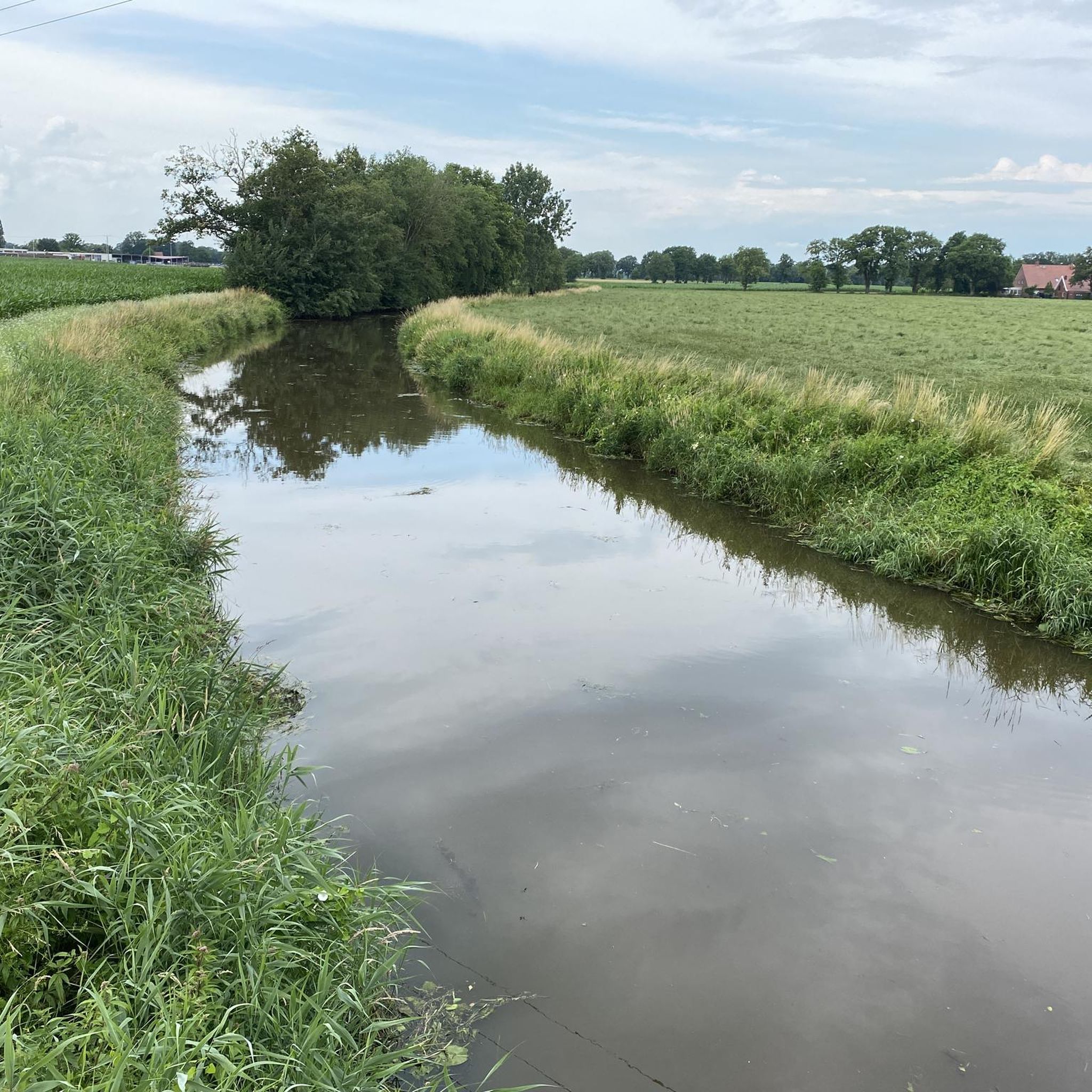
I would call them a cycle highway, you can cycle there so well 👍
Translated by Google •
Tip by

Observation Tower at the German-Dutch Border, Bourtanger Moor-Veenland Nature Park
Highlight • Viewpoint
Translated by Google •
Tip by

Sign up now to discover places like this
Get recommendations on the best single tracks, peaks, & plenty of other exciting outdoor places.
Dinkel Weir
Highlight • Bridge
Translated by Google •
Tip by

Scenic viewpoint over the Wietmarscher Moor
Highlight • Viewpoint
Translated by Google •
Tip by

COVID-19 Memorial Stone in Nordhorn City Park
Highlight • Monument
Translated by Google •
Tip by

Sign up for free to discover even more natural monuments around Osterwald.
Already have an account?
Start today with a free account
Your next adventure awaits.
Tips from the Community

Heetlage Gert To commemorate those who died in the Corona pandemic, the city of Nordhorn has erected a memorial stone in Nordhorn City Park. The sandstone column, which is around one and a half meters high, stands near the entrance to Parkstrasse under a group of evergreen holly trees. The memorial site is intended to provide a dignified commemoration of the victims of the pandemic here in Nordhorn and around the world and, with the evergreen holly trees, is also a symbol of hope and life.
3
0
To commemorate those who died in the Corona pandemic, the city of Nordhorn has erected a memorial stone in Nordhorn City Park. The sandstone column, which is around one and a half meters high, stands near the entrance to Parkstrasse under a group of evergreen holly trees. The memorial site is intended to provide a dignified commemoration of the victims of the pandemic here in Nordhorn and around the world and, with the evergreen holly trees, is also a symbol of hope and life.
3
0

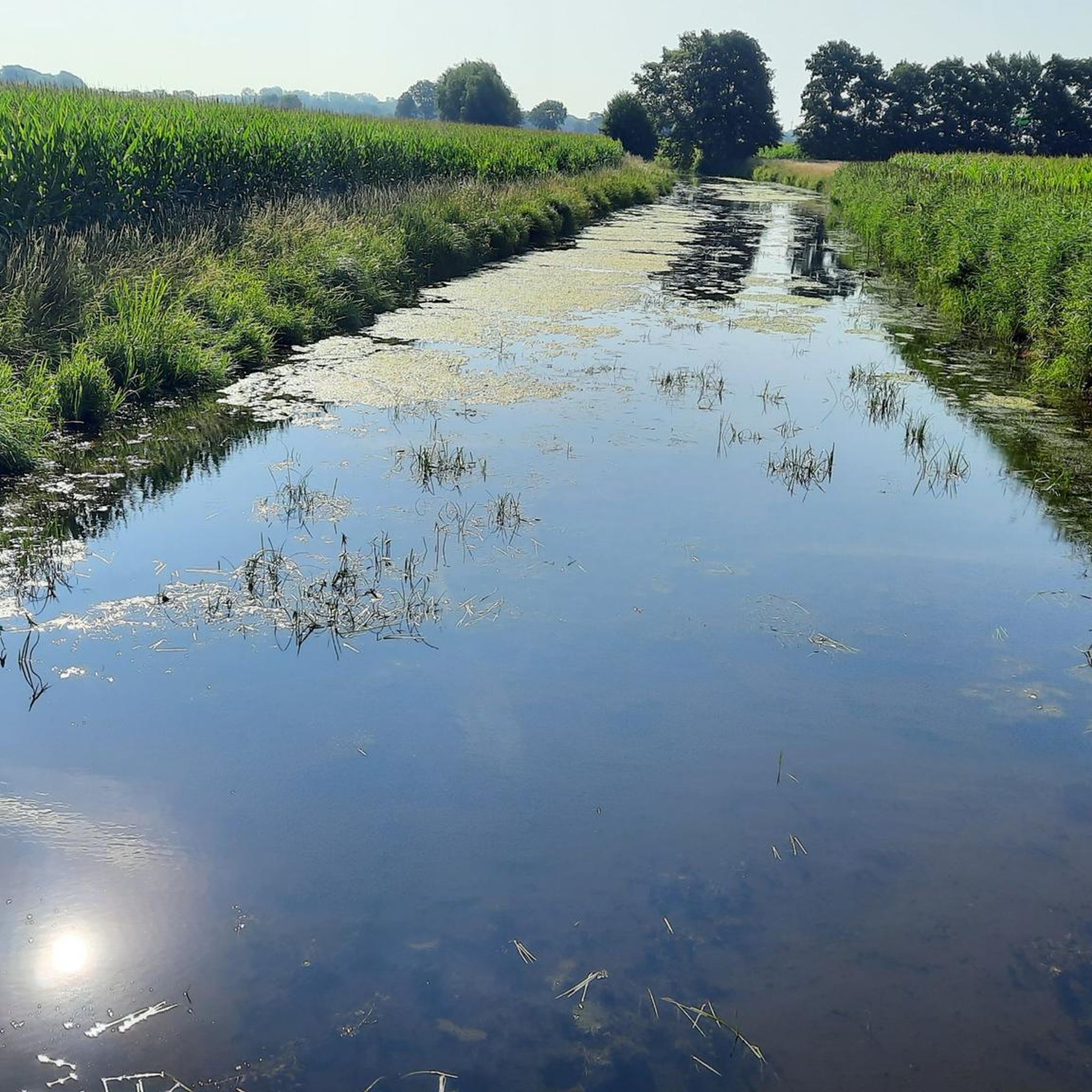
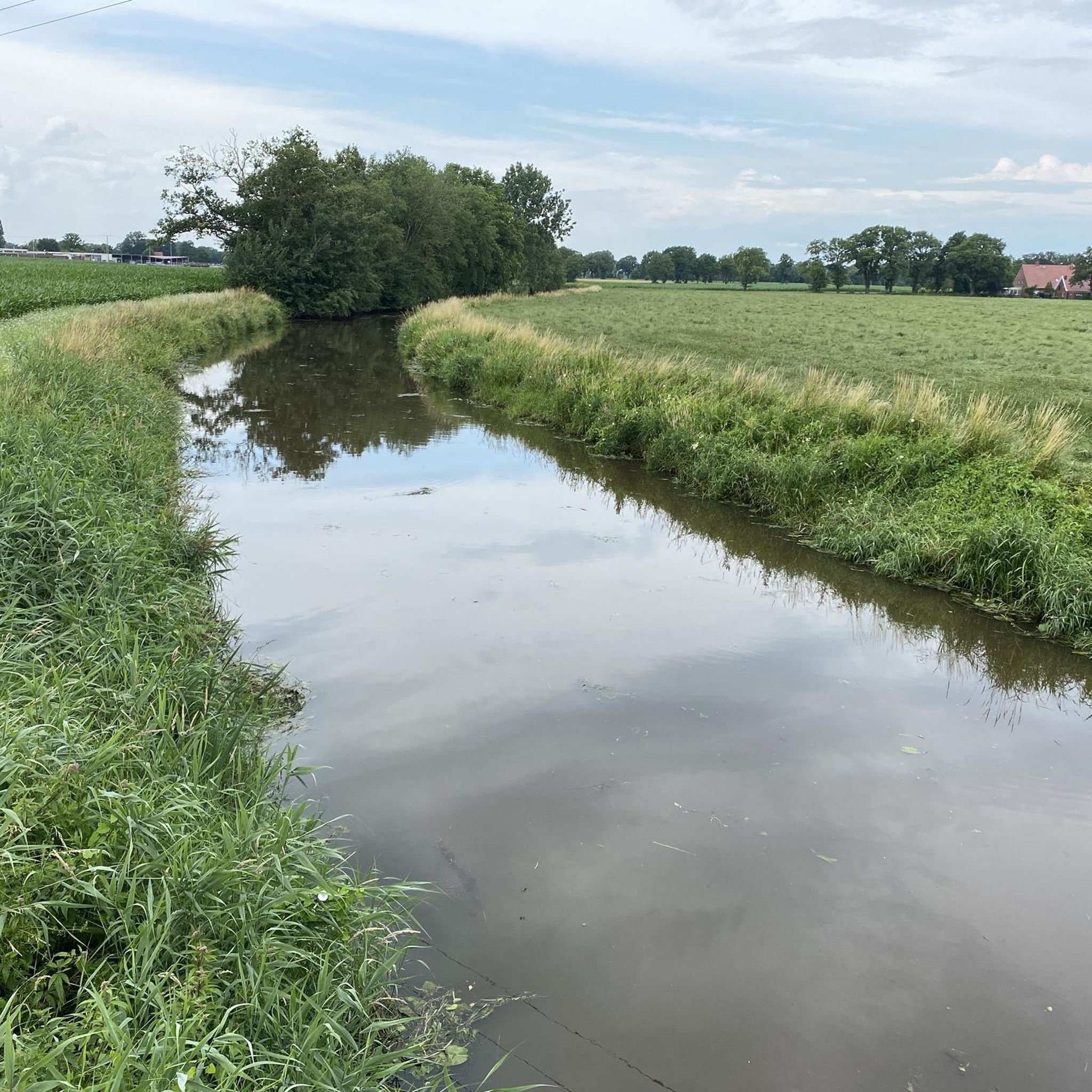
A bottom slide for the Dinkel The "War" weir must make way for a more ecological structure The "War" Dinkel weir in Lage was more than 80 years old when extensive renovation work began here in May 2019. The dilapidated weir in the county of Bentheim was replaced by a bottom slide that compensates for the difference in height between the upper and lower water over a longer distance. Now fish and other aquatic animals can migrate up and down again. This "ecological continuity" is made possible by the multi-level bottom slide with 20 crossbars that transform the riverbed into a kind of long staircase or "basin cascade". The rest areas in the basins allow even weak-swimming fish to ascend the water and are also a breeding ground for young fish. In addition, the turbulent flow ensures that the water absorbs more oxygen than before.
6
0

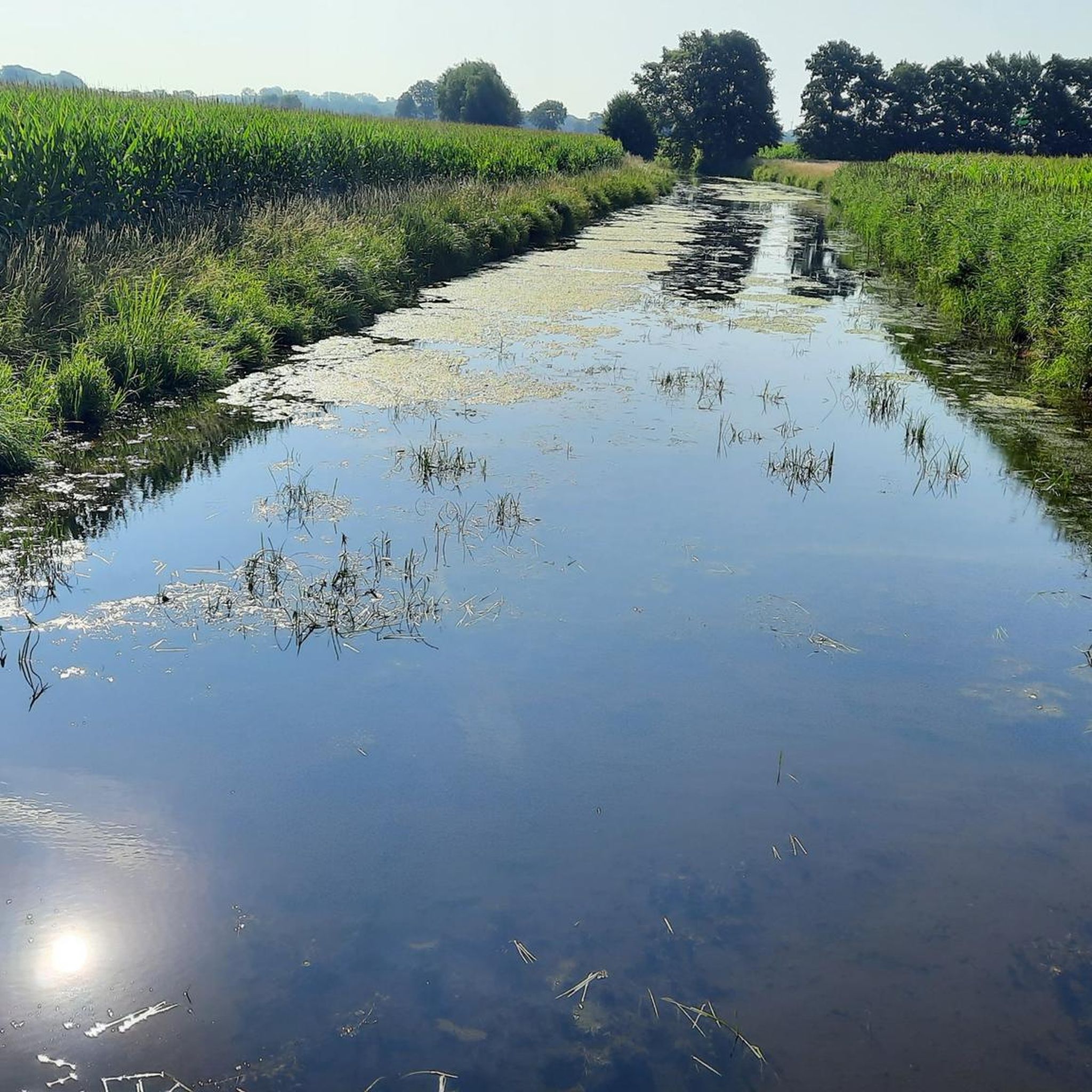
A beautiful route along the Bargerveen, where you walk or cycle through a unique raised bog area. This vast nature reserve offers a mix of open peat landscape, fens and reed fields, with plenty of opportunities to spot birds and other animals along the way.
2
0

There is a special atmosphere in the Dalum/Wietmarscher Moor.
2
0

A great highlight on the tour in the Lower County on the border with the Netherlands, also with a rest hut -:)
6
0

From this viewing platform in the middle of the moor you have a magnificent view of the former moor (peat) mining area.
2
0

Hier entlang der deutsch - niederländischen Grenze. Naturbelassenes Moorgebiet. Wunderschön. Einfach genießen.
0
0
Frequently Asked Questions
What unique natural features can I explore in the Osterwald region?
The Osterwald region is home to the Osterwald Forest, a unique raised bog with marshy forest soils and a notable row of giant sequoias planted in 1955. East of this, the Sundische Wiese Nature Reserve features the Hohe Düne, the largest unwooded white dune landscape along the Baltic Sea coast, and is a significant bird sanctuary.
Are there opportunities for cycling around the natural monuments in Osterwald?
Yes, the Osterwald Forest offers well-developed cycle paths for exploring its diverse ecosystem. Additionally, the Bargerveen Nature Reserve is highly recommended for its extensive cycle paths, often described as 'cycle highways', providing excellent views of the Barger Veen natural park. For more structured cycling, you can find various road cycling routes and MTB trails around Osterwald.
What kind of wildlife can I expect to see in the natural monuments of Osterwald?
The Osterwald Forest is home to various animal inhabitants, including the tawny owl, black kite, short-eared owl, and pine marten. The Sundische Wiese Nature Reserve is particularly renowned as an internationally important bird breeding and resting ground, offering abundant opportunities for birdwatching and wildlife observation.
Are there family-friendly natural monuments to visit in Osterwald?
Many natural monuments in the region are family-friendly. For instance, the Bargerveen Nature Reserve and the Scenic viewpoint over the Wietmarscher Moor are both categorized as family-friendly. The Bargerveen Observation Tower also provides a nice rest area with information boards suitable for all ages.
Where can I find scenic viewpoints in the Osterwald area?
A notable scenic viewpoint is the Scenic viewpoint over the Wietmarscher Moor, offering a quiet landscape and a fantastic view. The Bargerveen Observation Tower also provides a wonderful view over the moor, complete with information boards.
What hiking opportunities are available near the natural monuments?
You can find various hiking opportunities, especially easy hikes, around Osterwald. For example, there are routes like 'Bench under a tree – View of the Vechte Valley loop' and 'View of the Vechte Valley loop'. You can explore more options on the Easy hikes around Osterwald guide page.
What is the significance of the Dinkel Weir?
The Dinkel Weir is a significant site where a bottom slide and bridge system have been completed to restore the river's continuity. This allows fish and other aquatic animals to migrate freely, addressing obstacles that previously existed and promoting ecological health in the Dinkel area.
What is the best time to visit the natural monuments in Osterwald?
The region's natural beauty, particularly the forests and nature reserves, can be enjoyed throughout the year. Spring and autumn offer pleasant temperatures for cycling and hiking, while birdwatching in the Sundische Wiese Nature Reserve is particularly rewarding during migration seasons. The giant sequoias in Osterwald Forest are impressive in any season.
Are there any historical aspects to the natural monuments in Osterwald?
Yes, the Osterwald Forest historically served as a border region, with a visible border ditch and boundary stones, including a 'three-country corner.' The Sundische Wiese Nature Reserve also has a unique history, having been used as a military training ground, which necessitated extensive renaturation efforts after its dissolution.
What do visitors enjoy most about the natural monuments around Osterwald?
Visitors appreciate the tranquility and natural beauty of the area. The extensive cycle paths in places like Bargerveen Nature Reserve are highly praised, as are the quiet landscapes and resting places offered by viewpoints such as the Scenic viewpoint over the Wietmarscher Moor. The unique botanical spectacle of the giant sequoias in Osterwald Forest is also a highlight.
Is there an information center for the natural monuments in the region?
Yes, the information center in Zingst provides exhibitions on the development of Ostzingst and the international significance of the national park, offering educational insights into the region's natural monuments.
Most popular routes around Osterwald
Most popular attractions around Osterwald

Get inspired with the komoot mobile app


Explore more
Extend your search for the best caves by checking out these guides of the top ones around Osterwald:
