Top 20 Natural Monuments around Schwarme
Natural monuments around Schwarme are characterized by the region's unique natural landscape, shaped by the last Ice Age. While no officially designated natural monuments are explicitly located within Schwarme itself, the area features an expansive "Bruch-Landschaft" (marsh or fen landscape). This open plain provides wide-reaching views and contributes to the region's biodiversity. The broader Diepholz district, where Schwarme is situated, is known for its diverse natural environments, including moors, heathlands, and wetlands.
Best natural monuments around Schwarme
- The most popular…
Last updated: May 12, 2026
Confluence of the Alte Aller and the Weser
Highlight • River
Translated by Google •
Tip by

Geographical Center of Lower Saxony
Highlight • Monument
Translated by Google •
Tip by

Sign up now to discover places like this
Get recommendations on the best single tracks, peaks, & plenty of other exciting outdoor places.
Sign up for free
NABU Orchard Meadow Achimer Marsch
Highlight • Natural
Translated by Google •
Tip by

Millennium Monument of Baden
Highlight • Monument
Translated by Google •
Tip by

Eyterbruch Nature Reserve
Highlight • Natural Monument
Info from the web:
The lowland on both sides of the Eyter was described in earlier documents as swampland, which was covered with alder forest. Since there …
Translated by Google •
Tip by
Sign up for free to discover even more natural monuments around Schwarme.
Sign up for free
Already have an account?
Start today with a free account
Your next adventure awaits.
Login or Signup

Tips from the Community

111 fruit trees are located on the approximately one-hectare orchard meadow. The project, run by the NABU Achim group, showcases traditional fruit cultivation. In 2014, the orchard meadow's members received the "Lower Saxony Environmental Award." The meadow is open to the public. Information panels provide information about the predominantly native and endangered varieties. www.nabu-verden.de/wir-über-uns/gruppe-achim/ https://www.achim.de/portal/seiten/sehenswertes-902000868-20601.html
2
0


Beautiful place on the Weser.
1
0

very nice to look at, definitely take some time and pause
2
0

The little detour here is definitely worth it.
6
1
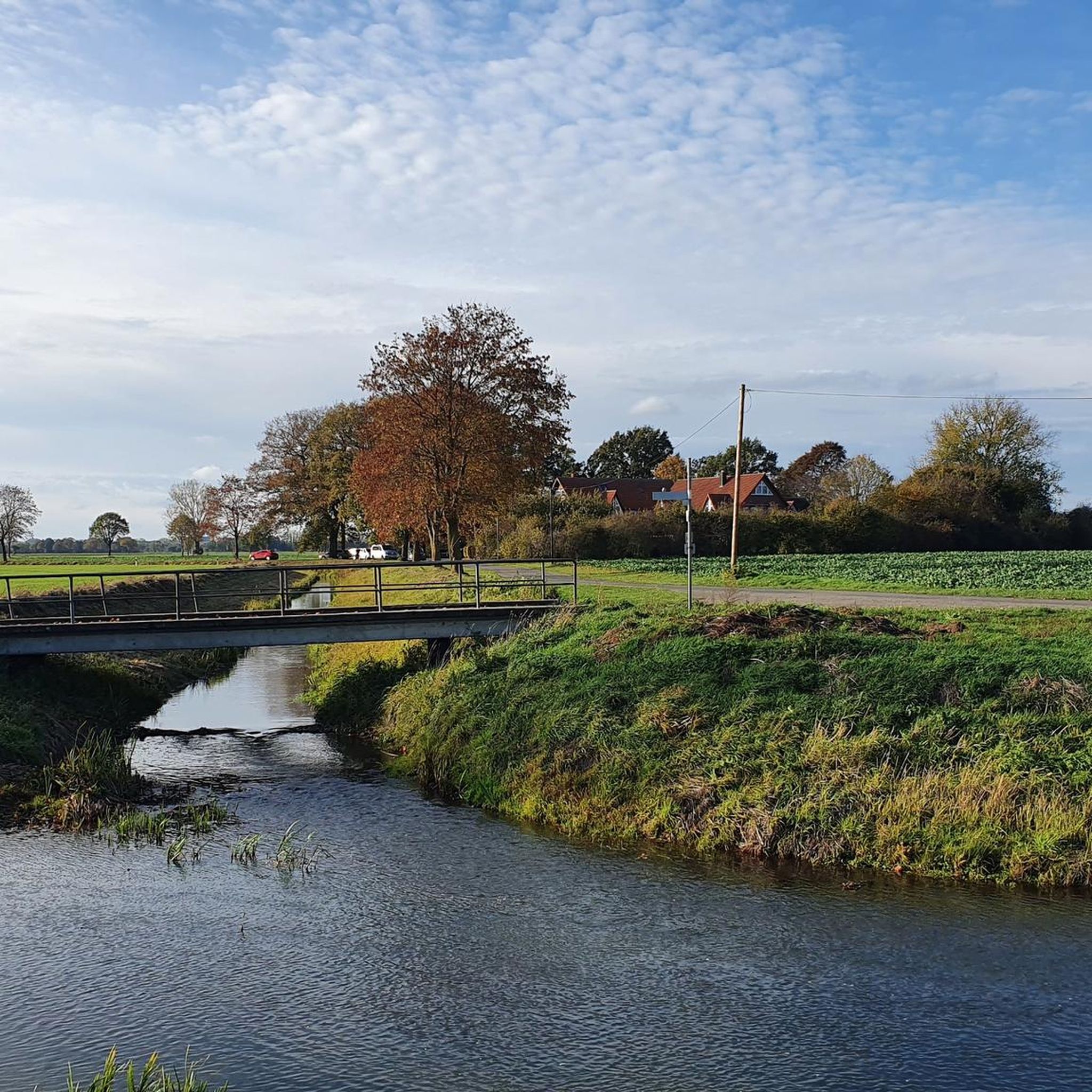
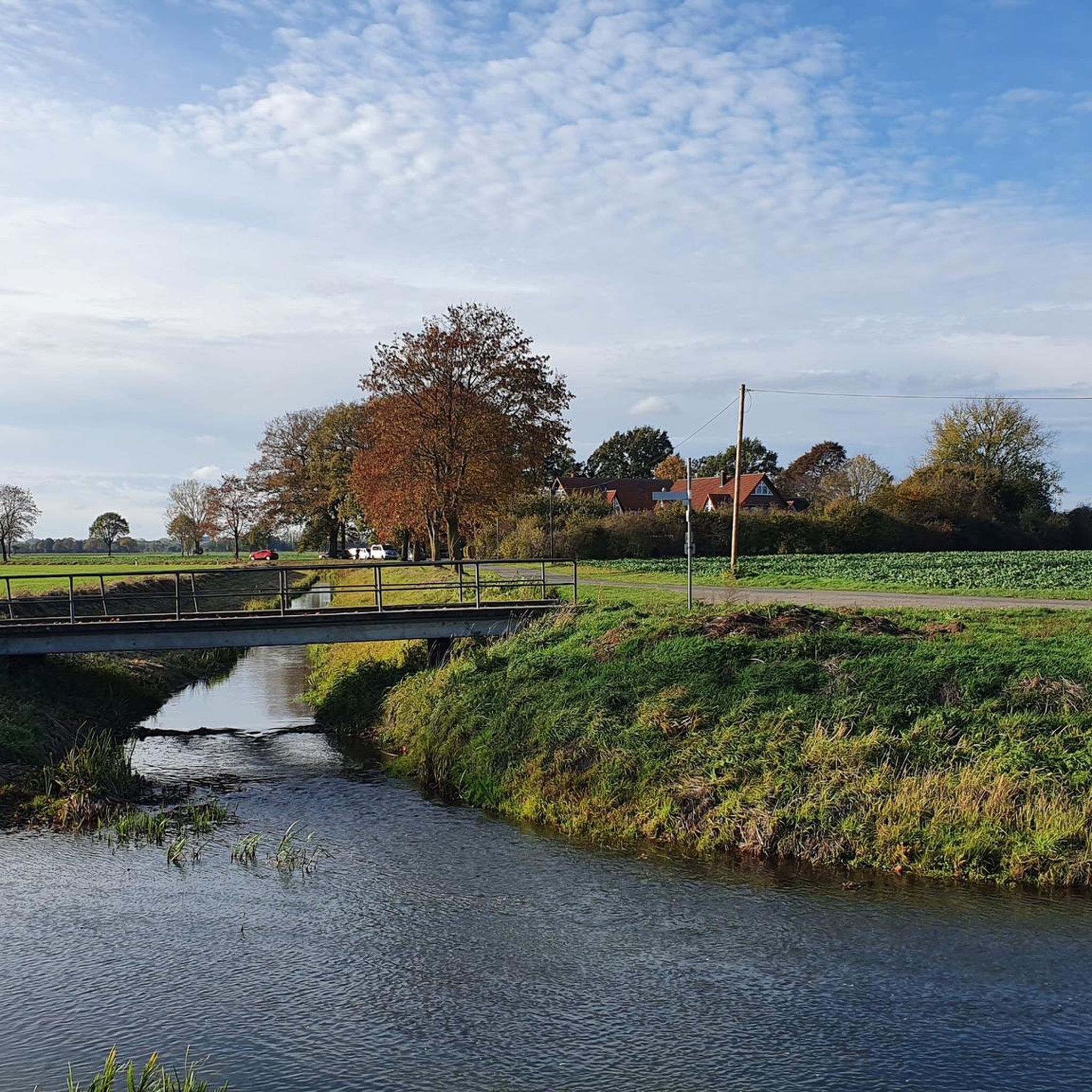
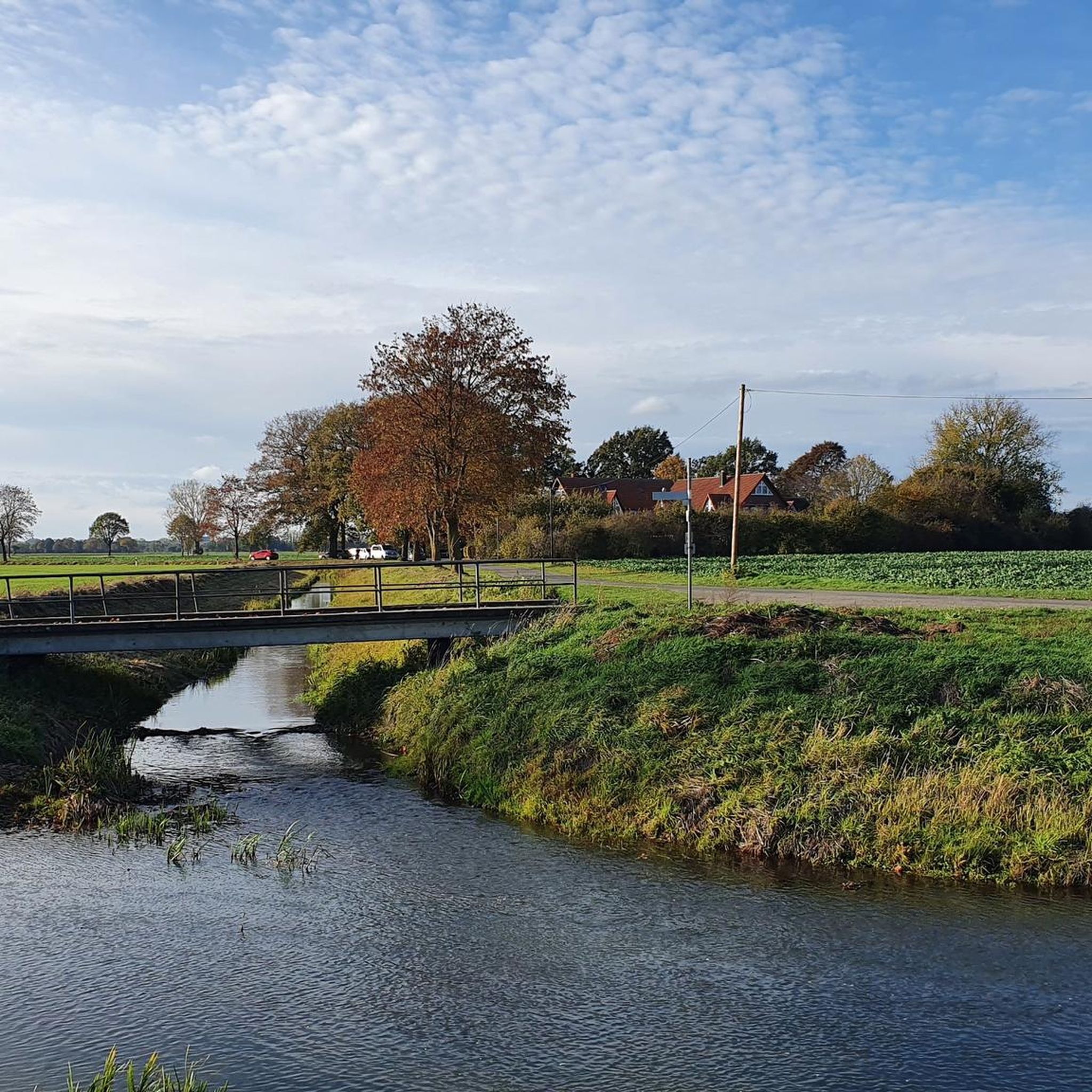
Nice end to the Alte Aller with a good view from the bridge at the fish ladder.
3
0
Beautiful memorial stone in Baden.
1
0

Baden is first mentioned in the history of the Archdiocese of Hamburg, which was written by the Bremen cathedral scribe Adam von Bremen. Archbishop Unwan - probably at the beginning of his term in office in 1013 - transferred the income from the royal court of Botegun to the Bremen clergy in gratitude for his appointment as archbishop. In 1168, Count Gunzelin I (Schwerin) received, among other things, Baden (Bodegen) as a fiefdom from Henry the Lion in return for the order to march with an army against the Archbishop of Bremen. In the 13th century, Baden was the central location of the Bremen Cathedral Chapter's Obedience Baden. In the 16th century, Baden consisted of three aristocratic estates: Holzbaden, Wasserbaden and Ruschbaden. For centuries, Baden was a rural village: in 1885, 897 residents (170 families) lived here in 152 residential buildings. That changed in the 19th century. In 1820 the Bremen-Verden road leading through the town was paved and in the 1830s the right Weser slope was demolished and terraced. In 1894 a dairy was set up, in 1899 a railway stop was built, in 1902 a post office was opened and in 1914 Baden received electricity. At that time, Baden and the Baden Mountains were a popular excursion destination, especially for Bremen citizens. de.wikipedia.org/wiki/Baden_(Achim)
2
0
Frequently Asked Questions
Are there officially designated natural monuments directly in Schwarme?
Based on available information, there are no *officially designated natural monuments* explicitly located within Schwarme itself. However, the broader Landkreis Diepholz, where Schwarme is situated, does have 25 designated natural monuments, primarily individual trees, tree groups, and glacial erratics, spread across various municipalities.
What kind of natural landscape characterizes Schwarme and its surroundings?
Schwarme is characterized by a unique "Bruch-Landschaft" (marsh or fen landscape) that was shaped during the last Ice Age. This results in a wide, open plain offering expansive views and a sense of tranquility. The broader Diepholz district also features diverse natural environments, including moors, heathlands, and wetlands.
What makes the natural features around Schwarme worth visiting?
The natural features around Schwarme, particularly the Ice Age-formed marshlands, offer expansive open spaces and contribute to the region's biodiversity. These areas provide important habitats for various rare bird and plant species, making them ideal for quiet contemplation, hiking, and cycling through diverse landscapes.
What are some notable natural monuments or features in the broader region near Schwarme?
While not all are directly in Schwarme, the region offers several interesting natural and man-made monuments. You can visit the Geographical Center of Lower Saxony, a unique landmark marked by a stone. Another popular spot is the Confluence of the Alte Aller and the Weser, a natural river junction accessible via a scenic bike path.
Are there any unique natural sites related to agriculture or conservation near Schwarme?
Yes, the NABU Orchard Meadow Achimer Marsch is a notable site. It features over 100 fruit trees of various old varieties, showcasing traditional fruit cultivation and offering educational insights into local flora. It's a magical place, especially during flowering and harvest seasons.
What is the Eyterbruch Nature Reserve known for?
The Eyterbruch Nature Reserve is a lowland area along the Eyter river, historically a swamp covered with alder forest. It's known for its unique ecosystem, which has undergone various drainage attempts over centuries. Today, it remains an important natural area, offering insights into the region's historical landscape and biodiversity.
Is there a historical monument related to the region's natural features?
Yes, the Millennium Monument of Baden is a six-ton boulder, a migmatite, dredged from the Weser Canal. It was placed at the confluence of the Weser, Weser Canal, and Old Aller to commemorate the 1000th anniversary of the town of Baden, symbolizing the deep connection between the area's history and its natural waterways.
What outdoor activities can I do to explore the natural areas around Schwarme?
The natural areas around Schwarme are excellent for outdoor activities. You can enjoy road cycling on routes like the "Collegiate Church of Bücken – Weser Weir Bremen loop" or explore easy hikes such as the "Schwarmer Grasbahnrennen Mural loop." For more options, check out the Road Cycling Routes around Schwarme or Easy hikes around Schwarme guides.
Are there family-friendly natural attractions near Schwarme?
Many natural attractions in the region are suitable for families. The Confluence of the Alte Aller and the Weser, the Geographical Center of Lower Saxony, and the NABU Orchard Meadow Achimer Marsch are all categorized as family-friendly, offering accessible and engaging experiences for all ages.
Are there accessible natural sites for visitors with mobility needs?
The Geographical Center of Lower Saxony is noted as wheelchair accessible, providing an option for visitors with mobility needs to experience a unique landmark in the region.
When is the best time to visit the natural areas around Schwarme?
The natural areas around Schwarme, particularly the marshlands and orchards, are beautiful throughout the warmer months. Spring offers blooming landscapes, while summer provides ideal conditions for hiking and cycling. Autumn showcases vibrant colors, especially in areas with trees like the NABU Orchard Meadow. The open plains can be enjoyed year-round, though winter might be less suitable for extensive outdoor activities.
What do visitors enjoy most about the natural areas around Schwarme?
Visitors frequently appreciate the tranquility and expansive views offered by the open marshlands. The scenic bike paths, like those leading to the Confluence of the Alte Aller and the Weser, are highly rated. The NABU Orchard Meadow Achimer Marsch is also loved for its educational value and peaceful atmosphere, especially during flowering and harvest seasons.
Most popular routes around Schwarme
Most popular attractions around Schwarme

Get inspired with the komoot mobile app


Explore more
Extend your search for the best caves by checking out these guides of the top ones around Schwarme:
