Top 20 Natural Monuments around Werdum
Natural monuments around Werdum are primarily defined by the region's proximity to the North Sea coast in Niedersachsen, Germany. Werdum is situated amidst green fields and meadows, offering access to the globally significant Wadden Sea. This area features a unique intertidal landscape, characterized by mudflats, salt marshes, and dunes. The region provides opportunities to observe diverse ecosystems and coastal formations.
Best natural monuments around Werdum
- The most popular natural monuments is Kohhukdüne Viewpoint, a viewpoint that offers panoramic views…
Last updated: June 25, 2026
Kohhukdüne Viewpoint
Highlight • Viewpoint
Translated by Google •
Tip by

De Utkieker sculpture and viewpoint
Highlight • Viewpoint
Translated by Google •
Tip by

Sign up now to discover places like this
Get recommendations on the best single tracks, peaks, & plenty of other exciting outdoor places.
Sign up for free
Wadden Sea at Neuharlingersiel
Highlight • Beach
Translated by Google •
Tip by

Bird Observation Platform, Naturpark Wetzendorf
Highlight • Viewpoint
Translated by Google •
Tip by

Osterhook Observation Hut
Highlight • Mountain Hut
Translated by Google •
Tip by

Sign up for free to discover even more natural monuments around Werdum.
Sign up for free
Already have an account?
Start today with a free account
Your next adventure awaits.
Login or Signup
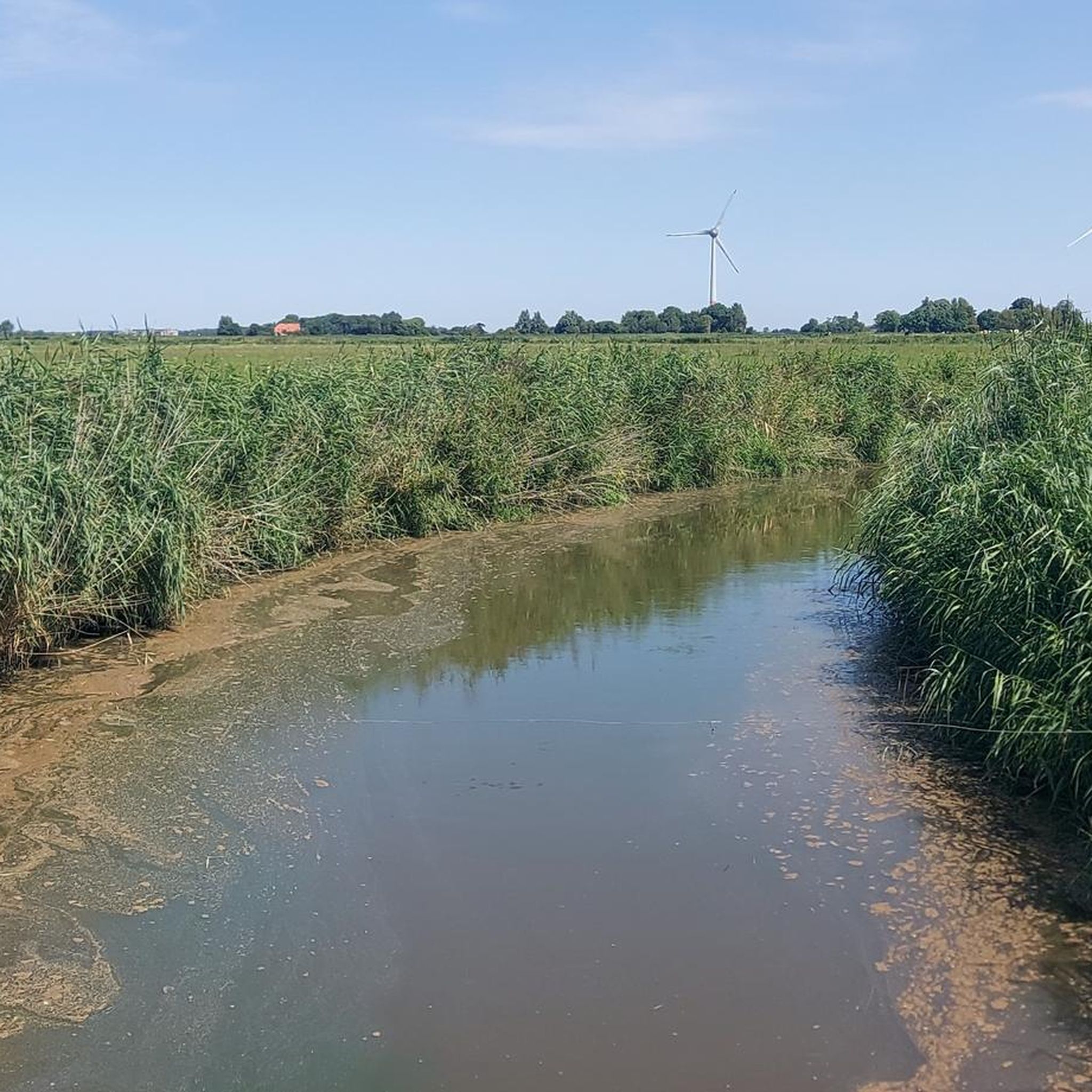
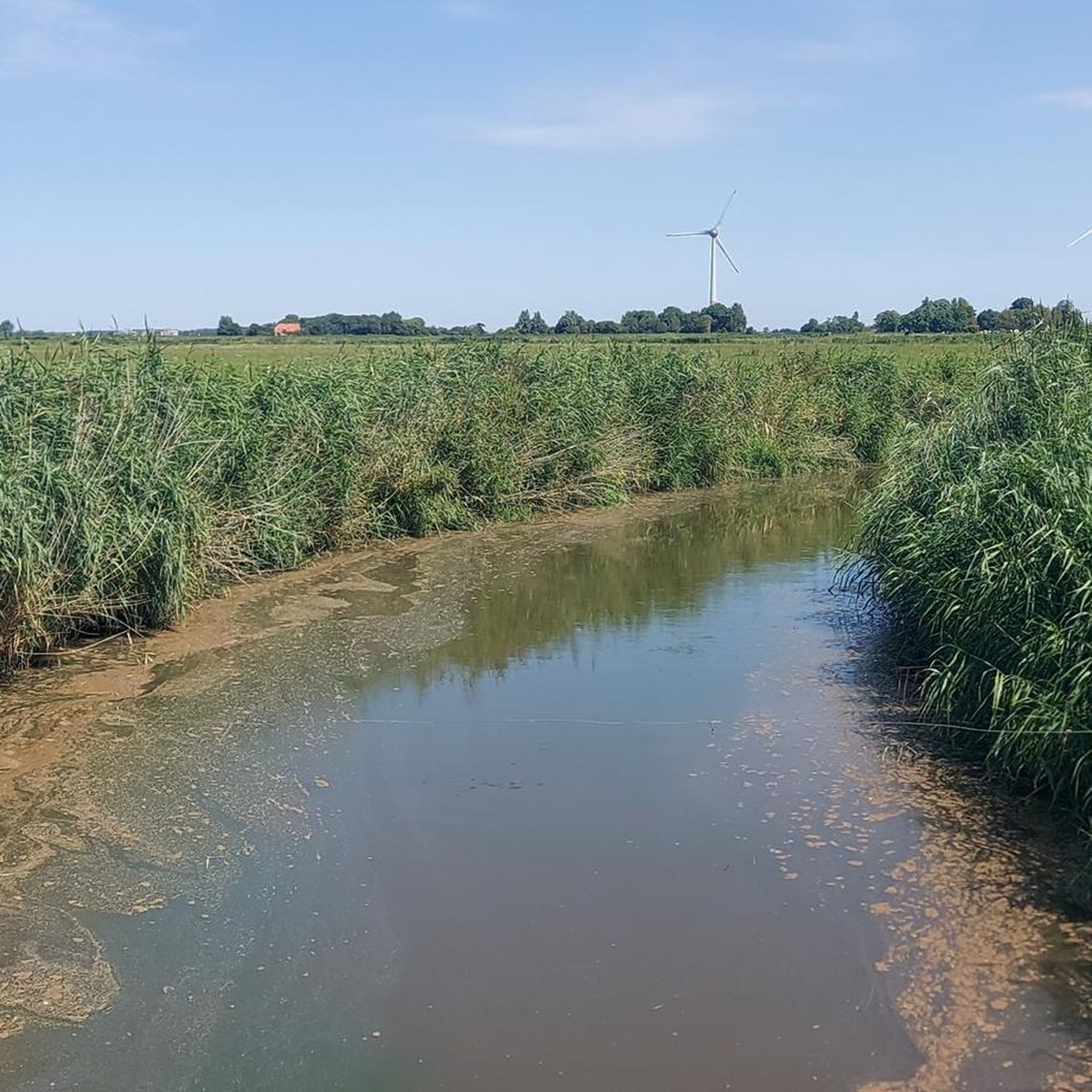
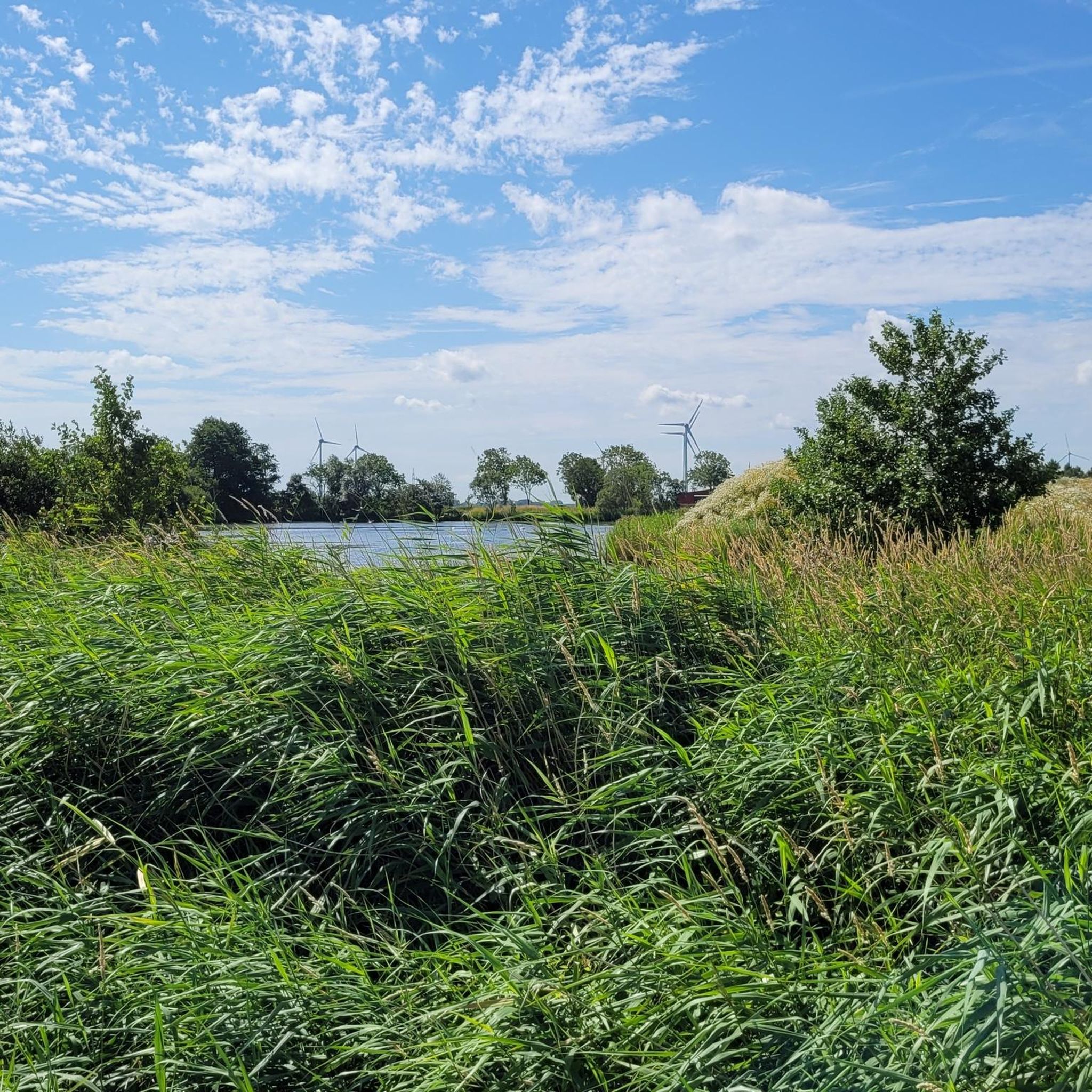
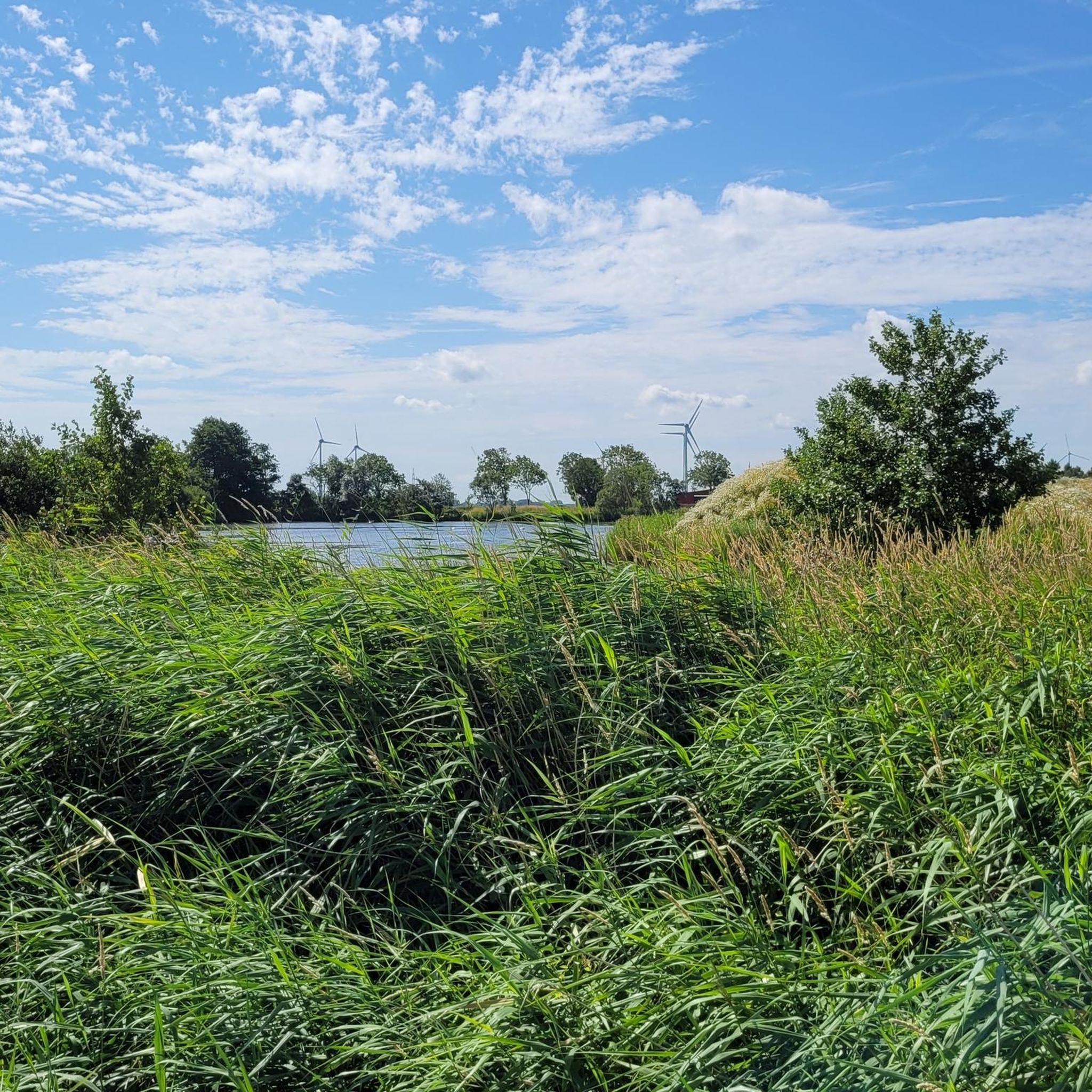
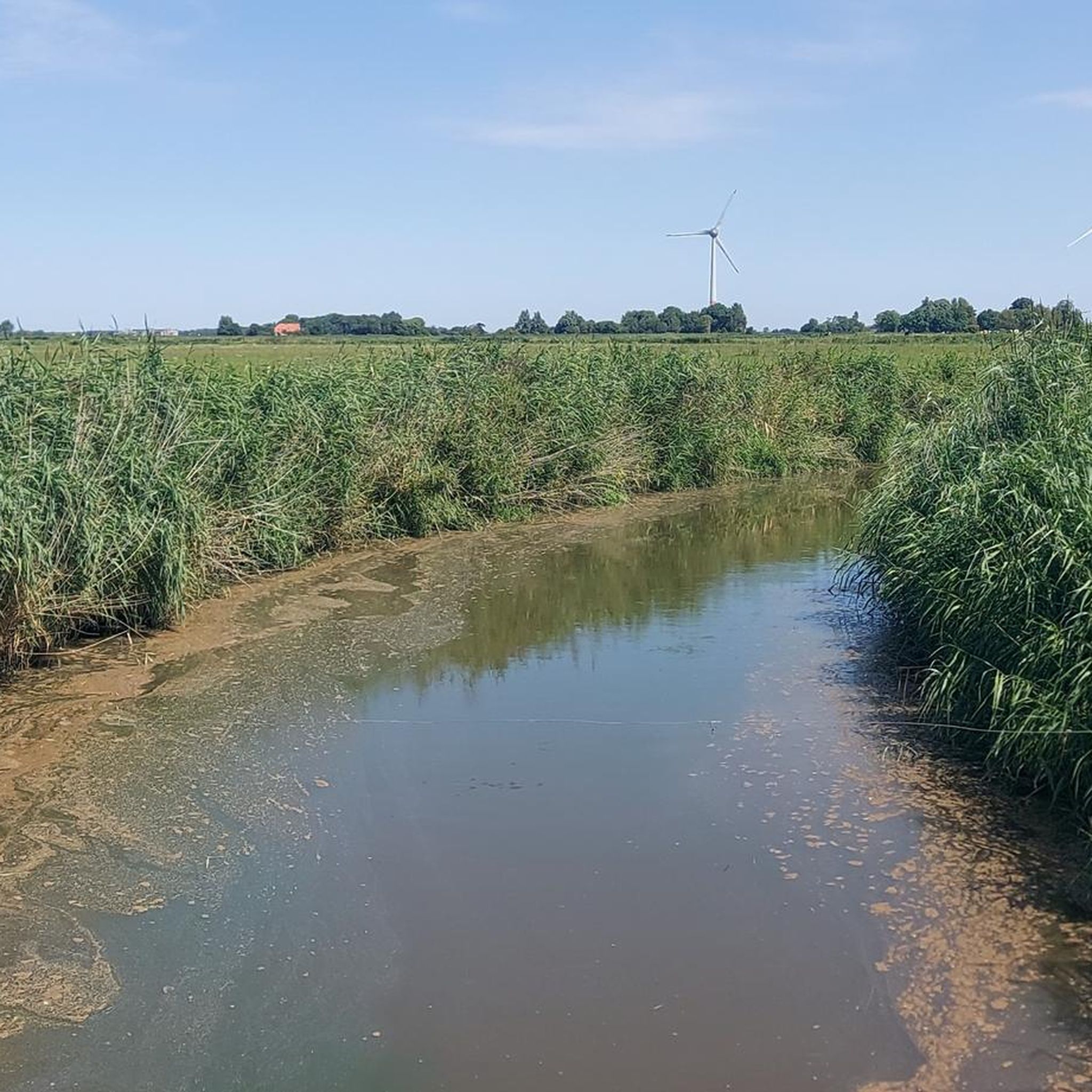
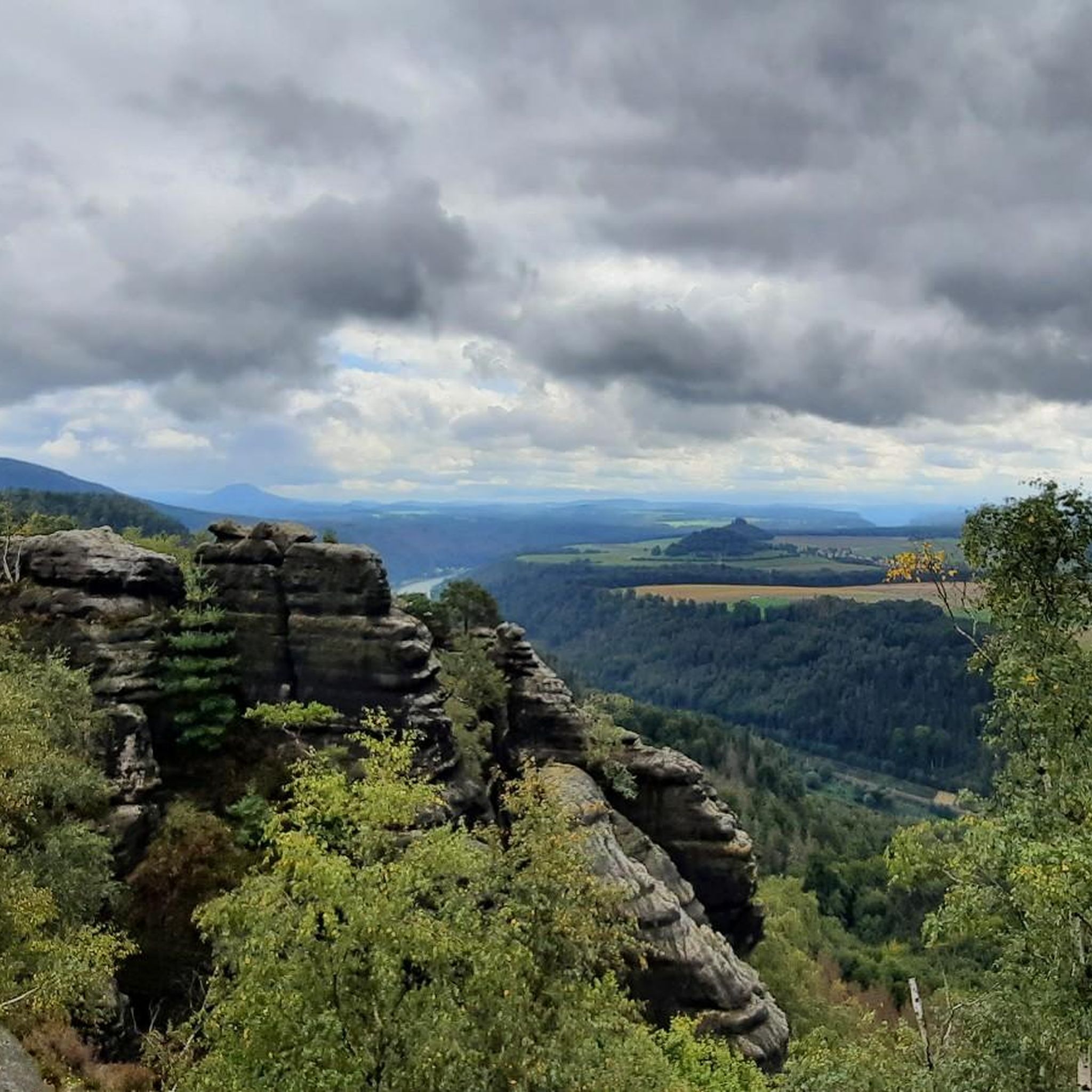
Tips from the Community

Good for cross-country skiing, just watch your feet!
1
1

The numerous paths through the dunes and the small forests, the intact nature, a wonderful highlight.💚 Here from above a wonderful 360 degree panoramic view 💚💙👌🏼.
4
0

High viewing dune with a view to the north of the beach, to the west of the Friederiken grove, to the south of the salt marshes and to the east of the Hermann Lietz School
4
1

The bicycles have to be parked a bit earlier, at the beginning of the beach! A worthwhile short walk.
5
0

Nice hut with information boards. With a bit of luck, seals can be spotted in the distance
7
1

Let the calm sink in and take a deep breath
4
1

Hannes Helmke's artistic theme is man and his point of view in the world.
11
2

A steep staircase leads us to the "Kohhukdüne", a 16 meter high viewing dune on the Hellerpad, which allows panoramic views of "both seas", the almost endless dune landscape and Wangerooge. We linger here for a few moments on one of the benches.
5
1
Frequently Asked Questions
What are the most significant natural monuments to explore around Werdum?
The most significant natural monument in the region is the Wadden Sea UNESCO World Heritage Site, accessible from Werdum. This vast intertidal landscape features mudflats, salt marshes, and dunes, offering unique ecosystems and coastal formations. Specific highlights include the Wadden Sea at Neuharlingersiel, where you can experience mudflat hiking and observe rich birdlife.
Are there good viewpoints to observe the natural beauty near Werdum?
Yes, Werdum and its surroundings offer several excellent viewpoints. The Kohhukdüne Viewpoint provides panoramic views of the dune landscape and the island of Wangerooge. Another popular spot is the De Utkieker sculpture and viewpoint, a bronze sculpture on a viewing dune offering expansive views towards the sea and dunes.
What kind of wildlife can I expect to see in the natural monuments around Werdum?
The Wadden Sea is a globally important area for wildlife, especially migratory birds, with 10 to 12 million birds passing through annually. You can also spot harbor seals, grey seals, and harbor porpoises. The Bird Observation Platform, Naturpark Wetzendorf, and the Osterhook Observation Hut are excellent places for birdwatching and, with luck, spotting seals.
Are there family-friendly natural monuments or activities near Werdum?
Absolutely. The Wadden Sea at Neuharlingersiel is family-friendly, offering opportunities for mudflat hiking which can be an exciting experience for all ages. The De Utkieker sculpture and viewpoint and the Bird Observation Platform, Naturpark Wetzendorf are also suitable for families, providing accessible spots to enjoy nature.
What outdoor activities can I do near the natural monuments around Werdum?
The region around Werdum is ideal for various outdoor activities. You can enjoy cycling on easy routes like the "Neuharlingersiel Beach – Werdum Windmill loop" or hiking trails such as the "Werdum Windmill – Erdholländer Windmill, Werdum loop." For more options, explore the Cycling around Werdum guide or the Hiking around Werdum guide.
Are there hiking trails that allow me to explore the Wadden Sea and other natural areas?
Yes, there are several hiking trails that lead through the natural areas and towards the Wadden Sea. A moderate option is the "Werdum Windmill – Wadden Sea at Neuharlingersiel loop from Werdum," which allows you to experience the coastal landscape. You can find more hiking routes in the Hiking around Werdum guide.
What is the best time of year to visit the natural monuments around Werdum?
The Wadden Sea is particularly dynamic, with its unique ecosystem changing with the seasons. Spring and autumn are excellent for birdwatching due to migratory patterns. Summer offers pleasant weather for mudflat hiking and exploring the coastal areas. However, the dramatic tidal changes and natural beauty can be appreciated year-round.
Can I go cycling to reach some of the natural monuments?
Yes, cycling is a popular way to explore the region. Many natural monuments and viewpoints are accessible via cycling paths. For instance, the Bird Observation Platform, Naturpark Wetzendorf, is located directly on a cycle path. You can find numerous easy cycling routes in the Cycling around Werdum guide.
What makes the Wadden Sea a UNESCO World Heritage Site?
The Wadden Sea is recognized as a UNESCO World Heritage Site due to its "Outstanding Universal Value" as the largest unbroken system of intertidal sand and mudflats globally. It's a crucial stopover for millions of migratory birds and boasts high biological diversity, supporting around 5,000 species of flora and fauna in its diverse habitats, including tidal channels, salt marshes, and dunes.
Are there any facilities or amenities near the observation points?
Some observation points offer basic facilities. For example, the Bird Observation Platform, Naturpark Wetzendorf, is noted for having facilities. The Osterhook Observation Hut provides information boards and a permanently installed binoculars, though bringing your own is recommended.
What do visitors enjoy most about the natural monuments around Werdum?
Visitors particularly enjoy the panoramic views from the dunes, the unique experience of mudflat hiking in the Wadden Sea, and the opportunity to observe diverse birdlife and marine mammals. The intact nature and the peaceful atmosphere of the coastal landscape are frequently praised.
Most popular routes around Werdum
Most popular attractions around Werdum

Get inspired with the komoot mobile app


Explore more
Extend your search for the best caves by checking out these guides of the top ones around Werdum:
