Top 20 Natural Monuments around Esterwegen
Best natural monuments around Esterwegen are characterized by extensive moor areas and unique natural landscapes in the Emsland district of Lower Saxony, Germany. The region is known for its protected bog ecosystems, which are remnants of large raised bog areas. These landscapes offer diverse habitats for rare flora and fauna, alongside efforts for rewetting and renaturation. Esterwegen's natural attractions provide insights into moorland ecology and historical peat extraction.
Best natural monuments around Esterwegen
- The most popular natural monuments is Elisabethfehn…
Last updated: August 18, 2026
Along the Esterweger Dose nature reserve
Highlight (Segment) • Natural
Translated by Google •
Tip by

Naval Radio Station Rhauderfehn
Highlight • Structure
description
The naval radio station Rhauderfehn with the call sign DHO38 is a long-wave transmitter of the Navy, which is subordinate to the Naval Support Command. …
Translated by Google •
Tip by

Sign up now to discover places like this
Get recommendations on the best single tracks, peaks, & plenty of other exciting outdoor places.
Sign up for free
Elisabethfehn Canal
Highlight (Segment) • River
Translated by Google •
Tip by

Wisent Monument Neuvrees
Highlight • Monument
Translated by Google •
Tip by

Leegmoor Observation Tower
Highlight • Viewpoint
Translated by Google •
Tip by
Sign up for free to discover even more natural monuments around Esterwegen.
Sign up for free
Already have an account?
Start today with a free account
Your next adventure awaits.
Login or Signup
Popular around Esterwegen


Tips from the Community

The 35.8 km gravel loop runs along the towers. This agricultural road is NOT to be used and is closed off!!! The Jammertalstrasse should be approached from Langholt.
0
0

A beautiful bike ride, always along the canal. Take a break at the "Cafe Zauberhaft LebenZart" (Café Zauberhaft LebenZart)! Then continue to E'feen/Dreibrücken and Barßel Harbor! From there, you can decide whether to continue along the Barßel Tief (low river) or go in the other direction along the Soeste River to the Thülsfelder Dam. Or towards Westerstede/Bad Zwischenahn. Whichever way you choose, it's always the right choice!
1
0

Each mast is mounted on an approximately 3-meter-high ceramic insulator that can withstand a load of 4,000 tons and insulates voltages of up to 250 kV. The masts are each secured by nine guy wires at three levels, each offset by 120 degrees. Four masts form a common antenna that requires no overhead connection. The antenna is fed via coaxial cables to the tuning stations, where the power is adjusted and fed into the mast. It is worth noting that the antenna structure does not have a pronounced directional pattern, as it is smaller than the wavelength of 12.82 km at the current frequency of the DHO38. For inspection and maintenance work, there is a worm-gear-driven elevator and a ladder inside the masts. The elevator can transport up to three people and ensures safety through mandatory safety harnesses.
1
0
Superlatives The naval radio station is one of the tallest military structures in Western Europe and, at 352.8 meters, the second tallest structure in Germany, visible from over 30 kilometers away. The transmitter is located near Saterland-Ramsloh in the Cloppenburg district (Lower Saxony). The borders of the two districts of Cloppenburg and Leer run through the naval radio station site. Five antennas are located in East Frisia, and three are located in Cloppenburg. The site is surrounded by a 12-km-long, continuously monitored fence. A naval radio station with eight identical umbrella antennas mounted on 352.8-meter-high tubular steel masts. These masts have a diameter of 2.20 meters and wall thicknesses of 8 to 13 mm, depending on local loads.
1
0

Unfortunately the savages were too wild and had to leave
0
0
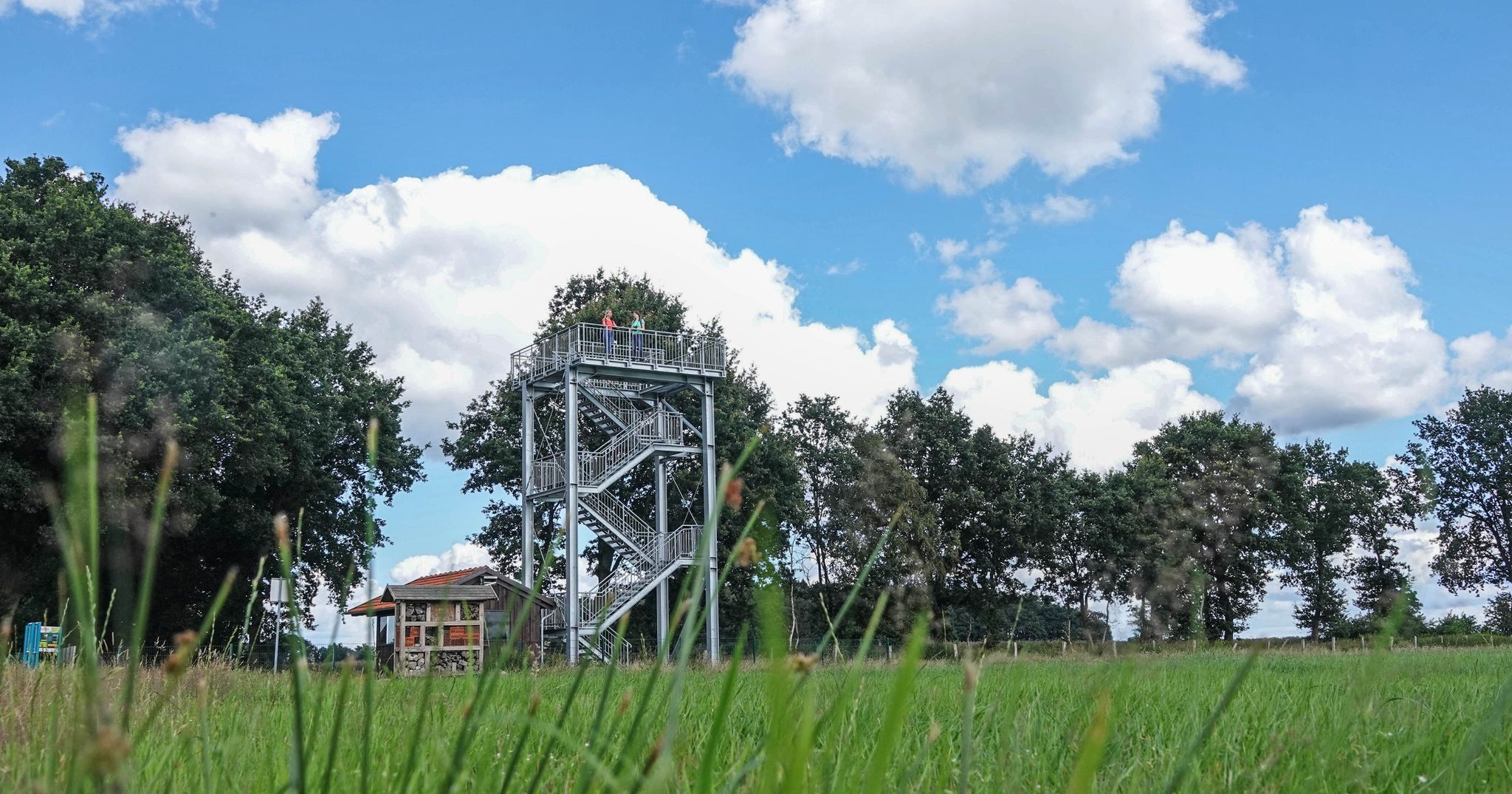
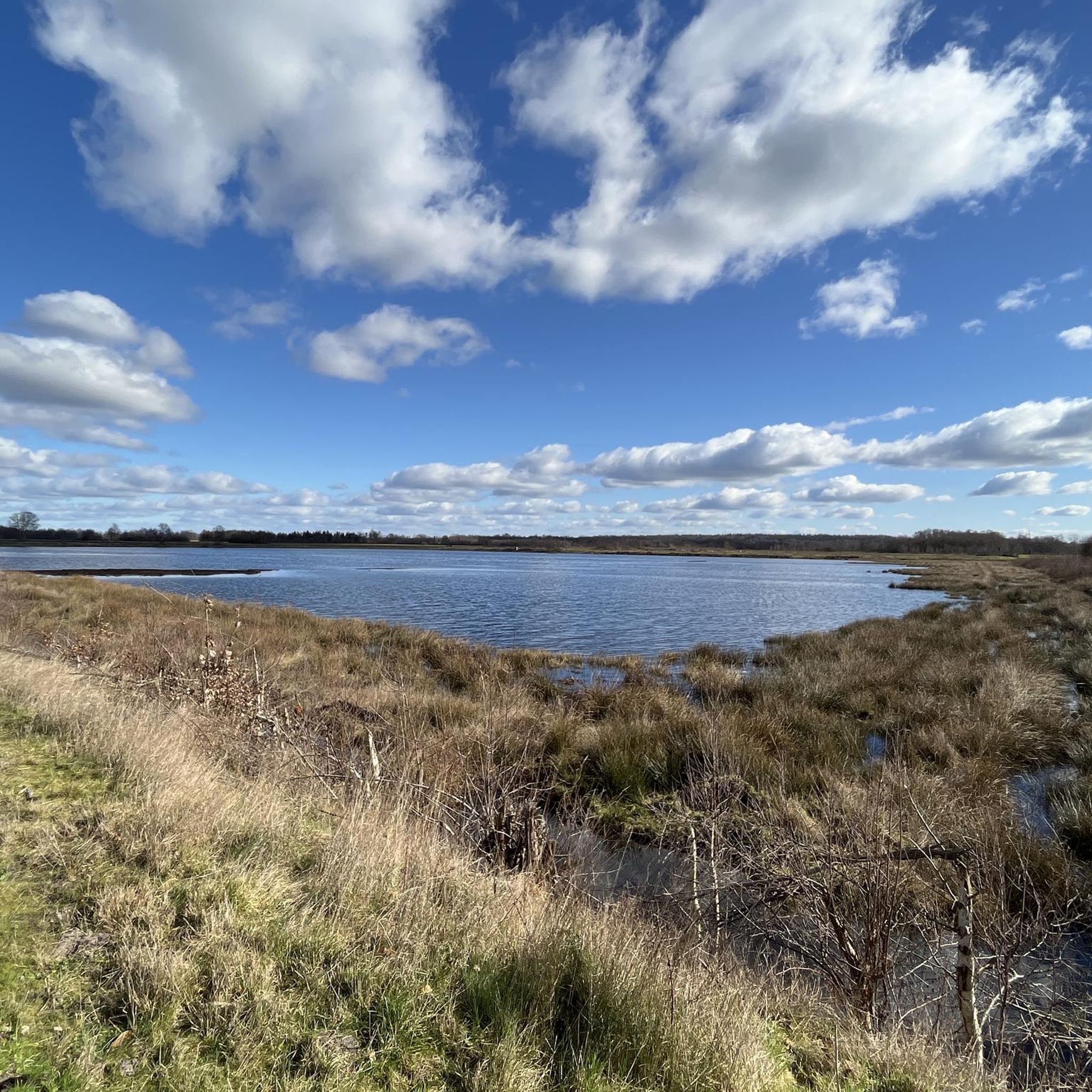
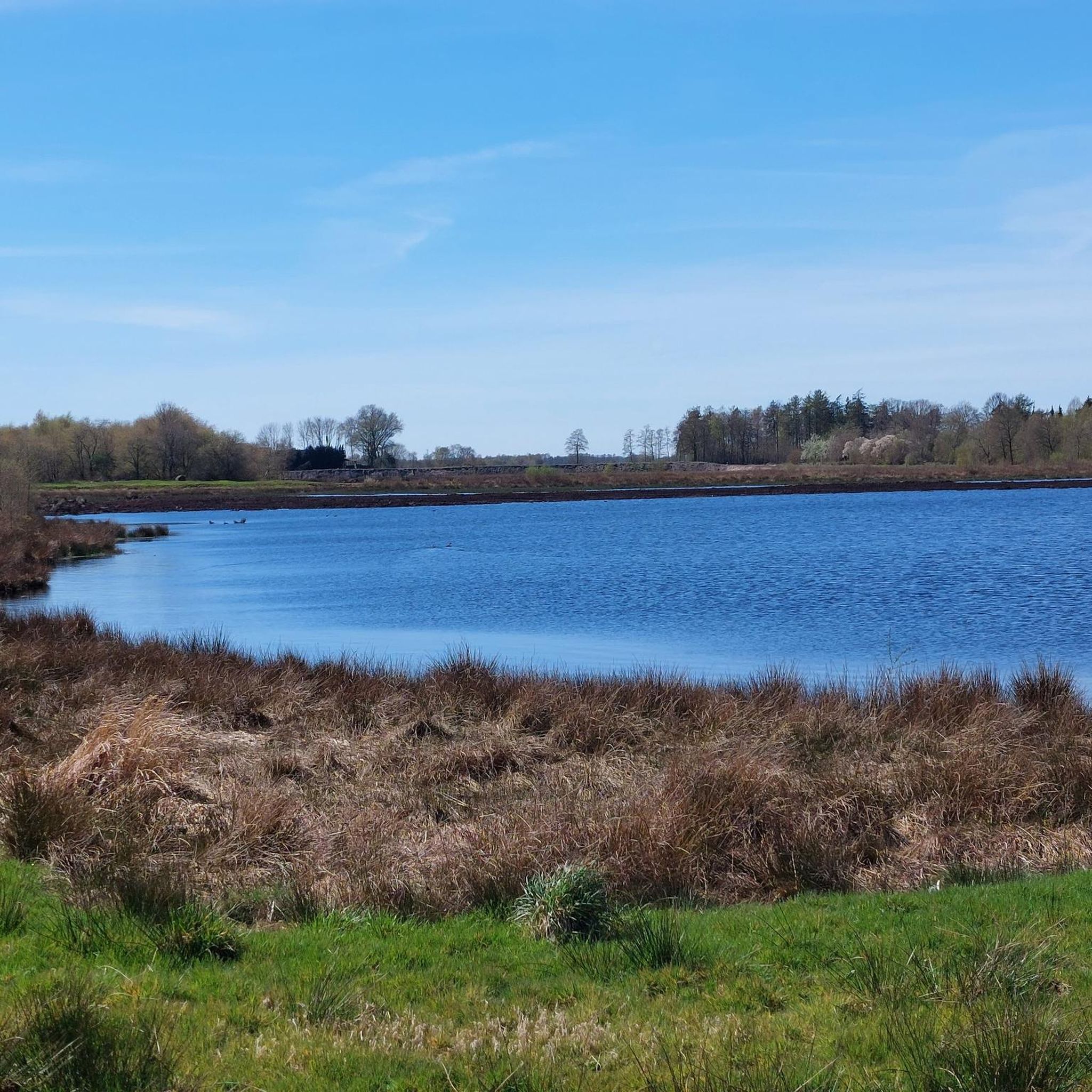
The tower can be reached via the main path. The path is secured with a barrier at the front. A narrow path leads past the barrier on the right. I think it was deliberately chosen to be so narrow. After that you have to drive about 500 m along a dirt road. When you get there and take a break, take the rubbish with you. Those who want to "litter or smear everything around" should do so within your own four walls - if you have any. Intelligence comes from understanding ... The observation tower in the Leegmoor nature reserve provides impressive insights into the bird life of the European protected area. In addition, there are areas with a fairly well-developed meadow bird population as well as open water areas with resting birds all year round and the extensive moor, pasture and meadow landscape. Thanks to the relatively good access, this natural experience can be admired all year round. https://surwold.de/aussichtsturm-im-leegmoor/
2
0

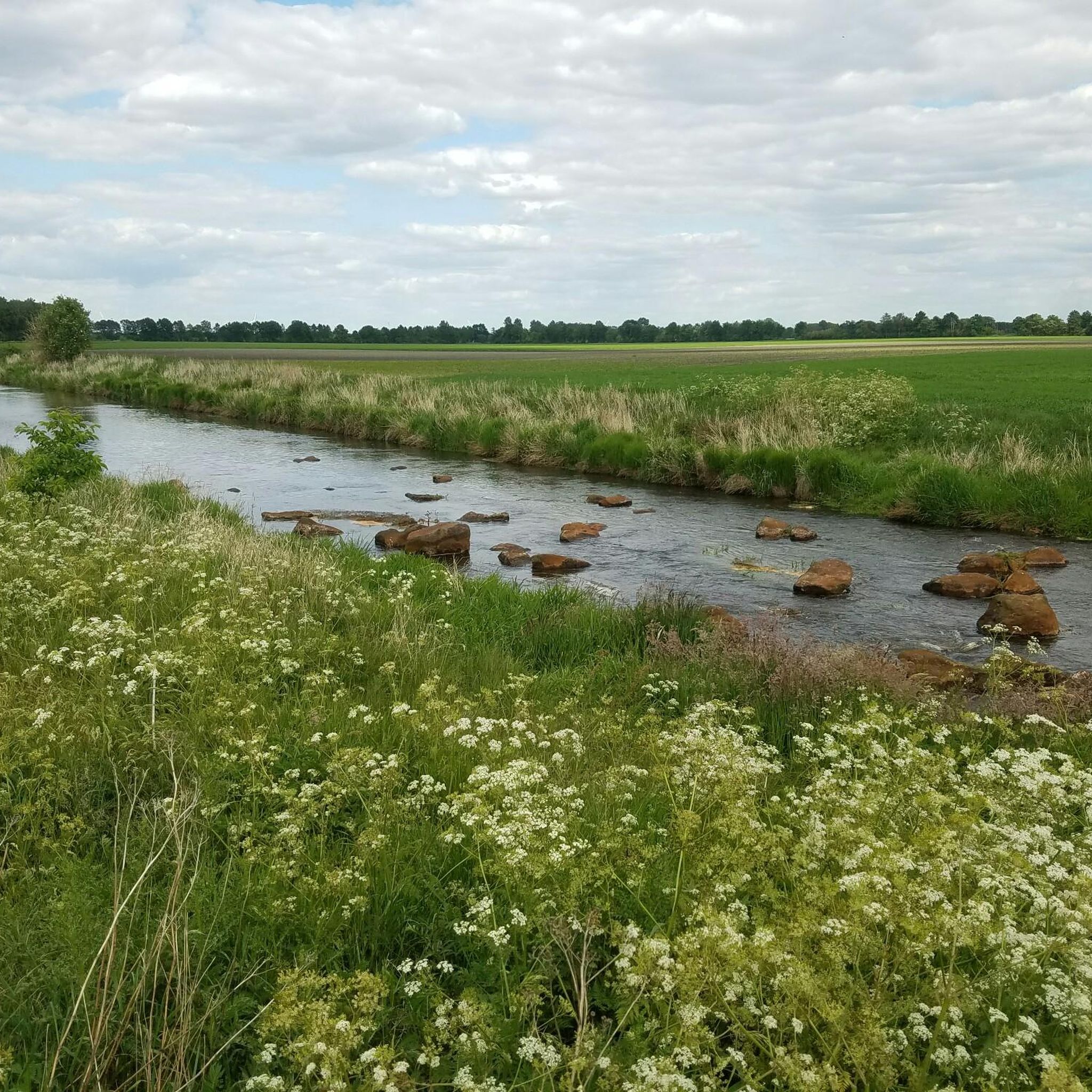
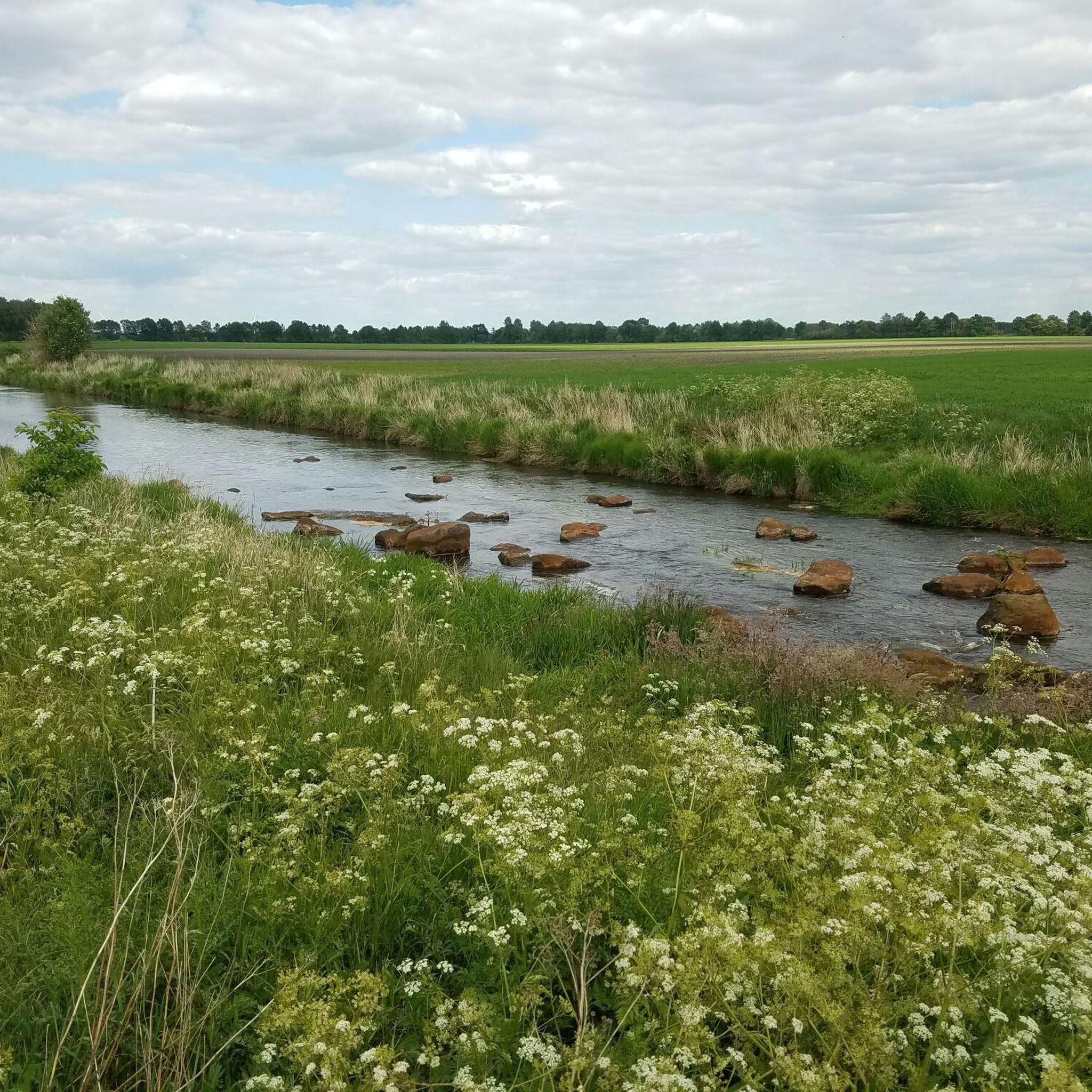
History The present-day Elisabethfehn Canal was built between 1855 and 1893 and runs from the Küstenkanal near Kampe via Kamperfehn, Reekenfeld, and Elisabethfehn to the Sagter Ems near the Roggenberg farming community. Since 1935, the eastern section of the Hunte-Ems Canal has been part of the Küstenkanal, which connects to the Ems near Dörpen, which was later expanded to become the Dortmund-Ems Canal. The Ems-North Sea Waterways and Shipping Authority, part of the General Directorate for Waterways and Shipping, is responsible for the canal. When it was built, the Elisabethfehn Canal also served as a fen canal to develop the previously deserted moorland. During its construction, the first colonies, Moslesfehn (1871) and Elisabethfehn (1880), were established. The Cloppenburg–Ocholt railway line crosses the Elisabethfehn Canal in Elisabethfehn. From its opening until the end of the First World War, the sometimes busy shipping traffic served the peat industry. After the Second World War, commercial shipping took over.
6
2
Frequently Asked Questions
What unique natural features can I expect to see around Esterwegen?
Esterwegen is primarily known for its extensive moor areas and unique bog ecosystems. You'll find diverse landscapes including high moor areas, bog forests, and various grass meadows, especially within the Esterweger Dose nature reserve. These areas are crucial for rewetting and renaturation efforts, showcasing the region's commitment to preserving its natural heritage.
Are there family-friendly natural monuments around Esterwegen?
Yes, several natural monuments are suitable for families. The Esterweger Dose nature reserve offers accessible paths for exploring the moorland. The Leegmoor Observation Tower is also family-friendly, providing great views. Additionally, the Moor Information Trail (MoorInfoPfad Esterwegen), located within the Melmmoor/Kuhdammoor nature reserve, is designed with interactive stations and educational content, making it engaging for children and adults alike.
What kind of wildlife can be spotted in the natural monuments near Esterwegen?
The moorland ecosystems around Esterwegen are vital habitats for rare and endangered species. In the Esterweger Dose nature reserve, you might spot valuable bird species like curlews, redshanks, and cranes. Rare dragonflies, such as the large bog dragonfly, and unique plants like sundew are also present. The Leegmoor Observation Tower is a recommended spot for birdwatching, especially for cranes in autumn.
Are there historical sites or cultural aspects related to the natural monuments?
Yes, the natural landscapes around Esterwegen hold historical significance. The Elisabethfehn Canal is Germany's last intact fen canal, a listed monument that reflects the region's history of peat extraction and fen culture. The Esterweger Dose area itself is where the "Child from the Esterweger Dose," a well-preserved bog body, was discovered, highlighting its ancient past. The Moor Information Trail also delves into the lives of early settlers in the moor landscape.
What outdoor activities can I do near these natural monuments?
The region offers excellent opportunities for outdoor activities, especially cycling and running. You can find numerous routes that take you through the unique moorland landscapes. For cycling, explore options like the "Esterweger Dose Moor – Landing stage on the Küstenkanal loop" or the "Moorerlebnisroute" which encircles the Esterweger Dose. For running, there are trails such as the "Esterwegen Memorial loop." You can find more detailed routes and guides for cycling, road cycling, and running around Esterwegen.
What is the best time of year to visit the natural monuments around Esterwegen?
The natural monuments around Esterwegen can be enjoyed throughout the year, each season offering a different experience. Autumn is particularly recommended for birdwatching, especially for cranes, as observed from the Leegmoor Observation Tower. Spring and summer are ideal for experiencing the diverse flora and fauna in full bloom and for cycling along the moorland paths.
Are there any observation points to get a good view of the moor landscape?
Yes, the Leegmoor Observation Tower offers extensive views over the Leegmoor towards Esterwegen, providing a fantastic perspective on the vast moor landscape. Additionally, the Naval Radio Station Rhauderfehn, while a man-made structure, offers an imposing view over the nature reserve, visible from over 30 kilometers away due to its height.
What do visitors enjoy most about the natural monuments around Esterwegen?
Visitors frequently appreciate the unique beauty and tranquility of the vast moor landscape. Many enjoy the quiet, almost car-free routes through areas like the Esterweger Dose nature reserve, noting the ongoing rewetting efforts and the opportunities for nature observation. The feeling of endless breadth, with only wind and birdsong, is a common highlight. The historical significance of sites like the Elisabethfehn Canal also adds to the appeal.
Can I bring my dog to the natural monuments?
While specific regulations for dog walking vary, many natural areas in Germany allow dogs on a leash. For the Esterweger Dose nature reserve and other moorland paths, it's generally advisable to keep dogs on a leash to protect the sensitive ecosystems and wildlife. Always check local signage for specific rules in protected areas.
Are there accessible paths for wheelchairs or strollers?
The Moor Information Trail (MoorInfoPfad Esterwegen) is designed to be accessible, featuring well-maintained paths suitable for wheelchairs and strollers, allowing everyone to learn about the moor ecosystem. While some paths within the broader nature reserves might be gravel or uneven, efforts are made to provide accessible options where possible. It's always a good idea to check specific trail conditions if accessibility is a primary concern.
How long does it take to explore the Esterweger Dose nature reserve?
The Esterweger Dose nature reserve is vast, spanning approximately 4,747 hectares. The time it takes to explore depends on your chosen activity. Cycling routes, such as the "Moorerlebnisroute," can be around 100 km long. For a more focused visit, you can spend a few hours walking or cycling along specific sections, observing nature from viewpoints, or visiting the Moor Information Trail. A full day could easily be spent immersing yourself in the landscape.
Are there any hidden natural gems around Esterwegen worth discovering?
Beyond the well-known Esterweger Dose, the broader Hümmling Nature Park, which encompasses Esterwegen, offers diverse natural beauty. This includes gentle hills, forests, and waterways, alongside the moors. While not explicitly termed "natural monuments," these areas provide additional opportunities for exploring varied landscapes and discovering quieter spots away from the main attractions. The ongoing rewetting areas within the moor itself can also be considered evolving natural gems.
Most popular routes around Esterwegen
Most popular attractions around Esterwegen

Get inspired with the komoot mobile app


Explore more
Extend your search for the best caves by checking out these guides of the top ones around Esterwegen:
