Top 3 Natural Monuments around Zepelin
Best natural monuments around Zepelin are found in a region characterized by its natural beauty and historical significance within Mecklenburg-Vorpommern, Germany. The area offers a blend of ancient sites and natural features, providing diverse outdoor experiences. Visitors can explore unique geological formations and historical landmarks integrated into the landscape. This makes the region a compelling destination for those interested in nature and cultural heritage.
Best natural monuments around Zepelin
- The most popular natural monuments is Boitiner Steintanz Stone Circles,…
Last updated: May 12, 2026
Boitiner Steintanz Stone Circles
Highlight • Historical Site
Eines der bekanntesten Bodendenkmale in Mecklenburg Vorpommern ist der aus insgesamt vier Steinkreisen bestehende sogenannte Steintanz von Boitin. Bereits vor Jahrhunderten erregte er grobes Aufsehen und verschiedene Deutungen …
Tip by

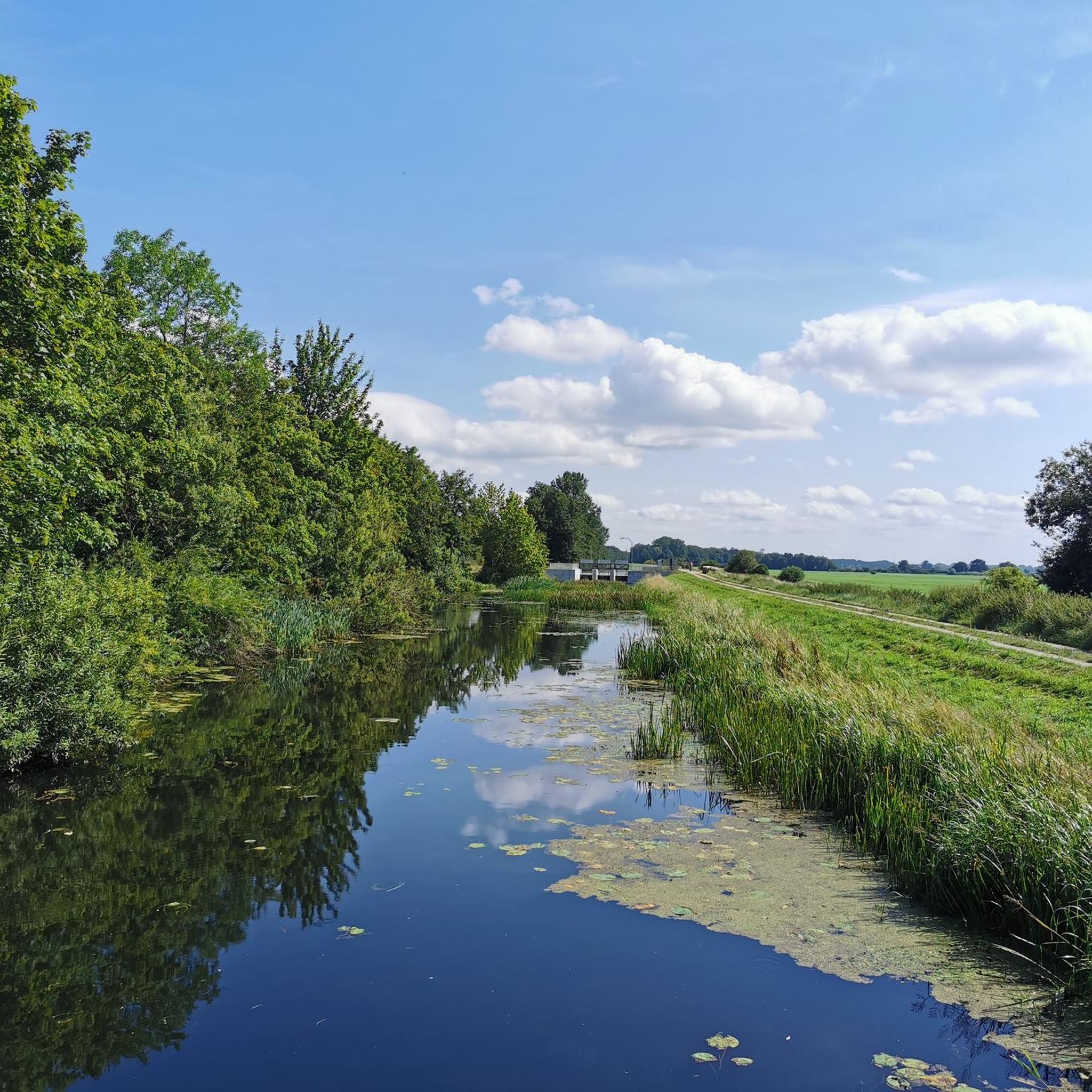
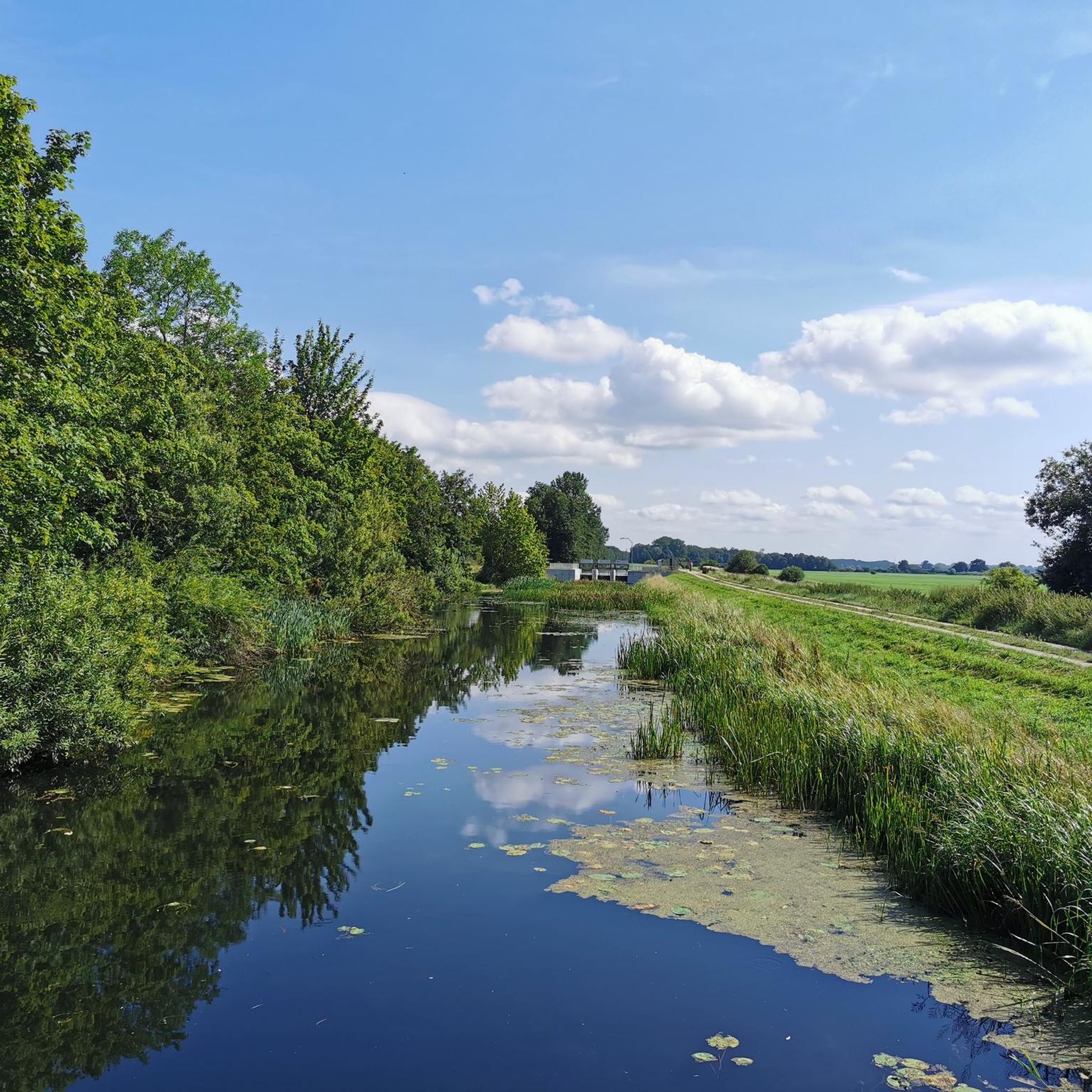
Fish ladder on the Nebel at the Bützow-Güstrow Canal near Lüssow
Highlight • Structure
Translated by Google •
Tip by

Sign up now to discover places like this
Get recommendations on the best single tracks, peaks, & plenty of other exciting outdoor places.
Sign up for free
Güstrow Palace Gardens
Highlight • Historical Site
Translated by Google •
Tip by

Fish ladder
Highlight • Structure
Translated by Google •
Tip by

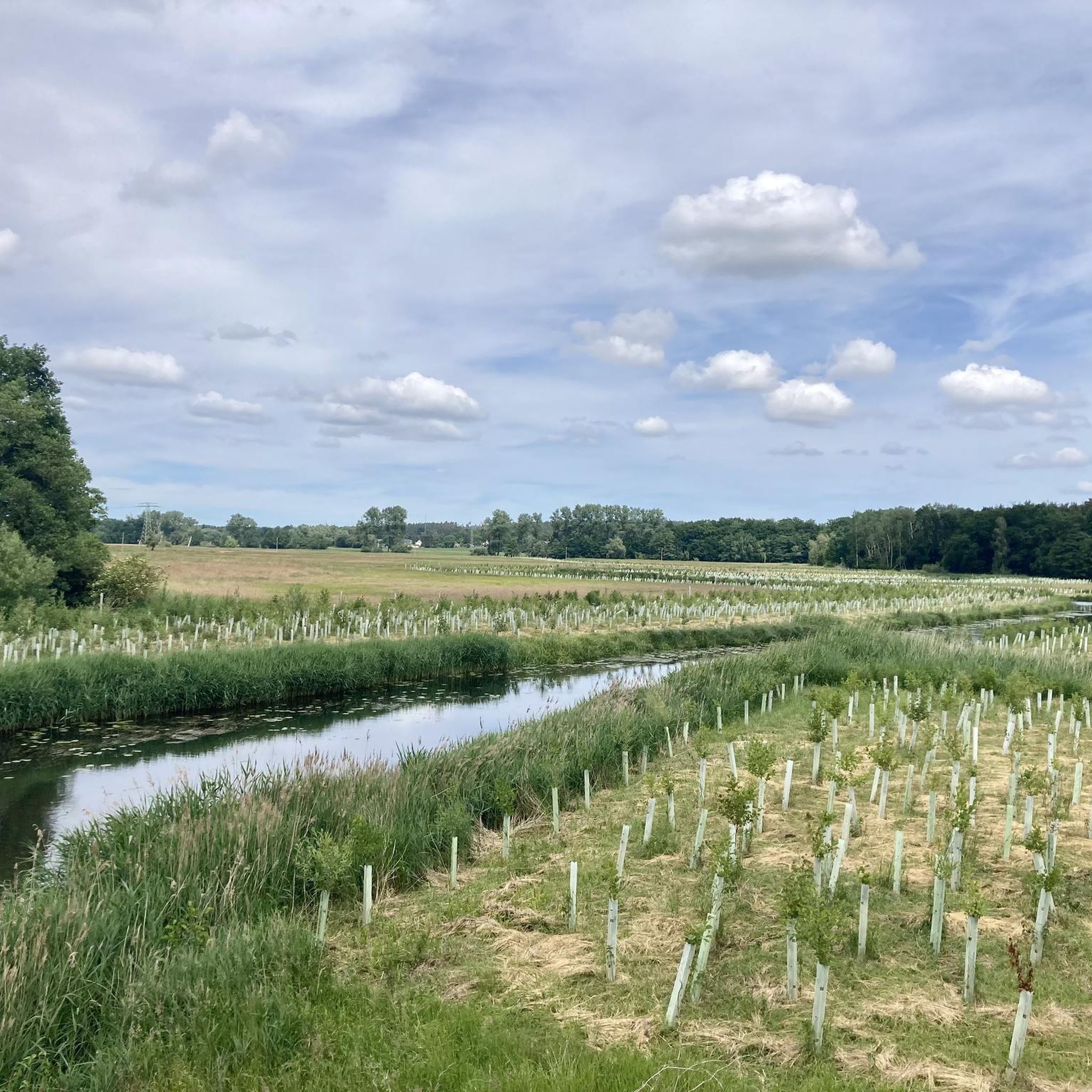
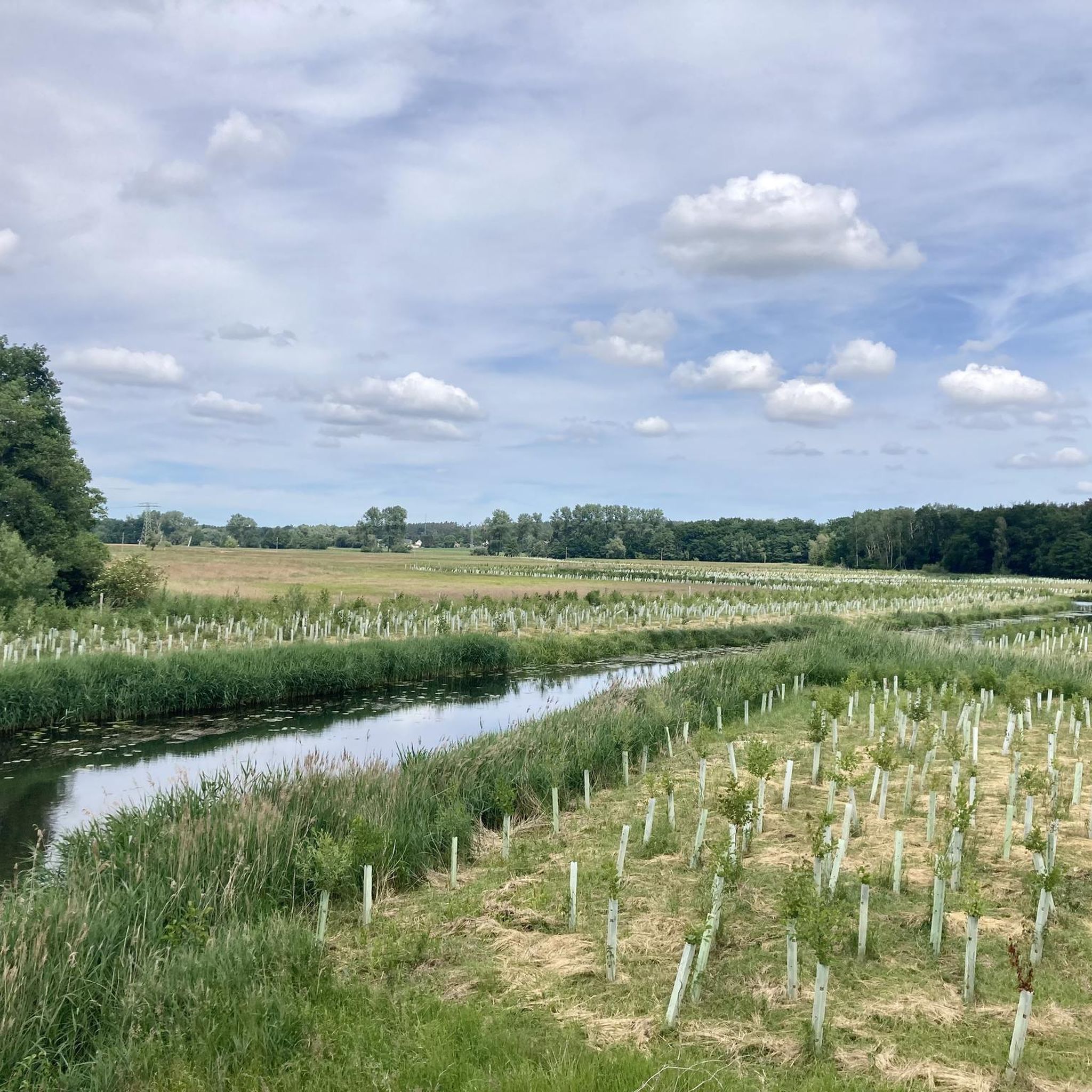
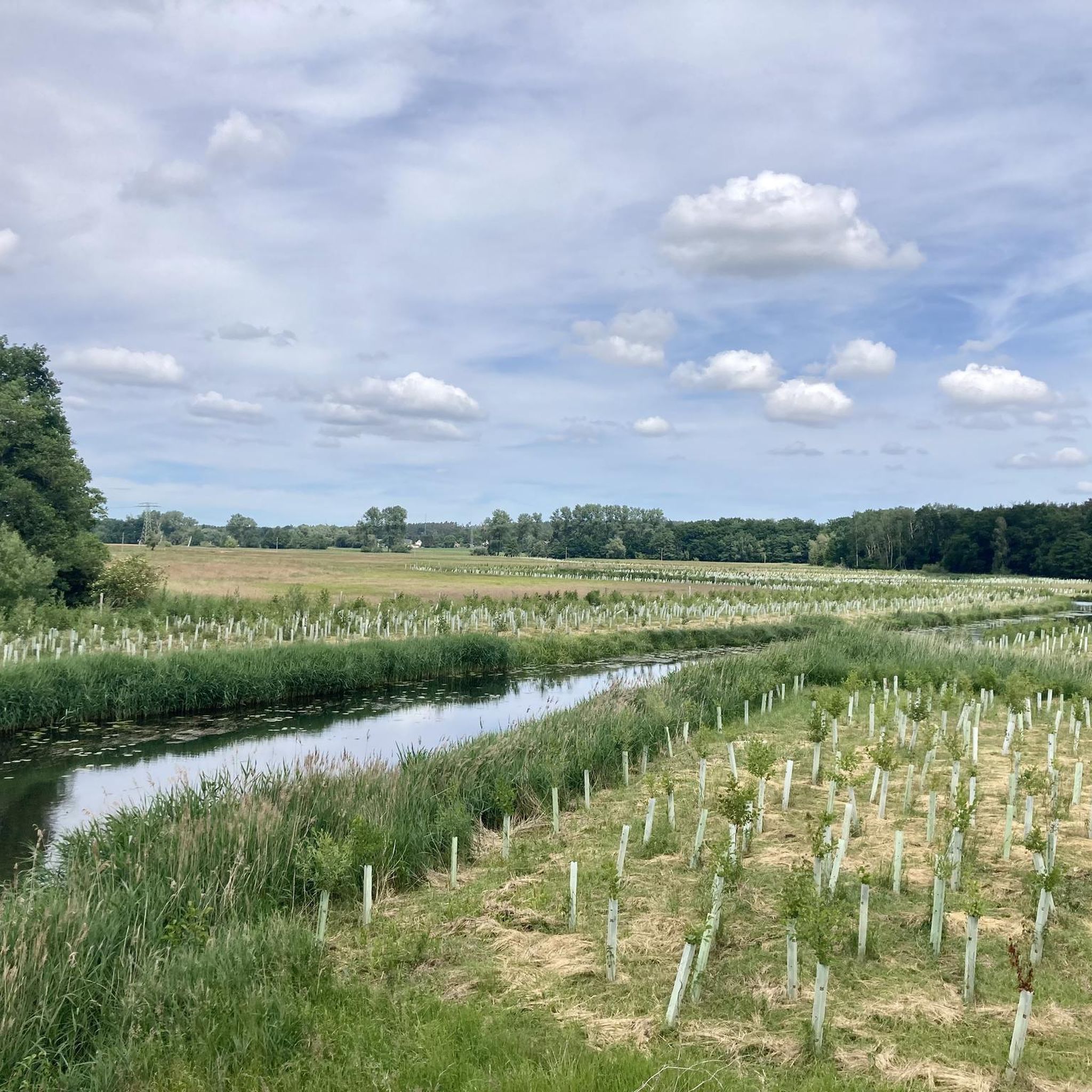
Peetscher Lake Nature Reserve
Highlight • Natural Monument
Translated by Google •
Tip by

Start today with a free account
Your next adventure awaits.
Login or Signup

Tips from the Community

Not accessible with cargo bikes or trailers, best to use the bridge about 200m upstream.
0
0

Really invites you to linger!
0
0

The Boitin Stone Dance is one of the most famous archaeological monuments in Mecklenburg-Western Pomerania. It consists of four stone circles. The stone circles are located in the Tarnow district of Boitin, near the town of Bützow - in the forest, on a straight stretch between Tarnow and Zernin (approx. 2.2 km). The Boitin Stone Dance consists of three stone circles that are close together and a stone circle about 100 m opposite. The position of the stone circles and information about them can be seen on an information board on site. The large stone circle consists of 9 stones. Some stones have names, such as "Kanzel". The granite stone that tapers upwards, with the vertical row of holes, is called the "Brautlade". A shelter offers shelter in bad weather. Seating invites you to linger. Source: https://www.treffpunkt-ostsee.de/ostsee/sehenswertes/steinkreise/boitiner-steintanz-steinkreise.php
0
0

Even if the castle is currently closed due to construction work, you can still enter the castle garden. It is very well maintained and there is something green even in November
0
0

It is estimated that several thousand stone circles were built in Europe in the Middle Stone Age. Many of them have disappeared over time, e.g. due to weathering or the formation of moors, others were used as material. Today only a few hundred remain. There are three stone circles next to each other here, a fourth in the forest a little way away, with a total of 30 menhirs (up to 1.60m high). There is even said to have been a fifth. The age is unclear, but at least people who died later in the Iron Age (750 BC to 1000 AD) are said to have been buried here. Wikipedia has an explanation of the calendar function, according to which the sunrise at the winter solstice, the 13 lunar months (Small Stone Dance), the 28 days of the month (Great Stone Dance), the 13x28=364 +1 (extra stone)=365 days of the year and the leap year solution (every four years - four additional stones) -->365 1/4 days are measurable/represented. https://de.m.wikipedia.org/wiki/Boitiner_Steintanz
1
0

No special skill required.
0
0

Just stand on the bridge and look (astonished) because you can (almost) see a mountain stream
1
0

This fish ladder was built into the fog from the Bützow-Güstrower Canal.
1
0
Frequently Asked Questions
What unique historical natural monuments can I explore near Zepelin?
Near Zepelin, you can explore the Boitiner Steintanz Stone Circles. This prehistoric cult and burial site features approximately 30 menhirs, some up to 1.6 meters tall, arranged in distinct stone circles. It's believed to have astronomical significance, possibly functioning as a "Steinkalender" to mark celestial cycles like the winter solstice. Local legend also adds a mystical allure to the site.
Are there any natural monuments suitable for families around Zepelin?
Yes, several natural monuments are family-friendly. The Güstrow Palace Gardens offer well-maintained green spaces for a pleasant stroll. You can also visit the Fish ladder, where you might observe gray herons fishing, providing an interesting wildlife experience. Additionally, the Peetscher Lake Nature Reserve is a great spot for families, offering opportunities to observe various bird species in a tranquil lake and forest setting.
What kind of natural features can I expect to see in the natural monuments around Zepelin?
The natural monuments around Zepelin showcase a variety of features. You'll find ancient forests and unique stone formations at the Boitiner Steintanz Stone Circles. The Peetscher Lake Nature Reserve features a significant lake and surrounding forest, important for birdlife. Riverine features are prominent near the Fish ladder, offering glimpses of local aquatic ecosystems.
What outdoor activities can I do near these natural monuments?
The region around Zepelin offers various outdoor activities. You can enjoy gravel biking on routes like the 'View of St. Mary's Church – Forest Bicycle Road loop' or 'Boathouses on the Mühlenbach – Güstrow Palace loop'. For hiking enthusiasts, there are easy trails such as the 'Rühn Monastery loop' or moderate options like the 'View of Lake Rühner – Rest Area at the Warnow Bridge loop'. You can find more details on these activities in our guides for Gravel biking around Zepelin, Easy hikes around Zepelin, and Hiking around Zepelin.
Are there specific hiking trails near the natural monuments?
Yes, there are several hiking trails. For instance, near the natural monuments, you can find easy hikes like the 'Rühn Monastery loop' (6.3 km) or 'Rest Area at the Warnow Bridge – Warnow River in Bützow loop' (3.1 km). More moderate options include the 'View of Lake Rühner – Rest Area at the Warnow Bridge loop' (11.6 km). Explore these and other routes in our Easy hikes around Zepelin and Hiking around Zepelin guides.
What makes the Boitiner Steintanz Stone Circles particularly interesting?
The Boitiner Steintanz Stone Circles are fascinating due to their archaeological significance as a prehistoric cult and burial site, dating back to the Iron Age. They are also believed to have served as a "Steinkalender" (stone calendar), potentially marking astronomical events like the winter solstice. A captivating local legend tells of wedding guests being turned into the stones, adding a unique cultural layer to its ancient history.
Can I visit the Güstrow Palace Gardens even if the castle is closed?
Yes, you can. Even if Güstrow Palace itself is closed, for example due to construction work, the Güstrow Palace Gardens remain open and are very well maintained. They offer a pleasant green space to explore throughout the year, even in colder months like November.
What kind of wildlife can I observe at the natural monuments?
At the Fish ladder, you have a good chance to observe gray herons fishing, showcasing local birdlife. The Peetscher Lake Nature Reserve is particularly important as a habitat for numerous bird species, making it an excellent spot for birdwatching.
What do visitors enjoy most about the natural monuments around Zepelin?
Visitors frequently praise the unique condition and atmospheric ambiance of sites like the Boitiner Steintanz Stone Circles. The well-maintained nature of the Güstrow Palace Gardens is also highly appreciated. The opportunity to observe wildlife, such as gray herons at the Fish ladder, also adds to the positive experience. The natural monuments have accumulated over 100 photos and nearly 100 upvotes from the komoot community, indicating their popularity.
Are there any natural monuments that are also nature reserves?
Yes, the Peetscher Lake Nature Reserve is a designated nature reserve. It covers an area of 166 hectares and is recognized for its significance as a feeding, breeding, and resting habitat for numerous bird species, particularly around the silting flat Great Peetscher Lake.
What is the terrain like for exploring the natural monuments?
The terrain varies. For instance, the Boitiner Steintanz Stone Circles are located within a forest, offering a natural, atmospheric setting. Areas around the Peetscher Lake Nature Reserve also involve forest paths and lakeside views. Generally, the region offers a mix of easy to moderate paths suitable for walking and cycling, as indicated by the nearby hiking and biking routes.
Are there any viewpoints among the natural monuments?
Yes, both the Boitiner Steintanz Stone Circles and the Güstrow Palace Gardens are categorized as viewpoints, offering scenic spots to appreciate the surroundings. While not traditional panoramic viewpoints, they provide unique perspectives on historical and natural landscapes.
Most popular attractions around Zepelin

Get inspired with the komoot mobile app


Explore more
Extend your search for the best caves by checking out these guides of the top ones around Zepelin:
