Top 20 Natural Monuments around Amt Neuhaus
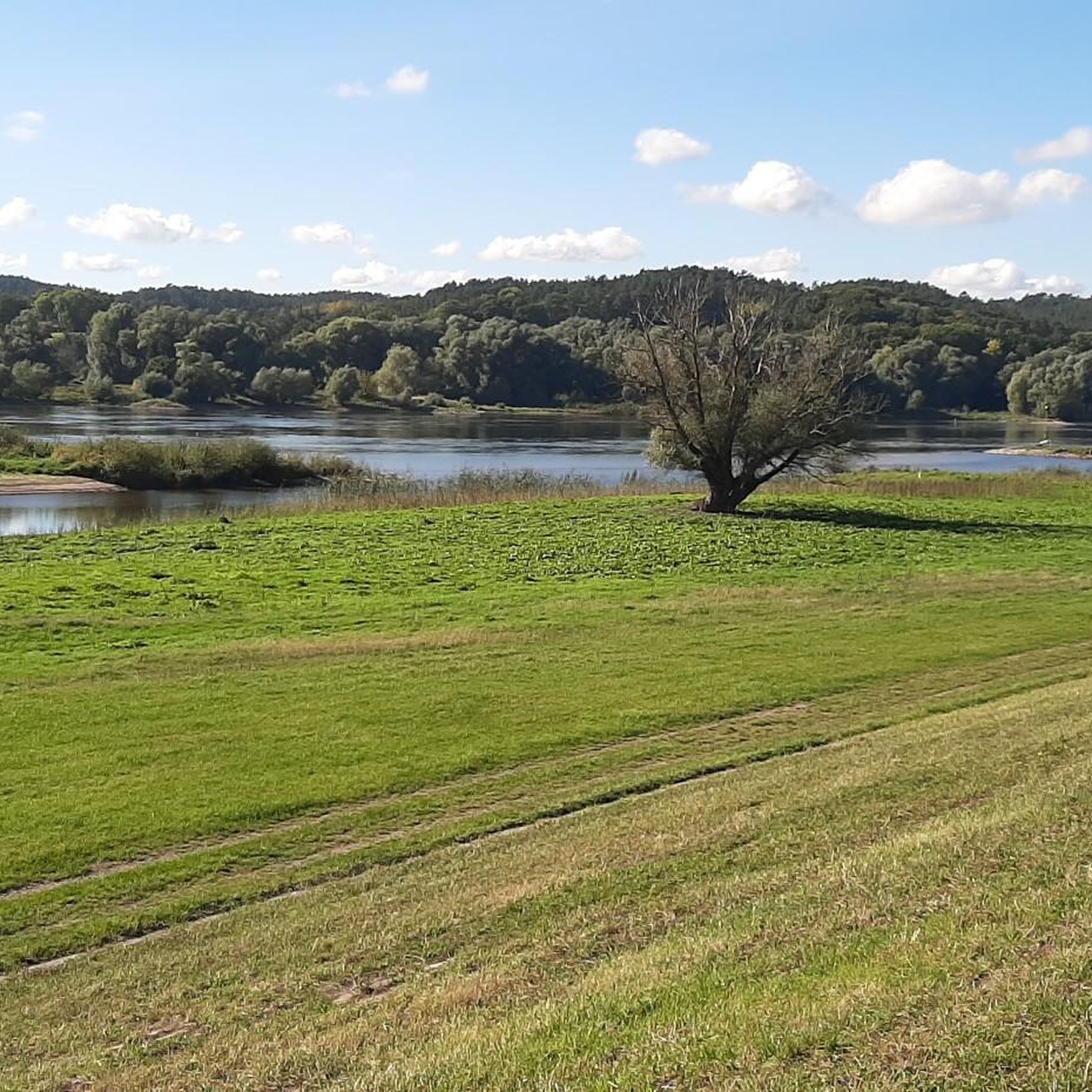
Best natural monuments around Amt Neuhaus are situated within the Lower Saxony Elbe Valley Biosphere Reserve, characterized by its unique riverine landscape. This region features vast meadows, oxbow lakes, and ancient oaks along the Elbe dike, highlighting its ecological significance. The area offers diverse habitats and scenic beauty, providing insights into natural processes. It is an integral part of a protected natural environment.
Best natural monuments around Amt Neuhaus
- The most popular natural monuments is Mahnkenwerder, a viewpoint that…
Last updated: October 11, 2026
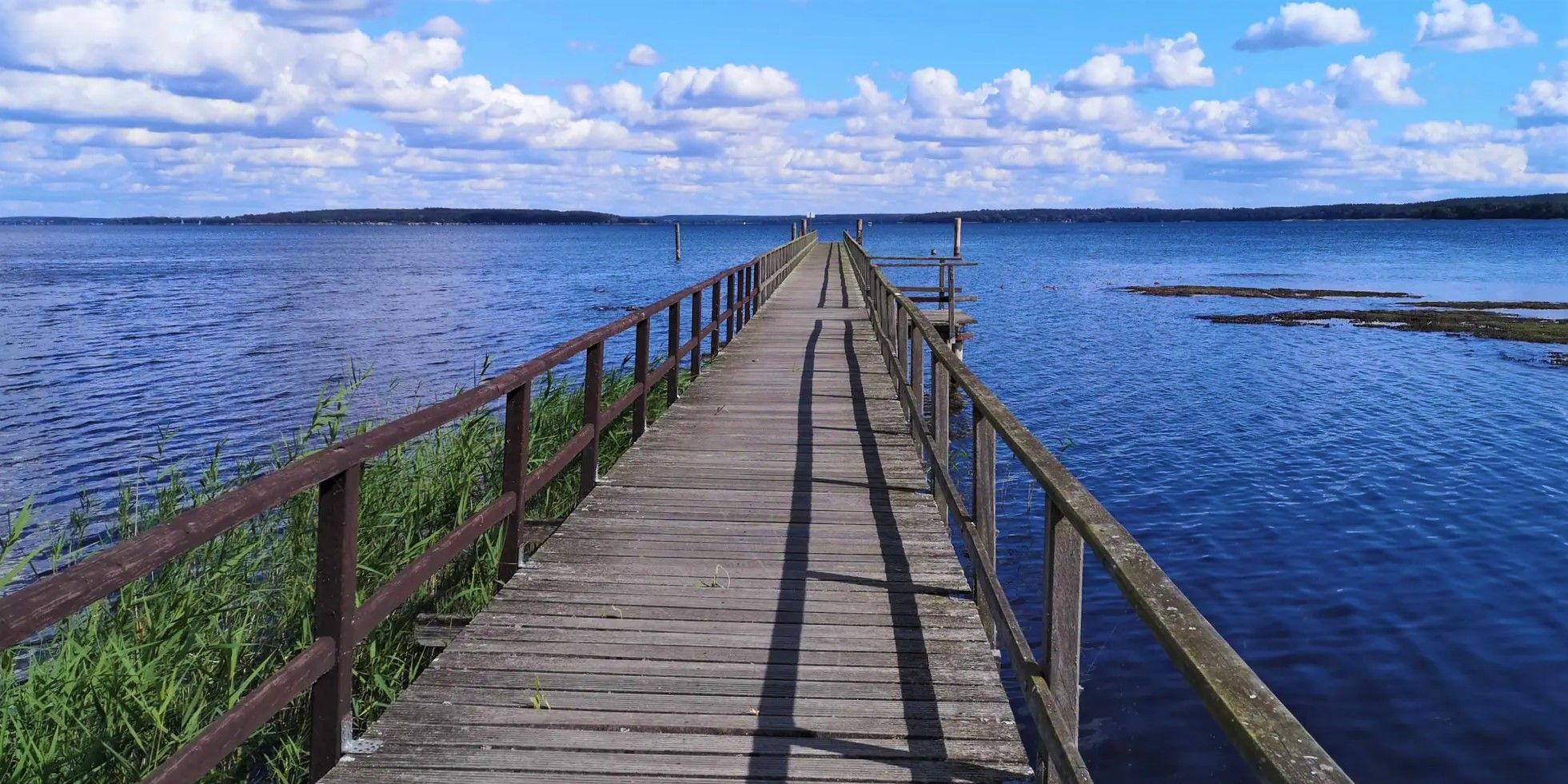
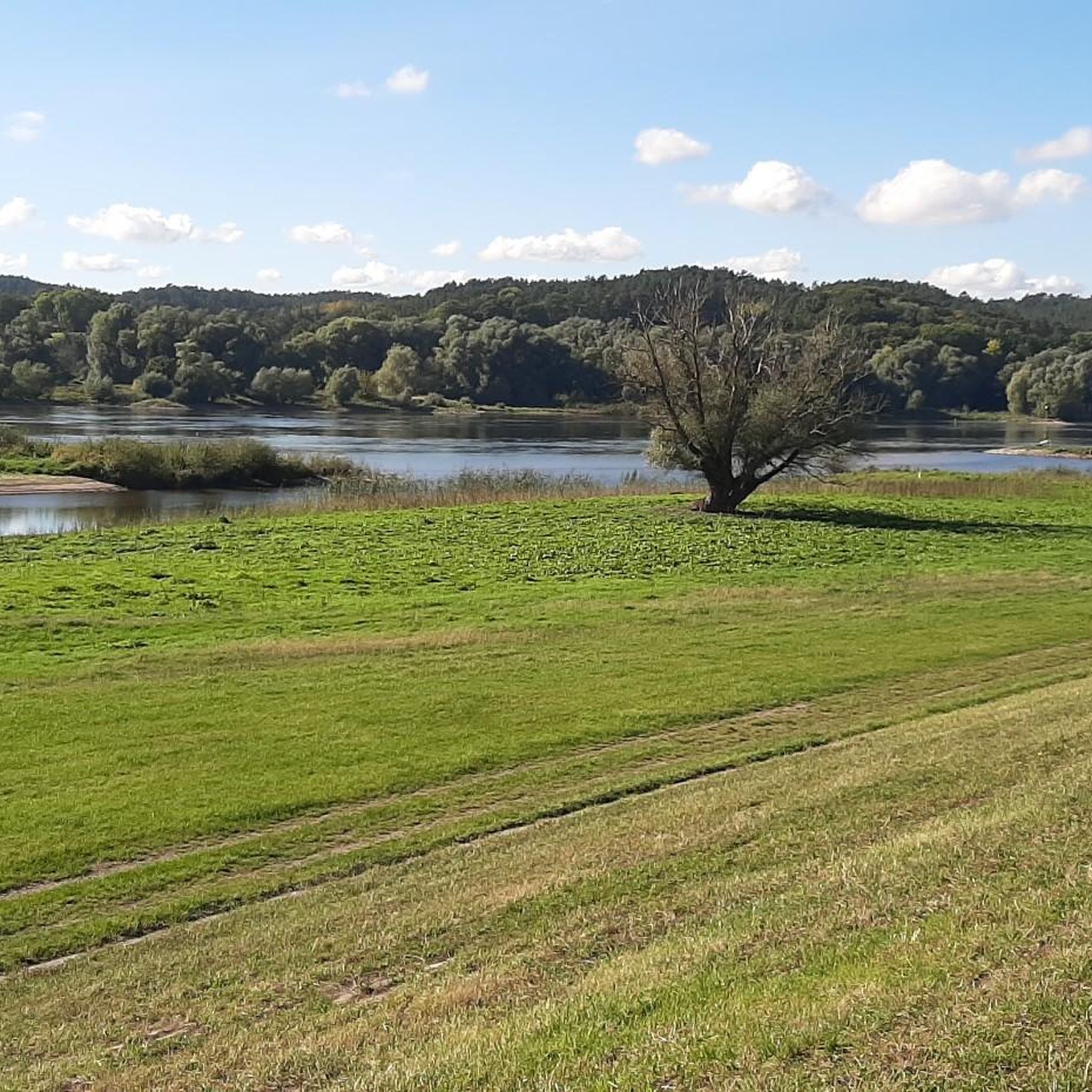
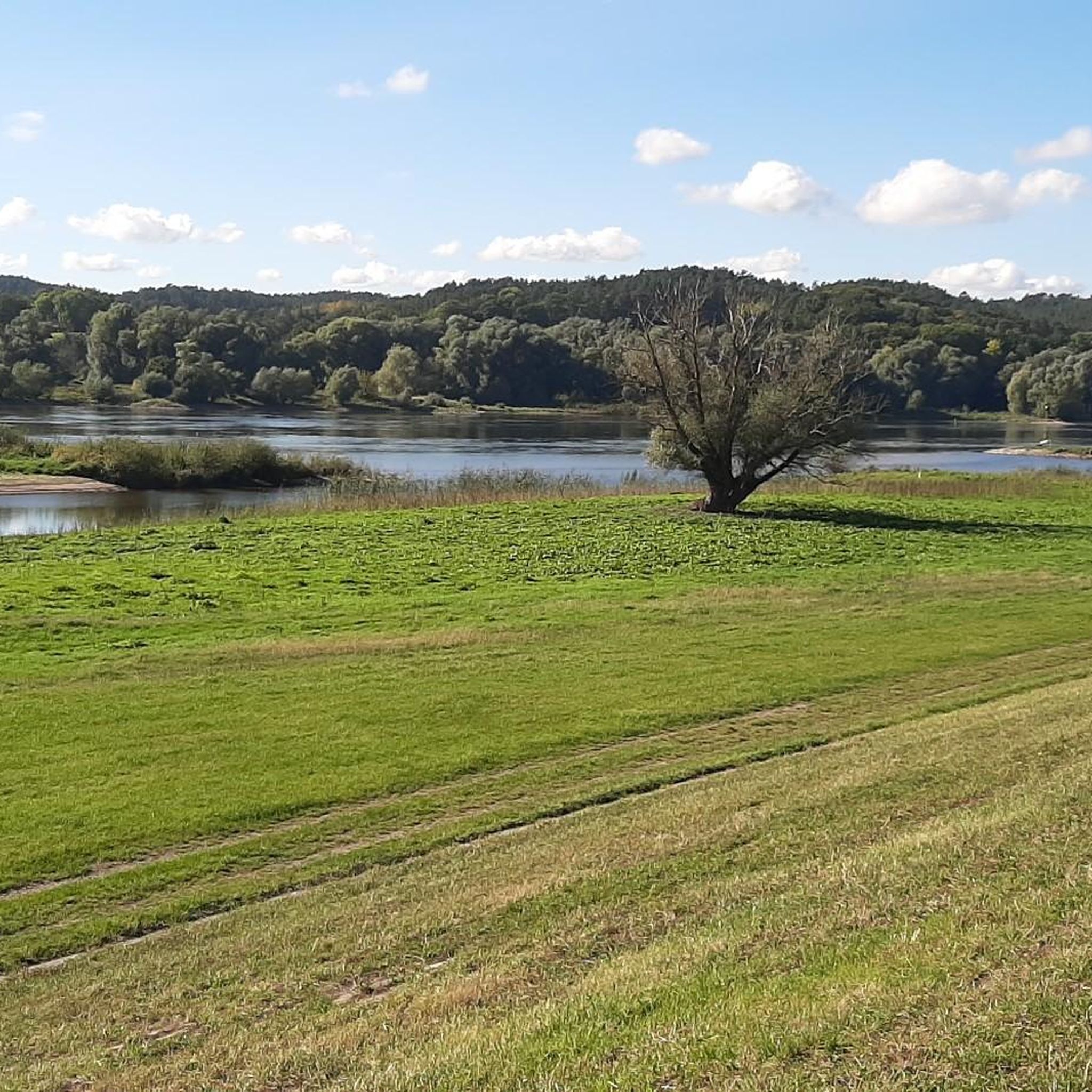
Mahnkenwerder
Highlight • Viewpoint
-------------------------------------------------
....Let's make it clear how the land looks and flows....
Translated by Google •
Tip by

Biosphärium Elbtalaue
Highlight • Natural Monument
Translated by Google •
Tip by

Sign up now to discover places like this
Get recommendations on the best single tracks, peaks, & plenty of other exciting outdoor places.
Stixer Wandering Dune
Highlight • Natural Monument
Translated by Google •
Tip by

View of the Elbe from Boizenburger Balcony
Highlight • Viewpoint
Translated by Google •
Tip by
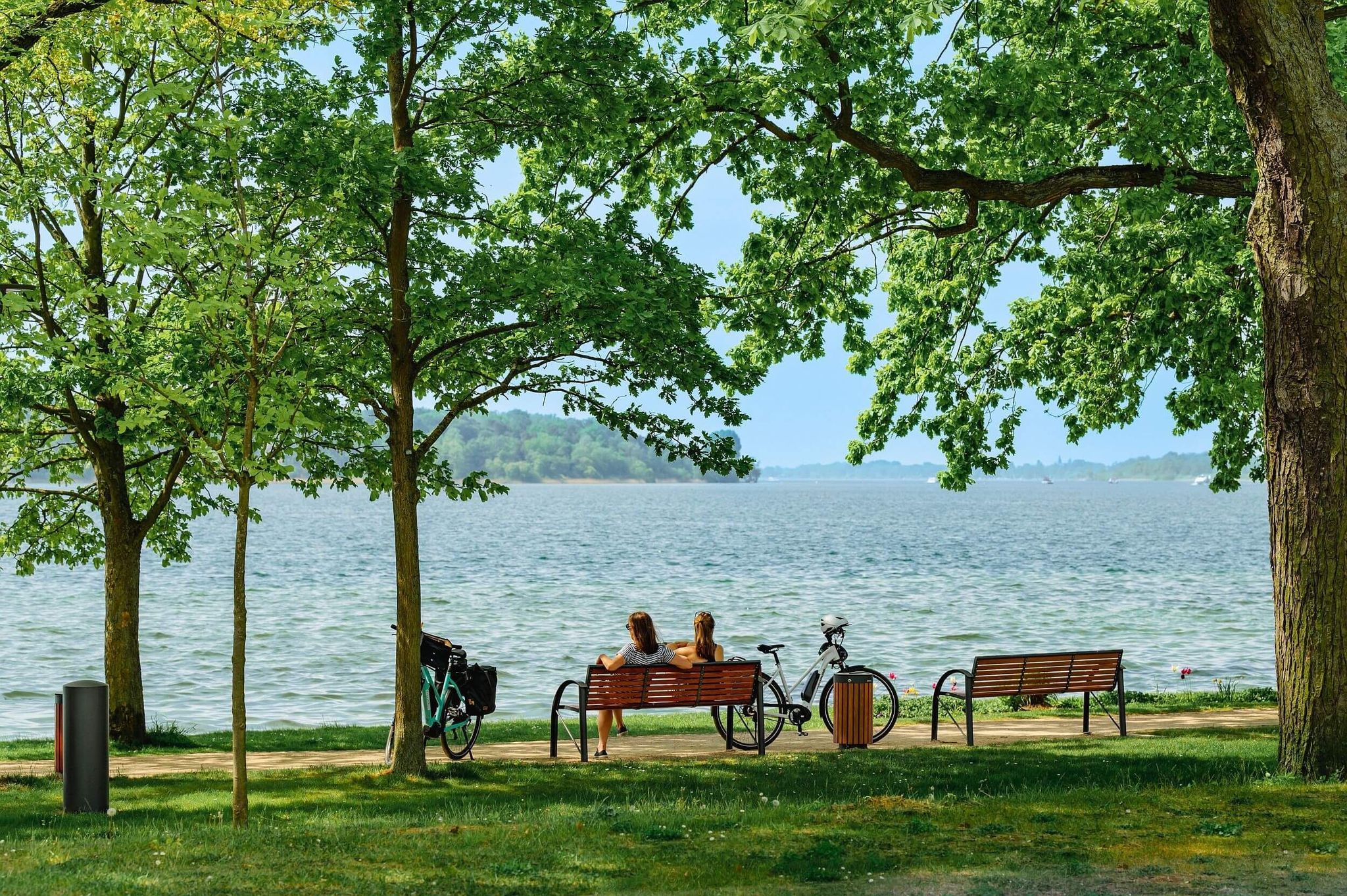
Michaelshof Gardens
Highlight • Natural Monument
Translated by Google •
Tip by

Sign up for free to discover even more natural monuments around Amt Neuhaus.
Already have an account?
Start today with a free account
Your next adventure awaits.


Tips from the Community

Thousands of tulips of the most diverse types and colors in a lovingly maintained garden. The winding paths invite you for a short hike. Benches are distributed throughout the grounds, you can always find a spot to enjoy the splendor of colors. It is amazing that the entire facility can be used free of charge.
0
0

Very nice here, I report on it myself on my platform www.mvp-tourismus.de
0
0

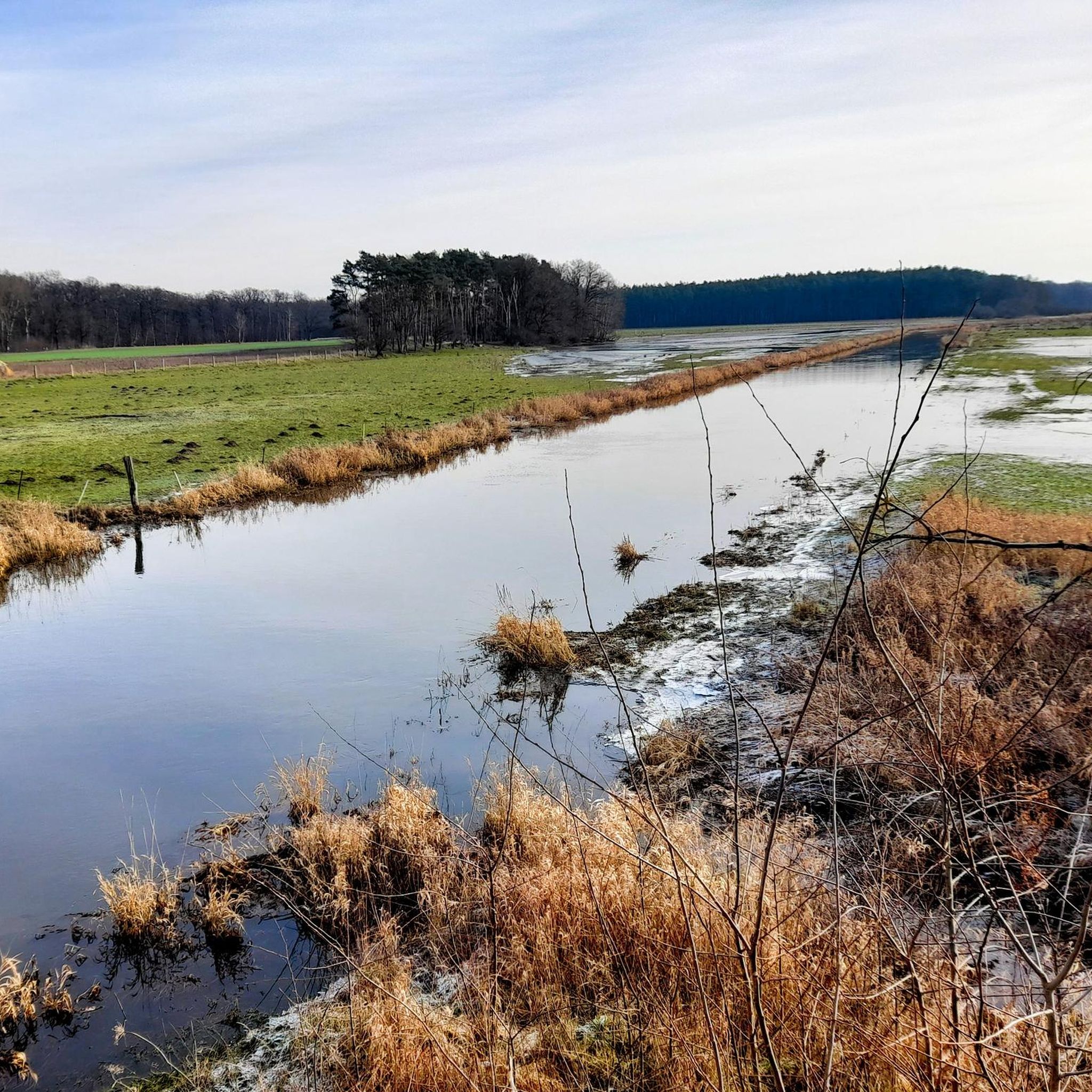
The sand of the dune was formed 10,000 years ago, but it is not as if this dune has been there for that long. It is also not that big. Like all dunes in the Griesen area, the sand only became a problem for people in the Middle Ages, as they had exploited and cut down the previously existing forest. The sand spread unhindered and shifting dunes formed. The problem was solved after reforestation. This dune is supposed to still shift, but I don't think that is the case, as it is enclosed and partially covered by pine trees. Wind can hardly get through here anymore. That may have been different some time ago.
0
0

Be sure to pack insect/mosquito spray! The entire forest between the dunes and the moor is well visited by biting beasts, depending on the season/weather conditions. ;)
4
0

An absolute peace and dream setting.
3
0

Wonderful natural landscapes are to be discovered
3
0

Great facility, very nicely laid out, there is something to discover everywhere.
0
1

A great garden setting! There is still a lot to discover even in late autumn. Unfortunately, the café is closed in winter.
0
1
Frequently Asked Questions
What unique natural features can I explore in Amt Neuhaus?
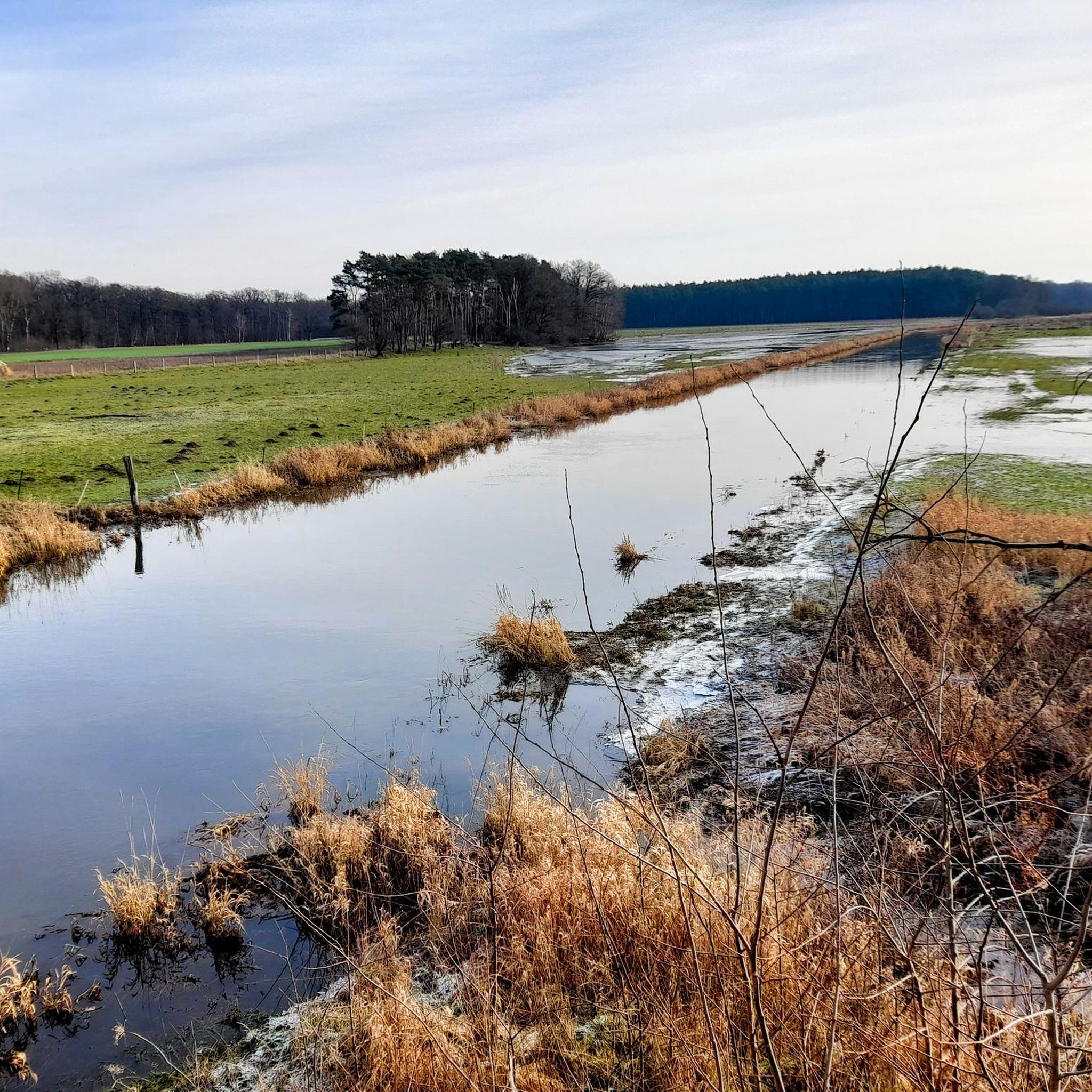
The Amt Neuhaus region, nestled within the Lower Saxony Elbe Valley Biosphere Reserve, offers diverse natural features. You can discover the unique Stixer Wandering Dune, a rare inland geological formation where pines are buried by shifting sands. Another interesting spot is the Qualmwasser Depression Barnitz, an elongated strong-water sink whose water levels fluctuate with the Elbe, creating a vital habitat for amphibians. The expansive Elbe Floodplain Landscape itself is a significant natural monument, characterized by vast meadows, oxbow lakes, and ancient oaks.
Where can I find the best viewpoints to appreciate the Elbe Valley landscape?
For panoramic views, visit Mahnkenwerder, which offers expansive vistas of the surrounding area. Another excellent spot is the View of the Elbe from Boizenburger Balcony, providing extensive views of the Elbe, Boize, and Sude rivers. These locations are ideal for taking a break and enjoying the vastness of the landscape.
Are there family-friendly natural monuments or activities in Amt Neuhaus?
Yes, several natural monuments and related attractions are family-friendly. The Stixer Wandering Dune is suitable for families, offering an interesting natural phenomenon to explore. The View of the Elbe from Boizenburger Balcony also welcomes families. Additionally, the Biosphärium Elbtalaue in Bleckede is an excellent family destination, providing interactive exhibits about beavers and the biosphere reserve, complete with an aquarium and observation tower. The Boizenburg Weidenschneck (Willow Cathedral) is another unique, living structure that can be enjoyed by all ages.
What kind of hiking trails are available near the natural monuments in Amt Neuhaus?
The region offers a variety of hiking opportunities, particularly easy trails suitable for exploring the natural beauty. You can find routes like the 'Stixer Wandering Dune – Laaver Moor loop from Stixe' or the 'Niendorf Weir – Storchenkate Neuhaus (Elbe) loop from Preten'. These trails allow you to experience the unique landscapes, including the wandering dune and the Elbe floodplain. For more options, explore the easy hikes around Amt Neuhaus.
Can I go cycling near the natural monuments in Amt Neuhaus?
Absolutely. The Elbe Cycle Path, running along the dike, provides excellent views of the floodplain landscape and connects many natural attractions. You can find various cycling routes, such as the 'Boizenburg Town Hall – Mahnkenwerder loop from Neuhaus' or the 'Elberadweg at Elbedeich – Biosphere Reserve Management Zone loop from Hitzacker (Elbe)'. These routes offer a great way to experience the region's natural monuments. Discover more cycling options in the cycling guide for Amt Neuhaus.
Where can I observe wildlife in the Amt Neuhaus region?
The Elbe Floodplain Landscape within the Lower Saxony Elbe Valley Biosphere Reserve is a prime location for wildlife observation. This extensive natural area is home to numerous wild animals and a wide array of bird species. Keep an eye out for white-tailed eagles, kestrels, cranes, gray and great egrets, red kites, and common buzzards. Mammals like deer, beavers, coypu, and hares can also be spotted. The dynamic Qualmwasser Depression Barnitz is particularly important for amphibian breeding, including moor frogs and garlic toads.
What is the best time to visit the natural monuments in Amt Neuhaus?
The best time to visit largely depends on your interests. Spring and autumn are ideal for birdwatching and enjoying the changing colors of the landscape without extreme temperatures. Spring is also crucial for observing amphibian breeding in areas like the Qualmwasser Depression Barnitz. Summer offers pleasant conditions for cycling along the Elbe Cycle Path and exploring the dunes. Always be prepared for insects, especially near wetlands, depending on the season.
Are there any cultural or historical sites related to the natural environment in Amt Neuhaus?
Yes, the Biosphärium Elbtalaue in Bleckede, while focusing on nature, is housed in a historic castle and serves as a gateway to understanding the unique natural and cultural heritage of the Lower Saxony Elbe Valley Biosphere Reserve. It offers insights into rare livestock breeds and traditional crops, highlighting the close connection between human activity and the natural environment over time. You can learn more about the Biosphere Centre Amt Neuhaus at niedersachsen-tourism.com.
What do visitors enjoy most about the natural monuments around Amt Neuhaus?
Visitors frequently praise the tranquility and expansive views offered by sites like Mahnkenwerder, noting the sense of space and peace. The unique geological formation of the Stixer Wandering Dune is also a highlight, with its visible process of shifting sands. The magnificent views of the Elbe Valley from spots like the Boizenburger Balcony are also highly appreciated, providing a perfect resting spot with panoramic vistas.
Are there any specific considerations for visiting the Stixer Wandering Dune?
When visiting the Stixer Wandering Dune, it's advisable to pack insect or mosquito spray, especially depending on the season and weather conditions, as the surrounding forest and moor can be active with biting insects. The dune itself is a fascinating geological formation, approximately 10,000 years old and covering about 9.5 hectares, showcasing how sand has shifted and even buried pines over time.
Are there dog-friendly trails near the natural monuments in Amt Neuhaus?
Many natural areas and trails in the Amt Neuhaus region, particularly within the Elbe Floodplain Landscape, are suitable for walks with dogs. While specific dog rules may vary by protected area, generally, dogs are welcome on trails when kept on a leash. The extensive network of paths along the Elbe dike and through the meadows offers plenty of opportunities for you and your dog to enjoy the natural monuments.
Most popular routes around Amt Neuhaus
Most popular attractions around Amt Neuhaus

Get inspired with the komoot mobile app


Explore more
Extend your search for the best caves by checking out these guides of the top ones around Amt Neuhaus:
