Top 20 Natural Monuments around Bad Fallingbostel
Natural monuments around Bad Fallingbostel are found within Lower Saxony, Germany, a region characterized by diverse natural landscapes. The area features heathlands, forests, and unique moorland ecosystems, providing opportunities for outdoor activities and insights into the local environment. The landscape is shaped by its geological history, including remnants from the Ice Age. These natural features offer various nature attractions Bad Fallingbostel, with numerous hiking trails Bad Fallingbostel for exploration.
Best natural monuments around Bad Fallingbostel
- The most popular natural monuments…
Last updated: November 22, 2026
Ahlftener Ponds
Highlight (Segment) • Lake
Translated by Google •
Tip by

Grundloser See Loop
Highlight (Segment) • Trail
Translated by Google •
Tip by

Sign up now to discover places like this
Get recommendations on the best single tracks, peaks, & plenty of other exciting outdoor places.
Friedrich Toedter Rock Garden
Highlight • Monument
The stone is on the way to the "Schäferhof, an old farmstead"
Translated by Google •
Tip by

Grundloses Moor Nature Reserve
Highlight • Natural
Translated by Google •
Tip by

Halifax Ponds (Röders Park)
Highlight • Lake
Translated by Google •
Tip by

Sign up for free to discover even more natural monuments around Bad Fallingbostel.
Already have an account?
Start today with a free account
Your next adventure awaits.
Other adventures around Bad Fallingbostel

Tips from the Community

A rock garden well worth seeing - even if it does not date back to the Stone Age, but was built by a Neuenkirchen hotelier in 1999.
2
0

Friedrich Toedter's rock garden, with its boulders that were "pushed" naturally from Scandinavia during the Ice Age 😊 is quite nice. The stone is on the way to the "Schäferhof, an old farmstead"
8
0

Very idyllic little ponds where you can take a relaxing break. There are a few benches and plenty of peace and quiet.
2
0

There are many small fishing and breeding ponds here. Signs provide information about the variety of fish. Water lilies grow on the ponds. A few benches invite you to linger.
2
0
Guest anglers can purchase permits from the Soltau Tourist Office. The access - by bike - is a bit tricky coming through the forest from Soltau. Via street o Problemo, by car from there too. The entire facility is monitored by video
4
1
This charming park, known for its idyllic ponds, is affectionately called "Halifax" by the locals. It not only offers a place to relax but also a beautiful view of the Bohemian Forest, which was specifically created as a recreational forest for the citizens of Soltau. Did you know that the toboggan run was built by prisoners during the First World War? The park was and remains a popular meeting place for the Röders family, who proudly had nine children. Although Röders Park is privately owned, it is open to all Soltau residents and visitors, so you can enjoy nature at any time.
6
0
In Soltau people's language, the park with the ducks, the "Halifax", or Röders Park is called. The forest is the Böhmewald, an artificially created recreational forest for the citizens of Soltau, which was created in the area of depleted farmland ("Altes Rottland") north of the city. The toboggan run was created by prisoners of the Soltau camp during the First World War. Halifax is just the name of the two ponds in Röders Park. The park with the ponds and the nearby Bohemian Forest was a paradise not only for the family - Willi Röders had nine children - but also for many visitors. Röders Park has always been privately owned, but freely accessible to Soltau residents. https://www.geocaching.com/geocache/GCTCZX_halifax?guid=4ae6dd19-52fa-46d3-94be-6c7a65f3d4c3 At the moment (March) many paths are muddy and slippery. It's a good place to go for a walk. Ducks should not be fed. There are also some benches there.
6
0
Halifax, also known as Röder's Park, is an ideal place for a stroll or simply to enjoy the peace and quiet. Halifax is located exactly on the 53rd parallel. https://www.erlebniswelt-lueneburger-heide.de/detail/id=5ff84d96b4dc7458417f9b19
7
0
Frequently Asked Questions
What unique natural features can I explore around Bad Fallingbostel?
The region around Bad Fallingbostel is characterized by diverse natural landscapes, including heathlands, forests, and unique moorland ecosystems. You can discover features like the Ahlftener Flatt Pond, a heath pond formed in a wind-blown hollow from the last Ice Age, or the distinctive peat landscapes of the Grundlose Moor, which surrounds the Grundloser Lake.
Are there family-friendly natural monuments around Bad Fallingbostel?
Yes, several natural monuments are ideal for families. The Grundloser See Loop offers an educational experience with puzzle boards about local flora and fauna. The Ahlftener Ponds provide a peaceful setting with benches, perfect for a relaxing break with children. The Ahlftener Flatt Pond is also noted as family-friendly, offering opportunities to observe rare water birds.
What outdoor activities can I do near these natural monuments?
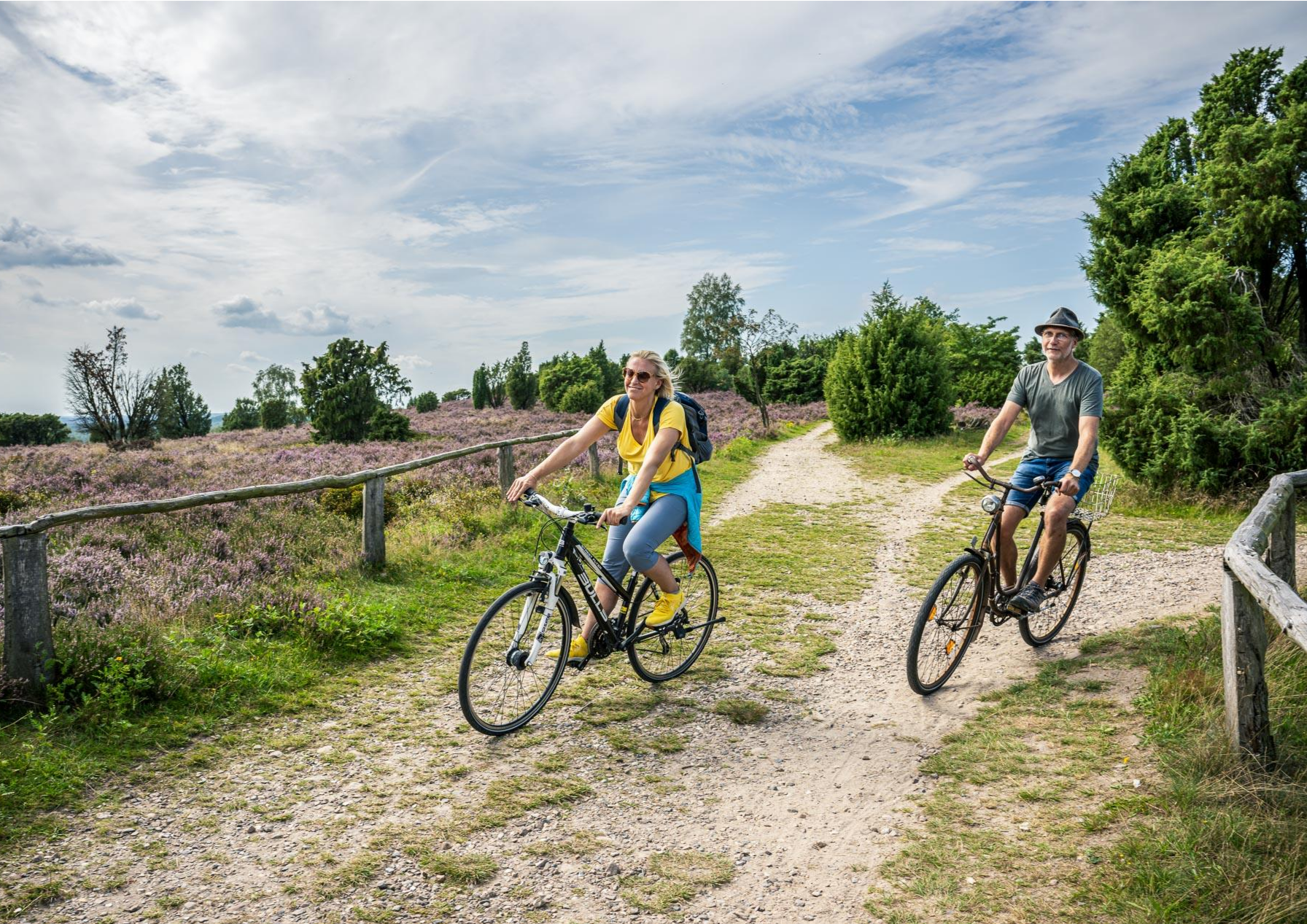
The natural monuments around Bad Fallingbostel are excellent starting points for various outdoor activities. You can find numerous routes for mountain biking, gravel biking, and cycling. For example, explore MTB trails like the 'Hermann Löns Grave (Lönsgrab) – Eibia–Borg Trail loop' or enjoy gravel biking on routes such as 'Friedrich Toedter Rock Garden – Riensheide Heath loop'. You can find more details on these activities in the MTB Trails around Bad Fallingbostel, Gravel biking around Bad Fallingbostel, and Cycling around Bad Fallingbostel guides.
When is the best time to visit the natural monuments around Bad Fallingbostel?
The best time to visit depends on what you wish to experience. Late summer, typically August and September, is ideal for witnessing the Lüneburg Heath transform into a stunning purple spectacle as the heather blooms. However, the Ahlftener Flatt Pond is described as exciting in every season, with changing leaves, snow, or fresh spring green providing fascinating sights. The Böhme Valley and local forests offer pleasant experiences throughout spring, summer, and autumn.
Are there good hiking trails near the natural monuments?
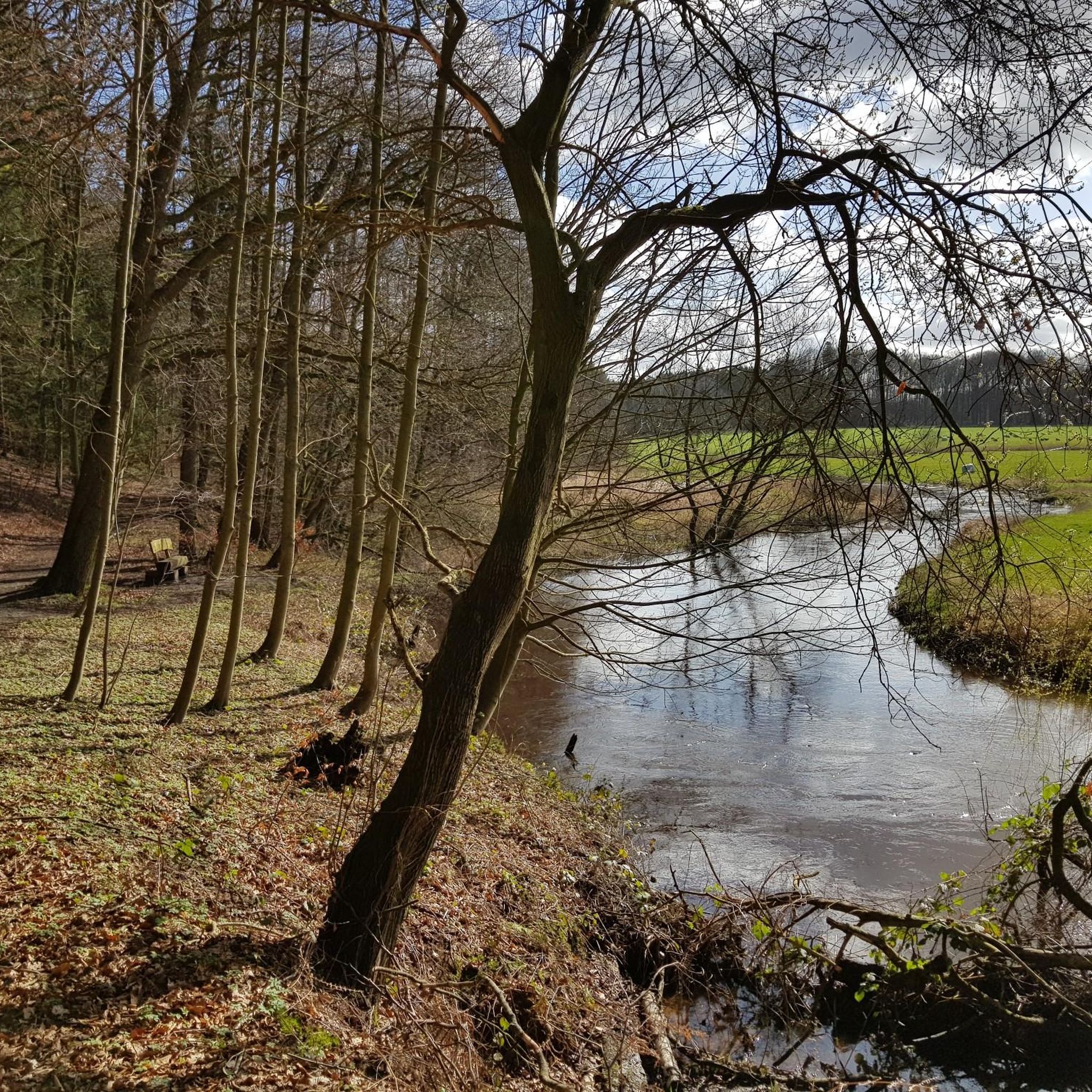
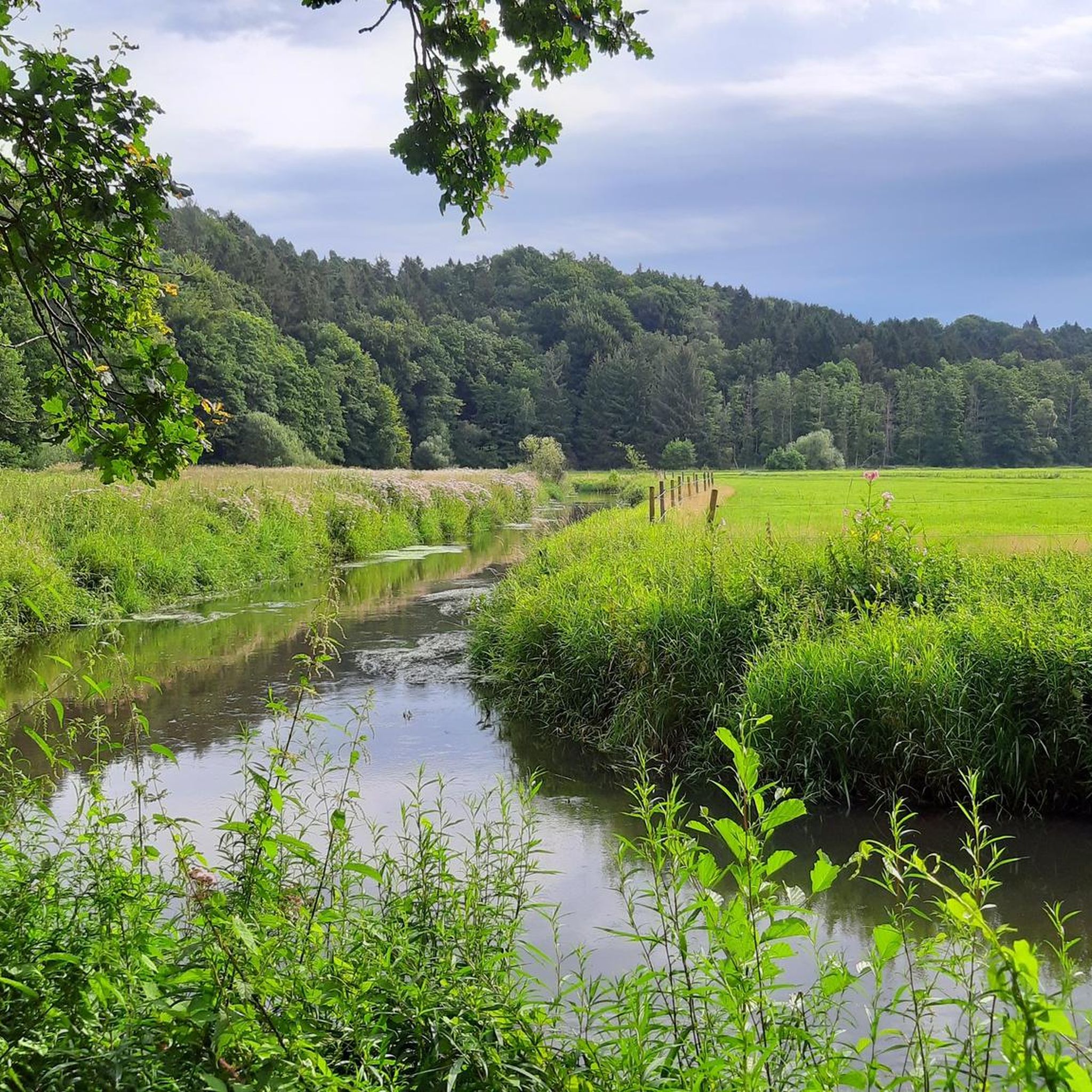
Yes, the area offers many hiking opportunities. The Grundloser See Loop is a beautiful circular route through the Grundlose Moor. The Lüneburg Heath, a prominent natural area nearby, features numerous hiking trails. Additionally, paths follow the tranquil Böhme River, providing serene riverside views, and local forests like Walsrode Wood offer well-marked trails for enjoying nature.
What can I expect to see at the Grundlose Moor and Grundloser Lake?
The Grundlose Moor is a unique nature reserve known for its peat landscapes and specialized plant life. The Grundloser See Loop trail within the moor features puzzle boards about local flora and fauna, making it an educational experience. The Grundloser Lake itself is surrounded by the moor and offers a small lookout tower, providing views of this distinctive ecosystem. The lake is only 2 meters deep, despite its dark water giving the impression of infinite depth.
Can I find viewpoints or scenic spots among the natural monuments?
Yes, several spots offer scenic views. The Grundloser Lake has a small lookout tower for elevated perspectives of the moor. The Ahlftener Ponds provide a pleasant setting to observe water lilies and the surrounding nature from benches. The expansive Lüneburg Heath also offers breathtaking photographic opportunities, especially during the heather bloom.
What is the Friedrich Toedter Rock Garden?
The Friedrich Toedter Rock Garden is a beautifully landscaped area featuring large boulders that were naturally pushed from Scandinavia during the Ice Age. It's a unique blend of natural geological features arranged in a garden setting, often passed directly on cycle paths. It offers a chance to see remnants of the Ice Age in a picturesque environment.
Are there any natural monuments suitable for a peaceful break or relaxation?
The Ahlftener Ponds are an excellent choice for a peaceful break. They are large fishing and rearing ponds with benches available, allowing visitors to rest and observe the water lilies and anglers. The tranquil Böhme Valley also offers a peaceful escape with its riverside paths, ideal for leisurely strolls.
What do visitors enjoy most about the natural monuments around Bad Fallingbostel?
Visitors frequently appreciate the serene and educational aspects of the natural monuments. The Grundloser See Loop is praised for its educational puzzle boards and beautiful nature. The Grundloser Lake is often recommended for its surprising beauty. The overall appeal lies in the diverse landscapes, from ancient heath ponds to unique moorland trails, offering a refreshing connection with nature.
Can I go cycling or gravel biking near Bad Fallingbostel's natural monuments?
Absolutely! The area around Bad Fallingbostel is well-suited for cycling and gravel biking. You can find various routes that pass by or through natural areas. For instance, the 'Friedrich Toedter Rock Garden – Riensheide Heath loop' is a popular gravel biking route. For more options, explore the Gravel biking around Bad Fallingbostel and Cycling around Bad Fallingbostel guides.
Are there any natural monuments that showcase the region's geological history?
Yes, the Ahlftener Flatt Pond is a prime example, having been formed in a wind-blown hollow from the last Ice Age. Similarly, the Friedrich Toedter Rock Garden features boulders that were naturally transported from Scandinavia during the Ice Age, offering a tangible link to the region's ancient geological past.
Most popular routes around Bad Fallingbostel
Most popular attractions around Bad Fallingbostel

Get inspired with the komoot mobile app


Explore more
Extend your search for the best caves by checking out these guides of the top ones around Bad Fallingbostel:
