Top 20 Natural Monuments around Herzlake
Best natural monuments around Herzlake offer diverse natural experiences within Germany's Emsland region. The landscape features significant high moorland areas, such as the Hahnenmoor Nature Reserve, and ancient forests like the Maiburg. These areas are characterized by unique ecological features, including rewetting projects that restore bog ecosystems and historical sites integrated into the natural environment. Herzlake provides opportunities to explore protected areas and natural attractions.
Best natural monuments around Herzlake
- The most popular natural monuments is Hahnenmoor Nature Reserve,…
Last updated: June 25, 2026
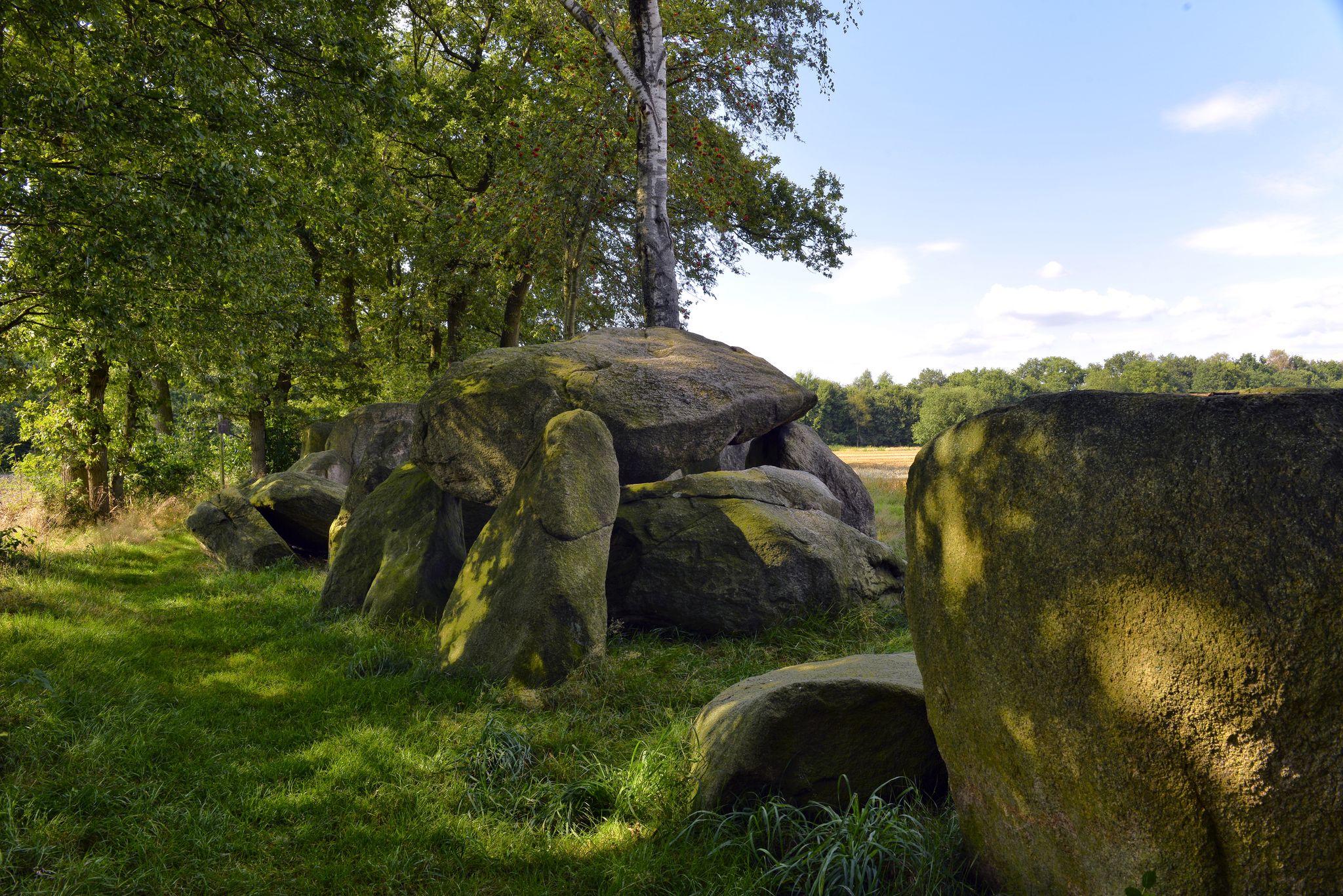
Colossus of Hüven
Highlight • Natural Monument
Translated by Google •
Tip by

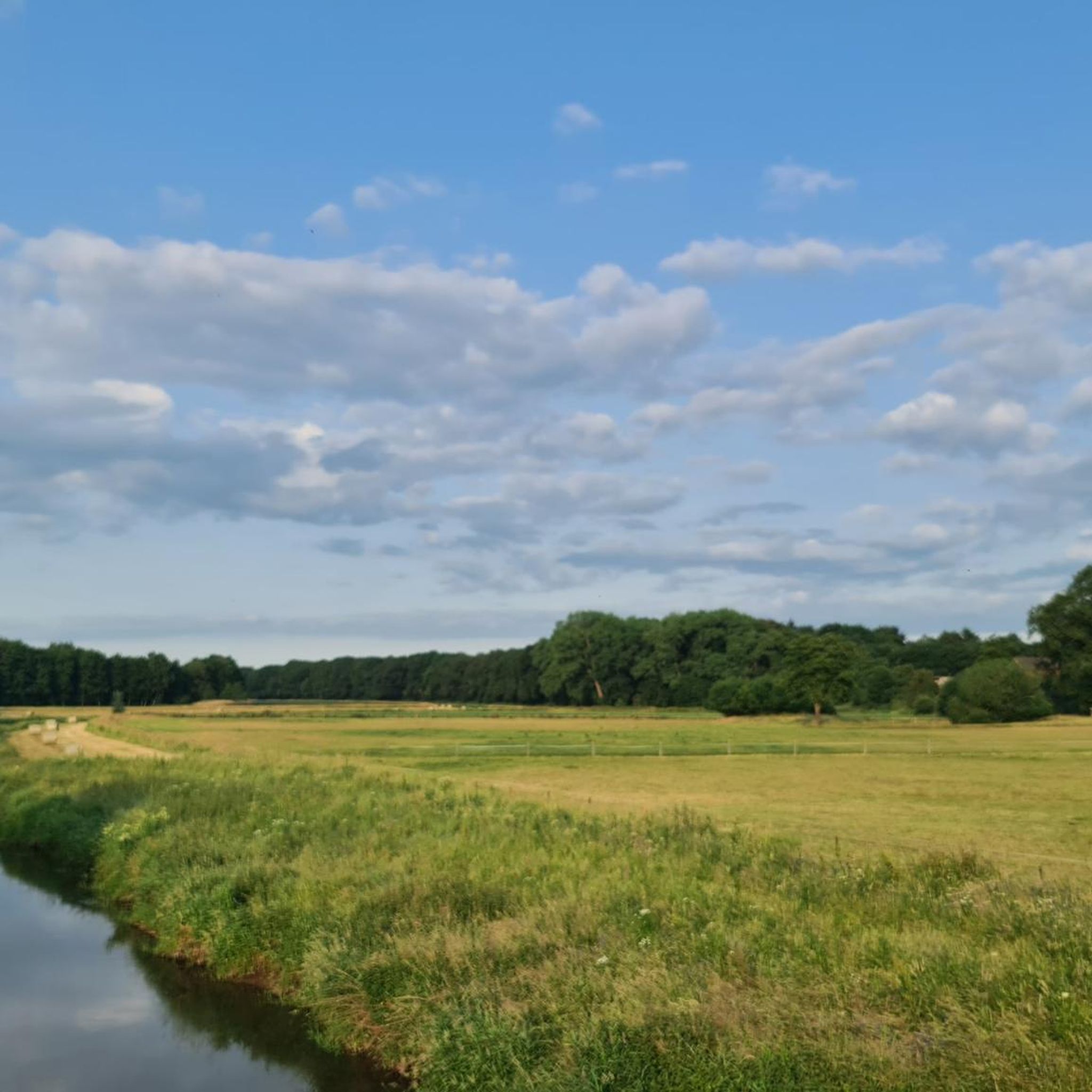
Hahnenmoor Nature Reserve
Highlight • Natural
Translated by Google •
Tip by

Sign up now to discover places like this
Get recommendations on the best single tracks, peaks, & plenty of other exciting outdoor places.
Sign up for free
Hahnenmoor Observation Tower
Highlight • Viewpoint
Translated by Google •
Tip by

Beaver Discovery Trail
Highlight • Trail
Translated by Google •
Tip by
Megalithic tomb in Großer Sande
Highlight • Historical Site
Translated by Google •
Tip by

Sign up for free to discover even more natural monuments around Herzlake.
Sign up for free
Already have an account?
Start today with a free account
Your next adventure awaits.
Login or Signup

Tips from the Community

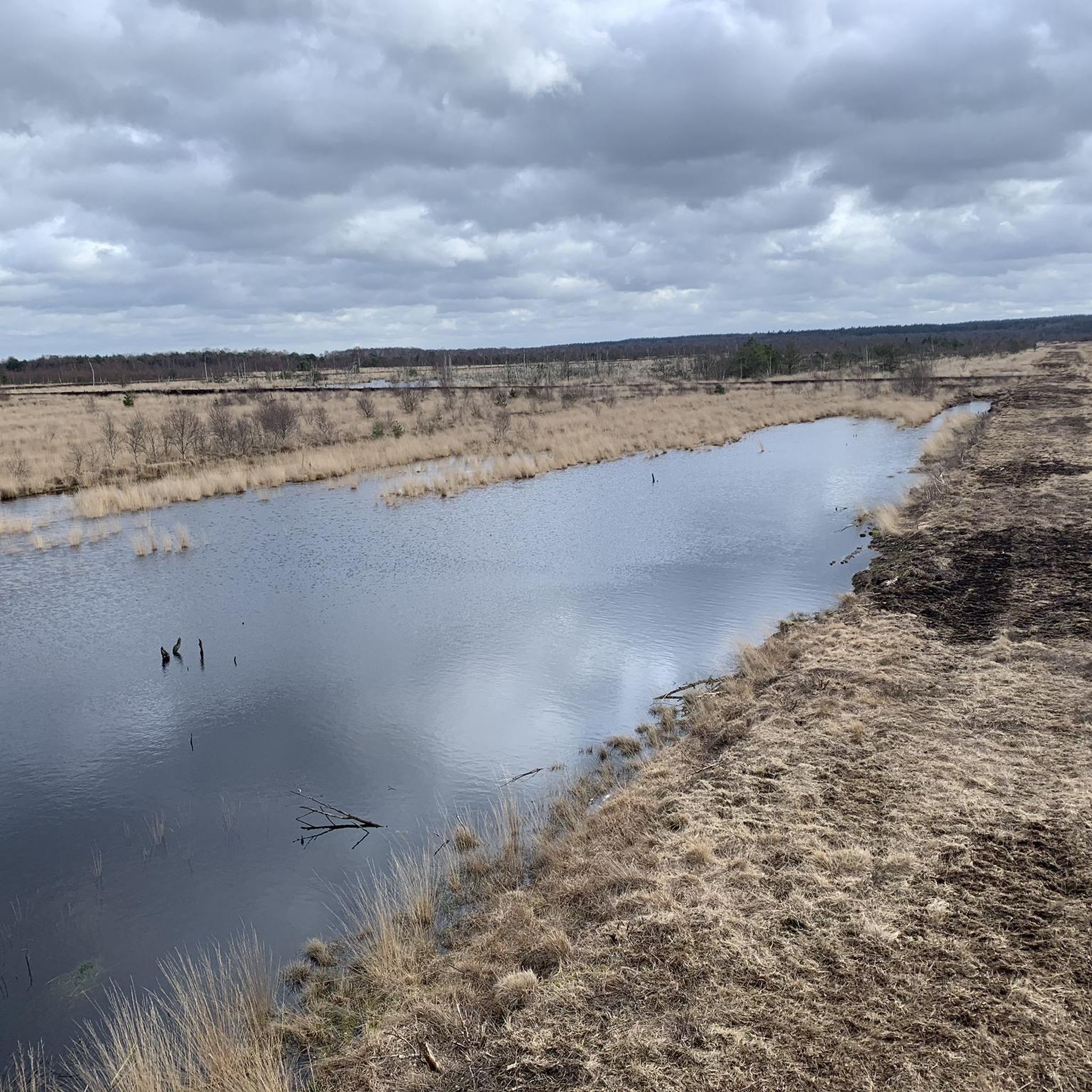
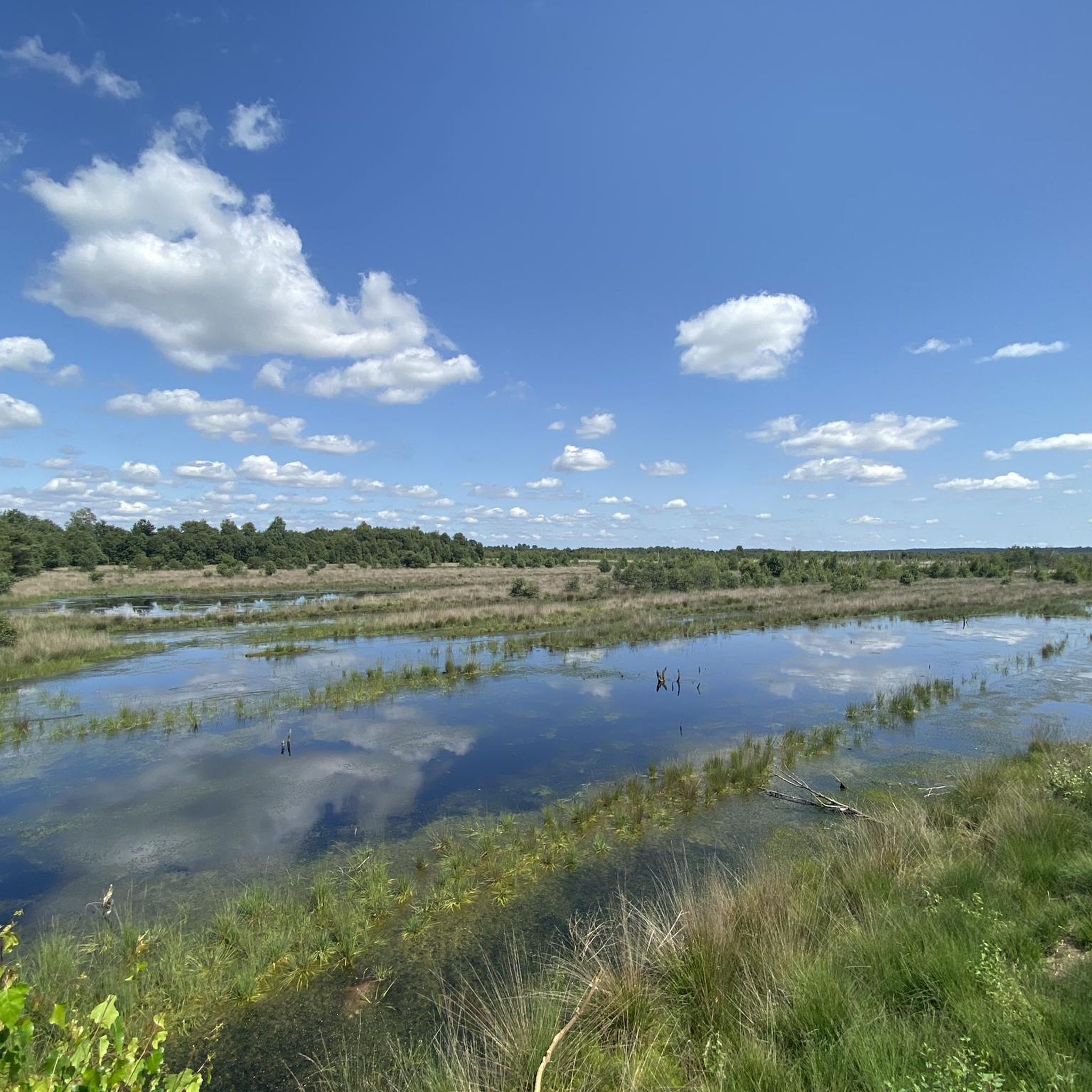
The moor provides a natural habitat for moor frogs and adders and is fascinating for the vibrant green, brown, and red tones of its plants. Sphagnum mosses, sedge, rush, and mud sedge, among others, grow here. It is particularly beautiful in May/June when the cotton grass is in bloom and in August when the heather is in bloom.
1
0
From here, you can enjoy a beautiful view over the moor. You can also observe many birds from here.
0
0

nice little forest trip. Also easy to reach by bike
0
0

One of several megalithic tombs in Emsland
0
0

Unfortunately, the benches at this lookout tower are gone (May 2024). Indeed a nice overview/view of the landscape.
1
0

A beautiful stone grave in the middle of the forest. A plaque provides details and a bench invites you to take a rest.
0
0

The large stone grave in the sand.
0
0
Third largest boulder in Lower Saxony
2
0
Frequently Asked Questions
What are some of the most popular natural monuments to visit around Herzlake?
Visitors frequently enjoy the Hahnenmoor Nature Reserve, known for its unique high moorland landscape and rewetting efforts. Another popular spot is the Haselünne Juniper Grove, where you can observe wild horses. The impressive Colossus of Hüven, a large boulder declared a natural monument, also attracts many visitors.
What makes the Hahnenmoor Nature Reserve a unique natural monument?
The Hahnenmoor Nature Reserve is a significant high moorland area that has undergone extensive rewetting to restore its original bog ecosystem. This creates a distinctive landscape with dead birch trees and tree trunk remnants emerging from the water. It's a crucial habitat for rare animal and plant species and a notable spot for observing migratory birds like whooper swans and cranes, especially in early autumn. An observation tower provides panoramic views.
Are there any historical natural monuments or sites with ancient history in the Herzlake region?
Yes, the region features several sites with deep historical roots. The Volbers Hünensteine Megalithic Tomb is a remarkably well-preserved Neolithic burial site dating back to 3500-2800 BC. Additionally, the Maiburg forest, while not a single monument, integrates ancient human heritage with nature, featuring sites like the Dalum megalithic tomb and legendary spots such as the 'Hexentanzplatz' (Witches' Dance Floor) and 'Teufelsstein' (Devil's Stone).
When is the best time to visit the natural monuments around Herzlake?
The natural monuments around Herzlake offer different experiences throughout the year. Early autumn is particularly good for visiting the Hahnenmoor Nature Reserve to observe migratory birds like whooper swans and cranes. The moor is also very picturesque when the cotton grass is in bloom. Generally, spring and summer provide pleasant weather for hiking and exploring the forests and outdoor areas.
What kind of wildlife can I expect to see in the natural monuments?
The Hahnenmoor Nature Reserve is a haven for numerous rare and protected animal and plant species. During early autumn, it's an excellent place to spot migratory birds such as whooper swans, greylag geese, and cranes. In the Haselünne Juniper Grove, you can observe wild horses (Tarpans) that help maintain the open landscape.
Are there family-friendly natural monuments or activities in the Herzlake area?
Yes, several natural monuments are suitable for families. The Hahnenmoor Nature Reserve offers easy paths and an observation tower, providing an engaging experience for children. The Colossus of Hüven has a rest area, perfect for a short stop. The Haselünne Juniper Grove, with its wild horses, is also a fascinating place for families to explore.
What outdoor activities can I do near the natural monuments around Herzlake?
The area around Herzlake offers a variety of outdoor activities. You can find numerous hiking trails, such as the 'Hahnenmoor Observation Tower – Hahnenmoor Nature Reserve loop' or the 'Aselager Mill loop'. For cyclists, routes like 'Haselünne Lake – Haseweg Pathway loop' are available. Mountain biking enthusiasts can explore trails like 'The Beaver Lodge – Pond in the Forest loop'. You can find more details on these activities in the hiking, cycling, and MTB guides for Herzlake.
Are there observation points to get panoramic views of the natural landscapes?
Yes, the Hahnenmoor Observation Tower provides excellent panoramic views over the rewetting high moor areas of the Hahnenmoor Nature Reserve, allowing visitors to spot various water birds and appreciate the expansive landscape.
What are the unique geological features found in the Herzlake region?
The Herzlake region is characterized by significant high moorland, exemplified by the Hahnenmoor Nature Reserve, which is a rewetting bog ecosystem. The Maiburg forest also features distinctive gorge systems known as 'Tangen,' which are waterways that have carved deep, branching valleys into the terminal moraine landscape, showcasing unique geological formations.
Can I learn about the history of peat extraction in the area?
Yes, the Hahnenmoor Nature Reserve has a rich history of peat extraction. Information panels at the observation tower detail the history of the Hahnenmoor and its former inhabitants. The 'Torfwerk Hahnenmoor' (Peat Works Hahnenmoor) also features an exhibition about the moor, its cultural landscape, and peat extraction, offering insights into this historical industry.
What is the significance of the wild horses in the Haselünne Juniper Grove?
The wild horses in the Haselünne Juniper Grove are Tarpans, or back-breeds of the originally European wild horses. They play a crucial role in nature conservation by grazing the area, preventing encroachment by other vegetation, and thus helping to preserve the unique juniper hedges. This method of landscape maintenance has been used in the grove since the Middle Ages.
Are there any specific rules or recommendations for visiting the nature reserves?
When visiting sensitive areas like the Hahnenmoor Nature Reserve, it's important to stay on marked paths to protect the delicate ecosystem. Keeping dogs on a leash is also recommended. These measures help preserve the natural environment and ensure the tranquility for wildlife and other visitors.
Most popular routes around Herzlake
Most popular attractions around Herzlake

Get inspired with the komoot mobile app


Explore more
Extend your search for the best caves by checking out these guides of the top ones around Herzlake:
