Top 20 Natural Monuments around Stemshorn
Best natural monuments around Stemshorn are primarily found within the protected landscapes of the Stemweder Berg and the Dümmer Nature Park. This region, located in Lower Saxony, Germany, features a diverse natural environment shaped by geological processes and ice ages. Visitors can explore low mountain ranges, extensive wetlands, and significant nature reserves that provide crucial habitats for various species. The area offers opportunities for nature observation and outdoor activities.
Best natural monuments around Stemshorn
- The most popular natural monuments is…
Last updated: May 12, 2026
Ochsenmoor Nature Reserve at Lake Dümmer
Highlight • Natural
Translated by Google •
Tip by

Dümmer Lake Nature Reserve
Highlight • Lake
Translated by Google •
Tip by

Sign up now to discover places like this
Get recommendations on the best single tracks, peaks, & plenty of other exciting outdoor places.
Sign up for free
Reed Boardwalk at Lake Dümmer
Highlight • Rest Area
Translated by Google •
Tip by

Brummloch (Humming Hole) in the Stemweder Berg
Highlight • Natural Monument
You will actually feel the vibrations in your body.
A great experience 🙂
Translated by Google •
Tip by

Ochsenmoor Observation Tower
Highlight • Viewpoint
Translated by Google •
Tip by

Sign up for free to discover even more natural monuments around Stemshorn.
Sign up for free
Already have an account?
Start today with a free account
Your next adventure awaits.
Login or Signup
Other adventures around Stemshorn

Tips from the Community

The approximately 100-meter-long wooden footbridge leads into the reed zone and pasture belt of the "Hohe Sieben" nature reserve, which also features a birdwatching station. It's worth parking your bike here for a while and exploring the surrounding nature on foot. You certainly won't regret it and will be glad you took a short break here afterwards. 👋😉 https://willkommen.dwl.duemmer.de/de/duemmer/streaming/detail/POI/p_100054347/schilferlebnissteg
4
0

The observation tower just before Lake Dümmer
0
0

Head in and hum
1
0

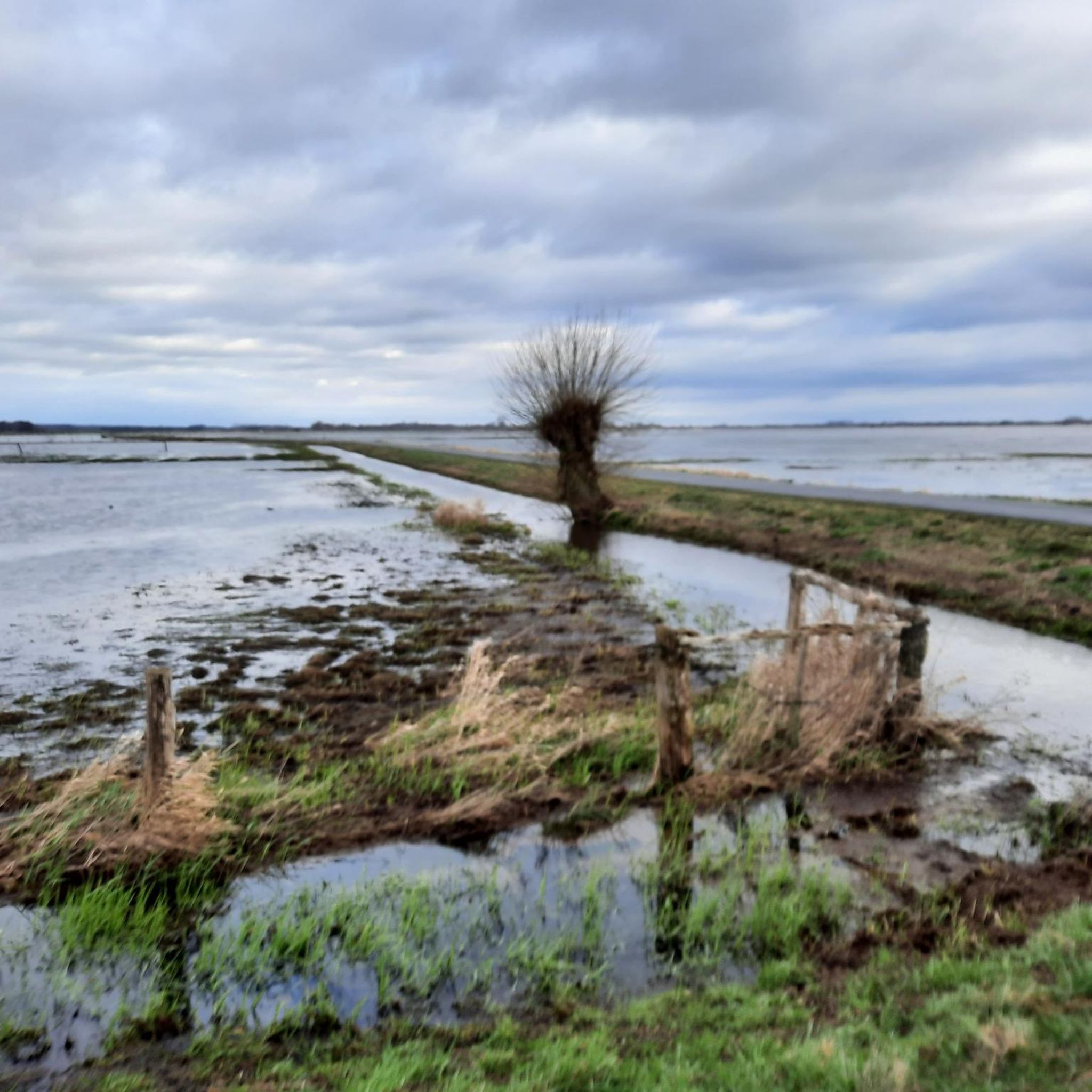
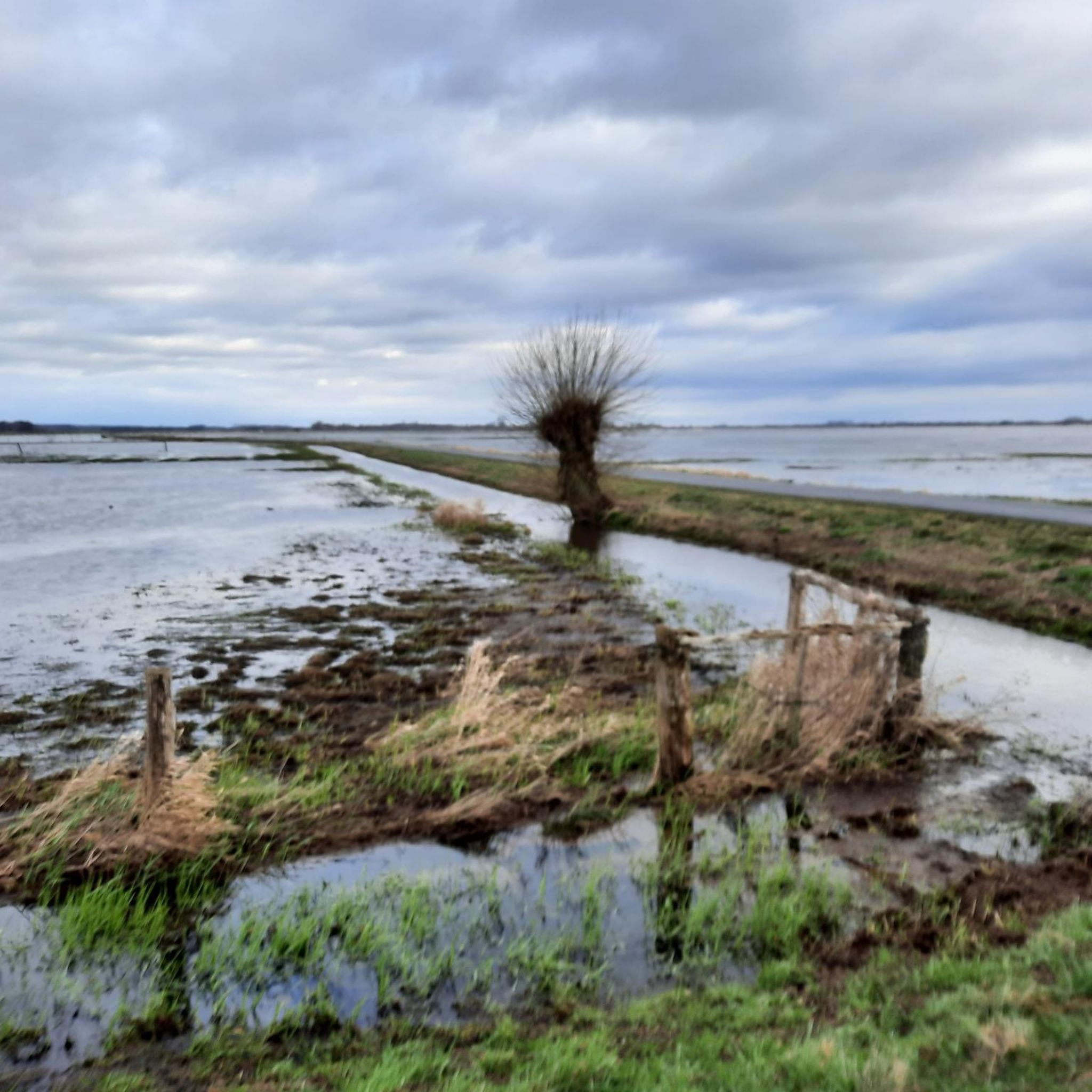
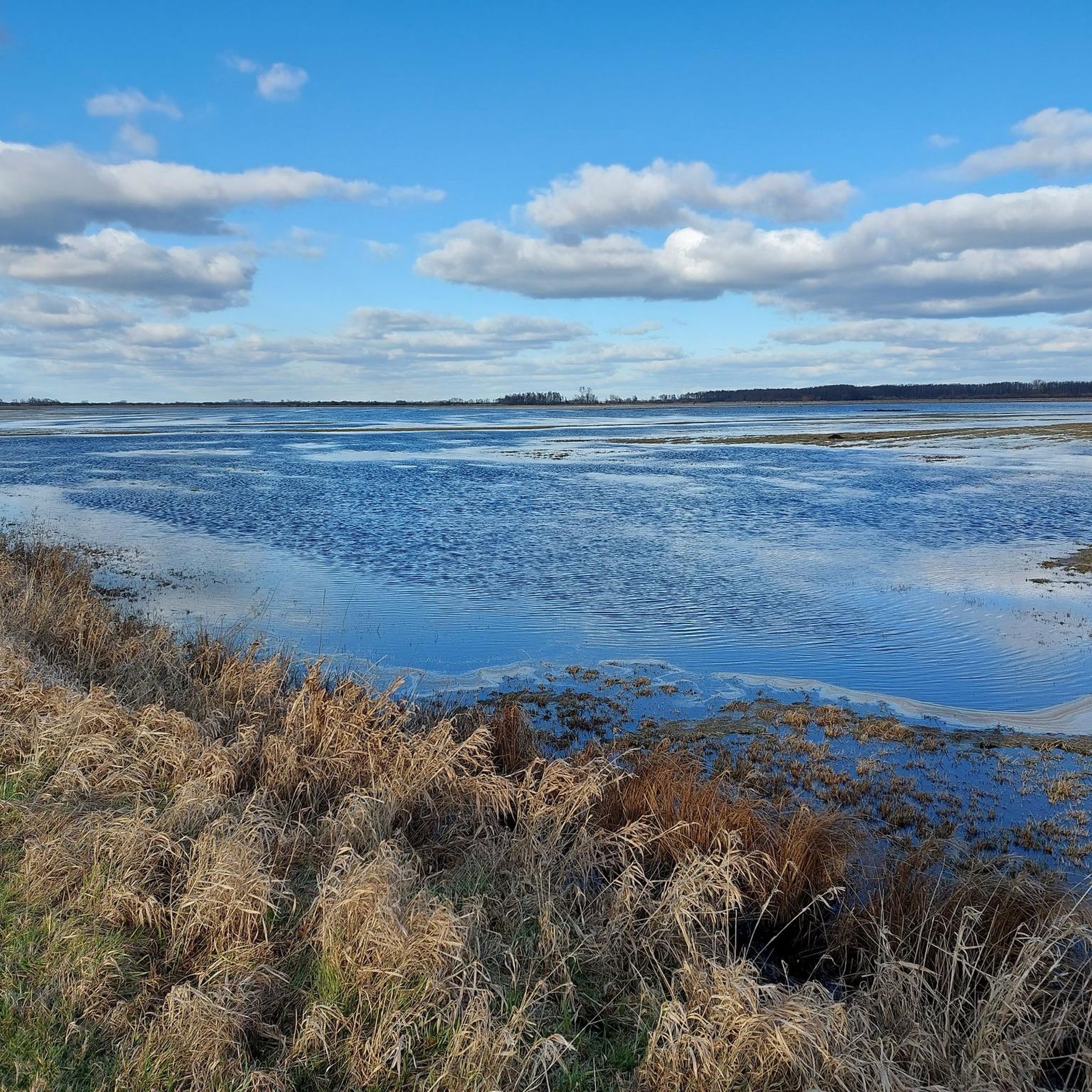
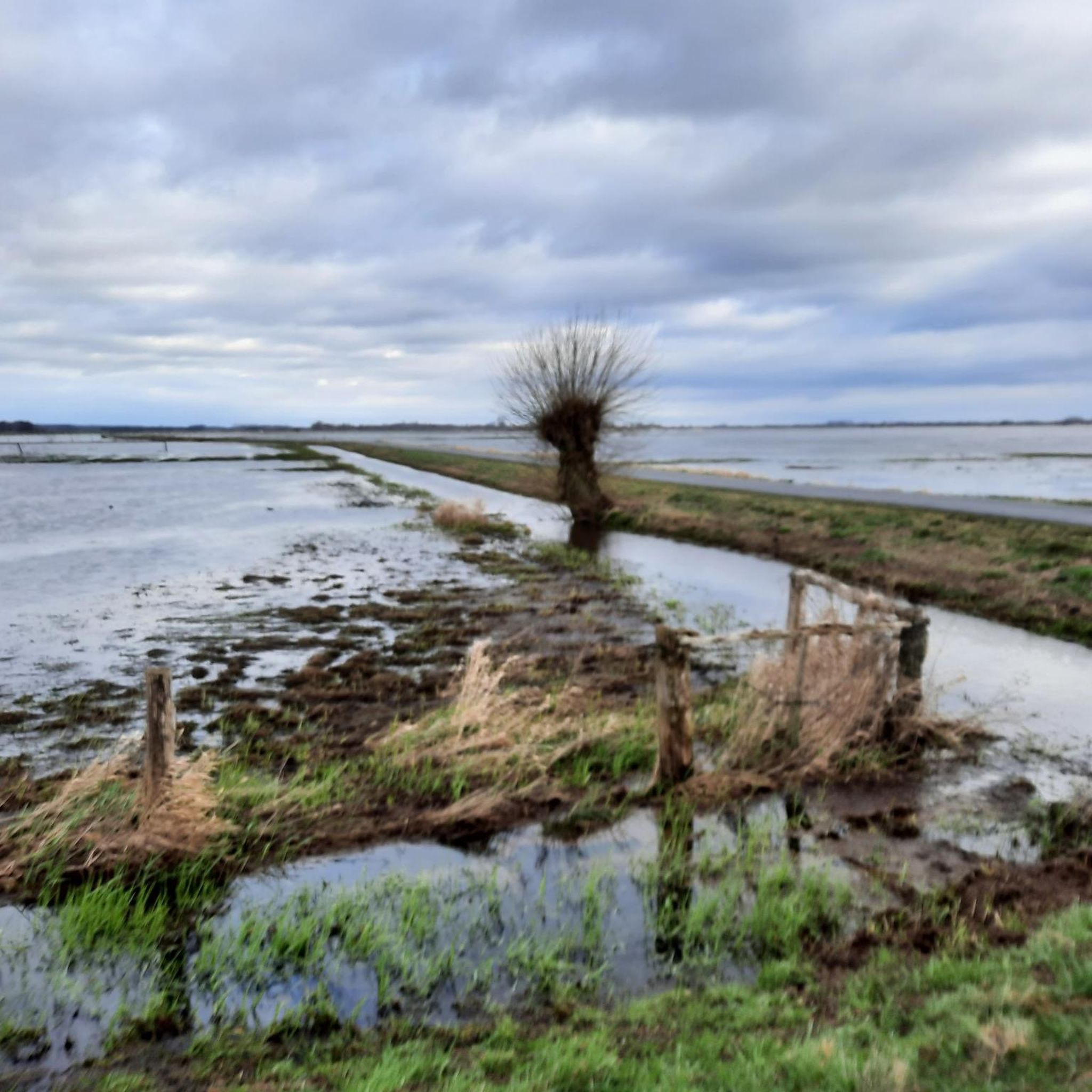
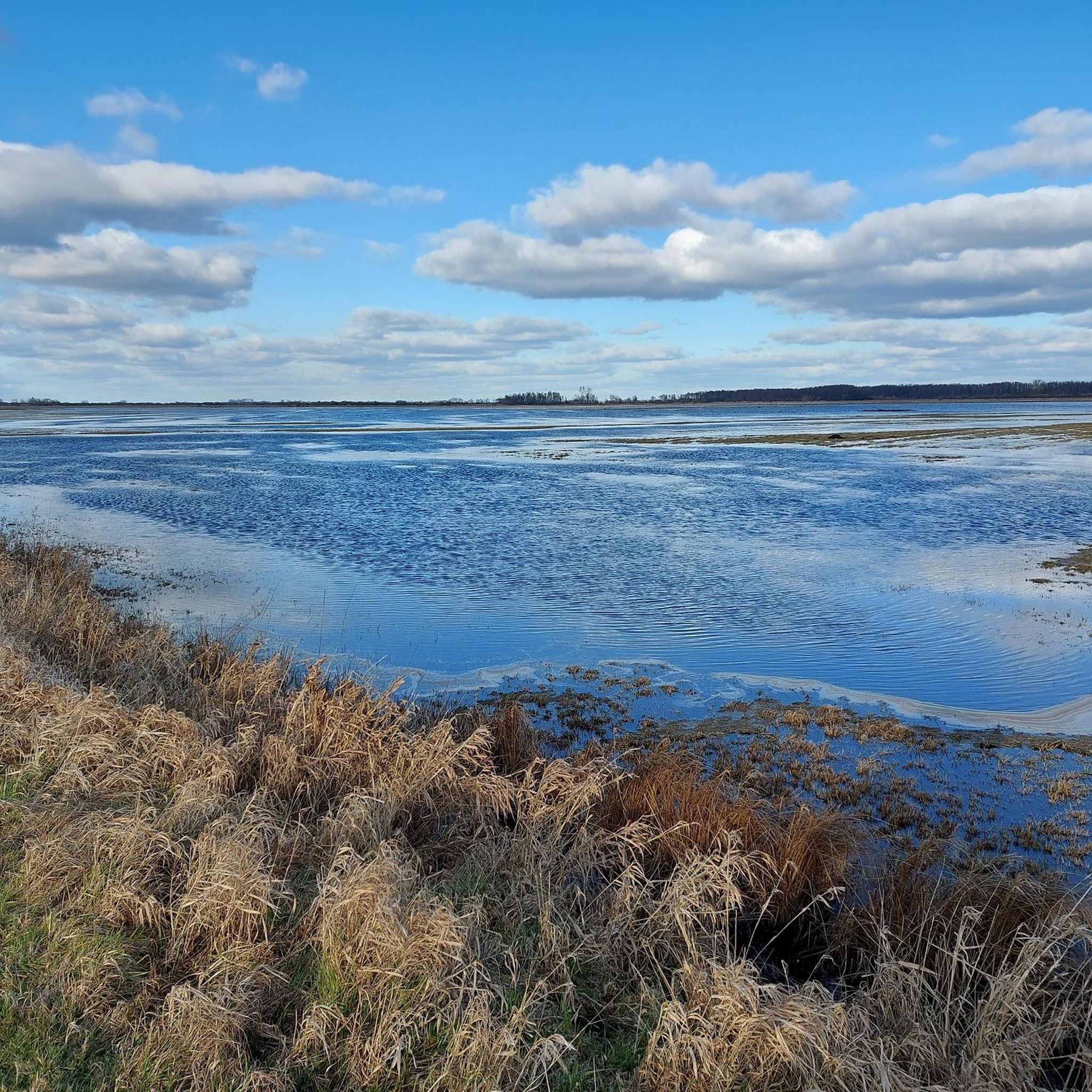
European bird sanctuary with rewetted wet grassland, important breeding area for meadow birds and resting area for geese.
4
0

Neolithic era At the end of the second settlement phase of Hüde I - around 3300 to 3200 BC. BC - people from a different culture built the moorland settlement Hunte 1 on a slightly rising hill on the Hunte, which flows north of the Dümmer. This place was discovered in 1934 when the Hunte was being straightened and was systematically excavated between 1938 and 1940 by Hans Reinerth, then head of the Reich Office for Prehistory. In 2000, the excavation documents and found material scattered during the Second World War were reassembled and scientifically evaluated as part of a research project at the Lower Saxony State Museum in Hanover.
5
0
Paleolithic era The oldest human presence on the Dümmer so far is proven by a harpoon tip that was fished out of the Dümmer in 1887. It was made by people of the Paleolithic period who hunted the reindeer in the Dümmer lowlands in the then treeless tundra of the Bölling Interstadial of the Vistula Ice Age 15,000 years ago. With the rise in temperatures around 12,000 years ago, nature changed on the Dümmer: birch and pine forests expanded, more hardwoods were added, and large and small game became native - an ideal basis for life for the people of the Mesolithic. A barbed tip, perhaps a harpoon tip - found near Lemförde in 1973 - confirms the presence of these Mesolithic people as early as the end of the Vistula Ice Age, because using the C14 method the tip was dated to 11,000 years before our time.
5
0
Creation of the Dümmersedit The Dümmer formed around 12,000 years ago and has a similar origin story to the Steinhuder Meer: Until now, it was assumed that the Dümmer was a deflation trough. However, the surrounding sands (dunes) are not sufficient to interpret the formation as a deflation trough. It is now assumed that the Dümmer lake basin was formed by the formation of ice lenses during the Vistula glaciation. The glaciation of this last ice age did not extend into this region, but the landscape was periglacial, i.e. formed as a cold steppe. This ice lens theory was arrived at through studies of the periglacial area in Canada. However, this phenomenon should not be confused with the so-called pingos.
5
0
The Dümmer, also referred to as Dümmer Lake on official signposts, is a 12.4 km² large and up to 1.4 m deep lake in the west of the northern German lowlands in the Diepholz district of Lower Saxony (Germany). It lies in the triangle between the towns and cities of Lemförde, Damme and Diepholz and is traversed by the Hunte.
5
0
Frequently Asked Questions
What are the most significant natural areas to explore around Stemshorn?
The region around Stemshorn is primarily characterized by two major protected landscapes: the Landschaftsschutzgebiet Stemweder Berg and the broader Dümmer Nature Park. These areas offer diverse natural environments, from the low mountain range of Stemweder Berg with its geological significance to the extensive wetlands and bird sanctuaries of the Dümmer Nature Park.
Are there any unique geological features to discover in the Stemweder Berg area?
Yes, the Stemweder Berg is known for its geological significance, composed of limestone from the Younger Cretaceous period. A particularly unique feature is the Brummloch (Humming Hole), which consists of holes hewn into a rock face. Visitors can place their heads inside and hum to feel vibrations, a practice historically associated with therapeutic benefits.
What kind of wildlife can I expect to see in the Dümmer Nature Park?
The Dümmer Nature Park, especially the Ochsenmoor Nature Reserve at Lake Dümmer, is a vital bird sanctuary. It's a crucial breeding and resting ground for numerous waterfowl species like mallards, grey herons, and kingfishers, and an important stop for migratory birds. You might also spot rare fish species, otters, and the unique 'Diepholzer Moorschnucken' sheep used for landscape maintenance.
Are there family-friendly natural monuments or activities around Stemshorn?
Absolutely. Many natural monuments are suitable for families. The Brummloch (Humming Hole) in the Stemweder Berg is often highlighted as informative and engaging for children. The Ochsenmoor Observation Tower offers great views and is accessible for families, and the Reed Boardwalk at Lake Dümmer provides an easy way to experience the wetlands.
What are the best opportunities for birdwatching in the region?
The Ochsenmoor Nature Reserve at Lake Dümmer is an exceptional spot for birdwatching. The Ochsenmoor Observation Tower provides extensive views over the moor, making it ideal for spotting various species. Visitors often bring binoculars and telephoto lenses to capture the diverse birdlife.
Can I go hiking or cycling near the natural monuments?
Yes, the area offers excellent opportunities for both hiking and cycling. You can find various routes, including easy hikes like the "View of the Wiehen Hills loop from Stemshorn" or more challenging options such as the "View of Lake Dümmer – Stemweder Berg Forest Trails loop from Lemförde". For more detailed information and route suggestions, explore the hiking guide for Stemshorn or the road cycling routes around Stemshorn.
What is the best time of year to visit the natural monuments around Stemshorn?
The Dümmer Nature Park is particularly important for international bird migration, making spring and autumn excellent times for birdwatching. During these seasons, you can witness large numbers of migratory birds. Summer offers pleasant weather for hiking and cycling, while the diverse flora, such as cotton grass in Venner Moor, is beautiful in late spring and early summer.
What is the <a href="https://www.komoot.com/highlight/1064248" target="_blank" rel="noopener">Venner Moor</a> and what makes it special?
The Venner Moor is a former high moor where significant landscape restoration efforts are underway. Despite past peat extraction, it now offers a rich diversity of flora and fauna. Visitors can enjoy various bird calls, frog concerts, and the sight of cotton grass, making it a unique natural monument for experiencing a recovering wetland ecosystem.
Are there any specific natural reserves focused on amphibian protection?
Yes, the Amphibienbiotop Friedeholzer Schlatt is a smaller but crucial nature reserve dedicated to protecting amphibian populations. It features a nutrient-rich meadow 'Schlatt' (a temporary pond) and an adjacent body of water, providing valuable habitat for species like the great crested newt, with surrounding forests serving as winter habitats.
What do visitors particularly enjoy about the natural monuments in this region?
Visitors frequently highlight the exceptional opportunities for nature observation, especially birdwatching at the Dümmer. The unique experience of the Brummloch (Humming Hole) is also a popular point of interest. Many appreciate the diverse landscapes, from wooded hills to extensive wetlands, and the efforts in nature conservation that preserve the region's biodiversity.
Is the <a href="https://www.komoot.com/highlight/5258868" target="_blank" rel="noopener">Reed Boardwalk at Lake Dümmer</a> accessible?
The Reed Boardwalk at Lake Dümmer is noted for its accessibility, including being wheelchair-friendly. It offers a great view of the Dümmer and its surrounding reed belt, with information boards explaining the local nature, making it an inclusive spot for experiencing the wetlands.
Most popular routes around Stemshorn
Most popular attractions around Stemshorn

Get inspired with the komoot mobile app


Explore more
Extend your search for the best caves by checking out these guides of the top ones around Stemshorn:
