Top 17 Natural Monuments around Bahrenborstel
Natural monuments around Bahrenborstel offer diverse natural landscapes within the German state of Niedersachsen. The region features extensive forests and idyllic moors, providing opportunities for outdoor exploration. Visitors can discover more than 15 natural monuments in the vicinity of Bahrenborstel. These sites highlight the area's unique ecosystems and geological features.
Best natural monuments around Bahrenborstel
- The most popular natural monument is Moorpadd boardwalk at Neustädter Moor, a trail that leads directly through boggy moor areas. This 1.3 km circular…
Last updated: April 26, 2026
Moorpadd boardwalk at Neustädter Moor
Highlight (Segment) • Trail
Translated by Google •
Tip by

Franzosenstein on Knickberg
Highlight • Natural Monument
Translated by Google •
Tip by

Sign up now to discover places like this
Get recommendations on the best single tracks, peaks, & plenty of other exciting outdoor places.
Sign up for free
Neustädter Moor Observation Tower
Highlight • Viewpoint
Translated by Google •
Tip by

Uchter Moor Observation Tower
Highlight • Viewpoint
Translated by Google •
Tip by
Heidepark Essern
Highlight • Natural Monument
First, a space of 30x50 m was cleared in the bushes. It was …
Translated by Google •
Tip by

Sign up for free to discover even more natural monuments around Bahrenborstel.
Sign up for free
Already have an account?
Start today with a free account
Your next adventure awaits.
Login or Signup
Tips from the Community

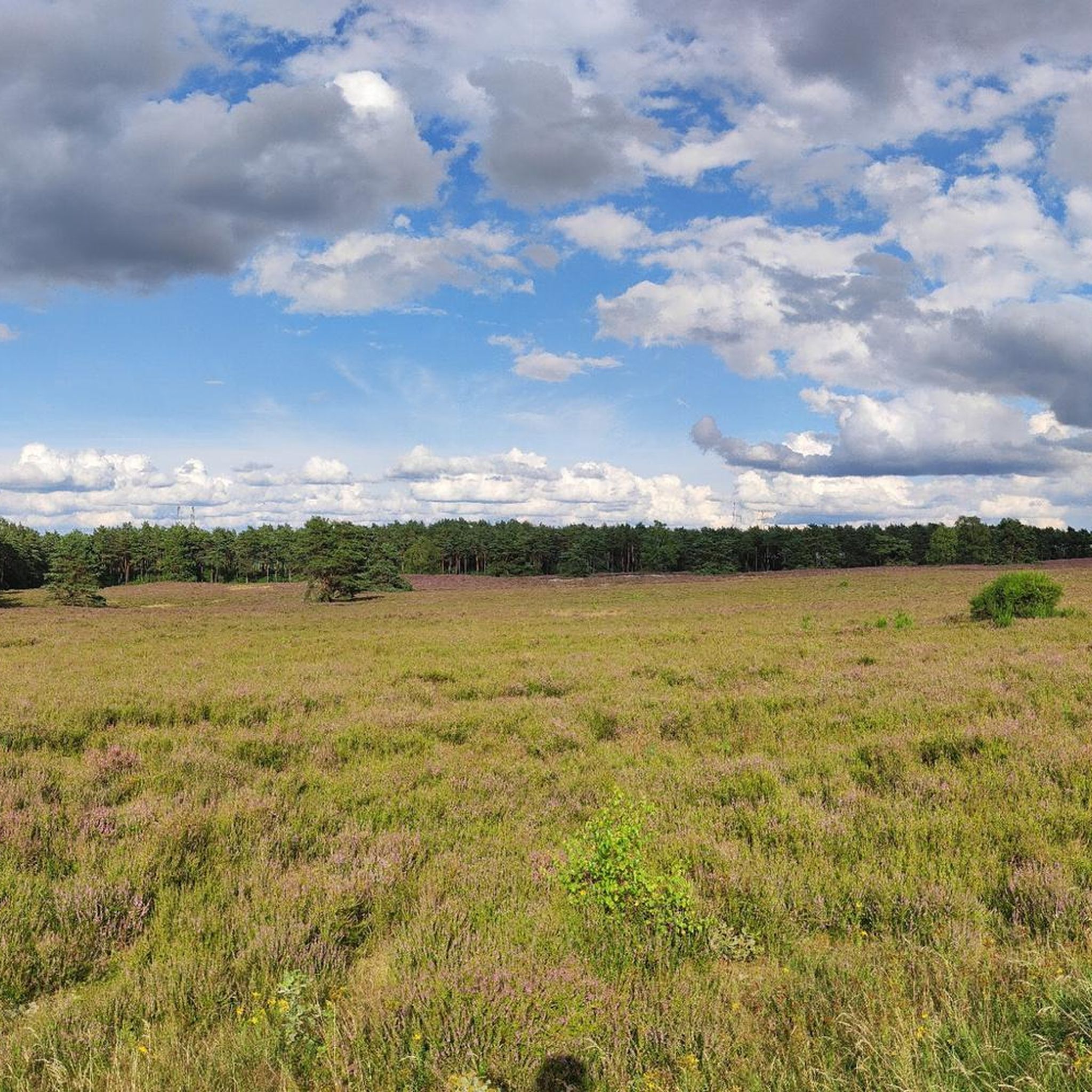
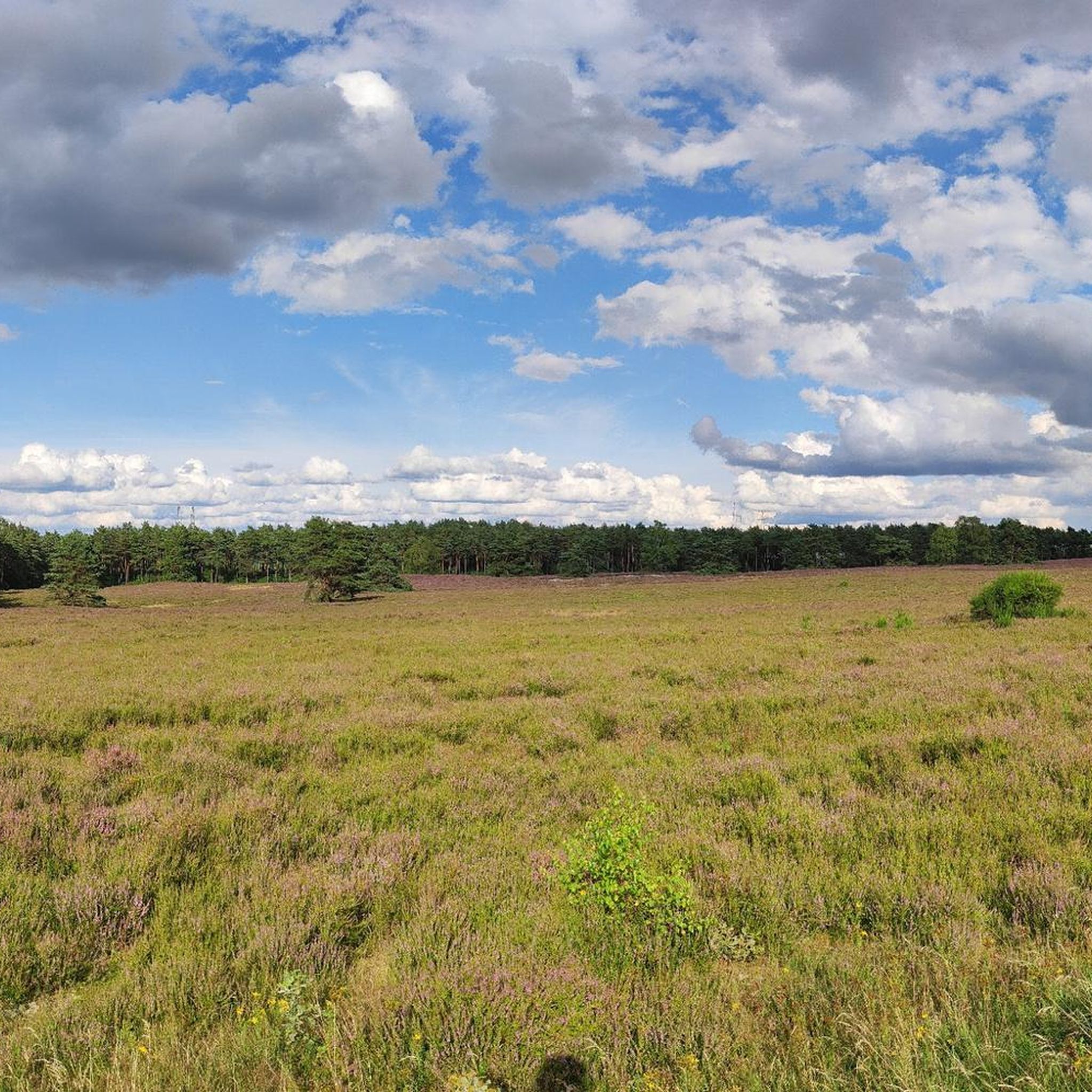
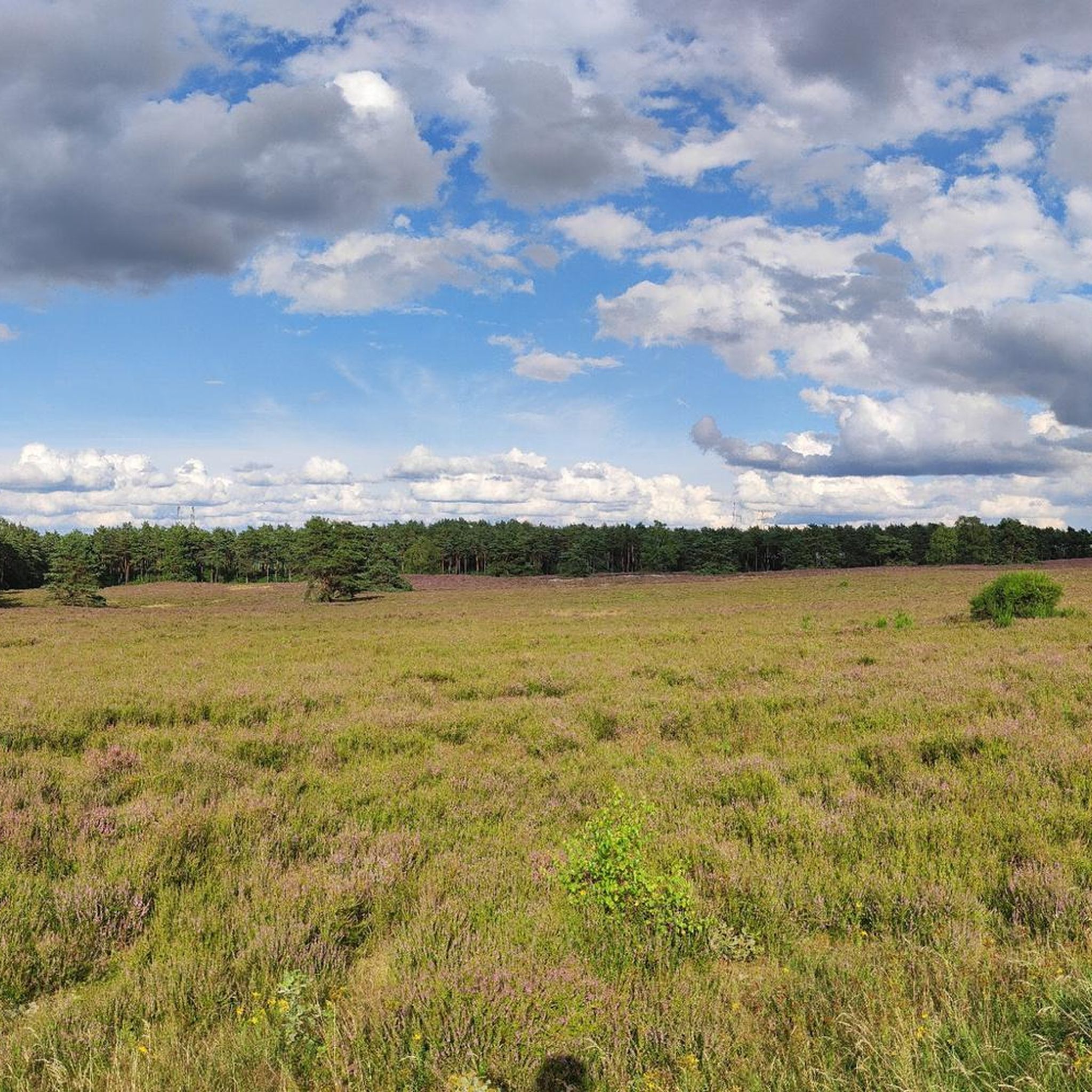
Heidepark Essern is a park in Diepenau that is rich in local history and natural beauty. 🌳. Originally created in 1906 by teacher Friedrich Brinkmann with the help of the local community, it was designed as a park-like space for play, sports, and reflection. 🌿 The highlights of Heidepark Essern are the Erratic Boulder Park, with over 22 large glacial erratic boulders (erratics), including one weighing 80 quintals, placed throughout the park. More were added in 1911, forming a unique geological and memorial landscape. Botanical Diversity: Around 30 rare tree species were planted to enrich the flora and support nature education. Memorial: A touching memorial to fallen soldiers from the First World War, including a stone for the "unknown soldier," surrounded by beech trees and arranged in a symbolic manner. Barbecue Hut & Recreation: A cozy barbecue hut, built in 1980 and renovated in 2003, is popular with gatherings. The park also has seating areas and public restrooms. Size & Location: Covering 3.3 hectares, it is the largest park in Diepenau and ideal for quiet strolls or small group outings.
0
0

A "highlight" of the Kirchdorfer-/Kuppendorfer Heide-Rund; you have to do it ;-).
1
0

The tower with its three viewing heights is a great highlight in itself. The view from the top floor is very impressive
2
0

Little info from the internet: The Frenchman's Stone Today it is still called “Franzosenstein”, the one meter high sandstone column on the highest point in the community of Kirchdorf. This relic from the past always puzzles visitors. The following is recorded in the Kirchdorf community archive: Kirchdorf, which belonged to the Uchte district under Hessian administration, came under French rule in 1803. Under the direction of Colonel Epailly, survey officers erected a twelve meter high tower. At this point a first order triangle network (“Canevas die Triangles du Ier ordere executes par M. Epailly”). From here the following main points were recorded: the church towers of Twistringen and Asendorf, the signal towers on the Mordkulenberg west of the Dümmer in the Dammer Mountains (141 m above sea level), on the Hüttenberg in Grinderwald (101 m above sea level), a mountain near Loccum and the Knickberg (86 m above sea level). At the same time, French observers were able to monitor events in all directions. In 1813, after the French era, Kirchdorf fell back to Hesse and the twelve meter high tower was destroyed. In 1814, Prince Regent George of Hanover and England elevated his electorate to a kingdom, including the Hessian territories. In 1816, King George IV ordered the extension of triangulation to the entire Kingdom of Hanover. Under the direction of C. F. Gauß, the survey work also began on the Knickberg, for which he had a stone built with a pedestal and a slab on top, which fell victim to deliberate destruction. As a replacement, a one meter high sandstone pillar was erected with the carved inscription “Königl. Hann. Country. Surveying.”. This stone still stands on the Knickberg today, which is incorrectly referred to as the “Franzosenstein”. Perhaps arbitrarily by the Prussians who annexed Hanover in 1866 after the Battle of Langensalza. In 1886/87, as part of the Prussian survey, Prussian surveying officers built a wooden tower on a stone foundation at this point, which was then called the French Tower. After about 25 years, this too disappeared. In 1919 the decree came that no more towers should be erected. Today's visitor is no longer able to look out from all sides of the Knickberg. He is in the middle of the forest, where a bench invites him to rest. Not far from the supposed “French stone” there has been an embedded square stone with a cross for years, the so-called “trigonometric point”, which serves as a survey point for our land registry office for the height of the Knickberg (86 m above sea level).
1
0

This park-like facility was created in 1906. Over the years it became known widely as the Heidepark. First, a space of 30x50 m was cleared in the bushes. It was intended to serve as a playground and sports field. As a frame, a 2m wide path was created at a distance of 10m and a 1½m wide path at a distance of 5-8m with connecting paths to the square. 22 large boulders - the heaviest weighed 80 hundredweight - were painstakingly removed from the heath and then placed on the heath park, on the paths and in the bushes. In addition to these stones, which were brought in in 1907, a mighty boulder slab was added in 1911 added some small boulders.
2
0

Take the Moorbahn to the Moorpad. Then walking the pad or other paths through the moor always gives interesting insights into the moor.
4
0
In 1906, with the participation of the residents, a park-like facility was created by the then main teacher Friedrich Brinkmann. Over the years it became known widely as the Heidepark. https://www.essern.info/portal/seiten/100-jahre-heidepark-essern-1066-801.html
0
1

The view out into the moor is fantastic. Always a magical goal for me. 🌟📸👍 Even if you have to be extremely careful not to slip on the sandy path there and back.
5
0
Frequently Asked Questions
What are some of the most notable natural monuments around Bahrenborstel?
The region around Bahrenborstel offers diverse natural monuments. You can explore the unique bog ecosystems at the Moorpadd boardwalk at Neustädter Moor, which features a 1.3 km circular route with board paths over water. For panoramic views, visit the Neustädter Moor Observation Tower or the Uchter Moor Observation Tower, which also provides insights into peat mining.
What kind of natural features can I expect to see in the Bahrenborstel area?
The Bahrenborstel area, situated within Niedersachsen, is characterized by extensive forests and idyllic moors. You'll find unique bog ecosystems with specialized flora like peat moss and sundew, as well as large stretches of coniferous forests. The broader region also includes significant natural landscapes such as the Naturpark Südheide, known for its vast forests and moors.
Are there family-friendly natural monuments to visit near Bahrenborstel?
Yes, several natural monuments are suitable for families. The Moorpadd boardwalk at Neustädter Moor is particularly family-friendly, offering action stations for children and a unique experience walking over boggy areas. Observation towers like the Neustädter Moor Observation Tower and the Uchter Moor Observation Tower are also great for families, providing opportunities for wildlife spotting.
What is the best time of year to visit the natural monuments around Bahrenborstel?
The natural monuments around Bahrenborstel can be enjoyed year-round. For observing resting cranes and other migratory birds, autumn and spring are ideal, especially from the observation towers. The moors and forests offer unique beauty in all seasons, with the Lüßwald's old beeches and oaks providing a special atmosphere throughout the year. Waterproof footwear is recommended for the moors, especially during wetter periods.
Are there hiking trails near the natural monuments around Bahrenborstel?
Yes, there are various hiking opportunities. The Moorpadd boardwalk at Neustädter Moor is a 1.3 km circular route directly through boggy areas. For more extensive hikes, you can explore trails in the Kirchdorfer Heide or Neustädter Moor. Find more hiking routes in the area on the Hiking around Bahrenborstel guide.
Can I observe wildlife at the natural monuments?
Yes, wildlife observation is a highlight, especially from the observation towers. From the Neustädter Moor Observation Tower, you can often spot geese, cranes, marsh harriers, and peregrine falcons. The moors are also home to diverse bird species and other wildlife, particularly during migration seasons.
Are there any natural monuments with historical significance?
Yes, the Franzosenstein on Knickberg is a natural monument with historical context. It marks the highest point in Kirchdorf and serves as a rest area where you can learn about local history. Additionally, the Heidepark Essern, established in 1906, features an Erratic Boulder Park with over 22 large glacial boulders and a memorial, blending natural beauty with local history.
Are there parking facilities available at the natural monuments?
While specific parking details for every monument are not always listed, popular sites like the observation towers and the Moorpadd boardwalk are generally accessible by car, and parking is usually available nearby. For example, the Neustädter Moor Observation Tower is well-signposted, indicating ease of access.
What other outdoor activities can I do near these natural monuments?
Beyond hiking, the Bahrenborstel area offers opportunities for cycling. You can find various routes for mountain biking and road cycling. Explore more options on the MTB Trails around Bahrenborstel guide and the Road Cycling Routes around Bahrenborstel guide.
What do visitors enjoy most about the natural monuments around Bahrenborstel?
Visitors particularly appreciate the tranquility and natural beauty of the area. The unique experience of walking on the Moorpadd boardwalk, the panoramic views from the observation towers, and the chance to spot diverse wildlife are frequently mentioned highlights. The sense of solitude in the extensive forests and the rich historical context of sites like the Heidepark Essern also contribute to a memorable experience.
Are the natural monuments around Bahrenborstel dog-friendly?
Many natural areas in Niedersachsen are dog-friendly, especially on marked trails. While specific rules may vary by location, generally, dogs are welcome on a leash. Always ensure to respect local regulations and protect the natural environment, particularly in sensitive areas like moors and bird sanctuaries.
Most popular attractions around Bahrenborstel

Get inspired with the komoot mobile app


Explore more
Extend your search for the best caves by checking out these guides of the top ones around Bahrenborstel:
