Top 9 Natural Monuments around Warlow
Natural monuments around Warlow offer diverse natural and historical landscapes in the Ludwigslust-Parchim district of Mecklenburg-Vorpommern, Germany. The region is characterized by its proximity to Ludwigslust, providing access to extensive parklands and unique natural features. These areas include meticulously designed baroque parks and significant forest areas. Visitors can explore a variety of natural attractions that blend historical significance with natural beauty.
Best natural monuments around Warlow
- The most popular natural monuments is 24 water jumps, a natural monument featuring…
Last updated: June 25, 2026
Ludwigslust Palace
Highlight • Castle
Translated by Google •
Tip by

Ludwigslust Palace Park
Highlight • Natural Monument
Translated by Google •
Tip by

Sign up now to discover places like this
Get recommendations on the best single tracks, peaks, & plenty of other exciting outdoor places.
Sign up for free
24 water jumps
Highlight • Natural Monument
Translated by Google •
Tip by
Duke Frederick the Pious Monument
Highlight • Monument
Translated by Google •
Tip by
Stone Bridge, Ramparts, and Monk Fountain in Ludwigslust Palace Park
Highlight • Monument
Translated by Google •
Tip by

Sign up for free to discover even more natural monuments around Warlow.
Sign up for free
Already have an account?
Start today with a free account
Your next adventure awaits.
Login or Signup
Tips from the Community


The 24 "water jumps" in the Ludwigslust Canal in the Ludwigslust Palace Park are really worth seeing and it is worth walking the path through the beautiful palace park to get here. The water jumps are powered exclusively by the water gradient. https://de.wikipedia.org/wiki/Datei:Ludwigslust_Schlosspark_24_Wasserspr%C3%BCnge.JPG
2
0

Very pleasant place to take a short break. Definitely very nice in summer.
0
0

really a very nice park with lots of sights.. really fantastic when the sun is shining 🥰
2
0

At around 120 hectares, the park around the baroque palace is the largest in Mecklenburg-Western Pomerania and was also built in the 18th century by the court architect Busch in the French style. Peter Joseph Lenné, the Prussian garden director, redesigned and expanded the complex from 1852 to 1860. The water cascades, canals and bridges are typical of the green oasis. From spring to autumn, the garden attracts with lots of greenery, rare plants and trees: for example, bald cypresses, primeval redwoods and magnolias grow there. But even in winter, the baroque garden invites you to take long walks. Source: https://www.ndr.de/ratgeber/reise/mecklenburg/Ludwigslust-Alte-Residenzstadt-mit-barockem-Schloss,ludwigslust165.html
2
0
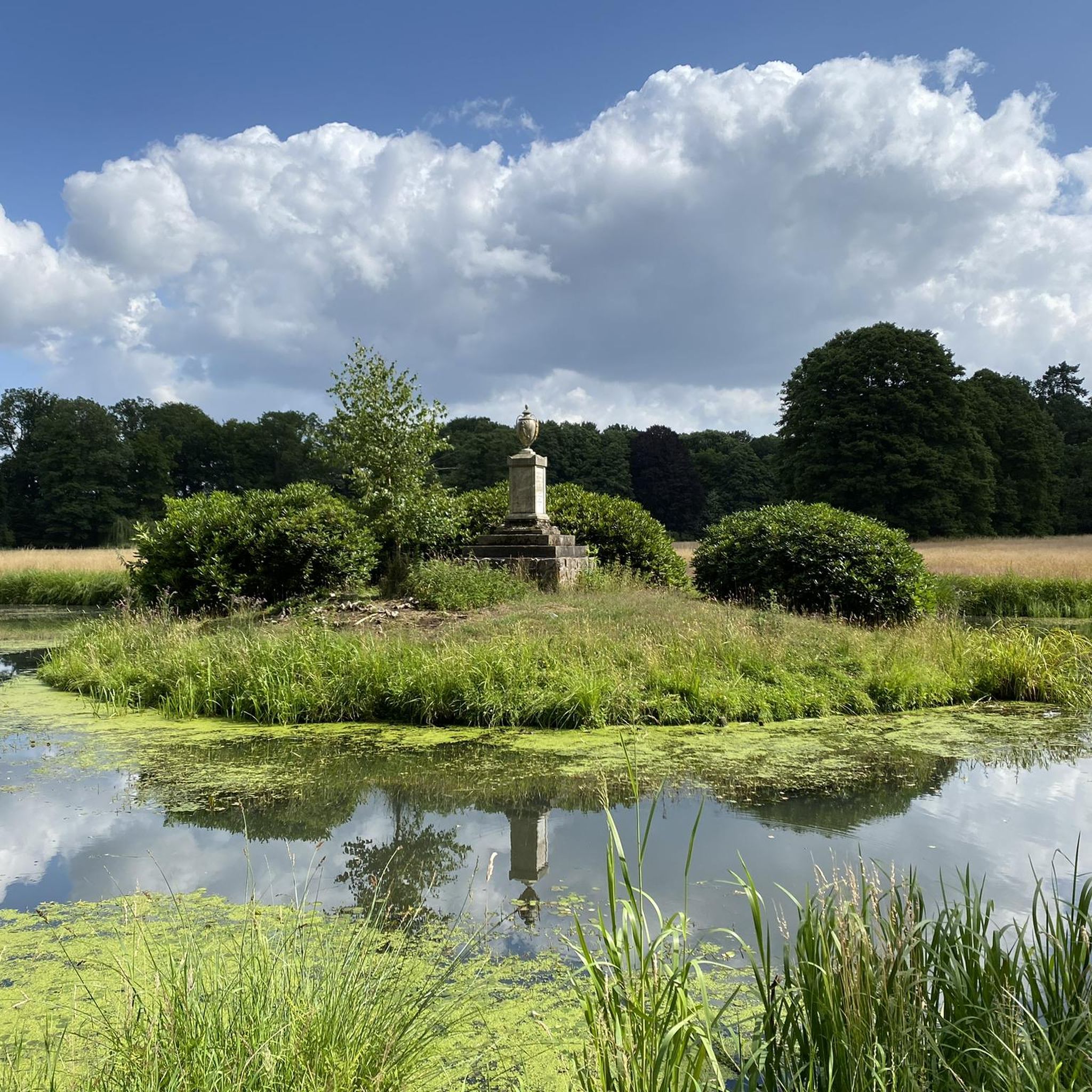
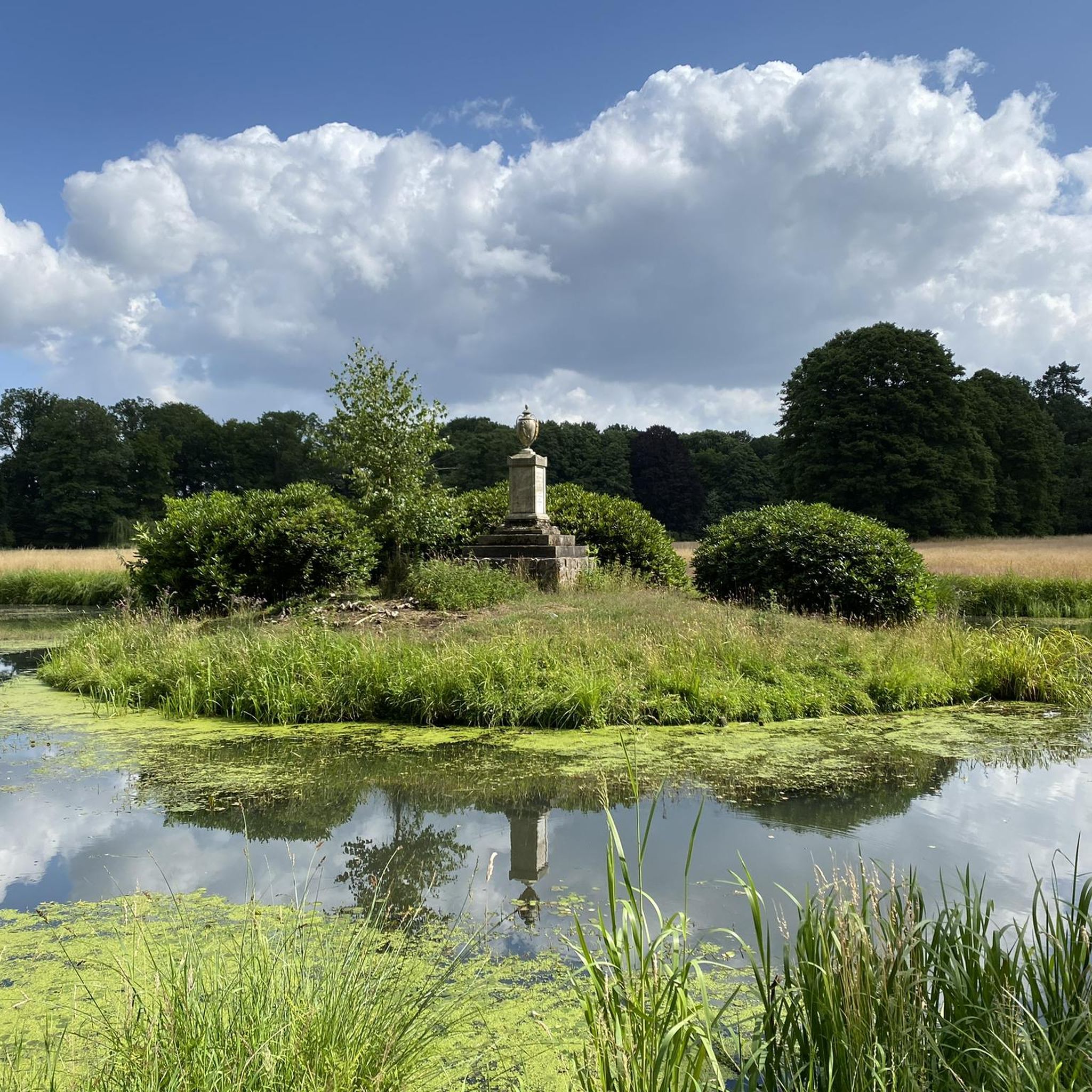
The monument to Duke Friedrich the Pious north of the grotto, made by Rudolf Kaplunger around 1788, is a sandstone group surrounded by a decorative wrought-iron fence on a pedestal. The monument once stood on a small island surrounded by poplar trees, whose moat was later filled in. Source: https://de.wikipedia.org/wiki/Schloss_Ludwigslust
1
0

Friedrich, Duke of Mecklenburg [-Schwerin], called the Pious or the Kind (*9 November 1717 in Schwerin; † April 24, 1785 in Ludwigslust) was the reigning Duke of Mecklenburg in the state of Mecklenburg-Schwerin. He was the son of Duke Christian Ludwig II and his wife Gustave Karoline, daughter of Adolf Friedrich II of Mecklenburg-Strelitz. see also: https://de.wikipedia.org/wiki/Friedrich_(Mecklenburg)
0
0

Not only impressive, also beautiful 🤩
1
0
Frequently Asked Questions
What are the most popular natural monuments around Warlow?
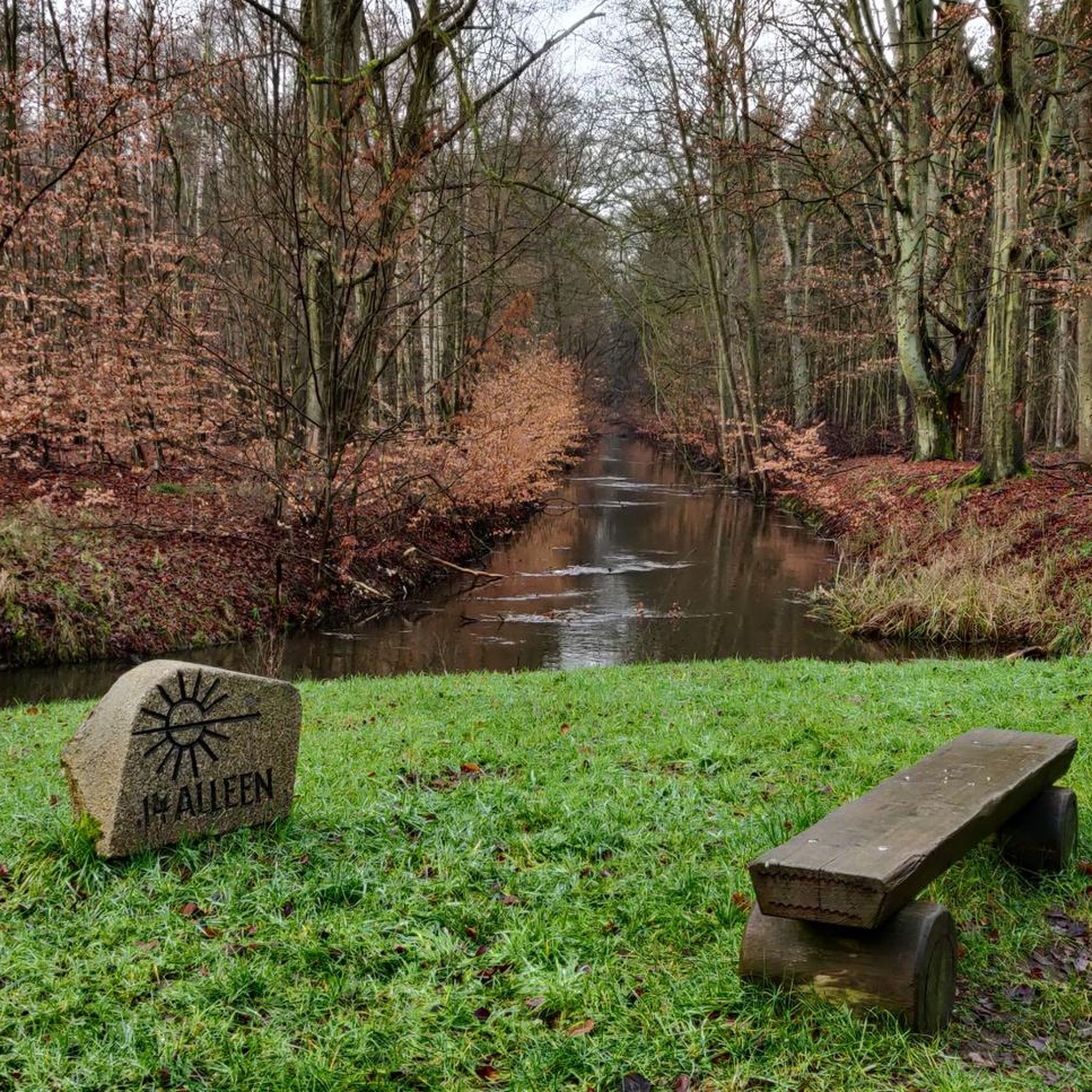
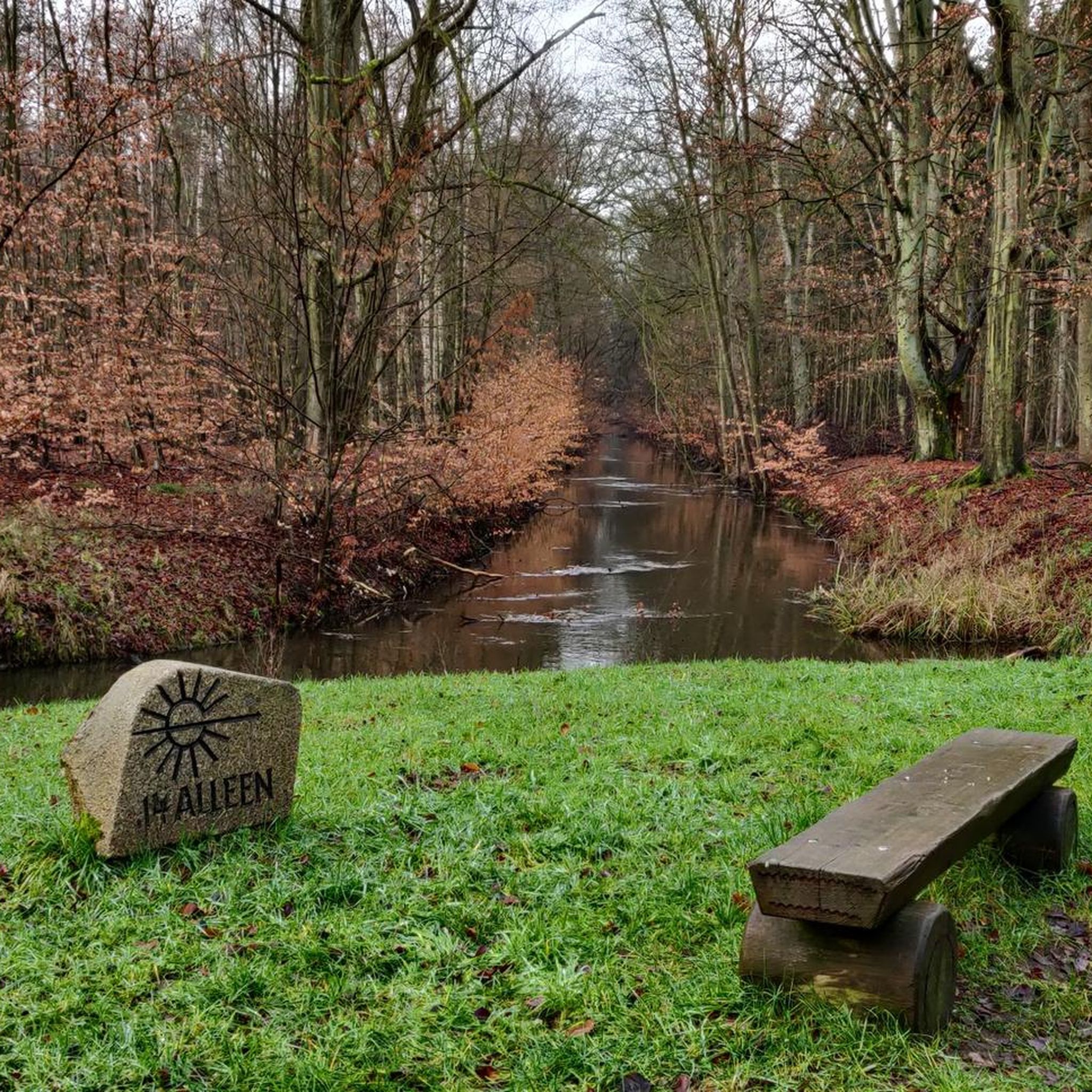
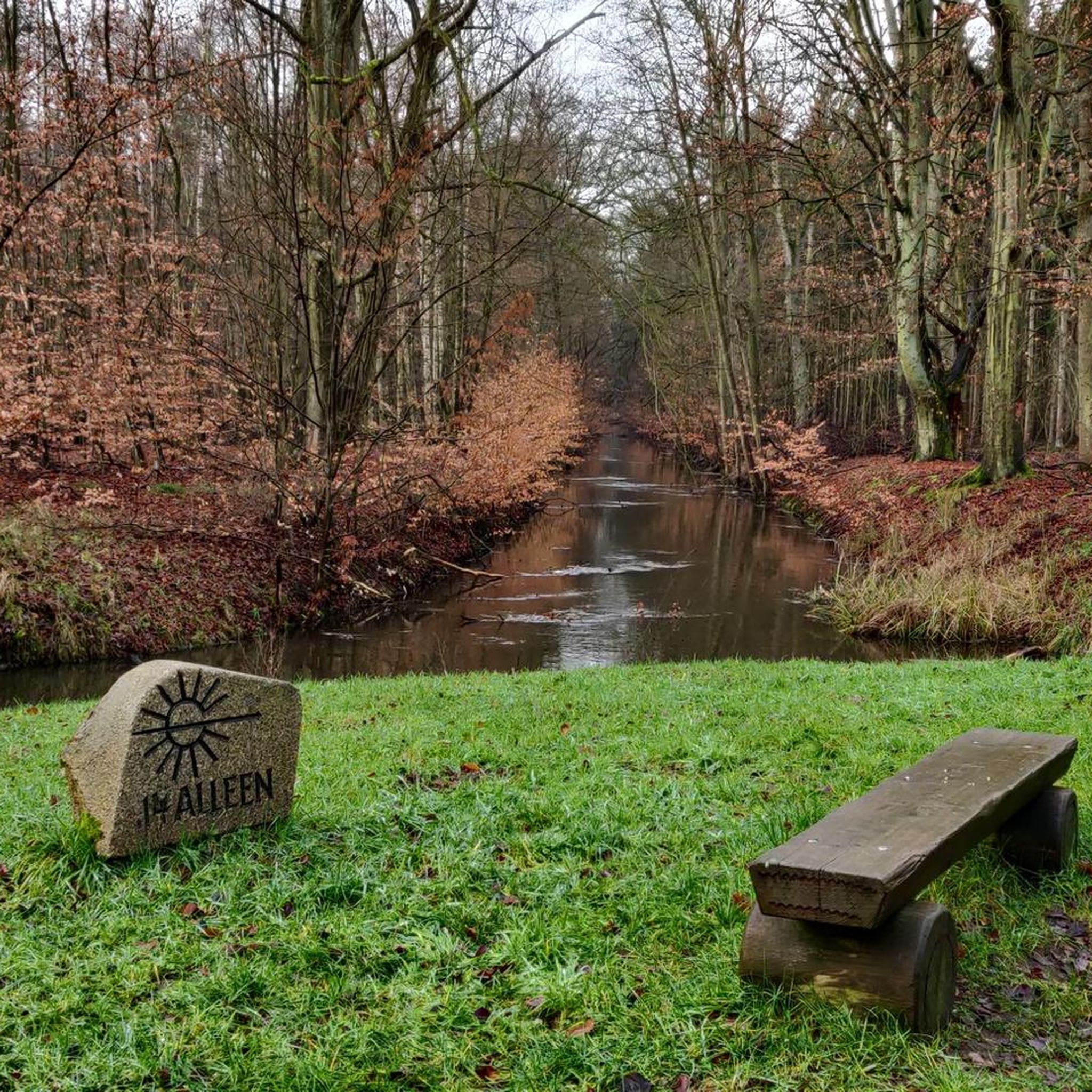
The most popular natural monuments in the area include 24 water jumps, known for its unique hydropower-driven fountains, and Ludwigslust Palace with its expansive 150-hectare baroque park. Visitors also highly appreciate the historical Ludwigslust Hunting Star (Fourteen Avenues), a forest area designed for parforce hunting.
Are there family-friendly natural monuments around Warlow?
Yes, several natural monuments are suitable for families. The Ludwigslust Palace and its park are ideal for walks, with features like the grotto ruins that children often enjoy exploring. The 24 water jumps also offer a tranquil setting that can be enjoyed by all ages. Additionally, the Ludwigslust Hunting Star (Fourteen Avenues) provides extensive forest paths for family strolls.
What natural features can I see around Warlow?
The region around Warlow, particularly in the Ludwigslust Palace Park, features imposing trees, meticulously designed landscapes, and unique water features like the 24 water jumps. The broader Ludwigslust-Parchim district is also home to the European Bird Reserve Lewitz, Germany's largest continuous meadow landscape, offering extensive natural meadows and diverse bird species.
What cultural or historic sites are nearby these natural monuments?
The most prominent historic site is Ludwigslust Palace itself, a baroque palace built between 1772 and 1776, modeled after Versailles. Within its park, you can find the Duke Frederick the Pious Monument and the Stone Bridge, Ramparts, and Monk Fountain, all contributing to the historical landscape.
Are there hiking trails near these natural monuments?
Yes, the area offers various hiking opportunities. You can find numerous routes, including those around Ludwigslust Palace and its park. For more detailed options, explore the available hiking routes around Warlow, which include easy to moderate trails.
What outdoor activities can I do near these natural monuments?
Beyond exploring the natural monuments themselves, you can enjoy various outdoor activities. Hiking and walking are popular, especially within the Ludwigslust Palace Park and the Ludwigslust Hunting Star (Fourteen Avenues). Cycling is also a great way to see the region, with many road cycling routes around Warlow available.
What do visitors enjoy the most about the natural monuments around Warlow?
Visitors particularly enjoy the tranquility and beauty of the landscapes. The unique hydropower system of the 24 water jumps is a highlight, offering a peaceful spot to listen to the waterfall. The grand, meticulously designed Ludwigslust Palace Park is also highly praised for its imposing trees and serene atmosphere, making it a fantastic place for relaxation and exploration.
What is the best time of year to visit the natural monuments around Warlow?
The natural monuments around Warlow are beautiful throughout the year. Spring and summer offer lush greenery and pleasant weather for exploring the parks and forest areas. Autumn brings vibrant colors to the trees, especially in the Ludwigslust Palace Park and the Ludwigslust Hunting Star (Fourteen Avenues). While some monuments might be covered in winter, the serene, often snow-dusted landscapes can also offer a unique experience.
Are the natural monuments around Warlow dog-friendly?
Many natural areas, such as the Ludwigslust Palace Park and the Ludwigslust Hunting Star (Fourteen Avenues), are generally dog-friendly, especially for walks on leash. It's always recommended to check specific rules for individual sites, but dogs are typically welcome in open park and forest environments.
Are there accessible natural monuments for visitors with mobility limitations?
The extensive paths within the Ludwigslust Palace Park are generally well-maintained and relatively flat, making them suitable for visitors with mobility limitations. While specific accessibility features vary, the wide avenues and open spaces of the park offer a good option for easier exploration.
What kind of wildlife can I expect to see in the Warlow area?
While Warlow itself is a residential area, its proximity to the European Bird Reserve Lewitz means you can expect to see a rich variety of birdlife, including sea eagles, ospreys, kingfishers, egrets, cranes, and grey geese. The forest areas like the Ludwigslust Hunting Star (Fourteen Avenues) are also home to various game and smaller forest animals.
Most popular attractions around Warlow

Get inspired with the komoot mobile app


Explore more
Extend your search for the best caves by checking out these guides of the top ones around Warlow:
